Best Cleansers for Acne-Prone Skin
Updated September 2026 · independently researched, no sponsored placements
Our top 40 picks, ranked from 895 reviewed products — ordered by how well each product does its category’s job.












How to Choose
The best cleanser for acne-prone skin isn't the one that fights acne hardest — it's the one that cleans thoroughly without wrecking your barrier, because a cleanser's contact time is too short to do much real acne-clearing anyway. This is the reframe that saves a lot of skin: the actives that actually treat breakouts — benzoyl peroxide, retinoids, leave-on salicylic acid — need to stay on your face to work, while a cleanser rinses off in 30 seconds.
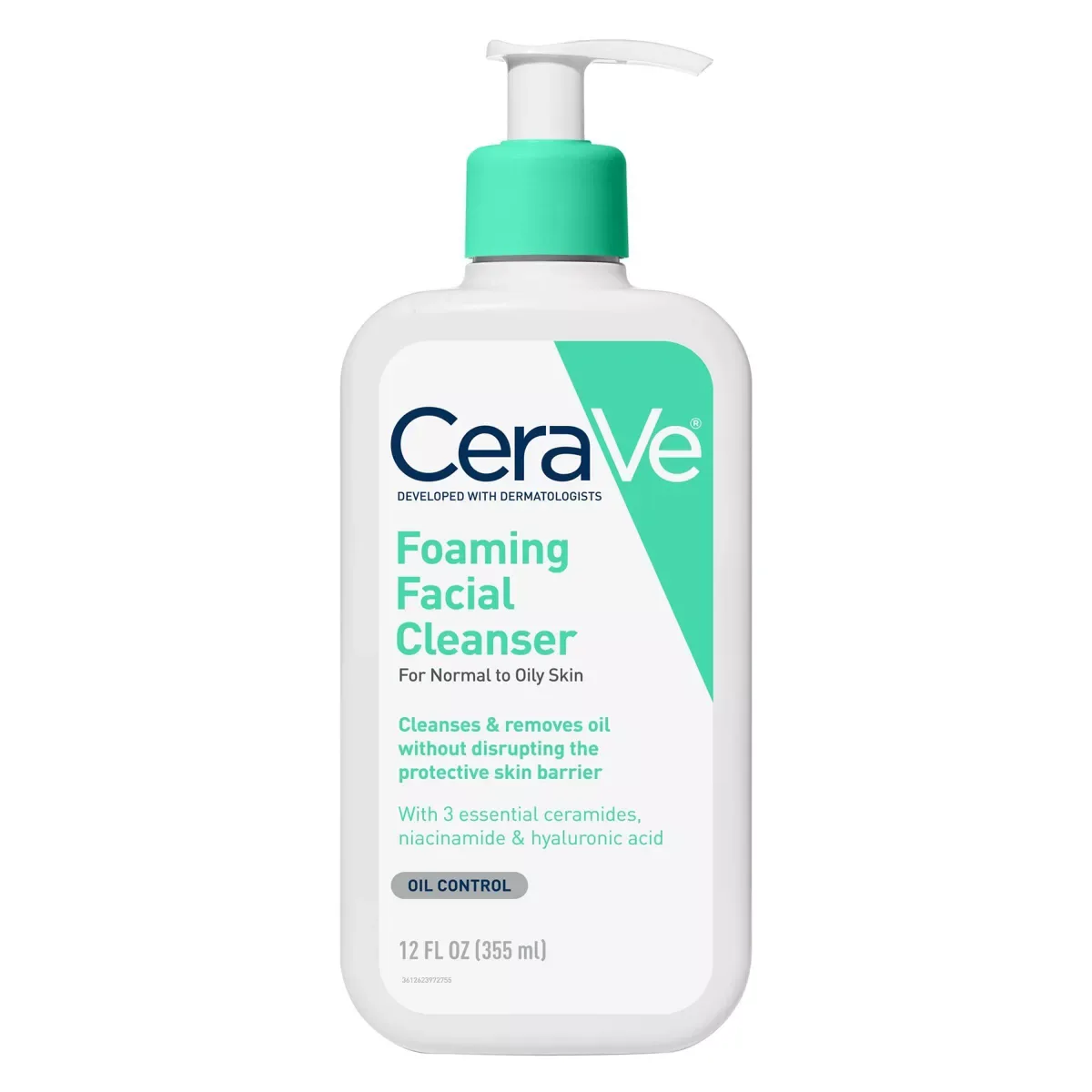
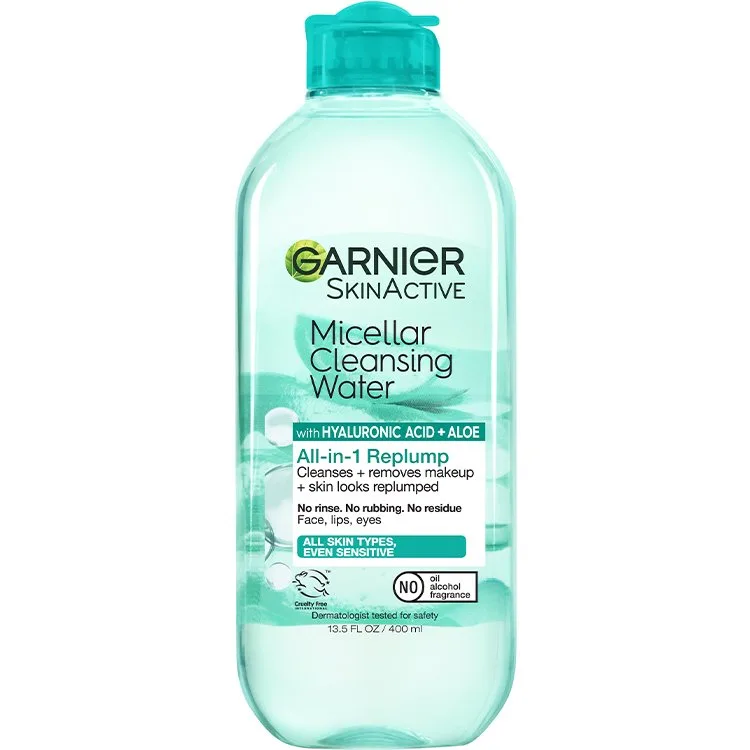
So the job of your wash is narrower than the marketing suggests. It should lift the day's oil, sweat, and sunscreen without stripping, and that's it. Over-cleansing is the classic acne own-goal: scrub with a tight, foamy, medicated wash and the skin rebounds oilier and more inflamed, which feeds the exact breakouts you're attacking. Look for lightweight, oil-free, non-comedogenic gels and foams built on gentle surfactants, ideally with niacinamide to help regulate oil over time — La Roche-Posay's Toleriane Purifying Foaming Cleanser ($22) and CeraVe's Foaming Facial Cleanser ($16) are the templates, and a micellar water like Garnier's ($12) is a fine low-effort option. Skip heavy balms and rich creams that can sit in pores. The honest caveat: don't expect the cleanser to clear your acne — pair a gentle wash with a real leave-on treatment and let each do its job. The whole category runs $7 to $28, so this is one place acne-prone skin genuinely doesn't need to spend.
Buying Guide
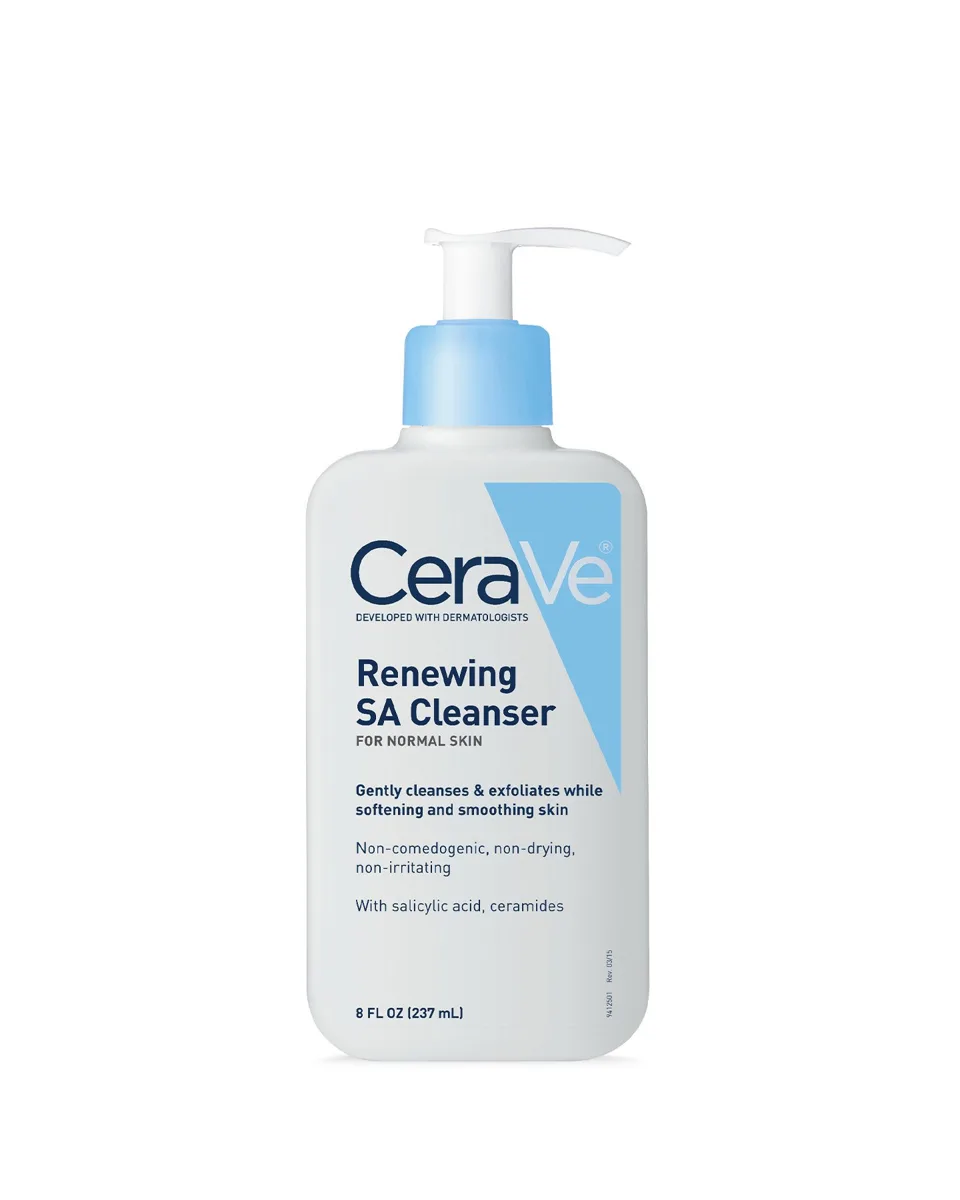
Reach for oil-free, non-comedogenic, lightweight textures — gel and foaming cleansers built on gentle surfactants like cocamidopropyl betaine rinse clean without leaving residue that can clog pores. Niacinamide is a useful inclusion because it helps regulate sebum and calm inflammation over time, even in a rinse-off product. The most important rule is what to avoid: harsh sulfate foams, gritty physical scrubs, and tingly "deep clean" washes that leave skin tight — that tightness is barrier damage, and a compromised barrier makes acne worse, not better. Don't lean on a salicylic acid cleanser to treat your acne; the acid washes away before it can do much, so put your active budget into a leave-on treatment instead and keep the cleanser gentle. Heavy cleansing balms and rich cream cleansers are better skipped if you're congestion-prone, though a lightweight oil cleanser at night is fine for melting off sunscreen. Price is a non-issue here — effective gentle cleansers cluster around $12–$22, well within drugstore reach.
Frequently Asked Questions
Should an acne cleanser have salicylic acid or benzoyl peroxide?
It can, but don't rely on a cleanser as your main acne treatment — in a wash that rinses off in seconds, those actives have little contact time to work. You'll get far more benefit from a gentle cleanser paired with a leave-on salicylic acid or benzoyl peroxide product that stays on the skin and actually penetrates the pore.
Can over-washing make acne worse?
Yes — stripping the skin with harsh or frequent cleansing damages the barrier and can push oil glands to overproduce, leaving skin both irritated and oilier, which feeds breakouts. Twice daily with a gentle, non-stripping cleanser is plenty; the goal is clean and comfortable, never tight and squeaky.
Is a foaming or gel cleanser better for acne-prone skin?
Both work well as long as they're gentle and non-stripping — lightweight gel and low-foam formulas suit acne-prone skin because they clear oil and sunscreen without heavy residue. The format matters less than the surfactant: choose something that leaves skin comfortable rather than tight, and avoid rich, balmy textures that can sit in pores.
Should I double cleanse if I have acne-prone skin?
At night, if you wear sunscreen or makeup, a lightweight oil or micellar cleanse followed by a gentle water-based wash removes everything without scrubbing. In the morning a single gentle cleanser is enough — over-cleansing is a bigger risk for acne-prone skin than under-cleansing, so don't double cleanse out of habit.