Winter Isn't Just Drying Your Skin — It's Running a Four-Front Assault on Your Barrier
Cold air, low humidity, indoor heat, and scalding showers each attack a different weak point. 'Thicker cream' answers one of them.
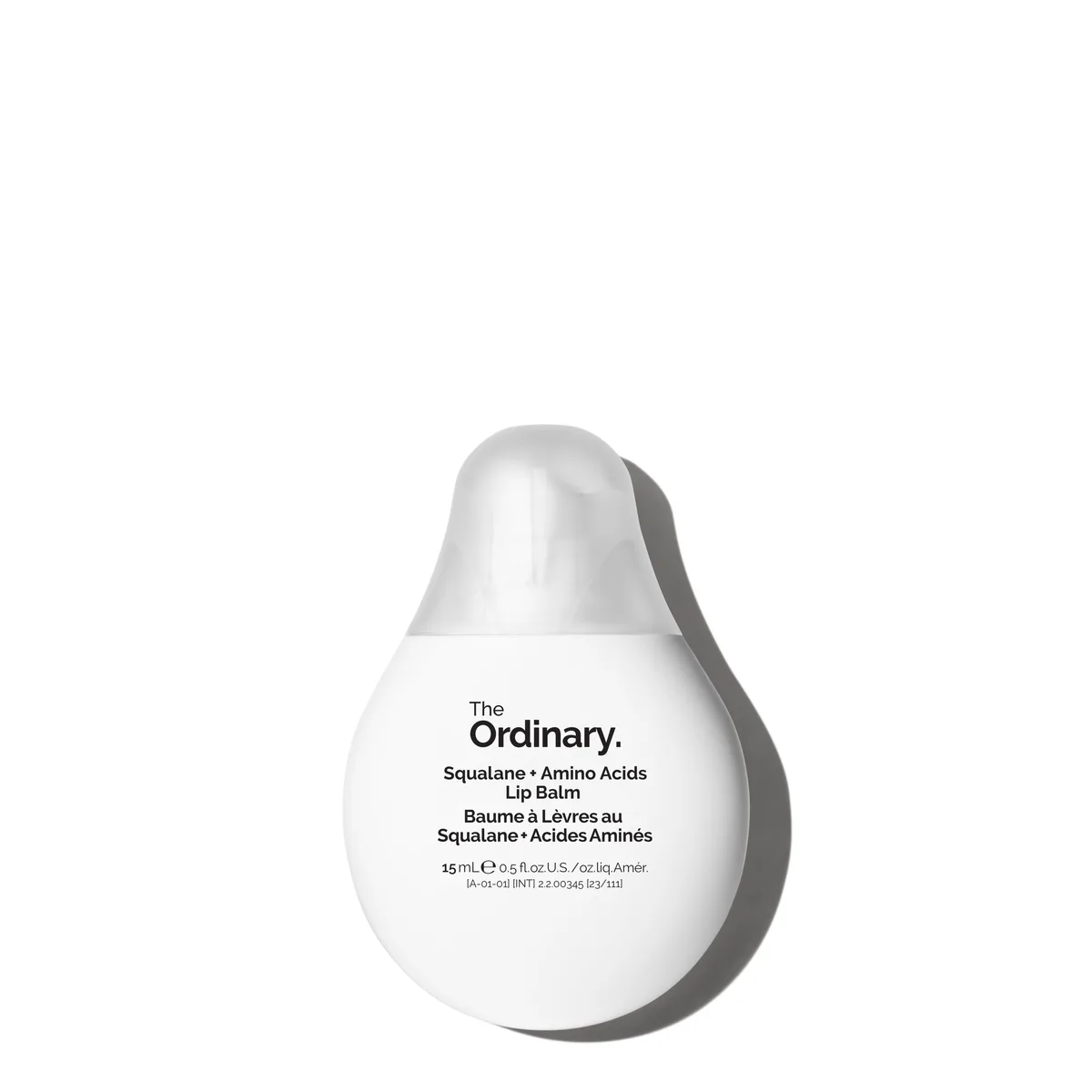
It is a lip balm that leads with plant squalane instead of petrolatum, wax or butter, carries the natural moisturizing factors the brand puts in its face creams inside a small water phase, thickens with sunflower and mimosa waxes rather than beeswax, and adds a synthetic soothing agent for lips that have been licked raw, all without flavour, fragrance or tint, in a 15 ml tube for under ten dollars; the trade for its light, elegant film is that it wears in a couple of hours and does not seal a fissured lip like an ointment.
A lip balm that leads with squalane instead of petrolatum, carries the skin's own moisturizing factors in a small water phase, thickens with plant waxes and adds a soothing agent for licked lips, with no flavour, fragrance or tint, in a generous 15 ml tube under ten dollars. Elegant, comfortable and clean on the lips; its light film wears in a couple of hours and does not seal a fissured lip like an ointment.
Roughly two years on the market with a review history in the thousands that could not be pinned to a single figure this session, and no brand-published testing, leave the assessment resting on the squalane, natural moisturizing factor and lip-lipid literature applied to a disclosed twenty-seven-ingredient list; the feel and the short wear are consistent across user reports, and how the light film performs on badly chapped lips through a full winter is the part a longer record would sharpen.
The case for it
Same rule for everyone. “Good choice” is the verdict on 9,564 of 45,024 concern verdicts across the catalog; rule R5 decided 9,072 of them. As of September 25, 2026, engine 5.1.1.
Brand or formulator? Disclose a concentration or correct a fact →
The studies behind the evidence row
The case for it
What would change this: A researched evidence row for the lead active would replace this with a verdict.
Same rule for everyone. “Good choice” is the verdict on 1,938 of 45,024 concern verdicts across the catalog; rule F2 decided 1,938 of them. As of September 25, 2026, engine 5.1.1.
Brand or formulator? Disclose a concentration or correct a fact →
Also listed for Winter Skin and Compromised Skin Barrier — the actives here (Squalane, Betaine, Jojoba Oil, Amino Acids) are in our research queue for those concerns; there is no verdict until their evidence rows are written. That is a gap in our table, not a mark against the product.
As a lip balmNot judged: what a lip balm is for — seals and protects, sun protection where it matters — cannot yet be measured from the ingredient list (only no sting-and-repeat ingredients, low allergen load can).
A verdict is DermApproved’s assessment of how well a product’s ingredients fit a concern — never a claim about what the product treats. Evidence dots and collected reviews sit beside it and are never blended in. Rules 0.5.1 · evidence table ev-2026.09-r228 · how we decide
Most lip balms begin with petrolatum, a wax or a butter, because the job of a lip balm has traditionally been to sit on top of the lip and stop water leaving, and those are the things that do it best. This one begins with squalane. That single choice of first ingredient sets the whole character of the tube: squalane is a skin-identical hydrocarbon that spreads thin, sinks into the outer layer of the lip and leaves a soft, faintly glossy, non-greasy film, and a balm built on it feels like a light lip oil that has been thickened rather than a wax that has been softened. The Ordinary, which had spent years making its name on face formulas and none on lip care, arrived in the category in 2024 with the same instinct it brought to moisturisers, and the result is the lip version of its Natural Moisturizing Factors line.
The list reads that way from top to bottom. Squalane first; sorbitan olivate second, an olive-derived emulsifier that lets a small water phase live inside the oil; water third; trihydroxystearin fourth, a plant-derived thickener; betaine fifth, an osmolyte; jojoba esters and sunflower seed wax; then sodium PCA, PCA, eight free amino acids and sodium lactate, the natural moisturizing factors the brand builds its face creams on, here carried into lips that have almost no NMF of their own and lose water faster than any skin on the face. Baobab oil, a triglyceride, mimosa flower wax and polyglycerin-3 round out the lipids and slip; hydroxymethoxyphenyl decanone, a synthetic soothing agent used in sensitive-skin products, addresses the sting of lips that have been licked raw; and tocopherol, calcium gluconate, gluconolactone and sodium benzoate preserve it. There is no fragrance, flavour, sweetener, menthol, camphor, tint, beeswax, lanolin or petrolatum, and the balm is vegan. It is, by some distance, the blankest lip balm in a category that has spent the last few years tingling, plumping and tasting of dessert.
On the lips that blankness is the pleasure. A light squeeze from the slanted tip melts into a thin, cushioned, faintly glossy film with no taste and no drag, settles to a satin sheen within a minute, takes lipstick without sliding, and reapplies through the day without building up; lipstick wearers and anyone whose lips react to flavoured balms notice within a day that nothing is happening except moisturising. Over two or three days flaking eases and the tight, over-licked feeling calms, which is the squalane and waxes slowing water loss while the NMF hold water in the surface, the same two-part logic as a good face moisturiser, and the soothing agent doing its small job. The tube is 15 ml, generous for a balm, and the soft squeeze gives slightly more than a rice grain with a firm press, which is the one packaging quirk to learn. The teardrop shape stands upright on a desk and the slanted tip means the balm never meets a fingertip, which for a product reapplied ten times a day is a hygiene point worth having.
The limit is the same choice that makes it pleasant. A squalane-and-plant-wax film is light, and light films wear: two hours or so and the lips want more, which is fine for a balm carried in a pocket and less fine for someone who wants to apply once and forget. It is also semi-occlusive rather than fully so, and a lip that is deeply cracked, split at the corners or recovering from a retinoid overreach seals better overnight under a petrolatum ointment, with this by day; the balm's honest role is the comfortable, clean, frequent one, not the heavy overnight one. It carries no SPF, so outdoors a lip sunscreen goes over it, and it does nothing to plump, tint or exfoliate, which the brand's PHA lip serum handles separately.
Nine dollars and fifty cents for 15 ml is a fair price for a balm this well considered and a low one for the amount, and several applications a day stretch the tube to three or four months; fragrance-free, flavour-free lip balms from dermatology-adjacent brands cost a little more for a little less, and the flavoured category costs the same for a formula this one deliberately is not. The balm has been in the range for around two years with a review history in the thousands across the brand's store and the big retailers, consistent in its praise for the blankness and the feel and in its two complaints, the short wear and the tube's generosity; the brand publishes no testing on it, and for squalane, NMF and plant waxes, the literature does the job.
For anyone who wants a lip balm that does nothing but moisturise, comfortably, invisibly and often, without flavour, fragrance, tint or animal ingredients, this is the one to keep in every pocket, and the best lip formula The Ordinary has made. For lips that are properly cracked, keep the ointment for night and let this take the day.
The hero actives that drive this product's performance.
| Ingredient | Function | Evidence |
|---|---|---|
| Squalane | First on the list, which is unusual for a lip balm, most of which lead with petrolatum, a wax or a butter: the skin-identical, sugarcane-derived hydrocarbon that spreads thin, sinks into the lip's outer layer and leaves a soft, non-greasy, faintly glossy film that slows water loss without the heavy occlusion of a petrolatum salve. It is the reason the balm feels like a light lip oil that has been thickened rather than a wax that has been softened. | Established mechanism for Dryness · established mechanism |
| Amino Acids, Sodium PCA, PCA and Sodium Lactate (Natural Moisturizing Factors) | Sodium PCA and PCA eighth and ninth, eight free amino acids tenth to seventeenth and sodium lactate eighteenth, the natural moisturizing factors the brand builds its face moisturisers on, carried into a lip balm by way of a small water phase held in the squalane by sorbitan olivate; lips have almost no NMF of their own and lose water faster than any facial skin, and supplying water-binders inside an occlusive film is a sounder idea than the flavour and menthol most balms offer. | Not yet assessed |
| Trihydroxystearin, Sunflower Seed Wax and Mimosa Flower Wax | Fourth, seventh and twenty-first, the plant-derived thickeners and waxes that give the squalane enough body to stay on the lips and squeeze from a tube rather than run, without beeswax, lanolin or petrolatum; they set the balm to a soft, cushioned, semi-occlusive film that lasts a couple of hours and wears down cleanly. | Not yet assessed |
| Jojoba Esters and Baobab Seed Oil | Sixth and nineteenth, a sebum-like wax ester and an oleic-and-linoleic seed oil that add slip and a second lipid layer to the squalane, softening the cuticle of chapped lips while the NMF hold water beneath; supporting emollients in a formula built around the first ingredient. | Established mechanism for Dryness · established mechanism |
| Betaine and Hydroxymethoxyphenyl Decanone | Betaine fifth as an osmolyte humectant that pairs with the NMF, and hydroxymethoxyphenyl decanone at twenty-third, a synthetic soothing agent used in sensitive-skin products to calm the sting and itch of chapped or reactive lips; the second is the closest the balm comes to a functional extra beyond moisturising, and it is a sensible one for lips that have been over-licked. | Not yet assessed |
Ingredient standings describe the active at treatment-level doses and vehicles; this product's own condition grades weigh its actual formula.
Squalane, Sorbitan Olivate, Aqua (Water), Trihydroxystearin, Betaine, Jojoba Esters, Helianthus Annuus Seed Wax, Sodium PCA, PCA, Serine, Alanine, Arginine, Proline, Glycine, Glutamic Acid, Lysine HCl, Threonine, Sodium Lactate, Adansonia Digitata Seed Oil, Caprylic/Capric Triglyceride, Acacia Decurrens Flower Wax, Polyglycerin-3, Hydroxymethoxyphenyl Decanone, Tocopherol, Calcium Gluconate, Gluconolactone, Sodium Benzoate
occlusive
AM & PM
Last thing on the lips, morning and night and whenever they feel tight: a small squeeze from the slanted tip smoothed over the lips and just past the edge, reapplied as often as wanted. It sits well under lipstick once the slip settles and over a lip exfoliant like the brand's PHA lip serum at night, and on a retinoid night it cushions the vermilion border that flakes first. It carries no SPF, so a lip sunscreen goes over it by day, and its light film means a petrolatum ointment is still the better overnight seal for badly cracked lips.
Soft, cushioned, comfortable lips from the first application with a light gloss that settles to a satin film within a minute; less flaking and tightness over two to four days as the squalane and NMF keep the lip surface hydrated between applications, and lips that have been licked raw calmed by the soothing agent. It reapplies often because the film is light and wears in a couple of hours, and it does not seal a deeply fissured lip the way petrolatum does, nor does it plump, tint or protect from sun.
The balm's evidence is the evidence for squalane, natural moisturizing factors and lipid films on lip skin, all of which are well documented. Lips have a thin stratum corneum, no sebaceous glands and very little of the natural moisturizing factor that hydrates facial skin, which is why they lose water faster than the face and crack in dry air; a lip product's two jobs are to slow that loss with a lipid film and, where it can, to hold water in the surface beneath. A 2019 study in the International Journal of Cosmetic Science followed a single application of a plant-lipid lip care product with confocal Raman spectroscopy, corneometry and transepidermal water-loss measurement and found that the lipids deposited into the outer lip layers, hydration rose and water loss fell for hours afterwards, which is the mechanism this balm's squalane, trihydroxystearin, jojoba esters, baobab oil and plant waxes rely on; squalane in particular spreads and penetrates the outer layer well because it resembles the skin's own sebum component of the same name. The natural moisturizing factors, free amino acids, pyrrolidone carboxylic acid and lactate, are the water-binding compounds corneocytes generate from filaggrin, and a 2007 review in the Journal of Cosmetic Dermatology set out how they hydrate the stratum corneum and how supplying them topically restores hydration; carrying them in a water phase inside an oil film is a sound way to deliver them to lips that lack them. Betaine adds osmolyte humectancy. Hydroxymethoxyphenyl decanone is a synthetic soothing agent with data for reducing the sting and itch response in sensitive-skin products, relevant to over-licked lips. What the formula does not offer is also documented: squalane and plant-wax films are less occlusive than petrolatum, which remains the most effective single agent for reducing water loss from fissured skin, so the balm's protection is real and lighter. No testing has been published on the balm, and the assessment rests on the lip-lipid and hydration literature applied to a disclosed list.
The clinical advice for chapped lips is short: use a bland balm without flavour, fragrance, menthol or camphor, apply it often, and reach for petrolatum at night when lips are cracked. This balm fits the first two instructions unusually well, since it contains none of the common lip irritants and its squalane and plant-wax base is light enough to reapply all day, and dermatologists would regard it as a good daytime choice for patients with cheilitis from licking, weather, retinoids or isotretinoin. The third instruction is where it falls short, because a squalane film is less occlusive than petrolatum and a fissured lip heals faster under an ointment overnight; the sensible pattern is this by day and an ointment at bedtime until the lip closes. The absence of SPF would be noted for patients with actinic damage or a history of lip cancer, who need a lip sunscreen outdoors regardless of balm. No ingredient here would prompt a caution.
Squeeze a rice-grain amount from the slanted tip with a light press and smooth it over the lips and just past the vermilion border, morning, night and whenever the lips feel tight; let it settle for a minute before lipstick or a liquid lip. At night apply it as the last step, over a lip exfoliant if one is used, and on retinoid nights press a little onto the lip edge where flaking starts. Outdoors add a lip sunscreen over it. For lips that are deeply cracked or split at the corners, use a petrolatum ointment at bedtime and this through the day until they heal. Keep the cap on and the tip clean.
Nine dollars and fifty cents for 15 ml is a low price for a lip balm this carefully built, and a generous volume; several applications a day make the tube last three to four months, which puts the monthly cost near nothing. Fragrance-free, flavour-free balms from dermatology-adjacent brands run ten to sixteen dollars for smaller tubes, and the flavoured, tinted and plumping balms that fill the category cost as much for formulas this one deliberately avoids. The money buys squalane, natural moisturizing factors, plant waxes, a soothing agent, a vegan formula and The Ordinary's decade of clean formulating; it does not buy the overnight sealing of a two-dollar petrolatum tube, which remains the better companion for cracked lips. Very good value as an everyday balm.
Anyone who wants a lip balm that moisturises and nothing else, with no flavour, fragrance, tint, menthol, beeswax or petrolatum, in a generous tube at a low price; it suits sensitive and reactive lips, lipstick wearers who need a clean base, vegan buyers, and anyone on a retinoid or isotretinoin who needs a comfortable daytime balm to reapply often.
People with deeply cracked or fissured lips who want one product to seal them overnight, for whom a petrolatum ointment is still the better choice, and anyone who wants a balm to last all day from a single application. Those who like a flavour, tint, tingle, plumping effect or SPF in their balm, since this has none.
Ready to try The Ordinary Squalane + Amino Acids Lip Balm?
Buy at Amazon ♥A soft, translucent, pale cream-coloured balm that squeezes from a slanted tip as a light paste, melts on lip warmth into a thin, slightly glossy, cushioned film with no tack or drag, and settles to a satin sheen that wears down over a couple of hours without gumminess.
None; no fragrance, flavour or menthol, with only the faint neutral note of the squalane and waxes if held to the nose.
A rounded, teardrop-shaped white 15 ml squeeze tube with a flat base and a slanted applicator tip under a small cap, printed in The Ordinary's plain black type with the product name in English and French; the shape stands on a shelf, the tip applies without fingers, and the soft tube dispenses a little more than a rice grain with a light squeeze.
The first application is a small squeeze of light paste that melts into a soft, faintly glossy film without any taste, scent or tingle, which lipstick wearers and anyone tired of flavoured balms notice at once; it sits well under colour after a minute and reapplies without building up. Over two or three days flaking eases and the tight, licked feeling calms, and the only adjustment is learning that the tube gives more than needed and that the light film wants reapplying by mid-morning.
About three to four months at several applications a day; the 15 ml tube is generous for a balm.
All Year
The Ordinary added lip care late, launching a PHA lip exfoliant and then this balm in 2024 after years of customers asking for a lip product in the brand's formula-first style; the balm reads as the lip version of the Natural Moisturizing Factors line, squalane and NMF instead of petrolatum and flavour, and it arrived as the flavoured, tingling, plumping lip balm boom was at its height, which made its blankness a point of difference.
The Ordinary, DECIEM's Toronto flagship founded in 2016 and owned by Estée Lauder since 2021, brought its formula-first approach to lip care in 2024 with a balm that leads with plant squalane and the skin's own moisturizing factors instead of petrolatum or flavour; the brand publishes no clinical testing on the balm, and its ingredients are among the most familiar in the barrier literature.
A lip balm without petrolatum or beeswax cannot really protect lips.
Squalane, trihydroxystearin and plant waxes form a semi-occlusive film that measurably slows water loss and, with the natural moisturizing factors inside it, keeps the lip surface hydrated between applications; it is lighter than a petrolatum salve and wears faster, which is a trade rather than a failure, and a badly fissured lip still does better under an ointment overnight.
Amino acids in a lip balm feed the lips.
The amino acids, PCA and lactate here are the skin's natural moisturizing factors, water-binding molecules that lips are naturally short of; supplied inside an occlusive film they hold water in the outer layer, which is hydration rather than nutrition, and it is the reason the balm keeps lips comfortable rather than merely coated.
No; it contains no fragrance, flavour, sweetener, menthol or tint, and the only note is the faint neutral smell of squalane and plant waxes if the tube is held to the nose. It is one of the few lip balms that is genuinely blank, which suits sensitive lips and lipstick wearers.
Yes to both; it is thickened with trihydroxystearin, sunflower seed wax and mimosa flower wax rather than beeswax, lanolin or petrolatum, and its squalane is plant-derived. The trade for the lighter, plant-based film is that it wears off within a couple of hours and seals less than an ointment.
About two hours before it wants reapplying; the squalane and wax film is light and wears cleanly, and the balm is designed for frequent use through the day rather than a single heavy overnight seal. For deeply cracked lips a petrolatum ointment at night and this by day is the sensible split.
Yes; the squalane film settles to a satin sheen within a minute and takes lipstick or a liquid lip without sliding, and its lack of flavour or tint means it changes nothing about the colour. Blot lightly if a matte lipstick is going over it.
Yes, over a few days; the squalane and waxes slow water loss, the natural moisturizing factors hold water in the lip surface, and hydroxymethoxyphenyl decanone soothes the sting of lips that have been licked raw. It does not contain SPF, so a lip sunscreen is still needed outdoors.
A rice-grain amount is enough for both lips, and the soft squeeze tube tends to give a little more than that with a firm press; a light touch on the tube and a smooth over the lips and just past the edge does it. The 15 ml lasts three to four months at several applications a day.
Recurring themes our editors read across retailer reviews of this product — summaries in our words, not quotations, and not a substitute for your own patch test.
No flavour, scent, tingle or tint
Light, non-sticky film that sits under lipstick
Calms chapped and licked lips within days
Big 15 ml tube for the price
Wears off within a couple of hours
Too light for badly cracked lips overnight
Squeeze tube dispenses more than needed
No SPF