Hyaluronic Acid Can Actually Dehydrate Your Skin (Here's When)
The internet's favorite hydrator has a counterintuitive dark side — in dry air, a humectant with nothing to seal it can pull water out of your skin instead of into it.
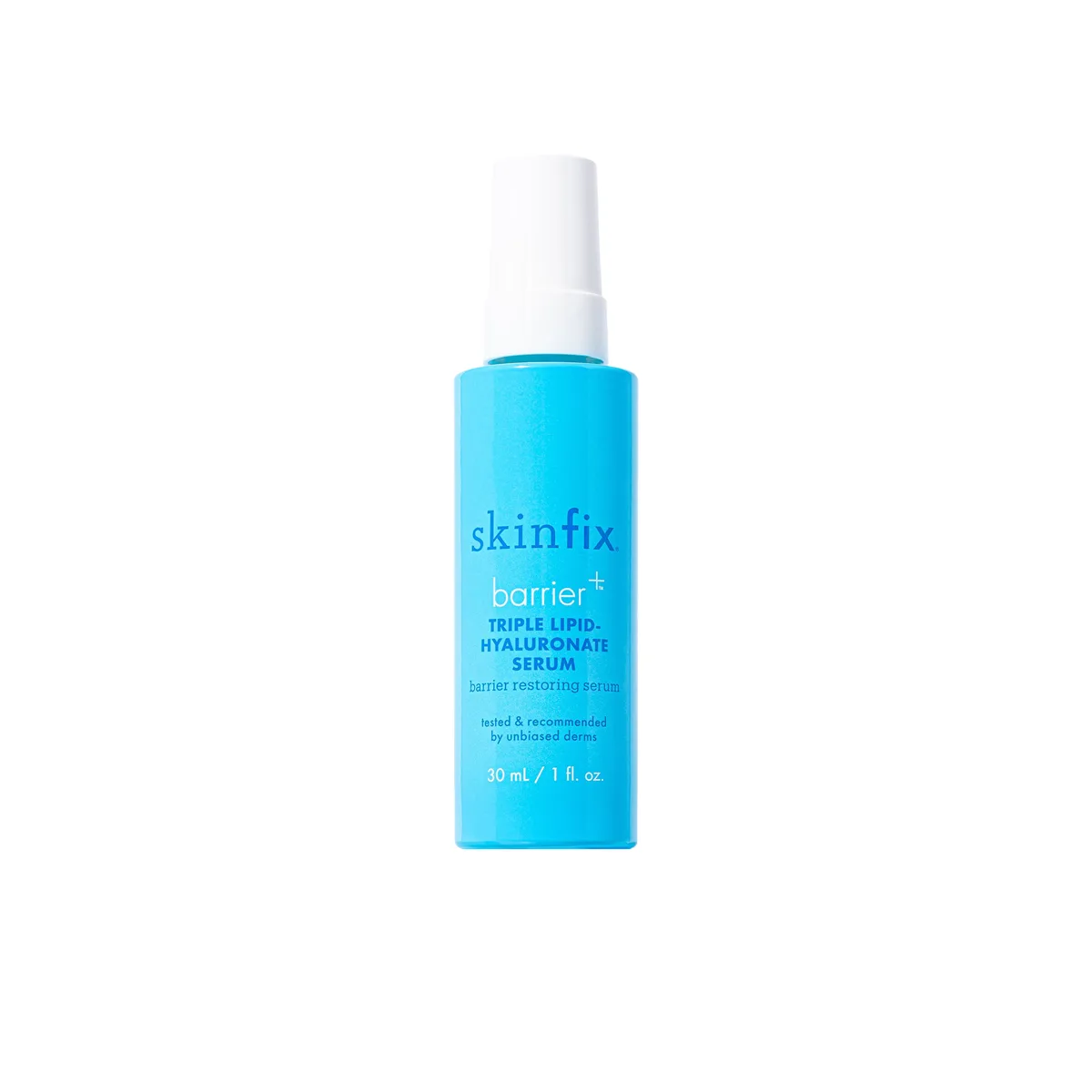
Plain hyaluronic acid serums pull water in and then let it evaporate, which is why they can leave skin tighter in dry air; this one adds jojoba and macadamia esters, a light triglyceride, squalene and phytosterols to the humectant base so the water it draws is sealed in, and it does so without fragrance, silicone or alcohol. The name oversells the hyaluronate, which is nineteenth, but the idea, humectant plus lipid in one step, is a good one.
A hyaluronic-style serum that fixes the category's main flaw by adding light esters, squalene and sterols so the water it draws in stays in, fragrance-free and tolerable for almost any skin at $35. The hyaluronate itself sits nineteenth despite the name and the peony even-tone claim is decoration, but as a hydrating buffer under actives and sunscreen it is a well-judged, comfortable serum that outperforms plainer ones in dry air.
The case for it
Same rule for everyone. “Good choice” is the verdict on 9,564 of 45,024 concern verdicts across the catalog; rule R5 decided 9,072 of them. As of September 25, 2026, engine 5.1.1.
Brand or formulator? Disclose a concentration or correct a fact →
The studies behind the evidence row
The case for it
Same rule for everyone. “Good choice” is the verdict on 9,564 of 45,024 concern verdicts across the catalog; rule R5 decided 9,072 of them. As of September 25, 2026, engine 5.1.1.
Brand or formulator? Disclose a concentration or correct a fact →
The studies behind the evidence row
The case for it
What would change this: Guideline or regulatory standing for the active on this concern would move this from a promising bet to a recommendation.
Same rule for everyone. “Promising” is the verdict on 7,858 of 45,024 concern verdicts across the catalog; rule R9p decided 7,858 of them. As of September 25, 2026, engine 5.1.1.
Brand or formulator? Disclose a concentration or correct a fact →
The studies behind the evidence row
Where our review and the verdict differ. The review below was written on the formulation and the published trials; the verdicts above apply the stricter standing test in our methodology — an active earns a recommendation only with guideline or regulatory standing for the concern. Where the two disagree, the verdict is DermApproved’s position.
A verdict is DermApproved’s assessment of how well a product’s ingredients fit a concern — never a claim about what the product treats. Evidence dots and collected reviews sit beside it and are never blended in. Rules 0.5.1 · evidence table ev-2026.09-r228 · how we decide
Hyaluronic acid serums have a known problem that their marketing never mentions: a humectant pulls water toward the surface of the skin, and in dry air, if nothing seals it there, the water leaves, sometimes taking a little more with it, which is why some people find a hyaluronic serum makes their face feel tighter by mid-afternoon. Skinfix's Triple Lipid-Hyaluronate Serum is built around that problem. The humectants are here, propanediol second and glycerin fifth, but so are jojoba and macadamia esters at third, a light triglyceride at fourth, squalene at ninth and phytosterols further down, a lipid coat that holds the water where the humectants put it. It is the brand's barrier philosophy applied to the hydrating-serum category, and it is the reason this serum leaves skin dewy at four o'clock when a plain one has gone tight.
The name, though, promises something the list does not quite deliver. Skinfix declares a 5 percent seaweed hyaluronate complex, and the complex is real: Chondrus crispus, the red seaweed that yields carrageenan, sits tenth, and sodium hyaluronate sits nineteenth, after the gluconolactone that helps preserve the formula. Five percent of a complex in which the hyaluronate is the junior partner is not a hyaluronic acid dose to write home about, and the hydration is honestly a team effort of propanediol, glycerin, the seaweed film and the lipids. That is fine, and it works; it is simply not a hyaluronic acid serum in the sense the label suggests, and a shopper comparing it with products that declare 1 or 2 percent pure hyaluronic acid should know the numbers measure different things.
In use it is a pleasure of the quiet kind. Sprayed or pumped onto damp skin after cleansing, the milky-clear gel spreads like water, cools, plumps the fine dehydration lines around the mouth and eyes within minutes, and settles to a dewy, faintly cushioned finish with none of the tackiness that makes plain hyaluronic serums pill under moisturiser. There is no fragrance, no alcohol, no acid and no essential oil, so it goes on reactive skin without a flicker and under a retinoid or vitamin C as the buffer layer. On normal and combination skin it can be the only hydrating step in the morning, with sunscreen on top; on dry skin it wants a cream, and the brand's Triple Lipid-Peptide Cream is the obvious partner. The dewiness lasts into the afternoon, which is the lipid coat doing its job.
The rest of the formula is Skinfix's declared-percentage house style. A 2 percent peony root extract carries the even-tone claim; paeoniflorin has laboratory data on antioxidant and anti-inflammatory activity and no clinical evidence of brightening at this level, and the glow people report is hydration evening out the surface. A 1 percent antioxidant blend of rice bran, sunflower, soybean and rosemary extracts keeps the lipids stable and offers a small protective effect under sunscreen. Aloe adds a trace of soothing. The preservative system is mild and modern, with phenethyl alcohol, which smells faintly of roses in some formulas and is unscented here, the only ingredient that rare skin objects to. Soy is present, for the soy-sensitised to note.
What the serum does not do is treat anything. No pigment change, no texture change, no peptide or retinoid activity; it hydrates, seals, and steps aside for whatever active follows, and the seven years of reviews describe exactly that, with complaints landing on the modest hyaluronate content, the invisibility of the brightening claim, and a spray-style pump that occasionally spits rather than mists. The bottle holds 30 ml and lasts about two months at a few pumps twice daily. It is also worth knowing where it sits in the brand's own range, because Skinfix sells several serums and the names blur: this is the entry-level hydrator, the Triple Lipid Activating Serum is the peptide-and-niacinamide treatment, and the vitamin C serums are the brighteners. A routine that uses this one under a treatment serum is the brand's intended pairing; a routine on a budget can use this one under a good cream and skip the rest, which is a compliment to the serum and a note to the marketing.
The price is the fair end of the brand. Thirty-five dollars is below Skinfix's peptide and vitamin C serums and in line with mid-market hydrating serums from clinical brands; drugstore hyaluronic serums cost half as much and lack the lipid coat, which for dry-climate skin is the feature worth paying for. Anyone whose skin is happy with a plain hyaluronic serum and a moisturiser has no need to upgrade. Anyone who has noticed the afternoon tightness has a reason.
So the recommendation is easy and modest. For dehydrated, dry, sensitive or retinoid-stressed skin that wants a fragrance-free hydrating serum whose effect lasts past lunch, this is a good one at a fair price, and its lipid idea is the right one. Read the hyaluronate claim for what it is, ignore the peony, and pair it with a cream if your skin is dry. It will not change your skin; it will keep it comfortable while other things do.
The hero actives that drive this product's performance.
| Ingredient | Function | Evidence |
|---|---|---|
| Propanediol and Glycerin | Second and fifth, the humectants that do most of the hydrating: propanediol is a plant-derived glycol with strong water-binding and a light feel, and glycerin is the best-evidenced humectant there is. They are why the serum leaves skin plump and dewy, and they are working harder than the hyaluronate in the name. | Established mechanism for Dehydration · established mechanism |
| Jojoba/Macadamia Esters, Caprylyl Caprylate/Caprate and Squalene | Third, fourth and ninth, the lipid half of a 'lipid-hyaluronate' serum: light esters and squalene, with phytosterols lower down, that seal the humectants in so the hydration lasts. This is the barrier-minded twist that separates the serum from a plain hyaluronic acid water. | Established mechanism for Dryness · established mechanism |
| Seaweed Hyaluronate Complex (Carrageenan and Sodium Hyaluronate, 5%) (5% complex) | The declared 5 percent complex pairs carrageenan from red seaweed, tenth, with sodium hyaluronate, nineteenth, for a surface water-binding film. Note that the 5 percent is the complex, not the hyaluronic acid; the hyaluronate itself sits near the preservatives, so the hydration is a team effort rather than a hyaluronic headline. | Established mechanism for Dehydration · established mechanism |
| Peony Root Extract (2%) (2%) | The declared 2 percent even-tone botanical, with in vitro data on paeoniflorin's antioxidant and anti-inflammatory activity and no clinical evidence for brightening at this dose; it gives the serum its glow claim and is unlikely to change tone. | Not yet assessed |
| Rice Bran, Sunflower, Soybean and Rosemary extracts (1% AOX blend) (1%) | The brand's declared 1 percent antioxidant blend, useful for keeping the lipids stable and offering a small protective effect under sunscreen; a supporting act with no irritants in it. | Not yet assessed |
Ingredient standings describe the active at treatment-level doses and vehicles; this product's own condition grades weigh its actual formula.
Water/Aqua/Eau, Propanediol, Jojoba Oil/Macadamia Seed Oil Esters, Caprylyl Caprylate/Caprate, Glycerin, Polyacrylate Crosspolymer-11, Glycine Soja (Soybean) Extract, Oryza Sativa (Rice) Bran Extract, Squalene, Chondrus Crispus (Carrageenan) Extract, Helianthus Annuus (Sunflower) Extract, Phytosteryl Macadamiate, Aloe Barbadensis Leaf Juice, Paeonia Albiflora (Peony) Root Extract, Tocopherol, Rosmarinus Officinalis (Rosemary) Leaf Extract, Phytosterols, Gluconolactone, Sodium Hyaluronate, Xanthan Gum, Citric Acid, Ethylhexylglycerin, Potassium Sorbate, Phenethyl Alcohol, Trisodium Ethylenediamine Disuccinate, Sodium Benzoate, Phenoxyethanol
serum
AM & PM
Press a few pumps onto damp skin after cleansing and before treatment serums or moisturiser, morning and night; its lipid content means it does not need to be sealed as urgently as a plain hyaluronic serum, but a moisturiser on top still helps in dry air. Layers cleanly under retinoids, vitamin C and sunscreen.
Immediate: a cool, dewy plumpness and softened dehydration lines within minutes. Short-term (1-2 weeks): skin that felt tight after cleansing stays comfortable through the day, and dullness lifts as hydration evens the surface. Long-term: maintained hydration and barrier comfort; no change to pigment or texture below the surface, and the peony's even-tone claim is unlikely to show.
Humectant hydration depends on retaining the water drawn into the stratum corneum, and studies of hyaluronic acid serums in low-humidity conditions show that without an occlusive or emollient component the hydration gain is short-lived and can reverse; this formula addresses that by combining humectants with a light lipid phase. Propanediol, second in the list, is a corn-derived 1,3-propanediol with humectant activity comparable to glycerin and a lighter feel, and glycerin at fifth is the best-evidenced topical humectant, increasing stratum corneum water content within hours and improving barrier recovery with continued use. The lipid phase comprises jojoba oil and macadamia seed oil esters, caprylyl caprylate/caprate, squalene and phytosterols, esterified with phytosteryl macadamiate; sterol- and squalene-containing lipid blends have been shown in barrier-repair studies to reduce transepidermal water loss, and their inclusion here at the third, fourth and ninth positions provides a genuine emollient film rather than a token.
The declared 5 percent seaweed hyaluronate complex consists of Chondrus crispus (carrageenan) extract at the tenth position and sodium hyaluronate at the nineteenth. Carrageenan is a sulfated polysaccharide that forms a hydrating film on the skin surface; sodium hyaluronate binds many times its weight in water and, at high molecular weight, acts as a surface humectant and film former. The list position indicates a low hyaluronate concentration, so the complex contributes surface film-forming and modest water-binding rather than the effect of a serum with 1 to 2 percent hyaluronic acid. Paeonia albiflora (peony) root extract at a declared 2 percent contains paeoniflorin, with in vitro antioxidant and anti-inflammatory activity and some laboratory data on tyrosinase inhibition, but no clinical evidence for brightening at cosmetic concentrations. The 1 percent antioxidant blend of rice bran, sunflower, soybean and rosemary extracts with tocopherol provides oxidative stability for the lipids and minor photoprotective support.
The formula is fragrance-free and contains no alcohol, acids, retinoids or essential oils; preservation uses gluconolactone, potassium sorbate, sodium benzoate, phenethyl alcohol, ethylhexylglycerin and phenoxyethanol, a mild multi-hurdle system in which phenethyl alcohol and phenoxyethanol are the only recognised, uncommon, sensitisers. Soybean extract is a potential allergen for soy-sensitised individuals. The serum is suitable in pregnancy and has no activity on pigmentation, texture or dermal remodelling. Skinfix reports dermatologist testing but publishes no clinical study of the product.
For patients who complain that a hyaluronic acid serum leaves their skin tighter, the clinical explanation is evaporative loss in dry air, and the standard advice is to apply the humectant to damp skin and seal it with an emollient; a serum that builds the emollient into the same step is a sensible convenience, and dermatologists would regard this one's propanediol-glycerin-lipid construction as sound and its freedom from fragrance, alcohol and acids as appropriate for reactive, retinoid-treated or barrier-compromised skin. The reservations would be about labelling rather than safety: the hyaluronate content is modest despite the name, the peony extract has no clinical support for even tone, and patients with dry skin should still expect to need a moisturiser over it. It is the kind of hydrating serum a clinician can recommend without caveats for sensitivity, and without expectations beyond hydration.
After cleansing, while the skin is still damp, dispense two or three pumps into the palm or directly onto the face and press the serum over the face and neck until it is absorbed, which takes about a minute. Follow with treatment serums, then moisturiser, and in the morning with sunscreen; in dry air or on dry skin, do not skip the moisturiser, since the serum's lipids help but do not replace a cream. At night it works as the hydrating buffer under or over a retinoid or acid. Use it twice daily, keep the spray pump clean if it spits, and store it out of sunlight to protect the antioxidant blend.
Thirty-five dollars for 30 ml is mid-market for a hydrating serum from a clinical brand, below Skinfix's peptide and vitamin C serums and about double a drugstore hyaluronic serum; a bottle lasts around two months at a few pumps twice a day, roughly $4 a week. The premium over drugstore options buys the lipid coat that keeps hydration from evaporating, a fragrance-free and acid-free formula with declared percentages, and the brand's dermatology-board testing; it does not buy a high hyaluronic acid dose, any brightening, or a treatment. Fair value for dry-air and reactive skin that has been let down by plain hyaluronic serums, and an unnecessary upgrade for skin that has not.
People with dehydrated, dry, sensitive or retinoid-stressed skin who want a fragrance-free hydrating serum whose plumpness lasts through the day rather than evaporating, and who like a lipid-and-humectant approach in one step. It suits anyone building a gentle routine around actives who needs a calm hydrating layer at a fair price.
Shoppers looking for a high-concentration hyaluronic acid serum, since the hyaluronate here is a minor component, and anyone expecting brightening from the peony extract. Skin that is happy with a drugstore hyaluronic serum and a moisturiser gains little from the upgrade, and the soy-sensitised should note the soybean extract.
Ready to try Skinfix Triple Lipid-Hyaluronate Serum?
Buy at Amazon ♥A light, milky-clear gel-serum that spreads like water, absorbs within a minute and leaves a dewy, faintly cushioned finish rather than a tacky one
None; unfragranced with a faint neutral note
A 30 ml sky-blue bottle with a spray-mist pump
The first application feels like a hyaluronic serum that has been given a coat: cool and plumping on damp skin, then a soft, faintly lipid finish where a plain HA serum would go tacky or tight. There is no sting and nothing to adjust to. Very dry skin will notice within a week that it wants a cream on top; everyone else will notice that the dewiness lasts into the afternoon.
About 2 months at a few pumps twice daily
All Year
Skinfix built its Barrier+ line on the premise that hydration without lipids is short-lived, and this 2019 serum applied that to the hyaluronic acid category at the height of its popularity, pairing a seaweed-and-hyaluronate humectant complex with the brand's lipid signature. The peony root extract and antioxidant blend were added to give it an even-tone story, and the product has remained the brand's entry-level serum, priced below its peptide and vitamin C siblings.
Skinfix, relaunched in 2014 on an 1870 Yorkshire pharmacy heritage, is a clean-clinical brand tested by an independent dermatology board and best known for its eczema-sealed barrier creams. This hydrating serum has been in the Barrier+ line since 2019; the brand reports consumer testing but publishes no peer-reviewed trials.
It is a 5 percent hyaluronic acid serum
The declared 5 percent is a seaweed-hyaluronate complex in which carrageenan sits tenth and sodium hyaluronate nineteenth, behind the preservatives. The hyaluronate dose is modest; the hydration comes from propanediol and glycerin high in the list plus the lipids that hold it in, which is fine, but it is not what the name implies.
Peony root extract brightens skin
Paeonia albiflora root extract has laboratory data on antioxidant and anti-inflammatory activity and no clinical evidence for reducing pigmentation at 2 percent in a serum. It is the ingredient behind the glow and even-tone language and will not visibly change tone.
Less than the name suggests. The declared 5 percent is a seaweed-hyaluronate complex in which carrageenan sits tenth and sodium hyaluronate nineteenth, after the preservatives. The serum hydrates well through propanediol, glycerin and its lipids, but it is not a high-hyaluronic-acid product.
Better than a plain hyaluronic serum, because its jojoba and macadamia esters, squalene and phytosterols seal the water in rather than letting it evaporate. Very dry skin will still want a cream on top, and the brand's Triple Lipid-Peptide Cream is the obvious partner.
Yes. It has no acids, no fragrance and no alcohol, so it works as the hydrating buffer under or over a retinoid at night and under vitamin C and sunscreen in the morning without pilling or interaction.
Not meaningfully. The 2 percent peony root extract has laboratory data and no clinical evidence for brightening, and the antioxidant blend is protective rather than corrective. Skin looks brighter because it is hydrated; for pigment, a dedicated active is needed.
Yes on both counts. It is fragrance-free, alcohol-free and acid-free, with mild preservatives, and contains nothing restricted in pregnancy. Soybean extract is present, which matters only to the rare soy-sensitised user.
The Hyaluronate Serum is the hydration step, humectants plus light lipids, at $35. The Activating Serum is the brand's peptide-and-niacinamide treatment serum at a higher price. Many routines use the hydrating one under the treatment one; on a budget, the hydrating serum plus a good cream does most of the work.
Recurring themes our editors read across retailer reviews of this product — summaries in our words, not quotations, and not a substitute for your own patch test.
hydration lasts longer than plain HA serums
no sting on reactive skin
dewy without being sticky
layers well under everything
good value for the brand
hyaluronic acid is near the bottom of the list
not enough alone for very dry skin
brightening claim invisible
spray-style bottle can spit
plain for the price