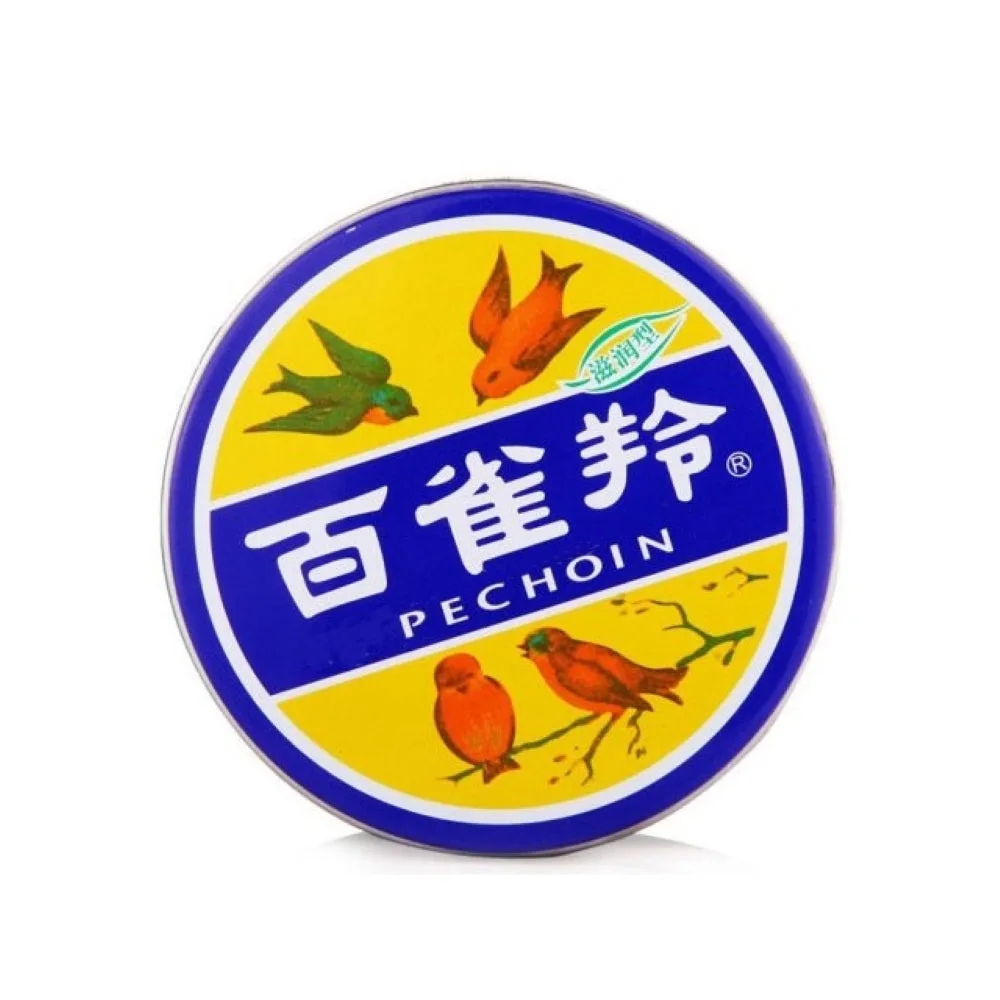
It's a near-century-old heritage balm from the brand widely credited as China's first domestic skincare line, and its appeal is exactly that continuity: a simple, protective, affordable round-tin balm that generations have used against cold and dryness. The differentiator is heritage and reliability, not a novel delivery system or hero active.
A near-century-old heritage balm from the brand widely called China's first skincare line, and for a couple of dollars it does the simple job of sealing in moisture and protecting dry skin against cold and wind genuinely well. It's a nostalgic, reliable protector rather than a treatment — fragranced, occlusive, and best for dry skin in winter, with limited modern ingredient transparency the main caveat.
Because a complete ingredient list for this classic SKU isn't readily published for Western buyers, this assessment leans on the product's well-documented role as a protective heritage balm and its nearly century-long track record rather than on transparent formulation detail. The core protective benefit is well-grounded in basic barrier science; specifics of the herbal botanicals and exact preservative system remain unconfirmed, which is why confidence is held low.
Verdicts
How well it fits each concern
Verdict by concern tap a concern for the case
Good choicefor DrynessIn your profileYou chose · Glycerin is a reference standard by mechanism for dryness; this balm carries it.Moderate evidenceGentleNo reviews collected yet
The case for it
Glycerin has trial-supported standing for this concern.
It is plausibly present at a working level, though the concentration is not declared.
The formula carries none of the triggers this concern is sensitive to.
What would change this: A declared concentration would move this to a firmer reading of the dose.
Same rule for everyone. “Good choice” is the verdict on 9,564 of 45,024 concern verdicts across the catalog; rule R5 decided 9,072 of them.
Unchanged since September 5, 2026, engine 5.1.1.
Supporting rolefor Winter SkinIn your profileYou chose · Nothing here targets winter skin directly; occlusive hydration is the recognised companion to treating it, and this balm does that without known triggers.Not yet assessedGentleNo reviews collected yet
The case for it
Herbal Botanical Heritage has no evidence row yet for this concern — it is in the research queue.
The formula carries none of the triggers this concern is sensitive to.
What would change this: A researched evidence row for the lead active would replace this with a verdict.
Same rule for everyone. “Supporting role” is the verdict on 8,197 of 45,024 concern verdicts across the catalog; rule R8 decided 4,250 of them.
Unchanged since September 5, 2026, engine 5.1.1.
R8 — The category's job (barrier care, humectant hydration, gentle cleansing, photoprotection) is the documented supportive role for this concern. This is the honest verdict for a moisturizer on an acne page. · the full register
Falls shortJudged as a moisturizer, it comes up short on: seals moisture in, softens and smooths.
A verdict is DermApproved’s assessment of how well a product’s ingredients fit a concern — never a claim about what the product treats. Evidence dots and collected reviews sit beside it and are never blended in.
Rules 0.5.1 · evidence table ev-2026.09-r228 · how we decide
Assessment
Pros & Cons
Pros
✓ Extremely affordable, lasts many months
✓ Genuinely protective against cold and dryness
✓ Softens dry skin, hands, and chapped areas
✓ Time-tested heritage formula with generations of use
✓ A little product goes a long way
✓ Nostalgic, recognizable, multi-use balm
Cons
✗ Fragranced — not for the fragrance-sensitive
✗ Rich and occlusive, too heavy for oily skin
✗ Limited published ingredient transparency
✗ No treatment actives for tone or aging
Review
Full Review
Most skincare products are lucky to last a few seasons before they're reformulated, rebranded, or quietly discontinued. Pechoin's Moisturizing Balm has been in continuous use since before the Second World War. Founded in Shanghai in 1931 and widely credited as China's first domestic skincare brand, Pechoin built its name on this round-tin balm, which spread from Shanghai across the country and became a genuine household staple for generations. That kind of continuity is rare enough to be worth pausing on: when you open the tin, you're using a formula whose lineage predates most of the brands that dominate skincare today. The fair question is whether that heritage translates into a product worth using now, and the honest answer is yes — provided you understand exactly what it is.
What it is, is a simple protective balm in the old 'cold cream' tradition. Its job is occlusion and comfort: a rich, glycerin-and-emollient base that draws in a little water and then seals the skin with a protective layer, buffering it against cold, wind, and the dryness those bring. This is unglamorous, well-understood skin science. Protection from environmental dryness has very little to do with price or novel actives and almost everything to do with humectancy and occlusion, and a balm like this delivers both. It's the reason the product has stayed in use for the better part of a century while flashier creams have come and gone — it does a basic, genuinely useful thing, cheaply and reliably.
In use, it behaves exactly as a classic balm should. It's rich and a little old-fashioned in feel, warming between the fingertips so you can press a thin layer into the skin, where it leaves a soft, cushioned, protected finish. It's most at home on dry cheeks, hands, and wind-chapped areas, and it shines in cold weather, which is squarely where it belongs. A small amount goes a long way, so the modest tin lasts a remarkably long time — part of why it represents such strong value. The scent is distinctive: a traditional floral-powdery fragrance that's deeply nostalgic for longtime users and unmistakably 'classic' rather than modern and neutral.
That fragrance is also the first of The caveats. This is a fragranced product, so anyone genuinely fragrance-reactive should patch test or look elsewhere — the scent is part of the heritage experience, not an afterthought. The second caveat is richness: as an occlusive balm, it's built for dry and normal skin in cold conditions, and oily, acne-prone, or fungal-acne-prone skin will likely find it too heavy. It's also not a treatment in any modern sense — there's no meaningful evidence here for tone, texture, or anti-aging benefit, and it shouldn't be bought expecting any. It protects and softens; that's the whole remit, and it's enough.
The most significant caveat, and the reason this review carries a low data-confidence rating, is transparency. A complete, INCI-level ingredient list for this classic heritage SKU simply isn't readily available to Western buyers in the way it is for, say, a CeraVe or a Korean hydrogel mask. Rather than guess at specifics and present invented detail as fact, I've assessed the balm as what it has long been documented to be — a glycerin-based protective emollient balm — and flagged the uncertainty honestly. That also means I can't confirm a few things buyers might care about: the formulation isn't verified vegan, may contain preservatives like parabens, and because Pechoin is manufactured and sold within China, where animal testing has historically been a regulatory factor, I don't mark it cruelty-free. If certified cruelty-free or vegan status is a dealbreaker for you, this isn't your product.
On value, there's little to argue with. At roughly five and a half dollars for a small tin that lasts months, it's about as inexpensive as protective skincare gets, and the per-use cost is negligible. You're not paying for clinical validation or a hero active — you're paying for a reliable, time-tested protective balm and a piece of skincare history, and on those terms it's a bargain.
On the brand: there's a warmth to Pechoin that's easy to respect. It isn't a hype-driven launch or a luxury markup dressed up as innovation; it's a heritage staple that has quietly done its job for generations, and the round tin carries real nostalgic weight for the people who grew up with it. My skepticism here isn't about the product's honesty — it's purely about the limited public formulation data, which is a Western-availability problem more than a quality one.
Who should buy it: dry and normal skin wanting an extremely affordable, protective balm for cold weather, chapped hands, and dry patches, plus anyone drawn to the heritage and the nostalgia, who doesn't mind a traditional fragrance. Who should skip it: oily, acne-prone, or fungal-acne-prone skin (too rich), the fragrance-averse, anyone who needs full ingredient transparency or certified cruelty-free and vegan status, and anyone expecting an active treatment rather than a simple protector. Taken for what it is — a nearly-century-old protective balm that still does its humble job for pocket change — it's a likable, genuinely functional piece of living skincare history.
Formula
Key Ingredients
The hero actives that drive this product's performance.
The humectant backbone typical of Pechoin's classic balms, drawing water into the skin so the protective balm hydrates as well as shields — the workhorse behind its long-standing reputation as a cold-weather face and hand cream.
Established mechanismfor Dryness · established mechanism
Occlusive Emollient Base
The rich, protective balm base is what defines this product's role: it forms an occlusive layer that seals in moisture and buffers skin against cold, wind, and dryness, which is the protective 'cold cream' function the balm has been used for since its early days.
Pechoin built its identity on herbal botanical positioning, and the balm carries that heritage character; the specific extracts aren't transparently published for this classic SKU, so they're treated here as a traditional, brand-signature element rather than a proven active.
Not yet assessed
Ingredient standings describe the active at treatment-level doses and
vehicles; this product's own condition grades weigh its actual formula.
Full INCI List
We haven't been able to verify this product's full ingredient list yet, so it isn't shown here.
Use as the final, sealing step over lighter hydrators, or apply directly to dry patches, hands, and wind-exposed areas. A little goes a long way; warm a small amount between fingertips before pressing it onto skin.
Results Timeline
Skin feels immediately softer and more protected on application; the benefit is ongoing comfort and barrier protection with regular use rather than a cumulative transformation.
The balm's function rests on two of the most well-established mechanisms in skincare: humectancy and occlusion. Glycerin, a humectant typical of Pechoin's classic balms, binds water and draws it toward the skin, while the rich emollient base forms an occlusive layer that slows transepidermal water loss and physically buffers the skin against cold and wind — the basis of the traditional 'cold cream' protective effect. This combination doesn't require novel actives to work; the science of sealing in moisture and protecting a dry, environmentally-stressed barrier is decades old and robust, which is consistent with the product's long history of practical use. Where the evidence base is genuinely thin is at the specific-ingredient level: a full published INCI for this classic SKU isn't readily available, and Pechoin's herbal botanical positioning, while central to the brand's identity, isn't backed here by transparent, product-specific clinical data, so those botanicals are best regarded as traditional-use heritage elements rather than proven actives. The reasonable scientific summary is that this is a sound protective emollient balm whose core benefit — sealing and softening dry skin — is well-supported by basic skin-barrier science, while any claims beyond protection and comfort should be treated cautiously given the limited formulation transparency.
Dermatologist Perspective
Dermatologists consistently recommend occlusive, emollient balms for protecting dry and cold-weather-stressed skin, since sealing in moisture and reinforcing the barrier is one of the most effective and well-evidenced things a moisturizer can do. From that standpoint, a simple glycerin-and-emollient protective balm like this is a reasonable, low-cost option for dry and normal skin, particularly in winter and on chapped hands. Clinicians would caution that rich occlusive balms are generally unsuitable for oily, acne-prone, or fungal-acne-prone skin, and that fragranced formulations carry a higher risk of irritation for sensitive or reactive skin. Dermatological guidance would also favor products with transparent ingredient labeling, so the limited published INCI is a fair point of caution. Used appropriately on dry skin as a protective sealing step rather than a treatment, it aligns with standard advice on managing environmental dryness.
Guidance
Usage & Recommendations
How to Use
Warm a small amount between your fingertips and press a thin layer onto clean, ideally slightly damp skin as the final step of your routine, sealing in any lighter hydrators underneath. Use it on dry cheeks, hands, and wind-chapped areas, and reach for it most in cold, dry weather. A little goes a long way, so start sparingly to avoid a heavy, greasy feel. Reserve it for dry and normal skin; if you're oily or breakout-prone, use it only as a targeted balm on genuinely dry patches rather than all over.
Value Assessment
On price alone, the balm is hard to fault: roughly five and a half dollars for a small tin that, used as sparingly as a rich balm should be, lasts many months. The per-use cost is essentially negligible, and there's a larger-format option for heavier users that improves it further. What you're buying is a reliable protective balm and a piece of heritage, not clinical validation or a marquee active — so the value proposition is honesty rather than sophistication. For dry skin that wants cheap, dependable protection against cold and dryness, it's excellent value. The only buyers who won't capture that value are those whose skin type rules out a rich occlusive, or who need the ingredient transparency and certifications this heritage product doesn't provide.
Who Should Buy
This suits dry and normal skin wanting an extremely affordable, protective balm for cold weather, chapped hands, and stubborn dry patches — and anyone drawn to a genuine piece of heritage skincare who doesn't mind a traditional fragrance. It's a reliable, nostalgic protector for a couple of dollars.
Who Should Skip
Oily, acne-prone, and fungal-acne-prone skin should skip it as too rich, the fragrance-sensitive should choose a fragrance-free balm, and anyone who requires a full published ingredient list, certified cruelty-free status, or confirmed vegan formulation will want to look elsewhere, as will those seeking an active treatment rather than a protector.
On first use it's a rich, old-fashioned balm that warms between the fingers and presses into the skin to leave it soft, cushioned, and protected — most noticeable on dry hands, cheeks, and wind-chapped areas. The fragrance is distinctive and nostalgic for many; it's a comforting, traditional scent rather than a modern fragrance-free experience. Expect protection and comfort, not active treatment.
How Long It Lasts
Many months — a small round tin lasts a long time given how little you need per use
Pechoin was founded in Shanghai in 1931 and rose to fame on its round-tin moisturizing balm, which spread from Shanghai across China and became a household staple. It endures today as a nostalgic, inexpensive protective balm — a rare piece of pre-war skincare history still in everyday use.
About Pechoin Legacy Brand (20+ years)
Pechoin (百雀羚) is widely cited as China's first domestic skincare brand, founded in Shanghai in 1931, and its round-tin moisturizing balm is a genuine heritage product with nearly a century of continuous use. Its longevity and mass adoption are real; what's limited for a Western audience is published, INCI-level formulation transparency, which this assessment accounts for.
Brand founded: 1931 · Product launched: 1940
Myth vs. Reality
Common Myths
Myth
A heritage drugstore balm this cheap can't really protect or moisturize well.
Reality
Protection from dryness is mostly about occlusion and humectancy, not price or novelty. A simple glycerin-and-emollient balm seals in water and shields skin from cold and wind effectively — which is precisely why this one has stayed in use for generations. What it can't do is treat tone, texture, or aging; it's a protector, not a treatment.
FAQ
Frequently Asked Questions
What does the Pechoin Moisturizing Balm actually do?
It's a rich, protective balm that seals moisture into the skin and shields it from cold, wind, and dryness — the classic 'cold cream' role. It softens and protects dry skin, hands, and wind-chapped areas, but it isn't a treatment for tone, texture, or aging.
Is the Pechoin balm good for oily or acne-prone skin?
Not especially — it's a rich, occlusive balm best suited to dry and normal skin in cold conditions. Oily, acne-prone, or fungal-acne-prone skin will likely find it too heavy and should choose a lighter moisturizer.
Why is there no full ingredient list?
A complete, INCI-level ingredient list for this classic heritage SKU isn't readily published for Western buyers. We've assessed it as the protective glycerin-and-emollient balm it has long been known to be, and flagged the limited transparency in our confidence rating rather than guessing at specifics.
Is the Pechoin Moisturizing Balm fragranced?
Yes — it has a distinctive, traditional floral-powdery scent that's nostalgic for many longtime users. If you're sensitive to fragrance, patch test first or choose a fragrance-free balm instead.
Is it cruelty-free and vegan?
We don't mark it cruelty-free, as it's manufactured and sold in China where animal testing has historically been a regulatory factor, and the formulation isn't confirmed vegan. Those requiring certified cruelty-free or vegan products should look elsewhere.
How long does the tin last?
A long time — the balm is rich and you need very little per use, so a single small round tin typically lasts many months even with regular face and hand application, which is part of its strong value.
Reviews
What Reviewers Tend to Say
Recurring themes our editors read across retailer reviews of this product — summaries in our words, not quotations, and not a substitute for your own patch test.
Common Praise
Very affordable
Protective and softening in cold weather
Nostalgic, recognizable
Multi-use on face and hands
Common Complaints
Fragranced
Heavy/occlusive for oily skin
Limited ingredient transparency
Basic, no treatment actives
Notable Endorsements
China's first domestic skincare brandIconic heritage round-tin balmGenerations of household use
You can probably name a dozen Korean brands and not one Chinese one. That is a gap in Western editorial coverage, not a gap in the market — and China's largest beauty company is arriving in 400 Ulta stores.
In three years, China's share of Korea's cosmetics exports fell from roughly two-thirds to under a quarter. The products did not get worse. The assumption behind them collapsed.
Picking one skin state and selling through hospital dermatology departments is a genuinely smart strategy. Whether the house botanical earns its billing is a separate question, and the answer is not the one either side wants.
Products, answers, therapy guides, tools and articles in one search. Brand names,
slang and abbreviations all work — accutane finds isotretinoin, bacne finds truncal acne.