


Your 'Skin Barrier' Is a Brick Wall — and Most 'Barrier Repair' Creams Don't Have the Mortar
'Barrier repair' is the most over-used phrase in skincare, usually printed on products that contain none of the lipids a barrier is actually built from.
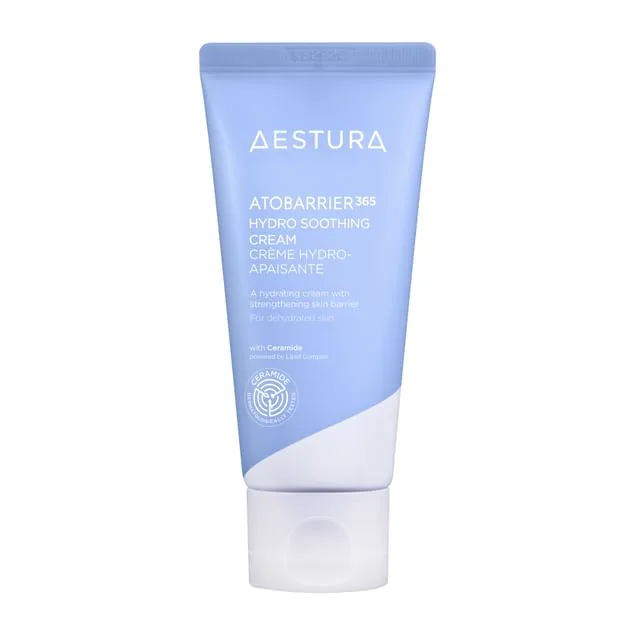
It hydrates on two fronts. A ceramide-cholesterol-fatty-acid lipid trio rebuilds the barrier — the wall that keeps water in — while trehalose and a full amino acid moisturizing-factor complex restock the skin's own internal water-binding system, the natural moisturizing factor. It rebuilds the wall and refills the reservoir, in a light gel-cream texture.
A lightweight barrier gel-cream that hydrates on two fronts — a ceramide-cholesterol-fatty-acid lipid trio to rebuild the barrier, plus trehalose and a full amino acid complex to restock the skin's own natural moisturizing factor. Fragrance-free, genuinely soothing, and from a dermatologist-developed brand. A smart pick for dry skin that dislikes heavy creams.
Note: This cream belongs to an established Aestura line, and our assessment combines ingredient analysis with a solid body of real-world feedback.
The case for it
Same rule for everyone. “Good choice” is the verdict on 9,564 of 45,024 concern verdicts across the catalog; rule R5 decided 9,072 of them. Unchanged since September 5, 2026, engine 5.1.1.
Brand or formulator? Disclose a concentration or correct a fact →
The studies behind the evidence row
The case for it
Same rule for everyone. “Good choice” is the verdict on 9,564 of 45,024 concern verdicts across the catalog; rule R5 decided 9,072 of them. Unchanged since September 5, 2026, engine 5.1.1.
Brand or formulator? Disclose a concentration or correct a fact →
The studies behind the evidence row
The case for it
What would change this: A declared concentration would move this to a firmer reading of the dose.
Same rule for everyone. “Good choice” is the verdict on 9,564 of 45,024 concern verdicts across the catalog; rule R5 decided 9,072 of them. Unchanged since September 5, 2026, engine 5.1.1.
Brand or formulator? Disclose a concentration or correct a fact →
The studies behind the evidence row
The case for it
What would change this: A researched evidence row for the lead active would replace this with a verdict.
Same rule for everyone. “Good choice” is the verdict on 1,938 of 45,024 concern verdicts across the catalog; rule F2 decided 1,938 of them. Unchanged since September 5, 2026, engine 5.1.1.
Brand or formulator? Disclose a concentration or correct a fact →
The case for it
What would change this: A researched evidence row for the lead active would replace this with a verdict.
Same rule for everyone. “Supporting role” is the verdict on 8,197 of 45,024 concern verdicts across the catalog; rule R8 decided 4,250 of them. Unchanged since September 5, 2026, engine 5.1.1.
Brand or formulator? Disclose a concentration or correct a fact →
Does the jobDoes what a moisturizer is for: draws in water, softens and smooths.
A verdict is DermApproved’s assessment of how well a product’s ingredients fit a concern — never a claim about what the product treats. Evidence dots and collected reviews sit beside it and are never blended in. Rules 0.5.1 · evidence table ev-2026.09-r228 · how we decide
Talk to most people about keeping skin hydrated and the conversation never gets past the surface, literally. The whole discussion lives at the level of the barrier, that lipid wall of ceramides, cholesterol and fatty acids that stops water from leaking out into the air. But there is a second hydration system that almost never gets mentioned, and it sits inside the skin cells rather than on top of them: the natural moisturizing factor, a cocktail of free amino acids, PCA, lactates and sugars that grips water from within. Both can run dry in stressed skin, and when they do, slathering on a heavier occlusive only addresses half the problem. The quietly clever idea behind this Aestura cream is to feed both halves at once instead of just patching the wall and hoping the reservoir underneath refills on its own.
On the barrier side, the formula does the thing barrier dermatology actually asks for, which is to supply the complete lipid trio rather than parade a single fashionable ceramide. A ceramide-functional complex works with cholesterol and the fatty acids stearic, palmitic, myristic and arachidic, so all three lipid classes the barrier is built from are present and accounted for. That completeness matters more than any single ceramide count, because ceramides cannot reassemble into a healthy barrier without cholesterol and fatty acids alongside them in roughly the right proportions; a cream heavy on ceramides but missing the partner lipids is giving the skin bricks with no mortar. On the internal side, the cream goes after the natural moisturizing factor directly. Trehalose, a disaccharide humectant with promising evidence for shielding cells against dehydration stress, sits high in the list, joined by a genuinely broad amino acid complex of serine, arginine, alanine, threonine, glutamic acid, lysine, histidine and more, plus PCA, sugars and glycogen, the same family of small water-binding molecules the skin manufactures for itself. Glycerin, the benchmark humectant, lands third in a generous dose and delivers the immediate, obvious hydration you feel in the first minute. The logic across the whole list is consistent: rebuild the wall, refill the reservoir, in a single tube.
Aestura is worth a word of context here, because the pedigree shapes how much trust the formula earns. It is a dermatologist-developed Korean brand under the Amorepacific umbrella, founded in 2004, and Atobarrier 365 is one of Korea's most recognized ceramide barrier ranges, built for dry and atopic-prone skin and a genuine fixture in clinics. The Hydro Soothing Cream, refreshed in a 2024 update, is the line's lightweight option, and that texture decision is the part worth lingering on. Barrier creams are almost always pictured as dense, glossy and balmy, the sort of thing you brace yourself to apply. This one is a true gel-cream: it spreads with almost no effort, lands cool on the skin, and sinks in fast to a soft, hydrated, distinctly non-greasy finish that feels far lighter than a conventional barrier cream and disappears under makeup without rolling or pilling. The performance does not suffer for the lightness, because repair depends on what is in the formula rather than how heavy it sits on the face, and the airy feel widens the audience considerably. It suits people who genuinely want barrier care but would never voluntarily reach for a thick balm, and it works well as a daytime layer when something richer would feel suffocating.
The limitations are the natural flip side of that lightness. In harsh winter, on skin that is very dry and actively flaking, the thin finish may not carry the load alone, and those users will want either a richer cream layered over it or a dedicated occlusive on top at night to lock the work in. Silicones are in the formula, so it is out for anyone keeping a strictly silicone-free routine. The cholesterol that makes the lipid trio complete also means it is not vegan, and a mix of emulsifiers and fatty acids leaves it short of fungal-acne safe, so malassezia-prone skin should think twice. The barrier benefit, while real, is the supportive and gradual kind rather than an overnight rescue; the comfort and softness register immediately on first application, but the steadier resilience, the sense that your skin is simply less reactive and less prone to tightness, builds across two to four weeks of consistent twice-daily use. This is steady maintenance, not theatrics, and it pairs best with realistic expectations.
Around twenty-seven dollars for 60 mL reads as good value. Used morning and night, a tube runs roughly two to three months, a fair stretch for a daily moisturizer, and the construction is more developed than a lot of what shares its shelf, since a full barrier-lipid trio paired with a thorough natural-moisturizing-factor amino acid complex is genuinely more than most creams at the price bother to assemble. Against ceramide and barrier-repair creams from Western brands, the pricing holds up comfortably while arguably delivering more on the ingredient list, and the line's dermatologist-developed pedigree adds confidence that the formula reflects real reasoning rather than trend-chasing. For dry, sensitive, normal or combination skin that wants honest two-front hydration without the weight of a balm, this is an easy and intelligent pick. The only real reason to hesitate is if your skin is dry enough to need more occlusion than any gel-cream can supply, in which case treat this as the lightweight half of a layered winter routine rather than the whole answer.
The hero actives that drive this product's performance.
| Ingredient | Function | Evidence |
|---|---|---|
| Ceramide Complex | The barrier-repair core of the Atobarrier line — a ceramide-functional system that, with cholesterol and the fatty acids stearic, palmitic, myristic and arachidic, supplies all three lipid types the skin barrier is built from. It rebuilds the lipid wall that keeps moisture in. | Established mechanism for Dryness · established mechanism |
| Cholesterol | One of the three essential barrier lipids — ceramides cannot reassemble into a healthy barrier without it. With the fatty acids, cholesterol completes the physiologic lipid trio that gives this light cream genuine barrier-repair function rather than surface comfort alone. | Not yet assessed |
| Trehalose | A natural disaccharide humectant placed high in the formula — it binds water and is known for protecting skin cells against dehydration stress, helping the cream hold its hydration steady through the day. | Not yet assessed |
| Glycerin | Listed third, a generous dose of the benchmark humectant — with trehalose and the amino acid complex, glycerin draws and holds water, providing the immediate 'hydro' hydration the cream's light texture delivers. | Established mechanism for Dryness · established mechanism |
Ingredient standings describe the active at treatment-level doses and vehicles; this product's own condition grades weigh its actual formula.
Water, Propanediol, Glycerin, Phenyl Trimethicone, Methyl Trimethicone, 1,2-Hexanediol, Trehalose, Dicaprylyl Carbonate, Ammonium Acryloyldimethyltaurate/VP Copolymer, Hydrogenated Lecithin, Hydrogenated Polyisobutene, Hydroxyethyl Acrylate/Sodium Acryloyldimethyl Taurate Copolymer, Cetearyl Alcohol, Acrylates/C10-30 Alkyl Acrylate Crosspolymer, Glyceryl Caprylate, Glyceryl Stearate, Tromethamine, Disodium EDTA, Ethylhexylglycerin, Stearic Acid, Palmitic Acid, Polyglyceryl-3 Methylglucose Distearate, Sorbitan Isostearate, Mannitol, Arginine, Serine, Sucrose, PCA, Citrulline, Glycogen, Histidine HCl, Alanine, Tocopherol, Hydroxypropyl Bispalmitamide MEA, Threonine, Glutamic Acid, Myristic Acid, Arachidic Acid, Lysine HCl, Acrylates/Ammonium Methacrylate Copolymer, Cholesterol, Silica
moisturizer
AM & PM
Apply as the final step of your skincare, after serums, smoothing an even layer over the face. In the morning, follow with sunscreen. Its light gel-cream texture layers cleanly under makeup; very dry skin in harsh winter conditions may want a richer cream over it at night.
Immediate: skin feels hydrated, soft and comfortable, with tight, dry skin eased. Improvement in barrier-related dryness and resilience builds over 2-4 weeks of consistent twice-daily use.
The cream's dual approach maps closely onto how dermatology understands skin hydration, which depends on two distinct systems. The first is the lipid barrier — the ceramide-cholesterol-fatty-acid framework that is a cornerstone of barrier-repair dermatology — and clinicians consistently emphasize that the completeness and balance of these three lipid classes matters more than ceramide content alone. This formula supplies the full set: a ceramide-functional complex with cholesterol and the fatty acids stearic, palmitic, myristic and arachidic.
The second system is natural moisturizing factor (NMF), and it is equally well established clinically. NMF is the collection of small, water-binding molecules — free amino acids, PCA, lactates, sugars — held within corneocytes that retains water inside the skin from within. Its depletion is a recognized feature of dry, aged and barrier-compromised skin, and replenishing NMF components is a recognized hydration strategy. This cream addresses it directly with a broad amino acid complex (serine, arginine, alanine, threonine, glutamic acid, lysine, histidine and others), PCA, sugars and glycogen, alongside trehalose, a disaccharide humectant with promising evidence for protecting cells against dehydration stress, and a generous dose of glycerin, the benchmark humectant.
The evidence-aligned conclusion is that the cream reflects sound clinical reasoning by supplying both barrier lipids and NMF components, addressing two complementary mechanisms of hydration rather than one. The practical caveats are these: the lightweight gel-cream texture, while suitable for most skin including sensitive skin, may not provide sufficient occlusion for very dry or severely compromised skin, which can need a richer cream or added occlusion, and active eczema requires medical treatment with supportive barrier skincare used alongside. Daily sunscreen remains a routine recommendation for overall skin health.
The dual approach in this cream aligns closely with how dermatology understands skin hydration. The ceramide-cholesterol-fatty-acid framework is a cornerstone of barrier-repair dermatology, and clinicians consistently emphasize that the completeness and balance of these lipids matters more than ceramide content alone. Natural moisturizing factor is equally well established clinically — its depletion is recognized in dry, aged and barrier-compromised skin, and replenishing NMF components such as amino acids and PCA is a recognized strategy. A cream that supplies both barrier lipids and NMF reflects sound clinical reasoning. Aestura's pedigree as a dermatologist-developed brand, and the Atobarrier line's focus on dry and atopic-prone skin, support that framing. Dermatologists generally welcome lightweight, fragrance-free barrier moisturizers for sensitive skin, while noting that very dry or severely compromised skin may need additional occlusion, and that active eczema requires medical treatment with supportive barrier skincare alongside. Daily sunscreen is also routinely emphasized as part of overall skin health.
Smooth the cream on as the final step of your skincare, after serums, working an even layer over the face. In the morning, follow with broad-spectrum sunscreen; the light gel-cream texture layers cleanly under makeup. Use it morning and night for steady barrier support. Very dry skin in harsh winter conditions may want a richer cream or an occlusive layered over it at night, since the light finish can be insufficient on its own in those conditions.
At around $27 for 60 mL, this cream offers good value. With twice-daily use the tube lasts roughly two to three months, a reasonable run for a daily moisturizer, and the formula is genuinely well constructed — a complete barrier-lipid trio plus a thorough NMF-style amino acid complex is more developed than many moisturizers in the range. There is no alternative size. Compared with barrier-repair and ceramide creams from Western brands, which often run $30 to $60, Aestura's pricing is competitive, and the dermatologist-developed pedigree of the Atobarrier line adds confidence. The lightweight gel-cream texture also widens its appeal, since it suits people who would not buy a heavy barrier balm. For dry, sensitive and barrier-stressed skin, the value is solidly good.
Dry, dehydrated, sensitive or barrier-stressed skin that wants genuine barrier repair without the weight of a rich balm is the natural audience, and it is a particularly good pick for people who need barrier care but dislike heavy creams. The two-front formula of barrier lipids plus natural moisturizing factor, together with the dermatologist-developed pedigree, makes it a sensible everyday moisturizer for combination skin too. Very dry winter skin may want something richer over it at night.
Those with very dry, flaking skin in harsh winter may find the light finish insufficient on its own and need a richer cream or added occlusion. Strict vegans should skip it because of the cholesterol, those building a silicone-free routine should note the silicones, and a fungal-acne-safe routine calls for a different moisturizer.
Ready to try Aestura Atobarrier 365 Hydro Soothing Cream?
Buy at Amazon ♥A lightweight gel-cream that spreads easily, feels cool on application, and absorbs quickly to a soft, hydrated, non-greasy finish. It is far lighter than a typical barrier cream.
Unscented in practice, with a barely-there neutral note.
60 mL tube in Aestura's clean, clinical design. Hygienic and practical for daily use; the opaque tube hides how much product remains.
First use feels light and cooling — the gel-cream sinks in quickly, easing dry, tight skin and leaving it soft and comfortably hydrated with no greasy film. There is no sting. The immediate hydration is obvious; the deeper barrier benefit builds quietly over a few weeks.
About 2-3 months per unit with twice-a-day use
All Year
Aestura's Atobarrier 365 line is one of Korea's most recognized ceramide barrier ranges, built for dry and atopic-prone skin. The Hydro Soothing Cream is the line's lightweight option — a gel-cream for people who want genuine barrier repair without the heaviness of a rich balm, refreshed in a 2024 update.
Aestura is a dermatologist-developed Korean skincare brand owned by Amorepacific, founded in 2004 with a focus on barrier repair. Its Atobarrier 365 line is one of Korea's best-known ceramide barrier ranges, widely used and recommended in dermatology clinics.
Barrier repair only means adding ceramides to the skin.
Ceramides and the other barrier lipids rebuild the wall that holds water in — but skin also relies on its natural moisturizing factor, an internal system of amino acids, PCA and sugars that binds water inside the cells. Compromised skin is often short on both. This cream supplies barrier lipids and replenishes natural moisturizing factor together.
A lightweight gel-cream cannot genuinely repair the skin barrier.
Barrier repair depends on supplying the right lipids in the right balance, not on a heavy, greasy texture. This gel-cream contains the full ceramide-cholesterol-fatty-acid trio in a light base — so it repairs effectively while staying comfortable. Texture weight and barrier function are not the same thing.
It is a lightweight barrier-repair gel-cream. A ceramide-cholesterol-fatty-acid lipid trio rebuilds the skin barrier, while trehalose, glycerin and a full amino acid complex restock the skin's natural moisturizing factor — its internal water-binding system. Together they hydrate the skin and strengthen its ability to hold that hydration.
It is a lightweight gel-cream, so for most dry skin it hydrates well year-round. In harsh winter conditions or for very dry, flaky skin, it may work best layered under a richer cream at night, or paired with a hydrating serum underneath. It delivers genuine barrier repair, just in a light texture.
Natural moisturizing factor, or NMF, is the skin's own built-in blend of amino acids, PCA and sugars that binds water inside skin cells. It depletes with dryness, age and barrier damage. This cream replenishes NMF with an amino acid complex and trehalose, alongside the barrier lipids — addressing hydration from inside the cells as well as the lipid wall.
Yes — it is well suited to it. The formula is fragrance-free and barrier-focused, from Aestura's Atobarrier line, which is built for dry and atopic-prone skin. It has no harsh actives and is gentle enough for reactive skin, supporting and soothing a compromised barrier.
Yes. It is fragrance-free, contains no retinoids or acids, and its lightweight texture suits both day and night use as the final step of your routine. In the morning, always follow with sunscreen; at night, very dry skin can layer a richer cream on top if needed.
Recurring themes our editors read across retailer reviews of this product — summaries in our words, not quotations, and not a substitute for your own patch test.
Lightweight gel-cream texture that hydrates without heaviness
Genuinely soothing and comfortable on dry, stressed skin
Fragrance-free, with a barrier-repair pedigree
Absorbs cleanly and layers well under makeup
Light finish not rich enough for very dry skin in harsh winter alone
Contains silicones, so not for silicone-free routines
Contains cholesterol, so not vegan
Not fungal-acne safe, owing to emulsifiers and fatty acids
Verified answers from our questions library — the nuance a product page cannot carry.