



Hyaluronic Acid Can Actually Dehydrate Your Skin (Here's When)
The internet's favorite hydrator has a counterintuitive dark side — in dry air, a humectant with nothing to seal it can pull water out of your skin instead of into it.
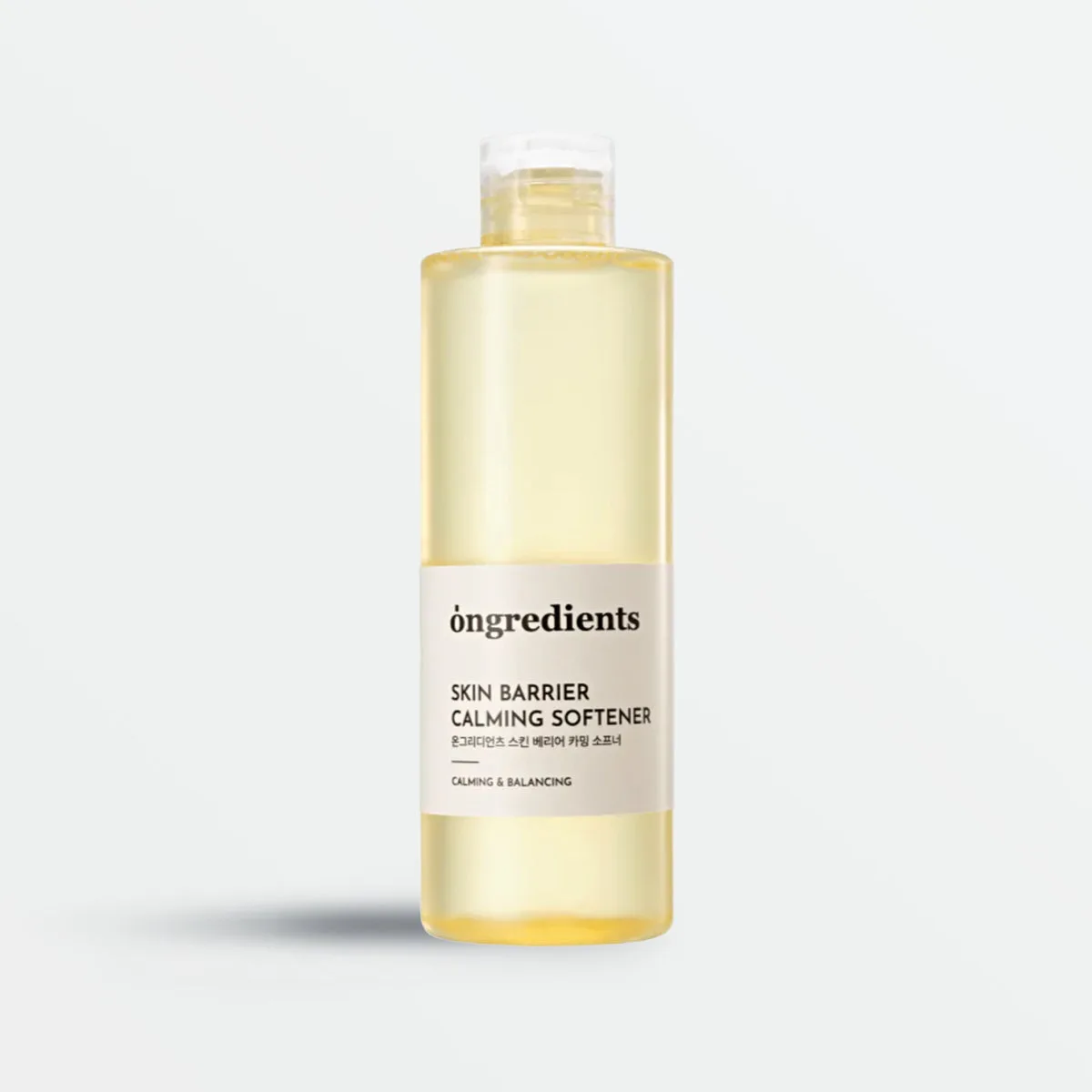
Most centella toners pick one form of the botanical and call it done. This one splits centella into three — the whole-plant extract plus isolated madecassoside and asiaticoside — and then layers in panthenol, Ceramide NP, and a three-form HA stack to build a real barrier-support architecture in a watery toner format. The catch is the essential-oil fragrance, which complicates the 'sensitive skin' positioning.
Builds the centella-and-panthenol architecture you want in a daily hydrating toner — three forms of centella, multi-weight hyaluronic acid, Ceramide NP, all in a 250 mL bottle at a fair K-beauty price — then complicates its own 'sensitive skin' marketing with a citrus-and-ylang-ylang essential-oil fragrance blend. Excellent for normal-to-combination skin; trickier for the reactive complexions the brand most often markets it to.
Three years on the international market with broad retailer coverage and aggregated user counts in the high hundreds gives moderate visibility into real-world performance, but the brand itself remains young and independent clinical validation of the specific centella-triple-form architecture is limited. Scoring blends transparent INCI reading, certification verification, and aggregated user feedback rather than long-form derm-office trial data.
The case for it
Same rule for everyone. “Good choice” is the verdict on 9,564 of 45,024 concern verdicts across the catalog; rule R5 decided 9,072 of them. Unchanged since September 5, 2026, engine 5.1.1.
Brand or formulator? Disclose a concentration or correct a fact →
The studies behind the evidence row
The case for it
Cautions: fragrance.
What would change this: A declared concentration would move this to a firmer reading of the dose.
Same rule for everyone. “Good choice” is the verdict on 9,564 of 45,024 concern verdicts across the catalog; rule R5 decided 9,072 of them. Unchanged since September 5, 2026, engine 5.1.1.
Brand or formulator? Disclose a concentration or correct a fact →
The studies behind the evidence row
The case for it
What would change this: A declared concentration would move this to a firmer reading of the dose.
Same rule for everyone. “Promising” is the verdict on 7,858 of 45,024 concern verdicts across the catalog; rule R9p decided 7,858 of them. Unchanged since September 5, 2026, engine 5.1.1.
Brand or formulator? Disclose a concentration or correct a fact →
The studies behind the evidence row
The case for it
What would change this: Removing the trigger named above would let the actives be judged on their own.
Same rule for everyone. “Avoid” is the verdict on 1,909 of 45,024 concern verdicts across the catalog; rule R1 decided 1,304 of them. Unchanged since September 5, 2026, engine 5.1.1.
Brand or formulator? Disclose a concentration or correct a fact →
The studies behind the evidence row
Does the jobDoes what a toner is for: adds something real, not alcohol-driven. Not measured from the label: restores skin pH, plays well with what follows.
A verdict is DermApproved’s assessment of how well a product’s ingredients fit a concern — never a claim about what the product treats. Evidence dots and collected reviews sit beside it and are never blended in. Rules 0.5.1 · evidence table ev-2026.09-r228 · how we decide
There's a tension built into this product, and reading the ingredient list out loud is the fastest way to find it. Ongredients markets the Skin Barrier Calming Softener as a daily soothing toner for dry, sensitive skin — positioning that usually implies fragrance-free minimalism, and which the brand's own name reinforces, being a contraction of 'One' and 'Ingredients.' The actual formula runs to thirty-five lines and includes four essential oils. It is more interesting than the pitch, and a little more complicated.
The good news first, and there's a lot of it. The centella architecture is genuinely well-engineered. Rather than using one form of the botanical, the brand splits it into three: the whole-plant extract for its broad anti-inflammatory profile, plus isolated madecassoside and asiaticoside for the more concentrated barrier-signalling and redness-reducing action those specific triterpenoids deliver. This is not a token centella inclusion. It is the formula's spine.
Panthenol sits in the upper third of the list at a functional concentration, which is what gives the softener its cushioning after-feel — provitamin B5 converts in skin to pantothenic acid and supports the lipid synthesis a compromised barrier actively needs. Ceramide NP and a three-form hyaluronic acid stack round out the actives. Cynanchum atratum, a traditional Korean botanical the brand markets for heat-calming reactivity, adds a pharmacopeia layer less familiar to Western shelves, and turmeric root contributes antioxidant support. Sophora root and guarana seed fill out the botanical bench.
The ceramide inclusion invites an objection worth answering, since the received wisdom holds that barrier lipids belong in creams. They don't, exclusively. Ceramides act as much by signalling as by bulk replacement, and a watery vehicle can carry them into the upper stratum corneum rather more efficiently than a thick emulsion that mostly parks on the surface. The dose here is modest, as it must be in a toner, and its job is to prime rather than to rebuild. Layer the brand's own Calming Lotion on top and the two steps make sense together.
For a watery softener, that's a remarkable amount of barrier-relevant density. The hydration cushion is real from the first application; the longer-term benefits build across four to six weeks when something sealing goes over it.
Now the complication. Sitting just below the centella is grapefruit peel oil. Then mandarin orange peel oil. Then bergamot fruit oil. Then ylang ylang. And at the very bottom, limonene — the EU-declared fragrance allergen that citrus oils inevitably carry. The combined load isn't enormous, but it is meaningfully present, and the scent is the first thing most users notice.
Limonene deserves a specific note, because its risk isn't fixed. Fresh limonene is a mild sensitizer; oxidised limonene is a considerably stronger one, and oxidation is what happens to citrus terpenes in a bottle repeatedly opened to air over the three or four months this 250 ml lasts. A toner that was gentle in March can be less gentle by June, and nothing on the label will tell you when the transition occurred. Citrus oils also carry some photosensitising potential, which makes morning use a real, if modest, consideration for anyone casual about sunscreen.
For people who don't react to fragrance, the citrus-and-floral note is light, spa-like, and pleasant. For people with documented fragrance reactivity — which overlaps heavily with the rosacea and barrier-compromised skin the brand markets to — this is the whole decision.
The texture matches the formula. Water-thin, meant for palm application rather than cotton, absorbing in under a minute with no tackiness. Press two or three pumps' worth into face and neck; a second pass while the first is still damp deepens the hydration. It layers cleanly under serums and, at twenty-two dollars for 250 ml lasting three or four months, the per-ounce arithmetic lands well inside the K-beauty value range. It's vegan, cruelty-free, alcohol-free, fungal-acne safe and pregnancy-safe. The screw-cap bottle has no inner seal, which is a small but genuine travel annoyance — and, given what air does to citrus terpenes, a slightly larger one than it first appears.
Where this softener earns its place is as a daily hydration toner for normal-to-combination or dry skin that isn't fragrance-reactive. It's a thoughtful, well-built formula at a fair price, pairing naturally with the brand's Calming Lotion or Cream to complete a centella-focused routine. Where it demands more care is with exactly the sensitive skin its marketing implies it serves. For genuinely reactive complexions, the fragrance-free Calming Lotion from the same line is the cleaner pick — and the gap between this softener's positioning and its fragrance profile is the most honest critique available.
With a few hundred reviews behind a five-year-old brand, the confidence here rests on a transparent ingredient list rather than accumulated clinical scrutiny. Treat it as a well-built toner whose fragrance you must evaluate against your own tolerance, and the value math works. Treat it as a sensitive-skin product because the bottle says so, and you may collect avoidable reactivity. The label makes a claim. The ingredient list is where the truth is kept.
The hero actives that drive this product's performance.
| Ingredient | Function | Evidence |
|---|---|---|
| Centella Asiatica Complex (Extract, Madecassoside, Asiaticoside) | The brand splits centella into three forms here — the full extract plus two isolated triterpenoids (madecassoside and asiaticoside) — which delivers both the broad anti-inflammatory profile of the whole-plant extract and the more concentrated barrier-signaling action of the specific actives. This is the formula's anchor and the reason it earns the 'calming' name. | Not yet assessed |
| Panthenol (Pro-Vitamin B5) | Sits in the upper third of the INCI in a functional concentration; converts in skin to pantothenic acid, which supports the lipid synthesis a stressed barrier needs to rebuild. In a watery softener format, panthenol's role is to make the toner feel softening rather than just hydrating — its humectant pull is what gives the formula that signature B5 cushion. | Established mechanism for Dehydration · established mechanism |
| Ceramide NP | A single ceramide species placed mid-INCI, layered into a watery softener vehicle rather than the heavy cream format ceramides usually live in. This means the ceramide here works more as a signal-and-supplement than as a full barrier-rebuild dose — but in a daily-use toner that primes the skin for the brand's Calming Lotion or Cream on top, it's a thoughtful inclusion. | Established mechanism for Dryness · established mechanism |
| Cynanchum Atratum Extract | A traditional Korean botanical the brand uses for its heat-calming positioning — the active is thought to modulate skin temperature reactivity rather than just inflammation. In this softener it sits in the lower-mid INCI alongside the centella complex, adding a Korean-pharmacopeia layer to the more globally familiar centella story. | Not yet assessed |
| Multi-Weight Hyaluronic Acid | Three HA forms — sodium hyaluronate, sodium hyaluronate crosspolymer, and hydrolyzed HA — stacked to hit different stratum corneum depths. In a softener that's likely to be applied with the hands as a watery essence-toner, this multi-weight stack lets the formula feel cushiony immediately and continue hydrating once it absorbs. | Established mechanism for Dehydration · established mechanism |
Ingredient standings describe the active at treatment-level doses and vehicles; this product's own condition grades weigh its actual formula.
Water, Glycerin, Butylene Glycol, Glycereth-26, Dipropylene Glycol, Hydroxyacetophenone, Polyglyceryl-10 Laurate, Polyglyceryl-4 Laurate, Panthenol, Caprylyl/Capryl Glucoside, Caprylyl Glycol, Sophora Angustifolia Root Extract, Paullinia Cupana Seed Extract, Curcuma Longa (Turmeric) Root Extract, Hydroxyethylcellulose, Disodium EDTA, Carbomer, Arginine, Citrus Paradisi (Grapefruit) Peel Oil, 1,2-Hexanediol, Centella Asiatica Extract, Pentylene Glycol, Citrus Nobilis (Mandarin Orange) Peel Oil, Madecassoside, Ceramide NP, Citrus Aurantium Bergamia (Bergamot) Fruit Oil, Sodium Hyaluronate, Sodium Hyaluronate Crosspolymer, Asiaticoside, Hydrolyzed Hyaluronic Acid, Cynanchum Atratum Extract, Cananga Odorata Flower Oil, Hyaluronic Acid, Ethylhexylglycerin, Hydrolyzed Sodium Hyaluronate, Limonene
toner
AM & PM
Apply directly after cleansing as the first hydration step; pat in with the palms rather than swiping with cotton for maximum absorption. Pairs naturally with the brand's own Calming Lotion or Cream — citrus oils may sensitize skin to UV, so always finish the morning routine with broad-spectrum sunscreen.
Immediate cushion and a softening finish after the first application; over 2–3 weeks of consistent twice-daily use, expect smoother surface texture and reduced midday tightness; deeper barrier benefits at the 6-week mark when paired with the Calming Lotion or another sealing moisturizer.
The most thoroughly evidenced architecture here is the centella triple-form approach. Centella asiatica's triterpenoid constituents — madecassoside, asiaticoside, and asiatic acid — have decades of published clinical literature documenting their anti-inflammatory, pro-collagen, and erythema-reducing effects; studies in journals like the Journal of Investigative Dermatology have characterized their action via TGF-beta signaling and fibroblast modulation. Splitting the centella into both whole-extract and isolated-triterpenoid forms in a single formula is a way to capture both the broad action of the extract and the more concentrated signaling of the isolated actives. Panthenol carries strong independent evidence too: clinical work has shown topical panthenol applied at 2-5% can measurably improve barrier function via increased ceramide and lipid synthesis. Ceramide NP (also called ceramide 3) has well-established research on barrier restoration — it's the same ceramide species found in many derm-prescribed barrier moisturizers — though in a toner format the concentration is typically lower than in dedicated barrier creams. The hyaluronic acid stack at multiple molecular weights has good cosmetic chemistry support for delivering hydration at different stratum corneum depths. Cynanchum atratum is the less-established active in the formula; some Korean and East Asian dermatological research has explored its anti-inflammatory mechanisms, but the clinical literature is thinner than for centella or panthenol. The essential-oil fragrance blend is the formula's biggest variable from a scientific standpoint — limonene, bergaptene compounds in bergamot, and other citrus oil constituents have documented sensitization potential, with bergaptene specifically flagged for photosensitization, though reformulated furocoumarin-free bergamot oils now reduce that risk in many cosmetic uses.
Clinically, centella-based hydrating toners of this style are typically characterized as supportive daily-use products that complement (rather than replace) prescription-strength barrier interventions when those are medically needed. Dermatologists tend to value the triterpenoid-rich formulations for patients with mild rosacea, post-procedure recovery, and generalized sensitivity — and the brand's three-form centella split here is the kind of architecture most derm-office-aware practitioners would identify as a thoughtful design choice. The clinical caveat is the essential-oil fragrance: for patients with documented fragrance contact sensitivity or rosacea-related vascular reactivity, dermatology professionals generally recommend fragrance-free alternatives, and limonene's status as an EU-regulated fragrance allergen makes it a meaningful flag for patient counseling. Citrus peel oils may also contribute mild photosensitization, which makes daily UV protection (already a standard recommendation) particularly important. For normal-to-combination skin types without fragrance reactivity, this style of softener is generally considered a benign and well-formulated daily addition.
After cleansing, pour two to three pumps' worth into clean palms and press-and-pat onto the face and neck. The watery formula absorbs in under a minute; for additional hydration, layer a second pass on top within 30 seconds while the first is still slightly damp. Follow with a serum or essence and seal with a moisturizer. In the morning, finish with broad-spectrum sunscreen — the citrus peel oils can mildly increase UV sensitivity, so SPF discipline matters more with this softener than with a fragrance-free alternative. Cotton-pad application wastes formula in the cotton itself; palm application is the intended method.
Twenty-two dollars for 250 mL works out to a per-ounce price meaningfully below most prestige K-beauty toners with comparable centella-and-ceramide architecture, and substantially below the prestige Western competition. The 250 mL single size is the formula's only volume option; no smaller trial size or larger refill is offered, so buyers committing to this formula are committing to a several-month supply on the first purchase. Olive Young's distribution in Korea and broad retailer pickup internationally (YesStyle, Amazon, Skin Cupid) means availability is good and pricing tends to be competitive across channels. The brand is emerging — five years old — so part of the long-term value calculation depends on how much weight a buyer puts on extended clinical validation versus published INCI work and certifications. For buyers who weight transparent INCI and per-ounce pricing, this lands as a clear value pick within the category.
Normal-to-combination or dry skin that wants a daily hydrating toner with real barrier-support architecture and tolerates light essential-oil fragrance. K-beauty enthusiasts building a centella-focused routine. Anyone seeking a vegan toner with a per-ounce price meaningfully below prestige competition.
Anyone with documented fragrance reactivity, rosacea with vascular sensitivity, or sensitivity to limonene or bergamot oil. Skin in active barrier flare should choose the brand's fragrance-free Calming Lotion instead. Anyone who wants a true fragrance-free sensitive-skin toner should look outside this line entirely.
Ready to try Ongredients Skin Barrier Calming Softener?
Buy at Amazon ♥Clear, water-thin liquid with a barely-there slip — pours like a watery essence rather than a viscous toner.
Light citrus-floral from the grapefruit, mandarin, bergamot, and ylang ylang oils; pleasantly spa-like to most users but unmistakably present.
Tall clear plastic bottle with a screw cap and a small pour opening; minimal but functional design that lets you control dose by tilt.
Cool, watery application that absorbs almost instantly with no tackiness. The citrus-floral scent is the first thing most users register; it dissipates within a minute or two but is meaningfully present on application. No tingling or stinging on most skin, though anyone with documented fragrance reactivity should patch-test on the inner arm before committing.
Roughly 3–4 months with twice-a-day use palm-application use on the full face; can stretch to 5 months if reserved for evening or used with cotton pads on alternate days.
All Year
Ongredients launched the Skin Barrier Calming line as its anchor category, leaning into the post-pandemic surge in barrier-compromised complaints across K-beauty. The Calming Softener was designed as the entry point — a hydrating toner that primes skin for the line's Lotion and Cream — and Olive Young's distribution put it in front of the broadest Korean-domestic audience the brand has reached. Its centella-triple-form approach became one of the small ways the formula differentiated from the dozens of competing centella toners on Korean shelves.
Ongredients launched in 2020 in South Korea on a stated single-active formulation philosophy — the brand name itself is a contraction of 'One' and 'Ingredients.' The line holds PETA cruelty-free, vegan, and COSMOS Organic certifications and trades on EWG-green ingredient grading, though most products are too young to have accumulated long-form independent clinical validation.
If a toner is marketed for sensitive skin, it must be fragrance-free.
Not always — this one carries citrus and floral essential oils plus limonene, despite its 'calming sensitive skin' positioning. The centella and panthenol architecture is genuinely soothing for most skin, but anyone with documented fragrance reactivity should treat this as a normal-to-combination toner rather than a true sensitive-skin pick.
A watery toner can't deliver barrier-rebuilding ingredients like ceramides.
Ceramides work via signal-and-supplement effects at relatively low concentrations, and watery vehicles can actually deliver them into the upper stratum corneum more effectively than thick creams. Ceramide NP here adds a meaningful barrier-support layer even at the modest concentration typical for a toner format.
No — despite the 'calming' positioning, this softener contains grapefruit, mandarin, bergamot, and ylang ylang essential oils plus limonene. The scent is light and pleasant for most users, but anyone with documented fragrance reactivity should consider the brand's Skin Barrier Calming Toner version (a different SKU) or another fragrance-free option.
A 'softener' (or 'skin softener') in Korean skincare typically refers to a watery, hydrating toner designed as a first hydration step rather than as a pH-balancing astringent. They're meant to be palm-applied and patted in, layered like an essence, rather than swiped with a cotton pad.
Yes, but wait 10–15 minutes after applying an AHA or BHA so the acid can do its work before you layer the softener over the top. The centella and panthenol in this formula can actually help buffer post-exfoliation tightness.
Yes for most skin types. The watery, alcohol-free formula is gentle enough for twice-daily application, and the centella-and-panthenol architecture supports rather than strips the barrier. If you notice fragrance-related reactivity over the first week, reduce to evening-only use.
It can — centella, madecassoside, and asiaticoside have documented anti-inflammatory and erythema-reducing effects, and the panthenol layer adds barrier support that helps reduce reactive flushing. The essential-oil fragrance is the variable; for most users it doesn't trigger redness, but for sensitive complexions it can sometimes work against the calming actives.
Hands are the recommended method — the formula is designed as a palm-pat application, which conserves product and lets the watery vehicle absorb fully into the skin. Cotton pads work for double-cleansing-style use but waste a lot of the formula in the cotton itself.
Broadly yes — the formula has no retinoids, hydroxy acids, or other pregnancy-flagged actives. The bergamot oil is at very low concentration and well below any conservative pregnancy threshold, but anyone with specific concerns should check with their OB before incorporating new fragrance-containing skincare.
Recurring themes our editors read across retailer reviews of this product — summaries in our words, not quotations, and not a substitute for your own patch test.
Citrus-and-floral scent feels pleasant and spa-like to most users
Watery texture absorbs in seconds with no tackiness
250 mL bottle lasts months at twice-daily use — strong per-ounce value
Essential oil fragrance can sensitize reactive skin over time
Limonene listing concerns fragrance-allergy-prone users
Bottle is unsealed under the cap — some leak risk during travel