


Hyaluronic Acid Can Actually Dehydrate Your Skin (Here's When)
The internet's favorite hydrator has a counterintuitive dark side — in dry air, a humectant with nothing to seal it can pull water out of your skin instead of into it.
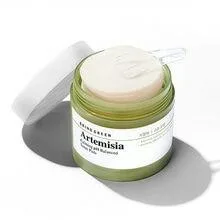
It pairs a disclosed 50% mugwort base with isolated madecassoside, green tea, hyaluronic acid, and okra in a thick, low-pH calming-and-hydrating toner pad — a high-disclosed-soother, genuinely moisturizing pad for sensitive, reactive skin at a budget price. That high mugwort content and value set it apart from lighter or pricier calming pads.
A genuinely soothing, hydrating low-pH toner pad built on a disclosed 50% mugwort base plus isolated madecassoside, green tea, hyaluronic acid, and okra — a thick, cushiony, calming essence for sensitive, reactive skin, vegan and at a budget price. It calms redness and moisturizes well, the soothing counterpart to the brand's tea tree pads. The minor catches are the mugwort oil and olive oil, which keep it off the fungal-acne-safe list.
The case for it
What would change this: A declared concentration would move this to a firmer reading of the dose.
Same rule for everyone. “Good choice” is the verdict on 1,938 of 45,024 concern verdicts across the catalog; rule F2 decided 1,938 of them. Unchanged since September 5, 2026, engine 5.1.1.
Brand or formulator? Disclose a concentration or correct a fact →
The studies behind the evidence row
The case for it
What would change this: A declared concentration would move this to a firmer reading of the dose.
Same rule for everyone. “Good choice” is the verdict on 9,564 of 45,024 concern verdicts across the catalog; rule R5 decided 9,072 of them. Unchanged since September 5, 2026, engine 5.1.1.
Brand or formulator? Disclose a concentration or correct a fact →
The studies behind the evidence row
The case for it
What would change this: A declared concentration would move this to a firmer reading of the dose.
Same rule for everyone. “Promising” is the verdict on 7,858 of 45,024 concern verdicts across the catalog; rule R9p decided 7,858 of them. Unchanged since September 5, 2026, engine 5.1.1.
Brand or formulator? Disclose a concentration or correct a fact →
The studies behind the evidence row
The case for it
What would change this: A declared concentration would move this to a firmer reading of the dose.
Same rule for everyone. “Promising” is the verdict on 7,858 of 45,024 concern verdicts across the catalog; rule R9p decided 7,858 of them. Unchanged since September 5, 2026, engine 5.1.1.
Brand or formulator? Disclose a concentration or correct a fact →
The studies behind the evidence row
Also listed for Dryness and Compromised Skin Barrier — the actives here (Centella Asiatica, Mugwort (Artemisia) are in our research queue for those concerns; there is no verdict until their evidence rows are written. That is a gap in our table, not a mark against the product.
Does the jobDoes what a toner is for: not alcohol-driven, adds something real. Not measured from the label: restores skin pH, plays well with what follows.
A verdict is DermApproved’s assessment of how well a product’s ingredients fit a concern — never a claim about what the product treats. Evidence dots and collected reviews sit beside it and are never blended in. Rules 0.5.1 · evidence table ev-2026.09-r228 · how we decide
Bring Green's range splits neatly along a fault line: the tea tree line for oily, troubled skin that wants clarifying, and the Artemisia line for sensitive, reactive skin that wants calming. These mugwort toner pads are the clearest expression of the gentle side, and they're built with the same high-disclosed-percentage philosophy that defines the brand. Artemisia — mugwort — leads the ingredient list at a disclosed 50%, replacing most of the water as the calming base. That's not a token sprinkle of a trendy ingredient; it's a genuinely concentrated dose of one of Korea's most traditional skin-soothers, and it sets the tone for everything the pads do.
Mugwort has a long history in Korean skincare for settling irritated, reactive skin, with antioxidant and anti-inflammatory compounds behind the reputation, and at half the formula it's doing real work here. Bring Green reinforces it sensibly: isolated madecassoside (a key centella triterpene known for calming redness and itchiness), centella extract, and green tea add a soothing complex, while panthenol and allantoin round out the comfort. The consistent real-world feedback — calmer, less red skin — matches what this combination should do for reactive skin. There's a reason mugwort has had such a moment in K-beauty: it occupies the same soothing niche as centella but with a slightly different botanical profile, and pairing the two, as Bring Green does here, hedges across more than one calming pathway rather than betting everything on a single hero. For skin that flushes and reacts easily, that redundancy is reassuring.
What keeps these from being merely soothing is the hydration. The essence is notably thick and cushiony, thanks to sodium hyaluronate and okra (hibiscus esculentus) fruit extract, a naturally mucilaginous, slippery botanical that holds water. So the pads don't just cool the skin briefly; they leave it genuinely moisturized and dewy, which is exactly what dry, dehydrated, sensitive skin wants from a calming step, and a common failing of cheaper soothing pads that lean too hard on water and astringents. Combined with a skin-matched low pH of around 5.5, that makes them gentle and barrier-respecting enough for daily use.
In use, they're a pleasure for reactive skin. The soft pad swipes on cool and soothing, carrying that thick essence with a faint natural herbal mugwort note, and skin comes away calmer, plumped, and dewy. You can swipe one over the whole face as a hydrating calming step, or press one onto a red or dry patch as a quick local mask — patting in the leftover essence rather than wiping it off. There's no sting for most, and even reactive skin tends to settle. Over a couple of weeks, sensitive skin looks more settled and less irritated, and the kind of day-to-day reactivity that has reactive skin bracing for the next flare tends to quiet down. It's maintenance soothing rather than a dramatic fix, but for skin that's perpetually a little angry, steady calm is the goal.
A few caveats are modest and familiar for the brand. The pads contain mugwort (artemisia vulgaris) oil, a mild potential irritant for the very reactive — a slight irony in a calming product, though far gentler than a strong essential oil and present at a low level — so a patch test is sensible for genuinely sensitive skin. They also contain olive oil, which, with the mugwort oil, makes them not fungal-acne safe, so Malassezia sufferers should look elsewhere. Neither undercuts the soothing performance for most sensitive skin; they just define the edges.
Value is excellent, as across the line. Seventy-five pads in a tub at a budget price means a low per-pad cost, and used daily or a few times a week, a tub lasts well. You're getting a high disclosed mugwort content, isolated madecassoside, green tea, and genuine hydration for a fraction of what comparable calming pads cost, where the premium usually buys branding. For sensitive, reactive, or dehydrated skin, that's a lot of soothing-and-hydrating value per dollar, and the large count means you never have to ration the pads to make a tub last.
The recommendation is broad and easy. If you have sensitive, dry, combination, or normal skin — especially reactive, redness-prone, or dehydrated skin — and you want a genuinely soothing, hydrating, low-pH toner pad with a high mugwort dose and a thick, comfortable essence, this is a high-value, gentle pick, and the calming counterpart to the brand's tea tree pads for oilier skin. Those managing fungal acne should skip it (olive and mugwort oils), and the very reactive should patch test the mugwort oil. But as an affordable, effective calming-and-hydrating pad for sensitive skin, it does exactly what it sets out to, and does it for very little — completing a brand lineup that has a genuinely good, well-priced answer for both oily and reactive skin.
The hero actives that drive this product's performance.
| Ingredient | Function | Evidence |
|---|---|---|
| Mugwort (Artemisia Capillaris) Extract (50%) (50%) | The headline soother — mugwort (artemisia) extract at a disclosed 50%, replacing most of the water as the calming base. Mugwort is a traditional Korean skin-soother prized for settling redness and irritation, and at half the formula it's the genuine heart of these calming pads, not a token extract. | Not yet assessed |
| Madecassoside + Centella + Green Tea | A soothing complex — isolated madecassoside (a key centella triterpene), centella extract, and green tea — that calms redness, itchiness, and inflammation alongside the mugwort, reinforcing the pads' focus on reactive, sensitive skin. | Limited for Rosacea |
| Hyaluronic Acid + Okra (Hibiscus Esculentus) | Sodium hyaluronate plus okra fruit extract, a naturally mucilaginous (slippery, hydrating) botanical, give the pads their thick, cushiony essence and lasting hydration — the 'moisture' that keeps a calming pad comfortable rather than drying. | Established mechanism for Dehydration · established mechanism |
| Low pH (5.5) + Panthenol | A skin-matched low pH plus panthenol and allantoin keep the pads gentle and barrier-respecting, so the calming-and-hydrating swipe suits sensitive skin daily without disrupting the acid mantle. | Established mechanism for Dehydration · established mechanism |
Ingredient standings describe the active at treatment-level doses and vehicles; this product's own condition grades weigh its actual formula.
Artemisia Capillaris Extract (50%), Water, Methylpropanediol, Glycerin, 1,2-Hexanediol, Olea Europaea (Olive) Fruit Oil, Theobroma Cacao (Cocoa) Seed Extract, Hibiscus Esculentus Fruit Extract, Chrysanthemum Boreale Flower Extract, Sodium Hyaluronate, Artemisia Vulgaris Oil, Camellia Sinensis Leaf Extract, Madecassoside, Centella Asiatica Extract, Panthenol, Allantoin, Betaine, Butylene Glycol, Carbomer, Arginine, Xanthan Gum, Disodium EDTA, Ethylhexylglycerin
toner
AM & PM
Wipe a pad gently over cleansed skin as a calming, hydrating step, or press one on as a quick local mask on red or dry patches. The thick, soothing essence layers cleanly under serums and moisturizer and suits daily use; pat in the leftover essence rather than wiping it off.
Skin feels calmer, hydrated, and less red right after a swipe. Over 1-2 weeks of daily use, sensitive and reactive skin tends to look more settled and less irritated as the mugwort and centella soothe; the hydration is immediate.
These pads are a well-built calming-and-hydrating formula. Mugwort (Artemisia capillaris/vulgaris) is a traditional skin-soother with antioxidant and anti-inflammatory compounds, and at a disclosed 50% it provides a concentrated calming base — promising evidence, drawn from traditional use and laboratory data more than large clinical trials, but a meaningful dose. The soothing is reinforced by isolated madecassoside, a key centella triterpene with strong anti-inflammatory and barrier evidence, plus centella extract and green tea's catechins, both well-supported soothers. The hydration is genuine: sodium hyaluronate is an established humectant, and okra (Hibiscus esculentus) fruit extract is rich in mucilaginous polysaccharides that bind water and give the essence its thick, cushiony body. Panthenol and allantoin add further soothing, and the skin-matched low pH (~5.5) keeps the pads barrier-respecting.
The realistic caveats are the oils: artemisia vulgaris (mugwort) oil is a mild essential-oil sensitizer — a slight irony in a calming product, though present at low levels — and olive fruit oil, with the mugwort oil, makes the formula non-Malassezia-safe. As leave-behind pads, the actives have reasonable contact time. The honest synthesis: a genuinely soothing, well-hydrating low-pH toner pad whose high-dose mugwort, madecassoside, and humectants do real calming and moisturizing work for sensitive, reactive skin, with the mugwort and olive oils as the main considerations for the very reactive or fungal-acne-prone.
Low-pH calming toner pads built around mugwort and centella are well-regarded for sensitive, reactive, and redness-prone skin, combining soothing botanicals with hydration in a gentle, daily-use format. Mugwort is viewed as a traditional soother with antioxidant and anti-inflammatory support, and madecassoside is a strong, well-evidenced calming active, while hyaluronic acid and okra provide genuine hydration. The skin-matched pH and absence of acids make these suitable for everyday sensitive-skin use. Clinically, the considerations are the artemisia (mugwort) oil, a mild contact sensitizer — worth a patch test for the highly reactive, a minor irony in a calming product — and the olive oil, which makes the pads unsuitable for fungal-acne-prone patients. For most sensitive, dry, and reactive skin, they are regarded as a gentle, effective, high-value calming-and-hydrating step, framed as supportive soothing care rather than treatment for an active skin condition.
Swipe a pad gently over cleansed skin as a calming, hydrating step before serums and moisturizer, or press one onto red or dry patches as a quick local mask for a few minutes. Pat in the leftover essence rather than wiping it off, then continue your routine. Use the pads daily — the low-pH, soothing, acid-free formula is gentle enough for everyday sensitive-skin care. Seal the tub lid firmly so the pads stay saturated, and patch test first if your skin is highly reactive, given the mugwort oil. Follow with sunscreen in the daytime.
At a budget price for 75 pads, this offers a low per-pad cost, and used daily or a few times a week, a tub lasts well. You're getting a high disclosed mugwort content (50%), isolated madecassoside, green tea, and genuine hydration from hyaluronic acid and okra for a fraction of what comparable calming pads cost, where price typically reflects branding more than ingredient quality. The value is broad here, since the gentle, hydrating formula suits most sensitive, dry, and reactive skin rather than a narrow niche. As the calming counterpart to the brand's tea tree pads, it lets you cover both clarifying and soothing needs affordably. For sensitive-skin calming-and-hydration, the price-to-quality ratio is among the best in the category.
Sensitive, dry, combination, or normal skin — especially reactive, redness-prone, or dehydrated skin — wanting a genuinely soothing, hydrating, low-pH toner pad with a high mugwort dose and a thick, comfortable essence. It's a high-value pick for daily calming care and a soothing complement to the brand's tea tree pads for those whose skin shifts between oily and reactive.
Those managing fungal acne should skip these, since the olive and mugwort oils aren't Malassezia-safe, and the very reactive should patch test the mugwort oil first. Anyone wanting exfoliating pads will find these purely soothing, and those who dislike a herbal mugwort scent may prefer a different calming pad.
Ready to try Bring Green Artemisia Calming pH Balanced Toner Pads?
Buy at Amazon ♥Soft pads soaked in a thick, cushiony, lightly viscous essence — they glide without dragging and leave skin hydrated, plumped, and calm after patting in, with a richer feel than a watery pad.
Fragrance-free, with a faint natural herbal mugwort note from the high extract content that fades on contact.
A 75-pad tub with a thick essence; seal the lid firmly so the lower pads stay saturated, and good value for the count.
The pad swipes on cool and soothing, carrying a thick, hydrating essence with a faint herbal mugwort note, leaving skin calmer and dewy. There's no sting for most; even reactive skin tends to feel settled. The soothing is immediate, building with repeated use.
Around 1.5-3 months depending on frequency; 75 pads last well, more so used a few times a week than daily.
All Year
Bring Green's Artemisia line applies its high-disclosed-percentage, vegan approach to mugwort, a traditional Korean skin-soother, for sensitive and reactive skin. These calming toner pads pair a 50% mugwort base with a centella complex and hydration to soothe redness and irritation affordably, complementing the brand's tea tree range for oilier skin.
Bring Green, a Korean clean-beauty brand launched around 2019, makes vegan, plant-based formulas at accessible prices. Alongside its tea tree range, its Artemisia (mugwort) line targets sensitive, reactive skin with calming botanicals; the brand is younger and less clinically backed than legacy names but offers transparent, high-disclosed-percentage formulas and strong value.
Mugwort is just a trendy ingredient with no real benefit.
Mugwort (artemisia) is a long-standing Korean skin-soother with antioxidant and anti-inflammatory compounds, traditionally used to calm irritated skin. At a disclosed 50% here, plus isolated madecassoside and green tea, it's a genuine, concentrated calming base — and the consistent reports of reduced redness back up its soothing reputation.
A calming toner pad can't really hydrate.
These have a notably thick, cushiony essence thanks to hyaluronic acid and okra (a mucilaginous, hydrating botanical), so they soothe and genuinely moisturize, leaving skin dewy rather than just briefly cooled. They're a hydrating calming pad, not a drying clarifying one.
A lot — artemisia (mugwort) extract leads the ingredient list at a disclosed 50%, replacing most of the water as the calming base. That's a genuinely concentrated dose of mugwort, a traditional Korean skin-soother, reinforced by isolated madecassoside and green tea, making the pads a real calming treatment rather than a token mugwort product.
Soothing and hydrating — there are no acids here. They're calming toner pads built around mugwort, centella, and hydration to settle redness and irritation, with only a very mild physical sweep from the pad. That makes them gentle enough for daily use on sensitive, reactive skin.
Yes — they're built for it, with a 50% mugwort base, madecassoside, green tea, panthenol, and a skin-matched low pH to soothe redness and irritation gently. The one ingredient to note is mugwort (artemisia vulgaris) oil, a mild potential irritant for the very reactive, so a patch test is sensible.
Yes — they have a notably thick, cushiony essence thanks to hyaluronic acid and okra, a naturally hydrating mucilaginous botanical, so they soothe and genuinely moisturize, leaving skin dewy rather than just briefly cooled. They suit dry and dehydrated sensitive skin as well as reactive skin.
No — they contain olive oil and mugwort oil that can be problematic for Malassezia, so they aren't fungal-acne safe. If you manage fungal acne, choose a Malassezia-safe pad; otherwise, for sensitive and reactive skin, they're a high-value calming-and-hydrating option.
Swipe a pad over cleansed skin as a calming, hydrating step before serums and moisturizer, or press one onto red or dry patches as a quick local mask for a few minutes. Pat in the leftover essence rather than wiping it off, and use daily; the low-pH, soothing formula is gentle enough for everyday sensitive-skin care.
Recurring themes our editors read across retailer reviews of this product — summaries in our words, not quotations, and not a substitute for your own patch test.
Soothing and hydrating with a thick essence
Calms redness on reactive skin
High disclosed mugwort and madecassoside
Excellent value per pad
Mugwort oil may bother very reactive skin
Not fungal-acne safe
Contains olive oil
Mugwort scent isn't for everyone
Verified answers from our questions library — the nuance a product page cannot carry.