


You Can Mix L-Ascorbic Acid at Home. Keeping It Alive Is the Hard Part.
The one home formulation with a genuinely coherent case, taken apart on its own terms: the pH window, the oxidation clock, and what a browning serum has actually become.
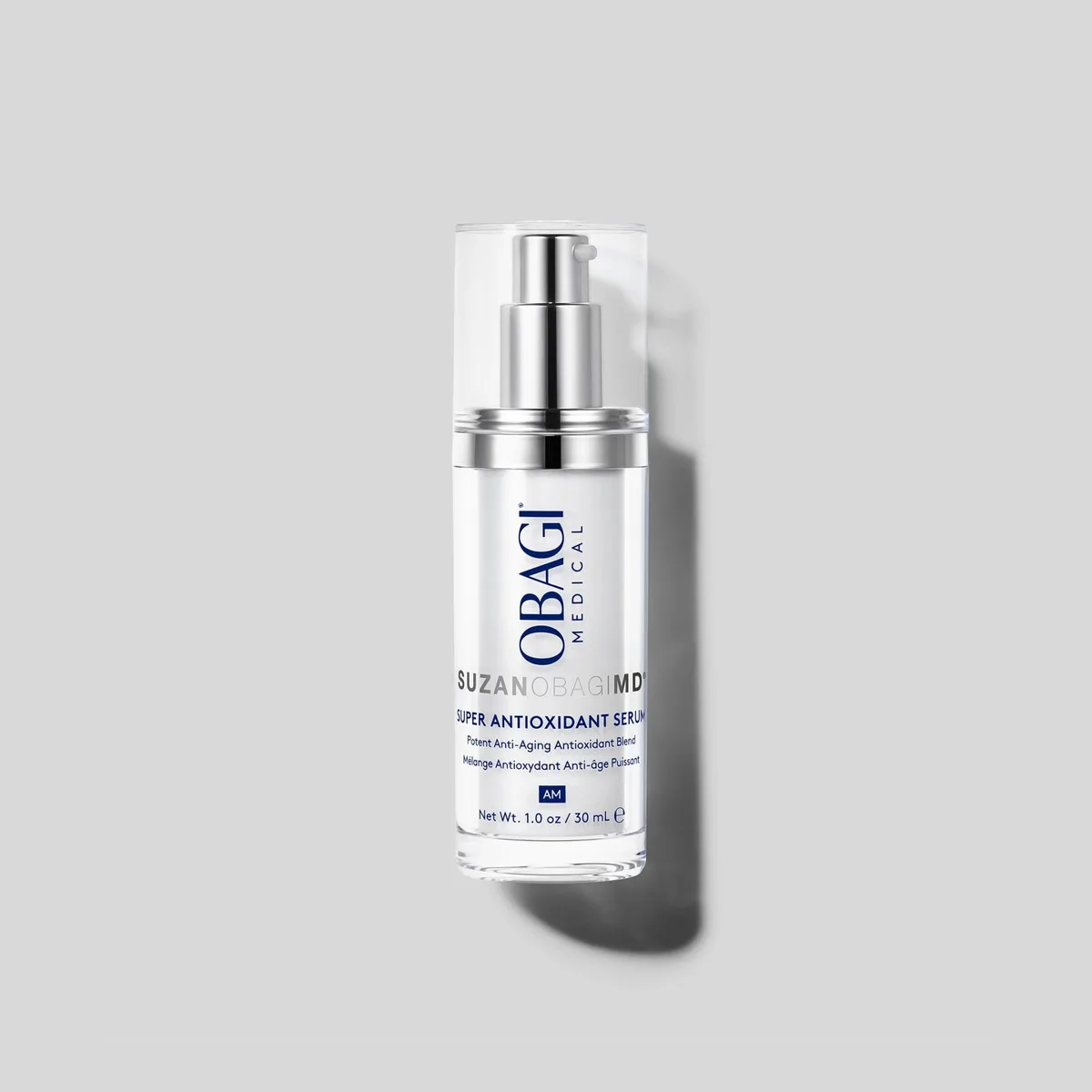
Combines THD ascorbate (stabilized vitamin C), encapsulated silymarin, acetyl hexapeptide-8 (Argireline), ergothioneine, green tea polyphenols, rosemary extract, and supporting salicylic acid keratolytic in a single physician-distributed antioxidant serum. The multi-mechanism antioxidant architecture goes substantially beyond single-vitamin-C alternatives, and the Obagi physician-distribution channel provides clinical credibility.
An ambitious physician-distributed clinical antioxidant serum combining THD ascorbate (stabilized vitamin C), encapsulated silymarin, acetyl hexapeptide-8, ergothioneine, dual polyphenol botanical antioxidants, and supporting salicylic acid keratolytic in a single multi-mechanism formula. The Obagi clinical positioning and the Dr. Suzan Obagi development provide credibility. The $158 price and the salicylic acid (not pregnancy-safe) narrow the demographic, but for users committed to physician-distributed clinical skincare, the formulation chemistry holds up.
Launched February 24, 2025 with about a year of post-launch data accumulating. The Obagi brand has nearly four decades of clinical credibility supporting the scoring beyond what this specific product's early user data alone would provide. Long-term outcome data for the specific formula is still developing.
The case for it
What would change this: A declared concentration would move this to a firmer reading of the dose.
Same rule for everyone. “Promising” is the verdict on 7,858 of 45,024 concern verdicts across the catalog; rule R9p decided 7,858 of them. Unchanged since September 5, 2026, engine 5.1.1.
Brand or formulator? Disclose a concentration or correct a fact →
The studies behind the evidence row
The case for it
What would change this: A declared concentration would move this to a firmer reading of the dose.
Same rule for everyone. “Promising” is the verdict on 7,858 of 45,024 concern verdicts across the catalog; rule R9p decided 7,858 of them. Unchanged since September 5, 2026, engine 5.1.1.
Brand or formulator? Disclose a concentration or correct a fact →
The studies behind the evidence row
The case for it
What would change this: A declared concentration would move this to a firmer reading of the dose.
Same rule for everyone. “Promising” is the verdict on 7,858 of 45,024 concern verdicts across the catalog; rule R9p decided 7,858 of them. Unchanged since September 5, 2026, engine 5.1.1.
Brand or formulator? Disclose a concentration or correct a fact →
The studies behind the evidence row
Also listed for Dullness — the actives here (Vitamin C, Silymarin (Milk Thistle) are in our research queue for that concern; there is no verdict until their evidence rows are written. That is a gap in our table, not a mark against the product.
Where our review and the verdict differ. The review below was written on the formulation and the published trials; the verdicts above apply the stricter standing test in our methodology — an active earns a recommendation only with guideline or regulatory standing for the concern. Where the two disagree, the verdict is DermApproved’s position.
A verdict is DermApproved’s assessment of how well a product’s ingredients fit a concern — never a claim about what the product treats. Evidence dots and collected reviews sit beside it and are never blended in. Rules 0.5.1 · evidence table ev-2026.09-r228 · how we decide
Obagi Medical occupies a specific position in skincare that retail-focused brands don't quite match. Founded in 1988 by dermatologist Dr. Zein Obagi, the brand built its reputation through physician-distributed clinical skincare products designed to integrate with professional practices — dermatologist offices, plastic surgery clinics, aesthetic medicine partnerships. That distribution model is not merely a pricing excuse. It means the product typically arrives with a consultation attached, and someone with a medical license is accountable for whether it works on your face.
The SUZANOBAGIMD sub-line, developed by Dr. Suzan Obagi — board-certified dermatologist and Dr. Zein's daughter — targets specific clinical concerns with formulation depth appropriate to that positioning. The Super Antioxidant Serum, launched in February 2025, is the line's flagship antioxidant offering, combining multiple antioxidant mechanisms with peptide work and supporting actives in a single comprehensive serum.
The formula architecture is genuinely substantive. Tetrahexyldecyl ascorbate sits at the fifth INCI position, providing a stabilized, lipid-soluble vitamin C that converts to active ascorbic acid in skin without the pH and oxidation headaches of pure L-ascorbic acid. Encapsulated silymarin from milk thistle delivers documented antioxidant and free-radical scavenging effects. Acetyl hexapeptide-8 provides expression-line softening through a neurotransmitter pathway mechanism. Ergothioneine — a sulfur-containing amino acid with substantial intracellular antioxidant activity — accumulates inside cells through a specific transporter and protects from within, complementing the surface work the others are doing. Green tea and rosemary extracts add botanical polyphenols. Salicylic acid contributes mild keratolytic support to the brightening claim, and glycerin at the second position balances any dryness that might cause.
That THD ascorbate deserves defending, because there's a persistent belief that only pure L-ascorbic acid counts as 'real' vitamin C and everything else is a diluted compromise. It's an increasingly outdated position. THD ascorbate penetrates at least as well as the pure form, converts to ascorbic acid once it's in the skin, and — critically — doesn't oxidize into a brown, useless liquid three weeks after you open the bottle. Pure ascorbic acid demands low pH, careful packaging, and a formulator's constant anxiety. The derivative asks for none of that and arrives at the same destination.
The multi-antioxidant approach also distinguishes this from single-vitamin-C serums, and the logic is coverage rather than redundancy. Oxidative stress isn't a single process happening in one compartment. THD ascorbate works in the lipid phase, silymarin scavenges in a different register, ergothioneine operates inside the cell where most surface antioxidants never reach, and the polyphenols mop up what's left. Whether you can attribute any single visible improvement to any single molecule is another question, and honestly you can't — which is the standing trade-off of a formula this crowded.
The supporting cast extends the architecture. Prunus domestica seed oil and dimethicone provide texture and skin-feel. Sunflower and rice bran extracts add botanical lipids. Anhydroxylitol and xylitol contribute humectancy. The fragrance-free, alcohol-free composition extends sensitive-skin compatibility in a category where competing prestige products routinely include perfume for no functional reason at all.
The formulation trade-offs are specific and worth stating plainly. The salicylic acid content makes this not pregnancy-safe, since the conservative approach avoids all topical salicylates. Caprylic/capric triglyceride rules it out for the malassezia-prone. And $158 for 30ml — roughly $5.27 a millilitre, two to three months of once-daily use — reflects the physician-distribution model as much as the chemistry. That is a sustained investment, not a purchase.
Use it in the morning, three or four drops on clean skin, before moisturizer and sunscreen. Antioxidants and SPF are a partnership: the filters block most of the radiation, the serum handles the free radicals generated by what gets through. Neither substitutes for the other, and a vitamin C serum worn without sunscreen is a strange kind of half-measure. The six-month PAO deserves respect too.
The results timeline matches the formulation chemistry. Antioxidant photo-protection begins on application. The brightening and fine-line effects from THD ascorbate, silymarin, and acetyl hexapeptide-8 develop over eight to twelve weeks of consistent daily use. The cumulative cosmetic effect over months is meaningful for the target demographic but delivers nothing dramatic on any particular morning, and the small early review pool reflects a product that has only existed for about a year.
A word too on that distribution model, which cynics read as a markup with a lab coat. It isn't nothing. A serum handed over during a consultation, by someone who will see your face again in three months and be asked what changed, sits in a different accountability structure than a serum bought from a shelf. Whether that structure is worth the difference in price is a personal calculation, but it is a real difference rather than an invented one.
The demographic this serves is narrow and knows who it is: users committed to physician-distributed clinical skincare, typically alongside a dermatology or aesthetic medicine relationship, in their thirties through fifties, focused on multi-mechanism photo-aging prevention, with the resources to sustain the spend.
For a physician-distributed multi-mechanism antioxidant serum at the clinical brand tier, this is among the more thoughtfully formulated options available. Nearly four decades of Obagi clinical credibility sit behind it, the Suzan Obagi development gives it dermatological grounding, and the formulation delivers genuine multi-axis antioxidant work rather than single-active marketing. If you want a retail antioxidant serum at a retail price, excellent ones exist and cost a fraction of this. If you want the clinical channel and the chemistry that comes with it, this is what that looks like.
The hero actives that drive this product's performance.
| Ingredient | Function | Evidence |
|---|---|---|
| Tetrahexyldecyl Ascorbate (THD Ascorbate) | Fifth on the INCI — the stabilized lipid-soluble vitamin C derivative that delivers ascorbic acid activity without the pH and oxidation challenges of pure L-ascorbic acid. THD ascorbate has documented effects on collagen synthesis, antioxidant defense, and melanin pathway modulation, with substantially better formulation stability than pure ascorbic acid. | Limited for Aging |
| Silybum Marianum (Milk Thistle) Fruit Extract — Silymarin | Encapsulated silymarin from milk thistle delivering documented antioxidant and free radical scavenging effects. Silymarin is one of the more researched plant-derived antioxidants with substantial peer-reviewed support for UV-protection adjunct effects and inflammatory pathway modulation. | Not yet assessed |
| Acetyl Hexapeptide-8 (Argireline) | Wrinkle-smoothing hexapeptide that operates through neurotransmitter pathway interference — the 'topical botox' marketing language some brands use. Acetyl hexapeptide-8 has documented effects on expression line softening at the concentrations typical in cosmetic formulations. | Not yet assessed |
| Ergothioneine | Sulfur-containing amino acid with documented antioxidant activity and cell-protective effects. Ergothioneine accumulates in cells through a specific transporter (OCTN1) and provides intracellular antioxidant protection complementing the surface antioxidant work of the vitamin C and silymarin. | Not yet assessed |
| Camellia Sinensis (Green Tea) Leaf Extract + Rosemary Extract | Two botanical polyphenol antioxidants extending the antioxidant architecture beyond the marquee actives. Green tea catechins (especially EGCG) have substantial research support for UV-related skin effects; rosemary extract adds rosmarinic acid antioxidant activity. The combination delivers multi-axis antioxidant defense. | Not yet assessed |
| Salicylic Acid + Glycerin Hydration-Exfoliation Balance | Mid-INCI salicylic acid provides mild keratolytic action that supports the brightening positioning through gentle cellular turnover. Glycerin at second INCI position provides substantive humectant work that balances the BHA's potential for dryness, supporting daily-use comfort. | Not yet assessed |
Ingredient standings describe the active at treatment-level doses and vehicles; this product's own condition grades weigh its actual formula.
Aqua/Water/Eau, Glycerin, Caprylic/Capric Triglyceride, Ethoxydiglycol, Tetrahexyldecyl Ascorbate, Lecithin, Prunus Domestica Seed Oil, Silybum Marianum Fruit Extract, Hydrogenated Lecithin, Oryza Sativa (Rice) Bran Extract, Xylitylglucoside, Phenoxyethanol, Ammonium Acryloyldimethyltaurate/VP Copolymer, Dimethicone, Salicylic Acid, Anhydroxylitol, Caprylyl Glycol, Xanthan Gum, Xylitol, Helianthus Annuus (Sunflower) Extract, Camellia Sinensis Leaf Extract, Hexylene Glycol, Ethylhexylglycerin, Citric Acid, Sodium Hydroxide, Glucose, Tocopherol, Rosmarinus Officinalis (Rosemary) Leaf Extract, Tetrasodium Glutamate Diacetate, 1,2-Hexanediol, Hydroxyacetophenone, Potassium Sorbate, Acetic Acid, Acetyl Hexapeptide-8, Ergothioneine.
treatment
AM
Apply in the morning after cleansing, before moisturizer and sunscreen. The vitamin C antioxidant work compounds with daily sunscreen for the strongest photoaging-prevention effect. Pairs well with the SUZANOBAGIMD Moisture Restore cream from the same line. Use morning only — vitamin C work is most relevant during UV exposure hours.
Antioxidant photo-protection effects begin immediately on application. The brightening and fine-line effects from the THD ascorbate, silymarin, and acetyl hexapeptide-8 develop over 8-12 weeks of consistent daily use.
The formulation case combines multiple antioxidant mechanisms with peptide work. Tetrahexyldecyl ascorbate (THD ascorbate) has accumulated substantial research support as a stabilized vitamin C derivative. Studies have demonstrated comparable or better skin penetration than pure L-ascorbic acid with substantially better formulation stability — pure ascorbic acid oxidizes rapidly. THD ascorbate converts to active ascorbic acid in skin and delivers documented vitamin C effects on collagen synthesis, antioxidant defense, and melanin pathway modulation.
Silymarin from milk thistle has well-established antioxidant activity through silibinin and related flavonoids, with substantial research support for free radical scavenging and inflammatory pathway modulation including UV-related skin effects.
Acetyl hexapeptide-8 has documented effects on expression line softening through neurotransmitter pathway interference at the concentrations typical in cosmetic formulations.
Ergothioneine is a unique sulfur-containing amino acid with substantial intracellular antioxidant activity. Research has characterized its accumulation through specific transporters (OCTN1) and its protective effects against oxidative damage.
Green tea catechins (especially EGCG) have extensive research support for UV-related skin protection through multiple mechanisms including antioxidant defense, MMP inhibition, and inflammation modulation.
The overall formulation design represents a deliberate clinical-tier multi-mechanism antioxidant approach with substantive supporting cast and the physician-distribution channel that defines the Obagi brand positioning.
Within Western dermatological practice, Obagi products including the SUZANOBAGIMD line are commonly recommended through dermatology and aesthetic medicine partnerships. The Super Antioxidant Serum specifically is recommended for patients wanting comprehensive multi-mechanism antioxidant photo-protection alongside professional skincare programs. The Obagi physician-distribution model integrates with dermatology practice in ways that retail-distributed alternatives don't, providing clinical oversight of product use and treatment outcomes.
Apply 3-4 drops to clean skin in the morning, after cleansing and toning, before moisturizer and sunscreen. Massage gently across face and neck. The lightweight serum absorbs in about 45 seconds. Use morning only — vitamin C work is most relevant during UV exposure hours. Pair with the matching SUZANOBAGIMD Moisture Restore cream for full SUZANOBAGIMD routine coordination. Always pair with broad-spectrum sunscreen daily.
$158 USD for 30ml puts the per-mL cost at approximately $5.27 — among the highest in the antioxidant serum category, reflecting the Obagi physician-distribution model and the multi-mechanism formulation. Comparison against the broader market: SkinCeuticals C E Ferulic at $182 for 30ml delivers prestige vitamin C with similar pricing dynamics. Drugstore THD ascorbate serums (Inkey List Tranexamic Acid + THD, others) deliver basic vitamin C work at $20-40. The 30ml size lasts approximately two to three months at once-daily use, putting the per-day cost around $1.75-2. For users committed to physician-distributed clinical skincare, the math works within that ecosystem.
Users committed to physician-distributed clinical skincare with dermatology or aesthetic medicine partnerships. Users in their 30s-50s focused on multi-mechanism antioxidant photo-aging prevention. Users with the financial resources to sustain prestige clinical-tier serum investment. Obagi loyalists wanting the brand's newer Dr. Suzan Obagi-developed line.
Pregnant or breastfeeding users should pass due to salicylic acid content. Users wanting retail-distributed antioxidant serums at lower prices should look at SkinCeuticals or drugstore THD ascorbate alternatives. Fungal-acne-prone users should avoid given the caprylic/capric triglyceride content. Users for whom $158 represents inappropriate investment should choose sustainable price-tier alternatives.
Ready to try Obagi SUZANOBAGIMD Super Antioxidant Serum?
Buy at Amazon ♥Lightweight serum that absorbs in about 45 seconds, leaving a comfortable satin finish that takes moisturizer well.
Truly fragrance-free per the Obagi clinical formulation philosophy.
30ml dropper bottle in the SUZANOBAGIMD sub-line's clinical packaging.
First application feels lightweight and well-absorbing. The salicylic acid may produce mild warming on sensitive skin during initial uses. The antioxidant work builds invisibly over weeks of consistent daily use, with the radiance improvements being the most noticeable cumulative effect.
Approximately two to three months with once-daily morning use at 3-4 drops per application.
All Year
Obagi Medical launched the SUZANOBAGIMD Super Antioxidant Serum on February 24, 2025 as a flagship product in the SUZANOBAGIMD sub-line developed by Dr. Suzan Obagi. Dr. Suzan is a board-certified dermatologist and the daughter of Obagi Medical's founder Dr. Zein Obagi. The SUZANOBAGIMD line targets specific clinical concerns with the formulation depth that defines Obagi's physician-distributed positioning.
Obagi Medical was founded in 1988 by dermatologist Dr. Zein Obagi and built its reputation through physician-distributed clinical skincare focused on transformative skin programs. The SUZANOBAGIMD sub-line was developed by Dr. Suzan Obagi (Dr. Zein's daughter and a board-certified dermatologist) targeting specific clinical concerns with formulation depth.
THD ascorbate is weaker than pure L-ascorbic acid — the only 'real' vitamin C.
THD ascorbate is a lipid-soluble vitamin C derivative that converts to active ascorbic acid in skin. Research has shown comparable or better penetration than pure L-ascorbic acid with substantially better formulation stability — pure ascorbic acid oxidizes rapidly and requires complex stabilization. THD ascorbate delivers the documented vitamin C effects (collagen synthesis, antioxidant, brightening) without the formulation challenges. The 'pure ascorbic acid is superior' position is increasingly outdated.
Physician-distributed brands like Obagi are just regular skincare with higher prices.
The physician-distribution model is real and reflects Obagi's positioning. Products are typically distributed through dermatologists, plastic surgeons, and aesthetic medicine practices with patient consultation rather than retail sales. The model provides clinical oversight of product use and accountability for outcomes that retail skincare doesn't deliver. The price tier reflects both the distribution model and the formulation chemistry investment.
Tetrahexyldecyl ascorbate (THD ascorbate) is a stabilized lipid-soluble vitamin C derivative that converts to active ascorbic acid in skin. It delivers comparable or better skin penetration than pure L-ascorbic acid with substantially better formulation stability — pure ascorbic acid oxidizes rapidly and requires complex stabilization. THD ascorbate provides the documented vitamin C effects (collagen synthesis, antioxidant defense, brightening) without the formulation challenges of pure ascorbic acid.
Depends on user priorities. The formulation is genuinely well-built with multi-mechanism antioxidant chemistry, and the Obagi physician-distribution model provides clinical credibility. For users committed to clinical-tier skincare with physician oversight, the math works within that ecosystem. For users wanting equivalent antioxidant efficacy at lower cost, SkinCeuticals C E Ferulic at similar pricing or drugstore THD ascorbate alternatives at $30-60 serve different goals.
Not recommended during pregnancy due to the salicylic acid content. Even at low concentration, the conservative pregnancy approach is to avoid all topical salicylates. Alternatives include vitamin C serums without BHA content, or pregnancy-safe antioxidant options like Skinceuticals Phloretin CF (without salicylates).
Yes — and the pairing is one of the standard clinical approaches to comprehensive skincare. Use this serum in the morning for antioxidant photo-protection and the matching SUZANOBAGIMD Moisture Restore cream; use retinoid (Obagi Tretinoin or alternative) at night separately. The two products work toward complementary skin-quality goals through different mechanisms.
Primarily through Obagi-authorized physician partners (dermatologists, plastic surgeons, aesthetic medicine practices) and directly through Obagi.com. The physician-distribution model is part of the brand's positioning. Some retailers (Dermstore, LovelySkin) carry Obagi products as well, though the brand's primary distribution remains physician-channel.
Recurring themes our editors read across retailer reviews of this product — summaries in our words, not quotations, and not a substitute for your own patch test.
Users consistently note improved skin radiance and tone evenness over weeks of use
Multi-mechanism antioxidant formulation distinguishes from single-vitamin-C alternatives
Physician-distribution model provides confidence
Fragrance-free composition extends sensitive-skin compatibility
$158 price is the dominant concern across reviews
Caprylic/capric triglyceride content limits fungal-acne suitability
Limited consumer availability without physician partner
Verified answers from our questions library — the nuance a product page cannot carry.