Silymarin (Milk Thistle Extract)
Products with Silymarin (Milk Thistle Extract)
 Gentle Acne-Skin Cleanser
Cleanance HYDRA Soothing Cleansing Cream
A fragrance-free, sulfate-free cream cleanser that flips the usual acne-cleanser logic — instead of stripping oily skin squeaky, it cleans gently with amino-acid surfactants, glycerin and soothing seed oils to calm skin irritated by acne treatments. It won't deeply degrease the oiliest faces, but for blemish-prone skin pushed into dryness, it's a genuinely smart, well-priced choice.
 Polishing Foam Cleanser
Foaming Facial Cleanser (Refreshing Cleansing Foam)
A pleasant polishing foam cleanser that pairs kaolin clay with soft cellulose beads and a touch of lactic acid for a smooth, deep-cleaned finish. It works well for normal-to-oily skin that likes a rich, lightly exfoliating wash. The honest drawbacks are that it is a soap-based formula carrying fragrance plus limonene, linalool and the restricted allergen Lilial, and it is a conventional cleanser at a luxury price.
 Professional Post-Peel SPF
Daily Defense Broad Spectrum SPF 50+
A thoughtfully over-engineered sunscreen that delivers beyond-basic UV protection with an antioxidant support system most competitors don't even attempt. The elegant, weightless wear makes daily compliance effortless — which is the only thing that actually matters with sunscreen.
 Oily Skin Daily Driver
Cleanance Cleansing Gel
A well-engineered acne cleanser that pairs a patented comedolytic milk thistle extract with a zinc-enriched surfactant system on a thermal spring water base. It handles oily, blemish-prone skin with more nuance than most drugstore alternatives — though the fragrance and dye additions feel like unnecessary concessions to aesthetics.
 Acne Prevention Pioneer
Cleanance Comedomed Anti-Blemish Concentrate
A philosophically interesting acne treatment that bets on prevention over reaction — using a patented milk thistle extract to stop micro-comedones before they form rather than treating breakouts after the fact. The approach is backed by real clinical data, but the heavy alcohol content and polarized user results temper the enthusiasm.
 Oily-Skin Vitamin C Breakthrough
Silymarin CF
The long-awaited oily-skin vitamin C from SkinCeuticals, and a genuinely innovative formulation that targets sebum oxidation as a mechanism most antioxidant serums ignore. It delivers what it claims for the target audience, but the $182 price demands that buyers specifically need the oily-skin-optimized formulation rather than a simpler cheaper alternative.
 Rich Rescue for Dry, Mature Eyes
Eye Balm
An old-school occlusive eye balm, petrolatum and wax over aloe with an unusually generous dose of vitamin E, that rescues dry, crepey, retinoid-battered eye areas better than almost any light eye cream. Its firming claims are soft, its jar is the wrong packaging, it will give oily lids milia, and $95 for 14 g is a clinic price for a formula whose bulk is drugstore chemistry. For the right dry eyes it is worth it; for everyone else it is too much balm.
 Acne Oil Pioneer
UFO Ultra-Clarifying Acne Treatment Face Oil
U.F.O. is a genuinely innovative acne treatment that rethinks how salicylic acid should be delivered — but at $80 for a modest 1.5% BHA concentration, the creative formulation philosophy costs significantly more than the conventional alternatives it aims to outperform.
 Barrier-First Redness Cream
Dual Action Redness Relief
The smartest redness formula PCA makes, and one of the more evidence-literate on the professional market: high-dose niacinamide and ceramide-mimetic lipids for the barrier, a TRPV1 antagonist and an avenanthramide analogue for the sting. It works the way sensitive-skin science says it should. It also costs $128 an ounce and has barely a dozen reviews to its name.
 Three-Mechanism Acne Peel
Cleanance Comedomed Peeling
An ambitious three-mechanism acne peel that consolidates glycolic acid, retinal, and the brand's patented Comedoclastin into a single nightly product. Strong formulation for comedonal acne management, with the active stack producing real results in the 4-8 week range. The combined irritation potential and the pregnancy-incompatible retinal content narrow the audience, but for the right users this is among the smartest one-step acne treatments on a pharmacy shelf.
 Professional Multi-Mechanism Brightening Serum
A-Luminate Brightening Serum
Alastin's A-Luminate Brightening Serum combines niacinamide, tranexamic acid, four peptides, and a sophisticated botanical brightening complex (glucosyl hesperidin, diglucosyl gallic acid, milk thistle, Pancratium maritimum) in one professional-channel serum. Exceptional formulation depth at 198-dollar luxury professional-channel pricing.
 Gentle Melasma-Minded Brightener
ClariBright Radiance Brightening Lotion
Obagi's first brightener built to current standards: niacinamide at a working dose, liposomal tranexamic acid for the melasma pathway hydroquinone cannot reach, silymarin, phloretin and a peptide, in a fragrance-free, sulfate-free lotion that reactive skin genuinely tolerates. It brightens and calms within weeks and works slowly on melasma over months; the percentages are secret, the bottle empties in six weeks at the labelled dose, and one hundred and seventy-eight dollars buys ingredients that cheaper serums now carry.
 Derm Office Antioxidant Bestseller
Alto Defense Serum
SkinBetter Science's first major hit and still its most dermatologist-recommended morning step. A multi-antioxidant serum built around a stable vitamin C derivative with unusual additions — ergothioneine and silybin — that push it past the standard C+E+ferulic template. Elegant, well-tolerated, and pricey enough that you'll only find it in a derm's office.
 Retinoid-Dried Lips Rescue
Antioxidant Lip Repair
A clever little water-in-silicone lip treatment that hydrates, seals and gently de-flakes without acids, which is exactly what retinoid-dried lips need and why dermatologists keep recommending it. The antioxidant name oversells a trace of silymarin and there is no SPF, and $46 for 10 ml is a lot for lips; but for people whose balms have stopped working, it earns the price.
 Derm Office Staple
HA5 Rejuvenating Hydrator
The original multi-weight hyaluronic acid serum that defined a category in professional skincare. A decade of real-world validation supports its effectiveness, the cushiony silicone-HA base is distinctive, and the VITISENSCE antioxidant complex adds a supporting polyphenol layer. The price remains high, and cheaper multi-weight HA serums now exist, but for users in the SkinMedica ecosystem it's still one of the most reliable hydrating serums available.
 Indie Daily Moisturizer Pick
Very Useful Face Cream
The everyday moisturizer that's earned its decade-plus shelf life — a genuine shea-butter-led emollient base with CoQ10, amla vitamin C, and milk thistle silymarin at concentrations that actually do something, all at $45 for 50ml. The tree nut content and the fig-and-rose fragrance are the two hard limits; for the right skin profile this is one of the cleverest indie everyday creams in its price tier.
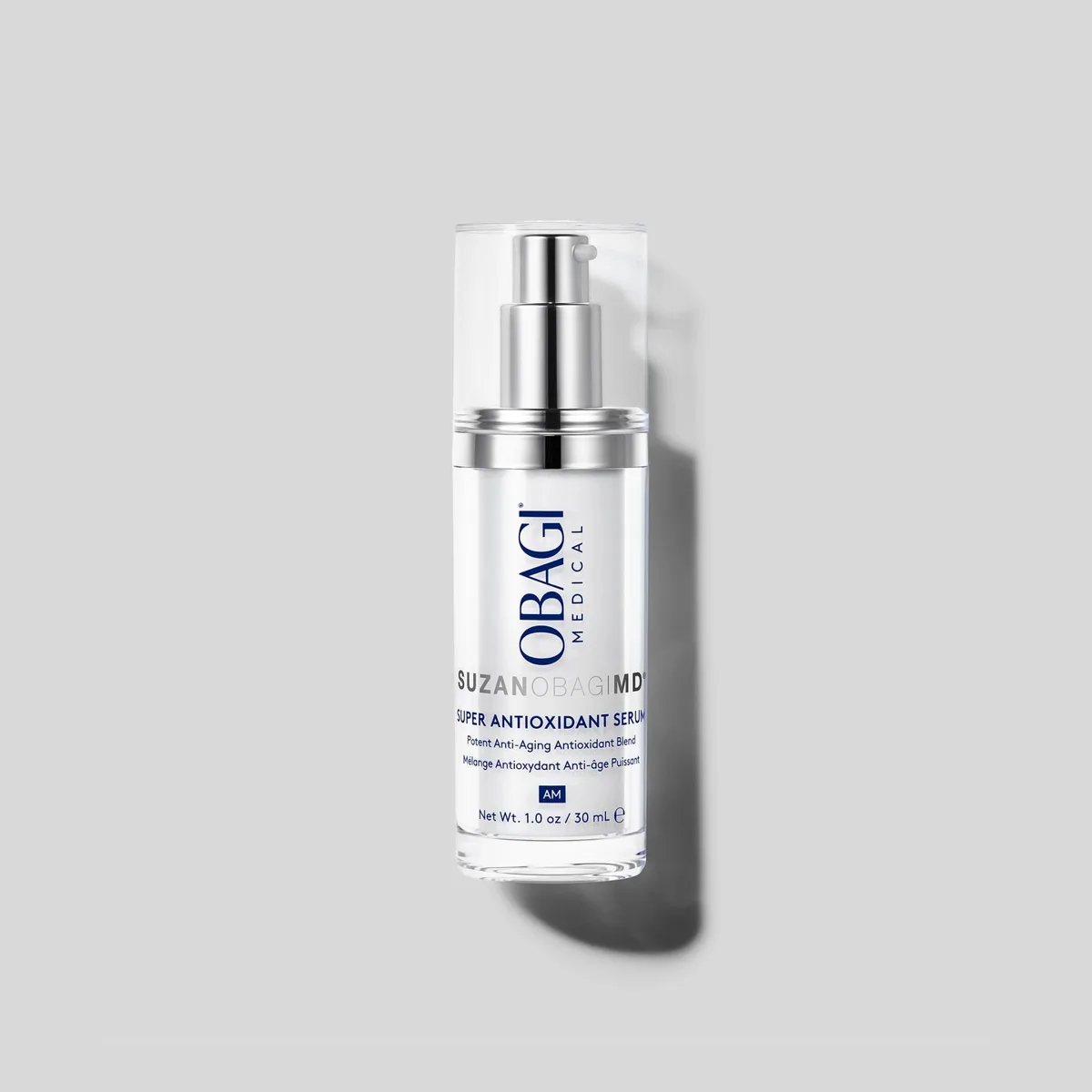 Physician-Distributed Antioxidant Serum
SUZANOBAGIMD Super Antioxidant Serum
An ambitious physician-distributed clinical antioxidant serum combining THD ascorbate (stabilized vitamin C), encapsulated silymarin, acetyl hexapeptide-8, ergothioneine, dual polyphenol botanical antioxidants, and supporting salicylic acid keratolytic in a single multi-mechanism formula. The Obagi clinical positioning and the Dr. Suzan Obagi development provide credibility. The $158 price and the salicylic acid (not pregnancy-safe) narrow the demographic, but for users committed to physician-distributed clinical skincare, the formulation chemistry holds up.
 K-Beauty Anti-Aging Serum
Live Lift Serum
A pleasant, lightweight K-beauty firming serum whose most credible asset is the unglamorous one: Korean MFDS-approved adenosine. The agave fructan headline is more distinctive than proven, and the peptide adds modest support at best. It performs as a comfortable everyday anti-aging layer, but the added fragrance and premium price keep it a notch below a must-buy. Solid, not transformative.
 Luxury 2-in-1 Workhorse
Perfectly Clean Multi-Action Foam Cleanser
A competent luxury 2-in-1 foam cleanser and purifying mask that delivers satisfying lather and leaves skin clean without stripping. The dual-purpose design adds genuine value, but the inclusion of methylisothiazolinone preservatives and fragrance are outdated formulation choices that hold back an otherwise solid product from broader recommendation.
 Clinic-Strength Anhydrous C
C&E Advanced
C&E Advanced is one of the more thoughtfully stacked vitamin C treatments in the clinical channel: a stable 20% L-ascorbic acid with 5% E, plus hexylresorcinol and silymarin that give it real brightening credentials. The gritty silicone texture and the odd decision to add orange oil and sandalwood keep it from being an easy recommendation, and $135 an ounce demands a committed user who has already ruled out sensitive skin.
The full silymarin (milk thistle extract) guide
Sebum oxidation — not the amount of oil your skin makes, but what happens to it once it sits on the surface — is increasingly viewed as a driver of acne, and this is where silymarin earns its place rather than blending into the crowd of generic antioxidants.
Drawn from the seeds of Silybum marianum (milk thistle), it's a cluster of flavonolignans that mop up free radicals, nudge down melanin production, and quiet inflammation. The research pool is far shallower than vitamin C's or niacinamide's, but the human trials that exist are pointed and fairly consistent, with the clearest signal in oily and acne-prone skin.
How it's regulated in the US
FDA does not classify ingredients — it classifies products, by what they are sold to do. The same molecule can be a drug active in one product and a cosmetic ingredient in the next, and only the claim on the label decides which. What follows is a statement about that legal standing, not about whether it works — the evidence question is answered separately above.
Cosmetic Silymarin (Milk Thistle Extract) is a cosmetic ingredient in the US: no OTC monograph covers it and it is not an active in any FDA-approved drug, so a product built around it is a cosmetic rather than a drug.
Several small peer-reviewed human studies support silymarin's topical use, though the overall evidence base is still maturing and large confirmatory trials are absent. A 2024 split-face trial in the Journal of Cutaneous Medicine and Surgery (30 patients) found topical silymarin 1.4% cream produced acne improvement with no statistically significant difference from salicylic acid 30% peels, and with better tolerability. A separate 2024 silymarin antioxidant serum study (PMID 38564394, 56 subjects) reported roughly a 45% drop in inflammatory and 43% drop in non-inflammatory lesions at 12 weeks. A 12-month real-life cohort of Silybum marianum fruit extract in acne-prone skin (PMC9862999) reported sustained reductions in lesion count and microcomedones. For melasma, a 2012 placebo-controlled trial (PMC3519762) found 0.7% and 1.4% silymarin cream meaningfully reduced pigmentation versus placebo; later head-to-head studies against hydroquinone found hydroquinone somewhat more effective but silymarin better tolerated. Photoprotective effects are documented mainly in cell and animal models — silymarin promotes nucleotide excision repair of UV-induced DNA lesions in keratinocytes (PMC3120878) and curbs UVB-induced oxidative stress in mouse skin (PMID 18221354). Rating: promising, strongest in acne and sebum-oxidation control.
How it works
Silymarin isn't one molecule but a standardized blend of flavonolignans — chiefly silybin, silychristin, and silydianin — pulled from milk thistle seeds. The term properly applies only to extract standardized to roughly 70–80% flavonolignans; thinner milk thistle extracts carrying the same name can deliver far less active material. Its most distinctive trick in a skincare setting is blunting sebum peroxidation. When squalene and other surface lipids oxidize — pushed along by UV, pollution, or bacterial activity — they turn more comedogenic and more inflammatory. Silymarin's radical-scavenging capacity appears to intercept that cascade before benign oil becomes a pore-clogging irritant. On UV damage it seems to act on two fronts: it absorbs a little UVA and UVB directly (a modest standalone SPF of around 6), but the more meaningful effect studied so far is post-exposure, where it helps switch on nucleotide excision repair in keratinocytes to clear UV-induced DNA lesions that would otherwise build up. For uneven tone, silymarin dampens tyrosinase activity and lowers tyrosinase expression, slowing melanin synthesis upstream of where pigment is laid down. Lab work also shows anti-collagenase and anti-elastase activity, hinting at a role in shielding existing collagen and elastin from enzymatic breakdown — promising for anti-aging claims, though this angle rests on in-vitro data rather than the human trials behind its acne and pigmentation uses.
Key benefits
- Helps intercept sebum oxidation, a known trigger for clogged pores in oily skin
- Reduced both inflammatory and non-inflammatory acne lesions in human trials
- Dampens tyrosinase activity to gradually soften hyperpigmentation and melasma
- Supports repair of UV-induced DNA damage in lab and animal models
- Shows anti-collagenase activity in vitro, hinting at collagen protection
- Mild anti-inflammatory action that can ease post-breakout redness
Concentration & usage
Effective topical formulas tend to sit around 0.5–1.5%. The melasma study used 0.7% and 1.4% twice daily; the acne cream trial used 1.4%, and the antioxidant serum work landed near 0.5%. One labeling quirk to know: on an INCI list the ingredient usually reads as Silybum marianum (Milk Thistle) Seed Extract or Silybum marianum Fruit Extract, not "silymarin," which is a standardization spec rather than an INCI name; isolated active appears as Silybin. Because the extract is naturally yellow, formulas pushing past roughly 1% may carry a faint tint — so a product boasting a high concentration while looking water-clear is worth a second look. No firm pH requirement has been established for topical activity the way low pH matters for L-ascorbic acid; it appears workable across the usual cosmetic range of about 4–7.
Who it's for & who should be cautious
Who it's for
Oily, acne-prone, and combination skin have the most to gain — silymarin is one of the few antioxidants with trial data aimed squarely at sebum oxidation and inflammatory lesions rather than generic free-radical defense. If you're juggling active breakouts alongside the brown marks they leave behind, it has a plausible case for working on both at once. It's also worth a look if vitamin C serums leave your skin irritated but you still want antioxidant and tone-evening support, since silymarin tends to be gentler on reactive complexions.
Who should be cautious
If you're allergic to plants in the Asteraceae/Compositae family — ragweed, chrysanthemums, marigolds, daisies — be cautious, since milk thistle belongs to that family and cross-reactivity is conceivable, though documented contact allergy to topical silymarin appears uncommon. Anyone pregnant or breastfeeding is best skipping it: oral milk thistle has shown mild estrogenic activity in some studies and the dermal absorption of topical silymarin hasn't been characterized well enough to rule out systemic exposure. For sensitive or already-compromised skin, a patch test before going full-face is the sensible move.
Pairs with & conflicts
Myths & facts
Myth: Silymarin is just a liver supplement that wandered into skincare, so the topical evidence must be flimsy.
Reality: Its fame does come from hepatoprotective oral use, but the topical dermatology literature is more developed than that backstory implies. Human trials in acne, melasma, and photoprotection point to real skin-level activity. It's nowhere near as studied as niacinamide, but writing it off as a repurposed liver pill overlooks a genuine and growing body of skin-specific research.
Myth: Any product listing 'milk thistle extract' delivers the same benefits as silymarin.
Reality: True silymarin is standardized to roughly 70–80% flavonolignans. Non-standardized milk thistle extracts can appear under almost the same INCI name while supplying a fraction of the actives. Genuine silymarin at meaningful levels usually carries a faint yellow cast, so a colorless 'milk thistle' product deserves a skeptical eye.
Myth: Silymarin offers enough UV protection to stand in for sunscreen.
Reality: It absorbs a little UV and shows a standalone SPF in the neighborhood of 6 — well under any regulatory sunscreen threshold, and no substitute for dedicated SPF. Most of its photoprotective value is post-exposure: helping repair DNA damage and quench oxidative stress after light has already reached the skin, which complements sunscreen rather than replacing it.
Frequently asked questions
Does silymarin actually do something for oily or breakout-prone skin, or is it just a generic antioxidant?
It has an unusually specific case for oily, acne-prone skin thanks to its documented effect on sebum oxidation — the process that turns surface oil comedogenic and inflammatory. Where most antioxidants tackle UV-driven free radicals broadly, silymarin's flavonolignans target the oxidation pathways tied to breakouts. Human trials have recorded drops in both inflammatory and non-inflammatory lesions with topical use.
How does silymarin stack up against vitamin C in an antioxidant serum?
They cover similar ground without being interchangeable. Vitamin C has far more large-scale data, is the benchmark for stimulating collagen, and brightens reliably — but L-ascorbic acid is pH-dependent (needs below ~3.5), less stable, and rough on some oily or sensitive skin. Silymarin brings more targeted anti-acne evidence, doesn't demand acidic pH, and sidesteps those stability headaches. The well-known SkinCeuticals formula pairs the two (15% L-ascorbic acid with 0.5% silymarin and ferulic acid) to cover both angles for blemish-prone skin.
Can silymarin fade the dark marks left behind after pimples clear?
It can help. Silymarin inhibits tyrosinase, the same melanin-producing enzyme targeted by kojic acid and alpha-arbutin. A placebo-controlled trial of 0.7–1.4% silymarin cream for melasma showed measurable pigment reduction, and later head-to-head studies found it slightly less potent than hydroquinone but easier on the skin. For post-acne marks, working on active breakouts and the leftover pigment together is one of its more practical perks.
Will a silymarin product stain my skin since the extract is yellow?
At very high levels it can leave a temporary tint, but well-built products in the 0.5–1.5% range used in trials rarely cause visible staining with normal amounts. That yellow color is actually a handy authenticity cue — a perfectly clear product claiming a high silymarin concentration is worth second-guessing, because the extract's natural hue tends to show through.
Is it okay to use silymarin while pregnant?
There isn't enough topical safety data to give it the green light during pregnancy. Oral milk thistle has shown mild estrogenic activity in some studies, and although skin absorption is generally lower than oral intake, silymarin's dermal uptake hasn't been measured well enough to rule out systemic exposure. The cautious route is to set it aside during pregnancy and breastfeeding and ask your provider about alternatives.
How quickly might I notice a difference from a silymarin serum?
For acne, the better-designed trials ran 12 weeks, with lesion reduction often becoming visible around weeks 6–8. For pigmentation, the melasma study tracked improvement as early as week 4, though fuller results tend to accrue over 8–12 weeks. The antioxidant side — limiting UV-related and sebum oxidation — is happening more or less from day one, even if the changes you can see take weeks to surface.