The Eye Cream Question: Real Science, or Moisturizer in a Smaller, Pricier Jar?
The eye-area aisle sells the idea that your under-eyes need their own branch of dermatology. Sometimes that's true. A lot of the time you're paying for the jar.
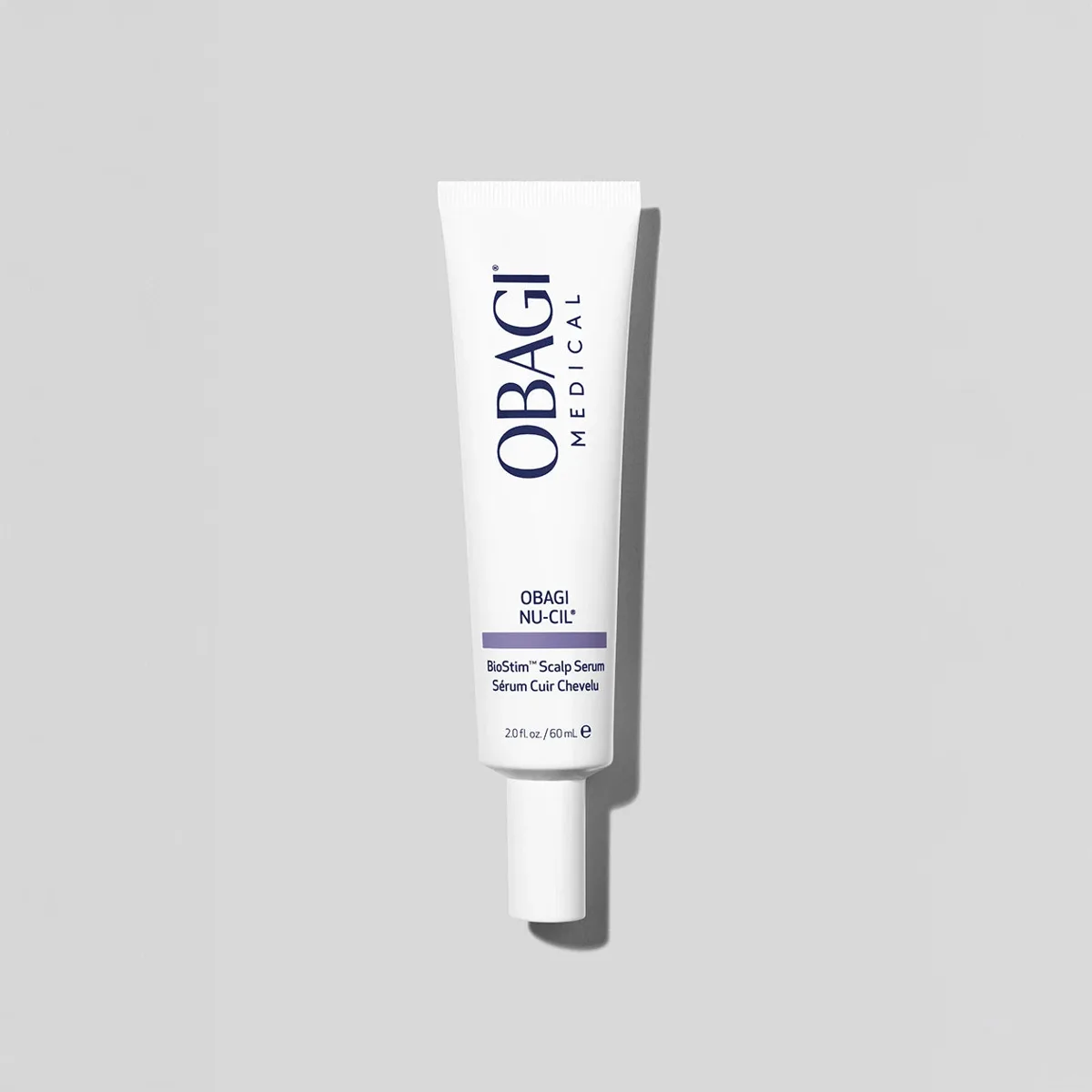
It is the first hair product from a dermatology brand that has spent nearly forty years on the face, built as a cosmetic scalp serum with caffeine at a working position, the apigenin-oleanolic-biotinoyl tripeptide complex that premium lash and scalp serums share, and eighteen supporting nutrients, and backed by a 24-week controlled study the brand ran itself. Its distinction is the pedigree and the study's existence; its ingredients are the category's familiar cast.
A competent, fragrance-free cosmetic scalp serum that puts caffeine where it can work and surrounds it with the peptide complex and nutrient list that most premium hair serums share, from a dermatology brand making its first hair product. It reduces shedding and breakage within weeks and may modestly improve density over months in active follicles; its figures come from a brand-held study with no published size, it is not a treatment for pattern loss, and one hundred and twenty-five dollars for a tube that lasts one to three months is steep for the category's evidence.
BioStim launched in October 2025 and had around fifty reviews on Obagi's site and a first pool on Amazon when this was written, under a year of use for a product whose claims run to six months, and its 24-week double-blind study against an untreated control is held by the brand without a published subject count or peer review. The assessment draws on that early record, the disclosed formula, and the systematic-review literature on topical caffeine, which favours the ingredient while grading most of its evidence as low; the serum's caffeine concentration, its performance against placebo and its results over a year and across hair types remain undocumented.
A verdict is DermApproved’s assessment of how well a product’s ingredients fit a concern — never a claim about what the product treats. Evidence dots and collected reviews sit beside it and are never blended in. Rules 0.5.1 · evidence table ev-2026.09-r228 · how we decide
Obagi had never sold anything for hair until October 2025, when the Nu-Cil line that had launched with a lash serum and a brow serum that summer moved up to the scalp. That matters because the hair-serum category is where cosmetic claims go to run wild, and a brand that has spent nearly four decades in dermatology offices arrives with a reputation for restraint to protect. BioStim mostly protects it. The serum is a cosmetic, it says so, it ran a 24-week double-blind study before launch, and its ingredient list is a sensible version of what the category's better products contain. What it does not do is disclose the study's size or the caffeine concentration, and what it cannot do, because nothing cosmetic can, is regrow hair from a follicle that has already closed.
The formula reads as a scalp serum built by people who read labels. Water, butylene glycol and glycerin carry a cellulose thickener; caffeine sits sixth and panthenol seventh, high placements for the two ingredients with the best evidence for a leave-on; two solubilisers follow, then the apigenin, oleanolic acid and biotinoyl tripeptide-1 trio that a single supplier sells for hair anchoring and that turns up in premium lash and scalp serums everywhere; pumpkin seed, ginseng and burdock extracts, arginine and acetyl tyrosine, hydrolysed soy protein, a light silicone, and a run of nutrients at the tail, calcium pantothenate, zinc gluconate, niacinamide, ornithine, citrulline, glucosamine and biotin, before a mild preservative pair. No fragrance, no alcohol, no oil, no minoxidil. It is the BioStim complex of the marketing, eighteen nutrients and a peptide, and it is a familiar cast.
The evidence divides cleanly between the one ingredient with trials and everything else. Caffeine has been studied topically for hair loss for two decades, and a 2025 systematic review in Healthcare pulled together nine clinical trials with 684 participants, most with androgenetic alopecia: every study favoured caffeine, tolerability was good and satisfaction ran from two-thirds to everyone, and the authors nonetheless graded most of the evidence very low, citing missing randomisation, absent placebo groups and undisclosed caffeine concentrations, before concluding that caffeine products may be worth a try without any guarantee. BioStim's own study fits that pattern precisely: double-blind, against an untreated control rather than a placebo, run by the brand, unpublished, and reporting large percentages, reduced shedding and breakage from two weeks, a 2.8 percent rise in hair count at three months and a 52 percent improvement in volume at six, without the subject count that would let anyone weigh them. The early figures are what panthenol and conditioning polymers do to breakage; the later ones are plausible for caffeine and consistent with the review's cautious optimism. The peptide complex, the botanicals and the B vitamins have supplier-grade evidence and no more.
In use the serum is easy, which for a daily scalp product is most of the battle. A watery liquid runs from the nozzle along a parting, spreads with a fingertip massage, dries in a couple of minutes to nothing, and can be styled over; there is no scent and, for most, no sting, though caffeine and ginseng tingle on some scalps and a few of the fifty-odd reviewers on Obagi's site report irritation. Fine hair can look weighed down if the serum reaches the strands rather than the scalp. The reviews, at 4.3 stars, describe less hair in the shower within a month and fine new growth at the hairline for some after a couple of months, alongside a minority who saw nothing, which is exactly the distribution the caffeine literature would predict.
The honest framing is maintenance. For thinning that is early, diffuse or stress-related, and for scalps that are red, oily or flaky, a fragrance-free caffeine-and-niacinamide serum used daily is a reasonable thing to do, and this is a well-made one. For pattern hair loss with visible recession or a widening part, it is a companion to minoxidil or a prescription, not a substitute, and a dermatology brand's customers are exactly the people who should be told that plainly.
The price is where the category's usual problem arrives. One hundred and twenty-five dollars for 60 millilitres, lasting by Obagi's own estimate four to twelve weeks depending on how much scalp is treated, puts a year of use anywhere from five hundred to over a thousand dollars for a cosmetic whose evidence is honest only about being thin. Caffeine scalp serums with similar complexes exist at a third of the price, and minoxidil, the ingredient with actual randomised trials, costs less per month than this. The premium buys Obagi's dermatology pedigree, a fragrance-free and well-ordered formula, and the fact that the brand ran a controlled study at all, which is more than most of the category does.
For a patient of an Obagi-dispensing practice with early thinning or an unhappy scalp who wants a gentle daily serum and can absorb the cost, BioStim is a sensible, well-tolerated choice and a creditable first hair product. For anyone with established pattern loss, or anyone comparing evidence per dollar, the honest recommendation is minoxidil first and a cheaper caffeine serum beside it.
The hero actives that drive this product's performance.
| Ingredient | Function | Evidence |
|---|---|---|
| Caffeine | Sixth on the list, the highest-placed active and the one with the most clinical evidence behind it: caffeine penetrates the follicle, counters the growth-suppressing effect of dihydrotestosterone in laboratory hair-follicle models, and in nine small clinical trials of topical caffeine products has consistently favoured treatment, though at undisclosed concentrations and mostly without placebo. It is the engine of the BioStim claim. | Not yet assessed |
| Apigenin, Oleanolic Acid, Biotinoyl Tripeptide-1 | The three-part supplier complex sold for hair anchoring and growth, listed together mid-formula: apigenin and oleanolic acid are flavonoid and triterpene antioxidants with in-vitro data on follicle signalling, and biotinoyl tripeptide-1 is a biotin-linked peptide with supplier studies on hair anchoring; the trio is common to premium lash and scalp serums and its evidence is manufacturer-grade. | Not yet assessed |
| Cucurbita Pepo (Pumpkin) Seed Extract | Pumpkin seed, whose oil has a small oral trial in male pattern hair loss, appears here as a topical extract alongside ginseng and burdock root; the phytosterol content is the basis for a mild anti-androgen story, and its realistic contribution in a leave-on at this level is supportive rather than measurable. | Not yet assessed |
| Panthenol | Seventh, with calcium pantothenate further down as a second B5 source, panthenol conditions the hair shaft and hydrates the scalp, and it is the ingredient most responsible for the reduced breakage and improved scalp hydration the brand's study measured in the first weeks, before any follicle-level effect could plausibly show. | Not yet assessed |
| Niacinamide | Low on the list with zinc gluconate beside it, niacinamide supports scalp barrier function and modestly regulates sebum, which fits the study's reported reductions in scalp redness and oiliness; it is one of the eighteen nutrients in the complex and a sensible one for the scalp-health half of the claim. | Not yet assessed |
Ingredient standings describe the active at treatment-level doses and vehicles; this product's own condition grades weigh its actual formula.
Water/Aqua/Eau, Butylene Glycol, Glycerin, Hydroxyethylcellulose, Disodium EDTA, Caffeine, Panthenol, PPG-26-Buteth-26, PEG-40 Hydrogenated Castor Oil, Apigenin, Oleanolic Acid, Biotinoyl Tripeptide-1, Propanediol, Cucurbita Pepo (Pumpkin) Seed Extract, Citric Acid, Polyquaternium-11, Panax Ginseng Root Extract, Arginine, Acetyl Tyrosine, Arctium Majus Root Extract, Hydrolyzed Soy Protein, PEG-12 Dimethicone, Calcium Pantothenate, Zinc Gluconate, Niacinamide, Ornithine HCl, Citrulline, Glucosamine HCl, Biotin, Phenoxyethanol, Ethylhexylglycerin
serum
AM & PM
Part the hair in sections over the thinning areas, dispense the serum directly onto the scalp on dry or towel-damp hair, and massage in with fingertips; it dries without residue and does not need rinsing, so it can go on before styling in the morning or at night. It sits alongside a medicated dandruff shampoo on wash days and can be used with minoxidil applied at a different time of day, though the two together on the same scalp should be discussed with a clinician.
The scalp feels more hydrated and hair sheds and breaks a little less within the first two weeks, which is the panthenol and conditioning agents at work and what the brand's study recorded earliest; any change in density from the caffeine and peptide complex needs a full hair cycle, so the brand's three-month hair-count figure and six-month volume figure are the honest checkpoints. Nothing regrows hair from a follicle that has already closed.
BioStim is a cosmetic leave-on, and the ingredient in it with a genuine clinical literature is caffeine. Caffeine penetrates the hair follicle through the follicular route, and in ex-vivo human follicle culture it counteracts the growth-suppressing effect of testosterone and dihydrotestosterone, prolonging the anagen phase and stimulating keratinocyte proliferation, which is the mechanistic basis for its use in androgenetic thinning. A 2025 systematic review in Healthcare by Polish investigators searched 1,121 records and included nine clinical trials of topical caffeine preparations totalling 684 participants, predominantly men and mostly with androgenetic alopecia: all nine concluded in favour of caffeine, tolerability was good and patient satisfaction ranged from 67 to 100 percent, but the evidence was graded medium in three studies, low in one and very low in five, with lack of randomisation, absence of placebo or control groups and undisclosed caffeine concentrations as the recurring flaws; the authors judged caffeine preparations safe and probably effective against hair loss while calling for better-designed trials of well-defined products and warning that satisfactory outcomes are not guaranteed. BioStim does not disclose its caffeine concentration, so it cannot be placed against the doses in that literature.
The brand's own 24-week double-blind study, compared against an untreated control group and held on file without a published subject count, reported decreased fallen hair, improved hydration and reduced breakage at two weeks, 74 percent reductions in dry fallen hair and breakage with a 2.8 percent increase in hair count per square centimetre at three months, and a 52 percent improvement in hair volume with a 97 percent decrease in dry fallen hair at six months, alongside reductions in scalp redness and oiliness. The early endpoints are consistent with the conditioning action of panthenol, hydrolysed soy protein and polyquaternium-11 on the hair shaft, which reduce breakage independently of any follicular effect; the later density figures are of the size the caffeine literature would predict for active follicles. The apigenin, oleanolic acid and biotinoyl tripeptide-1 complex is a single-supplier ingredient supported by in-vitro work on follicle signalling and adhesion proteins and small manufacturer-sponsored panels; pumpkin seed extract borrows its rationale from an oral phytosterol trial in male pattern loss; ginseng and burdock are traditional; niacinamide and zinc gluconate have modest evidence for scalp barrier and sebum regulation; the amino acids and biotin are nutritional gestures with no topical efficacy data. The formula contains no ingredient capable of reversing follicular miniaturisation, and its evidence base, in sum, is supportive for shedding and scalp condition and thin for growth.
Hair-loss consultations in dermatology follow a familiar order, diagnosis first, then the treatments with randomised evidence, minoxidil, finasteride or spironolactone where appropriate, low-level laser, and only then the cosmetic serums that patients arrive asking about; a caffeine-based leave-on like this one is generally placed in the adjunct tier, reasonable for early or diffuse thinning and for scalp condition, and never a replacement for a drug in established pattern loss. Clinicians who dispense Obagi will note in its favour that the brand ran a controlled study, that the formula is fragrance-free and light, and that its scalp-health ingredients suit patients whose thinning comes with seborrhoeic irritation; they will note against it that the study is unpublished and uncontrolled against placebo, that the caffeine dose is unknown, and that the price is high for the evidence tier. The standing advice for any cosmetic scalp serum applies: daily use, a six-month judgement window, photographs of the part and crown at the start, no expectation of regrowth from a shiny scalp, and a proper diagnosis before spending, since telogen effluvium, thyroid and iron problems and scarring alopecias need different answers entirely.
Once a day, morning or night, on dry or towel-damp hair, part the hair in several lines across the areas of concern, the crown, the hairline, the part, and squeeze a thin line of serum directly onto the scalp along each, then massage in with the fingertips for a minute to spread it and stimulate the scalp. Let it dry for a couple of minutes before styling; there is nothing to rinse. Keep it on the scalp rather than the lengths to avoid weighing down fine hair. Use it daily for at least six months before judging, photograph the treated areas at the start, and, if minoxidil is also in use, apply the two at different times of day. Stop and patch-test if the scalp stings or reddens, and get a diagnosis first if the thinning is sudden or patchy.
One hundred and twenty-five dollars for 60 millilitres places BioStim at the top of the caffeine scalp serum market, and Obagi's own use estimate of four to twelve weeks per tube means a year of daily application costs between five hundred and thirteen hundred dollars depending on the area treated; there is one size and, at the time of writing, intermittent stock. What the money buys is a well-ordered, fragrance-free formula with caffeine at a working position, the standard premium peptide complex, a dermatology brand's pedigree and the existence of a controlled study, which most competitors cannot claim. What it does not buy is a disclosed dose, a published trial, or anything that outperforms minoxidil, which has randomised evidence and costs less per month. For an Obagi patient who wants a gentle daily serum alongside proper treatment the value is acceptable; against the category's cheaper caffeine serums, and against the drugs, it is poor.
People with early, diffuse or stress-related thinning, or with a scalp that is red, oily or flaky alongside it, who want a fragrance-free, drug-free daily serum from a dermatology brand and can afford to use it for six months; and patients of Obagi-dispensing practices who are already on minoxidil or a prescription and want a gentle companion for scalp condition and shedding. It suits people who value a controlled study, however unpublished, over the category's usual claims.
Anyone with established pattern hair loss, visible recession or a shiny scalp should start with a diagnosis and a treatment that has randomised evidence rather than a cosmetic; anyone with very fine hair that weighs down easily, a reactive or inflamed scalp, or a soy allergy should be cautious. Budget-minded buyers can find caffeine serums with similar complexes for a third of the price, and minoxidil for less still.
A clear, water-thin serum with a faint cellulose slip that runs from the nozzle onto the scalp, spreads easily along a parting, and dries within a couple of minutes to nothing, leaving no film on the hair.
None; a faint neutral note from the botanicals that disappears as it dries.
A 60 mL white tube with a narrow nozzle for parting-by-parting application in the Nu-Cil livery; precise for targeting a crown or hairline and tidy, though a tube offers no dose control and the brand's own use estimate runs from four to twelve weeks depending on the area treated.
The first application is undramatic: a watery serum along a few partings, a brief cool feel, a light massage, and a scalp that dries without residue and can be styled over in minutes. Some users notice a faint tingle from the caffeine and ginseng in the first week; a few with reactive scalps report irritation and should stop. Very fine hair can look a little weighed down if the serum reaches the strands. There is nothing to see for the first two to three weeks beyond, for many, a little less hair on the shower floor.
Four to twelve weeks at once-daily use, by the brand's own estimate, depending on how much of the scalp is treated; about six weeks for a crown and hairline.
All Year
Obagi's Nu-Cil line began with an eyelash serum in mid-2025 and a brow serum weeks later, both built on the brand's NouriPlex peptide technology, and BioStim followed in October 2025 as the line's move from lashes to the scalp, the first time the company had sold anything for hair. The launch press release led with a 24-week double-blind study against an untreated control and a list of percentage improvements in shedding, breakage, volume and scalp health, and the serum sold out on the brand's site within months, which says as much about how underserved dermatology-office patients are for hair products as it does about the formula.
Obagi has been a physician-dispensed skincare brand since dermatologist Zein Obagi founded it in 1988, and Nu-Cil is its lash, brow and, since October 2025, scalp line. BioStim is the brand's first hair product and rests on a 24-week double-blind study against an untreated control that Obagi holds on file without a published subject count; it is a cosmetic serum, not a drug, and is assessed on its label and the caffeine and peptide literature.
A clinically tested scalp serum can regrow hair the way minoxidil or finasteride does.
BioStim is a cosmetic, and its study compared it with no treatment rather than with a drug or a placebo; caffeine and the peptide complex have supportive but low-quality evidence for reducing shedding and modestly improving density in active follicles, and nothing in the formula reopens a follicle that has miniaturised and closed. It is a maintenance and scalp-health serum, not a treatment for pattern hair loss.
The 97 percent reduction in fallen hair means almost no shedding after six months.
The figure measures dry fallen hair collected under the study's conditions against an untreated control, not total daily shedding, and it comes from a brand-held study with no published subject count; reduced breakage from panthenol and conditioning agents accounts for much of the early effect. Users should expect somewhat less hair in the brush, not a near-stop.
A water-based leave-in serum with caffeine sixth on the list, panthenol, the apigenin-oleanolic acid-biotinoyl tripeptide-1 complex used in many hair and lash serums, pumpkin seed, ginseng and burdock extracts, hydrolysed soy protein, niacinamide, zinc gluconate, amino acids and biotin; no minoxidil, no drug actives, and no disclosed percentages.
It is a cosmetic serum, not a drug, and its 24-week brand-held study against untreated scalps reported reduced shedding and breakage from two weeks, a 2.8 percent rise in hair count at three months and a 52 percent improvement in hair volume at six; those are modest density and conditioning effects in active follicles, not regrowth from follicles that have closed, which only prescription treatments address.
Many users do, applying minoxidil and the serum at different times of day so neither dilutes the other; there is no known interaction, but two leave-ins on one scalp can add up to irritation, and anyone on prescription hair treatment should mention the serum to their clinician.
Obagi's own estimate is four to twelve weeks at once-daily use depending on how much scalp is treated; a crown and hairline typically take about six weeks per 60 mL tube, which at one hundred and twenty-five dollars is the most common complaint in its reviews.
It is fragrance-free, alcohol-free and oil-free, and most users report no sting, but caffeine and ginseng can tingle, hydrolysed soy protein matters for soy allergy, and a few reviewers report scalp irritation; scalps with active psoriasis or eczema should get those settled first and patch-test.
Less shedding and breakage within two to four weeks, which is largely conditioning; any change in density needs a full hair cycle, so judge it at three months for hair count and six for volume, the checkpoints the brand's own study used, and under daily use throughout.
Recurring themes our editors read across retailer reviews of this product — summaries in our words, not quotations, and not a substitute for your own patch test.
Less shedding in the shower within a month
Fine new growth at the hairline after several weeks
Absorbs fast with no residue or greasiness
Fragrance-free and no sting on the scalp
Easy to apply on dry or damp hair
Feels oily on very fine hair
Scalp irritation for a few users
No visible result for some after weeks
One hundred and twenty-five dollars per bottle
Sold out on the brand site