The Eye Cream Question: Real Science, or Moisturizer in a Smaller, Pricier Jar?
The eye-area aisle sells the idea that your under-eyes need their own branch of dermatology. Sometimes that's true. A lot of the time you're paying for the jar.
Read the preview
From the DermApproved blog, in the Eye Area: is eye cream real science — or moisturizer in a smaller, more expensive jar? Gram for gram, it's often the priciest thing in your bathroom. And the pitch rests on one true fact: the skin around your eyes really is different — the thinnest on your entire body, in fact. But here's the tension. A lot of what a basic eye cream does, your regular moisturizer does too. So which claims hold up, and which are just the jar talking? There are a handful of ingredients with genuine data around the eye — and one wildly popular one whose effect is completely real and completely temporary. There's also a $6 gel that quietly matches a $60 pot. When is the tiny jar worth it — and when are you paying for decoration? The split decision is at dermapproved.com/blog.
The most expensive skincare by the gram
Ounce for ounce, eye cream is often the priciest product in the bathroom. A fifteen-millilitre pot can cost more than a full-size face moisturizer four times its volume, on the promise that the skin around your eyes needs its own specialised science. That promise is half true, which is exactly what makes eye cream so hard to think clearly about.
The skeptic's case writes itself: it's moisturizer, decanted into a tiny luxurious jar, sold at a markup because the word "eye" lets it skip the value comparison you'd make in the moisturizer aisle. The believer's case is that the eye area really is anatomically different and deserves a formula built for it. Both camps are partly right, and the useful answer isn't a verdict on eye cream as a category — it's knowing which specific claims hold up and which are just the jar talking.
So let's separate the biology from the merchandising, because the two have been deliberately blurred.
Your under-eyes genuinely are different skin
Start with what's true. The skin of the eyelids and the area just beneath is the thinnest on the entire body — measured at around 0.2mm in some people, a fraction of the thickness of cheek skin. It has fewer sebaceous glands, so it's drier and less able to self-lubricate. It sits over a dense bed of tiny blood vessels, and it moves constantly: every blink, squint, and smile folds it thousands of times a day.
Those facts have consequences. Thin, vessel-rich skin is why dark circles show through in the first place — you're partly seeing blood vessels and shadow beneath translucent tissue, not just pigment. Constant movement is why fine lines etch in early here (the crow's-feet are dynamic wrinkles turning static). And the thinness plus fewer oil glands is why the eye area is more reactive: strong actives that your cheeks shrug off can sting, migrate into the eye, or leave the skin irritated.
This is the legitimate core of the eye-cream pitch. The area is more delicate, drier, and more prone to showing fatigue and early lines. What doesn't follow automatically is that fixing those things requires a separate, expensive product rather than a smart, gentle one.
What a dedicated eye cream actually adds
Here's the uncomfortable part for the premium tier: for basic hydration, a gentle, fragrance-free facial moisturizer patted around the eyes does most of what a plain eye cream does. If your "eye cream" is essentially glycerin, hyaluronic acid, and squalane in a small pot — which describes a lot of them — you are, functionally, buying moisturizer with a geography label. A well-made hydrating eye gel like Versed Water Rush Hydrating Eye Gel is a perfectly good product, but it's honest about being a light hydrator, and it's priced like one.
What a genuinely dedicated eye cream can add is threefold. First, formulation gentleness: lower concentrations, no fragrance, ophthalmologist-tested for the eye margin, textures that won't creep into the eye and cause stinging. Second, targeted actives dosed for delicate skin. Third, cosmetic optics — light-reflecting pigments or a firming film-former that make the area look brighter immediately, which is real (you look better in the mirror) even though it's makeup-adjacent, not treatment.
The question to ask of any eye cream is therefore blunt: what is in here that my regular moisturizer doesn't have, and do I actually need it near my eyes? If the answer is "nothing," the tiny jar is decoration. If the answer is "a retinoid buffered for eyelid skin" or "a real dose of caffeine," now you're paying for something.
The ingredients that earn their place around the eye
A handful of actives have data specifically in the periorbital area, and they're the reason eye cream isn't a total con.
Retinoids are the strongest play for lines. In periorbital-specific work, regimens built on retinoid derivatives, niacinamide, and peptides measurably reduced the depth of crow's-feet wrinkles and improved skin roughness versus no treatment, tracked by 3-D imaging. The catch is tolerance: full-strength retinol can be too much for eyelid skin, which is why buffered, lower-dose eye formulas exist. A product like Anua Retinol 0.1 Caffeine Revitalizing Eye Cream pairs a gentle 0.1% retinol with ceramides and peptides precisely to make a retinoid survivable around the eye.
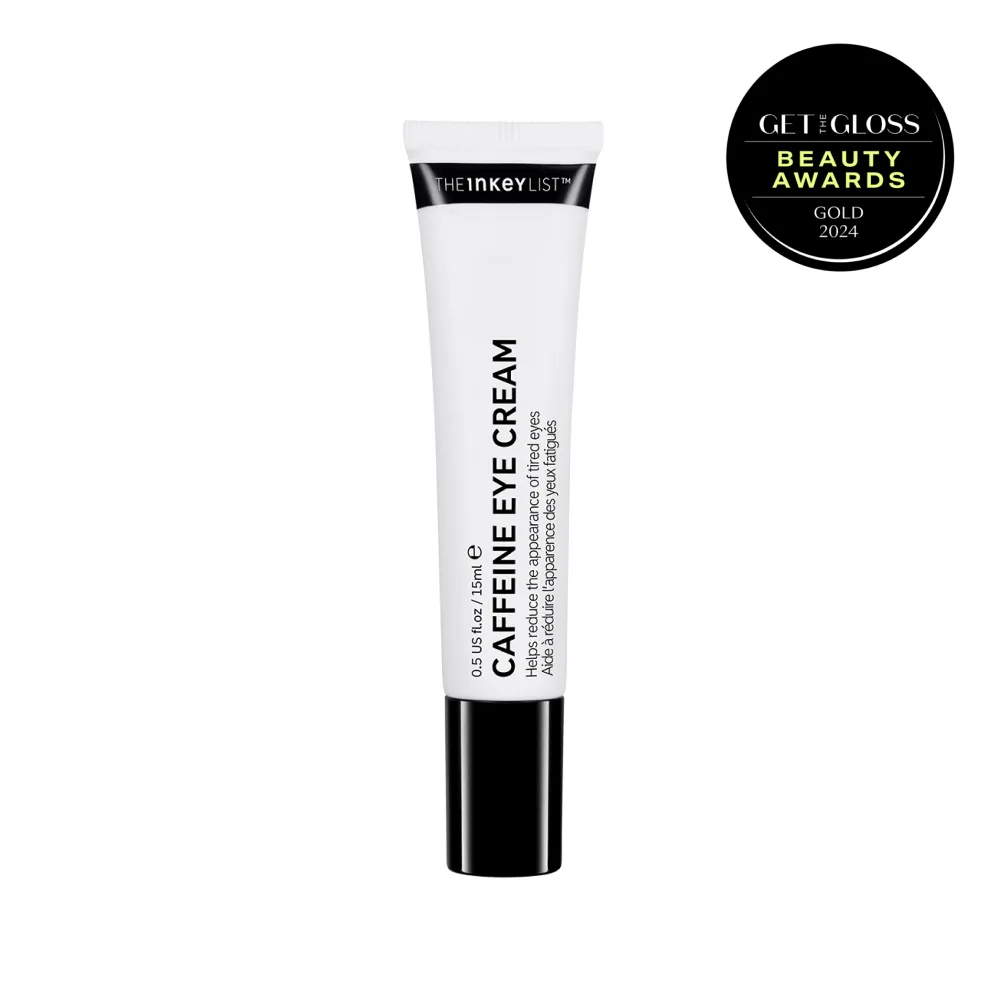
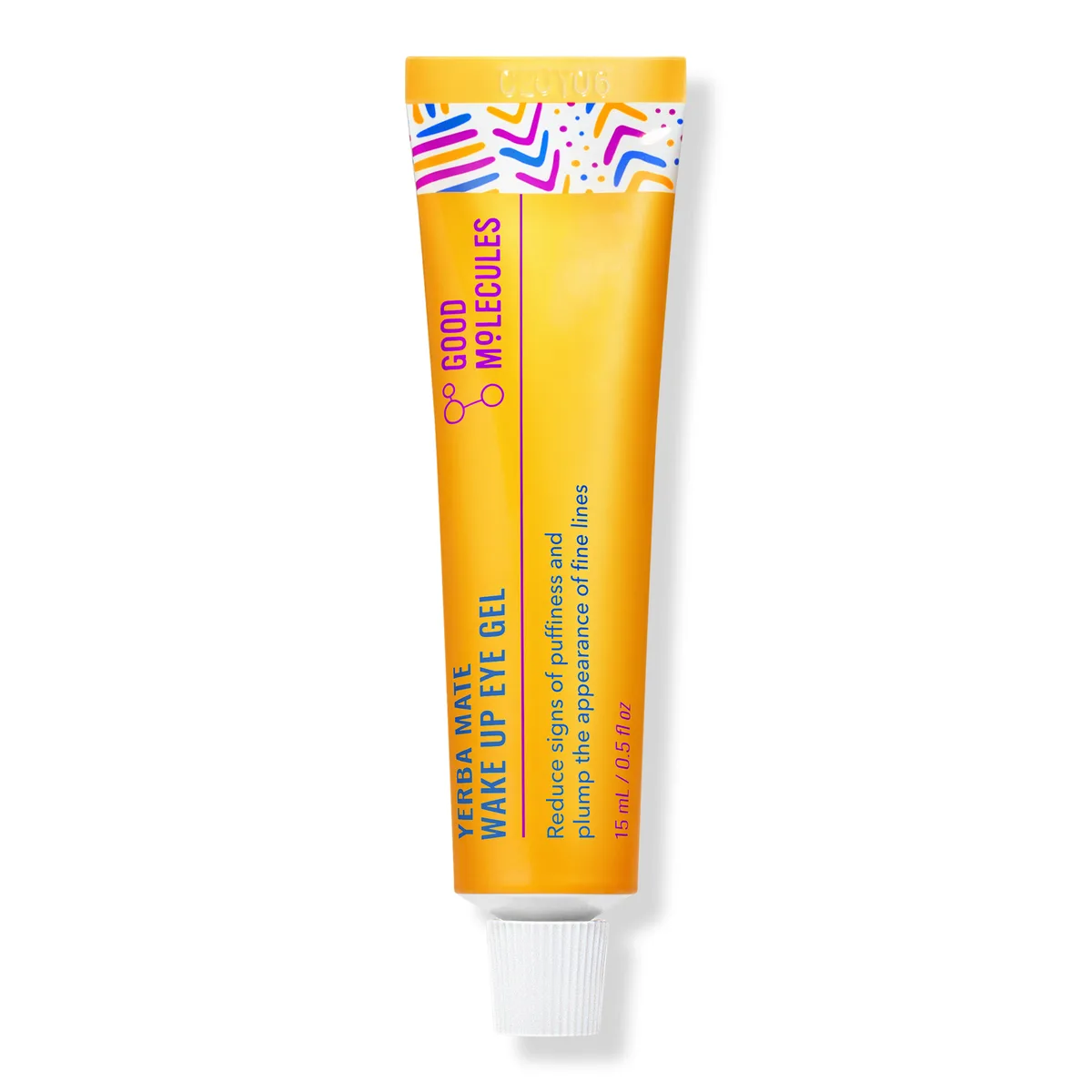
Caffeine is the depuffing and dark-circle ingredient, and it's where honesty matters most. It's a vasoconstrictor, so it can temporarily reduce the blood pooling that causes puffiness and some vascular darkness — clinical eye-cream studies combining caffeine with other actives did show measurable improvement in dark circles and puffiness over weeks. But the effect is temporary and vascular: caffeine depuffs, it doesn't erase pigment or fix the structural shadow of a hollow tear trough. A $6 caffeine gel like Good Molecules Yerba Mate Wake Up Eye Gel or a $14 formula like The INKEY List Caffeine Eye Cream delivers that morning de-puff as well as anything triple the price.
Peptides and niacinamide round out the evidence-backed list, contributing to the wrinkle-depth and texture improvements seen in those periorbital studies. Notice the pattern: the actives that work near the eyes are the same actives that work elsewhere — just dosed gently. There's no secret eye-only molecule.
So — worth it, or not?
Here's the verdict, and it's a split decision. Skip the dedicated eye cream if it's just humectants in a small jar, if you're already using a gentle moisturizer you could pat around the eyes, or if you're expecting it to erase dark circles that are actually pigment, genetics, or a structural tear-trough hollow — no cream fixes those, and the premium ones don't either.
Buy the eye cream when it brings a real, proven active dosed for delicate skin that you wouldn't otherwise put there: a buffered retinoid for early crow's-feet, caffeine for reliable morning de-puffing, peptides and niacinamide for gradual smoothing. And crucially, don't assume price tracks efficacy. A $6 caffeine gel and a $60 eye cream frequently share the same core active list; the difference is texture, packaging, and brand. Compare the ingredient lists before the price tags — our compare tool lines two eye products up side by side, and the my-skin profile flags which eye-area concerns (pigment vs vascular vs structural) a topical can even address for you.
The truest thing about eye cream is that it lives exactly where this piece started: between scam and essential. It's not magic, and it's not a con. It's a category where the right $15 product outperforms the wrong $90 one, and where knowing what your dark circles actually are matters more than anything printed on the jar.
Products mentioned
Independently reviewed and scored — the real products behind this piece.


References
- The Tricky Tear Trough: A Review of Topical Cosmeceuticals for Periorbital Skin Rejuvenation — Journal of Clinical and Aesthetic Dermatology, 2015
- Efficacy of anti-aging products for periorbital wrinkles as measured by 3-D imaging — Journal of Cosmetic Dermatology, 2009
- Clinical evaluation of a novel eye cream containing β-C-xyloside, blueberry extract, and caffeine on under eye dark circles and puffiness — Journal of the American Academy of Dermatology, 2010
Every cited link is verified to resolve to the paper named. Where a source could not be independently confirmed, it is listed without a link rather than pointing you somewhere wrong.
Frequently asked
Is an eye cream really different from just using my face moisturizer around my eyes?
Often not much. If the eye cream is mainly humectants and emollients, a gentle fragrance-free facial moisturizer patted around the eyes does the same job. The genuine differences appear when an eye cream adds a proven active dosed for delicate skin — like a buffered retinoid or a real dose of caffeine — or is specifically formulated not to sting the eye margin.
Will an eye cream get rid of my dark circles?
It depends on what's causing them. Caffeine can temporarily reduce vascular puffiness and some blood-related darkness, and brightening actives can help pigment over time. But no cream erases dark circles caused by genetics, deep pigment, or a structural tear-trough hollow — those need different approaches, and premium eye creams don't change that.
Can I use regular retinol around my eyes, or do I need a special eye retinol?
The eye area is thinner and more reactive, so full-strength retinol often causes stinging or irritation there. A lower-dose, buffered eye formula makes a retinoid tolerable near the eye, which is why gentle 0.1% retinol eye creams exist. Retinoids do have real data reducing crow's-feet depth, so they're worth using — just carefully.
Does a more expensive eye cream work better than a cheap one?
Not reliably. A $6 caffeine gel and a $60 eye cream frequently share the same core active ingredients; the price difference reflects texture, packaging, and brand more than efficacy. Compare the ingredient lists before the price tags, and only pay up when the formula includes a proven active you'd actually want near your eyes.
Does caffeine in eye cream actually do anything?
Yes, but temporarily. Caffeine is a vasoconstrictor, so it can reduce the blood pooling behind morning puffiness and some vascular darkness, and eye-cream studies show measurable improvement over weeks. The effect is real but short-lived and vascular — it de-puffs, it doesn't remove pigment or fix structural shadows.