Under-Eye Dark Circles: Pigment, Vascular, or Hollow? Why Your Eye Cream Isn't Working
There are three completely different causes of dark circles, and the cream that fixes one does nothing for the others — most eye-cream disappointment is just treating the wrong type.
Read the preview
From the DermApproved blog, in Skin Concerns: under-eye dark circles — and why your eye cream keeps failing you. Here's the twist almost nobody tells you. 'Dark circles' aren't one thing. They're three completely different problems wearing the same costume — and the cream that fixes one does absolutely nothing for the others. So the reason you've burned through five eye creams that 'did nothing'? You may have been treating the wrong type the entire time. There are two little tests you can do in a mirror, right now, that reveal which kind you actually have. One type responds beautifully to the right serum. Another shrugs off every cream ever made and needs something else entirely. We show you how to tell them apart, and what actually works for each — at dermapproved.com/blog.
Three problems wearing the same costume
Almost everyone who complains about dark circles is describing a single symptom — darkness under the eyes — while actually having one of three biologically unrelated conditions. Lumping them together is exactly why the eye-cream market is a graveyard of disappointment. A review in the Journal of Cutaneous and Aesthetic Surgery divides infraorbital dark circles into pigmentary, vascular, and structural causes, and other work adds a fourth, very common reality: mixed types that combine two or three at once.
Pigmented circles are true hyperpigmentation — excess melanin (and sometimes iron-rich hemosiderin) sitting in thin under-eye skin, appearing genuinely brown. Vascular circles aren't pigment at all; they're the bluish-purple or pink cast of blood vessels and pooled deoxygenated blood showing through skin that under the eye is some of the thinnest on the whole body. Structural circles are, strictly speaking, not a color in the skin — they're a shadow, cast by the natural groove of the tear trough as the under-eye region hollows and the cheek descends with age. Three different problems, three different fixes, one identical-looking complaint. If you've cycled through eye creams that 'did nothing,' the odds are good you were treating the wrong one.
How to identify your type in a mirror
You can get surprisingly far with two low-tech maneuvers dermatologists use, plus a lamp. First, the stretch test: gently pull the under-eye skin sideways and taut. If the darkness stays put or even looks more concentrated, you're likely dealing with pigment sitting in the skin. If the color fades or largely disappears when the skin is stretched, that points toward a vascular component, because you're temporarily flattening and blanching the vessels beneath.
Second, the press test: press lightly on the dark area for a moment. Vascular darkness tends to blanch and lighten under pressure as you push blood out of the vessels; pigment doesn't budge. Third, the lighting test for structure: sit under an overhead light and tilt your chin up and down. If a distinct shadow deepens with overhead lighting and vanishes when you shine light directly at the tear trough — or when you lie back — you're looking at a structural hollow, not a stain. Most people find they're a blend, and that's the point: knowing your dominant type tells you which lever actually moves the needle. Running your current products through the [ingredient-decoder] to see whether they even contain a pigment-fading or vascular-targeting active is a sobering exercise for most people.
What topicals can and can't do
For pigmented circles, skincare has real, if gradual, leverage. The same actives that fade sun spots elsewhere apply here: vitamin C to interrupt melanin production and brighten, niacinamide to lighten and support the barrier, and retinoids to speed cell turnover and thicken the skin over time. A vitamin C eye treatment such as Derma E Vitamin C Brightening Eye Cream, or a targeted vitamin-C patch like Goodal Green Tangerine Vita C Eye Patch, is a rational choice when your stretch test says pigment. Expect months, not weeks, and pair it religiously with sunscreen, because UV drives the very pigmentation you're fighting.
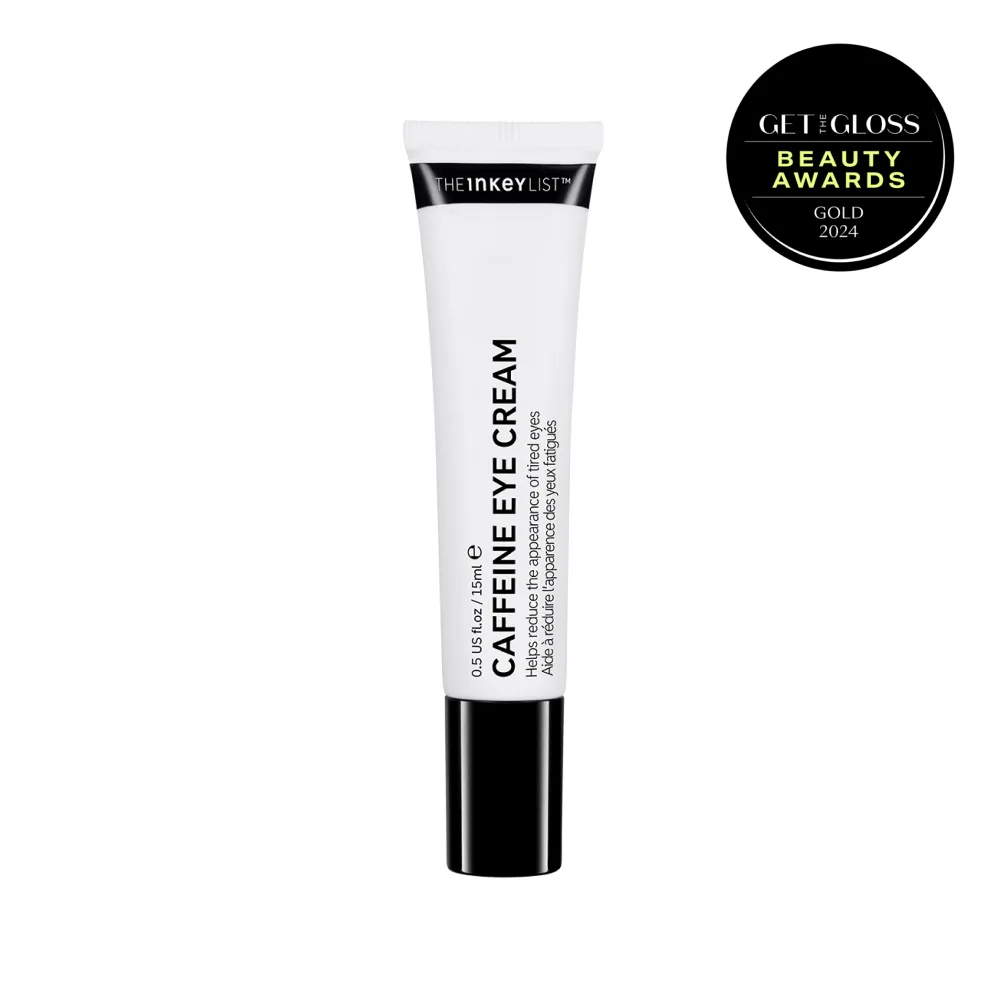
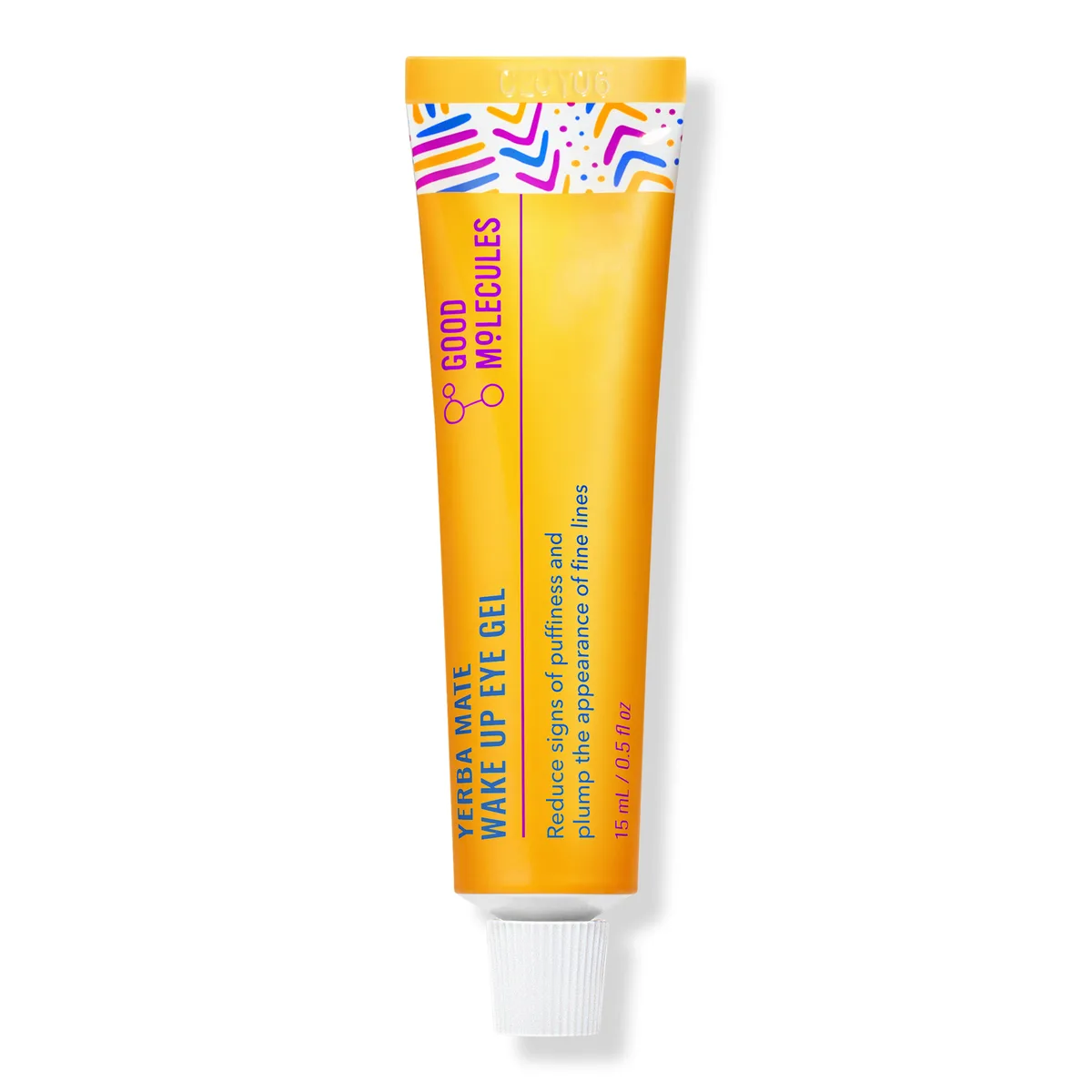
For vascular circles, the honest answer is that topicals help around the edges rather than at the source. Caffeine is the headline ingredient — it's a vasoconstrictor that can transiently reduce the pooling and puffiness that make vessels more visible, which is why a formula like The INKEY List Caffeine Eye Cream or a caffeine gel such as Good Molecules Yerba Mate Wake Up Eye Gel can make a morning difference — but it's a temporary, cosmetic effect, not a cure for thin skin. Retinoids are the more durable play here too, because thickening the skin over time makes the vessels beneath less obvious. A retinol-plus-caffeine hybrid like Anua Retinol 0.1 Caffeine Eye Cream hits both angles at once. Building a coherent, non-conflicting routine around these is exactly what the [routine-finder] is for.
When it's a shadow, no cream will help
Here's the part the beauty aisle won't tell you: if your dark circles are structural — a genuine hollow at the tear trough casting a shadow — no topical on earth changes the geometry of your face. You can brighten skin that isn't discolored and firm skin that isn't the problem, and the shadow will sit there unmoved, because a shadow is an absence of light, not a presence of pigment. This is the single most common source of 'my expensive eye cream did nothing' frustration, and it's not the cream's fault. It was never the right tool.
Structural hollowing is addressed by changing the volume and contour, which means procedures: hyaluronic acid tear-trough filler to lift the groove so it no longer casts a shadow, fat repositioning or grafting in surgical candidates, and in some cases skin-tightening or resurfacing lasers. These are genuinely effective for the structural type in a way skincare simply cannot be. Filler in the tear trough is technique-sensitive and best done by an experienced injector — done poorly it can puff or take on a bluish cast of its own — so it's worth going in informed. If you're considering this route, the [derm-visit-prep] tool helps you organize what to ask so you walk in knowing your dark-circle type and leave with a plan that matches it.
Setting expectations that match reality
The through-line of every honest review of this topic is expectation management. Dark circles are among the most stubborn cosmetic concerns precisely because they're so often multifactorial — a little pigment, a little vascular show-through, a little hollowing, all stacked in a mixed presentation that no single product fully resolves. A comprehensive review in the Journal of Clinical and Aesthetic Dermatology makes the same core point clinicians repeat: the aim is to identify and treat the primary cause first, then its contributors, rather than reaching blindly for a brightening cream and hoping.
There are also causes worth ruling out before you spend on anything: poor sleep and dehydration deepen the vascular and puffy component, allergies and eczema drive post-inflammatory pigment (all that eye-rubbing leaves marks), and genetics set the baseline for how thin your under-eye skin is in the first place. Realistic wins look like this — modest, gradual lightening of pigmented circles over months with vitamin C, retinoids, and diligent sun protection; a temporary de-puffing and brightening from caffeine in the mornings; and a dramatic, immediate improvement for structural cases from filler that no cream could approach. Match the tool to the type, and the disappointment mostly evaporates. Buy a brightening serum for a shadow, and it never will.
Products mentioned
Independently reviewed and scored — the real products behind this piece.



References
- Infraorbital Dark Circles: A Review of the Pathogenesis, Evaluation and Treatment — Journal of Cutaneous and Aesthetic Surgery, 2016
- Periorbital Hyperpigmentation: A Comprehensive Review — The Journal of Clinical and Aesthetic Dermatology, 2016
Every cited link is verified to resolve to the paper named. Where a source could not be independently confirmed, it is listed without a link rather than pointing you somewhere wrong.
Frequently asked
How do I know if my dark circles are pigment or vascular?
Try the stretch test: gently pull the under-eye skin taut. If the darkness stays or intensifies, it's likely pigment sitting in the skin; if it fades, a vascular component is showing through thin skin. A light press that temporarily blanches the color also points to vascular. Many people have a mix of both.
Can any eye cream fix hollow under-eyes?
No. Structural dark circles are a shadow cast by the tear-trough hollow, not a discoloration in the skin, so brightening or firming products can't change the underlying contour. That type typically needs hyaluronic acid filler or fat repositioning to lift the groove. A cream can only address pigment or thin skin, not anatomy.
Does caffeine actually reduce dark circles?
Caffeine is a vasoconstrictor that can temporarily shrink the pooled blood and puffiness making vascular circles more visible, so it can brighten the area in the morning. The effect is cosmetic and short-lived rather than a permanent fix for thin skin. For lasting improvement of vascular circles, retinoids that thicken the skin are more durable.
What's the best ingredient for brown under-eye circles?
For genuinely pigmented (brown) circles, vitamin C, niacinamide, and retinoids have the most support — they interrupt melanin production, brighten, and thicken skin over months. Consistent sunscreen is essential, since UV drives the pigmentation. Expect gradual improvement over months, not a quick fix.
Why has every eye cream I've tried done nothing?
The most common reason is a mismatch: using a brightening or caffeine cream on dark circles that are actually a structural hollow, where no topical can help. Identify your type first with the stretch and press tests. If it's a shadow, the fix is volume (filler), not skincare — and if it's mixed, a single product rarely resolves everything.