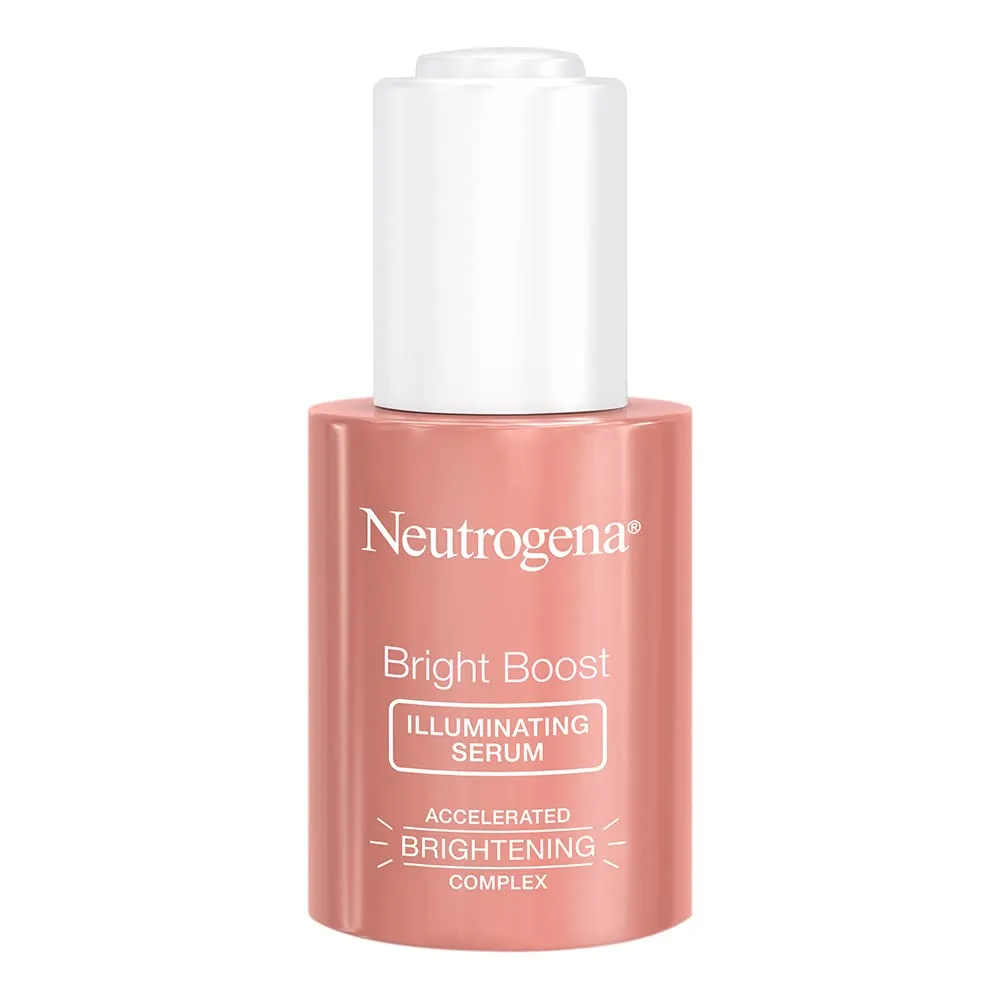
Instead of relying on vitamin C or strong acids, this serum brightens through a trio of acetyl glucosamine, stabilized turmeric, and hexylresorcinol, a gentler, non-acid route to more even tone, plus light-reflecting mica for an instant cosmetic glow while the actives work.
A gentle, multi-mechanism brightening serum built around acetyl glucosamine, stabilized turmeric, and hexylresorcinol, a smart non-acid route to fading dullness and dark spots at a drugstore price. Just know the instant glow is partly cosmetic mica, and the added fragrance rules it out for reactive skin.
Promisingfor DullnessIn your profileYou chose · Glycerin has trial-level evidence for dullness but no guideline or regulatory standing yet — promising, short of a recommendation; the other actives here are not yet assessed for it.Moderate evidenceStandard tolerabilityNo reviews collected yet
The case for it
Glycerin has trial-level evidence for this concern but no guideline or regulatory standing yet.
It is present at an effective concentration, declared or high in the ingredient list.
The formula carries no trigger this concern is sensitive to, with the cautions noted.
What would change this: Guideline or regulatory standing for the active on this concern would move this from a promising bet to a recommendation.
Same rule for everyone. “Promising” is the verdict on 7,858 of 45,024 concern verdicts across the catalog; rule R9p decided 7,858 of them.
Unchanged since September 5, 2026, engine 5.1.1.
R9p — 0.5.0: 'Unproven' beside three filled dots read as one question answered twice with opposite words (7,018 rows). The chip measures standing, the dots measure trial volume; where the row carries at least one RCT or a tier-2 source (moderate dots) and the active is present at a working level, the honest word is Promising. Unproven is reserved for plausible-standing rows with limited or weak evidence, or an under-dosed form. Same rank as Unproven — a bet either way; the dots order them. · the full register
Carrying active
Glycerin
Standing
plausible — trials support it
Form
adequate — studied range 2–20%, from the trials on the row; needs leave-on contact; judge it after ~1 weeks
Tolerability
standard
Row checked
against its sources on July 17, 2026 (evidence table ev-2026.09-r228)
The studies behind the evidence row
Harry's Cosmeticology / Baran & Maibach Textbook of Cosmetic Dermatology — humectant, emollient and occlusive classification — standard reference text
Also listed for Hyperpigmentation, Dark Spots, Rough Texture and Sun Damage — the actives here (Glycerin, Acetyl Glucosamine, Turmeric (Curcuma Longa) are in our research queue for those concerns; there is no verdict until their evidence rows are written. That is a gap in our table, not a mark against the product.
Where our review and the verdict differ. The review below was written on the formulation and the published trials; the verdicts above apply the stricter standing test in our methodology — an active earns a recommendation only with guideline or regulatory standing for the concern. Where the two disagree, the verdict is DermApproved’s position.
A verdict is DermApproved’s assessment of how well a product’s ingredients fit a concern — never a claim about what the product treats. Evidence dots and collected reviews sit beside it and are never blended in.
Rules 0.5.1 · evidence table ev-2026.09-r228 · how we decide
Assessment
Pros & Cons
Pros
✓ Three brightening mechanisms, more sophisticated than single-active serums
✓ Gentle non-acid route that avoids stinging and sun-sensitivity
✓ Acetyl glucosamine has real published tone research behind it
✓ Lightweight, fast-absorbing texture that layers cleanly
✓ Pregnancy-compatible brightening actives by usual standards
✓ Affordable full-ounce size from a legacy brand
✓ Instant optical glow works well under makeup
Cons
✗ Contains fragrance plus benzyl salicylate and citronellol allergens
✗ Instant glow is largely cosmetic mica, not active brightening
✗ Slow on stubborn melasma or deep sun spots
✗ No fragrance-free version of this serum available
✗ Only one size, no bulk-value option
Review
Full Review
Most brightening serums on the shelf reach for the same two or three tools: a hit of vitamin C, a dose of acids, maybe some niacinamide. Bright Boost takes a quieter, slightly nerdier path. Its whole identity is built around an amino sugar called acetyl glucosamine, which Neutrogena brands as NeoGlucosamine, an ingredient with actual published research behind it for evening out tone. That choice tells you something about who this serum is for: people who want to fade dullness and dark spots but find vitamin C finicky to stabilize, acids too stingy, or both too pricey. It's the brightening serum for the conflict-averse.
The active strategy here is genuinely thoughtful for a drugstore product. Acetyl glucosamine does double duty, acting as a gentle, non-acid exfoliant that nudges cell turnover while also interfering with the melanin pathway, so it handles the lighter resurfacing and tone work. Then comes tetrahydrodiferuloylmethane, which is a mouthful for a colorless, stabilized form of turmeric, the curcuminoid reworked so it delivers antioxidant and anti-inflammatory benefit without tinting your face yellow. And rounding out the trio is hexylresorcinol, a well-studied tyrosinase inhibitor that directly slows pigment production, the most targeted dark-spot fighter in the bottle. Three different mechanisms aimed at the same goal, which is more sophisticated than a single-active serum and a real reason this leans more brightening than a generic glow product. Glycerin sits high in the list to keep the whole thing hydrating and daily-friendly.
Now for the part that requires a little honesty, because Bright Boost has a small sleight of hand built in. That instant radiance you see the moment you apply it? A good chunk of it is optical. The formula contains mica and titanium dioxide, light-reflecting particles that make skin look luminous immediately, before any active has done a thing. This isn't a scam, it's a common and harmless cosmetic trick, but you should know the difference between the glow you see at minute one and the tone correction that's quietly accruing underneath over weeks. The first is makeup-adjacent; the second is the actual skincare. If you understand that going in, you won't be disappointed when you wash your face and the instant glow rinses away while the real work continues.
The texture is one of the easy pleasures here. It's a thin, fast-absorbing gel-serum with a light silicone slip that leaves skin smooth and primed, sinking in quickly enough to layer under moisturizer and sunscreen without pilling. It plays nicely as a morning step, and the optical brightening even works to your advantage under makeup. The pump dispenses a sensible amount, and a pump or two covers the face.
The honest catch, and it's the same one that dogs a few products in this line, is fragrance. Bright Boost is scented, and the ingredient list includes known fragrance allergens like benzyl salicylate and citronellol. For most people that's a non-issue, but for fragrance-sensitive, rosacea-prone, or reactive skin, it's a meaningful drawback, especially in a leave-on serum you'll use daily. There's no fragrance-free version of this exact serum, so if your skin is touchy, this may not be your brightener. A patch test is sensible if you've reacted to scented products before.
On gentleness more broadly, this serum earns its reputation. The non-acid brightening route means it sidesteps the sting and sun-sensitivity ramp-up of glycolic or strong vitamin C formulas, and the actives here are pregnancy-compatible by the usual standards, which makes it a reasonable pick for people who've had to shelve their retinoids and acids for nine months. That said, gentle and slow travel together: this is not a serum that erases stubborn melasma or deep sun spots in a hurry. Its sweet spot is general dullness, mild uneven tone, and post-blemish marks, where it works steadily over four to eight weeks, provided you're diligent with sunscreen, because brightening without sun protection is pouring water into a leaky bucket.
On value, it sits in a comfortable spot. At around twenty-three dollars for a full ounce from a legacy, dermatologist-recommended brand, it's an accessible entry into multi-mechanism brightening, considerably cheaper than the prestige serums building marketing campaigns around the very same ingredients. There's only one size, so no bulk discount to chase, but the price is low enough that it hardly matters. You're getting a genuinely reasonable active lineup with real research behind the headline ingredient, not a luxury markup for a pretty bottle.
The bottom line is that Bright Boost is a smart, gentle, affordable brightening serum that does more thinking about its actives than most drugstore products bother to, with two caveats to keep front of mind. Manage expectations around the instant glow versus the slow real work, and steer clear if your skin can't tolerate fragrance. For everyone else, particularly anyone who wants to fade dullness and dark spots without the harshness of acids or the fuss of vitamin C, it's an easy, sensible serum to fold into a morning routine and let quietly do its job.
Formula
Key Ingredients
The hero actives that drive this product's performance.
The star of the formula and an amino sugar that acts as a gentle non-acid exfoliant while interfering with melanin production, doing the lighter lifting on tone so the turmeric and hexylresorcinol can target dark spots more directly in this brightening trio.
A colorless, stabilized turmeric derivative that brings antioxidant and anti-inflammatory action without staining the skin yellow, layered in this serum to calm the low-grade inflammation that drives uneven tone alongside the glucosamine.
A well-studied tyrosinase inhibitor that directly slows pigment formation, the most targeted dark-spot actor in this formula and the reason it leans more brightening than a basic glow serum.
Sits second in the list as the humectant base, keeping this lightweight serum hydrating and comfortable so the brightening actives can be used daily on most skin types.
Plausible mechanismfor Dullness
Ingredient standings describe the active at treatment-level doses and
vehicles; this product's own condition grades weigh its actual formula.
Smooth on after cleansing and before moisturizer. It contains light-reflecting mica for an instant glow, so layer it under makeup rather than over, and always pair daytime use with sunscreen for brightening to hold.
Results Timeline
An immediate luminous finish from the mica on first use. Actual tone improvement from the glucosamine and hexylresorcinol is gradual, with dark spots and dullness typically softening over 4-8 weeks of consistent use.
Pairs Well With
Vitamin C serumsNiacinamideSunscreenHydrating moisturizers
Bright Boost's brightening case rests on a trio of actives rather than a single hero, and the headline ingredient has the strongest published support. Acetyl glucosamine, the amino sugar Neutrogena markets as NeoGlucosamine, was studied by Bissett and colleagues in the Journal of Cosmetic Dermatology in 2007, where 2% topical N-acetyl glucosamine reduced the appearance of facial hyperpigmentation in a double-blind, vehicle-controlled split-face test, with greater effect when combined with niacinamide. The mechanism is twofold: it acts as a gentle non-acid exfoliant and interferes with the conversion steps that lead to melanin synthesis. Layered alongside it, hexylresorcinol is a well-characterized tyrosinase inhibitor that slows pigment formation more directly, and tetrahydrodiferuloylmethane, a colorless stabilized curcuminoid, contributes antioxidant and anti-inflammatory activity that addresses the low-grade inflammation feeding uneven tone without the yellow staining raw turmeric causes. What's distinctive about this formulation is the combination strategy itself: rather than betting everything on a single, often unstable active like ascorbic acid, it stacks three complementary, comparatively gentle mechanisms so the serum can be used daily on most skin types and tolerated by people who find acids or vitamin C harsh. The mica and titanium dioxide provide an immediate optical brightening effect that is cosmetic rather than corrective. The honest summary is that the actives are sensibly chosen and evidence-supported for gradual tone improvement, with the heavy lifting on stubborn pigment limited by their gentleness.
Within clinical practice, acetyl glucosamine and hexylresorcinol are recognized as gentler tyrosinase-pathway agents often suggested for patients who can't tolerate hydroquinone, strong acids, or high-strength vitamin C. A serum combining them is typically framed as a maintenance or mild-pigmentation option rather than a treatment for entrenched melasma, which usually warrants prescription therapy. Standard clinical guidance stresses that any brightening regimen is only as effective as the sun protection paired with it, since UV exposure continuously reactivates pigment production. Because the actives here aren't on the usual pregnancy-avoid list, this type of serum is sometimes recommended as a pregnancy-friendly alternative to retinoids for tone, though the added fragrance warrants caution in sensitive patients.
Guidance
Usage & Recommendations
How to Use
Use after cleansing and before moisturizer, pressing a pump or two over the face and neck and letting it absorb for a moment. It suits morning routines especially, since the optical brightening looks good under makeup, but it can be used twice daily. Crucially, follow daytime application with a broad-spectrum SPF 30 or higher, because any brightening serum's results unravel without consistent sun protection. If your skin is fragrance-sensitive, patch test on the inner arm for a few days before committing it to your face.
Value Assessment
At roughly twenty-three dollars for a full ounce, this is an accessible way into multi-mechanism brightening from a legacy, dermatologist-recommended brand, and notably cheaper than the prestige serums that build entire campaigns around the same acetyl glucosamine and hexylresorcinol actives. There's only one size, so no per-ounce discount to pursue, but the price point is low enough to make that a minor point. You're paying for a sensibly constructed active lineup with genuine research behind the lead ingredient rather than for luxury packaging, which makes it a fair-value pick, provided you weigh the fragrance against your skin's tolerance.
Who Should Buy
Reach for this if you want to fade general dullness, mild uneven tone, or post-blemish marks without the sting of acids or the fuss of vitamin C. It suits normal, combination, and oily skin looking for a gentle, affordable, daily brightening serum with research-backed actives, and it's a reasonable pick during pregnancy when stronger options are off the table.
Who Should Skip
Avoid it if your skin reacts to fragrance, since it's scented and contains known allergens with no fragrance-free alternative in this serum. Anyone treating stubborn melasma or deep sun damage will likely need stronger, often prescription, options, and those wanting dramatic fast results should set their expectations elsewhere.
Ready to try Neutrogena Bright Boost Illuminating Serum?
A thin, fast-absorbing gel-serum with a silky silicone slip that leaves skin smooth and primed.
Scent
Lightly fragranced; the scent is noticeable on application and fades, but it isn't a fragrance-free formula.
Packaging
Frosted bottle with a pump that dispenses a measured amount.
Finish
glowyfast-absorbingnon-greasy
What to Expect on First Use
The instant radiance is real but partly cosmetic, optical brightening from mica that shows up immediately. The genuine tone work happens quietly underneath over several weeks. A faint warmth or tingle from the brightening actives is possible but uncommon.
How Long It Lasts
About 2-3 months with once- or twice-daily use of a pump or two per application.
Bright Boost was Neutrogena's bet that NeoGlucosamine, the acetyl glucosamine technology with published tone research, could anchor an affordable brightening line for shoppers who found vitamin C and acids too harsh or too expensive.
About Neutrogena Legacy Brand (20+ years)
Neutrogena, a dermatologist-recommended drugstore brand since 1930, built the Bright Boost line around acetyl glucosamine (its NeoGlucosamine technology), an amino sugar with published evidence for gentle exfoliation and tone improvement.
Brand founded: 1930 · Product launched: 2020
Myth vs. Reality
Common Myths
Myth
Brightening serums have to sting or use strong acids to work.
Reality
This serum brightens through acetyl glucosamine and hexylresorcinol, which inhibit pigment more gently than high-strength acids. Effective tone correction doesn't require a stinging formula, though it does require patience.
Myth
The instant glow means the serum is working immediately.
Reality
The immediate radiance comes largely from light-reflecting mica, a cosmetic optical effect. The real tone improvement from the glucosamine and hexylresorcinol builds slowly over several weeks.
FAQ
Frequently Asked Questions
How does the Bright Boost serum brighten skin without vitamin C?
It uses a trio of acetyl glucosamine, stabilized turmeric, and hexylresorcinol that inhibit melanin production and gently resurface, rather than relying on vitamin C or strong acids. This makes it a gentler brightening route for people who find those harsh.
Is the instant glow from this serum real or cosmetic?
The immediate radiance is largely cosmetic, coming from light-reflecting mica in the formula. The genuine improvement in tone and dark spots happens gradually underneath over several weeks of consistent use.
Can I use the Bright Boost serum during pregnancy?
Its core brightening actives, acetyl glucosamine, turmeric derivatives, and hexylresorcinol, are not on the standard pregnancy-avoid list, so it's generally considered acceptable. As always, confirm with your own doctor, especially given the added fragrance.
Does the Bright Boost serum contain fragrance?
Yes, it includes added fragrance along with allergens like benzyl salicylate and citronellol, so it isn't ideal for fragrance-sensitive or reactive skin. Patch testing is wise if you've reacted to fragranced products before.
Can I layer this serum with vitamin C or niacinamide?
Yes. Its gentle, non-acid actives layer comfortably with vitamin C or niacinamide for a stacked brightening routine. Apply the lightest textures first and always finish daytime layering with sunscreen.
How long until the Bright Boost serum fades dark spots?
You'll see an instant glow immediately from the mica, but real fading of dark spots and dullness is gradual, typically becoming noticeable around 4 to 8 weeks of daily use, and only if paired with diligent sun protection.
Reviews
What Reviewers Tend to Say
Recurring themes our editors read across retailer reviews of this product — summaries in our words, not quotations, and not a substitute for your own patch test.
Common Praise
Instant glow from light-reflecting particles
Gentler than acid-based brighteners
Lightweight and absorbs fast
Affordable brightening option
Common Complaints
Contains fragrance
Glow is partly cosmetic from mica
Slow on stubborn dark spots
Not for fragrance-sensitive skin
Notable Endorsements
Frequently recommended as a budget alternative to prestige brightening serums
IPL is a filtered flashlamp, a true vascular laser is one wavelength aimed at haemoglobin, and the choice between them turns on a distinction almost no consult makes: whether your redness is vessels or a state.
The one home formulation with a genuinely coherent case, taken apart on its own terms: the pH window, the oxidation clock, and what a browning serum has actually become.
'Dark spots' bundles at least five distinct processes that sit at different depths, respond to different things, and have wildly different prognoses — one clears on its own, one relapses forever, and one will not move for any serum ever made.
The smallest AHA gets deepest and shows results soonest — which is precisely why routines built around it overshoot, and why the people who do best with it use it least.
Jul 30, 2026· 7 min
Questions people ask about Hyperpigmentation
Verified answers from our questions library — the nuance a product page cannot carry.
Products, answers, therapy guides, tools and articles in one search. Brand names,
slang and abbreviations all work — accutane finds isotretinoin, bacne finds truncal acne.