




Octocrylene and Homosalate: The Filters America Is Stuck With
The critics are right about the data gap, and they are right that it took two decades to move. What follows from that is not the conclusion most people draw.
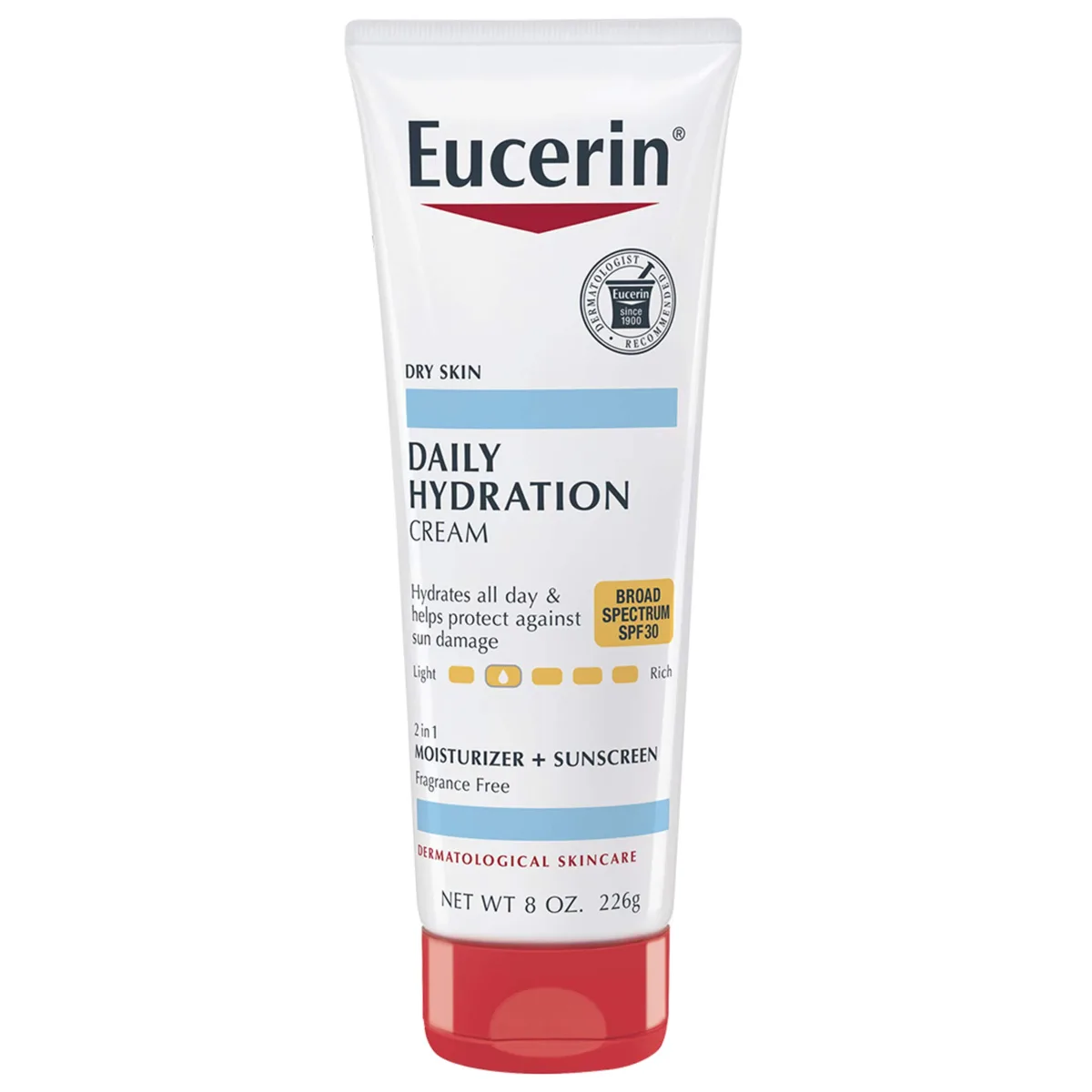
Most mainstream chemical-filter body sunscreens deliver UV protection without meaningful skin-care additions. This one combines the SPF 30 filter system with a meaningful glycerin humectant load, licorice extract for anti-inflammatory and tone benefits, and a skin-identical fatty acid emollient complex. The result is a body sunscreen that doubles as a daily moisturizer rather than a single-purpose UV blocker — practical for users who want one product for daily body care rather than separate sunscreen and moisturizer.
A solid mainstream chemical-filter body sunscreen with the meaningful glycerin humectant load, licorice extract supplementation, and skin-identical fatty acid emollient complex that puts it above generic body SPF alternatives. The 8 oz tube at $17 is reasonable mainstream pricing. Reef-safety and octocrylene concerns are the main formulation friction points.
The case for it
Same rule for everyone. “Good choice” is the verdict on 9,564 of 45,024 concern verdicts across the catalog; rule R5 decided 9,072 of them. Unchanged since September 5, 2026, engine 5.1.1.
Brand or formulator? Disclose a concentration or correct a fact →
The studies behind the evidence row
The case for it
Same rule for everyone. “Full protection” is the verdict on 2,288 of 45,024 concern verdicts across the catalog; rule P1 decided 2,232 of them. Unchanged since September 5, 2026, engine 5.1.1.
Brand or formulator? Disclose a concentration or correct a fact →
The studies behind the evidence row
The case for it
What would change this: A researched evidence row for the lead active would replace this with a verdict.
Same rule for everyone. “Full protection” is the verdict on 2,288 of 45,024 concern verdicts across the catalog; rule P1 decided 2,232 of them. Unchanged since September 5, 2026, engine 5.1.1.
Brand or formulator? Disclose a concentration or correct a fact →
Does the jobDoes what a sunscreen is for: UVA coverage, kind to the skin wearing it. Not measured from the label: pleasant enough to actually use.
A verdict is DermApproved’s assessment of how well a product’s ingredients fit a concern — never a claim about what the product treats. Evidence dots and collected reviews sit beside it and are never blended in. Rules 0.5.1 · evidence table ev-2026.09-r228 · how we decide
Body sunscreen compliance is one of the most underrated problems in skincare. Surveys of consumer behavior consistently show that even users who apply face sunscreen religiously skip body sunscreen on a majority of days, citing reasons that range from the inconvenience of full-body application to the heavy, sticky feel of typical body SPF products. The result is a real public health gap: large areas of body skin receive consistent daily sun exposure without consistent UV protection, contributing to photoaging, sun damage, and elevated skin cancer risk over time. Product formulation cannot solve compliance entirely, but it can move the needle by making consistent application easier. A body sunscreen that feels like a moisturizer is more likely to actually be applied than one that feels like a single-purpose UV blocker. Eucerin Daily Hydration Lotion SPF 30 is one of the mainstream body sunscreens engineered to thread this needle.
The formulation is built around a conventional US-spec chemical filter system: 3% avobenzone for UVA1, 5% homosalate for UVB, 5% octisalate for additional UVB, and 9% octocrylene for filter stabilization and supplementary absorption. This is the standard chemical filter combination found in mainstream US body sunscreens, optimized for cosmetic elegance and ease of application rather than the heavier mineral filter approach. The chemical filters absorb UV rather than reflecting it, which produces no white cast and allows the formulation to feel lighter on skin than equivalent mineral SPF 30 alternatives. For daily under-clothing application across large body areas, this matters — a sunscreen that feels heavy or sticky will get skipped, and a sunscreen that feels like a lotion will actually be applied.
The formulation features that put this product above generic chemical-filter body sunscreens are the supplementary ingredients. Glycerin sits at the second INCI position, providing meaningful humectant water-binding that most body sunscreens neglect. Licorice extract (Glycyrrhiza inflata) provides botanical anti-inflammatory and supplementary tyrosinase-inhibition activity — a real but modest depigmenting benefit that compounds with the UV protection over time. The skin-identical fatty acid complex — stearic acid, palmitic acid, myristyl myristate — provides emolliency that supports the stratum corneum lipid matrix rather than relying purely on synthetic ester emollients. The result is a sunscreen that does meaningful skincare work beyond UV blocking. For users who want one product for daily body care rather than separate sunscreen and moisturizer, the dual functionality is genuinely useful.
In practice the product behaves like a well-engineered daily body lotion with sunscreen functionality built in. The texture is lightweight lotion that spreads easily and absorbs within about a minute to leave a satin finish with no clothing residue. Application is fast and unobjectionable — none of the heavy sticky feel that derails compliance with many body sunscreens. The glycerin humectant content gives the skin a hydrated feel that lasts through the day rather than the dry, tacky finish that some chemical sunscreens produce. The 8 oz tube is large enough to apply generously without economic friction, and the flip-top cap makes practical use convenient. Daily application before dressing becomes a routine action rather than a chore.
The SPF 30 rating deserves a specific honest evaluation. SPF 30 provides approximately 97% UVB blocking versus SPF 50's 98% — the difference is small enough that it does not materially affect daily-use protection outcomes. What matters far more than the SPF number on the label is application volume. The FDA testing protocol assumes 2 milligrams per square centimeter — roughly 1 oz of sunscreen for full body application. Most users apply 25-50% of that dose, which reduces effective SPF substantially. A user who applies SPF 30 at the proper dose gets meaningfully better real-world protection than a user who applies SPF 50 at half the dose. The practical case for SPF 30 daily lotions is that they tend to be lighter and more pleasant to apply at the proper dose, which produces better outcomes than heavier SPF 50 alternatives that get underapplied.
The friction points are predictable for a mainstream chemical-filter body sunscreen. The octocrylene content is a concern for users who specifically avoid that filter — there has been some published research on octocrylene's degradation products (specifically benzophenone) that has driven some consumers and brands away from the filter. The published evidence on octocrylene's clinical safety remains supportive at the concentrations used in consumer sunscreens, but the user preference shift is real and brands like Coola, Supergoop, and others have reformulated to remove octocrylene. For users with that specific preference, this product will not be appropriate. The reef-safety question applies more strongly: the homosalate, octisalate, and octocrylene combination is included on multiple reef-toxic ingredient lists, and for ocean and coral reef exposure, all-mineral alternatives are the appropriate regulatory choice. For daily urban use, the reef-safety concern is not clinically relevant.
The product is not water-resistant, which is a real limitation for users who plan beach, pool, or sweating activities. For water exposure, a water-resistant alternative (typically labeled as 40 or 80 minutes water-resistant) is more appropriate. The Daily Hydration positioning is for everyday under-clothing daily application rather than for outdoor activity sun protection. Users who need both daily and outdoor sunscreen should plan to use separate products for the two use cases.
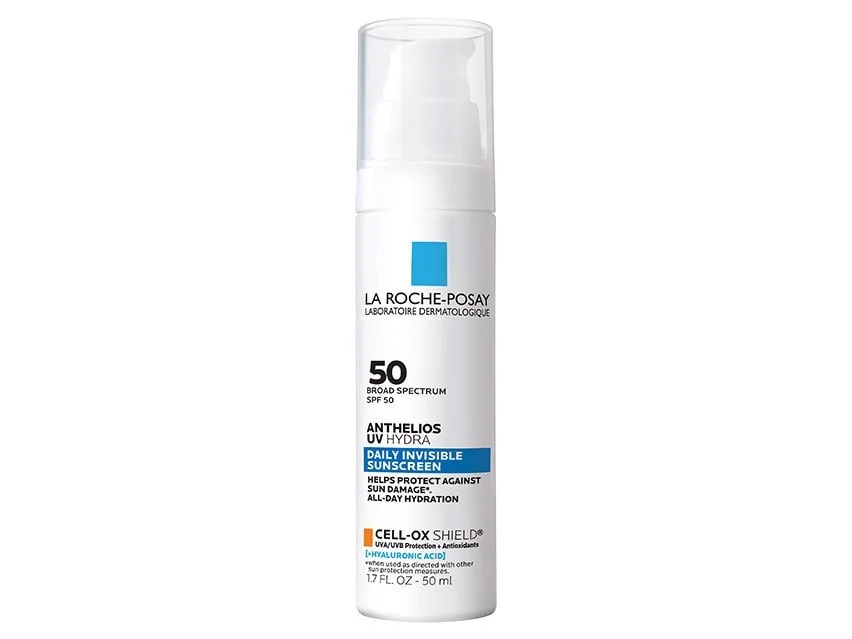
The value calculation is reasonable for mainstream body sunscreen pricing. At $16.99 for 8 fl oz, the per-ounce cost is approximately $2.12 — higher than the cheapest drugstore alternatives but consistent with the value-tier pricing in the body SPF category. CeraVe Hydrating Mineral Sunscreen Body Lotion at $13-15 for 5 oz delivers comparable mainstream value with a mineral rather than chemical filter approach. La Roche-Posay Anthelios body sunscreens deliver more sophisticated filter systems at higher pricing. For users specifically wanting Eucerin's formulation philosophy (the glycerin humectant load, licorice extract, fatty acid complex) at a mainstream price point, this product is a reasonable choice. For users wanting the highest-tier filter sophistication or the lowest-tier pricing, alternatives exist.
The larger framing is that this is a competent mainstream daily body sunscreen engineered specifically to make consistent application easier. It is not the most sophisticated body sunscreen on the market, nor the cheapest, nor the most reef-safe. What it does deliver is the rare combination of meaningful UV protection, light enough texture for daily compliance, and a real moisturizing co-benefit that justifies the product's existence in the daily care routine. For users who currently skip body sunscreen because the available options feel like a chore, this is the kind of product that can make consistent application practical. For users with established daily body sunscreen routines using preferred alternatives, the case for switching is weaker. The product is most appropriate as a default daily body sunscreen recommendation for the broad middle of consumers who want UV protection plus light moisturization in a single mainstream-priced product.
The hero actives that drive this product's performance.
| Ingredient | Function | Evidence |
|---|---|---|
| Multi-Filter SPF 30 System (Avobenzone + Homosalate + Octisalate + Octocrylene) (3.0% + 5.0% + 5.0% + 9.0%) | A conventional US-spec chemical filter system that delivers broad-spectrum SPF 30 protection through UV absorption rather than reflection. Avobenzone provides the primary UVA1 coverage, with octocrylene stabilizing it against photodegradation. Homosalate and octisalate provide additional UVB absorption. This is the standard chemical filter combination found in mainstream US body sunscreens, optimized for cosmetic elegance over the mineral alternatives. | Regulator-approved for Sun Damage · emerging certainty |
| Glycerin | Primary humectant at the second INCI position, drawing water into the upper stratum corneum to balance the silicone-and-emollient base of the sunscreen. The meaningful glycerin concentration is what differentiates this product from generic chemical-filter body sunscreens that focus on UV blocking without humectant support. | Established mechanism for Dryness · established mechanism |
| Licorice Root Extract (Glycyrrhiza Inflata) | A traditional botanical with documented anti-inflammatory and supplementary tyrosinase-inhibition activity. The licorice extract addition provides supportive depigmenting and anti-inflammatory benefits alongside the primary UV protection, which is unusual for a mainstream body sunscreen and reflects Eucerin's broader formulation philosophy. | Not yet assessed |
| Glyceryl Stearate + Fatty Acid Complex (Stearic + Palmitic + Myristyl Myristate) | Skin-identical fatty acid contribution that provides emolliency and supports the stratum corneum lipid matrix. The combination of fatty acids in this formulation is more thoughtful than the typical chemical-filter sunscreen, which usually relies on synthetic ester emollients without skin-identical fatty acid components. | Not yet assessed |
Ingredient standings describe the active at treatment-level doses and vehicles; this product's own condition grades weigh its actual formula.
Active ingredients: Avobenzone 3.0%, Homosalate 5.0%, Octisalate 5.0%, Octocrylene 9.0%. Inactive ingredients: Water, Glycerin, Tapioca Starch, Butylene Glycol, Cetyl Alcohol, Hydrogenated Coco-Glycerides, Myristyl Myristate, Stearyl Alcohol, Palmitic Acid, Glyceryl Stearate, Stearic Acid, Glycyrrhiza Inflata Root Extract, Dimethicone, 1,2-Hexanediol, Phenoxyethanol, Silica Dimethyl Silylate, Decylene Glycol, Acrylates/C10-30 Alkyl Acrylate Crosspolymer, Benzyl Alcohol, Xanthan Gum, Sodium Hydroxide, Trisodium EDTA
sunscreen
AM
Apply generously to body skin 15 minutes before sun exposure. Reapply every 2 hours during prolonged outdoor activity, and immediately after swimming, sweating, or towel-drying. For daily everyday use on body areas typically exposed to incidental sun (face, neck, hands, forearms), apply once in the morning. The lotion format is appropriate for daily under-clothing application without leaving heavy residue.
Immediate: SPF 30 broad-spectrum protection plus the lightweight humectant moisturization. Short-term (4-8 weeks): consistent use prevents new sun damage accumulation. Full benefits (3-6 months): cumulative photoprotection benefit on aging markers, pigmentation prevention, and skin texture preservation with consistent daily application.
The clinical evidence base for Eucerin Daily Hydration Lotion SPF 30 rests on the well-established sunscreen filter literature plus the supportive research on the supplementary skincare ingredients. The chemical filter system (avobenzone, homosalate, octisalate, octocrylene) is among the most-studied UV protection systems in consumer sunscreen formulation, with consistent peer-reviewed evidence for broad-spectrum UVA and UVB protection at the labeled SPF 30 rating. Avobenzone provides the primary UVA1 coverage that is essential for protection against deep-penetrating UV wavelengths associated with photoaging and skin cancer risk. Octocrylene stabilizes the avobenzone against photodegradation — without an octocrylene-class stabilizer, avobenzone breaks down rapidly in UV exposure and loses effectiveness within 30-60 minutes of application. The octocrylene degradation product (benzophenone) has been the subject of some published research, but the current FDA position and major dermatology guidance continues to support octocrylene as safe at consumer sunscreen concentrations. Glycerin's role as a topical humectant is supported by extensive cosmetic science literature. Licorice extract (Glycyrrhiza inflata) provides glabridin and related compounds with documented anti-inflammatory and tyrosinase-inhibition activity — the published evidence base is moderate but supportive. The skin-identical fatty acid complex (stearic acid, palmitic acid, myristyl myristate) rests on the foundational stratum corneum lipid research developed in part by the Elias lab. Overall, the formulation rests on a solid evidence base for the primary mechanisms (UV protection plus humectant moisturization) and a supplementary evidence base for the licorice and fatty acid contributions. Real-world validation includes thousands of independent reviews across major US retailers over multiple years of market availability.
Eucerin Daily Hydration Lotion SPF 30 is widely stocked at major US drugstores and is generally well-received in dermatology practice as a mainstream daily body sunscreen recommendation. Many dermatologists frequently recommend it as a default body sunscreen for patients who want UV protection combined with light moisturization in a single mainstream-priced product. The formulation is considered appropriate for daily everyday body use, with separate water-resistant alternatives recommended for swimming or sweating activities. The chemical filter system is regulatory-cleared and not generally viewed as a clinical safety concern. The most common clinical caveats raised are the octocrylene content (which is a real but typically minor consideration for sensitive patients), the lack of water-resistance (which limits utility for outdoor activities), and the reef-safety considerations for patients planning ocean exposure. The product is widely considered pregnancy-appropriate. For sensitive-skin patients or patients with rosacea, all-mineral alternatives like CeraVe Hydrating Mineral Sunscreen are sometimes preferred to avoid any potential irritation from the chemical filters.
Apply generously to body skin 15 minutes before sun exposure. Use approximately 1 oz for full body application — most users underapply by 50-70% versus this dose. Reapply every 2 hours during prolonged outdoor activity, and immediately after swimming, sweating, or towel-drying. For daily everyday use on body areas typically exposed to incidental sun (neck, hands, forearms, ankles), apply once in the morning after showering. Compatible with all standard daily body care routines. Safe for use under clothing without staining or transferring heavily. Avoid contact with eyes; do not apply to broken or irritated skin without dermatologist guidance.
At $16.99 for 8 fl oz, the per-ounce pricing is approximately $2.12/oz — consistent with mainstream body sunscreen value-tier pricing. Comparable body sunscreens include CeraVe Hydrating Mineral Sunscreen Body Lotion ($13-15 for 5 oz, mineral filter approach), Banana Boat Sport Ultra ($10-12 for 8 oz, more athletic-positioned), and Coppertone Pure & Simple ($14-16 for 6 oz, mineral filter approach). The Eucerin pricing sits in the middle of this range — slightly higher than the cheapest alternatives, slightly lower than premium-tier body sunscreens. The 8 oz size lasts roughly 4-6 weeks at daily full-body application, putting the monthly cost in the $11-17 range for committed daily users. Eucerin occasionally offers discount pricing through Amazon Subscribe and Save and at Costco; the brand also includes the product in seasonal promotional bundles. For users who want a mainstream daily body sunscreen with light moisturization in a single product, the pricing is reasonable; for users wanting either the cheapest possible body sunscreen or a premium-tier alternative, other options serve those use cases better.
Users in the broad middle of the body care population who want a daily body sunscreen with light moisturization in a single mainstream-priced product. Especially valuable for users who currently skip body sunscreen due to the heavy, sticky feel of typical alternatives, and for users who want one product for daily body care rather than separate sunscreen and moisturizer.
Skip if you specifically avoid octocrylene — alternative reef-safe and octocrylene-free body sunscreens are available from Coola, Supergoop, and others. Skip if you need water-resistant protection for swimming or athletic activities — choose a water-resistant alternative. Skip if you are planning extended ocean exposure where reef-safety restrictions apply. Skip if you have very sensitive or rosacea-prone skin that may react to chemical filters — all-mineral alternatives like CeraVe Hydrating Mineral Sunscreen are typically better choices.
Ready to try Eucerin Daily Hydration Lotion SPF 30?
Buy at Amazon ♥Lightweight lotion that spreads easily and absorbs within about a minute to leave a satin finish. Distinctly less greasy than typical chemical-filter body sunscreens, partly because of the glycerin-and-emollient base that balances the filter content.
Fragrance-free with a very faint cosmetic note.
8 fl oz white plastic tube with flip-top cap. Tube format protects the filter system from light exposure and is more travel-friendly than pump bottles.
First application feels distinctly more elegant than typical mainstream chemical-filter body sunscreens — the glycerin humectant load gives it a hydrating quality that most body SPFs lack. No greasy residue, no white cast (the chemical filters do not produce mineral-style cast), no fragrance. Layers cleanly under clothing without sticky transfer. The licorice extract effect on tone evenness is the slower-acting outcome and may not be perceptible to most users, but it provides legitimate supplementary anti-pigmentation benefit alongside the primary UV protection.
Roughly 4-6 weeks at daily full-body application; longer if used selectively for sun-exposed areas only.
All Year
Eucerin's Daily Hydration line launched as the everyday-use counterpart to the brand's more intensive Advanced Repair line. The SPF 30 version was developed for users in the broad middle of the body care population who want daily UV protection combined with light moisturization, rather than the more intensive barrier-repair focus of the Advanced Repair line. The formulation reflects mainstream Eucerin formulation philosophy: established chemical filters at clinically appropriate concentrations, supplemented by humectants and botanicals that align with the brand's broader research on barrier function and skin tone.
Eucerin's Daily Hydration line is the brand's everyday body care range, positioned for users who want consistent daily moisturization rather than the intensive barrier-repair focus of the Advanced Repair line. The SPF 30 version combines that daily-use positioning with the photoprotection that body skin specifically needs in sun-exposed areas. The brand's century of dermatological backing gives the broader Daily Hydration line credibility comparable to its more intensive Advanced Repair siblings.
Chemical sunscreens are dangerous and should be avoided.
The most-circulated chemical filter concerns — particularly around oxybenzone and octinoxate — are based on small-animal studies at high doses or environmental considerations rather than direct human safety data. The filters in this product (avobenzone, homosalate, octisalate, octocrylene) have FDA approval for daily human use and have been used safely in millions of consumers for decades. Mineral sunscreens are a reasonable preference for users who want them, but the safety case against modern chemical filters is weaker than online narratives suggest.
Body sunscreen and face sunscreen are interchangeable.
Body sunscreens are typically formulated with higher filter concentrations and less attention to cosmetic elegance than face sunscreens, since they are not designed to layer under makeup or be applied in precise daily ritual. This product can be used on face, but most users find that dedicated facial sunscreens (like EltaMD UV Clear) deliver a better cosmetic experience for face-specific application. For body use, this lotion is more appropriate than face sunscreens that would be more expensive to apply generously across large body areas.
Primarily for body use — the formulation is designed as a daily body sunscreen with moisturizing properties rather than a dedicated facial sunscreen. It can be used on face, but most users prefer dedicated facial sunscreens (like EltaMD UV Clear, La Roche-Posay Anthelios, or Eucerin's own facial sunscreens) for face-specific application due to their better cosmetic elegance under makeup. For body use, this lotion is more appropriate and more economical than premium facial sunscreens applied across large body areas.
No — this is not labeled as water-resistant, and it will wash off quickly during swimming, sweating, or towel-drying. For water exposure activities, a water-resistant sunscreen (typically labeled as 40 or 80 minutes water-resistant) is more appropriate. For daily everyday use without significant water exposure, the standard formulation is fine.
No — the chemical filter combination includes homosalate, octisalate, and octocrylene, which are included on some reef-toxic ingredient lists. For Hawaii, Key West, and Palau ocean use, all-mineral alternatives are the appropriate regulatory choice. For daily urban use, the reef-safety concern is not clinically relevant.
The formulation is non-comedogenic in laboratory testing, but on body skin prone to acne (back, chest, shoulders) or fungal acne (Malassezia folliculitis), any occlusive product can trap bacteria and yeast against skin. Users with acne-prone body skin should test on a small area first. For most users without acne-prone body skin, the product is well-tolerated.
Yes — all active filters (avobenzone, homosalate, octisalate, octocrylene) are considered safe during pregnancy by major dermatology guidelines, and the inactive ingredient deck contains no retinoids or commonly avoided ingredients. Some pregnant users prefer mineral-only sunscreens for additional caution; in that case, an alternative like CeraVe Hydrating Mineral Sunscreen or Eucerin's mineral SPF options would be appropriate.
Both are well-formulated mainstream body sunscreens with hydration emphasis. The key differences: this Eucerin uses a chemical filter system (avobenzone + homosalate + octisalate + octocrylene), while CeraVe Hydrating Mineral uses zinc oxide and titanium dioxide. Chemical filters are more cosmetically elegant and absorb easily; mineral filters work through reflection and may leave a slight cast on darker skin tones. For daily everyday body use, both products are reasonable choices — selection depends on user preference for chemical versus mineral filtration.
Yes — SPF 30 provides 97% UVB blocking versus SPF 50's 98%, and the difference is small. Application volume matters more than the SPF number on the label. Most users underapply sunscreen by 50-70% versus the FDA testing dose, which reduces effective SPF substantially. Using the proper dose (roughly 1 oz for full body) of SPF 30 produces better real-world protection than underapplying SPF 50.
Recurring themes our editors read across retailer reviews of this product — summaries in our words, not quotations, and not a substitute for your own patch test.
Lightweight enough for daily under-clothing application
Glycerin humectant load makes it feel less drying than typical chemical sunscreens
Tube packaging is practical and travel-friendly
Affordable enough to apply generously
Eucerin brand recognition gives confidence in formulation quality
Octocrylene content concerns users avoiding this filter
Not reef-safe for ocean exposure
Chemical filter combination may sting or irritate very sensitive skin
Less elegant than mineral-tinted facial sunscreens for face use
Not water-resistant — washes off quickly during swimming
Verified answers from our questions library — the nuance a product page cannot carry.