



Octocrylene and Homosalate: The Filters America Is Stuck With
The critics are right about the data gap, and they are right that it took two decades to move. What follows from that is not the conclusion most people draw.
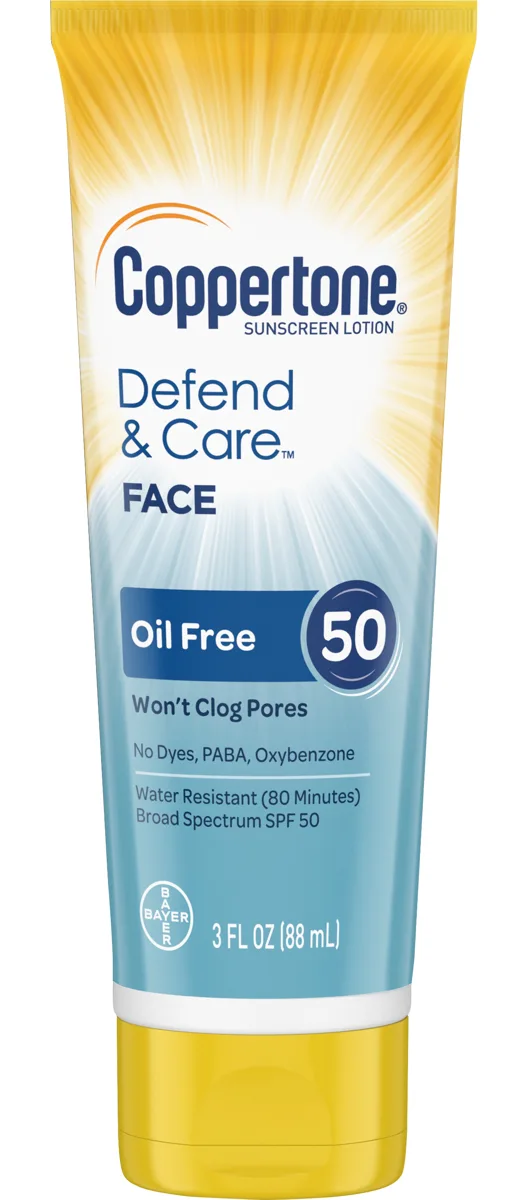
It pulls off a relatively uncommon trick for a chemical facial sunscreen: oil-free and alcohol-free at once, so it stays lightweight and low-shine without the drying sting that defines many fast-finish face SPFs. That makes it gentler than the brand's alcohol-based shine-control face lotion while still suiting oily and combination skin.
A quietly capable everyday face sunscreen that does something many chemical facial SPFs can't: stay oil-free and lightweight without an alcohol sting. Fragrance-free, low-irritation, and makeup-friendly with a stabilized SPF 50 filter system. The small tube and per-ounce price are the main trade-offs, plus beeswax rules it out for strict vegans.
The case for it
Same rule for everyone. “Full protection” is the verdict on 2,288 of 45,024 concern verdicts across the catalog; rule P1 decided 2,232 of them. Unchanged since September 5, 2026, engine 5.1.1.
Brand or formulator? Disclose a concentration or correct a fact →
The studies behind the evidence row
The case for it
What would change this: A researched evidence row for the lead active would replace this with a verdict.
Same rule for everyone. “Full protection” is the verdict on 2,288 of 45,024 concern verdicts across the catalog; rule P1 decided 2,232 of them. Unchanged since September 5, 2026, engine 5.1.1.
Brand or formulator? Disclose a concentration or correct a fact →
Also listed for Excess Oiliness — the actives here (Avobenzone, Homosalate, Octocrylene, Silica) are in our research queue for that concern; there is no verdict until their evidence rows are written. That is a gap in our table, not a mark against the product.
Does the jobDoes what a sunscreen is for: UVA coverage, kind to the skin wearing it. Not measured from the label: pleasant enough to actually use.
A verdict is DermApproved’s assessment of how well a product’s ingredients fit a concern — never a claim about what the product treats. Evidence dots and collected reviews sit beside it and are never blended in. Rules 0.5.1 · evidence table ev-2026.09-r228 · how we decide
Most facial sunscreens that promise a lightweight, non-greasy finish achieve it the same way: they load up on alcohol, which flashes off fast and leaves skin feeling dry-touch and matte. It works, but it comes with a familiar cost — that brief sting, the tight feeling, the way reactive or dehydrated skin protests by the afternoon. Coppertone Oil Free Sunscreen for Face SPF 50 quietly sidesteps that bargain, and that's the most interesting thing about an otherwise unflashy product. It manages to be both oil-free and alcohol-free at the same time, a combination rarer than it sounds among chemical facial formulas, and the result is a sunscreen that feels light and low-shine without any of the harshness. Instead of leaning on alcohol for that lightweight finish, the formula uses oil-absorbing powders. Silica and aluminum starch octenylsuccinate sit high enough in the ingredient list to matter, soaking up sebum and giving the dried lotion a soft, lightly mattified, non-greasy feel. It's not the aggressive flat-matte of a dedicated shine-control product; it's more of a satin, comfortable finish that reads natural rather than powdery. On oily and combination skin this is exactly the sweet spot, weightless without being stripping, and even normal and slightly dry skin tend to find it agreeable as long as there's a hydrating layer underneath. The texture spreads thin, absorbs quickly, and settles within a minute, though there's a brief tacky moment in between as the powders set, and over-applying can leave a faint pale cast, so a moderate, even layer is the move. The protection underneath is the same robust filter package Coppertone uses across its better products. Avobenzone at 3 percent covers UVA, octocrylene at 8 percent both adds UVB protection and stabilizes the avobenzone so it doesn't degrade in sunlight, and homosalate at 10 percent with octisalate at 4.5 percent push the UVB protection to SPF 50. That photostable combination is what makes the SPF 50 number meaningful over a real day rather than a lab test — the UVA coverage holds rather than fading within the first hour. There's a small antioxidant presence from vitamin E and sodium ascorbyl phosphate as well, supporting players rather than stars, but a reasonable bonus in a face product worn daily. What earns this its quiet respect is how gentle it manages to be while staying functional. It's fragrance-free in the genuine sense, with essentially no scent beyond a faint inherent filter note, and the absence of both alcohol and added perfume means it's one of the lower-irritation chemical facial sunscreens in the drugstore aisle. It doesn't sting if it migrates near the eyes the way alcohol-based formulas can, and it sits cleanly under makeup. For anyone who has bounced off harsher lightweight face SPFs but doesn't want the heaviness of a cream, it occupies a useful middle ground. The honest caveats are mostly practical rather than performance-related. The tube is small at 3 fluid ounces, and facial sunscreen needs to be applied generously — roughly a quarter-teaspoon for the face — to actually deliver SPF 50, which means the tube empties in two to three months of daily use and the per-ounce cost runs higher than a body lotion. At around fourteen dollars it's not expensive in absolute terms, but it's a bit dear for the volume, and there's no larger size to improve the economics. There's also beeswax in the formula, which makes it a non-starter for anyone keeping strictly vegan, even though it's a perfectly fine emollient for everyone else. And while the formula is gentle, it's still a chemical sunscreen with homosalate at a notable level, so the very most reactive or rosacea-prone skin might still prefer a mineral option. None of those caveats undermine the core proposition. This is a sensible, low-drama daily facial sunscreen that solves a specific comfort problem — lightweight protection without the alcohol sting — and does it at a fair, if not bargain, price. It won't win any awards for innovation or excitement, and it doesn't need to. What it offers instead is the rarer virtue of being genuinely pleasant to wear, day after day, without any of the small frictions that quietly sabotage sunscreen habits: no stinging eyes, no perfume headache, no greasy shine, no tight dryness if you've prepped with a moisturizer. Those frictions are exactly why so many people skip sunscreen or apply it grudgingly, and removing them is worth more than any marketing buzzword. For an everyday face SPF that you'll actually want to wear because it feels good and doesn't irritate, it's an easy, dependable pick, and the kind of unglamorous product that quietly earns a permanent spot in a morning routine and stays there for years without you ever thinking twice about it. In a market that constantly chases novelty, a sunscreen whose entire pitch is comfort and consistency is a genuinely underrated thing, and this one delivers exactly that.
The hero actives that drive this product's performance.
| Ingredient | Function | Evidence |
|---|---|---|
| Avobenzone 3% (3%) | The UVA filter at the heart of the broad-spectrum SPF 50 rating. Octocrylene in the formula stabilizes it, helping the avobenzone resist the sunlight-driven breakdown that would otherwise erode UVA protection through a day of facial wear. | Regulator-approved for Sun Damage · emerging certainty |
| Homosalate 10% (10%) | The principal UVB filter raising SPF to 50, doubling as a solvent that keeps the filter blend dispersed in a notably alcohol-free, oil-free base unusual among chemical facial sunscreens. | Regulator-approved for Sun Damage · limited certainty |
| Octocrylene 8% (8%) | Contributes additional UVB protection and acts as the avobenzone's photostabilizer, the safeguard that keeps the UVA coverage from collapsing within the first hour of sun exposure. | Regulator-approved for Sun Damage · limited certainty |
| Silica | Works with aluminum starch octenylsuccinate to absorb sebum and lend a soft, non-greasy, lightly mattified finish, helping this oil-free lotion sit comfortably on combination and oily facial skin. | Not yet assessed |
Ingredient standings describe the active at treatment-level doses and vehicles; this product's own condition grades weigh its actual formula.
Active Ingredients: Avobenzone 3%, Homosalate 10%, Octisalate 4.5%, Octocrylene 8%. Inactive Ingredients: Water, Aluminum Starch Octenylsuccinate, Glycerin, Polyester-27, Silica, Styrene/Acrylates Copolymer, Phenoxyethanol, Isododecane, Arachidyl Alcohol, Ethylhexylglycerin, Acrylates/C10-30 Alkyl Acrylate Crosspolymer, Neopentyl Glycol Diheptanoate, Behenyl Alcohol, Tocopherol, Beeswax (Cera Alba), Arachidyl Glucoside, Potassium Hydroxide, Glyceryl Stearate, PEG-100 Stearate, Disodium EDTA, Sodium Ascorbyl Phosphate
sunscreen
AM
Apply as the last skin-care step in the morning, over moisturizer and before makeup. The lightweight, low-tack finish layers cleanly under foundation, though as with any sunscreen you should use the full facial dose rather than a thin smear.
The mattified, oil-free feel registers immediately. The real benefit is cumulative: consistent daily facial protection is what reduces long-term photoaging and limits new sun-induced pigmentation over months of use.
The formulation's standout is achieving a lightweight, low-shine finish without alcohol, and it does so through particulate oil absorbers rather than volatile solvents. Silica and aluminum starch octenylsuccinate are porous materials that take up sebum and scatter light, producing the soft mattified feel that an alcohol base would otherwise deliver by simply evaporating. On the protection side, the logic mirrors the brand's other strong formulas. Avobenzone is the lone widely available organic UVA filter in the U.S. and is intrinsically photolabile, degrading meaningfully within about an hour of UV exposure when unprotected; octocrylene is the stabilizer here, well documented to slow that breakdown by absorbing avobenzone's photoexcited energy, which preserves UVA coverage across a day of wear. Homosalate and octisalate are salicylate-class UVB filters carrying the SPF up to 50. The general evidence supporting sunscreen is robust and not specific to this product: randomized controlled trials, most notably the long-running Australian skin-cancer studies, demonstrate that regular broad-spectrum use lowers squamous cell carcinoma incidence and slows photoaging relative to irregular use. The persistent real-world limitation is dose. Facial sunscreen is chronically under-applied, and multiple usage studies show people use a fraction of the quantity used in SPF certification, which proportionally reduces the protection achieved. For a daily-wear facial product, applying the full recommended amount and reapplying during prolonged sun exposure does far more for the outcome than chasing a higher SPF number on the label.
Texture and comfort drive sunscreen adherence more than any other factor, and clinicians routinely note that the best facial sunscreen is the one a patient will actually wear every day. An oil-free, fragrance-free, alcohol-free chemical lotion like this tends to be recommended for normal-to-oily and combination skin precisely because it feels light without the drying sting that leads people to skip application. The well-stabilized SPF 50 filter system is generally regarded as more than adequate for daily facial protection when used in sufficient quantity. Standard counseling steers the most reactive, rosacea-prone, or barrier-compromised patients toward mineral options, and reminds everyone that facial SPF is usually under-dosed; applying roughly a quarter-teaspoon for the face and reapplying during sustained sun exposure matters more than the precise SPF figure for long-term protection against photoaging and pigmentation.
Use it as the final step of your morning skin-care routine, after moisturizer and before makeup. Apply roughly a quarter-teaspoon for the face, smoothing a moderate, even layer over the face and neck and letting it set for about a minute before applying makeup so it doesn't feel tacky. A moderate dose avoids the faint cast that over-application can leave. Reapply during prolonged sun exposure or after heavy sweating or swimming, mindful of the 80-minute water-resistance limit. Cleanse it off at the end of the day. If your skin runs dry, layer a hydrating serum or light moisturizer underneath.
At around fourteen dollars for a 3 fluid ounce tube, this lands in mid-range drugstore territory, and the per-ounce cost is on the higher side for the brand because it's a small, face-specific format. You're paying for a genuinely comfortable oil-free, alcohol-free, fragrance-free formula with a properly stabilized SPF 50, which is a reasonable value for daily facial wear. The lack of a larger size is the main drawback for the economics, since proper facial dosing empties the tube in a couple of months and there's no jumbo option to cut the cost. For an everyday face sunscreen you'll reach for because it feels good and doesn't irritate, the price is fair, even if it's not the cheapest way to get broad-spectrum protection.
Choose this if you want a lightweight daily facial sunscreen that stays non-greasy and low-shine without the alcohol sting of many fast-finish face SPFs. It's especially suited to oily and combination skin, sensitive-leaning users who tolerate chemical filters, and anyone who wants a fragrance-free formula that sits well under makeup.
Skip it if you keep strictly vegan, since it contains beeswax, or if your skin is highly reactive or rosacea-prone and does better with mineral filters. Those wanting a larger, more economical size, a fully matte shine-control finish, or a richer moisturizing sunscreen should look to a different formula.
Ready to try Coppertone Oil Free Sunscreen for Face SPF 50?
Buy at Amazon ♥Light, smooth lotion that absorbs quickly and finishes soft and lightly mattified rather than slick or dewy.
Fragrance-free; essentially scentless with only the faintest inherent filter note.
Small squeeze tube with a flip cap.
It spreads thin and sinks in fast, leaving a soft, low-shine finish without the alcohol sting many chemical facial sunscreens carry. A faint tackiness can linger for a few seconds before the silica-based powders set it; over-applying can leave a slight pale cast, so a moderate, even layer works best.
A 3 fl oz tube lasts roughly two to three months with daily facial use, less with midday reapplication.
All Year
Part of Coppertone's Defend & Care line aimed at everyday facial protection, this oil-free lotion was built for people who found body sunscreens too heavy and greasy for the face but wanted dependable SPF 50 without fragrance or a harsh alcohol finish.
Coppertone has produced sun care in the U.S. since 1944. Sold within the Defend & Care line, this oil-free face lotion is marketed as hypoallergenic and dermatologist-tested, and like all the brand's sunscreens it is regulated as an FDA OTC drug rather than developed through proprietary clinical research.
Oil-free sunscreen always means a drying, alcohol-heavy formula.
Not here. This lotion achieves its lightweight, low-shine feel through silica and starch oil absorbers rather than alcohol, so it stays non-greasy without the tightness an alcohol base can cause.
You can use less sunscreen on your face since it's a small area.
Under-application is the most common reason facial SPF underperforms. You still need roughly a quarter-teaspoon for the face to reach the labeled SPF 50, regardless of how lightweight the lotion feels.
Yes. Unlike many lightweight chemical facial sunscreens, it achieves its non-greasy, low-shine finish using silica and starch oil absorbers rather than alcohol, so it stays light without the drying sting an alcohol base can cause.
Yes. The soft, satin, oil-free finish layers cleanly under foundation. Let it set for about a minute first, since there's a brief tacky window before the silica-based powders fully matte it down.
Used in a moderate, even layer it absorbs clear. Over-applying can leave a faint pale cast, so a quarter-teaspoon for the face spread evenly is the right amount for protection without ghosting.
No. It contains beeswax as an emollient, which makes it unsuitable for a strictly vegan routine. It is fragrance-free, oil-free, and alcohol-free otherwise.
It's gentler than many chemical face sunscreens thanks to being fragrance-free and alcohol-free, so it suits sensitive-leaning skin that tolerates chemical filters. The most reactive or rosacea-prone skin may still prefer a mineral sunscreen.
Use roughly a quarter-teaspoon for the face and neck to reach the labeled SPF 50. The lightweight feel can tempt you to use less, but under-application is the main reason facial sunscreen underperforms.
Recurring themes our editors read across retailer reviews of this product — summaries in our words, not quotations, and not a substitute for your own patch test.
Lightweight and not greasy
Doesn't sting eyes
Good under makeup
Fragrance-free and gentle
Small 3 oz tube
Slightly pricey for the size
Mild white cast if over-applied
Can feel slightly tacky at first
Verified answers from our questions library — the nuance a product page cannot carry.