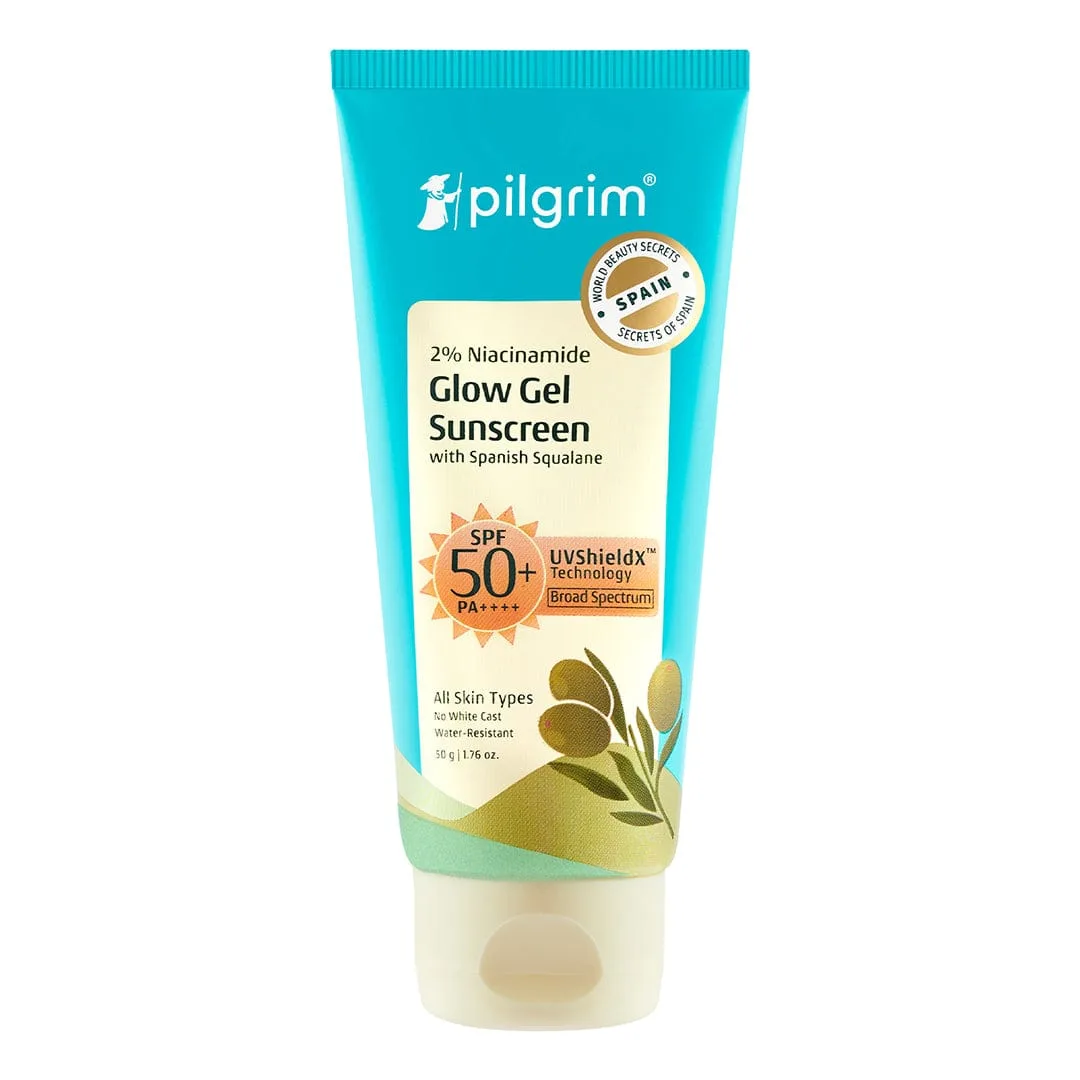
Coppertone Brightening combines standard US chemical filter quartet with niacinamide brightening focus. Distinguishes from the Hydrating variant through niacinamide concentration emphasis vs ceramide barrier focus.
Coppertone's Brightening UV Defense Face Sunscreen SPF 60 combines US chemical filter quartet with niacinamide brightening focus at $16.99 for 1.7oz. Modest brightening contribution alongside primary SPF protection. Less differentiating than the Hydrating variant's three-ceramide complex.
Newest-feeling of the Every Tone variants by review depth, this niacinamide-focused brightening SPF carries about 200 reviews since its 2024 debut. Coppertone's legacy and the formula's straightforward filter-plus-niacinamide build inform the score, while its actual tone-evening contribution — modest by design for a sunscreen — awaits more longitudinal user reports.
Verdicts
How well it fits each concern
Verdict by concern tap a concern for the case
Full protectionfor Sun DamageIn your profileYou chose · Broad-spectrum SPF 60 with avobenzone: the protection sun damage calls for.Moderate evidenceGentleNo reviews collected yet
The case for it
US Chemical Filter Quartet is a first-line active — approved, monograph-listed or named in current guidelines — for this concern.
It is present at an effective concentration, declared or high in the ingredient list.
The formula carries none of the triggers this concern is sensitive to.
Same rule for everyone. “Full protection” is the verdict on 2,288 of 45,024 concern verdicts across the catalog; rule P1 decided 2,232 of them.
Unchanged since September 5, 2026, engine 5.1.1.
P1 — Photoprotection standing is regulatory (M020 / Annex VI filters; 21 CFR 201.327 attaches the early-skin-aging claim to tested broad-spectrum SPF 15+). SPF 30 is the AAD daily-use bar. · the full register
Carrying active
US Chemical Filter Quartet
Standing
first line — a regulator recognises it for this use; trials support it · per 21 CFR § 352.10 Sunscreen active ingredients (US FDA — 21 CFR Part 352 (Sunscreen Drug Products for Over-the-Counter Human Use), via Cornell Legal Information Institute; part heading marked [STAYED INDEFINITELY], effective date stayed at 66 FR 67485), opened September 1, 2026
Form
adequate (declared 28%) — studied range up to 3%, from the OTC monograph or label; needs leave-on contact
Tolerability
gentle
Row checked
against its sources on September 1, 2026 (evidence table ev-2026.09-r228)
21 CFR § 352.10 Sunscreen active ingredients — US FDA — 21 CFR Part 352 (Sunscreen Drug Products for Over-the-Counter Human Use), via Cornell Legal Information Institute; part heading marked [STAYED INDEFINITELY], effective date stayed at 66 FR 67485, opened September 1, 2026
Full protectionfor HyperpigmentationIn your profileYou chose · Broad-spectrum SPF 60 with avobenzone: the protection hyperpigmentation calls for.Moderate evidenceGentleNo reviews collected yet
The case for it
Niacinamide has trial-supported standing for this concern.
It is plausibly present at a working level, though the concentration is not declared.
The formula carries none of the triggers this concern is sensitive to.
What would change this: A declared concentration would move this to a firmer reading of the dose.
Same rule for everyone. “Full protection” is the verdict on 2,288 of 45,024 concern verdicts across the catalog; rule P1 decided 2,232 of them.
Unchanged since September 5, 2026, engine 5.1.1.
P1 — Photoprotection standing is regulatory (M020 / Annex VI filters; 21 CFR 201.327 attaches the early-skin-aging claim to tested broad-spectrum SPF 15+). SPF 30 is the AAD daily-use bar. · the full register
Carrying active
Niacinamide
Standing
supported — trials support it
Form
plausible — studied range 2–5%, from the trials on the row; needs leave-on contact; judge it after ~8 weeks
Tolerability
gentle
Row checked
against its sources on July 17, 2026 (evidence table ev-2026.09-r228)
Promisingfor DullnessIn your profileYou chose · Hyaluronic Acid has trial-level evidence for dullness but no guideline or regulatory standing yet — promising, short of a recommendation; the other actives here are not yet assessed for it.Moderate evidenceGentleNo reviews collected yet
The case for it
Sodium Hyaluronate + Tocopheryl Acetate has trial-level evidence for this concern but no guideline or regulatory standing yet.
It is plausibly present at a working level, though the concentration is not declared.
The formula carries none of the triggers this concern is sensitive to.
What would change this: A declared concentration would move this to a firmer reading of the dose.
Same rule for everyone. “Promising” is the verdict on 7,858 of 45,024 concern verdicts across the catalog; rule R9p decided 7,858 of them.
Unchanged since September 5, 2026, engine 5.1.1.
R9p — 0.5.0: 'Unproven' beside three filled dots read as one question answered twice with opposite words (7,018 rows). The chip measures standing, the dots measure trial volume; where the row carries at least one RCT or a tier-2 source (moderate dots) and the active is present at a working level, the honest word is Promising. Unproven is reserved for plausible-standing rows with limited or weak evidence, or an under-dosed form. Same rank as Unproven — a bet either way; the dots order them. · the full register
Carrying active
Sodium Hyaluronate + Tocopheryl Acetate
Standing
plausible — trials support it
Form
plausible
Tolerability
gentle
Row checked
against its sources on July 17, 2026 (evidence table ev-2026.09-r228)
Full protectionfor Dark SpotsIn your profileYou chose · Broad-spectrum SPF 60 with avobenzone: the protection dark spots calls for.Moderate evidenceGentleNo reviews collected yet
The case for it
Niacinamide has early or mechanistic evidence for this concern, not trial-backed standing.
It is plausibly present at a working level, though the concentration is not declared.
The formula carries none of the triggers this concern is sensitive to.
What would change this: A declared concentration would move this to a firmer reading of the dose.
Same rule for everyone. “Full protection” is the verdict on 2,288 of 45,024 concern verdicts across the catalog; rule P1 decided 2,232 of them.
Unchanged since September 5, 2026, engine 5.1.1.
P1 — Photoprotection standing is regulatory (M020 / Annex VI filters; 21 CFR 201.327 attaches the early-skin-aging claim to tested broad-spectrum SPF 15+). SPF 30 is the AAD daily-use bar. · the full register
Carrying active
Niacinamide
Standing
plausible — trials support it
Form
plausible
Tolerability
gentle
Row checked
against its sources on July 17, 2026 (evidence table ev-2026.09-r228)
Does the jobDoes what a sunscreen is for: UVA coverage, kind to the skin wearing it. Not measured from the label: pleasant enough to actually use.
A verdict is DermApproved’s assessment of how well a product’s ingredients fit a concern — never a claim about what the product treats. Evidence dots and collected reviews sit beside it and are never blended in.
Rules 0.5.1 · evidence table ev-2026.09-r228 · how we decide
Assessment
Pros & Cons
Pros
✓ Niacinamide adds brightening beyond pure SPF
✓ SPF 60+ broad-spectrum protection
✓ Invisible finish
✓ Fragrance-free
✓ Fully vegan ingredients
✓ Drugstore accessibility
Cons
✗ Octocrylene limits Hawaii reef compliance
✗ Less differentiating active chemistry than Hydrating variant
Review
Full Review
The smartest place to hide a brightening active might be inside your sunscreen, because the single largest driver of dark spots and uneven tone is the UV exposure that sunscreen is already standing guard against. Coppertone's 2024 Brightening UV Defense leans directly into that logic, pairing a high-SPF base with niacinamide so the same daily step that prevents new pigment also nudges existing tone in the right direction. It's a genuinely sensible idea, and as the brightening entry in Coppertone's Every Tone line, it executes the concept with the dependable competence you'd expect from a legacy sun-care brand, even if it ends up being the less differentiated member of its own family.
Protection comes from the familiar US chemical filter quartet: avobenzone at 3%, homosalate at 10%, octisalate at 5%, and octocrylene at 10%, roughly 28% combined, delivering broad-spectrum SPF 60 for daily wear. That's a well-established, thoroughly understood system, and at SPF 60 it gives a generous protection ceiling that helpfully buffers the inevitable real-world under-application that plagues nearly everyone's sunscreen habits. The brightening angle rides entirely on niacinamide, included at a meaningful supporting concentration rather than a token sprinkle. Niacinamide is one of the better-evidenced tone-evening actives in all of skincare: it interferes with the transfer of pigment from melanocytes to the surface skin cells, supports the barrier, and helps moderate sebum, producing a gradual, cumulative brightening over consistent use. Sodium hyaluronate adds a hydration layer and tocopheryl acetate contributes antioxidant support, both well-established if unglamorous inclusions that quietly improve the wear. The picture is coherent and honest: solid protection plus a legitimate, if gentle, brightening lean that doesn't oversell itself.
Worn day to day it behaves like a modern chemical facial sunscreen should, a lightweight lotion that absorbs to an essentially invisible finish and sits cleanly under makeup without pilling or graying. The fragrance-free formula and, notably, its fungal-acne-safe status keep it accessible to sensitive and acne-prone skin, which is a meaningful advantage in a category where so many sunscreens trip up exactly those users with heavy oils or irritating extras. The standard sunscreen reality still governs the outcome, though, and it's worth repeating: it only delivers its rated SPF 60 if you apply a genuinely full layer and reapply through the day, and the niacinamide brightening only accrues with daily consistency, on the order of four to six weeks before you'd reasonably expect to notice tone changes. There are no shortcuts on either front.
The honest comparison worth making lives inside Coppertone's own lineup, and the cons name it directly. The supporting chemistry in this Brightening variant is relatively modest, niacinamide and not much else, where sibling versions in the range carry more elaborate frameworks such as a multi-ceramide barrier complex. So while this is a perfectly good sunscreen with a real, gentle brightening contribution, it's the version you choose specifically because you want the niacinamide focus rather than because it's the most feature-rich option on the shelf. Two smaller marks against it round out the picture: octocrylene places it outside Hawaii reef-compliance rules, and it isn't cruelty-free, both relevant only to buyers who actively weigh those factors but worth flagging for those who do.
Value is genuinely strong and the score reflects it. At under seventeen dollars for an SPF 60 facial sunscreen with a working brightening active and a fungal-acne-safe, fragrance-free profile, the drugstore accessibility is a real selling point rather than a consolation prize, the kind of price-to-function ratio that makes the daily reapplication you actually need painless on the wallet. Cheap enough to reapply generously is, in practice, better protection than expensive enough to ration.
There's a broader point worth making about why this format deserves consideration at all, beyond the specific niacinamide angle. The biggest practical failure in pigmentation care isn't choosing the wrong active; it's inconsistent sun protection that lets new spots form faster than any serum can fade old ones. A sunscreen that also carries a brightening ingredient quietly solves a compliance problem, because it gives someone a single, unmissable daily step that works on both prevention and correction at once. Even if the niacinamide here is doing relatively gentle work, the fact that it's riding along on a step you should already never skip means it's effectively free benefit, with no extra time, layering, or product to remember. That structural advantage is arguably more valuable than the modest potency of the active itself, and it's a large part of why dual-purpose daytime products like this make so much practical sense for real routines.
This suits someone with mild hyperpigmentation or general dullness who wants their everyday SPF to quietly contribute to a more even tone without adding a separate step, and it works across oily, dry, combination, and normal skin. On those terms it's a smart, affordable buy. If your tone concerns are significant, though, treat this as the protective base layer and pair it with a dedicated brightening serum that does the heavy lifting, and if you specifically want the most loaded version of Coppertone's facial SPF, one of the line's other variants will likely serve you better.
Formula
Key Ingredients
The hero actives that drive this product's performance.
Brightening-focused inclusion at meaningful concentration — provides barrier support, sebum modulation, and modest brightening for dark spot reduction over weeks.
Released 2024 as brightening-focused variant in Coppertone Every Tone line.
About Coppertone Legacy Brand (20+ years)
Coppertone Brightening UV Defense Face Sunscreen combines US chemical filter quartet with niacinamide-focused brightening chemistry — Every Tone line brightening variant for users with hyperpigmentation concerns.
Brand founded: 1944 · Product launched: 2024
Myth vs. Reality
Common Myths
Myth
Niacinamide in sunscreens provides significant pigmentation reduction.
Reality
Niacinamide at meaningful concentrations supports modest brightening over weeks but won't replace dedicated brightening serum treatment. The sunscreen format provides daily supportive brightening alongside primary UV protection.
FAQ
Frequently Asked Questions
Pregnancy considerations?
Chemical filters not specifically contraindicated but some users prefer mineral alternatives.
Reef-safe?
No — octocrylene limits Hawaii compliance.
How is this different from the Age variant?
Brightening focuses on niacinamide for pigmentation; Age focuses on bakuchiol for anti-aging signaling. Different focus.
Will it actually brighten?
Modest cumulative brightening from niacinamide over weeks; not a replacement for dedicated brightening serum treatment.
Does the Brightening UV Defense Face Sunscreen SPF 60 contain any animal-derived ingredients?
Yes.
Reapplication?
Every 2 hours of sun exposure.
Reviews
What Reviewers Tend to Say
Recurring themes our editors read across retailer reviews of this product — summaries in our words, not quotations, and not a substitute for your own patch test.
Common Praise
Niacinamide adds brightening beyond pure SPF
Invisible finish
SPF 60+ maximum protection
Drugstore accessibility
Common Complaints
Octocrylene limits reef compliance
Less differentiating active chemistry vs Hydrating variant with ceramides
It was invented to stop bleeding during surgery. In 2026 it's in dozens of brightening serums — and the evidence is better than most trend ingredients can claim.
The one home formulation with a genuinely coherent case, taken apart on its own terms: the pH window, the oxidation clock, and what a browning serum has actually become.
'Dark spots' bundles at least five distinct processes that sit at different depths, respond to different things, and have wildly different prognoses — one clears on its own, one relapses forever, and one will not move for any serum ever made.
Aug 6, 2026· 7 min
Questions people ask about Hyperpigmentation
Verified answers from our questions library — the nuance a product page cannot carry.
Products, answers, therapy guides, tools and articles in one search. Brand names,
slang and abbreviations all work — accutane finds isotretinoin, bacne finds truncal acne.