


Octocrylene and Homosalate: The Filters America Is Stuck With
The critics are right about the data gap, and they are right that it took two decades to move. What follows from that is not the conclusion most people draw.
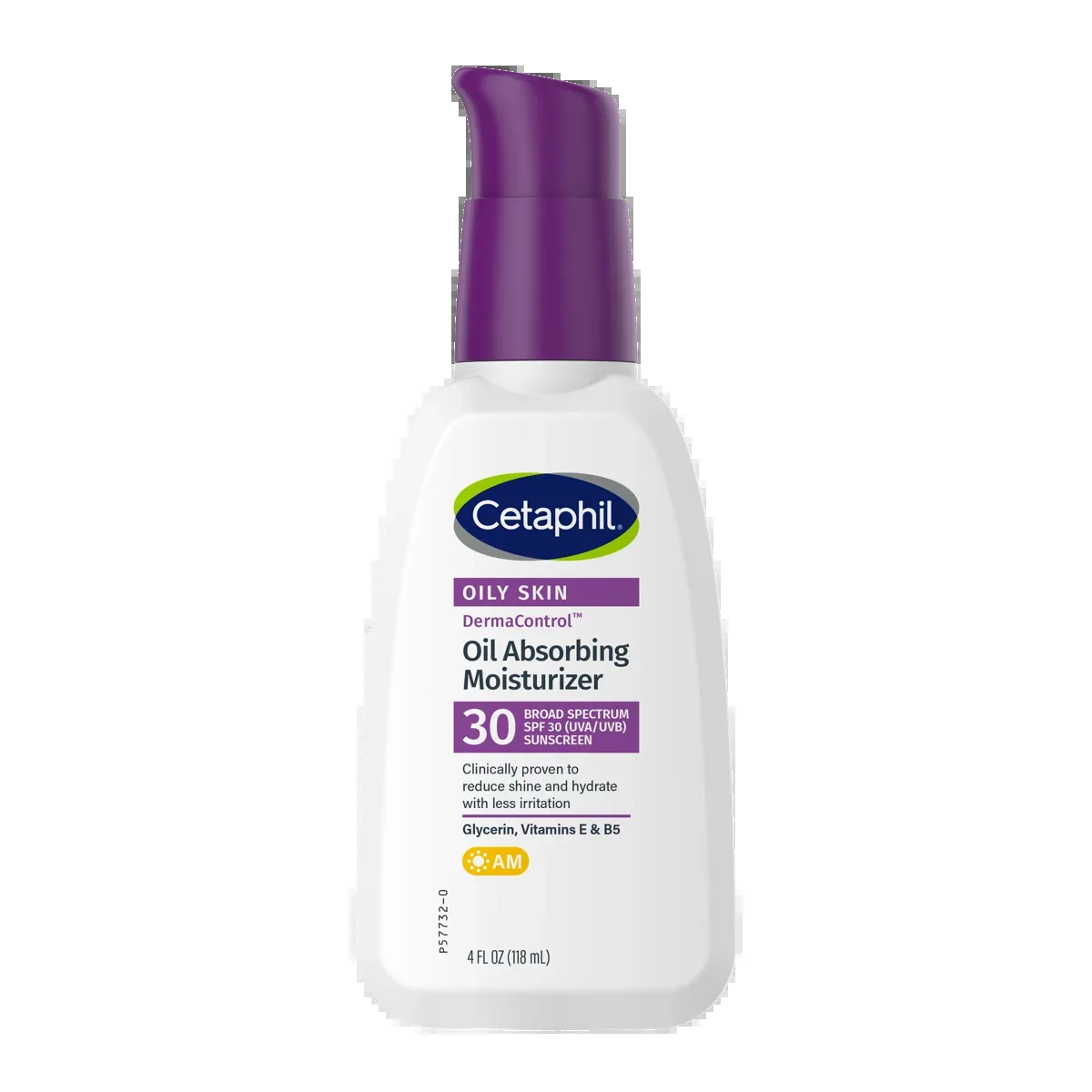
The first moisturizer-SPF specifically designed and clinically tested to work alongside prescription acne medications. Cetaphil's Oleosome technology encapsulates UV filters in lipid microspheres for more efficient delivery at lower concentrations, reducing the irritation risk that makes many sunscreens incompatible with prescription retinoids and benzoyl peroxide. The MicroPearl mattifying technology adds cosmetic elegance for oily skin that most medicated moisturizers lack.
The rare SPF moisturizer that genuinely understands acne-prone skin — designed by the same pharmaceutical company that makes prescription acne treatments. The Oleosome delivery system, ceramide barrier support, and MicroPearl mattifying technology create a morning-routine staple that protects, hydrates, and controls shine without aggravating breakouts.
The case for it
What would change this: A concentration inside the studied range would raise this a step.
Same rule for everyone. “Unproven” is the verdict on 1,111 of 45,024 concern verdicts across the catalog; rule R9 decided 1,111 of them. Unchanged since September 5, 2026, engine 5.1.1.
Brand or formulator? Disclose a concentration or correct a fact →
The studies behind the evidence row
The case for it
What would change this: A declared concentration would move this to a firmer reading of the dose.
Same rule for everyone. “Supporting role” is the verdict on 8,197 of 45,024 concern verdicts across the catalog; rule R8a decided 1,489 of them. Unchanged since September 5, 2026, engine 5.1.1.
Brand or formulator? Disclose a concentration or correct a fact →
The studies behind the evidence row
The case for it
Same rule for everyone. “Full protection” is the verdict on 2,288 of 45,024 concern verdicts across the catalog; rule P1 decided 2,232 of them. Unchanged since September 5, 2026, engine 5.1.1.
Brand or formulator? Disclose a concentration or correct a fact →
The studies behind the evidence row
Also listed for Large Pores — the actives here (Avobenzone, Ceramides, Zinc, Silica) are in our research queue for that concern; there is no verdict until their evidence rows are written. That is a gap in our table, not a mark against the product.
Does the jobDoes what a SPF moisturizer is for: UVA coverage, holds up in sunlight. Not measured from the label: wearable all day.
Where our review and the verdict differ. The review below was written on the formulation and the published trials; the verdicts above apply the stricter standing test in our methodology — an active earns a recommendation only with guideline or regulatory standing for the concern. Where the two disagree, the verdict is DermApproved’s position.
A verdict is DermApproved’s assessment of how well a product’s ingredients fit a concern — never a claim about what the product treats. Evidence dots and collected reviews sit beside it and are never blended in. Rules 0.5.1 · evidence table ev-2026.09-r228 · how we decide
There is a unique credibility that comes from being the company on both sides of the treatment plan. Galderma makes prescription acne medications. Galderma also makes this moisturizer. That is not a coincidence — it is a formulation strategy.
When the DermaControl line launched in March 2012, it was explicitly designed to solve a problem Galderma's own dermatologists saw every day: patients on prescription retinoids or benzoyl peroxide whose skin was simultaneously oily, sensitized, and unprotected from the sun. Most SPF moisturizers either aggravated the acne, irritated the treatment-sensitized barrier, or added a layer of grease that oily-skinned patients couldn't tolerate. Galderma built this product to be the moisturizer their own prescriptions needed as a partner.
The sunscreen architecture is where the pharmaceutical thinking shows most clearly. Avobenzone, octisalate, and octocrylene provide broad-spectrum SPF 30 protection, but they're delivered via Oleosome technology — lipid microspheres that encapsulate the UV filters. This encapsulation allows lower concentrations of the active filters while maintaining protection, which directly reduces the irritation potential on skin that's already inflamed from acne and sensitized from treatment. It is the kind of delivery innovation you get from a pharmaceutical company rather than a cosmetics company.
The MicroPearl technology addresses the cosmetic reality of oily skin. Polymethyl methacrylate and silica microspheres physically absorb surface sebum, creating a matte finish that lasts four to six hours. For anyone who has ever applied sunscreen in the morning and looked like a glazed doughnut by lunch, this mattifying effect is not trivial — it's the difference between using the product consistently and abandoning it in the cabinet. Aluminum starch octenylsuccinate joins them as a third oil-absorber, and the particles are shaped to sit on the surface rather than settle into pores, which is the failure mode of cruder powder mattifiers.
Ceramide NP earns particular attention in this formula's context. Prescription retinoids and benzoyl peroxide systematically disrupt the skin's lipid barrier as a side effect of their therapeutic action. The ceramide in this moisturizer directly replenishes what the prescription depletes, maintaining barrier integrity so the treatment can continue working without the dryness, flaking, and irritation that cause patients to quit their regimen. This is barrier diplomacy — keeping the peace between a harsh but necessary treatment and the skin that has to live with it.
Zinc gluconate provides a secondary anti-acne pathway through its documented ability to modulate sebum production and reduce inflammatory mediators. Glycyrrhetinic acid (from licorice root) contributes anti-inflammatory and soothing benefits. Panthenol supports barrier repair. Allantoin calms irritation. Diisopropyl sebacate keeps the avobenzone dissolved and stable, which is unglamorous but load-bearing. The supporting cast is assembled with the same deliberate logic as the leads.
On the skin, this moisturizer feels lightweight and almost watery compared to traditional SPF creams. It absorbs in under a minute and leaves a smooth, matte canvas that works well under makeup or on its own. The fragrance-free formula produces no detectable scent beyond a faint sunscreen note that dissipates quickly. There's no stinging even on freshly treated acne skin, which speaks to the Oleosome delivery system's gentleness. Give it two or three minutes before makeup and it behaves; skip that pause and foundation will drag.
It's worth dismantling the belief that keeps a lot of this product's target audience from ever buying it: that oily skin doesn't need moisturizer, and that sunscreen causes breakouts. Both are backwards. Skin stripped of its barrier lipids loses water faster, and losing water is one of the signals that prompts it to compensate with more oil — so skipping moisturizer often makes you shinier, not less. And while a heavy, occlusive sunscreen genuinely can clog pores, the treatments that clear acne also make skin markedly more photosensitive. For someone on a retinoid, sunscreen stops being a maintenance step and becomes part of the prescription.
The limitations are honest. This is an oil-free, mattifying formula — dry skin types will find it insufficient for hydration, especially in winter, and reviewers say as much every January. The chemical UV filters, while delivered at reduced irritation potential via Oleosome, still won't suit everyone who's reactive to avobenzone or octocrylene, and a handful of users on deeper skin tones report a faint cast. And the SPF 30 rating, while adequate for daily protection, may not satisfy those who prefer SPF 50 for extended outdoor exposure. Very oily skin sometimes wants more shine control than four hours' worth.
At approximately $15 for 4 oz, this is competitively priced for a specialized SPF moisturizer with patented delivery technology, and a bottle covers six to eight weeks of daily use. The Skin Cancer Foundation seal validates the sun protection. The clinical testing with prescription acne medications validates the compatibility claim. And Galderma's pharmaceutical heritage — Cetaphil dates to 1947 and has been a dermatology-office fixture for most of the intervening decades — means every formulation choice was made with a clinician's understanding of what treated skin actually needs. Layer it last in the morning, after your benzoyl peroxide has fully absorbed, and reapply on days the sun is genuinely on you.
For the oily, acne-prone, prescription-treated patient who needs sunscreen they'll actually wear every day — this is the product that was built specifically for you, by the people who best understand your skin's situation.
The hero actives that drive this product's performance.
| Ingredient | Function | Evidence |
|---|---|---|
| Avobenzone + Octisalate + Octocrylene (3% + 5% + 7%) | A chemical sunscreen trio delivered via Cetaphil's patented Oleosome technology — lipid microspheres that encapsulate the UV filters for more efficient delivery, allowing lower overall concentrations while maintaining SPF 30 broad-spectrum protection. This encapsulation approach is specifically designed to reduce the irritation potential of chemical filters on acne-prone skin that's already sensitized by prescription treatments. | Regulator-approved for Sun Damage · emerging certainty |
| MicroPearl Technology (Polymethyl Methacrylate + Silica) | Microscopic mattifying spheres that physically absorb excess sebum on the skin surface throughout the day, reducing shine without stripping the skin's lipid barrier. This addresses the cosmetic frustration of oily skin while the sunscreen handles UV protection — two jobs in one formula that reduces the number of products acne patients need to layer. | Not yet assessed |
| Ceramide NP | Replenishes the barrier lipid that prescription acne treatments like tretinoin and benzoyl peroxide actively deplete. In this formula, the ceramide serves a critical protective function — maintaining barrier integrity so acne medications can work without causing the dryness and irritation that make patients abandon their prescriptions. | Not yet assessed |
| Zinc Gluconate | Provides anti-inflammatory and sebum-regulating effects through zinc's well-documented ability to modulate 5-alpha reductase activity and reduce inflammatory cytokines. In an acne-focused moisturizer, zinc gluconate complements the prescription treatment by addressing oil production and inflammation from a different biochemical pathway. | Limited for Excess Oiliness |
Ingredient standings describe the active at treatment-level doses and vehicles; this product's own condition grades weigh its actual formula.
Active Ingredients: Avobenzone 3.0%, Octisalate 5.0%, Octocrylene 7.0%. Inactive Ingredients: Allantoin, Aluminum Starch Octenylsuccinate, Caprylyl Glycol, Carbomer, Ceramide NP, Diisopropyl Sebacate, Dimethicone, Dimethiconol, Disodium EDTA, Glycerin, Glycyrrhetinic Acid, Isopropyl Lauroyl Sarcosinate, Panthenol, Pentylene Glycol, Phenoxyethanol, Polymethyl Methacrylate, Polysorbate 61, Potassium Sorbate, Silica, Sodium Stearoyl Glutamate, Sucrose Tristearate, Tocopheryl Acetate, Triethanolamine, Water, Xanthan Gum, Zinc Gluconate
moisturizer
AM
Use as the last step in your morning routine after cleansing and any treatment serums. The mattifying finish means no additional primer is needed. Wait 2-3 minutes before applying makeup. Reapply sunscreen every 2 hours during prolonged sun exposure.
Immediate mattifying effect and oil absorption from first application. Sunscreen protection is immediate upon application. Visible shine reduction throughout the day. Barrier support benefits from ceramides build over 2-4 weeks of consistent use.
The Oleosome delivery system represents a significant advancement in sunscreen formulation for sensitive skin. Oleosomes are naturally occurring lipid bodies found in plant seeds that can be adapted to encapsulate active ingredients. When used to deliver UV filters, oleosomes create a more even distribution of sunscreen molecules across the skin surface, improving protection efficiency while requiring lower concentrations of the active chemical filters. This reduced-concentration approach directly addresses the dose-dependent irritation that chemical sunscreens cause on sensitized skin.
The ceramide rationale in this formula is supported by extensive research on prescription acne treatment side effects. A 2023 study published in the Journal of Cosmetic Dermatology demonstrated that ceramide-containing moisturizers significantly reduce the barrier disruption caused by retinoid therapy, decreasing transepidermal water loss, erythema, and scaling. For patients on prescription acne regimens, this ceramide supplementation can improve treatment adherence by reducing the side effects that cause patients to discontinue therapy.
Zinc's anti-acne properties have been documented in multiple clinical trials. A 2020 review in the Journal of Drugs in Dermatology noted that zinc (in various forms including gluconate) demonstrates anti-inflammatory properties by inhibiting the release of inflammatory mediators, and exhibits some antibacterial activity against Cutibacterium acnes. While topical zinc concentrations in cosmetic formulations are lower than those used in clinical trials, zinc gluconate in this formula contributes a complementary anti-acne pathway alongside prescription treatments.
The mattifying components — polymethyl methacrylate and silica — function through physical oil absorption. These microspheres trap sebum on the skin surface without occluding pores, a mechanism distinct from powder-based mattifiers that can settle into pores and contribute to comedone formation. The particle size and shape are engineered to maximize surface area for oil absorption while maintaining cosmetic elegance.
Dermatologists widely recommend this moisturizer for patients on prescription acne regimens who struggle to find a compatible daily SPF. Dermatology practitioners generally mention that sun protection is especially critical during retinoid and benzoyl peroxide therapy, as both treatments increase photosensitivity. The Oleosome delivery system's reduced irritation potential makes this one of the few chemical-filter sunscreens that clinicians feel comfortable recommending for sensitized, treatment-active skin. The Skin Cancer Foundation seal provides additional clinical validation that dermatologists cite when reassuring patients about daily SPF compliance.
Apply generously to the face as the final step in your morning skincare routine. If using prescription acne treatments in the morning (like benzoyl peroxide), apply the treatment first and allow it to absorb before applying this moisturizer. Wait 2-3 minutes before applying makeup. Reapply every 2 hours during extended outdoor sun exposure. Use daily even on cloudy days, as UV radiation penetrates clouds.
At approximately $15 for 4 oz, this SPF moisturizer delivers patented Oleosome delivery technology, ceramide barrier support, MicroPearl mattifying action, and Skin Cancer Foundation-endorsed SPF 30 at a drugstore price. Competing mattifying SPF moisturizers from prestige brands charge $30-50 for similar volumes without the clinical testing for acne-treatment compatibility. The 4 oz size lasts 6-8 weeks with daily facial application, putting the monthly cost around $8-10. For acne patients who need SPF they'll actually use, this is strong value backed by pharmaceutical-grade formulation science.
Anyone with oily or combination skin on prescription acne treatments who needs compatible daily sun protection. People who want a mattifying morning moisturizer that doubles as SPF. Acne-prone individuals who have given up on sunscreen because everything they've tried either broke them out or left them greasy.
Those with dry or sensitive skin who need richer hydration from their moisturizer. Anyone reactive to chemical UV filters (avobenzone, octocrylene) should choose a mineral sunscreen instead. People seeking SPF 50 or higher for extended outdoor activities.
Ready to try Cetaphil PRO Oil Absorbing Moisturizer SPF 30?
Buy at Amazon ♥Lightweight, fluid lotion with a slight silky feel from the mattifying microspheres. Thinner than a cream moisturizer, it spreads easily and absorbs quickly without leaving a greasy or heavy feeling.
Fragrance-free with minimal chemical-sunscreen scent
Squeeze bottle with flip-top cap. The 4 oz size is compact and travel-friendly. Controlled dispensing prevents waste.
Immediate mattifying effect — skin feels smooth and shine-free within seconds of application. No stinging even on acne-treated skin. The lightweight texture is a welcome change from heavier SPF moisturizers. Makeup applies smoothly over it. Oil control typically lasts 4-6 hours before a light blot is needed.
6-8 weeks with daily facial application
spring summer
Galderma launched the DermaControl line in March 2012 specifically to address a clinical gap: acne patients on prescription treatments who needed sun protection and moisturizing but found most SPF products either broke them out, irritated their sensitized skin, or added unwanted shine. As the same company that makes prescription acne treatments, Galderma had unique insight into what their patients' skin needed from an OTC moisturizer.
Cetaphil was created in 1947 and has been a dermatologist staple for over 75 years. The DermaControl line was the first skincare range specifically designed to work alongside prescription acne medications, developed by Galderma's pharmaceutical dermatology team.
People with oily, acne-prone skin don't need moisturizer
Acne-prone skin, especially when treated with prescription retinoids or benzoyl peroxide, often has a compromised moisture barrier. Skipping moisturizer leads to increased transepidermal water loss, which triggers compensatory sebum production and worsens both dryness and oiliness. A lightweight, oil-free moisturizer with ceramides actually helps break this cycle.
Sunscreen makes acne worse
Heavy, occlusive sunscreens can clog pores, but non-comedogenic formulas like this one are clinically tested to be compatible with acne-prone skin. More importantly, many acne treatments increase photosensitivity, making sunscreen essential — not optional — for acne patients.
Yes — this product was specifically designed and clinically tested for compatibility with common prescription acne treatments including tretinoin and benzoyl peroxide. It provides the moisturizing and sun protection that acne-treated skin needs without interfering with your prescription's efficacy.
Most users experience 4-6 hours of significant oil control before a light blot may be needed. The MicroPearl technology absorbs surface oil throughout the day. For very oily skin, reapplication of a translucent powder at midday can extend the matte look.
Yes — the formula is non-comedogenic, oil-free, and fragrance-free. It's specifically formulated to avoid clogging pores on acne-prone skin and has been clinically tested for tolerability on skin undergoing acne treatment.
This formula uses chemical UV filters (avobenzone, octisalate, octocrylene) rather than mineral filters, so white cast is minimal compared to zinc oxide-based sunscreens. However, some users with deeper skin tones report a slight cast. The MicroPearl technology can contribute a subtle mattifying sheen.
Yes — this is an all-in-one morning product combining moisturizer, SPF protection, and oil control. The ceramide NP and glycerin provide adequate hydration for oily and combination skin. Those with very dry skin may need an additional hydrating serum underneath.
Recurring themes our editors read across retailer reviews of this product — summaries in our words, not quotations, and not a substitute for your own patch test.
Excellent mattifying effect controls shine all day
Works well under makeup without pilling
Lightweight and non-greasy
Compatible with prescription acne treatments
Good SPF protection for daily wear
Oil control could be stronger for very oily skin
Chemical sunscreen filters may irritate very sensitive skin
Can feel slightly drying in winter months
White cast possible on deeper skin tones
Verified answers from our questions library — the nuance a product page cannot carry.