



Shea Butter Is Doing a Different Job Than You Think
It is sold as deeply nourishing. What it measurably does is seal — and the difference decides whether you should apply it to damp skin or not at all.
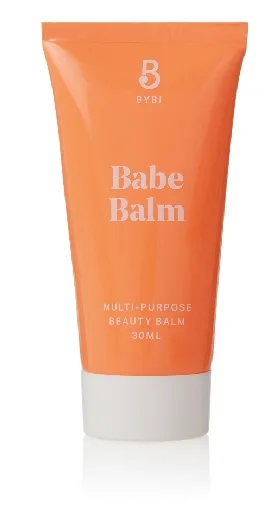
It's a genuinely multipurpose, fully vegan rescue balm — using berry wax instead of beeswax — that blends shea and varied plant oils with an antioxidant CoQ10 and Brazilian pequi for a sensorial, naturally peach-tinted salve. The head-to-toe versatility and clean, animal-free formulation are its real distinguishing features.
A genuinely pleasant, fully vegan multipurpose rescue balm that softens and protects dry, chapped skin head to toe, with a warm tropical scent and a nice antioxidant CoQ10-and-pequi accent. It's a lovely targeted salve — just understand it's an occlusive with no humectants, so it seals moisture rather than providing it, and the natural fragrance and coconut oil narrow its audience.
Confidence is moderate: the balm has a good base of user reviews and its emollient ingredients are well understood, but it contains no high-dose actives, so the assessment focuses on its reliable occlusive, skin-softening role rather than measurable treatment outcomes. Individual responses to its natural fragrance vary, so tolerance may differ from the average reviewer's.
The case for it
Same rule for everyone. “Good choice” is the verdict on 9,564 of 45,024 concern verdicts across the catalog; rule R5 decided 9,072 of them. Unchanged since September 5, 2026, engine 5.1.1.
Brand or formulator? Disclose a concentration or correct a fact →
The studies behind the evidence row
The case for it
What would change this: A researched evidence row for the lead active would replace this with a verdict.
Same rule for everyone. “Supporting role” is the verdict on 8,197 of 45,024 concern verdicts across the catalog; rule R8 decided 4,250 of them. Unchanged since September 5, 2026, engine 5.1.1.
Brand or formulator? Disclose a concentration or correct a fact →
The case for it
What would change this: A researched evidence row for the lead active would replace this with a verdict.
Same rule for everyone. “Supporting role” is the verdict on 8,197 of 45,024 concern verdicts across the catalog; rule R8 decided 4,250 of them. Unchanged since September 5, 2026, engine 5.1.1.
Brand or formulator? Disclose a concentration or correct a fact →
The case for it
What would change this: A declared concentration would move this to a firmer reading of the dose.
Same rule for everyone. “Supporting role” is the verdict on 8,197 of 45,024 concern verdicts across the catalog; rule R8a decided 1,489 of them. Unchanged since September 5, 2026, engine 5.1.1.
Brand or formulator? Disclose a concentration or correct a fact →
The studies behind the evidence row
Falls shortJudged as a moisturizer, it comes up short on: draws in water, supplies barrier lipids.
A verdict is DermApproved’s assessment of how well a product’s ingredients fit a concern — never a claim about what the product treats. Evidence dots and collected reviews sit beside it and are never blended in. Rules 0.5.1 · evidence table ev-2026.09-r228 · how we decide
The multipurpose balm is one of skincare's most useful and most misunderstood categories. People reach for a jar like BYBI's Babe Balm expecting deep hydration, and then feel let down when their skin still tightens. The confusion is understandable, but it is a category error: a balm like this is an occlusive — its job is to soften, protect and seal in moisture, not to supply it. Judge the Babe Balm as a vegan rescue salve and it is a genuinely lovely product. Judge it as a moisturiser and you will be frustrated. So let's be clear about which one it is.
The formula is a well-composed plant-oil affair. Shea butter forms the rich base, lightened by olive squalane so it is not purely heavy, with camellia, sunflower, coconut, hibiscus and Brazilian pequi oils rounding out the emollient blend. Calendula adds a soothing nod, CoQ10 and vitamin E provide antioxidant support, and the whole thing arrives tinted peach by sweet potato extract and scented tropical by monoi, vanilla and pequi. The wax is the genuinely distinguishing choice: BYBI uses a berry-derived cera rather than the beeswax that anchors most balms in this category, which makes the jar fully vegan without sacrificing the structure that lets a balm hold its shape and then melt on contact.
Used as intended, it is a pleasure. Scoop a little, warm it between the fingers, and it turns from a firm peach solid into a slick conditioning oil you can press onto lips, cuticles, elbows, shins, or whichever patch of you is currently peeling. Smoothed over face, neck and chest overnight, it leaves skin cushioned and comfortable by morning. For winter dryness, post-shower legs, or that one chronically chapped spot that never quite resolves, it is exactly the sort of do-everything jar that earns permanent residence in a bag. The CoQ10 and pequi give it a little antioxidant credibility beyond raw emolliency — though in a heavy occlusive base their delivery is modest, so treat them as a nourishing accent rather than an active treatment.
And here is the crucial usage point, the one nearly every disappointed review is actually tripping over: there are no humectants in this balm. No glycerin, no hyaluronic acid, nothing whatsoever that attracts water into skin. That is not a flaw so much as a property of what an occlusive *is* — but it means the balm performs best layered over a hydrating serum or moisturiser, where it can seal that water in. Apply it to bare, dehydrated skin expecting relief and it will soften the surface while leaving the underlying thirst entirely unaddressed. Apply it as the final step over a humectant and it shines. That single habit is the whole difference between loving this jar and resenting it, and it is worth learning once.
The remaining caveats are about fit. The balm is rich and contains coconut oil, which makes it a dry-to-normal-skin and targeted-rescue product rather than something oily skin should apply liberally — and it is not fungal-acne safe, which matters a great deal to anyone managing that. Then there is the scent. There is no synthetic fragrance here, which the clean-beauty audience will rightly appreciate, but monoi, vanilla and pequi produce a pronounced natural tropical aroma that is very much present in the room. Most people find it gorgeous. Anyone genuinely reactive to botanical aromatics should patch test first, because 'natural' and 'non-irritating' are not synonyms, and a plant-derived sensitiser will irritate reactive skin exactly as efficiently as a synthetic one.
A small practical note on the packaging: it is a screw-top jar you dig into with your fingers, which is tactile and satisfying and slightly less hygienic than a tube. Warm what you need, close it properly, and keep it out of a steamy bathroom, since a formula this reliant on unstabilised plant oils will not thank you for heat and light.
On value, twenty-four dollars for 30ml is fair rather than a bargain, and real-world cost is softened by how little you actually use — a small scoop melts to cover a lot, and targeted application stretches a jar across months. What the premium buys is the vegan berry-wax formulation, the sensorial scent and the antioxidant extras, not clinical actives. Purely on protection-per-dollar, a plain tub of petrolatum or an unscented shea balm will seal dry skin just as effectively for a fraction of the price. It simply will not be an experience, and for a lot of buyers the experience is a legitimate part of the purchase.
There is no real hype to deconstruct here, which is refreshing — BYBI is upfront about what this is, and the formula matches the claims almost line for line. The only myth worth puncturing is the one the entire category invites: that a rich balm equals deep hydration. It does not, and the brand's own best practice is to pair it with a humectant.
What you have, then, is a warm, effective, nicely-made little jar that does its sealing job well and smells wonderful doing it, with a review base of several hundred saying much the same. Layer it over hydration, keep it to dry skin and targeted areas, patch test if fragrance is a question mark. Oily, acne-prone or fungal-acne-prone skin should pass, and anyone expecting a standalone moisturiser should reset before they buy — but in the rescue role it was built for, this is an easy thing to recommend.
The hero actives that drive this product's performance.
| Ingredient | Function | Evidence |
|---|---|---|
| Butyrospermum Parkii (Shea) Butter | Shea butter is the base and bulk of the balm, the rich emollient that makes it a head-to-toe dry-skin salve. It softens and conditions while forming a protective layer, doing the heavy lifting on the chapped, flaky areas this balm targets. | Established mechanism for Dryness · established mechanism |
| Squalane (Olive) | Olive squalane lightens and refines the texture of the butter-and-wax base, a skin-identical emollient that absorbs more readily than the heavier oils and helps the balm spread without feeling purely greasy. It also supports the barrier alongside the shea. | Established mechanism for Dryness · established mechanism |
| Ubiquinone (Coenzyme Q10) | CoQ10 is the balm's marketed hero, an antioxidant that helps neutralise free radicals and is associated with supporting skin energy and resilience. In an occlusive balm its delivery is modest, so it's a nourishing antioxidant accent rather than a high-dose active treatment. | Not yet assessed |
| Calendula Officinalis Flower Extract | Calendula brings a traditional soothing, calming reputation, suiting the balm's role as a repairing salve for irritated, chapped skin. It complements the emollients by aiming to comfort rather than treat, in keeping with the gentle, multipurpose positioning. | Not yet assessed |
| Caryocar Coriaceum (Pequi) Fruit Oil | Pequi, a Brazilian fruit oil rich in carotenoids and fatty acids, adds antioxidant nourishment and the balm's distinctive warm, tropical scent. It rounds out a varied plant-oil blend that gives the balm its sensorial, natural character. | Not yet assessed |
Ingredient standings describe the active at treatment-level doses and vehicles; this product's own condition grades weigh its actual formula.
Butyrospermum Parkii (Shea) Butter, Rhus Verniciflua Peel (Berry) Cera, Squalane (Olive), Camellia Oleifera (Camellia) Seed Oil, Helianthus Annuus (Sunflower) Seed Oil, Cocos Nucifera (Coconut) Oil, Caryocar Coriaceum (Pequi) Fruit Oil, Calendula Officinalis Flower Extract, Gardenia Taitensis (Monoi) Flower Extract, Vanilla Planifolia (Vanilla) Fruit Extract, Hibiscus Sabdariffa (Hibiscus) Seed Oil, Tocopherol (Vitamin E), Ubiquinone (Coenzyme Q10), Distarch Phosphate (Sweet Potato Extract), Anthocyanins (Sweet Potato Extract), Citric (Fruit) Acid
occlusive
AM & PM
Use as the final occlusive step to seal in a humectant serum or moisturiser — because it has no humectants of its own, applying it over a hydrating layer is key. Dab on dry patches, lips, cuticles or as a night mask on the face, neck and chest. Warm a small amount first so it melts and spreads thinly.
Immediate: dry, chapped or flaky areas feel softer, more comfortable and protected from the first use, with relief building over a day or two. As an emollient salve it maintains comfort with ongoing use, but there's no active-driven transformation to wait for — its value is rescue and protection, not correction.
The Babe Balm is fundamentally an occlusive-emollient system, and its mechanism is well understood. Shea butter, coconut, camellia, sunflower and pequi oils, plus the berry-derived wax, supply a blend of fatty acids and a film-forming matrix that soften the skin surface and reduce transepidermal water loss — the basis of its rescue-balm performance on chapped, flaky areas. Olive squalane, a skin-identical lipid, refines the texture and improves spreadability. The formulation-relevant gap, and the source of much user confusion, is the complete absence of humectants: without glycerin, hyaluronic acid or similar water-binding agents, the balm cannot draw moisture into the skin, only retain what's already there, which is why dermatological best practice is to layer it over a humectant. The antioxidant additions — ubiquinone (CoQ10), tocopherol and pequi's carotenoids — have plausible free-radical-scavenging roles, but their concentration and penetration from a heavy occlusive base are limited, so they function as nourishing accents rather than dose-dependent actives; CoQ10's topical anti-aging evidence is promising but modest. Calendula has a traditional soothing reputation with limited rigorous clinical backing. The botanical extracts (monoi, vanilla, pequi) provide the natural scent, which, while free of synthetic fragrance, still represents a potential sensitiser for reactive skin — 'fragrance-free' and 'naturally fragranced' are not the same. Coconut oil contributes emolliency but is comparatively comedogenic and, with the other fatty ingredients, renders the balm unsuitable for those avoiding Malassezia-feeding lipids.
Dermatologists view occlusive emollient balms as effective tools for protecting and repairing dry, chapped or compromised skin, and would recognise the Babe Balm as a competent example of the type. The key clinical point they consistently make is that occlusives work best layered over a humectant — applied to seal in water rather than to provide it — which directly addresses the most common disappointment with rich balms used alone. Clinicians generally consider such balms well suited to dry and barrier-stressed skin and too heavy for oily or acne-prone skin, and would flag the coconut oil as relatively comedogenic. On fragrance, dermatologists tend to caution that botanical scent components, despite being 'natural,' can still provoke contact reactions in sensitive individuals, and would suggest patch testing for those prone to irritation. The antioxidant extras like CoQ10 would be regarded as pleasant but minor in this format. For pregnancy and general use, a fragrance-tolerant individual would find this a low-risk emollient.
Warm a small amount between your fingertips until it melts, then press it onto dry, chapped or flaky areas — lips, cuticles, elbows, knees or any rough patch — or smooth a thin layer over the face, neck and chest as an overnight treatment. Crucially, apply it as the final step over a humectant serum or moisturiser so it seals that hydration in, since the balm itself contains no water-binding ingredients. Use as needed; a little goes a long way. Patch test first if you're sensitive to natural fragrance.
At around $24 for 30ml, the Babe Balm is fairly priced for a clean, vegan, multipurpose balm, and its real-world cost is softened by the fact that a small amount melts to cover a lot and it's typically used on targeted dry areas, so a jar lasts a good while. The premium reflects the vegan berry-wax formulation, the sensorial natural scent and the antioxidant extras rather than clinical actives. Purely on function, a basic occlusive like petrolatum or an unscented shea balm would protect dry skin for a fraction of the price, so the value proposition rests on whether you want the clean, vegan, pleasant-to-use experience. For fans of plant-based, sensorial skincare it's a reasonable spend; for pure protection-per-dollar it's beaten by plainer options.
This suits dry, normal or barrier-stressed skin wanting a versatile, vegan rescue balm for chapped lips, dry patches and overnight nourishment, especially fans of clean, plant-based, naturally-scented products. It's a handy multitasker for winter dryness and targeted dry areas head to toe.
Skip it if your skin is oily or acne-prone, or if you're managing fungal acne, since it's rich and contains coconut oil. Those sensitive to botanical fragrance should be cautious, and anyone expecting a standalone hydrating moisturiser — or wanting maximum protection per dollar — will be better served by a humectant moisturiser or a plain occlusive.
Ready to try BYBI Babe Balm?
Buy at Amazon ♥A thick, rich balm with a peachy tint that melts on contact with skin warmth into a slick, conditioning oil; firm in the jar, spreadable once warmed.
A warm, tropical natural aroma from monoi, vanilla and pequi oil — pronounced and a defining part of the experience, with no synthetic fragrance added.
A peach-toned balm in a screw-top jar you scoop from; tactile but less hygienic than a tube or stick.
On first use, dry and chapped areas feel instantly cushioned and protected, and the tropical scent is immediately noticeable. The peachy hue comes from sweet potato extract and doesn't tint skin. No sting; those sensitive to natural fragrance should patch test.
Several months as a targeted balm, since a little melts to cover dry patches; less if used as an all-over night mask.
fall winter
The Babe Balm is one of BYBI's early hero products, embodying the brand's vegan, plant-forward philosophy in a do-everything salve. It swaps beeswax for berry-derived wax to keep the formula animal-free, and leans on Brazilian pequi oil and sweet potato extract for its signature scent and peachy colour.
BYBI, founded in 2017 by Elsie Rutterford and Dominika Minarovic, is a UK vegan clean-beauty brand known for transparent, plant-based formulas. The Babe Balm is one of its hero multipurpose products; its appeal is natural emollient richness and a CoQ10 antioxidant rather than clinically validated actives.
A rich balm like this deeply hydrates dry skin on its own.
The Babe Balm is an occlusive emollient — it softens and seals — but it contains no humectants to draw water into the skin. For real hydration, apply it over a humectant serum or moisturiser so it locks that moisture in rather than working alone.
The peachy colour will tint or stain my skin or lips.
The peach hue comes from natural sweet potato extract and is purely cosmetic in the jar; it melts in clear and doesn't impart colour to the skin. It's a balm, not a tinted product.
It's a multipurpose rescue balm for dry, chapped or flaky skin head to toe — lips, cuticles, elbows, dry patches — and works as an overnight treatment for the face, neck and chest. It softens and seals, so it's best applied over a hydrating layer rather than as a standalone moisturiser.
It's an occlusive emollient that softens and reduces moisture loss, but it has no humectants to attract water into the skin. For genuine hydration, layer it over a glycerin- or hyaluronic-acid-based serum or moisturiser so it locks that water in.
Yes — it's fully vegan and cruelty-free, using berry-derived wax (Rhus verniciflua) in place of beeswax. It fits BYBI's plant-based, clean-beauty ethos and contains no animal-derived ingredients.
It's quite rich and contains coconut oil, so it's best for dry to normal skin and targeted dry areas rather than all-over use on oily skin. It isn't fungal-acne safe, so those managing fungal acne or active breakouts should use it cautiously or avoid it.
No. While it contains no synthetic fragrance, the monoi, vanilla and pequi extracts give it a pronounced natural tropical scent. Most people enjoy it, but anyone sensitive to botanical aromatics should patch test before regular use.
The peachy tint comes from natural sweet potato extract (anthocyanins), not added dye. It's purely cosmetic in the jar — the balm melts in clear and won't tint or stain your skin or lips.
Recurring themes our editors read across retailer reviews of this product — summaries in our words, not quotations, and not a substitute for your own patch test.
Multipurpose rescue for dry patches and lips
Rich, comforting and softening
Lovely warm tropical scent
Vegan with a clean ingredient list
Natural scent too strong for some
No humectants, so needs layering
Too heavy and greasy for oily skin
Contains coconut oil
Verified answers from our questions library — the nuance a product page cannot carry.