




Industry & Trends News
Skin Flooding and the Great Barrier Obsession of 2026
Half a genuine correction to the acid-everything era, half a new excuse to sell you five products where two would do.
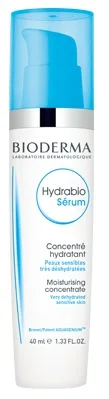
Most hydrating serums are essentially carriers for hyaluronic acid plus a few supporting humectants. Bioderma's Aquagenium serum adds the apple-seed-and-rapeseed-sterols aquaporin-targeting mechanism that the matching Hydrabio Cream relies on, but in a serum vehicle that reaches the keratinocyte layer where the actual aquaporin work happens. The penetration profile of a serum makes the Aquagenium positioning more credible here than in the cream.
A genuinely useful dehydration-targeting serum that complements rather than duplicates the matching Hydrabio Cream. The Aquagenium complex makes more pharmacological sense in serum form, where the actives can reach the keratinocyte layer where aquaporin work happens. Small volume and fragrance inclusion keep it from a higher score.
The case for it
Same rule for everyone. “Good choice” is the verdict on 9,564 of 45,024 concern verdicts across the catalog; rule R5 decided 9,072 of them. Unchanged since September 5, 2026, engine 5.1.1.
Brand or formulator? Disclose a concentration or correct a fact →
The studies behind the evidence row
The case for it
What would change this: Guideline or regulatory standing for the active on this concern would move this from a promising bet to a recommendation.
Same rule for everyone. “Promising” is the verdict on 7,858 of 45,024 concern verdicts across the catalog; rule R9p decided 7,858 of them. Unchanged since September 5, 2026, engine 5.1.1.
Brand or formulator? Disclose a concentration or correct a fact →
The studies behind the evidence row
The case for it
What would change this: Removing the trigger named above would let the actives be judged on their own.
Same rule for everyone. “Avoid” is the verdict on 1,909 of 45,024 concern verdicts across the catalog; rule R1 decided 1,304 of them. Unchanged since September 5, 2026, engine 5.1.1.
Brand or formulator? Disclose a concentration or correct a fact →
The studies behind the evidence row
Also listed for Winter Skin — the actives here (Glycerin, Hyaluronic Acid, Niacinamide, Algae Extract) are in our research queue for that concern; there is no verdict until their evidence rows are written. That is a gap in our table, not a mark against the product.
Where our review and the verdict differ. The review below was written on the formulation and the published trials; the verdicts above apply the stricter standing test in our methodology — an active earns a recommendation only with guideline or regulatory standing for the concern. Where the two disagree, the verdict is DermApproved’s position.
A verdict is DermApproved’s assessment of how well a product’s ingredients fit a concern — never a claim about what the product treats. Evidence dots and collected reviews sit beside it and are never blended in. Rules 0.5.1 · evidence table ev-2026.09-r228 · how we decide
The hydrating-serum category is among the most commodified in skincare. The vast majority of products marketed as 'hydrating serums' are essentially the same template — a water-based vehicle, hyaluronic acid at varying molecular weights, glycerin, a botanical extract or two for the marketing photo, and a preservative system. The differences between a fifteen-dollar drugstore HA serum and a sixty-dollar prestige version are largely about marketing, packaging, and the brand's perceived authority. The actual ingredient lists rarely justify the price gap.
This is the context in which the Bioderma Hydrabio Serum, launched around 2010 as a complement to the existing Hydrabio Cream, becomes interesting. The serum is not simply 'the cream in a thinner texture.' It's a formula built around the same Aquagenium complex — apple seed extract, rapeseed sterols, and mannitol — but delivered in a serum vehicle that allows the actives to penetrate slightly deeper than the cream's emollient base would. The serum reaches the upper keratinocyte layer where aquaporin expression actually happens, which is the part of the skin biology the Aquagenium is designed to influence.
Aquaporins, for the unfamiliar, are cellular water-channel proteins that determine how well skin cells hold and traffic water at the membrane level. AQP3 is the dominant skin aquaporin, and its expression declines with chronic environmental stress, aging, and — relevant for this product — chronic dehydration. The aquaporin biology underlies why some people drink adequate water and apply moisturizer and still feel tight, dull, and reactive: the surface humectant layer is fine, but the cells themselves aren't holding the water effectively. The Aquagenium complex is Bioderma's attempt to address this specific subset of dehydration scenarios at the cellular mechanism.
Whether this mechanism delivers in practice is the question. The evidence base is less mature than for the centella complex in the Cicabio line — most of the Aquagenium research is industry-sponsored, and the magnitude of effect is modest. But the mechanism is biologically coherent, the formulation reflects intentional design, and the line has eighteen years of clinical use behind it. For the right patient population — chronically dehydrated skin that doesn't respond to standard HA serums — the Aquagenium positioning is worth taking seriously.
The serum's supporting cast is sound. Glycerin sits high on the INCI doing immediate surface humectant work. Xylitol (third on the list) adds polyol-based hydration and pairs with the mannitol later in the formula as the D.A.F.-style barrier supporter Bioderma uses across multiple lines. Niacinamide appears at meaningful concentration, contributing the reduced-TEWL and ceramide-synthesis effects that are well-documented in the dermatology literature. Sodium hyaluronate adds medium-molecular-weight HA for surface hydration. Laminaria ochroleuca (brown algae) extract contributes anti-inflammatory activity that addresses the low-grade inflammatory baseline characteristic of reactive dehydrated skin.
The texture is the kind of formulation choice that distinguishes Bioderma's clinical heritage from prestige cosmetic-house alternatives. The serum is light, slightly gel-like from the sodium polyacrylate, and absorbs in seconds without the tackiness that some HA serums leave on the skin. The silicone elastomer base (cyclopentasiloxane, PEG/PPG-18/18 dimethicone) provides the slip that lets the serum spread evenly and dry down to a satin finish that doesn't interfere with subsequent moisturizer or sunscreen layers. For users who layer multiple actives in their AM routine, this non-interfering texture matters more than the marketing copy usually communicates.
The fragrance is the formula's main demerit. It's a light, fresh, recognizably Bioderma scent included for the sensory experience that drives patient compliance. For most users this is fine; for the fragrance-reactive subset, it's a real consideration. Bioderma's Sensibio Defensive Light is the fragrance-free alternative within the brand's catalog. The Hydrabio Serum specifically assumes you tolerate light fragrance.
In use, the formula delivers immediate plumping and softening on application — the kind of immediate-sensory feedback that signals a well-formulated humectant blend at work. The Aquagenium accumulation effects show up later, around the four-to-six-week mark, when users typically notice that their skin tolerates active ingredients better in subsequent routines. The serum becomes most valuable when layered into a routine that includes retinoids or vitamin C — its hydration buffer reduces the irritation potential of those actives, particularly during the first few months of retinoid use.
The direct competition is the broader prestige hydrating-serum category — Vichy Mineral 89, La Roche-Posay Hyalu B5 Serum, SkinCeuticals Hydrating B5 Gel. Each has its own formulation philosophy. Vichy Mineral 89 is humectant-focused with mineralizing thermal water. La Roche-Posay Hyalu B5 stacks multiple HA molecular weights with panthenol. SkinCeuticals Hydrating B5 is a pure humectant-and-pantothenic-acid serum. The Bioderma differentiator is the Aquagenium aquaporin positioning — none of the competitors target this specific mechanism. For users who care about formulation specificity rather than brand prestige, this differentiation is meaningful.
There are honest limitations. The 40 ml size is small for the thirty-dollar price tag, particularly compared to La Roche-Posay Hyalu B5 at fifty milliliters for a similar price. The per-milliliter math doesn't favor Bioderma here, though the formula sophistication arguably justifies the premium. The fragrance and the silicone-elastomer base disqualify silicone-avoidant and fragrance-reactive users. The polysorbate and caprylic/capric triglyceride mean the formula isn't fungal-acne safe, which matters for the minority of users actively managing Malassezia folliculitis.
Who should buy this? Users with chronically dehydrated skin — particularly oily, combination, or normal types — who've tried standard HA serums and found they don't fully resolve the tight, dull, reactive baseline. Especially valuable when paired with the matching Hydrabio Cream for the full brand routine. Less ideal as a standalone purchase if you're already getting good results from a cheaper hydrating serum; the Aquagenium positioning is meaningful but not transformative.
Like most Bioderma products, the Hydrabio Serum earned its position slowly — through pharmacist recommendations and patient retention. The formulation is intentional, the mechanism is coherent, and the brand backing is strong. For dehydrated skin specifically, this remains one of the few hydrating serums that distinguishes itself meaningfully from the broader category template. That's not nothing in a market saturated with same-template products competing on packaging design.
The hero actives that drive this product's performance.
| Ingredient | Function | Evidence |
|---|---|---|
| Aquagenium Complex (Apple Seed Extract + Rapeseed Sterols + Mannitol) | Bioderma's patented complex designed to support aquaporin expression — the cellular water-channel proteins that determine how well skin holds water at the membrane level. In serum form the actives penetrate slightly deeper than the matching cream and reach the keratinocyte layer where aquaporin work happens. | Not yet assessed |
| Niacinamide | Reduces transepidermal water loss and supports ceramide synthesis from underneath the moisturizing layer of the routine. In a Hydrabio Serum specifically, niacinamide pairs with the Aquagenium to address dehydration at both the cellular (aquaporins) and structural (ceramide barrier) levels. | Established mechanism for Compromised Skin Barrier · established mechanism |
| Glycerin | Second on the INCI — doing the immediate surface humectant work that gives the serum its plumping effect on application. Combines with xylitol (third on INCI) and sodium hyaluronate further down to deliver three different humectant mechanisms in one product. | Established mechanism for Dehydration · established mechanism |
| Sodium Hyaluronate | Provides medium-molecular-weight hyaluronic acid for surface hydration. In a serum vehicle where the carrier is mostly water and humectants, sodium hyaluronate's role is to slow water loss from the upper stratum corneum while the rest of the routine layers on top. | Established mechanism for Dehydration · established mechanism |
| Laminaria Ochroleuca Extract | Brown algae extract documented for anti-inflammatory activity. Pairs with the niacinamide here to multitarget the inflammatory component of dehydration — reactive, tight, dull skin tends to involve a low-grade inflammatory baseline, and laminaria addresses that pathway directly. | Not yet assessed |
Ingredient standings describe the active at treatment-level doses and vehicles; this product's own condition grades weigh its actual formula.
Aqua/Water, Glycerin, Xylitol, Sodium Polyacrylate, Dimethicone, Cyclopentasiloxane, Trideceth-6, Disodium EDTA, Niacinamide, PEG/PPG-18/18 Dimethicone, Fructooligosaccharides, Mannitol, Sodium Hyaluronate, Hexyldecanol, Caprylic/Capric Triglyceride, Rhamnose, Laminaria Ochroleuca Extract, Pyrus Malus (Apple) Seed Extract, Brassica Campestris (Rapeseed) Sterols, Tocopherol, Chlorphenesin, Phenoxyethanol, Fragrance (Parfum)
serum
AM & PM
Apply after cleansing and any treatment serum, before moisturizer. Use 2-3 drops on damp skin for maximum absorption. Pairs naturally with the Hydrabio Cream or Gel-Crème to build the brand's full dehydration-targeting routine, but works under any moisturizer.
Immediate plumping and softness on application. Aquagenium effects accumulate over 4-6 weeks of consistent use. Long-term hydration improvements appear in skin tolerance to active ingredients around the 6-8 week mark.
The aquaporin biology underlying this serum's positioning is supported by an established research literature. AQP3, the dominant skin aquaporin, was characterized in detail in a 2008 study in the Journal of Investigative Dermatology that documented its role in water and glycerol transport across keratinocyte membranes and noted that AQP3 expression declines with aging and chronic environmental stress. Subsequent work has explored topical modulation of aquaporin expression as a cosmeceutical strategy for dehydration-related skin concerns.
Bioderma's published research on the Aquagenium complex (apple seed extract, rapeseed sterols, mannitol) demonstrates AQP3 upregulation in keratinocyte cultures and improved water-retention metrics in human in vivo studies. The evidence is less robust than for the centella complex used in Cicabio, and most supporting research is industry-sponsored. Pragmatically, this means the case for Hydrabio's dehydration-specific positioning is plausible and supported by coherent biology, but not as definitively established as for ingredients with broader independent research support.
The niacinamide content is supported by extensive independent literature. A 2008 study in the International Journal of Dermatology characterized topical niacinamide's effects on barrier function, documenting reduced transepidermal water loss and improved ceramide synthesis at clinically relevant concentrations. The combination of niacinamide with humectants like glycerin and hyaluronic acid is one of the better-validated formulation approaches for dehydrated skin care.
The sodium hyaluronate molecular weight in this serum is mid-range — not the very small fragments that some serums use to claim deeper penetration, but not the very large molecules that sit on the surface. This middle-weight HA provides reliable surface hydration without the speculative penetration claims. Laminaria ochroleuca extract is supported by in vitro studies documenting anti-inflammatory activity through cytokine inhibition, contributing the formula's effect on reactive baseline.
Dermatologists treating patients with dehydrated skin — particularly those with combination, oily, or post-acne-treatment skin types — frequently recommend lightweight serums with multi-mechanism humectant support over heavier moisturizers alone. The Hydrabio Serum comes up in patient-counseling contexts as a French pharmacy option that specifically addresses the aquaporin mechanism, distinguishing it from generic HA serums. Clinicians practicing in Europe have endorsed the Hydrabio range as part of comprehensive routines for patients whose skin tolerance to active ingredients (vitamin C, retinoids, exfoliants) improves measurably with consistent hydration support. Dermatologists also note that hydration-serum compliance is high when the texture suits the patient's skin type — a serum patients enjoy applying daily often outperforms a more 'pure' formulation patients abandon.
Apply 2-3 pumps onto clean, slightly damp skin after any treatment serum and before moisturizer. Press into the skin with fingertips — don't rub. Wait 30-60 seconds for absorption before applying subsequent products. Use AM and PM for full effect. For users incorporating active ingredients (retinol, vitamin C, exfoliants), apply Hydrabio Serum as the hydration buffer between the active and the moisturizer to reduce irritation potential.
At around twenty-nine dollars for 40 ml lasting two to three months of twice-daily use, the per-application cost works out to around twenty cents. Compared to La Roche-Posay Hyalu B5 Serum (around forty dollars for fifty milliliters), Hydrabio Serum is slightly cheaper per milliliter while offering the more specific Aquagenium positioning. Compared to drugstore HA serums (The Ordinary Hyaluronic Acid 2% + B5 at around nine dollars for thirty milliliters), Hydrabio commands a significant premium that's justified only for users specifically wanting the aquaporin mechanism. For pure surface hydration without the Aquagenium positioning, the drugstore option is the value-favorable choice.
Users with chronically dehydrated skin who've tried generic HA serums without full satisfaction. Especially valuable for combination, oily, or normal-dehydrated skin types building a Bioderma-coherent hydration routine with the matching Hydrabio Cream. Useful as a hydration buffer in routines that include actives like retinoids or vitamin C.
Users with confirmed fragrance sensitivity, active fungal acne, or strict silicone avoidance should choose alternatives. Anyone whose only concern is basic surface hydration without active-ingredient pairing can save money with a drugstore HA serum. Users with dry (not dehydrated) skin will get more value from a richer moisturizer than from adding this serum.
Light, slightly gel-like serum that absorbs in seconds without tackiness. Sodium polyacrylate gives it a soft slip.
Light fresh scent — Bioderma signature. Lighter than the matching cream.
Slim blue pump bottle with screw-on lid. Pump delivers consistent ~0.2 ml doses; bottle stands stably on a counter.
First application feels cool and immediately plumping. The serum dries down to a soft satin finish that doesn't interfere with subsequent moisturizer or sunscreen layers. Most users notice within the first week that their skin tolerates AM vitamin C and PM retinoids better with the serum underneath.
About 2-3 months with twice-a-day use face use; the small 40 ml volume is the main caveat.
All Year
Bioderma added the Hydrabio Serum to the line around 2010, three years after the line's launch, in response to demand for a layering option that could deliver the Aquagenium complex without the emollient weight of a full moisturizer. The serum became the line's most-flexible SKU — usable on any skin type, layerable under any moisturizer, and recommended by dermatologists for patients who didn't need the Hydrabio Cream's slightly richer texture.
Bioderma's Hydrabio line, launched in 2007, has been a French pharmacy default for dehydrated-skin care for nearly two decades. The Serum complements the matching Cream and Gel-Crème SKUs with a lighter, faster-absorbing texture targeted at the layering step of a hydration-focused routine. Bioderma's broader credibility — Sensibio H2O, Atoderm, Cicabio — backs the Hydrabio range's dermatology-clinic endorsements.
A hydrating serum is just a hyaluronic acid serum with extra steps.
HA serums and the Hydrabio Serum target different mechanisms. HA serums add a humectant that pulls water from the environment to the skin surface; the Hydrabio Serum's Aquagenium complex aims to support the cells' own water-retention machinery (aquaporins). For chronically dehydrated skin, the cellular mechanism matters more than the surface humectant.
You don't need both the Hydrabio Serum and Cream — pick one.
They're complementary rather than redundant. The serum delivers actives to the deeper keratinocyte layer; the cream provides surface hydration and barrier support. Bioderma designed them to layer together for the full Aquagenium effect. If budget forces a choice, the cream alone is the better single-product option for most users.
Standard HA serums use hyaluronic acid as the primary humectant to draw water to the skin surface. Hydrabio Serum includes HA plus Bioderma's Aquagenium complex, which targets cellular aquaporin expression — the proteins that determine how well skin cells hold and traffic water at the membrane level. For chronically dehydrated skin, the cellular mechanism may matter more than the surface humectant alone.
Yes — they're designed to layer. The serum reaches the keratinocyte layer where the Aquagenium complex does its aquaporin work; the cream provides surface hydration and barrier support. For best results, apply the serum first on damp skin, wait 30 seconds, then apply the cream. If budget forces a choice, the cream alone is the better single-product option for most users.
Yes — the serum is oil-free and lightweight, suited to oily and combination skin types experiencing dehydration. The silicone-based slip won't make oily skin oilier. The fragrance and polysorbate-related ingredients mean this isn't fungal-acne safe, however.
Yes — the formula contains no retinoids, salicylates, or other flagged actives. Niacinamide, the Aquagenium complex, and the humectant base are all considered pregnancy-safe.
Immediate plumping and softness on first application. The Aquagenium aquaporin effects compound over 4-6 weeks of consistent twice-daily use, with most users reporting visible improvements in skin tolerance to active ingredients (vitamin C, retinoids) around the 6-week mark.
Yes — apply the serum first on damp skin, wait 1-2 minutes for absorption, then apply your retinol. The hydration buffer from the serum reduces the irritation potential of retinol, particularly helpful in the first few months of retinoid use.
It's a light, fresh scent typical of Bioderma's pharmacy formulations. Most users don't find it distracting, but fragrance-sensitive users should patch test or consider the fragrance-free Sensibio line as an alternative.
Recurring themes our editors read across retailer reviews of this product — summaries in our words, not quotations, and not a substitute for your own patch test.
Plumping effect within minutes of application
Lightweight enough for oily and combination skin
Layers seamlessly under sunscreen without pilling
Pump dispenser delivers consistent doses
Improves skin's tolerance to active ingredients over weeks
40 ml is small for $30 — pricier per-ml than competitor serums
Fragrance is light but present
Silicone-heavy base may not suit silicone-avoidant users
Not as obvious immediate effect as a higher-concentration HA serum