Shea Butter Is Doing a Different Job Than You Think
It is sold as deeply nourishing. What it measurably does is seal — and the difference decides whether you should apply it to damp skin or not at all.
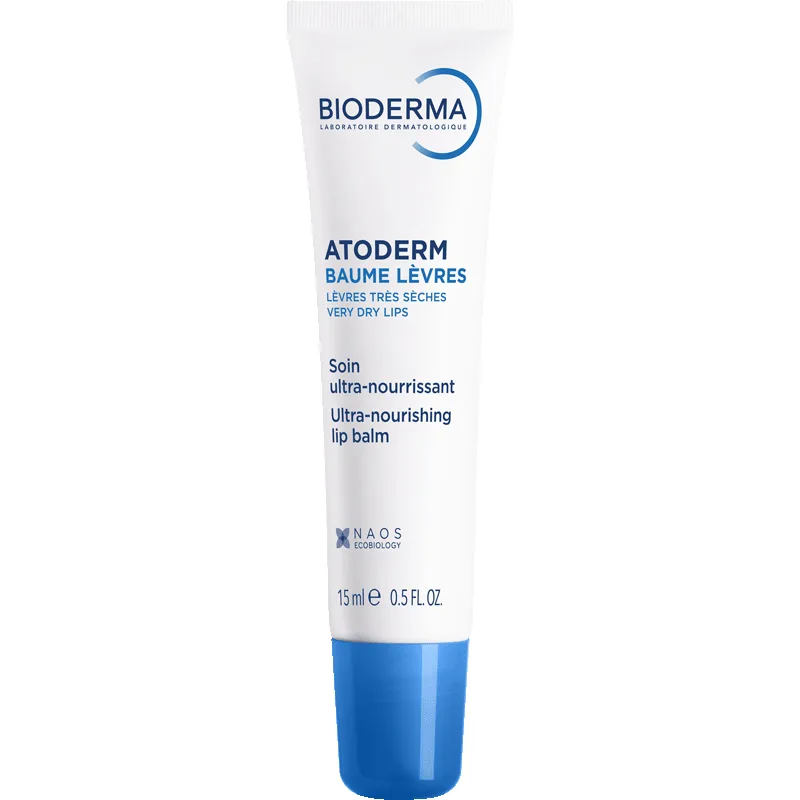
It refuses every lip-balm gimmick — no flavour, no fragrance, no menthol, no tingle, no tint, no SPF — and builds a plain occlusive on mineral oil and microcrystalline wax, then layers shea, soybean sterols and avocado oil on top so the lips are fed as well as sealed. The squeeze tube with an applicator nozzle keeps it hygienic in a way stick balms and pots are not, which matters for atopic lips that crack and bleed.
A plain, unflavoured, unfragranced occlusive balm — mineral oil, microcrystalline wax and volatile silicones with shea, soybean sterols and avocado oil on top — that stops cracked lips stinging in minutes and has them smooth within a week. It has no gimmicks, no SPF and no surprises, and at $12 for 15 ml it costs more than a drugstore stick; for eczema-prone or perpetually split lips it is worth every cent.
The case for it
Same rule for everyone. “Strong choice” is the verdict on 1,459 of 45,024 concern verdicts across the catalog; rule R2 decided 892 of them. As of September 25, 2026, engine 5.1.1.
Brand or formulator? Disclose a concentration or correct a fact →
The studies behind the evidence row
The case for it
What would change this: A researched evidence row for the lead active would replace this with a verdict.
Same rule for everyone. “Good choice” is the verdict on 1,938 of 45,024 concern verdicts across the catalog; rule F2 decided 1,938 of them. As of September 25, 2026, engine 5.1.1.
Brand or formulator? Disclose a concentration or correct a fact →
The case for it
What would change this: A declared concentration would move this to a firmer reading of the dose.
Same rule for everyone. “Promising” is the verdict on 7,858 of 45,024 concern verdicts across the catalog; rule R9p decided 7,858 of them. As of September 25, 2026, engine 5.1.1.
Brand or formulator? Disclose a concentration or correct a fact →
The studies behind the evidence row
Also listed for Winter Skin — the actives here (Mineral Oil, Dimethicone, Shea Butter, Vitamin E) are in our research queue for that concern; there is no verdict until their evidence rows are written. That is a gap in our table, not a mark against the product.
As a lip balmNot judged: what a lip balm is for — seals and protects, sun protection where it matters — cannot yet be measured from the ingredient list (only no sting-and-repeat ingredients, low allergen load can).
A verdict is DermApproved’s assessment of how well a product’s ingredients fit a concern — never a claim about what the product treats. Evidence dots and collected reviews sit beside it and are never blended in. Rules 0.5.1 · evidence table ev-2026.09-r228 · how we decide
Most lip balms are trying to be something. A flavour, a tingle, a tint, a hint of mint, a promise of plumping, a little SPF, a rosy finish that photographs well. This one is trying to be nothing at all, and that turns out to be a rare and valuable thing to find in a tube. No fragrance, no flavour, no menthol, no camphor, no essential oils, no colour, no sunscreen. Squeeze it out and it smells of faintly waxy nothing; put it on and it tastes of nothing; an hour later it is still there, doing nothing except the one job a balm is for, which is keeping the air off skin that has split. If you have ever chased a chapped lip round in circles with a balm that stung a little each time you reapplied it, the blankness of this one reads less like an absence and more like relief.
The formula behind the blankness is old-fashioned in the best sense. Mineral oil is the first ingredient, microcrystalline wax the second, paraffin the seventh — a petroleum trio that no clean-beauty brand would print on the front but which remains, decades of evidence later, the most effective and least reactive way to seal water into damaged skin. Two volatile silicones, cyclopentasiloxane and cyclohexasiloxane, thin that waxy base for the few seconds it takes to glide over a sore lip and then evaporate, leaving the occlusives behind in a smooth, faintly glossy film. That brief slip is the one sensory quirk people notice on the first day; it is gone within a minute and the film it leaves outlasts a coffee and most of a morning, which is more than any stick balm manages.
What lifts it above pure petroleum jelly is the layer of plant lipid built on top. Shea butter sits sixth on the list, soybean oil and soybean sterols follow, and avocado oil a little further down: together they supply the triglycerides, fatty acids and phytosterols that a chapped lip is short of, so that after a few days the skin feels conditioned rather than merely covered. Bioderma also tucks in a golden-kelp extract, Laminaria ochroleuca, that its supplier sells as an anti-inflammatory; it is near the bottom of the list and should be read as a soothing gesture rather than an active. The real calm comes from the film — raw lips stop stinging the moment the air can no longer reach the cracks, and that is all the anti-inflammatory most of them need.
In use, the pattern is predictable and pleasing. On lips that have split at the corners in a dry January, the first application stops the sting on contact. By the second or third day the flaking has softened enough to stop being tempting to pick, which is half the battle with winter lips. By the end of the week they are smooth, and the balm's job becomes maintenance: morning, after meals, and a thicker coat at bedtime that works as an overnight mask. It does nothing beyond that, because there is nothing beyond that for a balm to do. The tube helps here — a slim squeeze tube with an angled applicator nozzle that keeps fingers and the open air off the product, which matters more than it sounds for lips that crack and bleed and for the eczema-prone mouths the Atoderm range is designed around. In cold weather the balm firms up and the nozzle wants wiping; the last few grams need coaxing out. Those are the tube's only sins.
The ingredient list carries two entries that a careful buyer will pause on. BHT, near the end, is an antioxidant that keeps the plant oils in an anhydrous formula from turning rancid over a long shelf life; it is used at tiny levels and is permitted in lip products worldwide, but it is the ingredient most often queried on this label, and Bioderma could arguably have leaned harder on the tocopherol and ascorbyl palmitate that sit beside it. The cyclic silicones are the other: cyclopentasiloxane, D5, is under environmental restriction in the EU for rinse-off products because of its persistence, not because of any hazard to the lip wearing it. Neither is a reason to avoid the balm on skin grounds; both are fair reasons for someone who prefers a shorter, greener list to look elsewhere.
Then there is the price. Twelve dollars for 15 ml is more than a drugstore stick and about the same as the boutique balms that come with a flavour and a mood board, and a stretch of reviewers — there are more than five hundred on one Canadian platform alone, averaging 4.6, and a comparable record in Europe under the Atoderm Lèvres name — say exactly that: it works, it is unscented, it lasts, it is pricey. The counter-argument is duration. Because the wax film holds, a tube used several times a day lasts two to three months, and used morning and night it sees out most of a winter, which brings the monthly cost down to something a stick balm rarely beats once you count how often it is reapplied.
So the recommendation writes itself for a particular kind of person: anyone whose lips split every winter, react to flavoured balms, sit at the edge of eczema, or simply want a tube that does one thing and never surprises them. It is boring on purpose, built on ingredients that have not needed improving in fifty years, and topped with enough plant lipid to feel like care rather than sealant. It has no SPF, so pair it with one on bright days; it has no gimmicks, so do not expect any. What it has is the quiet competence of a French pharmacy staple, and that, for a lip that has tried everything else, is the whole point.
The hero actives that drive this product's performance.
| Ingredient | Function | Evidence |
|---|---|---|
| Mineral Oil with Microcrystalline Wax and Paraffin | The first, second and seventh ingredients — a petroleum trio that forms the balm's entire structure. Mineral oil is the occlusive that stops water leaving cracked lips, microcrystalline wax sets it into a balm that stays put, and paraffin firms the whole thing so it survives a pocket. It is the least glamorous and most effective way to build a lip balm, and Bioderma has not tried to disguise it. | Regulator-approved for Dryness · established mechanism |
| Cyclopentasiloxane and Cyclohexasiloxane | Two volatile silicones that thin the waxy base on application so it glides rather than drags over sore lips, then evaporate and leave the occlusives behind in a smooth, non-sticky film. They are the reason the balm feels lighter than its ingredient list reads — and the reason a few people notice a faint slip that is gone within a minute. | Regulator-approved for Dryness · established mechanism |
| Butyrospermum Parkii (Shea) Butter with soybean and avocado oils | The plant-lipid layer that gives the mineral-oil base something to feed the skin with: shea's triglycerides and unsaponifiables soften flaking, and soybean oil and sterols plus avocado oil add fatty acids and phytosterols that ease the inflammation of chapped lips. Together they are why lips feel conditioned after a few days, not just sealed. | Established mechanism for Dryness · established mechanism |
| Laminaria Ochroleuca Extract | A golden-kelp extract, near the end of the list, that the raw-material supplier markets as an anti-inflammatory and UV-stress protectant. In a lip balm at this position it is a small soothing gesture rather than a working dose — the calming effect people report comes mostly from the occlusion stopping the sting of air on raw lips. | Not yet assessed |
| Tocopherol (with ascorbyl palmitate and BHT) | An antioxidant system that keeps the plant oils in an anhydrous tube from going rancid over a long shelf life. The vitamin E and vitamin C ester do double duty as mild skin antioxidants; the BHT is purely a preservative for the oils, and the one ingredient on the list that ingredient-conscious buyers tend to query. | Not yet assessed |
Ingredient standings describe the active at treatment-level doses and vehicles; this product's own condition grades weigh its actual formula.
Paraffinum Liquidum/Mineral Oil/Huile Minerale, Cera Microcristallina/Microcrystalline Wax/Cire Microcristalline, Cyclopentasiloxane, Hydrogenated Polyisobutene, Caprylic/Capric Triglyceride, Butyrospermum Parkii (Shea) Butter, Paraffin, Cyclohexasiloxane, Glycine Soja (Soybean) Oil, Glycine Soja (Soybean) Sterols, Hexyl Laurate, Stearalkonium Hectorite, Persea Gratissima (Avocado) Oil, Propylene Carbonate, Cetearyl Alcohol, Ascorbyl Palmitate, Hydrogenated Palm Glycerides Citrate, Tocopherol, BHT, Laminaria Ochroleuca Extract, Citric Acid
occlusive
AM & PM
It is an occlusive, so it goes on last: over a retinoid night cream that has crept onto the lip line, over a lip serum, and over a lip SPF by day — it carries no sun protection of its own. A thin coat is enough; the microcrystalline wax builds on itself if you keep reapplying and starts to feel heavy. At bedtime a thicker layer works as an overnight mask for cracked corners.
The sting of cracked lips stops within minutes of the first application, because the film seals them from the air. Flaking and splitting soften over two to four days of steady use, and a winter-damaged lip is usually smooth again inside a week, provided the picking stops. The balm maintains rather than cures — if lips crack again when it is stopped, the cause is elsewhere.
The balm is an anhydrous occlusive, and its efficacy rests on the best-documented mechanism in lip care. Mineral oil, microcrystalline wax and paraffin together form a hydrophobic film that sharply reduces transepidermal water loss from the lip vermilion — tissue that has no sebaceous glands of its own, a thin stratum corneum, and constant exposure to saliva, which is why it chaps so readily. Petroleum-derived occlusives are chemically inert, non-sensitising and non-comedogenic in standard assays; their reputation in some quarters is unconnected to any dermatological evidence. The volatile cyclomethicones, cyclopentasiloxane and cyclohexasiloxane, act as application aids that reduce drag over damaged tissue and evaporate within a minute; they are safe on skin, and the EU's restriction on D5 concerns environmental persistence in rinse-off products rather than dermal risk.
The plant-lipid fraction adds a second mechanism. Shea butter supplies triglycerides and a notably high unsaponifiable content — triterpene esters and phytosterols — with documented emollient and mild anti-inflammatory activity. Soybean sterols and avocado oil contribute further phytosterols, which have been shown to support barrier lipid recovery in dry skin models, and soybean oil supplies linoleic acid, a fatty acid the lip vermilion is often deficient in when chapped. Stearalkonium hectorite gives the balm its structure and cling. Laminaria ochroleuca extract is marketed by its supplier for anti-inflammatory and UV-stress-response effects on the basis of in-vitro work; at its position on the list it is unlikely to contribute measurably. The antioxidant system — tocopherol, ascorbyl palmitate and BHT — prevents oxidation of the unsaturated plant oils; BHT is permitted in lip products at low concentrations by regulators in the EU and US, with the occasional contact-allergy report in the literature. The absence of fragrance, flavour, menthol and camphor removes the ingredients most frequently implicated in irritant cheilitis. No independent clinical study of this balm has been published.
For chapped, fissured or eczema-prone lips, the standard clinical recommendation is a bland occlusive applied frequently — petrolatum or a mineral-oil-based balm — with a firm instruction to avoid flavoured, fragranced, mentholated or 'medicated' products, which are the commonest cause of irritant and allergic cheilitis seen in practice. This balm fits that advice closely: it is fragrance-free, flavour-free and built on inert occlusives, and dermatologists who treat atopic patients tend to regard the Atoderm range as a reliable default. A squeeze tube with a nozzle is also preferred over pots and sticks for lips that crack and bleed, on hygiene grounds. The plant-lipid content is viewed as a modest bonus rather than a requirement. Two caveats are usually raised: the balm has no SPF, and the lower lip is a high-risk site for actinic damage, so a separate lip sunscreen is advised outdoors; and persistent cheilitis that does not settle with an occlusive within two weeks warrants a consultation rather than a different balm, since angular cheilitis, contact allergy and lip-licking dermatitis need specific treatment.
Squeeze a small bead through the angled nozzle straight onto the lips and press it in with a fingertip or the nozzle itself — a thin coat is enough, since the microcrystalline wax builds on itself if you keep adding. Use it in the morning after a lip SPF if you will be outdoors, after meals and drinks, and at bedtime, when a thicker layer left overnight speeds the repair of split corners. Keep it on the lip rather than smearing it around the mouth, and try not to lick or pick — the balm cannot outrun either. In cold weather warm the tube in a pocket for a moment and wipe the nozzle after use so it stays clean. If cracking persists beyond two weeks despite steady use, the cause is likely something the balm cannot fix, and it is worth a professional look.
At $11.99 for 15 ml this is a mid-priced pharmacy balm — dearer than a drugstore stick, in line with boutique balms that add flavour and packaging rather than function. What the price buys is a formula with nothing in it that can irritate, plant lipids layered over a serious occlusive, a hygienic applicator tube and Bioderma's decades of tolerance testing. Because the wax film lasts, the tube is used less often than a stick and stretches to two or three months of regular use, which narrows the per-month gap considerably. It is not the cheapest way to seal a lip — plain petrolatum is — but for lips that react to flavours or crack every winter it is a small premium for a product that settles them without incident. There is only one size.
Anyone whose lips crack every winter, react to flavoured or mentholated balms, or sit on the edge of eczema — and anyone who simply wants a tube with nothing in it to taste, smell or think about. It suits people who value a balm that stays put and a hygienic applicator over gloss or flavour.
People who want SPF, tint, flavour or a plumping tingle from their balm will find nothing here, and anyone avoiding petroleum derivatives, cyclic silicones or BHT on principle should choose a plant-wax alternative. It also cannot resolve persistent lip eczema or angular cheilitis on its own.
A dense, translucent, off-white balm that squeezes from the tube as a firm ribbon, softens on the lip and spreads to a cushioned, faintly glossy film with a brief silicone slip.
None — no fragrance and no flavour, only the barely-there waxy note of the base, which cannot be tasted.
A slim 15 ml squeeze tube in Atoderm blue and white with an angled applicator nozzle and a screw cap; hygienic and pocketable, though the last few grams take some squeezing and the nozzle needs wiping in cold weather when the balm firms up.
On raw, split lips the first application stings not at all and the relief is immediate — the air simply stops reaching the cracks. There is a moment of slip from the volatile silicones and then a smooth, slightly glossy film that survives coffee and most of a morning. By the third day the flaking is gone; the balm does nothing dramatic beyond that because there is nothing more for it to do.
Two to three months of several applications a day from a 15 ml tube, or the better part of a winter if it is used morning and night only.
fall winter
Atoderm grew from Bioderma's work on atopic dermatitis into the French pharmacy's default range for very dry skin, and the lip balm arrived as the line's answer to the cracked, eczema-prone lips that stick balms full of flavour and menthol make worse. Sold in Europe as Atoderm Lèvres and in Canada long before the US, it reached American pharmacies as one of the range's quieter items and built its following by word of mouth among people whose lips split every winter.
Bioderma has been a French dermatological laboratory since 1977 and its Atoderm range has been the pharmacy standard for dry and atopic skin for over two decades. The lip balm — sold in Europe as Atoderm Lèvres — has been part of that range since the late 2000s and carries the brand's in-house tolerance testing; there is no independent clinical study of the balm itself, but a large consumer review record exists on both sides of the Atlantic.
Mineral oil and paraffin in a lip balm 'suffocate' the lips or make them dependent.
Petroleum-derived occlusives are inert, non-sensitising and the most effective barrier against water loss available; they cannot cause dependence. The 'addiction' people describe with some balms comes from flavours, menthol, camphor and fragrance that irritate and prompt reapplication — all of which this balm omits.
A balm this thick must clog the skin around the mouth.
The base is mineral oil, wax and silicones, none of which are comedogenic. Soybean oil is the only mildly comedogenic ingredient and it sits low on the list; keeping the balm on the lip rather than smearing it around the mouth is enough for even acne-prone skin.
No — it is entirely unflavoured and unfragranced, with no menthol, camphor or essential oils either. That is precisely why it suits lips that crack and react: there is nothing on the list to sting or to sensitise, only the faint waxy note of the base that cannot be tasted.
It is one of the better over-the-counter options for it. The mineral oil and wax seal fissures against air and saliva, the shea, soybean sterols and avocado oil condition the skin, and there is no fragrance or flavour to provoke a flare. For persistent lip eczema or angular cheilitis, though, a prescription treatment is still needed underneath.
BHT is an antioxidant that stops the plant oils in an anhydrous tube from going rancid over its shelf life; it works alongside tocopherol and ascorbyl palmitate. It is used at very low levels and is permitted in lip products worldwide, but it is the ingredient on this list that clean-beauty shoppers most often ask about.
No. It is a plain occlusive balm with no sunscreen filters, so on bright or snowy days apply a lip SPF first and this balm over the top. Bioderma's Photoderm range covers the sun-protection side.
Less often than a stick balm — the microcrystalline wax film survives a coffee and most of a morning. Morning, after meals and at bedtime is plenty for maintenance; on badly cracked lips a thicker layer at night acts as an overnight mask and speeds things up.
The ingredient list contains no animal-derived materials — no beeswax, lanolin or carmine — so the formula is vegan by composition. Bioderma does not carry a formal vegan certification on the product.
Recurring themes our editors read across retailer reviews of this product — summaries in our words, not quotations, and not a substitute for your own patch test.
Repairs cracked winter lips within days
Unscented and unflavoured — nothing to taste or react to
Long-lasting, so it needs fewer reapplications than stick balms
Pricey for a 15 ml tube
Can feel slightly heavy or slippery on first application