


Beta-Glucan Does Niacinamide's Job Without the Marketing Budget
It hydrates, calms, and quietly supports the barrier with one of the better safety records in skincare. So why has almost nobody heard of it?
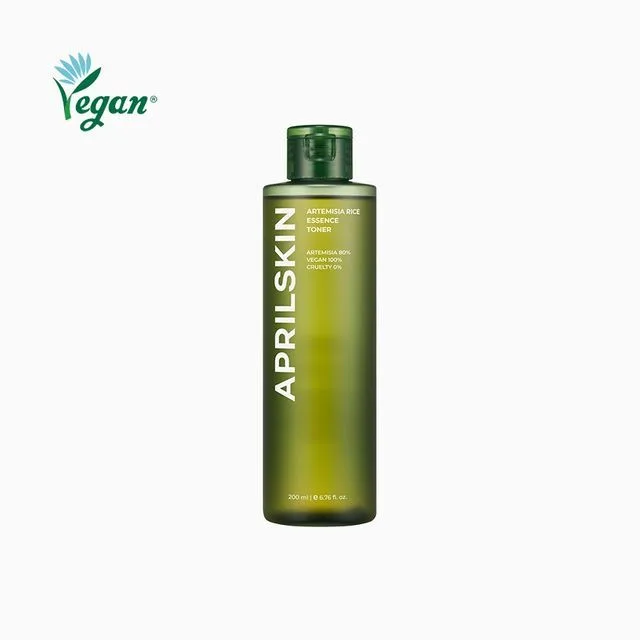
Most 'mugwort toners' use artemisia as a marketing-friendly ingredient near the top of an otherwise standard base. This one swaps out water entirely for an 80% artemisia extract, then stacks a full cica complex, panthenol, allantoin, low-dose niacinamide, and a small ceramide NP / cholesterol pair on top. It is one of the more loaded soothing toners at its price.
A genuinely loaded mugwort toner that swaps out water for 78% artemisia extract and stacks a full cica complex, panthenol, allantoin, and a small ceramide-cholesterol pair on top. Calming, fragrance-free, and quietly versatile under retinoids and acids — one of the more honest sensitive-skin toners at its price.
The case for it
What would change this: A declared concentration would move this to a firmer reading of the dose.
Same rule for everyone. “Good choice” is the verdict on 1,938 of 45,024 concern verdicts across the catalog; rule F2 decided 1,938 of them. Unchanged since September 5, 2026, engine 5.1.1.
Brand or formulator? Disclose a concentration or correct a fact →
The studies behind the evidence row
The case for it
Same rule for everyone. “Good choice” is the verdict on 9,564 of 45,024 concern verdicts across the catalog; rule R5 decided 9,072 of them. Unchanged since September 5, 2026, engine 5.1.1.
Brand or formulator? Disclose a concentration or correct a fact →
The studies behind the evidence row
The case for it
What would change this: A researched evidence row for the lead active would replace this with a verdict.
Same rule for everyone. “Supporting role” is the verdict on 8,197 of 45,024 concern verdicts across the catalog; rule R8 decided 4,250 of them. Unchanged since September 5, 2026, engine 5.1.1.
Brand or formulator? Disclose a concentration or correct a fact →
The case for it
What would change this: A declared concentration would move this to a firmer reading of the dose.
Same rule for everyone. “Promising” is the verdict on 7,858 of 45,024 concern verdicts across the catalog; rule R9p decided 7,858 of them. Unchanged since September 5, 2026, engine 5.1.1.
Brand or formulator? Disclose a concentration or correct a fact →
The studies behind the evidence row
The case for it
Cautions: fungal-acne triggers.
What would change this: A declared concentration would move this to a firmer reading of the dose.
Same rule for everyone. “Promising” is the verdict on 7,858 of 45,024 concern verdicts across the catalog; rule R9p decided 7,858 of them. Unchanged since September 5, 2026, engine 5.1.1.
Brand or formulator? Disclose a concentration or correct a fact →
The studies behind the evidence row
Also listed for Dullness — the actives here (Mugwort (Artemisia) are in our research queue for that concern; there is no verdict until their evidence rows are written. That is a gap in our table, not a mark against the product.
Does the jobDoes what a toner is for: not alcohol-driven, adds something real. Not measured from the label: restores skin pH, plays well with what follows.
A verdict is DermApproved’s assessment of how well a product’s ingredients fit a concern — never a claim about what the product treats. Evidence dots and collected reviews sit beside it and are never blended in. Rules 0.5.1 · evidence table ev-2026.09-r228 · how we decide
Most 'mugwort toners' use artemisia like a marketing garnish — a tantalising line on the label, a polite couple of percent near the middle of the INCI, the rest of the formula structurally indistinguishable from any other hydrating toner. This one is doing something different, and it is worth being precise about what. The first ingredient is not water. It is artemisia princeps leaf extract, listed at 80%, which means the toner has been built on a mugwort base from the bottom up rather than dropping mugwort into a standard solvent. That single formulation choice is the whole reason the bottle reads the way it does, and it is what separates a 'mugwort-themed' toner from a toner whose centre of gravity is mugwort.
What sits on top of that base is where the formula earns its credibility. There is a full cica complex — centella asiatica extract plus four of its isolated triterpenoids, madecassoside, asiaticoside, madecassic acid, and asiatic acid — so the soothing strategy is not resting on artemisia alone. Niacinamide is dosed low and supportive, the way it tends to land in a toner rather than a serum, nudging along the rice extract's mild brightening angle. Panthenol and allantoin do their usual quiet repair-and-calm work in the background. And there is a small but real barrier-lipid pair tucked into the formula: ceramide NP and cholesterol, delivered with hydrogenated lecithin, which is what lets these lipids actually penetrate from such a watery vehicle rather than rinsing away unused. Hyaluronic acid, trehalose, betaine, and glycerin handle the humectant layer. None of these are exotic, but together they make for an unusually loaded toner at this price point — closer in spirit to a light essence than to a splash toner.
Texture is the unobjectionable part. It is thin and watery with a faintly viscous slip, sinks in within seconds, and leaves nothing on the skin to negotiate with whatever you apply next. There is a faint herbal-green note that comes straight from the mugwort itself rather than added fragrance, and most users settle into it quickly; a small minority reads it as faintly medicinal and never quite warms to it. The pump dispenser is generous to a fault — two pumps will already over-soak your palms unless you are deliberate about it, and learning that on the second day rather than the seventh saves a noticeable amount of product over a bottle.
In use, the toner is at its best on reactive skin that has been pushed around — by weather, by actives, by a hot week of fluorescent travel lighting and bad airport sleep. Pressed into damp skin after cleansing, palms over the face rather than soaked through a cotton pad, it leaves skin cushioned, calm, and noticeably less keyed-up within the first week. Long-term users report a quieter baseline redness over four to eight weeks of consistent use, and the brightening side is real but subtle: the rice extract and low-dose niacinamide contribute gradual tone-evening, not a dramatic spot-fading effect. Treating it as your one and only brightener will leave you underwhelmed; treating it as the soothing calm-base of a routine that includes a dedicated brightener will not.
It slots in particularly well alongside more challenging actives. Under a retinoid or a BHA exfoliant, the artemisia and cica stack takes a genuine edge off active-induced irritation without blocking the active itself — there is no fragrance, no alcohol, no exfoliating acid in this toner to compound the problem from the other side. Post-procedure, the same logic applies; the formulation reads almost like a dedicated reactive-skin toner that was given a mild brightening lean as a bonus. Fungal-acne-prone users get the further benefit of a formula that is free of the esters, polysorbates, fatty alcohols, and fermented oils that tend to feed malassezia.
Its weak points are about scope rather than execution. As a standalone hydrator, it is enough for combination, oily, and normal skin, but very dry skin will want a richer follow-up rather than relying on the toner to do the work alone. The mugwort scent is real and not for everyone. And the brightening promise on the label is one of degree — it is there, but it is not the headline. Value is solid: at around twenty-two dollars for 200ml of a formulation this loaded, with three-and-a-half months of twice-daily use per bottle, Aprilskin is not asking you to pay luxury prices for what amounts to a quietly thoughtful piece of K-beauty engineering. The brand's history runs back to 2014, with roughly a decade of indie-K-beauty market presence behind it — long enough that a toner this well-considered is not a fluke.
If you have spent any time cycling through hydrating toners that promised soothing and delivered glycerin water, this one is worth taking seriously. It is not a flashy product. It is a small, well-built one with a clear point of view about what a calming toner should contain, and a formulation that backs the point of view up.
The hero actives that drive this product's performance.
| Ingredient | Function | Evidence |
|---|---|---|
| Artemisia Princeps Leaf Extract (Mugwort) (80% (first-water replacement)) | Replaces water as the formula's base at 80%, which is what allows this to be marketed as a 'mugwort toner' rather than a toner containing some mugwort. The extract contributes natural antioxidants and the soothing compounds that the K-beauty world associates with calmed, less reactive skin — the whole reason the rest of the soothing cast here (cica complex, panthenol, allantoin) gets to do its job on already-quieted skin. | Not yet assessed |
| Rice Extract (Oryza Sativa) | The second name on the bottle, included for its mild brightening and humectant profile. Working alongside niacinamide, it supports the toner's gentle tone-evening promise while adding a subtle hydration assist that the panthenol and hyaluronic acid round out. | Not yet assessed |
| Niacinamide | Added in a low, supportive dose rather than as a treatment-level active. In this formula it nudges along the rice extract's brightening angle and contributes to barrier support, complementing the ceramide and cholesterol pair without pushing the toner into 'treatment serum' territory. | Established mechanism for Compromised Skin Barrier · established mechanism |
| Cica Complex (Madecassoside, Centella Asiatica Extract, Asiaticoside, Madecassic Acid, Asiatic Acid) | Layers a full cica complex onto a mugwort base for what is effectively a double-stack of Korea's two most popular soothing ingredient stories. The four isolated triterpenoids alongside the whole-plant extract reinforce the toner's positioning for reactive, irritated, post-procedure-style skin. | Limited for Post-Procedure |
| Ceramide NP & Cholesterol | A small but meaningful barrier-support pair tucked into a watery toner. The lecithin-based delivery system helps these lipids actually penetrate, so the toner does more than humectant flooding — it nudges the lipid side of the barrier as well, which is unusual at this price and format. | Established mechanism for Compromised Skin Barrier · established mechanism |
Ingredient standings describe the active at treatment-level doses and vehicles; this product's own condition grades weigh its actual formula.
Artemisia Princeps Leaf Extract, Oryza Sativa (Rice) Extract, Butylene Glycol, 1,2-Hexanediol, Glycerin, Niacinamide, Panthenol, Allantoin, Sodium Hyaluronate, Trehalose, Betaine, Madecassoside, Centella Asiatica Extract, Madecassic Acid, Asiatic Acid, Asiaticoside, Polyglyceryl-10 Laurate, Polyglyceryl-10 Myristate, Hydrogenated Lecithin, Ceramide NP, Cholesterol, Carbomer, Tromethamine, Disodium EDTA, Caprylyl Glycol, Ethylhexylglycerin
toner
AM & PM
Press a few drops into damp skin straight after cleansing — palms over the face rather than a soaked cotton pad to keep all of the mugwort base on your skin rather than the pad. Follow with any serums and your moisturiser. Sits comfortably under retinoids and acids, where its soothing cast can take the edge off active-induced irritation.
Skin feels calmer and more hydrated from the first use, and reactive redness can read as quieter within the first week. The cumulative barrier and tone-evening effects from the cica, niacinamide and ceramide cast typically settle in over four to eight weeks of consistent use.
The soothing case for artemisia princeps rests on a body of in-vitro and animal evidence showing anti-inflammatory and antioxidant activity from its essential oils and polyphenol fractions. Studies have identified compounds such as eupatilin and jaceosidin as the mediators behind those effects. Human topical data is thinner and largely industry-funded, so the strongest honest framing is that mugwort has a promising — not yet well-established — evidence base for soothing reactive skin. In a leave-on toner at high concentration, the practical mechanism is plausible and the user experience reliably tracks it.
Centella asiatica and its isolated triterpenoids — madecassoside, asiaticoside, madecassic acid, asiatic acid — are on much firmer ground. There is a substantial dermatological literature for centella's anti-inflammatory and wound-healing activity, including human trials in conditions like rosacea and post-procedure skin, and topically applied madecassoside has been shown to reduce erythema and support barrier repair. Layered onto a mugwort base, the cica complex is doing the heavier evidence-backed lifting of this formula's soothing claim.
The ceramide NP / cholesterol pair, delivered with hydrogenated lecithin, is small in this formula but mechanistically sound. The lipids that compose a healthy stratum corneum are roughly 50% ceramides, 25% cholesterol, and 15% free fatty acids, and topical replacement of those lipids has well-established support for barrier repair when delivered in a vehicle that allows penetration. Liposomal or lecithin-based delivery substantially improves penetration of these lipids from a watery formulation. Niacinamide at the dose used here — supportive rather than treatment-level — has well-established evidence for barrier support and mild tone-evening, while rice extract's brightening profile is on the promising-but-not-well-established side, with phenolic and inositol content driving the case. None of the actives in this formula are doing anything unsupported by mechanism; the question is one of degree, and the formula does not over-promise.
Dermatologists generally view artemisia and centella-based soothing toners as a reasonable, low-risk addition to routines for reactive or post-procedure skin, particularly when the formulation is fragrance-free and alcohol-free as this one is. Clinical guidance often emphasises that the most important variables in a 'soothing' toner are what is *not* in it — no fragrance, no denatured alcohol, no menthol — and on that score this formula sits well within what is typically recommended for sensitive users. The inclusion of a low dose of niacinamide alongside ceramide NP and cholesterol aligns with the kind of barrier-supportive formulation clinicians are comfortable recommending alongside actives like tretinoin or salicylic acid, where reducing irritation without compromising the active is the goal. Patch testing remains advisable for anyone with a history of botanical sensitivities, since rare reactivity to artemisia has been reported in individuals already sensitised to ragweed or related Asteraceae plants. Overall, this is the kind of toner clinicians tend to be comfortable with as a calming first layer.
Use morning and evening immediately after cleansing, while the skin is still slightly damp. Press one or two pumps into the palms — not onto a cotton pad, which absorbs a meaningful fraction of every dose — and press the toner gently across the face and neck. Allow about thirty seconds for it to settle before layering serums, treatments, and moisturiser on top. When using a retinoid or an acid, apply this toner first so the soothing base is in place under the active. For very dry or weather-stressed skin, the toner pairs well with a richer occlusive moisturiser as a final step. There is no need to wipe or cleanse it off; it is designed to be left on the skin.
At roughly twenty-two dollars for a 200ml bottle, this toner offers strong value for the depth of formulation on offer. A bottle realistically lasts three to three-and-a-half months at twice-daily use over the full face, putting the cost-per-month in the six-to-seven-dollar range for a soothing-and-mildly-brightening step of the routine. Many sensitive-skin toners at this price are essentially glycerin and a polite percentage of one soothing extract; this one runs an artemisia-as-base formula, layers a full cica complex on top, and adds a small ceramide-cholesterol pair, which is unusually generous at this tier. There is only one size, so there is no larger-format discount to chase. Within the K-beauty mugwort-toner category specifically, the price sits in the middle of the field while the formulation sits at the upper end — a fair deal, and a better one than the front of the bottle would suggest.
Sensitive, reactive, or post-procedure skin is the obvious audience — this is one of the more thoughtfully built calming toners in K-beauty at its price. It also rewards anyone using strong actives like retinoids or BHAs, where the soothing base genuinely dampens irritation. Combination and oily skin will appreciate the lightweight, fast-absorbing texture and clean finish.
Anyone hoping for a dramatic brightener should look elsewhere — the rice-extract angle here is real but subtle. Very dry skin will need a richer follow-up rather than relying on this toner alone for hydration. And users sensitised to ragweed or other Asteraceae plants may want to patch test first, given the rare cross-reactivity reported with artemisia.
Ready to try Aprilskin Artemisia Rice Toner?
Buy at Amazon ♥A thin, watery toner with a faintly viscous slip — closer to a light essence than a splash toner, sinks in within seconds
Faint herbal-green note from the mugwort itself; no added fragrance
200ml frosted plastic bottle with a pump dispenser that lets you press the toner directly into the palm rather than soaking a cotton pad
On first application, expect a watery, almost essence-like slip that disappears within seconds and leaves skin feeling cushioned rather than tight. Sensitive users may notice a quiet drop in baseline redness across the first week; there is no tingling or purging, and the formula sits comfortably under everything that follows.
About 3.5 months applied morning and evening over the full face
All Year
Aprilskin's first claim to fame was the Magic Stone soap that went viral in the mid-2010s, but the brand spent the years since rebuilding around skin-soothing and barrier-care formulas. The Artemisia Rice Toner is part of a second-act mugwort line that leans into Korea's renewed interest in artemisia for reactive, post-procedure-style skincare — replacing water with the extract rather than treating mugwort as a guest ingredient.
Aprilskin is a Korean indie brand founded in 2014, originally known for its Magic Stone soap and later for ingredient-forward face mists and toners. It has roughly a decade of market presence and a strong following in the K-beauty space, but the brand rests on formulation choices rather than proprietary clinical research.
A high-percentage mugwort toner is too 'active' to use on sensitive skin every day.
Artemisia princeps is a soothing, antioxidant-rich botanical — not an exfoliant or peptide — and the rest of this formula is built around calming partners like cica, panthenol, and allantoin. For most sensitive users it is gentler than a typical hydrating toner, not harsher.
Rice extract is a strong brightener that meaningfully fades dark spots.
Rice extract has a mild brightening and humectant profile, and in a leave-on toner at this concentration it contributes subtle, gradual tone-evening at most. If brightening is your priority, this toner supports it but should not be your only lever — pair it with a dedicated active like vitamin C or alpha arbutin.
It is a soothing, lightly brightening hydrating toner. The 78% artemisia (mugwort) base plus a stacked cica complex, panthenol, and allantoin work to quiet reactive redness and support a stressed barrier, while rice extract and a low dose of niacinamide nudge along subtle tone-evening. It is built for sensitive, post-procedure, or active-irritated skin.
This Aprilskin toner leans further into the soothing side — water is replaced with mugwort extract, and the supporting cast is a full cica complex plus panthenol, allantoin, and a small ceramide pair. Other mugwort or rice toners tend to be either more hydration-focused or more brightening-focused; this one's centre of gravity is calming reactive skin.
Yes, and pairing it with actives is actually one of its strengths. Applied before a retinoid or an acid, the artemisia and cica complex help take the edge off active-induced irritation without blocking the active itself. There are no exfoliants, fragrance, or alcohol in the formula to compound irritation.
The formula avoids retinoids, salicylic acid, and other ingredients typically flagged in pregnancy, and the actives present — mugwort, rice extract, cica complex, niacinamide, ceramides — are generally considered pregnancy-safe in topical use. As always with pregnancy, run your specific products by your obstetrician or dermatologist.
Indirectly. It does not contain acne-fighting actives like salicylic acid or benzoyl peroxide, but the soothing artemisia and cica base can calm inflamed acne lesions and reduce post-acne redness. It is best used as a calming layer alongside a dedicated acne treatment rather than as the treatment itself.
Yes — the formula is free of esters, polysorbates, fatty alcohols, and fermented or oil-based ingredients that typically feed malassezia. It is a sound choice for malassezia-prone users looking for a gentle, soothing toner.
Hands give you better mileage out of the bottle, since cotton pads absorb a meaningful fraction of every dose. Pump two or three drops into damp palms straight after cleansing, then press into the face and neck. Use a saturated cotton pad only if you want a light swipe-style toner step for clarifying purposes.
Recurring themes our editors read across retailer reviews of this product — summaries in our words, not quotations, and not a substitute for your own patch test.
Calms reactive redness within days of consistent use
Lightweight, watery texture absorbs instantly
Genuinely fragrance-free and easy on sensitive skin
Pairs well with retinoids and acids to take the edge off
Mugwort-heavy base feels closer to an essence than a basic toner
Faint herbal-mugwort scent can read as 'medicinal' to some
Pump dispenses generously and can over-dose if not careful
Hydration alone is not enough for very dry skin without layering
Brightening claims are subtle, not dramatic
Verified answers from our questions library — the nuance a product page cannot carry.