Safflower Oil
Products with Safflower Oil
 Gen Z Glow Getter
 Float On Soothing Facial Oil
A refreshingly simple facial oil that punches above its $19 price tag with quality botanicals like prickly pear and buriti oil, plus a clever penetration enhancer that most affordable oils skip entirely. Best suited for dry-to-normal skin types looking for an uncomplicated glow without the luxury markup.
 Reliable Dry-Skin Cream
 Advanced Relief Cream with Shea Butter
A straightforward, genuinely effective rich moisturizer for dry, sensitive skin — high-concentration shea butter, glycerin, safflower oil, and vitamin E, fragrance-free and paraben-free. It is not clever, modern, or exciting. It just relieves dryness reliably and cheaply, which is exactly what it sets out to do.
 Sweatproof Skin-Care SPF
 Protection 50 Sport SPF50
A sport sunscreen made by a skin-care company, and it shows: fragrance-free, alcohol-free, avobenzone stabilised with the full 10 percent of octocrylene, and safflower oleosomes that turn a 28 percent filter load into something that feels like body lotion. It is heavier than a daily face SPF and its filters are the ordinary American set, but for sweat, water and long days out it is one of the more comfortable tubes available.
 Zero-Fragrance Sensitive Skin Staple
 Super Sensitive Everyday Lotion
The most stripped-back option in California Baby's lineup — completely fragrance-free, zero essential oils, and formulated with evening primrose oil for eczema-prone skin. Light enough for daily full-body use, gentle enough for newborns, and effective enough that adults with reactive skin swear by it. The price is the main barrier to adoption.
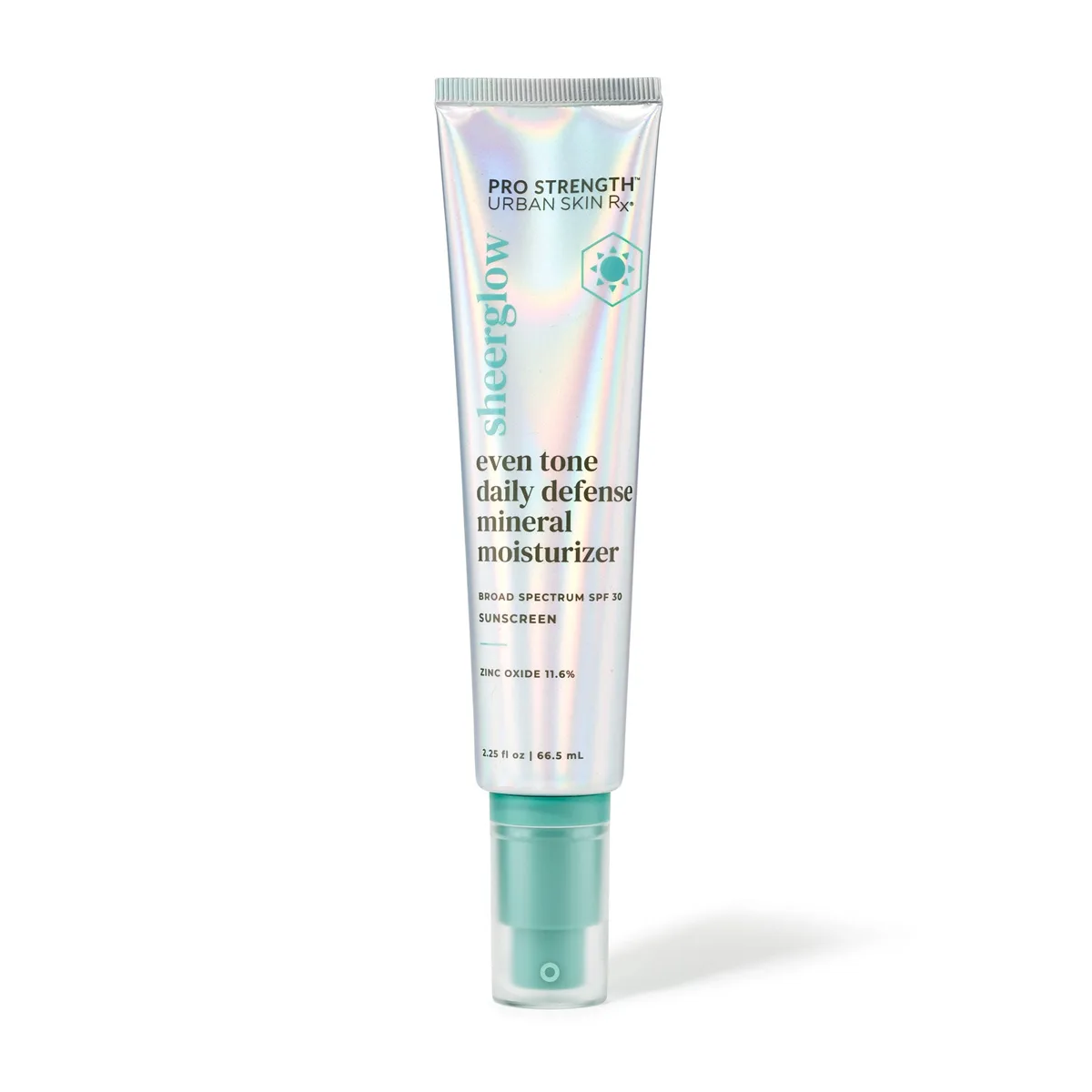 Sheer Zinc for Deep Skin Tones
 SheerGlow Even Tone Daily Defense Mineral Moisturizer SPF 30
A zinc-only SPF 30 that actually goes sheer on deep skin tones, moisturises well enough to stand alone in the morning, and is built for exactly the pigment-prone audience that most needs a mineral sunscreen it will wear every day. It reaches SPF 30 with a salicylate booster that strict mineral buyers should know about, the tangerine oil is an avoidable irritant in a sensitive-skin product, and $34 for 2.25 ounces is a premium; on balance it is one of the better mineral daily sunscreens for skin of color.
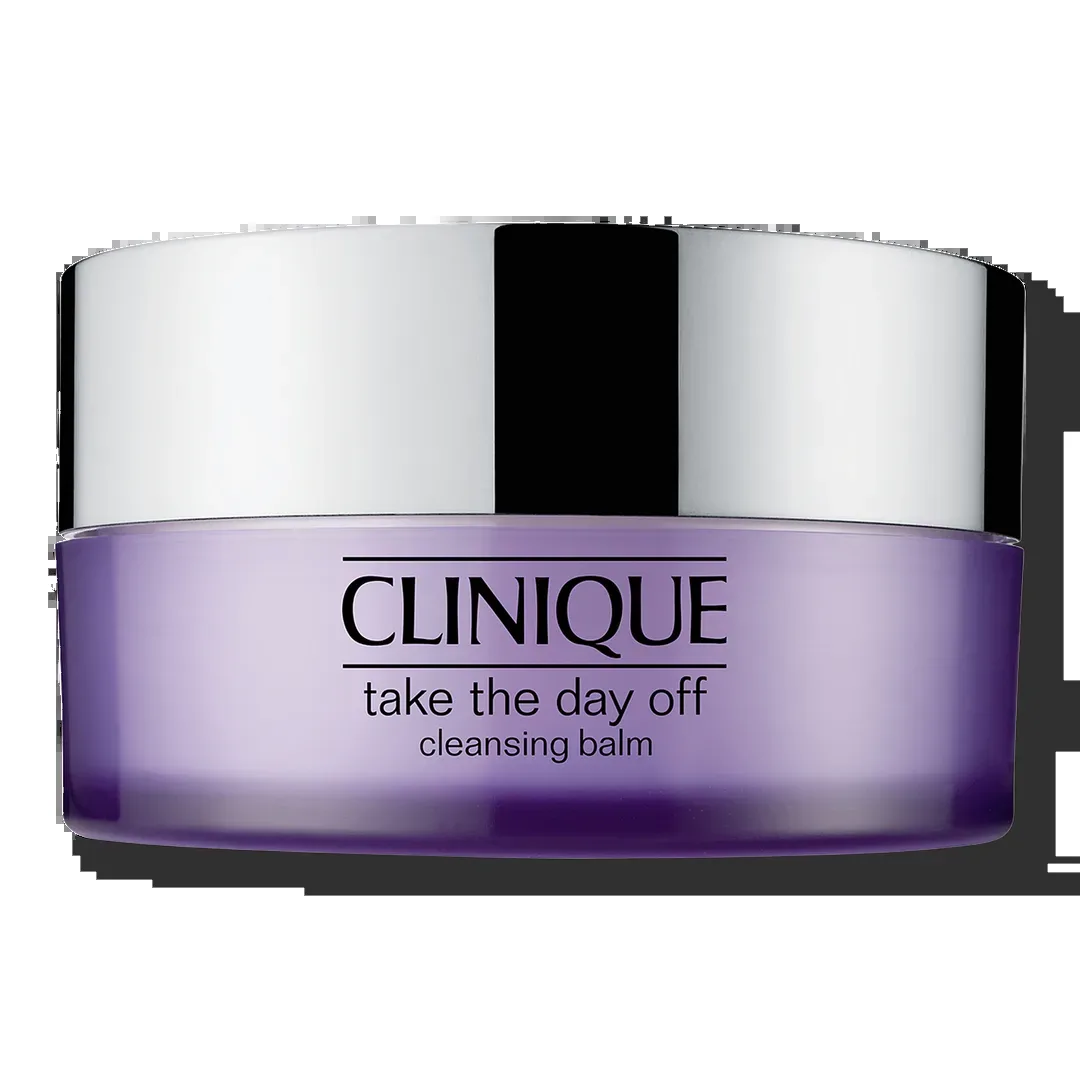 Cult-Status Makeup Eraser
 Take the Day Off Cleansing Balm
The cleansing balm that earned its cult status through radical restraint — nine ingredients, zero fragrance, and the ability to dissolve anything from waterproof mascara to SPF 50 without disturbing even the most reactive skin. Not the most glamorous product in any routine, but possibly the most universally reliable.
 Budget Hydration Classic
 Timeless Skin Moisturizer Collagen Elastin
An honest, no-pretense moisturizer that delivers reliable hydration at a price that borders on absurd. The collagen and elastin are cosmetic window dressing rather than anti-aging workhorses, but the mineral oil and propylene glycol base genuinely keeps dry skin soft and comfortable all day.
 Hypersensitive-Skin Refuge
 Tolérance Extrême Cream
A masterclass in minimalism for skin that reacts to almost everything: just seven ingredients, no preservatives, no fragrance, dispensed sterile. For genuinely intolerant or hyperreactive skin, it's a true refuge. The catch is that Avène has discontinued it in the US, so finding it now takes some hunting, and there are no actives for treating specific concerns.
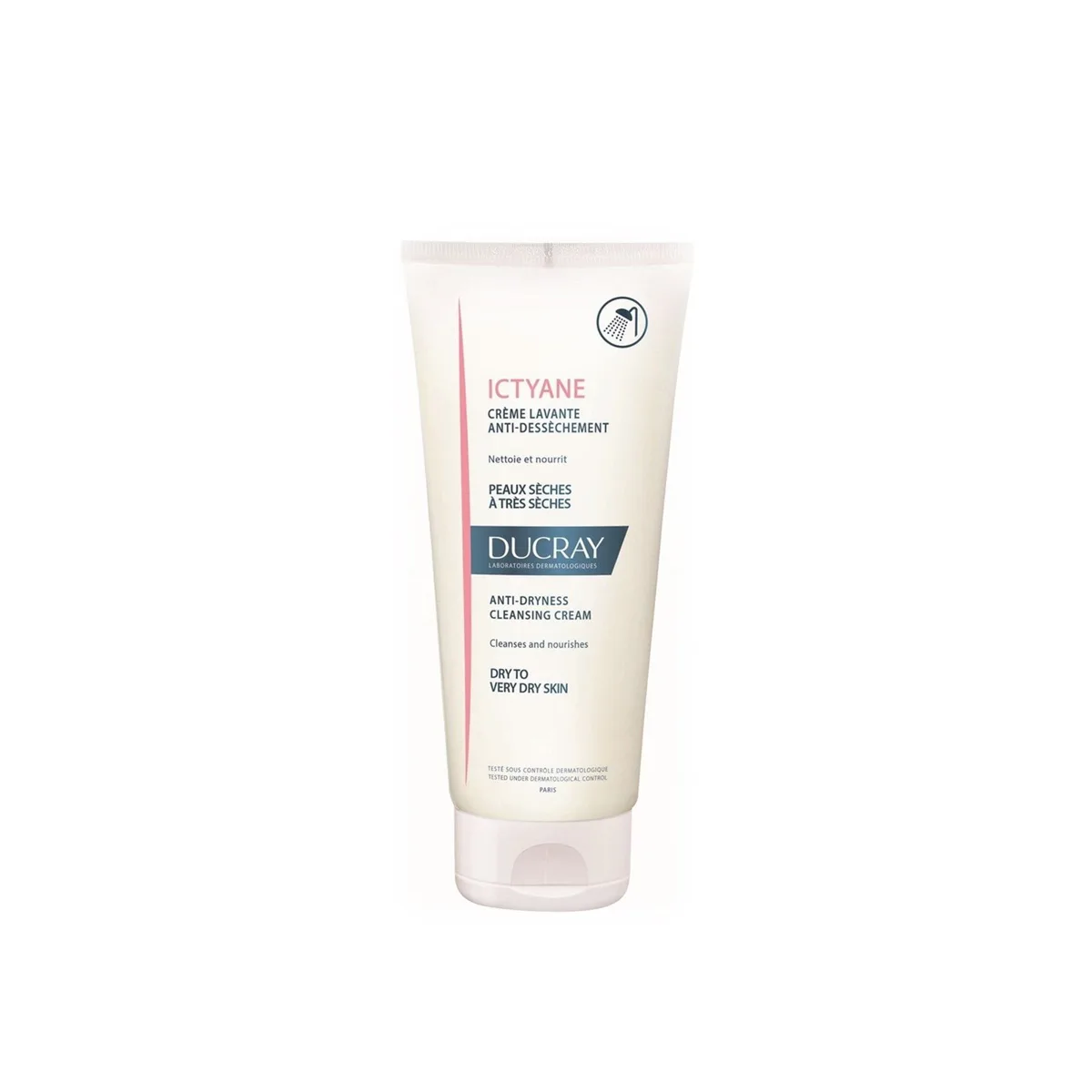 Dry-Skin Shower Staple
 Ictyane Cleansing Cream
A lipid-rich cream wash that genuinely cares for dry skin, depositing sweet almond and safflower oils as it cleanses so you step out of the shower soft instead of tight. The emollient logic is sound and the gentle surfactant base is well judged. The catch is a meaningful fragrance-allergen load that makes it a poor pick for reactive or eczema-prone skin.
 The One That Works On Living Tissue
 Vitamin E Nail & Cuticle Oil
The one product in this brand's nail range that works on living tissue and by a mechanism dermatology actually recognizes. Lipids slow water escaping the nail plate, and a more hydrated plate bends instead of snapping. Vitamin E sitting second is a genuinely high dose. Cheap, effective, and the least glamorous thing on the shelf.
 Dry-Skin SPF Moisturizer
 Superscreen Hydrating Daily Cream SPF 40
The moisturizer-first SPF that most of the category still copies: a rich, fragrance-free cream built on safflower oleosomes, ectoin and a ceramide that carries a full four-filter SPF 40 and feels, on dry skin, like a good morning moisturizer rather than a sunscreen. Eight years and fourteen hundred reviews say it does exactly that. It is too rich for oily skin, too pricey for a pea-sized habit, and its avobenzone will find sensitive eyes — but for dry and normal faces that want one honest morning step, it remains the reference.
 No-Cast Drugstore SPF
 Melanin Care Broad Spectrum SPF 30 Sunscreen Face Lotion
A light, fragrance-free chemical SPF 30 that vanishes on deep skin tones and costs $14, which makes it one of the easier daily sunscreens to actually wear. Look closer and the filter system is thin, the Pro-Ceramides claim has no ceramide behind it on the FDA label, and a transparent formula gives skin of colour no protection from the visible light that darkens its marks. Good for the wearing; incomplete for the promise.
 Moisturizer-and-SPF in One
 Superscreen Rich Hydrating Cream SPF 40
The 'Rich' Superscreen is the rare SPF moisturizer that takes the moisturizer half seriously — ceramide NP, ectoin, and safflower oleosomes make it a genuine barrier cream that happens to carry broad-spectrum SPF 40, fragrance-free. It's a near-ideal one-step morning product for dry skin, undercut mainly by a $48 price and a richness that oily skin won't want.
 Multi-Use Value Oil
 Vitamin E Oil 15,000 IU
A refreshingly usable vitamin E oil: blending it with light safflower oil fixes the sticky, heavy texture that makes pure vitamin E annoying, giving you a fast-absorbing, fragrance-free multitasker for face, body, cuticles, and hair. At eight dollars it's a value staple — just don't expect the vitamin E to erase scars, and keep it off very oily skin.
 Acne-Treatment Recovery Pick
 Cleanance HYDRA Soothing Cream
A smart little rescue cream for skin that acne treatments have beaten up. Avène's Cleanance HYDRA Soothing Cream uses a high-linoleic safflower oil, glycerin and bisabolol over its thermal water base to calm redness and rebuild the barrier without feeding breakouts. The added fragrance and small size are the only real knocks.
 Post-Peel Comfort, Pre-Peel Price
 Hydrating Mask
A comfortable oat-glycerin-and-plant-oil cream mask that eases the tightness of a retinoid week or a peel in ten minutes and can stay on overnight for dry skin. Its real workers sit at the top of the list while the hyaluronate and panthenol on the label sit near the bottom, and a benzoin-and-rosewood scent is an odd inclusion in a mask sold to reduce irritation. Good at its job, oddly perfumed, and priced like a treatment it is not.
 Drugstore Body Glow Essential
 Cocoa Butter Formula Moisturizing Body Oil
A fast-absorbing, gloriously affordable body oil that delivers Palmer's signature cocoa butter moisture and glow in a lighter format. The twelve-ingredient formula is refreshingly simple, though the benzophenone-3 inclusion is an odd choice that keeps this from being a clean-ingredient standout.
 Glow Getter, Bottled
 The Glow Getter Body Oil
A well-composed scented body oil — linoleic-rich safflower first, squalane and a dry olive ester for absorption, castor and coconut for the gloss, an antioxidant tier most body oils skip — that softens dry shins and arms and leaves the coconut-vanilla trail the Glow Getter wash made famous. It absorbs faster than it has any right to. It is also $25 for 3.4 ounces, which is steep for plant oils, and the castor-and-coconut base that makes it glossy makes it wrong for breakout-prone backs and chests. Buy it as the finishing oil for the franchise's fans; the 'brightening' and 'firmer-looking' lines are shine described generously.
 Vitamin C, Bedtime Edition
 Triple C Night Cream
A rich, fragrance-free shea-and-safflower night cream with three vitamin C derivatives placed unusually high, which makes it a genuinely useful antioxidant moisturizer for dry and normal skin and a comfortable partner to a retinoid. The mushrooms are decoration, the derivatives are undosed, and the jar is the wrong home for them, but seven years and thousands of warm reviews say it does its job well.
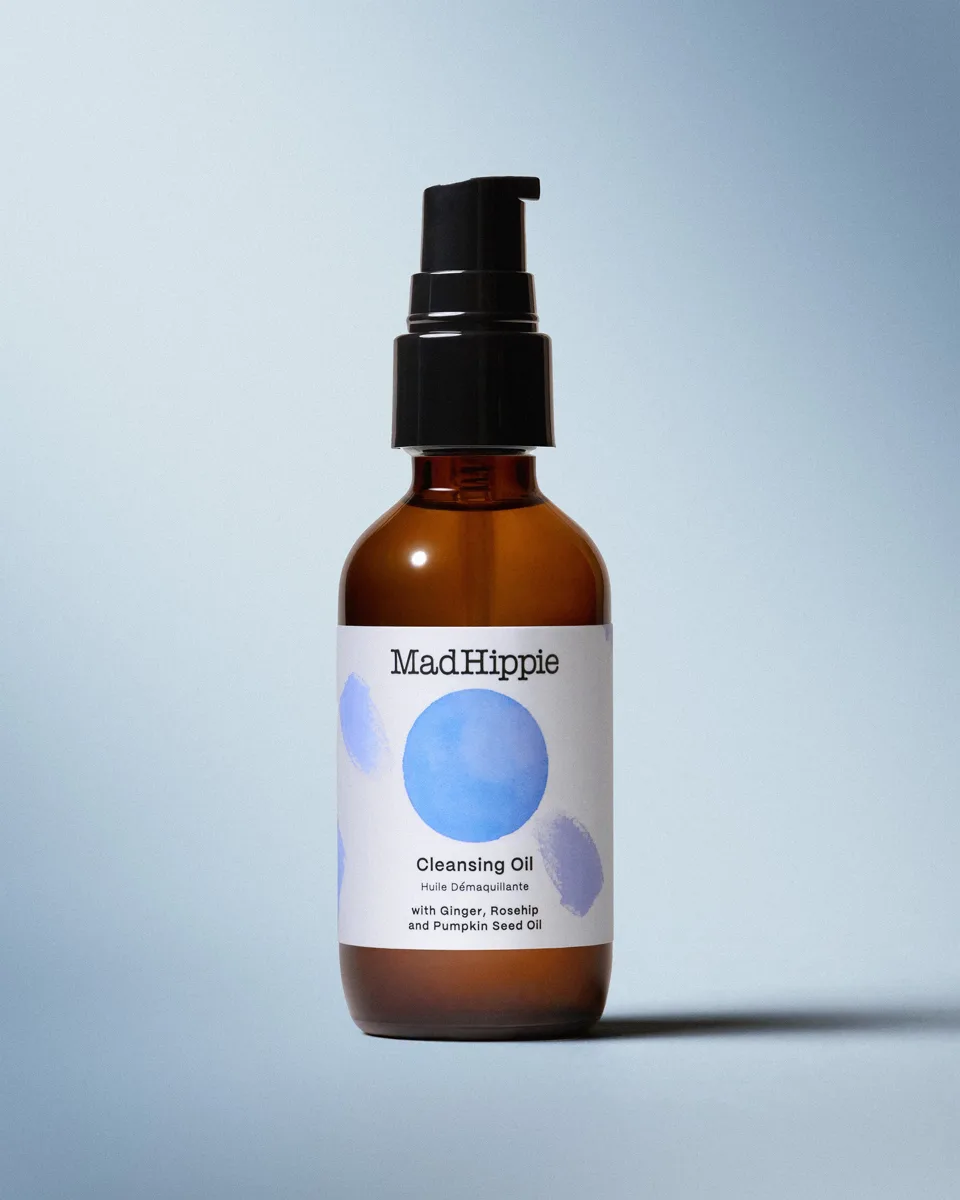 Old-School Cloth-Off Oil
 Cleansing Oil
Nine plant ingredients, no emulsifier, no rinse: a cleansing oil in the washcloth sense, built on high-linoleic safflower and squalane so it dissolves waterproof makeup without congesting. It works beautifully and asks for a cloth, a minute, and usually a second cleanser. Lightly scented with ginger and lime, small bottle, fair price — for makeup wearers with dry-to-combination skin who like the ritual.
 Gentle Double-Cleanse Starter
 Smoothness Hydrating Cleansing Oil
A pleasant, plant-oil-forward cleansing oil that makes the case for double cleansing to Western shoppers intimidated by J-beauty direct imports. It does its job cleanly, dissolves long-wear makeup and sunscreen without drama, and leaves skin soft — but it's neither the cheapest nor the most technically interesting option in a category where the price benchmarks are already excellent.
 Budget Retinol Staple
 Anti-Wrinkle Renewal Cream
A 40-year-old budget retinol cream that has quietly been doing real work for decades, recently updated with bakuchiol alongside the original vitamin A. Excellent value, legitimate retinoid activity, and one of the longest track records in drugstore skincare. The natural fragrance and dated jar packaging are the main caveats.
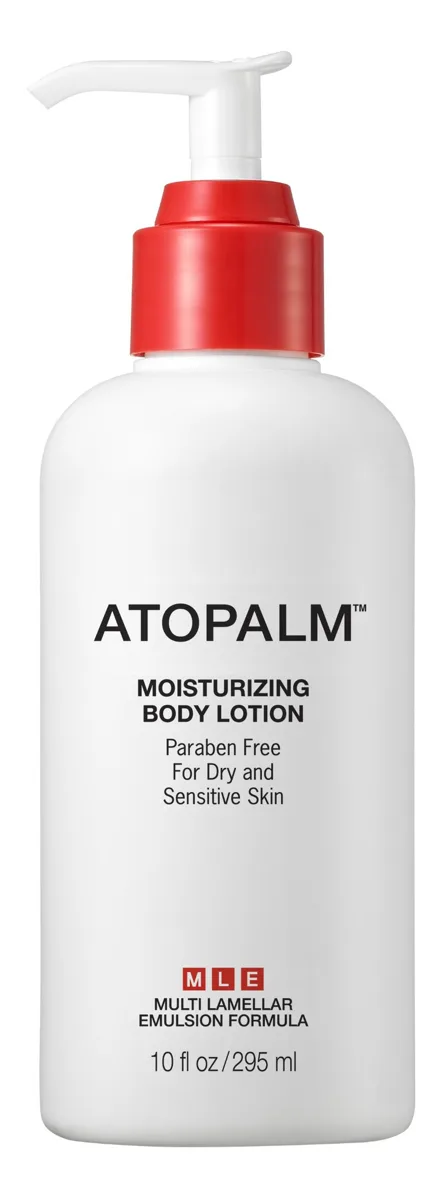 Pseudoceramide Body Pick
 Moisturizing Body Lotion
Atopalm takes the pseudoceramide barrier science from its facial line and scales it down — in texture, not ambition — into a lightweight body lotion that actually rebuilds dry, itchy skin rather than just coating it. It's a smart pick for eczema-prone or chronically parched body skin, with two small asterisks: added fragrance and US pricing that swings wildly depending on where you buy it.
 Rich Winter Cream, Fragranced
 FF Blue Calming Cream
A genuinely rich, comforting cream for dry skin, with safflower oil second on the list and a solid emollient and dimethicone base. The trouble is its name: the calming guaiazulene sits below the fragrance, and the tail carries four declared allergens plus lemon and bergamot peel oils. Resilient dry skin will love the comfort; sensitive skin — the audience the name invites — should look elsewhere.
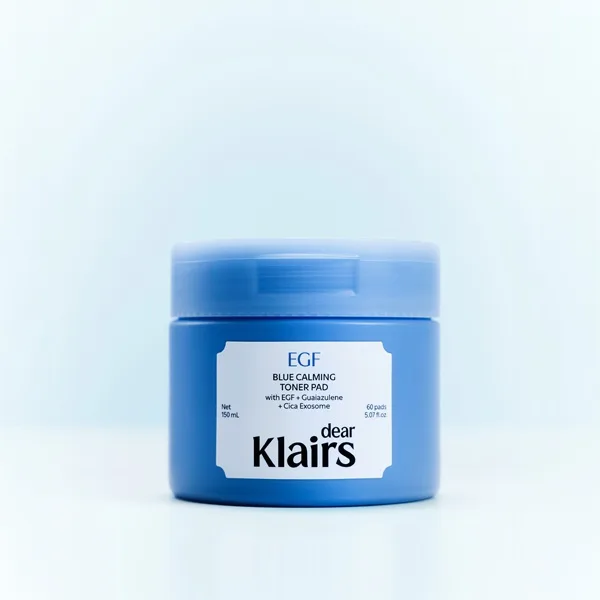 K-Beauty Multi-HA Toner Pad
 EGF Blue Calming Toner Pads
Dear, Klairs K-beauty toner pad with substantial 8-HA-form pool, guaiazulene anti-inflammatory, dual cica positioning, witch hazel, 9+ botanical soothing pool, protease + allantoin enzymatic + soothing pair, and double-sided pad design. Vegan + fragrance-free formulation. Exceptional suitability breadth and strong scores across formulation dimensions.
 Vegan Coffee Polish
 Dak Lak Coffee Face Polish
A likeable, genuinely cushioned coffee face scrub from Vietnam's beloved vegan brand Cocoon — finely ground Dak Lak coffee buffered in cocoa and shea butters so it polishes without stripping, fragrance-free and very affordable. Ignore the caffeine 'antioxidant' marketing, which does little in a rinse-off, and buy it for what it is: a pleasant, nourishing weekly physical exfoliant. Just keep it gentle and off acne-prone, sensitive skin.
 Water-Feel Reapply Stick
 Refreshing Water Hydration Stick
The most interesting sunscreen stick in COOLA's range: a glycerin soap gel rather than a wax bar, so it swipes on cool and wet, leaves a humectant film and carries a stabilised four-filter SPF 50 with no cast. It is scented with a dozen aroma molecules, built on octocrylene, and $30 for 0.8 ounces goes fast at a real dose, which keeps it a reapplication stick rather than a whole-face answer.
 Sekkisei Daily Workhorse
 Sekkisei Treatment Cleansing Oil
The everyday partner to Sekkisei's flashier Brightening Cleansing Oil — same herbal heritage, lighter daily-driver formula, and a 300 ml refill size that lowers the per-use cost into reasonable territory. The fragrance and alcohol mean it's not for sensitive skin, but for everyone else in the Sekkisei orbit it's the version that actually gets used to the bottom.
 Affordable Glow Oil
 Brightening Glow Serum
An affordable, genuinely lightweight blend of eight plant oils that delivers an immediate dewy glow and softens dry skin nicely. It is a lovely finishing oil for normal-to-dry complexions who enjoy a natural scent, but the citrus, rosemary, and lavender essential oils mean sensitive and acne-prone skin should approach with real caution.
 Fragrance-Forward Glow Oil
 Super Body Oil
Olay's first body oil is a pleasant, quick-absorbing safflower-jojoba-squalane blend wrapped in a very loud pistachio-and-caramel fragrance. The peptides and bakuchiol on the label are trace-level passengers, so buy it as a scented glow oil for dry legs and arms, not as a firming treatment, and know that twenty dollars for four ounces is a fragrance-brand price, not a drugstore one.
 Viral Budget Spot Mask
 Turmeric Mask Stick
A nine-dollar viral classic that makes notoriously messy turmeric genuinely swipe-able. Cocokind's Turmeric Mask Stick uses organic turmeric, ginger, and tea tree in a convenient balm to calm blemishes and gently brighten. Charming and affordable, but expect subtle results, a temporary yellow tint, and tea-tree irritation potential for sensitive skin.
 Serum-Weight Tinted Zinc
 Sheer Tint Sun Serum
The brand's best sunscreen for oily and combination skin: non-nano zinc in a thin serum, suspended with clay and safflower oleosomes instead of butters, tinted Light/Medium so it vanishes on lighter skin and sets to a soft matte. SPF 29, the brand's antioxidant pair, a faint vanilla note. One ounce for twenty-three dollars is small, one shade is limiting, and it may be on its way out — buy it while it exists.
 Rich Refillable Glow Cream
 Cloudberry Bright Refillable Moisture Cream
The rich cream Glow Recipe's range was missing, and a good one: safflower oil second, mixed triglycerides, cloudberry seed oil, CoQ10, two peptides and a proper humectant set, whipped into a texture that melts in and leaves dry skin dewy by morning. It brightens the way any well-moisturised face does and not one shade more, it is fragranced, and it is too much for oily skin. For dry and normal skin that likes a scented ritual, $40 with a $34 refill is fair; for dark spots, buy a serum.
 Best-in-Category Lip SPF
 UV Lip Color Splash SPF 35 PA+++
Shiseido's UV Lip Color Splash is one of the rare lip products with genuinely meaningful broad-spectrum SPF 35 PA+++ protection — addressing the chronic UV under-protection of the lip area through the brand's Clear Defense Technology. The Oxybenzone presence is the formula's significant concern (both for individual sensitivity and reef-safety reasons), but for routines that need lip SPF and don't conflict with those constraints, this is one of the few products in the category that genuinely works.
 Botanical Glow Cream
 Brightening Day Cream
An old-school, oil-rich natural day cream that brightens by nourishing rather than by any pigment-fading active. The soothing cica and dense antioxidant fruit blend feel lovely on dry skin, and the price is friendly. But the citrus and clove essential oils make it a poor match for sensitive or reactive skin, and the 'brightening' name promises more than the formula delivers. A pleasant moisturizer with an honest-name problem.
 Makeup-Melting First Cleanse
 Take The Day Off Charcoal Cleansing Balm
A reliable, fragrance-free oil-cleansing balm that melts off makeup and sunscreen effortlessly and rinses clean, with charcoal added more for marketing than measurable function. As a first-step makeup remover it is genuinely good, and the simple base formula is the original's proven strength. The catches are that the charcoal adds little over the standard version, and you are paying a prestige price for what is, at heart, a basic oil cleanser.
 Effortless Makeup Melter
 Ceramide Replenishing Cleansing Oil
A pared-back, genuinely pleasant plant-oil cleanser that melts makeup and sunscreen, then rinses clean without stripping. The catch is the name: despite 'Ceramide' on the bottle there isn't a single ceramide inside, and you're paying a luxury premium for what is essentially three oils and an emulsifier with fragrance. Effective and comfortable, just don't buy it for the actives.
 Light Daily Peptide Cream
 Face Cream
A light, fragrance-free daily moisturizer that wears beautifully under sunscreen and puts a Matrixyl peptide and niacinamide higher on the label than most creams at this price. It is comfortable rather than transformative, a little clogging for acne-prone skin, and sold in a 30ml tube whose front still advertises an acai the ingredient list no longer contains. Normal and combination skin will like it; the price is for the peptides, and the peptides are a hope.
 Anti-Aging SPF Workhorse
 Dynamic Skin Recovery SPF 50
A genuinely multi-functional SPF moisturizer that treats sun protection as a platform for anti-aging rather than an afterthought. The oleosome technology and peptide complex are real innovations, but the essential oil overload and $87 price tag make this a product for devoted Dermalogica loyalists rather than casual sunscreen seekers.
 Clinical Papaya Enzyme Mask
 Skin Zyme Papaya Mask
A papain enzyme mask that does its job — it smooths and brightens without the sting of an acid peel, and the honey gives it a genuinely pleasant emollient feel. But at $60 with fragrance, denatured alcohol, BHT, and three synthetic dyes on the label, you are paying a clinical-distribution premium for chemistry that newer enzyme masks deliver more cleanly.
 Essential-Oil-Free Gentle Oil Cleanser
 Pure + E.O. Free Oil Cleanser
A deliberately essential-oil-free oil cleanser built for reactive skin: linoleic-rich oils that dissolve makeup and rinse clean, plus microbiome-supporting pre/probiotics and soothing botanicals, all fragrance-free and fungal-acne safe. It's genuinely one of the gentlest oil cleansers around — the only real catch is paying a premium price for a product you rinse off.
 Antioxidant SPF Hybrid
 BioLumin-C Heat Aging Protector SPF 50
A lightweight broad-spectrum SPF 50 that doubles as an antioxidant brightener, folding the BioLumin-C stabilized vitamin C into a well-built chemical filter system. It wears beautifully for a high-SPF chemical formula and adds genuine daytime free-radical defense; the sticking points are a steep price for daily sunscreen, citrus oils layered over chemical filters, and 'heat aging' claims that outrun the public evidence.
 Natural-Luxury Winter Cream
 Repairative Moisturizer
A rich, silky, butter-led cream that comforts dry winter skin beautifully and smells like a citrus-rose garden, sold as a day moisturiser while carrying bergamot and grapefruit peel oils that photosensitise, plus fourteen declared allergens, arnica and alcohol. Its hydration is real and its wrinkle claims are not, and $118 buys a Vermont farm's philosophy with a formulation error at its centre. Lovely at night on calm, dry skin; a poor idea in the sun on any.
 Luxury Balm Cleanse, Scented
 Advanced Night Cleansing Balm with Lipid Rich Oil-Infusion
A beautifully textured safflower-oil cleansing balm that melts makeup and sunscreen, milks off with water and leaves dry and normal skin soft rather than tight, with a short, fully disclosed formula that has not changed in a decade. Its lavender-floral fragrance is strong for a product massaged over closed eyes, and fifty dollars buys the Advanced Night Repair name more than any chemistry a mid-range balm lacks; lovely to use, easy to replace.
 No-White-Cast Pioneer
 Hydra Vizor Invisible Moisturizer SPF 30
A genuinely innovative SPF moisturizer that solved the white cast problem before most of the industry even acknowledged it existed. The niacinamide and hyaluronic acid additions earn it treatment status beyond basic sun protection, though the significant fragrance load and premium pricing demand consideration.
 Oily-Sensitive Skin Solution
 Geranium & Thistle Rebalancing Day Cream
Pai fills a genuine gap in the organic skincare market with this mattifying moisturizer for oily-sensitive skin — the linoleic-rich oil blend is intelligently formulated, and the matte finish actually delivers. At $59, it's a premium choice, but oily-skinned organic devotees have precious few alternatives this well-considered.
 Japanese Firming Powerhouse
 Vital Perfection Uplifting and Firming Advanced Cream
Shiseido's flagship firming cream brings genuine formulation sophistication with SafflowerRED technology and patented 4MSK brightening — delivering consistent radiance and measurable hydration — though the ambitious lifting claims require patience, and the alcohol-plus-fragrance load narrows its audience.
 Heritage Ritual Soap
 Phelityl Cleansing Bar
Erno Laszlo's Phelityl Cleansing Bar is the emblem of a near-century-old ritual — a superfatted soap bar that leaves skin feeling ceremonially clean and a little more conditioned than basic soap. But strip away the heritage and it's still a fragranced, alkaline-pH soap at $44, outclassed on barrier-friendliness by modern cleansers, and best suited to oily skin that loves the ritual.
The full safflower oil guide
Most plant oils lead with oleic acid; safflower oil leads with something rarer — up to roughly 75% linoleic acid, the same fatty acid that acne-prone sebum tends to run short on.
That biochemical quirk is why this light, fast-absorbing oil keeps turning up in cleansers, moisturizers, and SPF bases aimed at oily and combination skin. It does quiet, unglamorous barrier-maintenance work, often while flashier actives in the same formula take the credit.
How it's regulated in the US
FDA does not classify ingredients — it classifies products, by what they are sold to do. The same molecule can be a drug active in one product and a cosmetic ingredient in the next, and only the claim on the label decides which. What follows is a statement about that legal standing, not about whether it works — the evidence question is answered separately above.
Cosmetic Safflower Oil is a cosmetic ingredient in the US: no OTC monograph covers it and it is not an active in any FDA-approved drug, so a product built around it is a cosmetic rather than a drug.
The case for safflower oil rests on its linoleic acid content and is grounded in plausible biochemistry rather than a deep trial base. Acne-prone skin is known to produce sebum low in linoleic acid, a deficiency linked to follicular hyperkeratosis and microcomedone formation (Downing et al., J Am Acad Dermatol 1986). A small double-blind study found nearly a 25% reduction in microcomedone size after one month of topical linoleic acid (Letawe et al., Clinical and Experimental Dermatology 1998) — though that study tested purified linoleic acid, not safflower oil itself. A 2020 study in Oxidative Medicine and Cellular Longevity (Khémiri et al.) reported antioxidant and antimicrobial activity for cold-pressed Carthamus tinctorius seed oil in a skin-injury model. A 2023 review in Archives of Dermatological Research examined safflower oleosomes as a delivery platform, describing encouraging in vitro and animal-model results while stressing that human clinical data are still lacking. The honest read: a solid mechanistic rationale plus in vitro and limited human signals for barrier and acne benefit, with the advanced-delivery work still early. It does not carry the randomized-trial weight of a pharmaceutical active.
How it works
The defining feature is concentration: high-linoleic safflower oil typically runs 68–75% linoleic acid, among the richest of any common cosmetic plant oil. Linoleic acid (an omega-6 fatty acid) is a structural building block for acylceramides, the ceramide class that acts as mortar between corneocytes in the stratum corneum. When the skin surface is short on linoleic acid, sebaceous follicles tend toward hyperkeratosis — the thickened, sticky lining that seeds a microcomedone. Topical application may help replenish that local deficiency at the follicular level, which is why the oil is talked about for oily and acne-prone skin rather than only dry skin. Linoleic acid also appears to dampen inflammation: it competes with arachidonic acid as a substrate, which can moderate downstream prostaglandin signaling. The tocopherols naturally present in cold-pressed safflower oil add some oxidative protection — useful, since polyunsaturated-rich oils oxidize more readily on the shelf and potentially at the skin surface. One practical catch: the INCI name Carthamus Tinctorius Seed Oil covers two very different oils. High-linoleic (described here; comedogenic rating around 0–1, lighter feel) and high-oleic (roughly 75–85% oleic acid, more comedogenic, more shelf-stable, better for dry skin). The label alone rarely tells them apart — brand disclosure or lab analysis does. In formulas, safflower oil works as a light, easily spreading emollient that absorbs without the heaviness of coconut or avocado oil.
Key benefits
- Helps replenish linoleic acid in sebum-deficient, acne-prone skin, which may reduce microcomedone formation
- Lightweight texture absorbs quickly without leaving the greasy residue of heavier oils on oily or combination skin
- Supplies linoleic acid that supports acylceramide formation, reinforcing the stratum corneum's water-retention capacity
- Naturally occurring tocopherols add antioxidant activity that helps stabilize the oil and protect skin lipids
- Rated a non-irritant and non-sensitizer in the CIR safety assessment, making it a low-reactivity emollient choice
- Spreads UV filters and actives evenly in SPF and moisturizer bases without weighing the formula down
Concentration & usage
In finished cosmetics, safflower oil usually shows up between roughly 0.5% and 15% by weight, though some dedicated facial oils use it as a primary carrier at 30–70%. No single efficacious percentage has been pinned down by clinical trial for the oil itself — the underlying mechanism studies used purified linoleic acid at roughly 1–5%, so a formula needs a meaningful oil load to deliver comparable amounts. On an INCI list, look for Carthamus Tinctorius Seed Oil and read its placement: oils in the top third are present at meaningful levels, while those near the end usually sit at 1% or below and act more as texture aids than functional ingredients. Because this is a lipid rather than an acid or enzyme, pH is not a factor.
Who it's for & who should be cautious
Who it's for
Given the linoleic acid replenishment angle, oily, combination, and acne-prone skin types are the clearest fit. It also suits normal skin that wants a lightweight daily facial oil delivering barrier support without heaviness. People navigating mild barrier compromise — lingering post-procedure redness, or dehydration that hydrating serums alone aren't fixing — often find it a non-irritating emollient that layers cleanly under other steps.
Who should be cautious
Before buying, confirm the product uses the high-linoleic variety rather than high-oleic — the latter carries a comedogenic rating around 3–4 and can aggravate breakouts despite sharing the same INCI name. Anyone with a known safflower or Asteraceae (daisy family) allergy should patch-test, since cross-reactivity within that plant family is documented. And those with very dry or eczematous skin may find this oil too light for the heavy occlusion their barrier wants; a richer option such as petrolatum or a ceramide-dense cream will serve that purpose better.
Pairs with & conflicts
Myths & facts
Myth: Safflower oil clogs pores, so acne-prone skin should steer clear.
Reality: This confuses two different oils. High-linoleic safflower oil rates around 0–1 on the comedogenic scale and is among the oils best supported by mechanistic research for acne-prone skin, given the documented linoleic acid shortfall in acne sebum. High-oleic safflower oil is the other product — it can rate 3–4 and is the one worth avoiding.
Myth: One plant oil is much like another, so the specific oil barely matters.
Reality: The fatty acid profile, not the feel, drives function. Safflower oil's roughly 70% linoleic acid makes it structurally relevant to ceramide formation and follicular health in a way that oleic-acid-dominant oils are not. They are genuinely different ingredients with different mechanisms.
Myth: Safflower oil is just a cheap filler with no real skin benefit.
Reality: It is often chosen partly for cost, but its linoleic acid content still contributes real emollient and barrier-support chemistry. The 2020 Khémiri study and the broader linoleic acid literature point to meaningful activity — though that activity sits in barrier maintenance and mild anti-inflammatory effects, not dramatic transformation.
Frequently asked questions
What's the difference between regular safflower oil and 'high-linoleic safflower oil' on a label?
It matters for your skin type. The high-linoleic kind contains roughly 68–75% linoleic acid and suits oily and acne-prone skin. High-oleic safflower oil is a separate cultivar with 75–85% oleic acid, better shelf stability, and a comedogenic rating around 3–4 — essentially the opposite fit. The INCI name Carthamus Tinctorius Seed Oil covers both, so when it's unclear, ask the brand which they use.
Can safflower oil genuinely help acne, or is that marketing?
There's real mechanistic grounding. Sebum in acne-prone skin tends to be low in linoleic acid, and that shortfall is linked to the hyperkeratosis behind microcomedones. A small 1998 study found topical linoleic acid cut microcomedone size by about 25% over a month. That said, that study used purified linoleic acid, not safflower oil, and the oil isn't a treatment for active inflammatory acne — it works on the follicular environment, not bacteria or inflammation directly.
How does safflower oil stack up against rosehip or sea buckthorn for the barrier?
It's more focused and lighter. Rosehip brings trace retinoids and more complex phytochemistry; sea buckthorn delivers intense carotenoids and a vivid color. Safflower oil's edge is its straightforward, high-linoleic profile with few extra actives, which makes it a lower-risk pick for sensitive or reactive skin that may not tolerate the busier chemistry of those oils.
Does safflower oil go rancid quickly, and should that change how I store it?
High-linoleic safflower oil oxidizes more readily than high-oleic versions because polyunsaturated fats react faster with oxygen. Finished products usually add antioxidants like vitamin E to protect it, so a sealed product is generally stable. Once opened, keep it away from heat and direct light — and if a safflower-heavy product starts smelling like crayons or paint, it has oxidized and should be tossed.
Is safflower oil safe to use while pregnant?
As a topical emollient it's generally considered fine during pregnancy — it's a dietary oil with no topical risk profile that would call for avoidance, and the CIR safety review flagged no irritation or sensitization concerns. Unlike retinoids or high-strength salicylic acid, there's no documented worry. If a product pairs it with actives that do carry pregnancy cautions, the caution belongs to that active, not the oil.
Why does safflower oil turn up so often in SPF moisturizers specifically?
It acts as an elegant carrier, helping UV filters spread evenly without the weight that coconut or shea would add. Its quick-absorbing, non-greasy feel matches what sunscreen formulas need, and it lends emolliency to bases that might otherwise feel dry or chalky — especially mineral formulas built around zinc oxide.
- Natural & BotanicalThe Seed-Oil Panic Jumped From Your Diet to Your Face. The Chemistry Doesn't Follow.Topically, the molecule the argument tells you to avoid is one the stratum corneum is structurally built from — and in acne-prone skin the documented finding is a shortage of it.
- Natural & BotanicalUnrefined Sounds Better and Is Sometimes Worse. Here's the Actual Trade.Every word on a plant oil label describes what was left in — including the proteins that sensitise and the compounds that go rancid — and the variable that decided the one head-to-head trial isn't printed anywhere.