Astaxanthin
Products with Astaxanthin
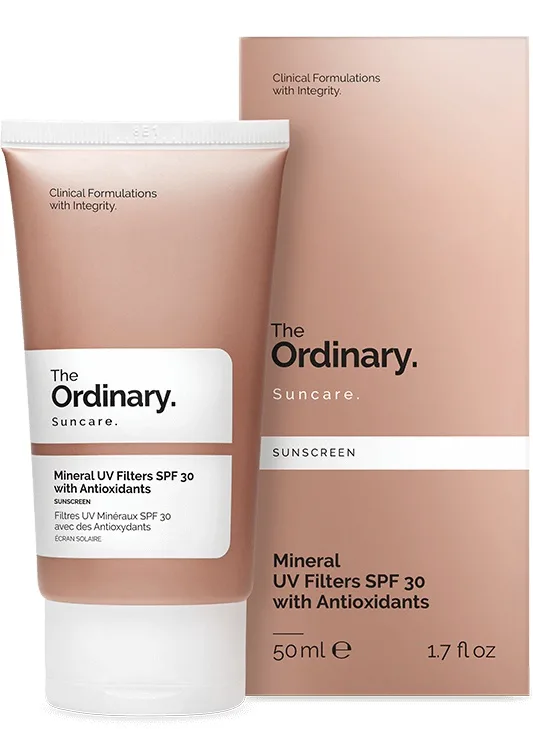 Budget Mineral Shield
 Mineral UV Filters SPF 30 with Antioxidants
A discontinued mineral sunscreen that was, for its brief run, one of the best-value mineral SPFs ever made. The antioxidant blend was genuinely impressive, the mineral filters provided gentle broad-spectrum protection, and the under-0 price was unmatched. The white cast and thick texture were its undoing — cosmetic elegance matters, and this product lacked it.
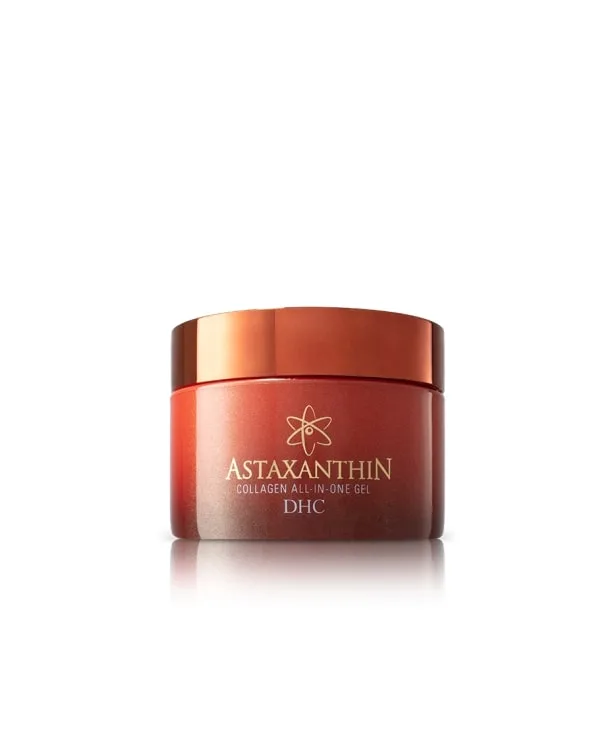 J-Beauty Antioxidant Gel
 Astaxanthin Collagen All-in-One Gel
A genuinely well-built Japanese gel-cream that stacks astaxanthin, tocotrienols, and tocopherol on top of a collagen-and-squalane base, delivering immediate plumping and a real antioxidant story in a single step. At $53 for 4.2 oz it's not cheap, and the animal-derived actives rule it out for vegan users, but for the right buyer it's one of the more interesting all-in-one gels you can find on the US j-beauty shelf.
 The Family Zinc That Blends
 PLAY Mineral Lotion SPF 30
The family zinc lotion that actually blends: 16% coated zinc oxide, no chemical filters, no fragrance, no alcohol, a genuine 80-minute water-resistance rating, and bisabolol, glycerin and astaxanthin to keep it kind on children and reactive skin. The cast on deeper tones and the salicylate booster are the honest footnotes, and the alphabetical ingredient list defeats the usual reading habit. At $28 for 100 ml it is fair for what it is, and what it is is one of the better mineral body lotions at the price.
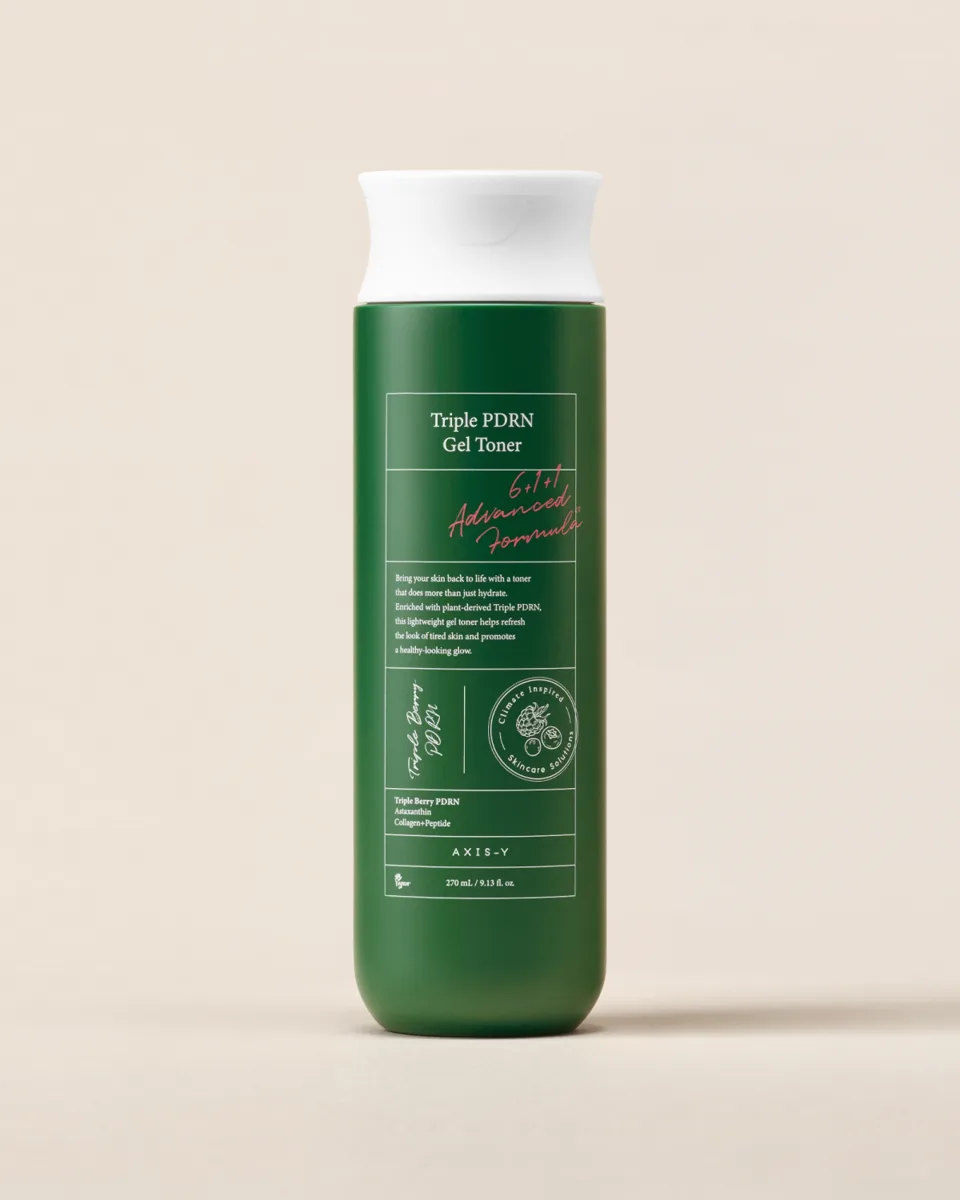 Sensitive Skin Soother
 Triple PDRN Gel Toner
A cooling, genuinely soothing gel toner with a real barrier-friendly core of centella, ceramide, and astaxanthin in a generous 270ml bottle. The headline 'plant PDRN' is more clever marketing than proven science, and the trace retinal is a name-drop — but as a calming hydration step, it quietly delivers.
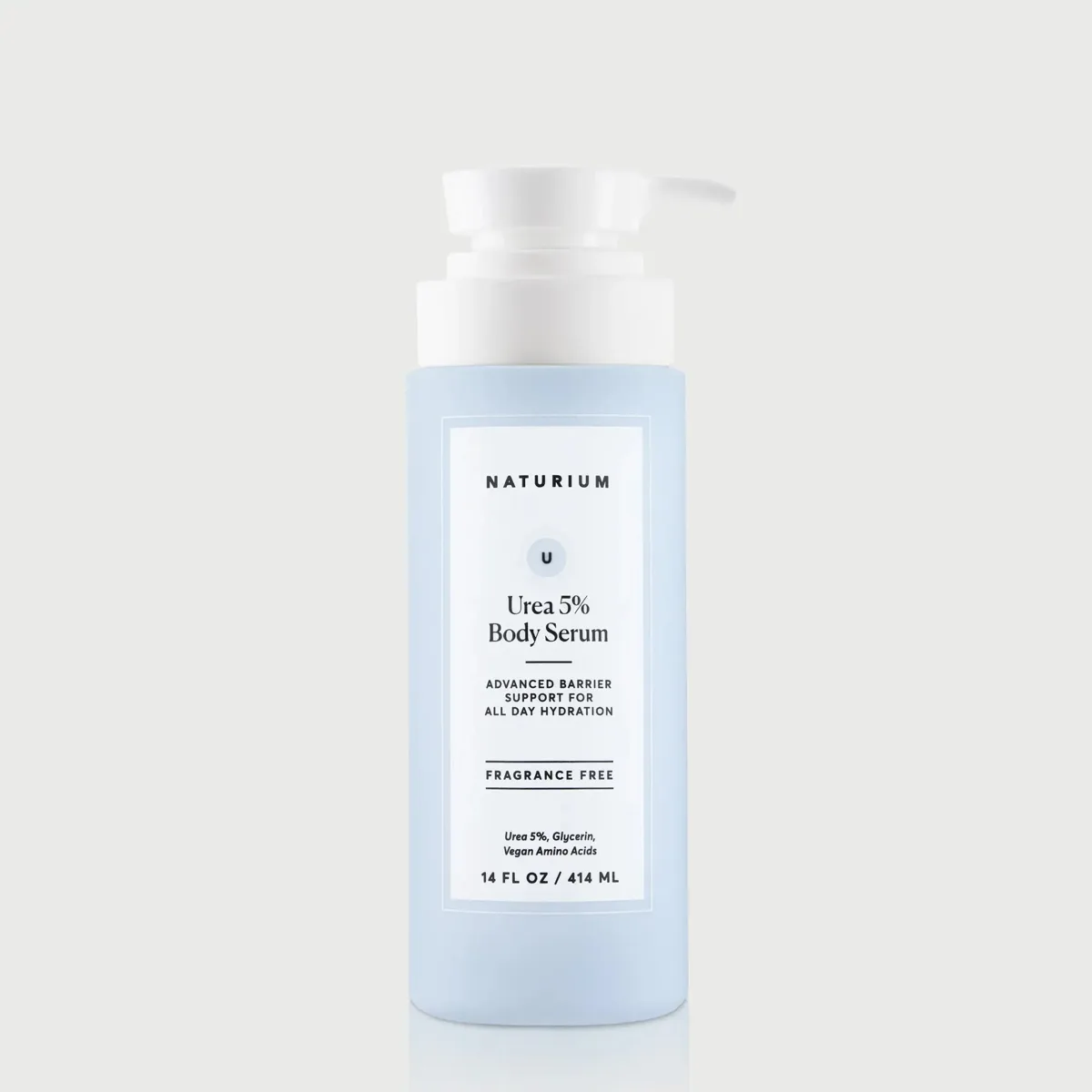 NMF in a Pump Bottle
 Urea 5% Body Serum
A smart, unglamorous body hydrator: 5 percent urea with glycerin, PCA, hyaluronate and free amino acids — the skin's own moisturising factor, replaced wholesale — in a thin, fragrance-free milk that vanishes in a minute and costs $23 for 14 ounces. It makes ashy shins and rough elbows look better within a week and hydrates deeply over a month. It is not a KP smoother at this dose, the 'firming' is marketing, and very dry skin needs a cream over it; but as the daily base layer for a whole body, it is one of the better-value things in the aisle.
 Barrier-Friendly Cleanser
 Milky Moisture Cleanser
A barrier-conditioning milky cleanser that builds Byoma's tri-ceramide complex into a non-foaming, fragrance-free wash for dry and sensitive skin. It cleanses without stripping and leaves skin genuinely soft, at a notably accessible price, though the coconut extract and fatty alcohols make it a weaker fit for oily, breakout-prone complexions.
 Non-Scorching Spot Cream
 Blemish Cream
A full-strength 2% salicylic acid spot treatment that refuses to be a drying gel: emollient cream, squalane, calming arnica and curcumin, no alcohol, no fragrance. It flattens a spot a little more slowly than a drugstore gel and leaves the skin around it intact, which for most faces is the better trade. Small tube, fair price, clean formula that actually contains the drug.
 Clean Beauty SPF Pick
 Umbra Sheer Physical Daily Defense SPF 30
A thoughtfully formulated mineral sunscreen with an impressive antioxidant supporting cast, but the oil-rich base limits its audience to dry and normal skin types willing to pay a premium for the Drunk Elephant philosophy. Sensitive skin will love it; oily skin will fight it all day.
 Sensitive-Friendly Rovectin Reformulation
 Skin Essentials Barrier Repair Cream Concentrate
The Skin Essentials reformulation of Rovectin's Barrier Repair Cream Concentrate takes everything that worked about the original and strips out the problem ingredient — the essential oil blend — replacing it with a cleaner shea-butter-plus-lactobacillus-ferment system. The result is a genuinely sensitive-skin-friendly version of the brand's flagship cream, and it's a meaningful upgrade.
 No-White-Cast Daily SPF
 Ultralight Face Fluid SPF30
A genuinely lightweight, no-white-cast chemical sunscreen with a skincare-grade base of ceramides and antioxidants, all for $18.99. The faint filter scent and touch of olive oil are minor quibbles, and oily skin should test it, but as an invisible daily SPF that works across skin tones and feels like skincare, it's an easy budget recommendation.
 High-Protection Daily SPF
 Ultralight Face Fluid SPF50
The higher-protection sibling in Byoma's Ultralight line, delivering SPF 50 in the same featherlight, no-white-cast fluid with ceramides and antioxidants for $18.99. The faint filter scent and brief sheen are minor, and oily skin should test it, but for those wanting maximum daily protection without a heavy feel, it's a standout budget pick.
 Vitamin C Mask, 50 ppm Vitamin C
 Vitamin C Astaxanthin Mask
A comfortable, citrus-scented daily hydration sheet with niacinamide fifth on the list, sold at the right tub price, whose own label declares its four vitamin C forms at 50 ppm and about 1,000 ppb and its astaxanthin at 10 ppb, levels that cannot brighten anything. Buy it as a cheap, cool, dewy morning sheet with a yuzu scent; do not buy it as vitamin C.
 Sunscreen Plus Antioxidants
 Solar Shade Chemical Sunscreen SPF 46
Solar Shade is a competent, lightweight chemical sunscreen that does the basics well, SPF 46, PA++++, no white cast, fragrance-free, and then adds something genuinely worthwhile: a real antioxidant complex of ethyl ferulate and astaxanthin-rich algae extracts as a second line of defense. It is a smart everyday option for normal to oily skin. Chemical filters mean very sensitive skin should consider Prequel's mineral version instead.
 Bio-Collagen Peel-Off Mask
 Bio-Collagen Radiance Facial Mask
Byoma's Bio-Collagen Radiance Facial Mask is a peel-off liquid sheet mask combining the brand's signature tri-ceramide complex with collagen, astaxanthin, centella, and vitamin B12 in pink gel format. At $16.99 for 60ml the value is strong. Distinctive Byoma pink color from B12. Fragrance-free, vegan, and suitable for general adult use.
 Hydrating Everyday Face SPF
 Eight Hour HydraPlay Daily Defense Nourishing Fluid Broad Spectrum SPF 40
An elegant, fragrance-free daily facial sunscreen that wears invisibly, hydrates as it protects, and backs its standard organic filters with a genuine antioxidant blend. It is a pleasure to use and easy to recommend on feel, but at forty-five dollars for 50 ml it carries a clear heritage-brand premium over equally capable everyday SPFs.
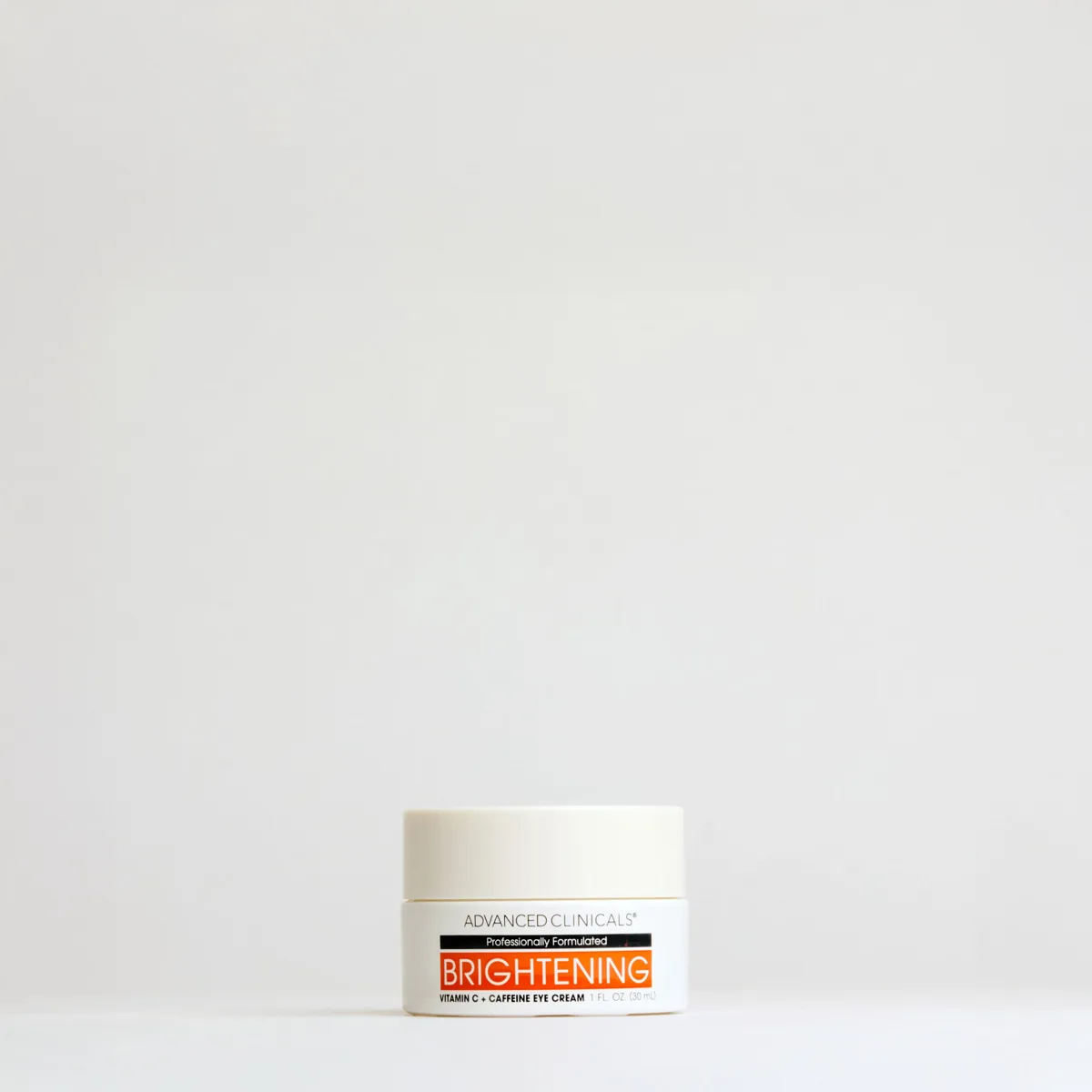 Budget Morning Eye Cream
 Brightening Vitamin C + Caffeine Eye Cream
The most purposeful eye product Advanced Clinicals makes: two forms of vitamin C and caffeine placed high in a rich, fragrance-free shea-and-coconut cream, with a plant-expressed peptide and astaxanthin behind them, for fifteen dollars. It is too rich for oily or milia-prone eyes, the peptide is unproven, and its 2025 track record is short, but as a budget morning eye cream it is a real step up from the brand's serums.
 Vegan Lanolin-Feel Balm
 Triple Lipid Lip Treatment
A superb fragrance-free vegan balm that gets the cling and cushion of a lanolin lip treatment from a plant ester and two tropical butters over coconut oil, wears through the night, and calms cracked lips within days. Its volumizing and lipid-complex claims are small declared doses with supplier-level evidence, and $25 for 7.7 grams is prestige money for a balm; the balm is good enough that many people will pay it.
 Australian Clinical Peptide Serum
 Multi-Peptide Revitalise Serum
Alpha-H's Multi-Peptide Revitalise Serum is a sophisticated 2025 multi-peptide formulation combining EGF-mimetic oligopeptide-1 with the established Argireline (acetyl hexapeptide-8), plus collagen amino acids, hyaluronic acid, and astaxanthin-rich algae extract. At $80 for 30ml the pricing is premium for the Australian clinical-skincare tier. Lightweight, well-tolerated, and meaningfully more multi-active than single-peptide alternatives.
 Derm-Office Cooling Pick
 Isdinceutics Hyaluronic Eyes Cooling Eye Contour Gel
A genuinely pleasant, fast-absorbing hydrating eye gel with a real antioxidant in astaxanthin and a clever dual-weight hyaluronic acid base. The cooling gel-sorbet texture is the selling point and it delivers. The catch is a steep price for 15 grams and added fragrance in a product meant for the eye area.
 Clean Beauty Eye Award Winner
 Squalane + Marine Algae Eye Cream
A beautifully formulated, award-winning clean eye cream that delivers genuine anti-aging actives without retinoids, fragrance, or common irritants. The paracress, peptide, and marine algae trio provides multi-pathway wrinkle care that is pregnancy-safe and NEA-accepted. The $56 price for half an ounce is the only real argument against it — and it is a strong one.
 Viral Eye Treatment
 Retinol Eye Stick
An inventively packaged retinol eye treatment that deserves its viral status — the stick format genuinely solves hygiene, dosage, and convenience problems that plague traditional eye creams. The formula behind the format is surprisingly deep, with encapsulated retinol, dual peptides, bakuchiol, and astaxanthin working together on dark circles and fine lines. The mica adds cosmetic shimmer rather than real results, but the actives deliver.
 Clean Beauty Mineral Staple
 5 in 1 Natural Face Sunscreen SPF 30 Tinted
One of the most enduring tinted mineral sunscreens in clean beauty, and with good reason — 20% non-nano zinc, iron oxides for visible-light protection, and a tint that actually disappears on the skin. Expensive per ounce, but earns its place in melasma and post-procedure routines.
 K-Beauty Bifida + Multi-Peptide Eye
 TW-Real Eye Cream
Isntree K-beauty eye cream extending the TW-Real bifida + multi-peptide platform into eye-area format. Bifida ferment lysate dominance + 4-peptide platform (sh-Polypeptide-1 EGF + argireline + dual sh-oligopeptide) + niacinamide + ceramide NP + astaxanthin + multi-emollient pool. Substantive multi-active loading. Shea butter + avocado oil + mango seed oil flag fungal-acne perioral routines.
 All-in-One Actives Serum
 Age Defense Super 6 Serum
An all-in-one anti-aging serum that bundles six genuinely good actives — vitamin C, niacinamide, retinol, CoQ10, astaxanthin, and botanical HA — into one fragrance-free budget bottle. The convenience is real and the price is right, but the kitchen-sink approach spreads each active thin, and the retinol-plus-alcohol-plus-witch-hazel combination tilts it toward irritation. A decent all-rounder; not a substitute for a focused treatment.
 Peptide-Rich Firming Eye Cream
 Multiple Peptide Eye Cream
A genuinely peptide-forward eye cream from China's eye-care specialist, stacking credible actives like Matrixyl and Argireline with antioxidant cordyceps and astaxanthin, often paired with a cooling massage applicator. It smooths, hydrates, and firms gradually and is broadly tolerable. The caveats are honest: added fragrance, marketing-led concentration and device claims, and limited independent international validation.
 Beginner-Friendly Retinol
 Anti-Wrinkle Retinol Concentrated Serum
A thoughtfully buffered, beginner-friendly retinol serum that pairs encapsulated retinol with bakuchiol and a legitimate antioxidant trio, all cushioned by humectants to keep irritation low. It's gentle, well-priced, and a smart entry point into retinol — just don't expect prescription-grade speed, and skip it if you're pregnant or very sensitive.
 Barrier Repair Powerhouse
 Bora Barrier Repair Cream
A remarkably dense, comprehensive barrier repair cream that packs ceramides, peptides, four antioxidants, dual vitamin C forms, and six botanical oils into one richly formulated product. It delivers genuinely transformative hydration for dry and compromised skin, but the ultra-thick texture and premium price tag keep it firmly in niche territory.
 Clean Mineral SPF for Men
 Moisturizing Balm SPF 30
A mineral sunscreen that refuses to be boring — the 20% zinc oxide provides robust protection while astaxanthin and a collagen-stimulating peptide turn daily sun protection into an active anti-aging treatment. The clean, fragrance-free formula is a standout in the men's SPF category, limited only by its small size and premium price.
 Primer-Moisturizer Hybrid
 Great Skin Moisturizer
A pleasant, lightweight, fragrance-free moisturizer that does a clever double duty as a smoothing makeup primer. Squalane and jojoba butter soften, hyaluronic acid hydrates, and antioxidant astaxanthin adds environmental defense — all in a gentle, clean formula that absorbs to a soft-focus finish. The firming claims are modest, and the price is a slight premium, but as a comfortable everyday hydrator-and-primer, it delivers.
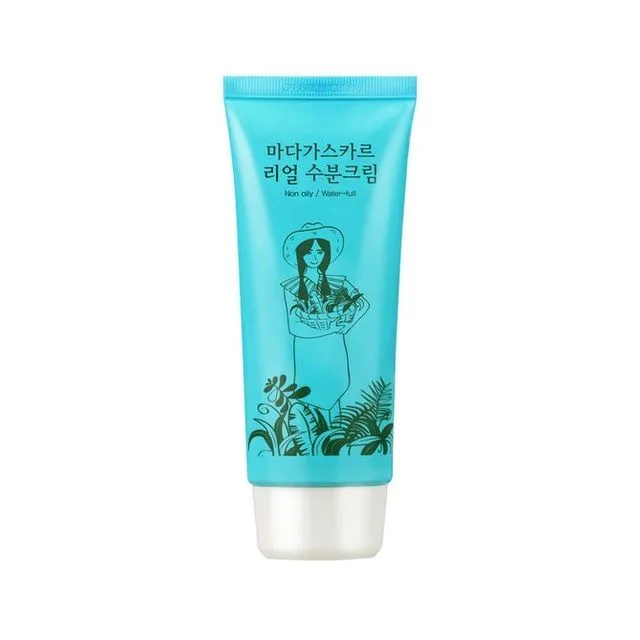 Cica Cult Favorite
 Madagascar Real Moisture Cream
A standout cica cream that swaps its water base for 80% centella extract, then piles on purified centella actives, peptides, astaxanthin, and a multi-weight humectant blend. Fragrance-free, gentle, and genuinely well-priced, it is one of the more impressive ingredient lists you can buy for the money, with only its light texture and basic tub packaging holding it back.
 Two-Phase Glow Mask
 Probiotic Advanced Radiance Water-Oil Mask
A sheet mask with an actual oil phase — jojoba, squalane, meadowfoam and camellia in a separate chamber you knead into the essence — plus ergothioneine, Q10, astaxanthin and two prebiotics, for about seventeen dollars a box of five. It leaves dry and dull skin visibly plumper and lit for a day, which is all a mask can honestly promise; the citrus-and-ginger tail and the fiddly mixing are the only real reservations.
 Kitchen-Sink Brightener
 Anti Aging 10 Actives Serum
A rich, herbal-scented face cream masquerading as a serum, with a legitimate arbutin, niacinamide and vitamin C brightening trio inside a coconut-oil-and-cocoa-butter base. Dry, normal skin with dark spots and a small budget can do well with it over a few months. Oily or acne-prone skin should look elsewhere, and nobody should buy it for the hyaluronic acid, which is tara gum.
 Reedle Shot for Beginners & Sensitive Skin
 Reedle Shot 50 Essence
The Reedle Shot 50 Essence is the line's gentlest member — a milder silica-based mechanism paired with astaxanthin, aloe, and glyceryl glucoside for a meaningfully softer experience than any other Reedle Shot. For sensitive or dry skin that wants the line's benefits without the signature sting, this is the correct starting and often permanent home.
 Clean Beauty BB-SPF
 Impeccable Skin Moisturizing Face Sunscreen SPF 30
Suntegrity's BB-style tinted mineral sunscreen manages the rare trick of being both a real 20% zinc sunscreen and a real no-makeup-day base. Multi-shade, peptide-enriched, and safe for reactive skin — though the $65 price is a steep ask for 1.7 ounces even when the formula earns it.
 Instant Brightening Pick
 Bright Eyes Illuminating Eye Cream
A clever skincare-makeup hybrid that hides dark circles the instant you apply it, thanks to a warm-toned tint, while caffeine and niacinamide do quieter long-term work. Best treated as a fast cosmetic fix with skincare benefits rather than a corrective treatment. The light tint shade limits who it flatters.
 Lightweight Plumping Gel-Cream
 Air Angel Peptide Plumping Gel Cream
The airy counterpart to Dieux's rich Instant Angel, and a genuinely good lightweight moisturizer: it plumps and hydrates with humectants and a desert-plant water-binder, reinforces the barrier with ceramide and squalane, firms gradually with a peptide, and adds astaxanthin antioxidant defense — all in a fresh, non-greasy, fragrance-free gel-cream. It's an excellent daily pick for oily and combination skin that struggles to find hydration without weight, and it's well-priced. The main caveats are that it's too light alone for very dry skin and isn't fungal-acne safe.
 Luxury Multi-Ceramide Face Oil
 Ceramide Drops
Dr. Barbara Sturm's Ceramide Drops combines comprehensive 5-ceramide complex with 8 different plant oils plus squalane plus astaxanthin in luxury face oil booster format. 160 dollars for 30ml is celebrity-brand luxury pricing — sophisticated formulation with brand cachet markup.
 3-in-1 SPF + Primer + Anti-Aging
 Solar Milk Clear SPF 50 PA Sunscreen Gel for Face
Beekman 1802 indie brand US FDA-approved chemical sunscreen with 3-in-1 sunscreen + primer + better-aging positioning. Combines standard US chemical filter pool (SPF 50 PA++++) with brand-signature goat milk + fermented rice triple milk complex + dual algae antioxidants + vitamin E pair + substantial silicone pool. Solid US-market sunscreen positioning with goat milk brand differentiation.
 Antioxidant Defense Serum
 Red Effect Serum 1.05 Pump
An antioxidant-and-brightening serum that leads, on the label, with trendy NAD but is genuinely powered by astaxanthin, niacinamide, alpha-arbutin, and vitamin C — a proven antioxidant-and-tone deck that defends and brightens whether or not topical NAD does anything. Lightweight, fragrance-free, and a solid daytime step. The premium small-bottle price, unproven NAD, and astaxanthin oil (a fungal-acne concern) are the caveats.
 Antioxidant Brightening Serum
 Vitamin C Astaxanthin Serum
An ambitiously loaded brightening serum that stacks four vitamin C forms with astaxanthin, niacinamide, glutathione, kojic and ferulic acids and CoQ10 — an encapsulated antioxidant powerhouse on a yuzu base. It brightens and defends genuinely well, and the encapsulation helps the notoriously unstable vitamin C. The citrus oil and dense active load are the main caveats for sensitive skin.
 Capsule-Studded Kojic Cream
 Kojic Acid Turmeric Cream
A light, fragrance-free brightening moisturiser with a declared 0.7 percent kojic acid, niacinamide placed above it, and antioxidant capsules that look good and keep the kojic from browning, at a price well below most kojic creams. The 66 percent turmeric is the water phase with a new name and the kojic dose is on the gentle side, so expect slow, modest fading with strict sunscreen rather than a spot eraser. Sound value for normal-to-dry skin; oily skin will find the esters heavy.
 Astaxanthin-Powered K-Beauty Repair
 Barrier Repair Cream Concentrate
An astaxanthin-forward Korean barrier cream that replaces the usual mineral occlusives with a botanical oil system and delivers a genuinely interesting lipophilic antioxidant story. The formulation is thoughtful, but the essential oil blend makes it a harder sell for reactive skin, and the '6000 times stronger than vitamin C' marketing claim deserves a raised eyebrow.
 Japanese Luxury Astalift Cream
 Cream
The moisturizing finish step in Fujifilm's Astalift luxury routine — squalane foundation, dual nano-antioxidant exposure, triple collagen, royal jelly. Cohesive completion of the layered Astalift methodology. Earns its premium pricing within the brand context; standalone value is modest relative to dedicated luxury cream alternatives.
 Japanese Luxury Eye Cream
 Eye Cream
Astalift's eye-area specialty product — squalane lipid foundation, brand-signature nano-astaxanthin and triple collagen, watercress and dill botanicals appropriate for the delicate eye-area skin. Best understood as the eye-area extension of the broader Astalift routine; standalone value is modest given the well-documented limitations of the eye cream category.
 Brightening Everyday Pick
 Vitamin C Complex Cleanser
A surprisingly loaded antioxidant cleanser that bundles two vitamin C forms, fruit enzymes, phytic acid, and astaxanthin into one morning wash. It leaves skin smooth and fresh and offers a gentle daily brightening top-up — just don't expect serum-level results from a product you rinse off in thirty seconds. Strong value, with a mild tingle sensitive skin should test first.
 Glass-Skin Trend Serum
 PDRN Brightening Smooth Serum
A pleasant, fast-absorbing pink serum that prints an honest PDRN number and pairs it with three licensed brighteners whose independent evidence is thin. It earns its place as a glow-and-texture serum for normal to oily skin that likes a trend, but the 20 ml bottle, the added fragrance and the slow, modest pigment results keep it from being a dark-spot solution.
 Clean Beauty Body Staple
 Natural Mineral Body Sunscreen SPF 30
A quietly excellent 20% zinc body sunscreen that treats the skin below your neck with the same formulation seriousness Suntegrity brings to its face products. Expensive for body use, but for sensitive skin and families willing to invest in a clean beauty mineral option, it's one of the better choices on the shelf.
 PDRN Trend Pick
 Vitamin PDRN Bouncy Pore Serum
A heavily loaded pore serum that rides the PDRN wave intelligently — pairing a vegan, plant-derived PDRN and a five-form vitamin C complex with three peptides, niacinamide and astaxanthin, all fragrance-free. The well-established actives carry it; PDRN and NMN are promising trend ingredients whose topical evidence is still being written.
 Luxury Retinal Night Cream
 Red Ultimate Cream
A luxurious cupuaçu-and-squalane night cream with retinal as its one real wrinkle active and niacinamide as its steady partner, dressed in peptides and astaxanthin that read better than they perform. It melts on contact, leaves dry skin bouncy by morning and softens fine lines over a season; it also carries a rose perfume with declared allergens, hides its retinal dose, and reaches America only through resellers at prestige prices.
 Dewy Zinc Tint
 Umbra Tinte Mineral Cream SPF 30
A genuinely well-built tinted mineral sunscreen: 20 percent zinc in a silicone-free squalane-and-marula base, iron oxides for visible-light cover, and an antioxidant cluster most sunscreens skip. Dry, sensitive and melasma-prone skin in the light-medium to medium range will find it close to ideal. Everyone else runs into the single shade, the richness or the pilling, and thirty-five dollars for 60ml is real money at proper application.
 Lit-From-Within Day Cream
 Radiant Complexion Cream Apricot Glow
A likable hybrid glow gel-cream that hydrates with hyaluronic acid and shea butter while lending a warm, lit-from-within apricot radiance. Lovely as a no-makeup day cream or a foundation mix-in, but it leans more cosmetic than corrective, packs several fragrance allergens, and asks a premium for a small tube. Charming for the right user, easy to skip for sensitive skin.
 Derm Office Antioxidant Flagship
 Alto Advanced Defense and Repair Serum
The most chemically ambitious antioxidant serum on the physician-dispensed shelf, stacking seven complementary antioxidants across water-phase, lipid-phase, enzymatic, and Nrf2-activating pathways. Whether that diversity translates to proportional clinical benefit over simpler formulas is still an open question — and at $185 for 30ml, it's an expensive place to find out.
 Viral K-Beauty Cult Favorite
 Mask Fit Red Cushion SPF 40
The TIRTIR Mask Fit Red Cushion is that rare viral product that actually earns its moment — a genuinely long-wearing full-coverage cushion with real SPF 40 protection, thoughtful niacinamide and adenosine additions, and a price that undercuts most Western foundation-plus-sunscreen combinations. Shade range expansion came late and the fragrance isn't for everyone, but the core formula is legitimately good.
 Lift-Band Sheet Mask
 No. 9 NAD+ Full Face Mask
A pleasant, well-hydrating two-part sheet mask whose genuine novelty is its physical jaw-lifting band, not its 120-ingredient label. Niacinamide and adenosine do real work; the headline NAD+ and '50 peptides' are trend marketing more than functional doses. Fun and gentle — just buy it for the hydration and the temporary contour, not the buzzwords.
 Japanese Quasi-Drug Wrinkle Repair Serum
 The Serum Wrinkle Repair for Night
Fujifilm's quasi-drug certified niacinamide wrinkle-repair serum with proprietary dermis penetration liposome delivery technology. The Japanese regulatory backing for the wrinkle-improvement claim is genuinely meaningful, and the formulation depth justifies the premium positioning for users specifically committed to the Astalift brand approach.
 Dermalogica 2026 Launch
 Pro-Collagen Banking Water Cream
Dermalogica's March 2026 launch combines a triple peptide system (Matrixyl, Acetyl Hexapeptide-37, collagen amino acids) with astaxanthin antioxidant and white clover elastase-inhibition in a lightweight water-cream format. The 76-dollar price for 50ml is mid-clinical tier with the formulation depth justifying the position. Vegan and cruelty-free.
 Radiance Boost Mask
 Afterglow Yuja Gel Mask
A radiance-focused hydrogel that turns out to be more than its trendy yuja citrus branding: niacinamide and stabilized vitamin C do the real brightening, backed by a multivitamin-and-astaxanthin antioxidant panel and deep hydration. The gentle vitamin C form even lets it work overnight. Added fragrance and citrus extracts keep it from being a sensitive-skin pick, but for dull, tired skin it's a genuine glow-giver.
 Botanical Day Cream
 Anti-Aging Regenerative Day Cream
A rich, antioxidant-forward day cream that sensibly leads with bakuchiol and adds astaxanthin and pine bark for environmental defense. The hydration and firming feel are genuine, but an exceptionally heavy essential-oil blend, a retinol-in-daytime choice, and no SPF make it a hard recommendation — best reserved for resilient, fragrance-tolerant skin, and never without sunscreen on top.
 Botanical Night Cream
 Anti-Aging Regenerative Night Cream
The overnight companion to Derma E's day cream gets the retinol placement right — night is where it belongs — and pairs it with bakuchiol and a genuine antioxidant base. But it carries the same exceptionally heavy essential-oil blend, which gives it a relaxing bedtime scent and a real irritation risk that keeps it from being a broad recommendation, best suited to resilient, fragrance-tolerant skin.
 Reapplication MVP
 Anthelios UVAir Vitamin Stick SPF 50+
Reapplication is the step of sun protection almost everyone skips, and a stick is the most practical fix — you can swipe it over makeup without wrecking your face. La Roche-Posay's UVAir Vitamin Stick pairs that convenience with a genuinely modern, fully photostable European filter set and an antioxidant duo of vitamin E and astaxanthin. As a midday top-up it is excellent; as a sole sunscreen, the small size and stick format make it a companion rather than a main act.
The full astaxanthin guide
Salmon get their pink flesh from eating it; flamingos turn pink because of it; and now it's showing up in high-end serums and sunscreens because the same pigment that protects those creatures from oxidative damage appears to do something useful on human skin.
Astaxanthin is a xanthophyll carotenoid sourced primarily from the freshwater microalgae Haematococcus pluvialis, and it carries a body of human clinical data — modest but real — pointing toward benefits for skin moisture, elasticity, and UV resilience. The catch: most of the strongest evidence comes from oral supplementation, and topical use, while biologically plausible, is still catching up.
How it's regulated in the US
FDA does not classify ingredients — it classifies products, by what they are sold to do. The same molecule can be a drug active in one product and a cosmetic ingredient in the next, and only the claim on the label decides which. What follows is a statement about that legal standing, not about whether it works — the evidence question is answered separately above.
Cosmetic Astaxanthin is a cosmetic ingredient in the US: no OTC monograph covers it and it is not an active in any FDA-approved drug, so a product built around it is a cosmetic rather than a drug.
Human clinical data is promising, particularly for oral astaxanthin in the 4–12 mg/day range. A 2021 systematic review and meta-analysis in Nutrients (PMC8472736) covering eleven clinical studies — eight of them randomized controlled trials — found statistically significant improvements in skin moisture and elasticity from oral supplementation, while wrinkle depth reduction was not significant versus placebo in the pooled analysis. A separate 2020 systematic review in the Journal of Dietary Supplements reached broadly similar conclusions but flagged small samples (mostly healthy Japanese women) and frequent commercial funding as limitations. Individual trials have reported that oral astaxanthin can raise the minimal erythema dose, suggesting a photoprotective effect, though sample sizes are small and the work is not yet large or replicated enough to call settled. On the topical side, a liposomal formulation (PubMed 22628205, J Pharm Sci 2012) prevented UV-induced skin thickening and collagen loss in a preclinical model; a 2023 Journal of Cosmetic Dermatology open-label study evaluated a vitamin C + astaxanthin + fermented turmeric serum and reported good tolerability and skin-quality outcomes, though it lacked a placebo arm. In vitro mechanistic data is consistent — astaxanthin quenches singlet oxygen and dampens MMP-1 and NF-κB signaling — but the "6,000 times stronger than vitamin C" line in marketing copy comes from a narrow singlet-oxygen lab assay, not a clinically relevant comparison, and real-world superiority to vitamin C in skin outcomes has not been shown in controlled human trials.
How it works
What sets this carotenoid apart is where it sits in a cell membrane. Its polar end groups anchor at both faces of the lipid bilayer while the central polyene chain spans the oily core, so it can intercept free radicals at the membrane surface and deep within it at the same time — a positioning most antioxidants can't manage. That gives it broad radical-quenching reach across singlet oxygen, superoxide, lipid peroxyl radicals, and peroxynitrite. Under UV stress, much of the damage in skin runs through reactive oxygen species switching on NF-κB, which drives inflammatory cytokine release (TNF-α, IL-1α, IL-6, IL-8) and ramps up matrix metalloproteinases — especially MMP-1, the collagenase that chews through type I collagen. Lab work suggests astaxanthin can blunt this cascade at several points: lowering the initial ROS load, suppressing NF-κB activation, and reducing MMP-1 expression. It also appears to nudge the Nrf2/ARE pathway, which switches on the skin's own antioxidant enzymes, and to support TGF-β signaling tied to collagen synthesis. Because it's oil-soluble, getting it through the stratum corneum into the viable epidermis leans heavily on formulation: emulsified or encapsulated systems such as liposomes and nano-emulsions tend to penetrate better than a simple oil dispersion. Its orange-red conjugated chromophore can faintly tint concentrated formulas, which is one reason most leave-on products keep levels modest.
Key benefits
- May reduce UV-triggered MMP-1 activity, helping limit collagen breakdown over time
- Associated with improved skin moisture and elasticity in oral-supplementation trials (typically 8–16 weeks)
- Small trials suggest it can raise the skin's minimal erythema dose, supporting UV resilience
- Dampens inflammatory signaling (NF-κB, IL-6, TNF-α) implicated in photoaging
- Operates in the lipid membrane, complementing water-phase antioxidants like vitamin C
- Low irritation profile makes it an easy add for reactive skin that struggles with stronger actives
Concentration & usage
Topical products list astaxanthin (INCI: Astaxanthin) or its algae source (INCI: Haematococcus Pluvialis Extract or Haematococcus Pluvialis Oil), usually somewhere between 0.01% and 0.5%, with some professional-grade formulas reaching 1–2%. Activity has been reported at levels as low as 0.01–0.1% when the delivery system is well designed — encapsulation tends to matter more than raw percentage. On an INCI list it generally appears in the lower half given those small use levels. Unlike vitamin C, there's no established pH dependence for topical efficacy. For oral supplementation, most clinical work uses 4–6 mg/day over 8–12 weeks; doses up to 12 mg/day have been studied without flagged safety concerns, though that's a supplement decision rather than a skincare one.
Who it's for & who should be cautious
Who it's for
Anyone focused on photoaging, cumulative UV damage, or dull, moisture-depleted skin may find astaxanthin a sensible addition to a sun-care or antioxidant-leaning routine. It suits people already wearing SPF who want a layered antioxidant defense against the reactive oxygen species that UV filters don't fully neutralize. With a low irritation profile and no known sensitization at cosmetic concentrations, it tends to play well with sensitive and reactive skin types that can't comfortably tolerate stronger actives like L-ascorbic acid.
Who should be cautious
Those sensitive to algae or carotenoids should patch-test carefully, and people with confirmed marine-ingredient allergies may want to check whether a product's astaxanthin is algae-derived (H. pluvialis) versus synthetic, since the allergenic profiles differ. At cosmetic topical concentrations, genuine contraindications are rare. The more meaningful cautions sit on the oral side, where interactions with blood pressure medications and anticoagulants have been noted; anyone pregnant, breastfeeding, or on those medications should talk to a healthcare provider before taking oral astaxanthin supplements.
Pairs with & conflicts
Myths & facts
Myth: Astaxanthin is 6,000 times more powerful than vitamin C as a skincare antioxidant.
Reality: That figure traces back to one in vitro singlet-oxygen-quenching assay — a narrow lab measurement, not a real-world skin outcome. The multiplier swings wildly between sources (65×, 550×, 6,000×) precisely because different assays measure different things. No controlled human trial has shown astaxanthin outperforms vitamin C on actual skin endpoints. Both are useful and work through complementary mechanisms, which is exactly why they're often paired.
Myth: Astaxanthin can stand in for sunscreen because it offers SPF-level protection.
Reality: It isn't an SPF agent and has no meaningful UV-filtering activity — it doesn't absorb UVB or UVA enough to deliver a measurable sun protection factor. What it does is help reduce the oxidative cascade after UV has already hit the skin, and small trials suggest oral use can raise the minimal erythema dose. That's cellular resilience, not sun protection. It belongs alongside sunscreen, never instead of it.
Myth: Eating astaxanthin does nothing for your skin — only topical application counts.
Reality: Oral supplementation actually carries the stronger clinical evidence base for skin outcomes right now. Several randomized controlled trials have documented moisture, elasticity, and photoprotection improvements from oral doses around 4–12 mg/day, while topical evidence — though promising — is still building. Some researchers think combining the two routes works best, since each reaches different skin compartments.
Frequently asked questions
How long before astaxanthin produces a visible change in my skin?
Most clinical trials run 8–16 weeks before measuring results, and that's roughly where shifts in moisture, elasticity, and texture become detectable. Don't expect dramatic changes in the first couple of weeks — astaxanthin works by chipping away at cumulative oxidative damage, which is a slow process in both directions.
Does an orange tint in an astaxanthin serum mean the dose is too high?
No — a faint orange or red color is normal. Astaxanthin is a potent pigment and will visibly tint a formula even at low concentrations, so the color reflects the chromophore, not an unsafe or excessive amount. The tint usually fades quickly after application and rarely shows on skin at typical use levels.
For skin, is topical astaxanthin or an oral supplement the better bet?
Honestly, oral supplementation has the larger and more consistent body of human RCT data for skin endpoints like moisture, elasticity, and photoprotection. Topical astaxanthin is biologically plausible and backed by in vitro and some clinical work, but because it's oil-soluble and bulky, results vary a lot by formulation. The most evidence-supported approach appears to be using both.
Will astaxanthin and a vitamin C serum cancel each other out if I layer them?
No — they complement rather than compete. Vitamin C works mainly in the watery phase of skin while astaxanthin sits in the lipid-membrane environment, so together they cover a wider span of reactive oxygen species than either alone. That's exactly why some serums combine the two, often with ferulic acid, into a multi-pathway antioxidant blend.
Is astaxanthin safe to use every morning?
It's well tolerated at cosmetic concentrations and has no established photosensitizing effect — unlike retinol or exfoliating acids, it doesn't raise UV sensitivity and is actually being studied within sun-care contexts. Daily morning use under SPF is one of its most logical applications. A patch test is still a reasonable first move for anyone with reactive skin, as with any new active.
Does natural algae-derived astaxanthin behave differently from synthetic astaxanthin in skincare?
Natural astaxanthin from Haematococcus pluvialis is predominantly the 3S,3'S stereoisomer and is esterified in its native state, which can affect bioavailability and stability differently than synthetic forms, which are typically a racemic mix. Most quality skincare specifies natural H. pluvialis sourcing, and the research base is built mostly on the natural form. Synthetic astaxanthin shares the same molecular formula but differs in isomer distribution.