Rice Water Has One Real Measurement Behind It, and It Isn't About Your Face
The home remedy with the most respectable pedigree also has the widest gap between what was studied and what gets claimed — and the gap runs straight through the rice grain.
Read the preview
From the DermApproved blog, in DIY and At-Home: rice water. It's the home remedy with the best pedigree, and one genuine measurement behind it — which isn't about your face. It's about how a hair fibre slides. Everything the brightening claim rests on was measured on a different part of the rice. Fermenting it grows something specific. For the full breakdown, visit dermapproved.com/blog.
The pedigree is genuine, which is exactly why the gap matters
Two stories carry rice water, and both are true.
The first is Japanese: Heian-period court women washed their floor-length hair in yu-su-ru, the cloudy water left from rinsing rice. This is documented practice, not folklore invented for a product launch.
The second is the village of Huangluo in Guangxi, where Yao women are known for extraordinarily long hair and have traditionally washed it in fermented rice water. Their hair is the reason the village is on a tourist route.
What those establish is that a very large number of people have done this for a very long time without evident harm. What they cannot establish is causation, because the Yao case in particular is confounded in every direction that matters. Hair that is rarely cut, worn coiled rather than loose, never blow-dried, never bleached, never chemically relaxed, and belonging to a genetically related population in a specific climate will be longer and less damaged than hair that has none of those things — regardless of what it is washed in. Attributing the outcome to the rinse is picking one variable out of a dozen because it happens to be the purchasable one.
That is the standard trap in traditional-remedy reasoning, and it deserves to be named without condescension. Tradition is a strong signal that something is safe and tolerable, because unsafe practices tend to get abandoned. It is a weak signal about which effect, and no signal at all about dose.
The one endpoint anyone actually measured
There is a single piece of work specific to rice rinse water with an instrumental endpoint, and it is worth stating precisely because almost everything written about rice water cites it for conclusions it did not reach.
A study from a Japanese cosmetics laboratory examined the rinse water obtained from washing rice — yu-su-ru — as a hair treatment, and identified inositol as the relevant component. The reported effects were on hair fibre mechanics: reduced surface friction and improved elasticity, with the notable observation that inositol persisted within the hair after rinsing rather than washing straight back out, which is unusual for a water-soluble conditioning agent.
Grade that honestly. It is a conference abstract from an industry laboratory, not a randomised controlled trial. The endpoints are instrumental measurements on hair fibres, not clinical outcomes in people. Independent replication is not something we can point you to.
And yet it is comfortably the strongest evidence in the entire rice water literature, which tells you how thin the rest of it is. It is also about something specific and unglamorous: how easily a comb moves through hair, and how much a fibre stretches before it snaps. That maps onto less breakage and less tangling. It does not map onto hair growth, which nobody has demonstrated, and it says nothing about skin.
So the honest headline is that rice water has a plausible, measured case as a hair rinse for slip and fibre strength — the one claim it is almost never sold on.
The brightening claim was borrowed from a different part of the grain
Search for evidence that rice improves skin tone and you will find a real literature. Read the methods sections and you will notice they are almost never about rice water.
They are about rice bran — the outer layer stripped off during milling, which is where the phenolic compounds concentrate. Ferulic acid is the dominant phenolic acid in bran, accounting for something like 56–77% of total phenolic content, and gamma-oryzanol, the well-known rice bran antioxidant, is a ferulic acid ester complex. A single-blind study in 24 women applying a cream containing 1% ferulic acid reported a significant decrease in melanin index in the treated area alongside subjective improvement in dullness. Black rice bran extract has been shown to inhibit tyrosinase substantially in vitro. A 2025 study of fermented rice bran extract reported upregulation of type I collagen and a large fold-increase in type III collagen in three-dimensional cell models, with elastin regeneration in animal work — using an extract containing characterised quantities of azelaic acid, ferulic acid, tocotrienols and squalene, produced by Aspergillus oryzae fermentation specifically to make those macromolecules bioavailable.
Every one of those studies used a concentrated, standardised extract at a stated percentage. The cloudy water you pour off a bowl of rinsing rice is mostly starch, with some water-soluble vitamins, some minerals and trace phenolics at a concentration nobody has measured and which varies with the rice, the water, the ratio and the time.
This is not a claim that rice water contains nothing. It is that the evidence was generated on a different preparation, and the transfer happened silently. Our rice page separates the forms, and rice bran oil covers the lipid fraction where most of the interesting chemistry actually lives. If you want the bran evidence in a form that carries a real percentage, something like Haruharu Wonder Black Rice Hyaluronic Toner is built on it, and Beauty of Joseon Glow Deep Serum: Rice + Alpha-Arbutin pairs rice extract with an actual pigment active rather than asking the rice to do that job alone.
A commercial ferment and a jar on a windowsill are not the same experiment
The fermented version gets treated as the upgraded home recipe, which misreads what commercial fermentation is doing.
A ferment filtrate in a formulated product specifies the organism, the substrate, the temperature, the duration and the filtration, and then the resulting filtrate gets characterised. That control is what makes the research meaningful. A transcriptomic analysis of human keratinocytes treated with Galactomyces ferment filtrate found 99 genes consistently modulated — activation of the aryl hydrocarbon receptor pathway evidenced by CYP1A1 upregulation, increased expression of barrier and differentiation genes including the small proline-rich proteins SPRR1A and SPRR1B and claudins, a wound-healing gene in SERPINB2, and downregulation of inflammatory signals including CXCL14 and the interleukin-6 receptor. That is a specific, reproducible biological signature, and it exists because the input was defined.
A jar of rice water left on a counter is a mixed, uncontrolled culture seeded by whatever was on the grain, in the water, and in the air of your kitchen. It may well produce lactic acid and drop the pH, which is where the tingle and the mild exfoliating feel come from. It may produce a number of other things. You have no way of knowing which, and the resulting liquid is not the substance any of the ferment research studied.
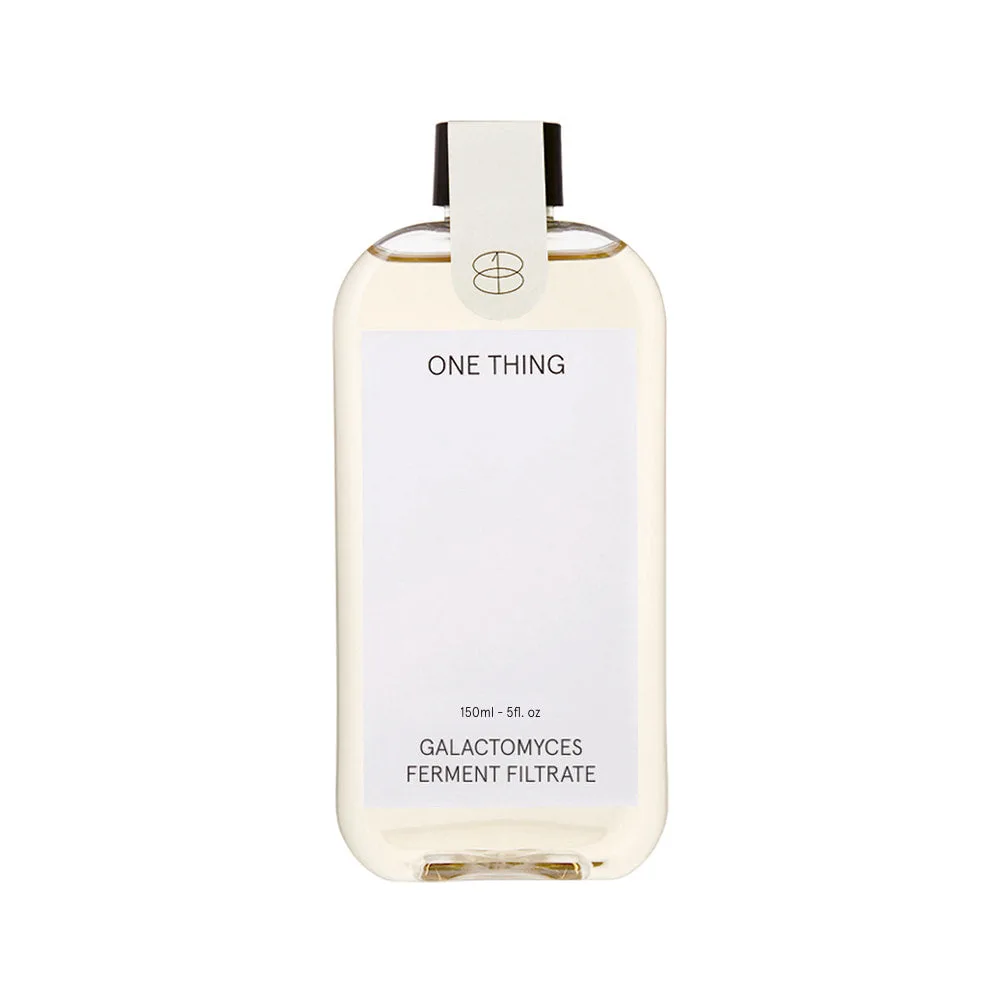
If what appeals is the ferment, buying a characterised one is not a compromise — it is the only version the evidence describes. One Thing Galactomyces Ferment Filtrate is about as close to a single-ingredient version as the category gets, and COSRX Galactomyces 95 Tone Balancing Essence sits in the same lane. Our ingredient decoder will tell you what proportion of a given formula is actually ferment versus water and thickener.
What grows in the jar, stated precisely
This is the part that gets waved through, and it should not be.
Rice is the single most significant food vehicle for Bacillus cereus, whose emetic toxin, cereulide, is the reason reheated takeaway rice has a reputation. A 2023 review in Foods puts numbers on it: among cereulide-producing strains isolated across food categories, 42% of those from rice produced cereulide above the limit of detection, against 16.2% from other farinaceous foods and 7.2% from non-farinaceous foods. Cereulide is remarkably robust — stable through heat treatment at 121°C for two hours, and unaffected by roasting, frying or microwaving.
Two details make this worse than the folk version of the warning. First, boiling does not fix it: heat kills the bacterium and leaves the toxin. Second, and counterintuitively, the review notes that the greatest quantities of cereulide formed at 12–15°C, with production dropping sharply above 40°C and stopping above 43°C. Refrigeration is not the reassurance people assume it is.
Now the necessary caveat, stated plainly rather than buried: this is a food-poisoning literature about eating contaminated rice. Applying a liquid to intact skin is a different exposure route, and there is no accumulated body of case reports describing harm from rice water rinses. Nobody should read this and conclude that a rice rinse is dangerous in the way that eating three-day-old fried rice is.
What it does establish is that deliberately culturing an unidentified organism on the one substrate most associated with a heat-stable toxin, then applying it to your face — around eyes, near mucous membranes, sometimes on broken or actively inflamed skin — is a risk you are taking blind for a benefit nobody has measured. Use it fresh, refrigerate briefly, and if you want fermentation, buy fermentation.
Protein, hair, and where this actually lands
One more claim needs handling before the verdict, because it is the most common complaint from people who tried rice water on hair and hated it.
Rice-derived proteins — the hydrolysed fraction — deposit on the hair cuticle and can temporarily stiffen the fibre, which is exactly what you want when the goal is body and resistance to breakage, and exactly what you do not want if the hair is already low in moisture. The concept usually invoked is 'protein overload', and it is worth being precise: this is a salon and formulator framework rather than a defined clinical entity with a trial literature. What is reasonably well supported is the underlying mechanism — repeated deposition of hydrolysed protein without matched conditioning leaves some hair types feeling stiff, straw-like and more prone to snapping. Whether that describes your hair is an empirical question you answer by trying it twice a month rather than twice a week. The hydrolysed rice protein page covers where it genuinely earns a place in a formula.
So, the verdict, split by claim.
As a hair rinse for slip, combing and fibre resilience: plausible, supported by the only measurement anyone ran on this specific preparation, nearly free, and low-risk if you use it fresh. Try it. Watch for stiffness.
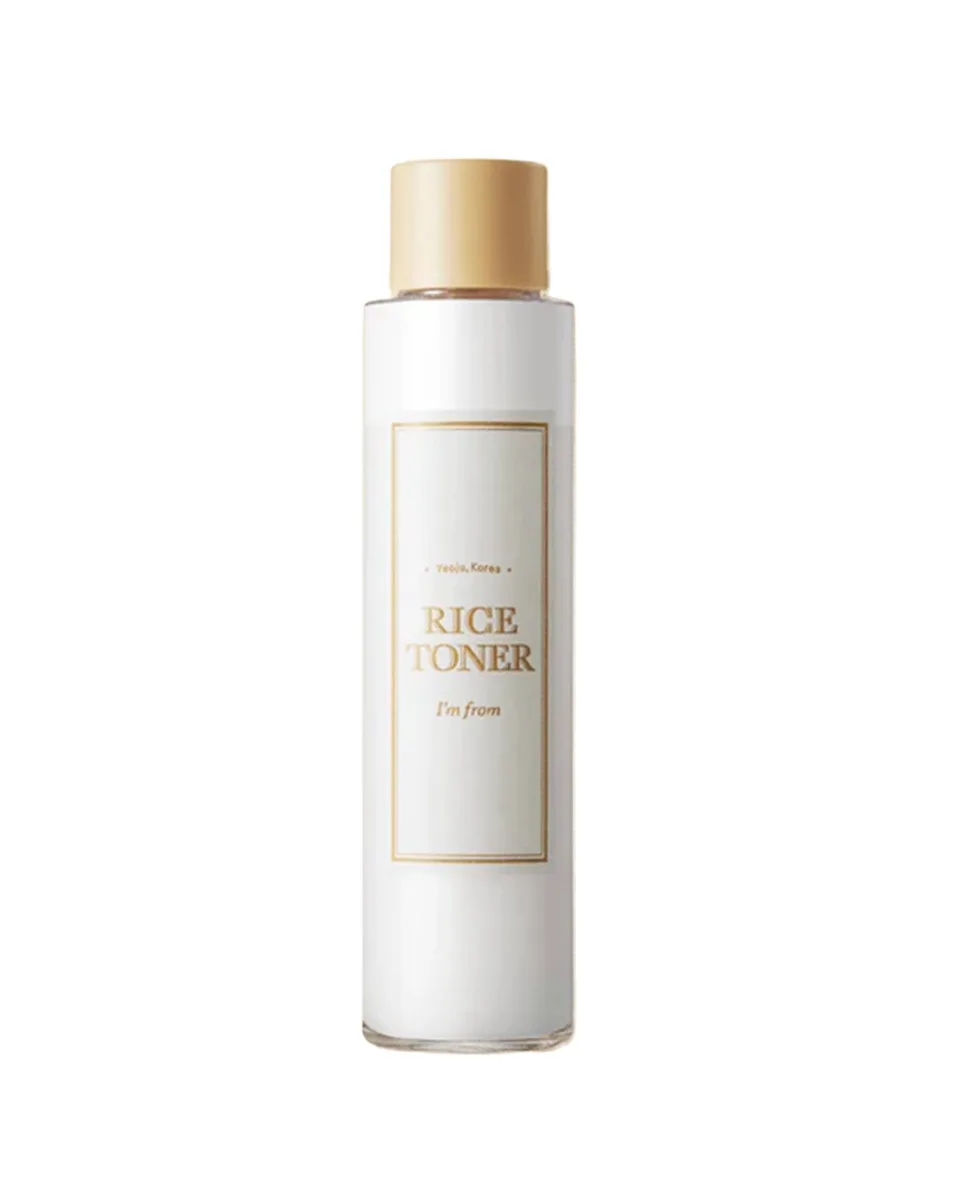
As a face treatment for brightness: the evidence you have been shown belongs to concentrated bran extract at defined percentages, not to starch water, and the transfer is unearned. If the goal is tone, use something with a stated active — I'm From Rice Toner carries a high rice extract content, and pairing rice with niacinamide or arbutin does the work the rice alone is being asked to do.
As a fermented preparation: buy it. The research exists precisely because someone controlled what was growing, and you cannot.
Products mentioned
Independently reviewed and scored — the real products behind this piece.



- Routine Skincare Routine for Dry, Dull Skin Where a tone-focused step sensibly sits for readers chasing the brightening claim
- Ingredient Rice (Oryza Sativa Extract) Separates rinse water, extract and bran, which the claims routinely conflate
- Ingredient Rice Bran Oil The lipid fraction carrying most of the interesting chemistry
- Ingredient Hydrolyzed Rice Protein Where protein deposition genuinely earns a place, and where it stiffens hair
- Ingredient Niacinamide (Vitamin B3) The tone active worth pairing with rice rather than replacing it
References
- The effect of rinse water obtained from the washing of rice (YU-SU-RU) as a hair treatment — International Journal of Cosmetic Science, 2010
- Transcriptomic Analysis of Human Keratinocytes Treated with Galactomyces Ferment Filtrate, a Beneficial Cosmetic Ingredient — Journal of Clinical Medicine, 2022
- Cereulide and Emetic Bacillus cereus: Characterizations, Impacts and Public Precautions — Foods, 2023
- Fermented rice bran extract delays skin aging by increasing the synthesis of collagen and elastin — Frontiers in Pharmacology, 2025
- Evaluating the Efficacy of Lotion Containing Black Rice Bran (Oryza sativa L. indica) Extract as Skin Brightening Agent: A Clinical Trial — Jundishapur Journal of Natural Pharmaceutical Products, 2021
Every cited link is verified to resolve to the paper named. Where a source could not be independently confirmed, it is listed without a link rather than pointing you somewhere wrong.
Frequently asked
Does rice water actually make hair grow?
There is no evidence for growth. The one measurement specific to rice rinse water concerns inositol reducing surface friction and improving elasticity — mechanics of the existing fibre, not activity at the follicle. Less breakage can make hair appear to gain length faster because you are losing less from the ends, which is a real benefit and a different mechanism entirely.
Why do the brightening studies not apply to the water I pour off my rice?
Because they were run on rice bran extract at stated concentrations, not on rinse water. Ferulic acid is concentrated in the bran layer that milling removes, and the clinical work uses defined percentages of extract. Rinse water is largely starch with trace phenolics at an unmeasured, highly variable concentration.
Is fermenting rice water at home safe?
It is an uncontrolled culture on the food substrate most associated with cereulide-producing Bacillus cereus — 42% of cereulide-producing strains isolated from rice exceeded the detection limit in one review, and the toxin survives 121°C for two hours. There is no body of case reports of harm from topical rice rinses, so this is not an emergency; it is an unmeasured risk taken for an unmeasured benefit. Use it fresh instead.
Doesn't refrigerating the jar solve the contamination problem?
Less than people assume. The review that quantifies this reports the greatest cereulide production at 12–15°C, with formation dropping sharply above 40°C and ceasing above 43°C. Cold storage slows many spoilage organisms; it is not a reliable control for this particular toxin.
My hair felt stiff and brittle after using rice water. What happened?
Most likely protein deposition. Hydrolysed rice proteins bind to the cuticle and stiffen the fibre, which helps hair that is soft and over-conditioned and hurts hair that is already dry. The framework usually called 'protein overload' is a formulator and stylist concept rather than a trial-backed diagnosis, but the mechanism is real — reduce frequency to fortnightly and pair it with a conditioning step.