Best Ceramide for Eczema
Updated September 2026 · independently researched, no sponsored placements
Our top 32 picks, ranked from 143 reviewed products — ordered by each product's eczema verdict, then evidence strength.


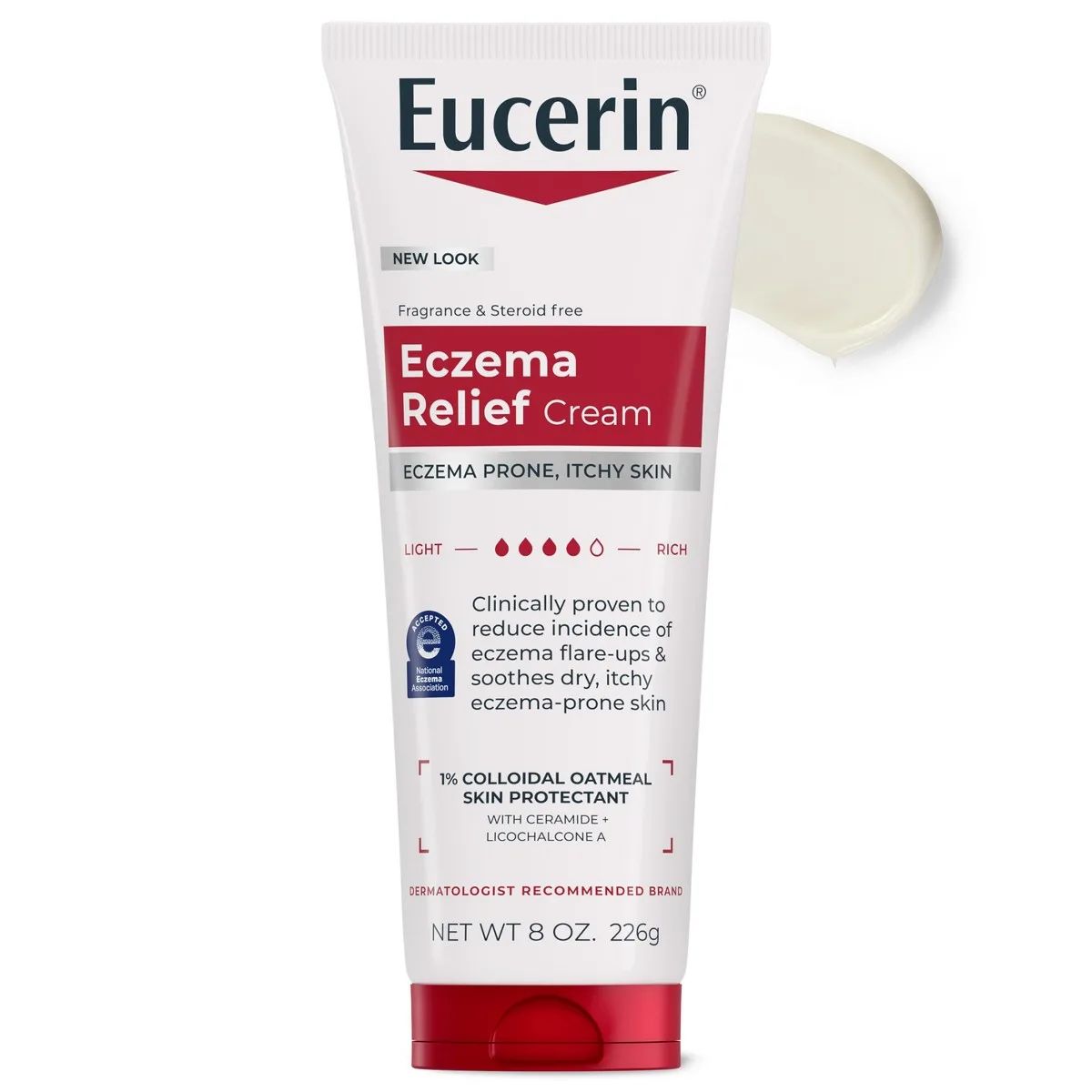


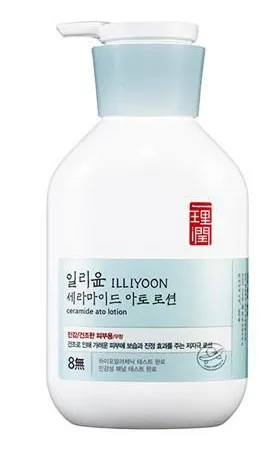


How to Choose
The best ceramides for eczema aren't a trend or a nice-to-have — they replace lipids that eczema-prone skin is genuinely missing, which is what makes them foundational rather than optional. Research consistently shows that skin affected by atopic dermatitis has reduced ceramide levels and a weakened barrier, often tied to filaggrin gene mutations.
That leaky barrier lets moisture escape and irritants and allergens in, which feeds the inflammation and itch. Ceramides, applied alongside cholesterol and fatty acids, restock the barrier's mortar and help seal it — and the most effective creams pair them with colloidal oatmeal (a recognized skin protectant that calms itch) and an occlusive to lock everything down. Fragrance-free is absolutely non-negotiable here, since fragrance is a leading trigger for eczema flares. The standouts are pharmacy-grade and unglamorous on purpose: Vanicream's Enhanced Moisturizer ($18) packs five ceramides with phytosterols, Prequel's Barrier Therapy ($18) and SkinFix Eczema+ ($18) add soothing colloidal oatmeal, and CeraVe Moisturizing Cream ($19) folds ceramides into petrolatum for serious occlusion. Look for multiple ceramides, cholesterol, an occlusive, and ideally a National Eczema Association seal. The honest caveat — ceramide creams manage and prevent flares beautifully as daily maintenance, but moderate-to-severe eczema also needs a doctor's input, often a prescription anti-inflammatory during active flares. Apply generously and often, especially after bathing. At $12 to $48, this is high-impact, evidence-backed barrier care that doesn't require a prescription to start.
Buying Guide
For eczema, choose a ceramide cream that rebuilds the barrier and calms the itch. The core requirement is ceramides, ideally several, paired with cholesterol and fatty acids in a balanced blend, since that lipid combination is what eczema-prone skin is short on. Soothing additions matter: colloidal oatmeal is a recognized skin protectant that relieves itch, and panthenol, glycerin, and allantoin add comfort and hydration. An occlusive layer — petrolatum, shea butter, or dimethicone — seals the repair in and slows moisture loss, which is especially valuable after bathing. Fragrance-free is mandatory, and it's worth scanning for essential oils too, since both are common flare triggers; a National Eczema Association seal is a helpful shortcut to vetted formulas. Favor a rich, substantial texture you can apply liberally and frequently, because consistent generous use is what keeps flares at bay. Prices are reassuringly low, roughly $12 to $48, with several five-ceramide pharmacy creams under $20. Remember that these creams are maintenance and prevention; active or severe flares often need a doctor and a prescription anti-inflammatory alongside diligent ceramide moisturizing.
Frequently Asked Questions
Why are ceramides good for eczema?
Eczema-prone skin is typically deficient in ceramides and has a weakened barrier, which lets moisture escape and irritants in, fueling itch and inflammation. Applying ceramides — ideally with cholesterol and fatty acids — helps replenish the missing lipids and restore the barrier, which reduces flares and keeps skin more comfortable.
Can a ceramide cream cure eczema?
No — ceramide creams manage and help prevent flares as daily maintenance, but they don't cure eczema, which involves immune dysfunction as well as a barrier defect. Moderate-to-severe eczema usually needs medical care and often a prescription anti-inflammatory during active flares, with ceramide moisturizing as the essential everyday foundation.
Should eczema moisturizers always be fragrance-free?
Yes — fragrance is one of the most common triggers for eczema flares, so a truly fragrance-free formula is essential, and it's wise to avoid essential oils too. Looking for a National Eczema Association seal can help you quickly identify products vetted as suitable for sensitive, eczema-prone skin.
How often should I apply ceramide cream for eczema?
Apply it generously and frequently — at least twice daily and always within a few minutes of bathing, while skin is still damp, to trap moisture. Consistent, liberal use is what builds and maintains the barrier, so reapply whenever skin feels dry or tight rather than rationing the product.
What's the difference between a ceramide cream for eczema and a regular moisturizer?
Eczema-focused ceramide creams emphasize barrier-rebuilding lipids, soothing colloidal oatmeal, and an occlusive seal, and they're rigorously fragrance-free, whereas a regular moisturizer may prioritize texture or scent over barrier repair. The eczema formulas are designed specifically to address the lipid deficiency and itch that define the condition.