Body Moisturizers for Eczema: What the Verdicts Say
Updated September 2026 · independently researched, no sponsored placements
Our top 29 picks, ranked from 106 reviewed products — ordered by each product's eczema verdict, then evidence strength.
This category has no job verdict yet: what a body care product is for cannot be measured from the ingredient list, so this list is ranked on the concern verdicts and tolerability alone — it says what the verdicts say, not which is best.









How to Choose
The best body moisturizers for eczema do more than soften dry skin — they rebuild a barrier that's genetically and immunologically compromised, which is why a generic lotion rarely cuts it. Eczema (atopic dermatitis) isn't just dryness; it's a leaky skin barrier paired with an overactive immune response, so the skin loses water easily and overreacts to irritants that wouldn't bother anyone else.
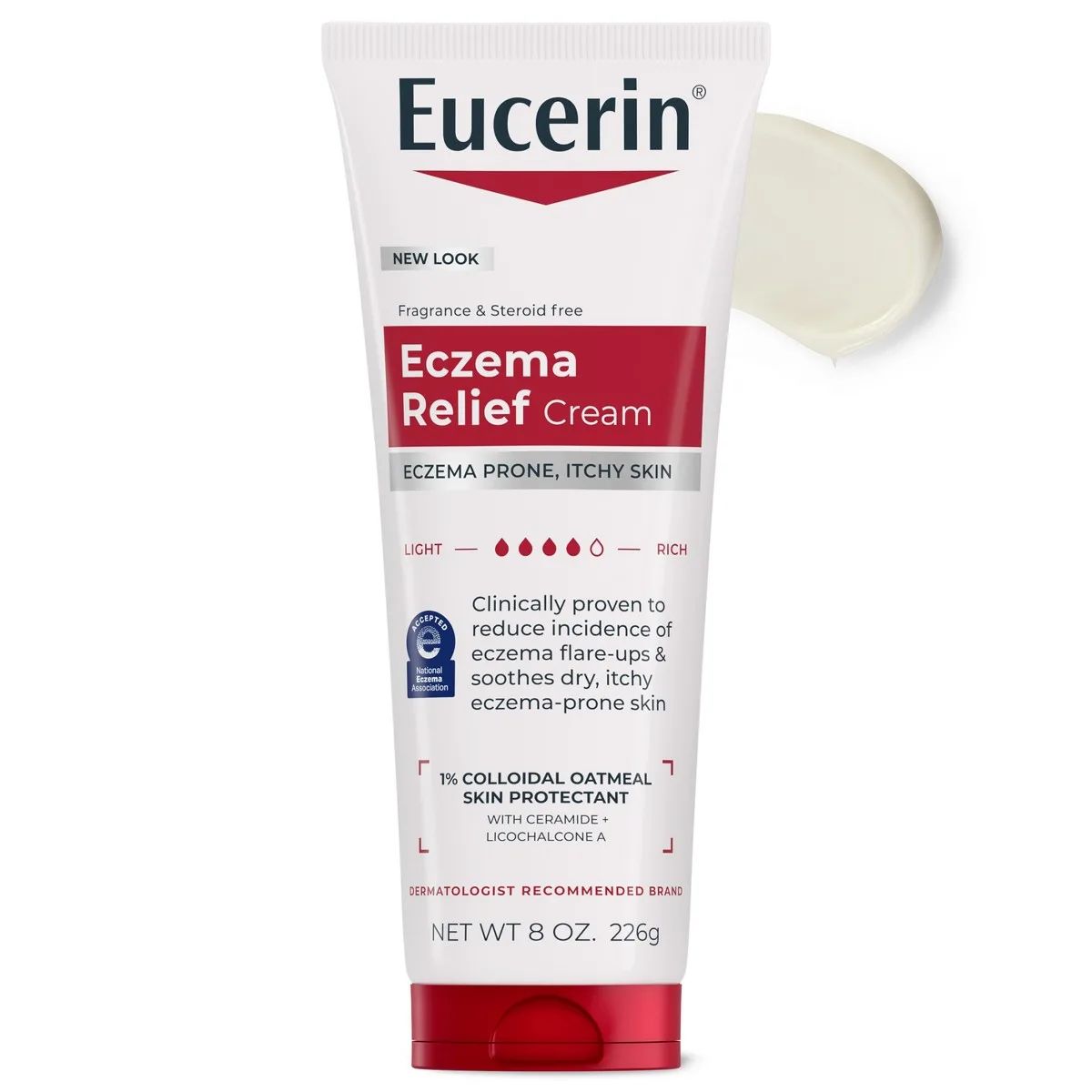
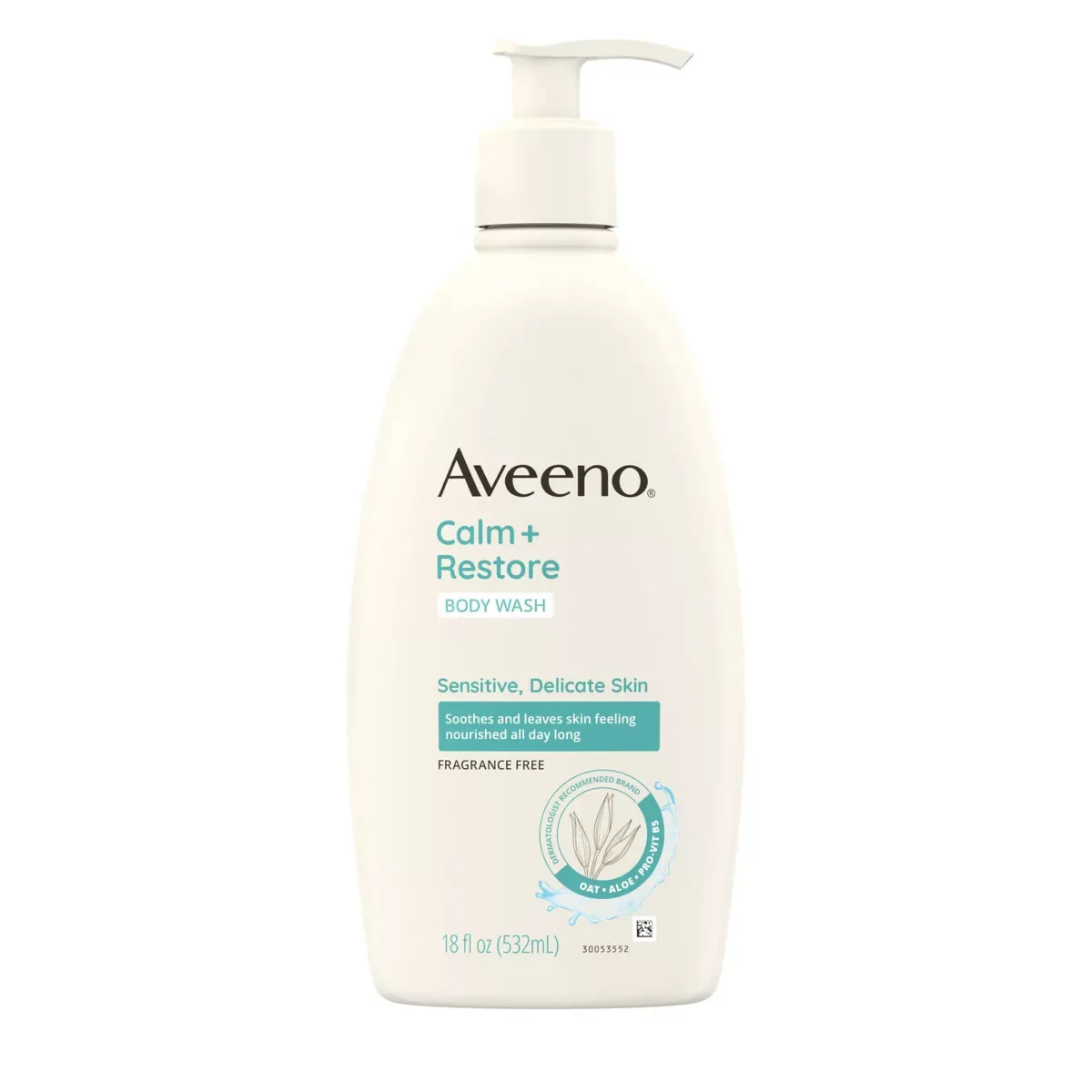
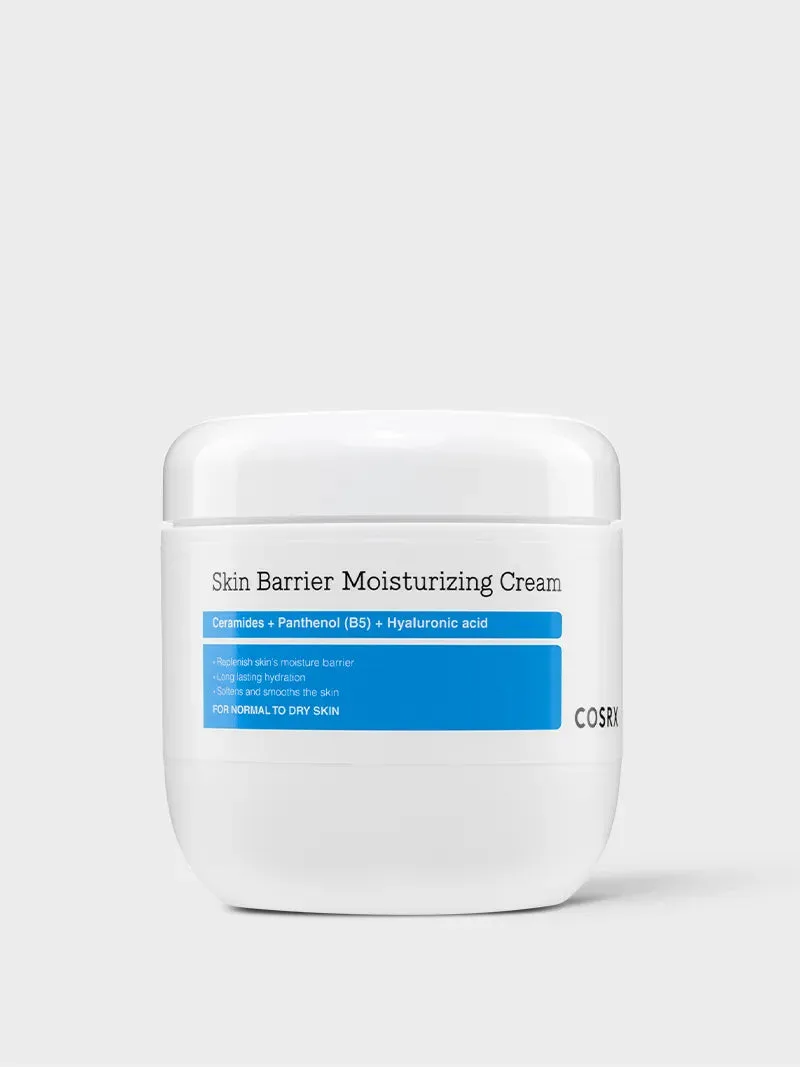
That changes what you should put on it. The non-negotiables are ceramides and other barrier lipids to patch the mortar between skin cells, plus humectants like glycerin to pull in water, and ideally an occlusive layer to seal it. Colloidal oatmeal earns its place too — it's a recognized skin protectant with genuine anti-itch, anti-inflammatory action, which is why it anchors picks like SkinFix Eczema+ ($18) and Aveeno's oatmeal body wash ($13). Vanicream's Enhanced Moisturizer ($18) and COSRX's Skin Barrier Cream ($25) deliver the ceramide-cholesterol-fatty-acid combination that actually repairs the barrier. The absolute rule: fragrance-free, always — fragrance is a leading eczema trigger, and a "natural" essential-oil-scented cream is no safer. Looking for a National Eczema Association seal is a quick shortcut to vetted formulas. The honest caveat: moisturizer manages eczema, it doesn't cure it — during a true flare you'll likely need a prescription anti-inflammatory, with these creams as the daily foundation that prevents the next one. Apply generously to damp skin to lock in water, and reapply often. The whole field runs $10 to $48, and the pharmacy workhorses outperform the luxury jars.
Buying Guide
Barrier repair comes first: look for ceramides — ideally with cholesterol and fatty acids in the lipid blend — backed by humectants like glycerin and an occlusive element such as petrolatum, shea butter, or dimethicone to seal water in. Colloidal oatmeal is a valuable addition for its anti-itch and anti-inflammatory action, recognized as a skin protectant, and urea (around 5–10%) helps with the thick, rough patches eczema can leave. The single hardest rule is fragrance-free, with no exceptions — added fragrance, including natural essential oils, is among the most common eczema triggers, so skip anything scented. A short ingredient list with few preservatives and no dyes lowers the odds of a reaction. Favor rich creams and ointments over thin lotions for genuinely eczema-prone skin, and apply them to slightly damp skin right after bathing to trap moisture. The National Eczema Association seal is a useful shortcut to pre-vetted formulas. Price-wise, $13–$28 pharmacy creams like Vanicream, Eucerin, and COSRX are the proven workhorses; the $48 options are nicer to use but not more effective.
Frequently Asked Questions
What ingredients should I look for in an eczema body moisturizer?
Prioritize ceramides and barrier lipids, humectants like glycerin, and an occlusive such as petrolatum or shea butter, plus colloidal oatmeal for its anti-itch, anti-inflammatory benefit. Just as important is what's absent — fragrance, dyes, and essential oils, all common triggers — so a short, fragrance-free ingredient list is ideal.
Why does fragrance-free matter so much for eczema?
Fragrance is one of the most frequent triggers of eczema flares and allergic skin reactions, and "natural" scents from essential oils are no safer than synthetic ones. Because eczema skin has a compromised barrier, it absorbs and reacts to irritants more readily, so a genuinely fragrance-free product removes one of the biggest avoidable risks.
How should I apply moisturizer to eczema-prone skin?
Use the "soak and seal" approach — apply a generous layer to slightly damp skin within a few minutes of bathing to trap water against the skin. Reapply throughout the day, especially after washing, and don't be stingy; consistent, heavy moisturizing is what keeps the barrier stable between flares.
Can a moisturizer alone control eczema flares?
Daily moisturizing is the foundation of eczema management and can reduce how often flares happen, but it usually can't stop an active flare on its own. During flares most people need a prescription anti-inflammatory like a topical steroid, with barrier creams as the ongoing daily care that helps prevent the next one.