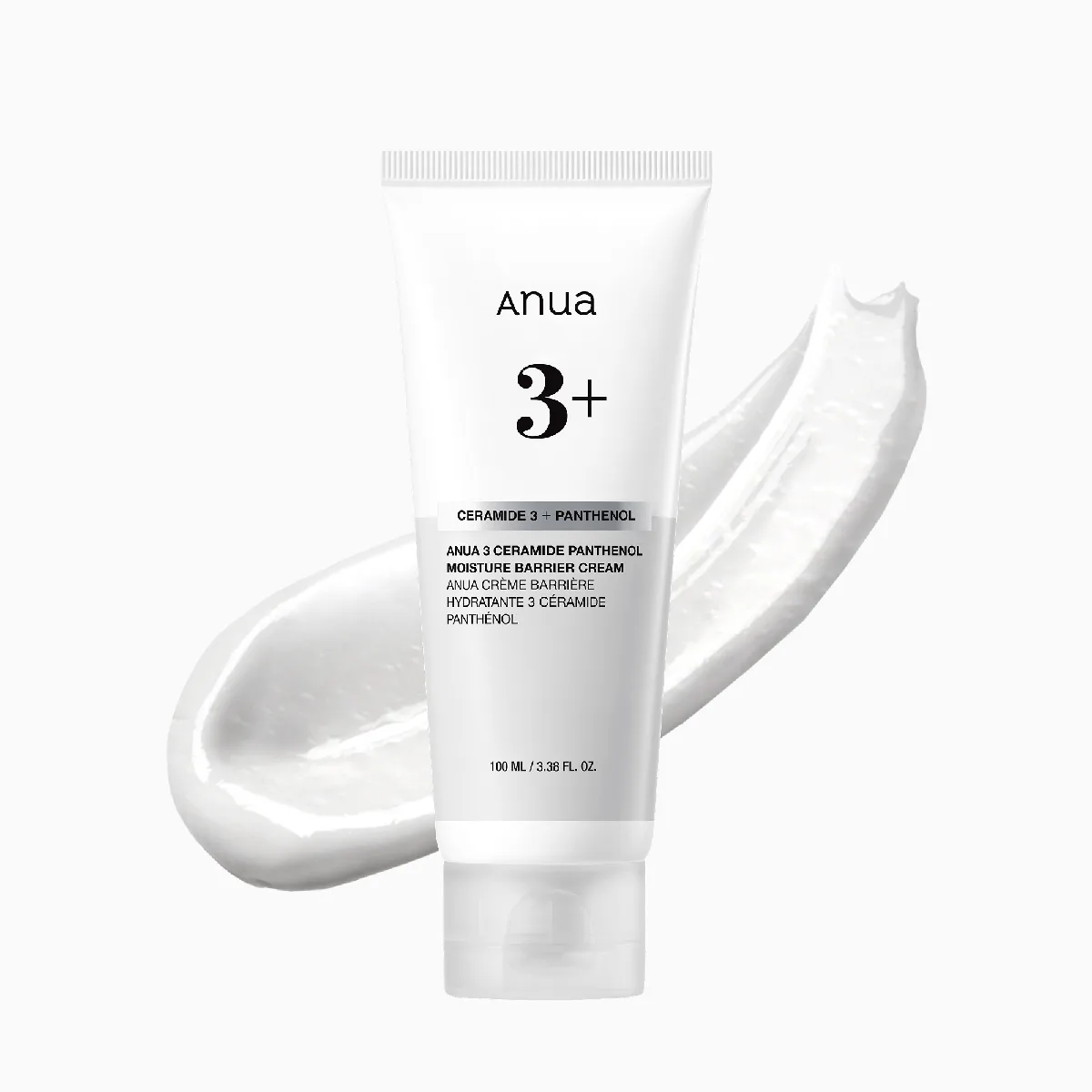
It's the flagship of a dermatologist-developed brand built specifically around China's sensitive-skin needs, centered on purslane (Portulaca oleracea) and the Yunnan botanical Prinsepia utilis oil that Winona helped bring to skincare. The result is a clinically-backed, fragrance-free barrier cream with a genuine soothing focus rather than a generic moisturizer.
The flagship of China's leading dermatological sensitive-skin brand is a genuinely good barrier cream: fragrance-free, soothing, and protective, built on purslane and beta-glucan with a rich shea-and-dimethicone seal. It earns its reputation for calming reactive, post-procedure, and rosacea-prone skin -- the only real caveats being that it's too rich for oily skin and, notably, contains no ceramides despite its repair positioning.
Good choicefor SensitivityIn your profileYou chose · No fragrance, drying alcohol, declarable allergens or sensitising preservatives in this cream — the profile sensitive skin looks for.Not yet assessedGentleNo reviews collected yet
The case for it
Prinsepia Utilis Seed Oil has no evidence row yet for this concern — it is in the research queue.
The formula carries none of the triggers this concern is sensitive to.
What would change this: A researched evidence row for the lead active would replace this with a verdict.
Same rule for everyone. “Good choice” is the verdict on 1,938 of 45,024 concern verdicts across the catalog; rule F2 decided 1,938 of them.
Unchanged since September 5, 2026, engine 5.1.1.
Supporting rolefor RosaceaIn your profileYou chose · Nothing here targets rosacea directly; barrier repair and gentle hydration is the recognised companion to treating it, and this cream does that without known triggers.Not yet assessedGentleNo reviews collected yet
The case for it
Prinsepia Utilis Seed Oil has no evidence row yet for this concern — it is in the research queue.
The formula carries none of the triggers this concern is sensitive to.
What would change this: A researched evidence row for the lead active would replace this with a verdict.
Same rule for everyone. “Supporting role” is the verdict on 8,197 of 45,024 concern verdicts across the catalog; rule R8 decided 4,250 of them.
Unchanged since September 5, 2026, engine 5.1.1.
R8 — The category's job (barrier care, humectant hydration, gentle cleansing, photoprotection) is the documented supportive role for this concern. This is the honest verdict for a moisturizer on an acne page. · the full register
Supporting rolefor Compromised Skin BarrierIn your profileYou chose · Nothing here targets compromised skin barrier directly; barrier lipids and occlusion is the recognised companion to treating it, and this cream does that without known triggers.Not yet assessedGentleNo reviews collected yet
The case for it
Prinsepia Utilis Seed Oil has no evidence row yet for this concern — it is in the research queue.
The formula carries none of the triggers this concern is sensitive to.
What would change this: A researched evidence row for the lead active would replace this with a verdict.
Same rule for everyone. “Supporting role” is the verdict on 8,197 of 45,024 concern verdicts across the catalog; rule R8 decided 4,250 of them.
Unchanged since September 5, 2026, engine 5.1.1.
R8 — The category's job (barrier care, humectant hydration, gentle cleansing, photoprotection) is the documented supportive role for this concern. This is the honest verdict for a moisturizer on an acne page. · the full register
Good choicefor DrynessIn your profileYou chose · Shea Butter is a reference standard by mechanism for dryness; this cream carries it.Moderate evidenceGentleNo reviews collected yet
The case for it
Shea Butter & Dimethicone has trial-supported standing for this concern.
It is plausibly present at a working level, though the concentration is not declared.
The formula carries none of the triggers this concern is sensitive to.
What would change this: A declared concentration would move this to a firmer reading of the dose.
Same rule for everyone. “Good choice” is the verdict on 9,564 of 45,024 concern verdicts across the catalog; rule R5 decided 9,072 of them.
Unchanged since September 5, 2026, engine 5.1.1.
Supporting rolefor Post-ProcedureIn your profileYou chose · Nothing here targets post procedure directly; barrier support is the recognised companion to treating it, and this cream does that without known triggers.Not yet assessedGentleNo reviews collected yet
The case for it
Prinsepia Utilis Seed Oil has no evidence row yet for this concern — it is in the research queue.
The formula carries none of the triggers this concern is sensitive to.
What would change this: A researched evidence row for the lead active would replace this with a verdict.
Same rule for everyone. “Supporting role” is the verdict on 8,197 of 45,024 concern verdicts across the catalog; rule R8 decided 4,250 of them.
Unchanged since September 5, 2026, engine 5.1.1.
R8 — The category's job (barrier care, humectant hydration, gentle cleansing, photoprotection) is the documented supportive role for this concern. This is the honest verdict for a moisturizer on an acne page. · the full register
Good choicefor DehydrationIn your profileYou chose · Hyaluronic Acid is a reference standard by mechanism for dehydration; this cream carries it.Moderate evidenceGentleNo reviews collected yet
The case for it
Sodium Hyaluronate has trial-supported standing for this concern.
It is plausibly present at a working level, though the concentration is not declared.
The formula carries none of the triggers this concern is sensitive to.
What would change this: A declared concentration would move this to a firmer reading of the dose.
Same rule for everyone. “Good choice” is the verdict on 9,564 of 45,024 concern verdicts across the catalog; rule R5 decided 9,072 of them.
Unchanged since September 5, 2026, engine 5.1.1.
R5 — Trial-supported or guideline-supported active, adequately or plausibly dosed. · the full register
Carrying active
Sodium Hyaluronate
Standing
supported — its mechanism is established
Form
plausible — studied range 0.1%, from the trials on the row; needs leave-on contact; judge it after ~1 weeks
Tolerability
gentle
Row checked
against its sources on July 17, 2026 (evidence table ev-2026.09-r228)
The studies behind the evidence row
Draelos ZD, Cosmetic Dermatology: Products and Procedures — hyaluronic acid classified as a humectant water-binding agent holding many times its weight in water — reference work
Does the jobDoes what a moisturizer is for: draws in water, softens and smooths.
A verdict is DermApproved’s assessment of how well a product’s ingredients fit a concern — never a claim about what the product treats. Evidence dots and collected reviews sit beside it and are never blended in.
Rules 0.5.1 · evidence table ev-2026.09-r228 · how we decide
Assessment
Pros & Cons
Pros
✓ Genuinely soothing purslane and beta-glucan calm reactive skin
✓ Truly fragrance-free and essential-oil free
✓ Rich, protective barrier seal from shea and dimethicone
✓ Excellent for rosacea-prone and post-procedure skin
✓ Dermatologist-developed with real clinical backing
✓ Reasonable value for a clinical sensitive-skin cream
Cons
✗ Contains no ceramides despite barrier-repair positioning
✗ Too rich and silicone-heavy for oily skin
✗ Leans notably on dimethicone for texture and occlusion
✗ Not fungal-acne safe due to Prinsepia oil and shea
✗ Limited availability and recognition outside China
Review
Full Review
In China, if you have sensitive skin, there's a very good chance a dermatologist has handed you a jar of this. Winona -- Botanee's dermatologist-developed brand, born in 2008 out of Yunnan's botanical research -- is the country's leading sensitive-skin label, sold through hospital dermatology channels and backed by clinical studies in Chinese journals. Its Tolerance-Extreme cream is the hero of that line. For Western readers who've never heard of it, that context matters: this isn't a hopeful indie launch or a celebrity vanity project. It's a clinically-positioned barrier cream with millions of users and a serious medical pedigree, and it's quietly one of the better sensitive-skin creams you can buy. The reflex to assume a Chinese brand can't have real science behind it does not survive contact with the publication record.
What makes it work is restraint. The ingredient list is short and purposeful, exactly as a sensitive-skin product should be — fifteen ingredients, nothing decorative. At its center is Portulaca oleracea extract -- purslane -- Winona's signature soothing active and one of the richest plant sources of omega-3 fatty acids, with genuine anti-inflammatory and antioxidant credentials. Alongside it sits Prinsepia utilis seed oil, a Yunnan-native botanical that Winona helped bring into modern skincare, contributing nourishing fatty acids. Beta-glucan adds a soothing, barrier-supportive, lightly humectant layer. And the emollient-occlusive backbone -- shea butter and dimethicone, with tridecyl trimellitate lending a dry, non-tacky slip -- gives the cream its rich, protective, moisture-sealing character, while sodium hyaluronate and glycerin handle the humectant hydration beneath. An acrylates crosspolymer and xanthan gum hold the structure, and the pH is set at a barrier-friendly 5.5. That's essentially the whole formula, and its focus is its strength.
Crucially, it's genuinely fragrance-free and essential-oil free. After a run of 'natural' products whose pretty scents come from sensitizing essential oils, it's refreshing to handle a sensitive-skin cream that actually behaves like one. There's no fragrance, no scent, nothing there to provoke reactive skin. This is the kind of clean, clinical formulation that earns trust precisely because it isn't trying to be pretty.
In use, it delivers exactly what it promises. It's a rich cream, but the dimethicone gives it a smooth, silicone-aided slip that keeps it from feeling heavy or greasy, melting into a cushiony, protective layer that finishes soft and satin. On irritated, tight, post-procedure, or rosacea-prone skin, the relief is immediate -- a soothed, comforted, less-reactive feel from the first application, with redness and barrier resilience improving over two to four weeks of consistent use. As a buffering layer over a retinoid, or as the recovery cream after a treatment, it's excellent. It does the unglamorous job of calming and protecting distressed skin, and it does it well. Applied as the last step at night, or under sunscreen in the morning, it asks nothing else of the routine.
Now for the honest critique, because even a good product deserves scrutiny. The most notable gap is conspicuous: for a cream marketed around barrier repair and 'tolerance,' it contains no ceramides. Ceramides are the lipids most directly associated with rebuilding a compromised stratum corneum, and they're the expected centerpiece of a modern barrier cream. Winona's approach is different -- it repairs by soothing (purslane, beta-glucan) and protecting (shea, dimethicone) rather than by replenishing barrier lipids. That is a legitimate strategy rather than a shortcut, and the cream genuinely helps reactive skin; a barrier can be given the conditions to rebuild itself as well as be handed the bricks. But it's worth knowing that if your barrier issues stem specifically from lipid depletion, a ceramide-containing cream might suit you better, or sit alongside this one. Worth noting too: the formula leans on dimethicone fairly heavily, doing some of the textural and occlusive work that costlier creams achieve with richer lipids. Well-tolerated and effective, but not luxurious.
The suitability limits are straightforward. This is a rich cream for dry and sensitive skin; oily skin will likely find it too heavy for all-over daily use, and those folks would be better served by the brand's lighter soothing lotion or by reserving this for drier zones. And it contains Prinsepia oil and shea, so it isn't fungal-acne safe. Nothing in it is contraindicated in pregnancy, which makes it an easy pick for skin that turns reactive during those months.
The value and availability picture is favorable with an asterisk. At a moderate price for a 50 g jar that lasts two to three months of twice-daily use, it's reasonable value, especially given the clinical backing. The asterisk is access: outside China it's less available and less recognized, so Western buyers often rely on online marketplaces, where pricing and authenticity vary. Buy from reputable sellers, and check that the packaging and batch coding look right — the counterfeit risk is the real cost of importing a product this popular.
Where it lands is a confident recommendation for the right skin. This is a legitimately good, fragrance-free, soothing barrier cream from a brand with real dermatological credibility, and it deserves to be better known outside its home market — the thousands of reviews it carries say the same thing in a dozen different ways, and almost all of them are about relief rather than romance. If your skin is sensitive, reactive, dry, rosacea-prone, or recovering from a procedure, it's an easy cream to trust. Just go in knowing it soothes and protects rather than rebuilding with ceramides -- and that for oily skin, it's simply more cream than you need.
Formula
Key Ingredients
The hero actives that drive this product's performance.
Winona's signature soothing active -- purslane, one of the richest plant sources of omega-3 fatty acids, with anti-inflammatory and antioxidant properties. It's the heart of the brand's sensitive-skin philosophy and the reason this cream is positioned for calming redness and reactivity rather than just moisturizing.
A Yunnan-native botanical oil (qingke/prinsepia) that Winona helped popularize, rich in fatty acids and antioxidants. Here it provides nourishing emolliency that works with the shea butter and dimethicone to reinforce a compromised barrier and reduce moisture loss.
A soothing, barrier-supportive polysaccharide with calming and humectant properties. In this minimal formula it amplifies the anti-redness, skin-repairing intent, pairing with the purslane to take the edge off reactive, irritated skin.
The occlusive-emollient backbone: shea butter nourishes while dimethicone forms a smooth, breathable protective film that locks in moisture. Together they give the cream its rich, protective feel -- the 'tolerance-extreme' barrier seal for dry, distressed skin.
Established mechanismfor Dryness · established mechanism
The humectant that draws and holds water beneath the occlusive layer, plumping and hydrating. It complements the glycerin and beta-glucan so the cream hydrates from within while the shea and silicone seal from above.
Established mechanismfor Dehydration · established mechanism
Ingredient standings describe the active at treatment-level doses and
vehicles; this product's own condition grades weigh its actual formula.
Apply as the final nourishing step over serums to seal in hydration and protect a compromised barrier; in the morning, follow with sunscreen. Its fragrance-free, minimal formula makes it ideal for layering after actives or during post-procedure recovery, and it pairs well as a buffer over retinoids.
Results Timeline
Immediate relief of tightness and a soothed, more comfortable feel on first use. Reduced redness and a calmer, more resilient barrier typically build over 2-4 weeks of consistent use, with the soothing actives compounding over time.
Pairs Well With
Hydrating toners and essencesBarrier-repair serumsRetinoids (as a buffering moisturizer)Daytime sunscreen
Winona Anti-Sensitive Moist Tolerance-Extreme Face Cream
Sunscreen SPF 50
Sample PM Routine
Gentle cleanser
Treatment serum or retinoid
Winona Anti-Sensitive Moist Tolerance-Extreme Face Cream
Evidence
Science & Expert Perspective
The Science
The cream's soothing claims rest on reasonably supported actives. Portulaca oleracea (purslane) extract is documented as a rich source of omega-3 fatty acids, flavonoids, and other antioxidants, with anti-inflammatory activity demonstrated in laboratory and topical studies -- a credible basis for its calming, anti-redness positioning. Beta-glucan is a well-regarded polysaccharide with evidence for soothing, wound-healing support, and humectancy. Prinsepia utilis seed oil is a regional botanical with emerging rather than extensively published data, valued for its fatty-acid and antioxidant content.
The barrier and hydration mechanics are conventional and effective. Shea butter and dimethicone act as occlusive-emollient agents that reduce transepidermal water loss and form a protective film, while glycerin, beta-glucan, and sodium hyaluronate provide humectant hydration drawn beneath that seal. This occlusion-plus-humectant combination is a standard, evidence-supported approach to relieving dryness and supporting a compromised barrier.
The notable mechanistic point is what's absent: the formula contains no ceramides or other identical barrier lipids, which are the ingredients most directly implicated in repairing stratum corneum lipid deficits. The cream therefore supports the barrier indirectly -- through soothing and occlusion -- rather than by replenishing its lipid matrix. Winona's broader sensitive-skin range and the brand's clinical studies in Chinese dermatology journals lend institutional credibility, though independent international trials on this specific product are limited; this assessment draws on the disclosed formula and the established behavior of its components.
Dermatologist Perspective
Dermatologists regard fragrance-free, soothing, occlusive creams like this as well suited to sensitive, rosacea-prone, and post-procedure skin, where calming inflammation and protecting a fragile barrier are the priorities. Purslane and beta-glucan are recognized for anti-inflammatory and soothing activity, and an occlusive shea-and-dimethicone base is a reliable way to reduce water loss in dry, distressed skin. Within China, Winona is extensively used in clinical dermatology settings and supported by published studies, giving it strong institutional standing. Clinicians might note that ceramide-containing barrier creams offer a more direct route to lipid repair, and that this cream's richness suits dry and sensitive rather than oily skin. As a calming, protective moisturizer for reactive complexions, however, it aligns well with standard sensitive-skin guidance.
Guidance
Usage & Recommendations
How to Use
As the final step of your routine, apply a small amount over serums and smooth it across the face and neck, pressing gently to absorb. Use it morning and night; in the morning, follow with a broad-spectrum sunscreen. Its fragrance-free, soothing formula makes it ideal as a recovery cream after procedures or during flare-ups, and as a buffering moisturizer layered over retinoids to ease irritation. For oily skin, consider reserving it for drier areas or nighttime. Scoop with clean hands if using the jar format.
Value Assessment
At a moderate price for a 50 g jar lasting two to three months, this cream is reasonable value, particularly given its dermatologist-developed pedigree and clinical backing -- you're getting a focused, fragrance-free barrier cream rather than a heavily-marketed luxury product. Within China it's competitively priced and hospital-endorsed; for international buyers, the value equation is slightly complicated by limited availability and variable marketplace pricing and authenticity, so purchasing from reputable sellers matters. Compared with Western sensitive-skin creams at similar prices, it holds up well on soothing actives, though some rivals include ceramides for the same money. For reactive and dry skin, it's a sensible, well-priced choice with genuine clinical credibility behind it.
Who Should Buy
Sensitive, reactive, dry, rosacea-prone, and post-procedure skin that wants a genuinely fragrance-free, soothing, protective barrier cream from a dermatologist-developed brand. It's an excellent choice for calming redness and relieving tightness, and for recovery after treatments or alongside irritating actives.
Who Should Skip
Oily skin should generally skip it or use it sparingly, since it's rich and silicone-heavy. Those who specifically want a ceramide-based barrier cream won't find ceramides here, and anyone managing fungal acne should avoid it because of the Prinsepia oil and shea butter.
Ready to try Winona Anti-Sensitive Moist Tolerance-Extreme Face Cream?
A rich but smooth cream that glides on with a silicone-aided slip and melts into a protective, cushiony layer, finishing soft and slightly satin rather than greasy.
Scent
Genuinely fragrance-free and essential-oil free, with no detectable scent -- exactly as a sensitive-skin cream should be.
Packaging
A simple, clinical-looking jar or tube depending on size, in the brand's understated medical-skincare aesthetic. Functional and reassuringly no-frills.
Finish
velvetysatinnon-greasy
What to Expect on First Use
Skin feels immediately soothed, cushioned, and less tight on first application, with a protective comfort that's especially welcome on irritated or post-procedure skin. There's no tingle or adjustment period -- it's designed to calm, not to activate.
How Long It Lasts
About 2-3 months with twice-a-day use of the 50 g size.
Winona was created by Botanee in 2008 in partnership with dermatologists to address sensitive skin, drawing on Yunnan's botanical biodiversity. This Tolerance-Extreme cream became its hero product, distributed through hospital dermatology channels in China and supported by clinical research, before reaching international shoppers.
About Winona Established Brand (5–20 years)
Winona (薇诺娜), launched by Botanee in 2008, is China's leading dermatological sensitive-skin brand, developed with dermatologists and supported by clinical studies published in Chinese dermatology journals. It has an enormous domestic user base and hospital-channel credibility, though independent Western clinical literature is more limited.
Brand founded: 2008 · Product launched: 2014
Myth vs. Reality
Common Myths
Myth
A barrier-repair cream must contain ceramides to work.
Reality
Ceramides are excellent, but they're not the only route to barrier support. This cream relies on soothing purslane and beta-glucan plus occlusive shea and dimethicone to reduce water loss and calm reactivity. It repairs by protecting and soothing rather than by replacing ceramides -- a valid, if different, approach.
Myth
Chinese skincare brands lack scientific backing.
Reality
Winona is dermatologist-developed and supported by clinical studies published in Chinese dermatology journals, with deep hospital-channel use. Its evidence base is real, even if it's less visible in Western literature -- a reminder that clinical credibility isn't confined to familiar Western brands.
FAQ
Frequently Asked Questions
What is Winona Anti-Sensitive Moist Tolerance-Extreme Face Cream good for?
It's a fragrance-free barrier cream designed for sensitive, reactive, dry, and post-procedure skin. Built around soothing purslane (Portulaca oleracea), beta-glucan, and an emollient shea-and-dimethicone base, it calms redness, relieves tightness, and helps a compromised barrier recover, making it a go-to for easily-irritated skin.
Does Winona Tolerance Extreme Cream contain ceramides?
No -- despite its barrier-repair positioning, the actual formula contains no ceramides. It supports the barrier through soothing actives (purslane, beta-glucan) and occlusive emollients (shea butter, dimethicone) instead. It's effective at calming and protecting, just via a different route than ceramide-based creams.
Is Winona Tolerance Extreme Cream fragrance-free?
Yes -- it's genuinely fragrance-free and essential-oil free, with no detectable scent. That makes it a strong choice for sensitive, rosacea-prone, and reactive skin, and for use after procedures when fragrance and other potential irritants should be avoided.
Can oily skin use Winona Tolerance Extreme Cream?
It's quite rich and silicone-heavy, designed for dry and sensitive skin, so oily skin may find it too heavy for daily all-over use. Oilier sensitive skin could reserve it for drier areas or nighttime, or choose Winona's lighter soothing lotion instead.
Is Winona Tolerance Extreme Cream good for rosacea and post-procedure skin?
Yes -- its fragrance-free, soothing, occlusive formula is well suited to rosacea-prone and post-procedure skin, where calming redness and protecting a fragile barrier are priorities. As China's leading dermatological sensitive-skin brand, Winona designed this cream specifically for these reactive conditions.
Is Winona Tolerance Extreme Cream fungal-acne safe?
No. It contains Prinsepia seed oil and shea butter, which can feed Malassezia yeast, so it isn't suitable for those managing fungal acne. Fungal-acne-prone skin should choose an oil-free, ester-free barrier cream instead.
Reviews
What Reviewers Tend to Say
Recurring themes our editors read across retailer reviews of this product — summaries in our words, not quotations, and not a substitute for your own patch test.
Common Praise
Genuinely soothes redness and reactive, irritated skin
Fragrance-free and gentle on the most sensitive skin
Rich, protective feel that relieves dryness and tightness
Excellent for post-procedure and barrier recovery
A trusted, dermatologist-developed sensitive-skin staple
Common Complaints
Too rich and silicone-heavy for oily skin
Contains no ceramides despite barrier positioning
Less available and recognized outside China
Not fungal-acne safe due to oils and shea
Plain, clinical formula without standout extras
Notable Endorsements
Flagship of China's #1 dermatological skincare brandWidely used and recommended in Chinese hospital dermatology channelsBacked by clinical studies on sensitive-skin repair
Picking one skin state and selling through hospital dermatology departments is a genuinely smart strategy. Whether the house botanical earns its billing is a separate question, and the answer is not the one either side wants.
You can probably name a dozen Korean brands and not one Chinese one. That is a gap in Western editorial coverage, not a gap in the market — and China's largest beauty company is arriving in 400 Ulta stores.
In three years, China's share of Korea's cosmetics exports fell from roughly two-thirds to under a quarter. The products did not get worse. The assumption behind them collapsed.
The stereotype of Chinese skincare as cheap dupes is a decade out of date. The new wave pairs China-pioneered biotech actives with reframed herbal medicine, and it deserves a clear-eyed look.
Feb 27, 2026· 4 min
Questions people ask about sensitive skin
Verified answers from our questions library — the nuance a product page cannot carry.
Products, answers, therapy guides, tools and articles in one search. Brand names,
slang and abbreviations all work — accutane finds isotretinoin, bacne finds truncal acne.