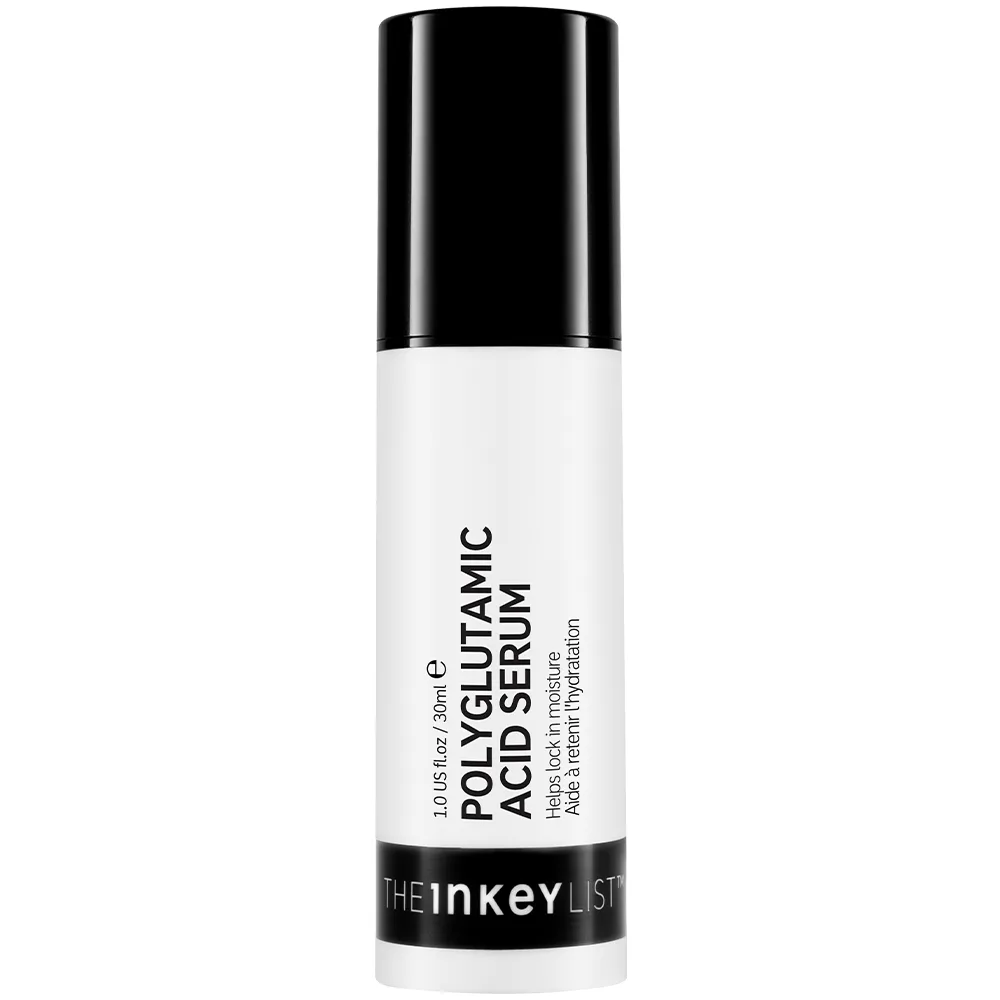
Where most hydrating serums lean entirely on hyaluronic acid, this builds around 3% polyglutamic acid, a larger humectant that forms a moisture-locking film on the surface, layered with glycerin and a yeast ferment plus a silky silicone finish. That gives a smoother, less tacky feel and a film that holds water at the surface differently than hyaluronic acid alone.
A genuinely pleasant, smartly built hydrating serum that swaps the usual hyaluronic acid for 3% polyglutamic acid, a larger humectant that forms a moisture-holding film, plus a silky silicone finish that beats the tacky feel of most hydrators. It is surface-level hydration rather than a treatment, and needs a moisturizer over it, but at seventeen dollars it is an easy, low-risk way to plump and smooth skin.
Good choicefor DehydrationIn your profileYou chose · Glycerin is a reference standard by mechanism for dehydration; this serum carries it high in the ingredient list.Moderate evidenceGentleNo reviews collected yet
The case for it
Glycerin has trial-supported standing for this concern.
It is present at an effective concentration, declared or high in the ingredient list.
The formula carries none of the triggers this concern is sensitive to.
Same rule for everyone. “Good choice” is the verdict on 9,564 of 45,024 concern verdicts across the catalog; rule R5 decided 9,072 of them.
Unchanged since September 5, 2026, engine 5.1.1.
R5 — Trial-supported or guideline-supported active, adequately or plausibly dosed. · the full register
Carrying active
Glycerin
Standing
supported — its mechanism is established
Form
adequate — studied range 20%, from the trials on the row; needs leave-on contact; judge it after ~1 weeks
Tolerability
gentle
Row checked
against its sources on July 17, 2026 (evidence table ev-2026.09-r228)
The studies behind the evidence row
USP glycerin monograph / Fluhr et al., glycerol and the skin (review) — glycerin is the reference humectant, drawing and holding water in the stratum corneum — reference work
Strong choicefor DrynessIn your profileYou chose · Dimethicone is an approved or monograph active for dryness; this serum carries it.Moderate evidenceGentleNo reviews collected yet
The case for it
Silicone Smoothing Blend is a first-line active — approved, monograph-listed or named in current guidelines — for this concern.
It is plausibly present at a working level, though the concentration is not declared.
The formula carries none of the triggers this concern is sensitive to.
What would change this: A declared concentration would move this to a firmer reading of the dose.
Same rule for everyone. “Strong choice” is the verdict on 1,459 of 45,024 concern verdicts across the catalog; rule R3 decided 567 of them.
Unchanged since September 5, 2026, engine 5.1.1.
R3 — Undeclared but plausibly dosed (top-third INCI position, or a potent sub-1% active) — the verdict stands, and the sentence says what disclosure would add. A declared figure below range would have been sub-threshold. · the full register
Promisingfor DullnessIn your profileYou chose · Glycerin has trial-level evidence for dullness but no guideline or regulatory standing yet — promising, short of a recommendation; the other actives here are not yet assessed for it.Moderate evidenceGentleNo reviews collected yet
The case for it
Glycerin has trial-level evidence for this concern but no guideline or regulatory standing yet.
It is present at an effective concentration, declared or high in the ingredient list.
The formula carries none of the triggers this concern is sensitive to.
What would change this: Guideline or regulatory standing for the active on this concern would move this from a promising bet to a recommendation.
Same rule for everyone. “Promising” is the verdict on 7,858 of 45,024 concern verdicts across the catalog; rule R9p decided 7,858 of them.
Unchanged since September 5, 2026, engine 5.1.1.
R9p — 0.5.0: 'Unproven' beside three filled dots read as one question answered twice with opposite words (7,018 rows). The chip measures standing, the dots measure trial volume; where the row carries at least one RCT or a tier-2 source (moderate dots) and the active is present at a working level, the honest word is Promising. Unproven is reserved for plausible-standing rows with limited or weak evidence, or an under-dosed form. Same rank as Unproven — a bet either way; the dots order them. · the full register
Carrying active
Glycerin
Standing
plausible — trials support it
Form
adequate — studied range 2–20%, from the trials on the row; needs leave-on contact; judge it after ~1 weeks
Tolerability
gentle
Row checked
against its sources on July 17, 2026 (evidence table ev-2026.09-r228)
The studies behind the evidence row
Harry's Cosmeticology / Baran & Maibach Textbook of Cosmetic Dermatology — humectant, emollient and occlusive classification — standard reference text
A verdict is DermApproved’s assessment of how well a product’s ingredients fit a concern — never a claim about what the product treats. Evidence dots and collected reviews sit beside it and are never blended in.
Rules 0.5.1 · evidence table ev-2026.09-r228 · how we decide
Assessment
Pros & Cons
Pros
✓ 3% polyglutamic acid forms a smoothing moisture film
✓ Silky silicone finish avoids the usual humectant tackiness
✓ Skin feels instantly plumper and smoother
✓ Sits beautifully under makeup like a hydrating primer
✓ Fragrance-free and broadly tolerable across skin types
✓ Vegan and cruelty-free
✓ Strong value at $17 for a trending humectant
Cons
✗ Pure hydration, no treatment or anti-aging actives
✗ Must be layered under a moisturizer to hold water
✗ Silicone feel won't suit everyone
✗ Not suitable for a strict fungal-acne-safe routine
✗ Benefit is surface-level rather than deep or lasting
Review
Full Review
For a while there, polyglutamic acid was the ingredient the internet decided was coming for hyaluronic acid's crown. The pitch was seductive: a humectant that holds even more water than the reigning champion, the next big thing in hydration. Like most skincare coronations, the reality is both less dramatic and more interesting than the hype, and The INKEY List's Polyglutamic Acid Serum is a good, affordable way to find out what the fuss is actually about. Spoiler: polyglutamic acid is not a hyaluronic acid killer. It is a different tool that happens to share a job title, and once you understand the distinction, this serum makes a lot of sense.
Here is the actual difference. Hyaluronic acid is famous for drawing water into the skin, and depending on molecular weight it can penetrate to varying depths. Polyglutamic acid is a much larger molecule, derived from fermentation, and it works primarily at the surface: it forms a thin, breathable film that holds water on top of the skin, smoothing and plumping the appearance while reducing how quickly moisture escapes. So rather than one beating the other, they do complementary things, hyaluronic acid pulling water in, polyglutamic acid holding it at the surface. This serum runs that surface strategy at 3% polyglutamic acid, and crucially it does not go it alone: glycerin sits high in the formula as a reliable deeper-acting humectant, a saccharomyces yeast ferment adds conditioning and smoothing support, and the whole thing rests on a silky silicone base. The result is a layered hydration system, not a one-trick humectant.
The texture is the part that wins people over, and it is where this serum quietly outperforms a lot of pure hydrating serums. Straight humectant serums, especially hyaluronic-heavy ones, can feel tacky and sticky as they sit on the skin, sometimes pulling tight in dry air. This one feels silky and lightweight thanks to the dimethicone and polysilicone-11 in the base, absorbing to a soft, velvety, soft-focus finish with no stickiness. That silicone smoothing also means it sits beautifully under makeup, acting almost like a hydrating primer. The immediate sensory payoff, skin that feels plumper and looks smoother the moment it goes on, is real and is the most consistent thing reviewers praise. It is fragrance-free too, which makes it broadly tolerable across skin types, including reactive ones.
The honest limitations are about scope, not quality. This is a hydration product and only a hydration product, there are no brightening, anti-aging, or barrier-repair actives doing extra work, so anyone hoping a single serum will multitask should know it stays in its lane. More importantly, polyglutamic acid is a humectant, and humectants attract and hold water but do not seal it in. Without a moisturizer layered over the top, particularly in dry climates or air-conditioned environments, the water it holds can simply evaporate, and in the worst case a humectant can even pull moisture from deeper skin if there is nothing to lock it down. So this serum needs a moisturizer on top to do its best work; treated as a standalone, it underdelivers. The silicone finish that most people love is also, for the small group who actively dislike a silicone feel, a downside, and while it has no obviously pore-clogging ingredients, the silicone-and-dimethicone base means it is not a fit for those following a strict fungal-acne-safe routine.
What it does, it does pleasantly and reliably. The hydration effect is ongoing rather than cumulative, meaning it keeps skin feeling supple with daily use rather than building toward some delayed result, which is exactly how a humectant serum should behave. There is no purge, no adjustment period, no irritation to manage; you apply it to slightly damp skin, seal it with moisturizer, and skin feels better. For dehydrated skin that looks dull and feels tight, that simple, dependable boost is genuinely useful, and the fact that it plays so nicely under makeup makes it easy to actually use every day.
Value, as ever with this brand, is the closing argument. The INKEY List built its identity on putting buzzy, clearly named actives in plain packaging at prices that undercut the trend cycle, and this serum is a textbook example. It launched right as polyglutamic acid was having its viral moment and offered shoppers a way to try the ingredient for seventeen dollars rather than the premium that fashionable actives usually command. Several years and thousands of reviews later, it has settled in as a dependable, established hydration staple rather than a flash in the pan, which is the best argument for trusting the low price. If you want to add a smooth, non-sticky hydration layer to your routine, are curious about polyglutamic acid without paying a premium, and understand that you still need a moisturizer over it, this is a smart, low-risk pick that does its modest job well.
Formula
Key Ingredients
The hero actives that drive this product's performance.
The serum's hero humectant: a large fermentation-derived molecule that forms a moisture-holding film on the skin surface, sealing in the water that the glycerin and the formula's other humectants draw, for a smoothing, plumping surface hydration.
The deeper-acting humectant partner here, pulling water into the upper skin layers while the polyglutamic acid film holds it at the surface, a layered hydration system rather than a single humectant doing all the work.
Established mechanismfor Dehydration · established mechanism
A yeast-ferment ingredient sitting high in the formula that adds skin-conditioning humectant support and a smoothing feel, complementing the polyglutamic acid's surface hydration.
The silicones that give this serum its silky, velvety slip and a soft-focus smoothing finish, helping it sit nicely under makeup while reinforcing the polyglutamic acid's surface-smoothing effect.
Regulator-approvedfor Dryness · established mechanism
Ingredient standings describe the active at treatment-level doses and
vehicles; this product's own condition grades weigh its actual formula.
Apply to slightly damp skin after cleansing and before moisturizer, so the polyglutamic acid has water to seal in. Its silky finish layers well under makeup; in dry climates always follow with a moisturizer to lock the hydration down.
Results Timeline
Skin feels plumper and looks smoother almost immediately after application. The hydration benefit is ongoing with daily use rather than cumulative, so consistent application keeps skin feeling supple; there is no long adaptation period.
Polyglutamic acid (PGA) is a high-molecular-weight, fermentation-derived polypeptide humectant. Because of its size it acts predominantly at the skin surface, where it forms a hydrating, film-like layer that binds water and reduces surface moisture loss, improving the immediate look of smoothness and plumpness. The evidence base is promising but younger and thinner than that of hyaluronic acid; studies and manufacturer data support its strong water-binding capacity and surface-smoothing effect, while noting it is a surface hydrator rather than a deep-penetrating one, which is why pairing it with other humectants is sensible. This formula does exactly that: glycerin, one of the most extensively studied humectants, provides reliable hydration in the upper skin layers, and a saccharomyces ferment contributes additional conditioning, though ferment ingredients carry a more emerging evidence profile. The silicone components (dimethicone, polysilicone-11) are well understood as cosmetic agents that impart a smooth, soft-focus finish and a light surface-smoothing effect rather than a biological one. The key scientific caveat applies to all humectants: they attract and hold water but do not occlude, so an overlying moisturizer is needed to prevent the held water from evaporating, especially in low humidity. The accurate summary is a well-formulated surface-hydration serum whose hero ingredient is effective at its specific, film-forming job, with realistic, moisturizer-dependent expectations.
Dermatologist Perspective
Hydrating serums built on humectants like polyglutamic acid and glycerin are generally regarded in clinical practice as low-risk, broadly suitable options for dehydrated or dull-looking skin. The typical clinical framing is that polyglutamic acid is a useful surface humectant that complements rather than replaces hyaluronic acid, and that humectant serums should be applied to slightly damp skin and sealed with a moisturizer to prevent the bound water from evaporating. Fragrance-free formulation, as here, is preferred for tolerability across skin types. Dermatologists tend to position such serums as comfort-and-hydration boosters rather than corrective treatments, with realistic expectations that the benefit is hydration and smoothness rather than changes to pigmentation, lines, or barrier structure. As a gentle, well-tolerated daily hydrator, this kind of product fits comfortably into that advice.
Guidance
Usage & Recommendations
How to Use
Apply once or twice a day to clean, slightly damp skin, before your moisturizer. Press a few drops across the face and neck and let the silky texture absorb for a moment. Because polyglutamic acid is a humectant, applying it to damp skin gives it water to bind, and following with a moisturizer is essential to seal that hydration in, especially in dry or air-conditioned environments. In the morning it works well as a smoothing hydration layer under sunscreen and makeup. It layers comfortably with other water-based serums like hyaluronic acid or niacinamide, so you can stack it into an existing routine without trouble.
Value Assessment
At seventeen dollars for a 30ml bottle, this is priced as the accessible entry point to polyglutamic acid that it set out to be, undercutting the premiums that trending actives usually attract. The price buys a 3% PGA serum rounded out with glycerin, a yeast ferment and a notably pleasant silicone finish, more thoughtfully built than a bare single-ingredient hydrator. It comes in one size, so the only real question is whether surface hydration is what you need; if so, the value is strong, while anyone wanting multi-active treatment will get more elsewhere. As an established, several-years-proven product from a brand defined by accessibility, the low price reflects its model rather than any compromise in what it sets out to do.
Who Should Buy
Buy it if your skin feels dehydrated, tight, or looks dull and you want a comfortable, non-sticky hydration boost that layers well under makeup. It is a great low-risk pick for anyone curious about polyglutamic acid, for all skin types including oily, and for those who dislike the tacky feel of traditional hydrating serums.
Who Should Skip
Skip it if you want a serum that also treats concerns like pigmentation, fine lines, or acne, since this is hydration only. Those who dislike a silicone finish, follow a strict fungal-acne-safe routine, or expect a humectant to moisturize without a cream on top should look elsewhere.
Ready to try The INKEY List Polyglutamic Acid Serum?
A silky, lightweight gel-serum with a smooth silicone slip that absorbs to a soft, velvety finish without stickiness.
Scent
Fragrance-free, with only a faint base smell that fades on application.
Packaging
Frosted bottle with a pump for clean, measured dosing and reduced air exposure.
Finish
velvetysmoothnon-greasy
What to Expect on First Use
On the first use skin feels immediately plumper and looks smoother, with a pleasant silky glide rather than the tacky film a pure humectant can leave. No tingling or purge; the experience is comfort and smoothness from the start, and it sits well under makeup right away.
How Long It Lasts
About two to three months with once or twice daily use of a few drops.
The INKEY List released this when polyglutamic acid was emerging as the buzzy alternative to hyaluronic acid, betting that shoppers wanted to try the trending humectant without a premium price. By pairing it with glycerin, a yeast ferment and a smoothing silicone base, the brand turned a single trendy ingredient into a pleasant, wearable daily hydrator true to its accessible-actives mission.
About The INKEY List Established Brand (5–20 years)
The INKEY List, founded in 2018, has spent years making single-focus, clearly labeled actives affordable, and this polyglutamic acid serum is a long-running example. Several years on the market and broad distribution give it an established track record as an accessible formulator's take on a trending humectant.
Brand founded: 2018 · Product launched: 2020
Myth vs. Reality
Common Myths
Myth
Polyglutamic acid replaces hyaluronic acid because it's stronger.
Reality
They work differently rather than one beating the other: polyglutamic acid is a larger molecule that holds water in a film at the skin surface, while hyaluronic acid draws moisture in. They actually complement each other, and this serum is a surface hydrator, not a deeper-acting upgrade.
Myth
A hydrating serum like this is all your skin needs for moisture.
Reality
Humectants like polyglutamic acid attract and hold water but do not seal it in; without a moisturizer on top, especially in dry air, that water can evaporate. This serum boosts hydration but works best layered under an occlusive moisturizer.
FAQ
Frequently Asked Questions
Is polyglutamic acid better than hyaluronic acid in this serum?
It is not better, just different. Polyglutamic acid is a larger molecule that holds water in a film at the skin surface, while hyaluronic acid draws moisture inward. They complement each other, so this serum is a surface hydrator rather than a stronger replacement for hyaluronic acid.
Do I need to use a moisturizer over The INKEY List Polyglutamic Acid Serum?
Yes. Polyglutamic acid is a humectant that attracts and holds water but does not seal it in. Applying a moisturizer over the serum, especially in dry or air-conditioned air, prevents that bound water from evaporating and is essential to get the full hydration benefit.
Does this serum feel sticky like other hydrating serums?
No, that is one of its strengths. Thanks to a silky silicone base, it absorbs to a smooth, velvety finish without the tackiness many pure humectant serums leave. It also sits well under makeup, almost like a hydrating primer.
What skin types is the Polyglutamic Acid Serum good for?
It suits virtually all skin types, including oily, combination, normal and dry, because it is a lightweight, fragrance-free hydrator. The main exception is anyone following a strict fungal-acne-safe routine, since the formula contains silicones and dimethicone.
When should I apply The INKEY List Polyglutamic Acid Serum?
Apply it to slightly damp skin after cleansing and before moisturizer, once or twice a day. Damp skin gives the polyglutamic acid water to bind, and sealing with a moisturizer locks the hydration in. In the morning it doubles as a smoothing layer under SPF and makeup.
Is the INKEY List Polyglutamic Acid Serum vegan?
Yes, it is certified vegan and cruelty-free. The polyglutamic acid is fermentation-derived rather than animal-sourced, and the serum is also fragrance-free and free of parabens and sulfates.
Reviews
What Reviewers Tend to Say
Recurring themes our editors read across retailer reviews of this product — summaries in our words, not quotations, and not a substitute for your own patch test.
Common Praise
Skin feels instantly plumped and smooth
Silky, non-sticky texture
Plays nicely under makeup
Affordable hydration boost
Common Complaints
Hydration alone, no treatment actives
Silicone feel not for everyone
Needs a moisturizer over it
Effect is surface-level
Notable Endorsements
Long-running hydration staple in The INKEY List rangeCertified vegan
The headline number that fuels every polyglutamic acid launch is real. Whether it means better-hydrated skin than a good hyaluronic acid serum is a much more interesting question.
The internet's favorite hydrator has a counterintuitive dark side — in dry air, a humectant with nothing to seal it can pull water out of your skin instead of into it.
Clean-beauty marketing cast silicones as pore-clogging plastic wrap for your face. The chemistry — and the scar clinic — say almost the exact opposite.
Products, answers, therapy guides, tools and articles in one search. Brand names,
slang and abbreviations all work — accutane finds isotretinoin, bacne finds truncal acne.