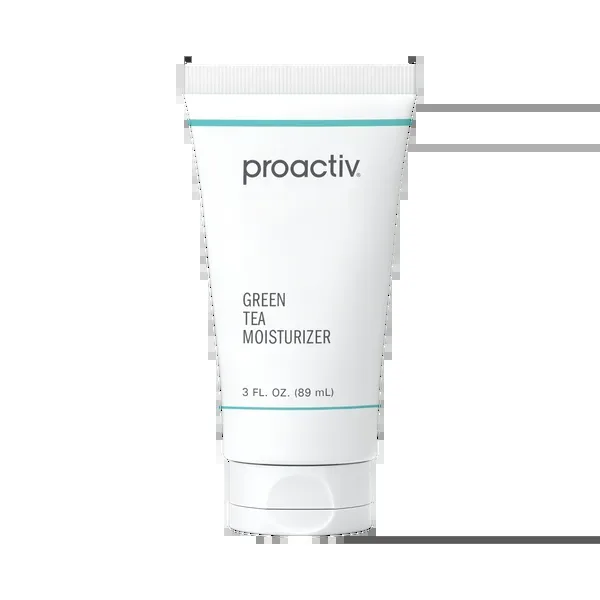
Uses pure EGCG — the most potent green tea catechin — rather than generic green tea extract, providing more targeted antioxidant and anti-sebum activity. The zinc PCA and retinyl palmitate combination creates a triple-action approach that hydrates while addressing oiliness and promoting cell turnover.
A lightweight gel-cream with genuinely smart active ingredients — pure EGCG, zinc PCA, and squalane — that's undermined by fragrance, parabens, and comedogenic emollients that have no business in a product marketed for acne-prone skin. The good parts are good; the bad parts are puzzling.
This gel-cream has been available since approximately 2016 with an estimated 200-400 reviews. Our scoring reflects both the strong hero ingredients and the concerning presence of comedogenic and sensitizing components. The mixed formulation quality is accurately reflected in the score.
Verdicts
How well it fits each concern
Verdict by concern tap a concern for the case
Supporting rolefor AcneIn your profileYou chose · Zinc has early evidence for acne, and barrier care alongside acne treatment is the recognised companion to treating it — a reasonable supporting choice, short of a recommendation.Moderate evidenceStandard tolerabilityNo reviews collected yet
The case for it
Zinc PCA has early or mechanistic evidence for this concern, not trial-backed standing.
It is plausibly present at a working level, though the concentration is not declared.
The formula carries no trigger this concern is sensitive to, with the cautions noted.
Cautions: fragrance.
What would change this: A declared concentration would move this to a firmer reading of the dose.
Same rule for everyone. “Supporting role” is the verdict on 8,197 of 45,024 concern verdicts across the catalog; rule R8a decided 1,489 of them.
Unchanged since September 5, 2026, engine 5.1.1.
R8a — A plausible-tier active in a category with a supportive job: the sentence names the active instead of saying nothing targets the concern (the AmLactin / CeraVe SA case for keratosis pilaris, where no guideline and single trials leave the keratolytics at early evidence). · the full register
Carrying active
Zinc PCA
Standing
plausible — trials support it
Form
plausible — studied range 0.1–2%, from the OTC monograph or label; needs leave-on contact
Tolerability
standard — fragrance load
Row checked
against its sources on July 17, 2026 (evidence table ev-2026.09-r228)
Promisingfor Excess OilinessIn your profileYou chose · Green Tea Extract has trial-level evidence for excess oiliness but no guideline or regulatory standing yet — promising, short of a recommendation; the other actives here are not yet assessed for it.Moderate evidenceStandard tolerabilityNo reviews collected yet
The case for it
Epigallocatechin Gallate has trial-level evidence for this concern but no guideline or regulatory standing yet.
It is plausibly present at a working level, though the concentration is not declared.
The formula carries no trigger this concern is sensitive to, with the cautions noted.
What would change this: A declared concentration would move this to a firmer reading of the dose.
Same rule for everyone. “Promising” is the verdict on 7,858 of 45,024 concern verdicts across the catalog; rule R9p decided 7,858 of them.
Unchanged since September 5, 2026, engine 5.1.1.
R9p — 0.5.0: 'Unproven' beside three filled dots read as one question answered twice with opposite words (7,018 rows). The chip measures standing, the dots measure trial volume; where the row carries at least one RCT or a tier-2 source (moderate dots) and the active is present at a working level, the honest word is Promising. Unproven is reserved for plausible-standing rows with limited or weak evidence, or an under-dosed form. Same rank as Unproven — a bet either way; the dots order them. · the full register
Carrying active
Epigallocatechin Gallate
Standing
plausible — trials support it
Form
plausible — studied range 3–5%, from the OTC monograph or label; needs leave-on contact
Tolerability
standard
Row checked
against its sources on July 17, 2026 (evidence table ev-2026.09-r228)
Promisingfor DullnessIn your profileYou chose · Hyaluronic Acid has trial-level evidence for dullness but no guideline or regulatory standing yet — promising, short of a recommendation; the other actives here are not yet assessed for it.Moderate evidenceStandard tolerabilityNo reviews collected yet
The case for it
Sodium Hyaluronate has trial-level evidence for this concern but no guideline or regulatory standing yet.
It is present at an effective concentration, declared or high in the ingredient list.
The formula carries no trigger this concern is sensitive to, with the cautions noted.
What would change this: Guideline or regulatory standing for the active on this concern would move this from a promising bet to a recommendation.
Same rule for everyone. “Promising” is the verdict on 7,858 of 45,024 concern verdicts across the catalog; rule R9p decided 7,858 of them.
Unchanged since September 5, 2026, engine 5.1.1.
R9p — 0.5.0: 'Unproven' beside three filled dots read as one question answered twice with opposite words (7,018 rows). The chip measures standing, the dots measure trial volume; where the row carries at least one RCT or a tier-2 source (moderate dots) and the active is present at a working level, the honest word is Promising. Unproven is reserved for plausible-standing rows with limited or weak evidence, or an under-dosed form. Same rank as Unproven — a bet either way; the dots order them. · the full register
Carrying active
Sodium Hyaluronate
Standing
plausible — trials support it
Form
adequate
Tolerability
standard
Row checked
against its sources on July 17, 2026 (evidence table ev-2026.09-r228)
Does the jobDoes what a moisturizer is for: draws in water, softens and smooths.
A verdict is DermApproved’s assessment of how well a product’s ingredients fit a concern — never a claim about what the product treats. Evidence dots and collected reviews sit beside it and are never blended in.
Rules 0.5.1 · evidence table ev-2026.09-r228 · how we decide
Assessment
Pros & Cons
Pros
✓ Pure EGCG catechin provides more targeted antioxidant activity than generic green tea extract
✓ Zinc PCA offers dual-action sebum regulation and humectant hydration
✓ Lightweight gel-cream absorbs instantly with zero greasy residue
✓ Multi-mechanism hydration from glycerin, hyaluronic acid, squalane, and dimethicone
✓ Excellent texture that sits well under sunscreen and makeup
✓ Allantoin provides soothing benefits for skin irritated by acne treatments
Cons
✗ Contains comedogenic emollients (ethylhexyl palmitate, PPG-2 myristyl ether propionate) in an acne-focused product
✗ Seven fragrance allergens plus Parfum in a moisturizer for sensitized acne-prone skin
✗ Contains three parabens — a choice Proactiv's own newer line has moved away from
✗ At $23-36 for 3 oz, the tube depletes quickly with twice-daily use
✗ Contains alcohol which may contribute to dryness alongside acne treatments
✗ Not pregnancy-safe due to retinyl palmitate content
Review
Full Review
The Proactiv Green Tea Moisturizer opens strong. Epigallocatechin gallate — pure EGCG, not generic green tea extract, but the specific catechin with the strongest clinical evidence — sits alongside zinc PCA, sodium hyaluronate, and squalane. This is a genuinely smart combination for oily, acne-prone skin. EGCG has demonstrated sebum-regulating and anti-inflammatory properties in clinical studies. Zinc PCA controls oil production while providing humectant hydration. Squalane delivers lightweight moisture that mimics the skin's own sebum. Hyaluronic acid binds water. These ingredients, together, represent exactly what acne-prone skin needs from a moisturizer.
And then you keep reading the INCI list.
Ethylhexyl palmitate has a comedogenic rating of 2-4, meaning it can clog pores in a meaningful percentage of people. PPG-2 myristyl ether propionate sits at a comedogenic rating of 3. These are emollients — they make the product feel smooth and luxurious — but they are objectively puzzling choices for a product explicitly marketed to people who break out. Proactiv positions this as non-comedogenic, and in fairness, most users probably won't react to these ingredients. But the ones who do will be confused and frustrated by breakouts from the very product that's supposed to accompany their acne treatment.
Then there's the fragrance. Seven individually declared fragrance allergens — alpha-isomethyl ionone, butylphenyl methylpropional, citronellol, hexyl cinnamal, hydroxycitronellal, linalool, and geraniol — plus the catch-all 'Parfum.' This in a moisturizer for acne-prone skin, which by definition is inflamed and often sensitized. The scent itself is pleasant enough — a light, calming floral that fades quickly — but it's an aesthetic choice that serves the brand experience rather than the skin.
And parabens. Three of them: ethylparaben, methylparaben, and propylparaben. Parabens are among the most well-studied preservatives in cosmetics, and their safety at standard use concentrations is supported by regulatory agencies worldwide. But Proactiv's own Clean+ line — launched in 2023 — excludes parabens entirely, implicitly acknowledging consumer preference. The Green Tea Moisturizer predates that reformulation philosophy, and it shows.
None of these issues should overshadow the things this product does well, because the user experience is genuinely pleasant. The gel-cream texture is one of the best lightweight moisturizer textures on the market. It feels cooling and refreshing on application, absorbs within seconds, and leaves absolutely no greasy residue. Oily and combination skin types will love how it hydrates without adding shine. It sits beautifully under sunscreen and makeup, functioning as a perfect primer-adjacent step.
The EGCG delivers real antioxidant benefits. Multiple studies have shown that topical EGCG reduces lipid peroxidation and inflammatory cytokine expression — meaningful protections for skin undergoing acne treatment with drying, barrier-disrupting actives like benzoyl peroxide or adapalene. The zinc PCA adds sebum regulation that complements these treatments, and the retinyl palmitate provides very mild cell-turnover promotion that supports gradual texture improvement.
Two audiences should sit this one out entirely, and neither gets called out on the tube. The retinyl palmitate — mild as it is — makes this a moisturizer to shelve during pregnancy, when retinoids of any strength are off the menu. And the fatty-acid-rich emollient blend, from macadamia oil down through the esters, makes it a poor match for fungal acne or eczema-prone skin, where that lipid load tends to aggravate rather than soothe.
Allantoin, a conditioning agent positioned in the middle of the formula, provides additional soothing properties that help compensate for the irritation from acne treatments. Macadamia seed oil adds fatty acids. The hydration strategy is genuinely multi-mechanism — humectants (glycerin, hyaluronic acid), emollients (squalane, macadamia oil), and occlusives (dimethicone) working together.
It is worth pausing on why a moisturizer belongs in an acne routine at all, because the old instinct — dry the skin out, starve the breakouts — still circulates. Skipping moisturizer tends to backfire: a compromised barrier triggers compensatory sebum production, and suddenly the skin is both flaky and oilier than before. That is precisely the anxiety this product was designed around, arriving as Proactiv's acknowledgment that its own benzoyl-peroxide-centered system leaves skin thirsty and needing backup.
Performance tracks with the ingredient profile. Immediate hydration and a matte, non-greasy feel from the first application. Over two to four weeks, reduced oiliness and calmer-looking skin. At the six to eight week mark, modest improvements in texture and a general sense that the skin looks healthier and less reactive. These are supporting-role results — a good moisturizer enhancing the work of active treatments rather than driving transformation on its own.
Placement in the routine is straightforward but worth spelling out. In the evening, let adapalene or other treatments absorb fully before smoothing this over top; in the morning it slides under SPF without pilling and gets along fine with a niacinamide serum. Know its seasonal limits, though: this is a spring-and-summer texture, and dry skin — or anyone wintering in a parched climate — will find it too thin to carry the load alone. At the other end of the spectrum, very oily skin sometimes reports shine creeping back within the hour.
The price is the final concern. At $36 for 3 oz on the Proactiv website — with Target closer to $23 — the tube runs out in six to eight weeks with twice-daily use. That's $12-18 per month for a moisturizer with formulation compromises that brands half its price avoid. The EGCG and zinc PCA justify a premium over basic moisturizers, but the fragrance and comedogenic ingredients undercut the premium-for-quality argument.
The few hundred reviews on record land at a respectable average, and they split along exactly the fault line described here. Many reviewers rave about the instant-absorbing feel and how well it behaves under makeup; the recurring complaints are the price for three ounces, how quickly the tube empties, and plain disbelief that a product aimed at breakout-prone skin carries fragrance and parabens at all.
The Green Tea Moisturizer is a product at war with itself. The hero ingredients know exactly what acne-prone skin needs. The supporting ingredients seem to have gotten the memo about making the product feel luxurious instead. If Proactiv applied the same clean-conscious reformulation philosophy from their 2023 Clean+ line to this moisturizer — remove the fragrance, swap the comedogenic emollients, drop the parabens — they'd have something genuinely excellent. As it stands, it's a good moisturizer with a frustrating asterisk.
Formula
Key Ingredients
The hero actives that drive this product's performance.
The most potent catechin from green tea, included here as a pure compound rather than a generic extract. EGCG provides antioxidant protection and has demonstrated sebum-regulating and anti-inflammatory properties in clinical studies — making it particularly relevant in a moisturizer designed for acne-prone skin that needs hydration without increased oiliness.
A zinc salt of pyrrolidone carboxylic acid that combines zinc's well-documented sebum-regulating and antimicrobial properties with PCA's humectant activity. In this moisturizer, it addresses the dual challenge of oily, acne-prone skin — controlling excess sebum while simultaneously providing hydration.
A gentle vitamin A ester that provides mild cell-turnover benefits without the irritation of stronger retinoids. In this acne-focused moisturizer, it supports skin renewal alongside the EGCG and zinc, contributing to gradual texture improvement and post-acne mark fading.
Provides lightweight hydration that draws water into the upper layers of the epidermis. Paired with the squalane and glycerin in this formula, it creates a multi-mechanism hydration approach that moisturizes without the heavy, pore-clogging feel that oily skin types associate with traditional moisturizers.
A lightweight, non-comedogenic emollient that mimics the skin's natural sebum composition. In this gel-cream, it provides the lipid component of moisturization without the heaviness of traditional oils — critical for acne-prone skin that needs barrier support without pore congestion.
Not yet assessed
Ingredient standings describe the active at treatment-level doses and
vehicles; this product's own condition grades weigh its actual formula.
Apply a thin layer after cleansing and any water-based serums or treatments. The gel-cream texture sits well under sunscreen. For PM use, apply after adapalene or other treatments have absorbed.
Results Timeline
Immediate: lightweight hydration with no greasy feel. 2-4 weeks: reduced oiliness and calmer-looking skin. 6-8 weeks: improved texture and fewer breakouts when used as part of a consistent routine.
Epigallocatechin gallate (EGCG), the primary catechin in green tea, has demonstrated significant potential for acne-prone skin through multiple mechanisms. Research has shown that EGCG suppresses sebum production by inhibiting lipogenesis in sebaceous glands, reduces inflammatory cytokine expression (particularly IL-1alpha and IL-6), and provides antioxidant protection against oxidative stress that can exacerbate acne inflammation. A clinical study demonstrated that 1-3% EGCG applied topically significantly reduced sebum production in human subjects over eight weeks.
Zinc PCA combines zinc's established antimicrobial and anti-inflammatory properties with pyrrolidone carboxylic acid (PCA), a natural component of the skin's moisturizing factor. The zinc component has been shown to inhibit 5-alpha reductase activity, reducing the conversion of testosterone to DHT in the skin — a hormonal pathway relevant to acne pathogenesis. Simultaneously, the PCA component provides hygroscopic (water-attracting) properties that support hydration.
Retinyl palmitate is converted in the skin through a two-step enzymatic process to retinal and then retinoic acid, the biologically active form. While this conversion is inefficient — making retinyl palmitate significantly less potent than direct retinol or adapalene — it provides a gentle cell-turnover stimulus appropriate for a moisturizer applied alongside stronger retinoid treatments.
Squalane, a hydrogenated form of squalene, mirrors the skin's own sebum composition and has been shown to reinforce the barrier function without promoting comedogenesis in properly formulated products — making it one of the more appropriate lipid ingredients for acne-prone skin.
Dermatologist Perspective
Dermatology professionals generally recommend lightweight, non-comedogenic gel moisturizers for acne-prone patients using drying treatments like benzoyl peroxide or adapalene. Dermatologists note that maintaining barrier hydration is essential during acne treatment to prevent compensatory sebum overproduction. The EGCG and zinc PCA in this formula are well-regarded actives for oily skin. However, dermatologists who review ingredient lists may flag the comedogenic emollients and fragrance allergens as unnecessary risks in a product for breakout-prone skin, particularly when fragrance-free and comedogenic-free alternatives exist at comparable price points.
Guidance
Usage & Recommendations
How to Use
Apply a thin layer over the entire face and neck after cleansing and any water-based serums or treatments, morning and evening. The gel-cream texture absorbs quickly, so no extended wait time is needed before applying sunscreen in the morning. If using with adapalene, apply the adapalene first and allow a few minutes for absorption before following with this moisturizer.
Value Assessment
At $23-36 for 3 oz (price varies significantly by retailer), this moisturizer lasts approximately 6-8 weeks with twice-daily use, costing roughly $12-18 per month. A 1 oz travel size exists but is often out of stock. The EGCG and zinc PCA ingredients justify a premium over basic gel moisturizers, but the inclusion of fragrance, parabens, and comedogenic emollients makes the value harder to defend at the higher end of the price range. Proactiv's legacy brand credibility adds some purchasing confidence, though the formulation feels dated compared to the brand's own 2023 Clean+ philosophy.
Who Should Buy
Oily and combination skin types who need hydration without heaviness, particularly those using drying acne treatments like benzoyl peroxide or adapalene. The gel-cream texture is ideal for anyone who avoids moisturizer because they hate greasy, heavy products on acne-prone skin.
Who Should Skip
Anyone with fragrance sensitivity or a history of comedogenic reactions should proceed carefully. Dry skin types will find this insufficient as a standalone moisturizer, especially in winter. Those who prefer paraben-free products or are pregnant should look elsewhere.
Immediately cooling and hydrating without any heaviness. The gel-cream disappears into skin within seconds. No tingling or burning. Oily skin types will appreciate how non-greasy it feels. Dry skin types may find they need a richer product, especially in winter.
How Long It Lasts
About 6-8 weeks per unit applied morning and evening
The Green Tea Moisturizer was part of Proactiv's evolution beyond the basic benzoyl peroxide three-step system. Recognizing that acne treatment products can leave skin dehydrated and barrier-compromised, this moisturizer was designed to restore hydration without triggering new breakouts — a constant anxiety for acne-prone skin.
About Proactiv Legacy Brand (20+ years)
Proactiv was developed in 1995 by Stanford-trained dermatologists Dr. Katie Rodan and Dr. Kathy Fields. This moisturizer was part of the Proactiv+ line, incorporating ingredients beyond the brand's traditional benzoyl peroxide focus. Now owned by Taro Pharmaceutical Industries.
Brand founded: 1995 · Product launched: 2016
Myth vs. Reality
Common Myths
Myth
People with acne shouldn't use moisturizer
Reality
Skipping moisturizer can actually worsen acne by compromising the skin barrier and triggering compensatory sebum production. This gel-cream provides necessary hydration without heavy oils, helping maintain the barrier integrity that acne treatments like benzoyl peroxide and adapalene can disrupt.
Myth
Green tea in skincare is just a marketing ingredient
Reality
This formula uses EGCG, the specific green tea catechin with the strongest evidence base. Studies have shown EGCG reduces sebum production and has anti-inflammatory activity relevant to acne — this isn't decorative botanical inclusion.
FAQ
Frequently Asked Questions
Is Proactiv Green Tea Moisturizer non-comedogenic?
Proactiv markets it as non-comedogenic, but the formula contains ethylhexyl palmitate and PPG-2 myristyl ether propionate, both of which have moderate comedogenic ratings. Most users don't experience breakouts from this product, but those particularly sensitive to comedogenic ingredients should be aware.
Can I use this moisturizer with adapalene?
Yes — this lightweight gel-cream pairs well with adapalene gel. Apply adapalene first to clean, dry skin in the evening, wait a few minutes for absorption, then follow with this moisturizer to help manage the dryness that adapalene can cause.
Is this moisturizer enough for dry skin?
Likely not on its own. The gel-cream texture is designed for oily and combination skin types. If you have dry skin, you may need to layer a richer cream on top, or consider this as a daytime moisturizer with a heavier product at night.
Does this moisturizer have SPF?
No — this is a standalone moisturizer without sun protection. You'll need to apply a separate SPF product on top during the day, which is especially important if you're using adapalene or other retinoids that increase photosensitivity.
Is Proactiv Green Tea Moisturizer pregnancy-safe?
This product contains retinyl palmitate (a vitamin A derivative), which some healthcare providers advise avoiding during pregnancy as a precaution. Consult your OB-GYN before use during pregnancy or breastfeeding.
Reviews
What Reviewers Tend to Say
Recurring themes our editors read across retailer reviews of this product — summaries in our words, not quotations, and not a substitute for your own patch test.
Common Praise
Lightweight gel texture absorbs instantly without greasiness
Effective hydration that works well under makeup
Soothing and calming on irritated acne-prone skin
Skin feels soft and plump after application
Good pairing with Proactiv acne treatment products
Common Complaints
Price is too high for 3 oz — tube runs out quickly
Contains fragrance and parabens despite acne-prone positioning
Insufficient hydration for dry skin or dry climates
Can cause shininess within an hour on very oily skin
Contains comedogenic ingredients that may trigger breakouts for some
Cutting a beard hair takes about a twentieth of a newton. You press with two and stretch your skin by a fifth — which is why almost every shaving problem is a technique problem wearing a hardware costume.
Your immune cells already make it to kill microbes. Now it's in a spray bottle for breakouts and redness, and the real evidence is quietly stronger than the 'miracle mist' marketing that's outrunning it.
EGCG has some of the strongest botanical evidence in skincare for calming, oil control, and sun-damage defense. It also falls apart in the bottle before it reaches your face.
Sep 1, 2025· 5 min
Questions people ask about Acne
Verified answers from our questions library — the nuance a product page cannot carry.
Products, answers, therapy guides, tools and articles in one search. Brand names,
slang and abbreviations all work — accutane finds isotretinoin, bacne finds truncal acne.