Silicones Don't Suffocate Your Skin — We Literally Put Them on Healing Wounds
Clean-beauty marketing cast silicones as pore-clogging plastic wrap for your face. The chemistry — and the scar clinic — say almost the exact opposite.
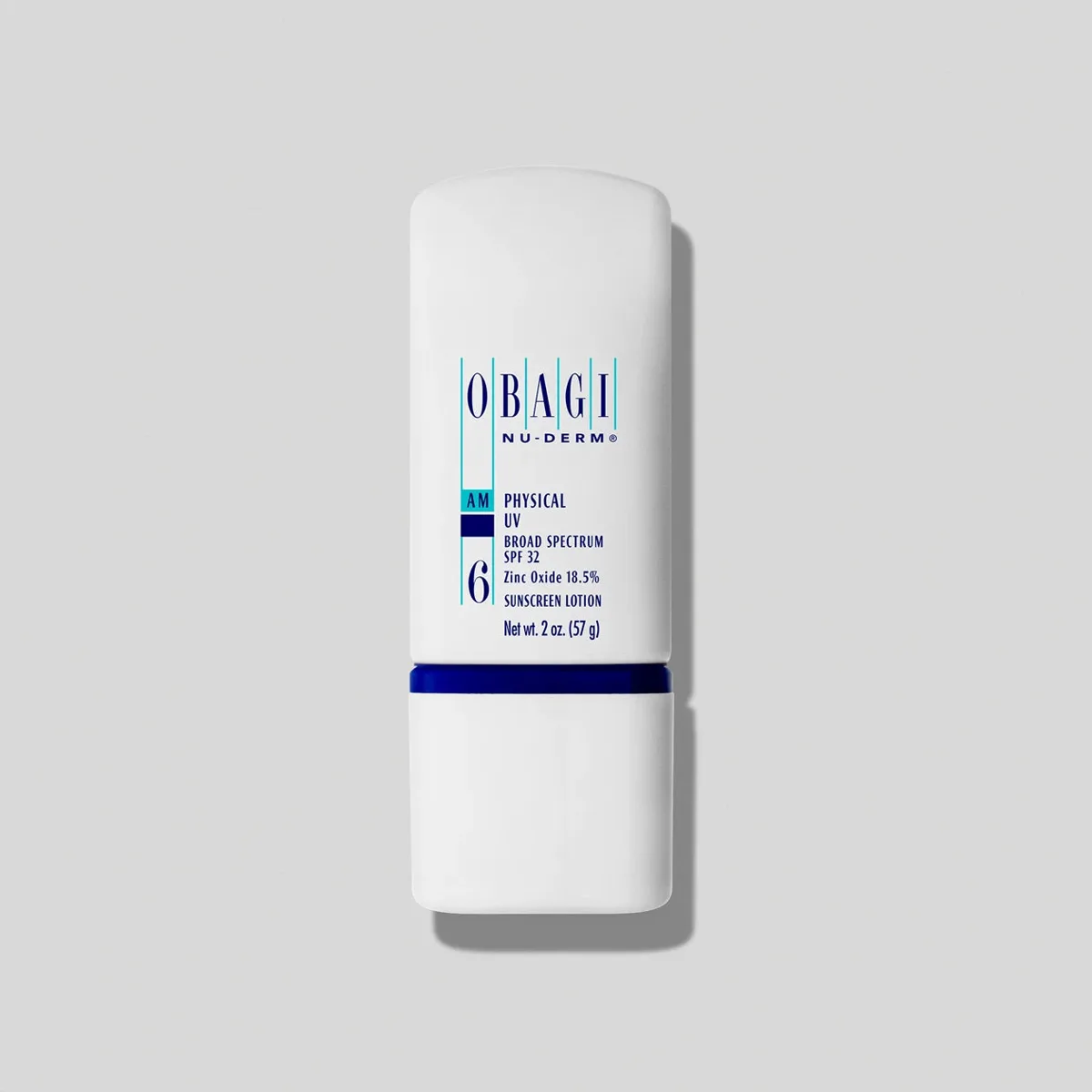
It is an 18.5 percent zinc oxide block with no titanium, no organic filters and no boosters, built two decades ago as step six of the Nu-Derm hydroquinone regimen to shield skin that is being deliberately thinned and depigmented, and it still gives the deepest UVA coverage of any Obagi sunscreen. Its distinction is that zinc load and that role; its base, a beeswax-and-silicone cream with comedogenic esters and parabens, belongs to the year it was written.
An 18.5 percent zinc block from another era, written into the Nu-Derm regimen so that hydroquinone-and-tretinoin faces got the deepest UVA floor a mineral can give, and still delivering exactly that. It is thick, waxy, white and hard to get out of the tube, its base carries comedogenic esters and two parabens, and the brand's own reviewers give it one star; melasma patients who understand the zinc keep buying it anyway, and they are not wrong.
The case for it
Same rule for everyone. “Full protection” is the verdict on 2,288 of 45,024 concern verdicts across the catalog; rule P1 decided 2,232 of them. As of September 25, 2026, engine 5.1.1.
Brand or formulator? Disclose a concentration or correct a fact →
The studies behind the evidence row
The case for it
What would change this: A researched evidence row for the lead active would replace this with a verdict.
Same rule for everyone. “Basic protection” is the verdict on 175 of 45,024 concern verdicts across the catalog; rule P3 decided 68 of them. As of September 25, 2026, engine 5.1.1.
Brand or formulator? Disclose a concentration or correct a fact →
The case for it
What would change this: A researched evidence row for the lead active would replace this with a verdict.
Same rule for everyone. “Full protection” is the verdict on 2,288 of 45,024 concern verdicts across the catalog; rule P1 decided 2,232 of them. As of September 25, 2026, engine 5.1.1.
Brand or formulator? Disclose a concentration or correct a fact →
The case for it
What would change this: A researched evidence row for the lead active would replace this with a verdict.
Same rule for everyone. “Full protection” is the verdict on 2,288 of 45,024 concern verdicts across the catalog; rule P1 decided 2,232 of them. As of September 25, 2026, engine 5.1.1.
Brand or formulator? Disclose a concentration or correct a fact →
The case for it
What would change this: A researched evidence row for the lead active would replace this with a verdict.
Same rule for everyone. “Good choice” is the verdict on 1,938 of 45,024 concern verdicts across the catalog; rule F2 decided 1,938 of them. As of September 25, 2026, engine 5.1.1.
Brand or formulator? Disclose a concentration or correct a fact →
The case for it
What would change this: A researched evidence row for the lead active would replace this with a verdict.
Same rule for everyone. “Full protection” is the verdict on 2,288 of 45,024 concern verdicts across the catalog; rule P1 decided 2,232 of them. As of September 25, 2026, engine 5.1.1.
Brand or formulator? Disclose a concentration or correct a fact →
Does the jobDoes what a sunscreen is for: UVA coverage, kind to the skin wearing it. Not measured from the label: pleasant enough to actually use.
A verdict is DermApproved’s assessment of how well a product’s ingredients fit a concern — never a claim about what the product treats. Evidence dots and collected reviews sit beside it and are never blended in. Rules 0.5.1 · evidence table ev-2026.09-r228 · how we decide
There are two ways to read the Obagi Nu-Derm Physical UV Block, and its reviews split neatly along them. On the brand's own site it has three reviews and a flat one star, all about the texture. At the clinical retailers that stock it, or stocked it before moving it to clearance, the melasma and tretinoin patients who write in praise a number: 18.5 percent zinc oxide, no titanium, no organic filters, no boosters, which gives this cream a deeper long-UVA floor than almost any SPF 50 on the shelf. Both camps are describing the same tube. The zinc load that makes it the right sunscreen for a face being deliberately thinned and depigmented by the Nu-Derm regimen is also what makes it a thick, chalky, stubborn cream that has not been reformulated in two decades.
The label is short and old. Water, a silicone emulsifier, cetyl dimethicone and dimethicone build a water-in-silicone base; isopropyl palmitate and ethylhexyl stearate thin it; butylene glycol and glycereth-26 hydrate a little; hydrogenated castor oil and beeswax structure the cream and help the zinc film cling; salt, a silane coating for the zinc, vitamin E acetate, a fireweed extract, a chelator and methyl- and propylparaben finish it. No fragrance, no alcohol, no organic UV chemistry. It is a formula written when the goal was to get as much zinc as possible onto a treated face and keep it there, and every choice serves that goal, including the ones that a modern formulator would make differently.
The protection case is straightforward and worth spelling out, because the SPF number undersells it. SPF measures UVB, and a zinc-only formula without titanium or organic UVB filters tests modestly on that scale; UVA, which zinc absorbs across its full range and which drives the pigment that hydroquinone patients are trying to lose, scales with the mineral load, and 18.5 percent is a lot. The 2025 review of sunscreen mechanisms and efficacy in the Journal of the American Academy of Dermatology set out that division, covering the properties of active and additive ingredients, the gaps in coverage that SPF alone does not capture, and sunscreen's role in pigmentary disorders and in skin of colour, where UVA and visible light matter more than sunburn. For a melasma face or a Nu-Derm patient at step six, the UVA floor is the number that matters, and this cream's is among the highest in the brand.
On the skin, the reviewers are right. The cream is stiff enough to resist the tube and the fingers, needs warming in the palms, and goes on like stage make-up for several minutes before it settles to a matte, faintly waxy film; fair skin blends it to a glow that several long-term users like, medium and deeper skin never quite clears the cast, and the last quarter of the tube is a fight that runs through twenty years of complaints. It stays put through a warm day thanks to the silicone-and-wax film, which the label's lack of a water-resistance claim undersells, and it does not sting on skin that has just had hydroquinone and tretinoin applied, which is its one unambiguous courtesy. Oily and acne-prone faces find the base heavy and the palmitate and stearate esters are the kind that appear on comedogenic lists, so the cream sits awkwardly in a system that also treats adult acne.
The formula's age shows in more than texture. Methyl- and propylparaben are safe at cosmetic levels and dated as a preservative choice, and propylparaben now falls under restrictions in some US states; the beeswax rules out vegans; and a fireweed extract with vitamin E is the entire skin-care content. Several clinical retailers have moved the product to clearance while Obagi still lists it as Nu-Derm step six, which suggests a quiet wind-down in favour of the brand's more modern Sun Shield Mineral SPF 50, a two-mineral formula that blends better and covers the same post-procedure role.
Fifty-nine dollars for two ounces is the Nu-Derm price and, allowing for the part of the tube nobody can extract, buys about six weeks at the proper dose; the yearly cost is high for what is, in feel, a chalky zinc paste. What the money buys is a genuinely high zinc load with no boosters, a formula that tolerates the most photosensitive skin a dermatologist treats, and the coherence of a regimen that many patients follow to the letter. What it does not buy is a wearable texture, a modern base or a tint, and high-zinc minerals that spread better now exist from clinical and pharmacy brands at every price.
For a patient mid-way through Nu-Derm, or a fair-skinned melasma sufferer who has done the reading and wants the deepest UVA coverage a face sunscreen offers, this remains a defensible, even correct, choice, and the one-star reviews should be read as complaints about feel rather than function. For anyone else, and especially for medium and deeper skin, oily skin and anyone who wants to enjoy putting on sunscreen, Obagi's own Sun Shield Mineral SPF 50 does the job in a formula built this decade.
The hero actives that drive this product's performance.
| Ingredient | Function | Evidence |
|---|---|---|
| Zinc Oxide (18.5%) | The sole filter at 18.5 percent, one of the highest zinc loads in any face sunscreen and the whole reason this cream exists: coated with silane and carried in a water-in-silicone base, it gives the deepest long-UVA coverage in Obagi's range, which is what a face on tretinoin and hydroquinone needs, and it is also why the cream is thick, white and slow to blend. | Regulator-approved for Sun Damage · limited certainty |
| Cetyl PEG/PPG-10/1 Dimethicone | The silicone emulsifier that makes this a water-in-silicone cream, with cetyl dimethicone and dimethicone behind it: the inverted emulsion is what lets nearly a fifth of the tube be zinc without separating, and it is the source of the smooth, slightly waxy glide and the water-shedding film that outlasts a sweaty afternoon better than the label's lack of a water-resistance claim suggests. | Not yet assessed |
| Beeswax | With hydrogenated castor oil beside it, beeswax structures the thick cream and helps the zinc film hold on the skin, the old-fashioned way to keep a high-mineral sunscreen from sliding; it is also why the cream drags out of the tube toward the end, why it feels occlusive on oily skin, and why the formula is not vegan. | Not yet assessed |
| Epilobium Angustifolium Flower/Leaf/Stem Extract | Fireweed extract, the formula's one soothing botanical, with tocopheryl acetate as its antioxidant partner; a modest anti-irritant note in a cream worn over freshly hydroquinone-and-tretinoin-treated skin, and the only concession to comfort in a formula otherwise built entirely around the zinc film. | Not yet assessed |
| Isopropyl Palmitate | With ethylhexyl stearate, the ester pair that thins the silicone-and-wax base enough to spread; both appear on comedogenic watch-lists, which matters on a Nu-Derm face that is often acne-prone, and both date the formula to an era before sunscreens were built with lighter, non-comedogenic esters. | Not yet assessed |
Ingredient standings describe the active at treatment-level doses and vehicles; this product's own condition grades weigh its actual formula.
Active Ingredient: Zinc Oxide 18.5%. Inactive Ingredients: Aqua/Water/Eau, Cetyl PEG/PPG-10/1 Dimethicone, Cetyl Dimethicone, Dimethicone, Isopropyl Palmitate, Ethylhexyl Stearate, Butylene Glycol, Glycereth-26, Hydrogenated Castor Oil, Beeswax, Sodium Chloride, Triethoxycaprylylsilane, Tocopheryl Acetate, Epilobium Angustifolium Flower/Leaf/Stem Extract, Disodium EDTA, Methylparaben, Propylparaben
sunscreen
AM
Warm two finger-lengths between the fingers and press it over the face and neck as the last morning step of the Nu-Derm routine, after the Clear and Exfoderm steps have absorbed, working it in with the palms rather than fingertips to clear the cast; it needs a full five minutes before makeup. Outside the system it sits over any moisturiser and is the sunscreen to reach for when melasma or a hydroquinone course demands the deepest UVA floor a mineral can give.
Protection is immediate and the cast takes a few minutes to blend; there is nothing to wait for beyond what does not happen, which on a Nu-Derm or melasma face means pigment that stops deepening from the first week of daily use and treated skin that does not re-darken over the course. Oily and acne-prone skin will know within days whether the waxy base clogs.
The Physical UV Block is a single-filter sunscreen, and its evidence is the evidence for zinc oxide at a high concentration. Zinc oxide absorbs and scatters ultraviolet across a broad, nearly flat curve from UVB through long UVA-1, and because it is the only filter here, its 18.5 percent concentration sets the whole protection profile: a tested SPF of 32, reflecting UVB absorption without titanium or organic UVB filters to lift the number, and a long-UVA floor that scales directly with the zinc and is higher than that of most mixed-filter SPF 50 formulas. The 2025 continuing-education review by Abdel Azim and colleagues in the Journal of the American Academy of Dermatology on sunscreen mechanisms and efficacy set out why that distinction matters clinically: SPF captures sunburn protection only, gaps in UVA and visible-light coverage are what determine a sunscreen's value against photoaging and pigmentary disorders, and considerations for skin of colour turn on those longer wavelengths rather than on the SPF number. For a face on prescription hydroquinone and tretinoin, whose stratum corneum is thinned and whose melanin is being suppressed, UVA protection is the relevant endpoint, and a high zinc load without boosters is the most direct way to provide it.
The vehicle is a water-in-silicone emulsion held by a cetyl PEG/PPG dimethicone emulsifier with cetyl dimethicone and dimethicone, an inverted system that can carry a high particulate load without separating and that forms a water-shedding film on the skin; hydrogenated castor oil and beeswax add structure and adhesion at the cost of spreadability, and isopropyl palmitate and ethylhexyl stearate thin the mixture enough to apply. Both esters score moderately on rabbit-ear comedogenicity assays and are associated with clogged pores in a minority of users, a consideration in a system that also treats adult acne. The zinc is coated with triethoxycaprylylsilane to improve dispersion and reduce photocatalytic activity. Epilobium angustifolium extract and tocopheryl acetate supply mild anti-irritant and antioxidant support. The preservative system of methylparaben and propylparaben is effective and well tolerated at cosmetic levels, though propylparaben is now restricted in some US state cosmetics laws, and the whole inactive list is characteristic of a formula written before lighter esters, glucoside emulsifiers and coated-mineral dispersions made high-zinc sunscreens wearable. The protection is well founded; the texture problems documented by users are the direct consequence of the same design.
Practices that dispense Nu-Derm have a particular relationship with this sunscreen: it is step six of a regimen that leaves patients more photosensitive than almost any other treatment, and clinicians want the highest zinc load they can get on those faces, which the Physical UV Block has provided for two decades and which explains why it survives despite its texture. The counselling that accompanies it is candid. Patients are told it will look white, that it must be warmed and pressed in, that medium and deeper skin will keep a cast, and that the SPF 32 label understates its UVA protection, which is the protection that matters during hydroquinone treatment and for melasma. The base draws reservations for acne-prone patients because of the palmitate and stearate esters and the wax, and many practices now substitute the brand's Sun Shield Mineral SPF 50 or a tinted iron-oxide mineral for patients who cannot tolerate the feel or the cast, particularly those with skin of colour for whom visible-light protection also matters. For the fair-skinned, compliant Nu-Derm patient it remains a correct if unlovely choice.
As the final morning step of the Nu-Derm routine after the Clear and Exfoderm steps have absorbed, or over any moisturiser outside the system, squeeze out about two finger-lengths, warm the cream between the palms until it softens, and press it over the face and neck in sections rather than spreading it in strokes, then work it in with the flat of the hands until the cast fades as far as it will. Allow at least five minutes before makeup, which should be patted over the film. Apply fifteen minutes before sun exposure and reapply at least every two hours outdoors; for swimming or heavy sweat, switch to a water-resistant sunscreen. On freshly treated skin, press rather than rub. As the tube empties, cut it open rather than fighting the last quarter.
Fifty-nine dollars for two ounces is a physician-channel price, and the effective cost is higher than the label suggests because the stiff cream leaves the last quarter of the tube unreachable, so the working supply is about six weeks at two finger-lengths daily on face and neck. The money buys a genuinely high zinc load with no boosters, tolerance on the most photosensitive treated skin, and a place in a regimen that patients follow as prescribed; for a Nu-Derm patient at step six, that is the point of the purchase. It does not buy a wearable texture, a modern base, a tint or water resistance, and comparable or higher zinc loads in far better vehicles are available from clinical and pharmacy brands at every price, including Obagi's own Sun Shield Mineral SPF 50. Poor value as a sunscreen; acceptable as a regimen component while the regimen lasts.
Patients on the Nu-Derm hydroquinone-and-tretinoin regimen who need its step-six sunscreen, and fair-skinned melasma or post-procedure patients who understand that an 18.5 percent zinc load without boosters gives the deepest UVA coverage a face sunscreen offers and are willing to trade texture for it. It suits dry to normal skin that tolerates a waxy film and anyone who prizes protection over feel.
Medium and deeper skin tones will not clear the cast and should choose a tinted mineral, oily and acne-prone skin should avoid the beeswax and palmitate esters, and vegans should note the beeswax. Anyone who wants a sunscreen they will enjoy applying, anyone avoiding parabens, and anyone not on a regimen that specifically calls for this product will be better served by Obagi's Sun Shield Mineral SPF 50 or a modern high-zinc mineral from another brand.
Ready to try Obagi Physical UV Broad Spectrum SPF 32?
Buy at Amazon ♥A dense, white, waxy cream that resists the tube and the fingers, needs warming to spread, drags across the skin with a silicone-and-beeswax slip, and sets to a matte, faintly powdery film with a visible whiteness that softens but rarely vanishes.
None; a faint waxy, mineral smell from the beeswax and zinc that fades on the skin.
A 2 oz white stand-up tottle with a flip cap on its base and a navy band in the Nu-Derm livery; the soft tube dispenses the stiff cream reluctantly, and the last quarter is genuinely difficult to extract, a complaint that runs through two decades of reviews.
The first application is a small struggle: a stiff white cream that has to be warmed and pressed rather than spread, a cast that looks like stage make-up for the first few minutes, and a matte, slightly waxy film that oily skin dislikes and dry skin finds comfortable. There is no sting on hydroquinone-and-tretinoin-treated skin, which is the population it was built for. Fair skin blends it to a glow within five minutes; medium and deeper skin does not, and the cast becomes the daily experience of the product.
About six weeks at two finger-lengths daily on face and neck; two months on the face alone, allowing for the unreachable last quarter of the tube.
All Year
The Physical UV Block was written into the Nu-Derm system as step six from the system's early years, because a face on prescription hydroquinone and tretinoin is more photosensitive than any other and the physicians dispensing the regimen wanted the highest zinc load they could get, in a cream that would stay put. It has carried the SPF 32 label and the 18.5 percent zinc through the system's move from Rx to Fx and through two packaging refreshes without a reformulation, and by 2026 it sits at one star on the brand's own site and on clearance at several retailers, while the melasma patients who understand what the zinc does keep buying it.
Obagi's Nu-Derm system has been the brand's flagship in dermatology offices since dermatologist Zein Obagi founded the company in 1988, with published clinical work behind its prescription hydroquinone regimen. The Physical UV Block is Nu-Derm's step six, the mineral sunscreen dispensed to patients mid-way through that regimen for two decades; it has no product-specific study and is assessed on its drug-facts label.
SPF 32 means this sunscreen protects less than an SPF 50.
SPF measures UVB only; this cream's 18.5 percent zinc gives it a deeper UVA floor than most SPF 50 formulas built on lighter mineral loads and boosters, which is why it was chosen for hydroquinone and melasma faces where UVA drives the pigment. The lower number reflects the absence of titanium and organic UVB filters, not weaker protection where it matters.
A sunscreen dispensed by dermatologists must have a modern, elegant formula.
This one is two decades old and reads that way: a beeswax-and-silicone base, isopropyl palmitate and ethylhexyl stearate that appear on comedogenic lists, and methyl- and propylparaben as preservatives. It was built for protection on a treated face, not for feel, and its reviews divide exactly along that line.
18.5 percent, as the sole active, with no titanium dioxide, organic filters or SPF-boosting esters; it is one of the highest zinc loads in any face sunscreen and the reason the cream is dispensed to patients on the Nu-Derm hydroquinone regimen and to melasma patients who need deep UVA coverage.
Because SPF measures UVB, and a zinc-only formula without titanium or organic UVB filters tests lower on that scale than a mixed formula; the 18.5 percent zinc gives this cream a deeper UVA floor than most SPF 50 products, which is the protection that matters for hydroquinone-treated and melasma-prone skin.
Obagi still lists it as step six of the Nu-Derm Fx system at the time of writing, but several clinical retailers have moved it to clearance and others no longer stock it, which suggests a wind-down; the brand's newer Sun Shield Mineral SPF 50 covers the same post-procedure role with a more modern formula.
Yes, more than most. At 18.5 percent zinc in a thick beeswax-and-silicone cream, it looks chalky for several minutes on everyone and blends to a glow only on fair skin; medium and deeper skin tones report a cast that never fully clears, and the brand's own reviewers rate the texture at one star.
Not especially. Zinc itself is calming, but the base carries beeswax, isopropyl palmitate and ethylhexyl stearate, all of which appear on comedogenic watch-lists, and oily skin finds the waxy film heavy; the brand's Sun Shield Matte or Mineral SPF 50 suit breakout-prone faces better.
That is what it was built for. It has no fragrance, alcohol or organic filters, tolerates hydroquinone-and-tretinoin-treated skin without stinging, and its zinc load protects thinned, depigmented skin from the UVA that re-darkens it; press rather than rub it over freshly treated areas and follow the practice's timing.
Recurring themes our editors read across retailer reviews of this product — summaries in our words, not quotations, and not a substitute for your own patch test.
18.5 percent zinc gives real UVA protection for melasma
Tolerated on tretinoin-and-hydroquinone-treated skin
Leaves a healthy glow on fair skin once blended
No fragrance or organic filters
Stays put through a warm day
Thick, waxy and hard to spread
Leaves a white cast that does not fully clear
Almost impossible to squeeze out toward the end of the tube
Parabens and comedogenic esters in a dated base
Being discontinued or cleared at several retailers