A Realistic Niacinamide Routine (No, You Don't Need 10%)
Nearly every trial that made this ingredient famous ran at 2–5%. The double-digit numbers on the shelf are answering a question the biology never asked.
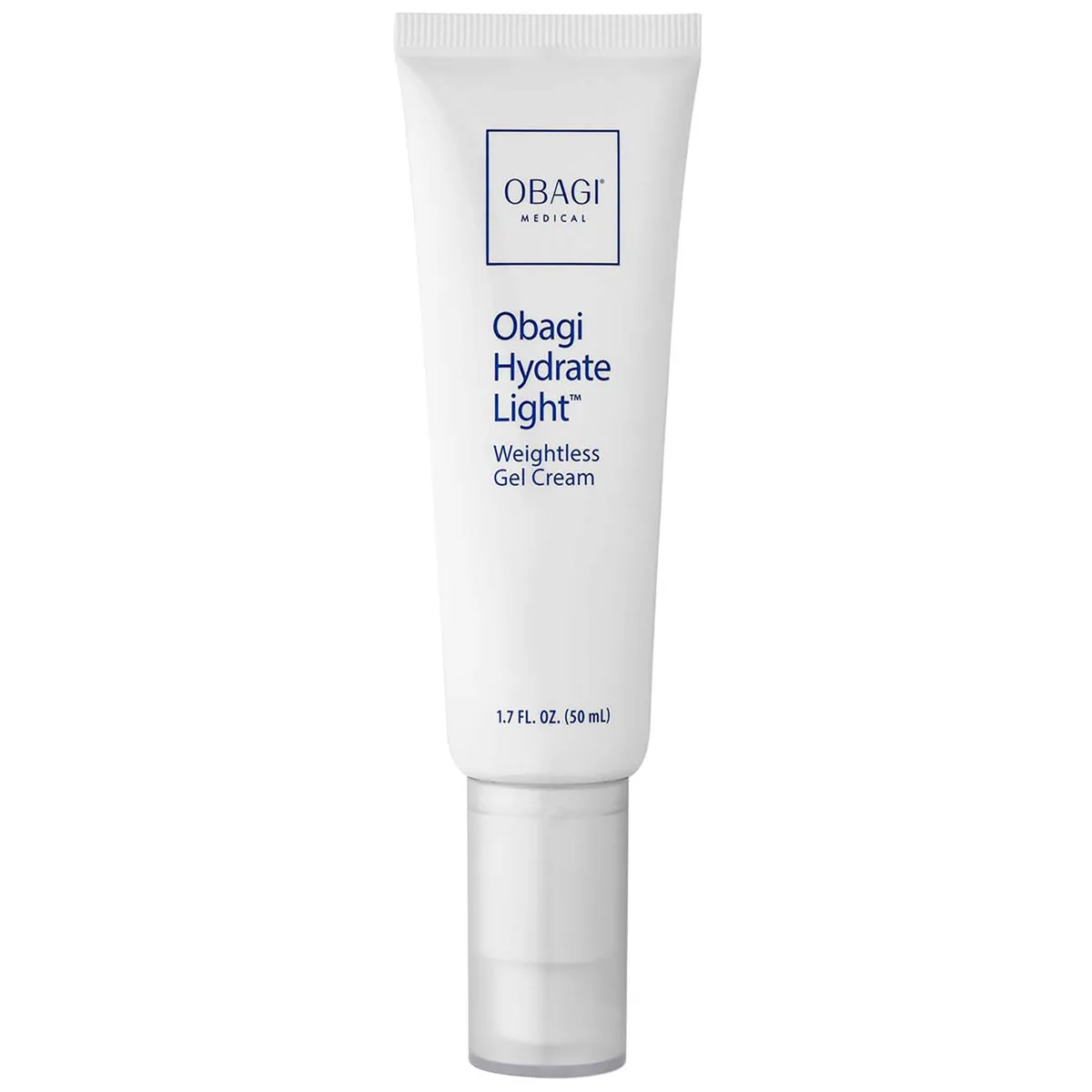
It is a physician-brand gel cream that keeps niacinamide in the top seven and stacks four different humectants, glycerin, saccharide isomerate, tara gum and polyglutamic acid, so the hydration lasts longer than a plain hyaluronic gel's, then adds a token ceramide-cholesterol set so the barrier is not ignored. Most oil-free gel creams pick one humectant and stop; this one is over-engineered in a way that suits skin on a retinoid or acid regimen.
A well-made oil-free gel cream that does the one job it claims, lasting hydration on oily and combination skin without shine, and does it with more thought than the category usually gets: niacinamide in the top seven, four stacked humectants and a token barrier set, all fragrance-free. It is not a treatment, dry skin will want more, and $70 is a clinical-brand premium for a category the drugstore has solved.
About three years on the market and a couple of hundred reviews support the texture and hydration observations here, but Obagi quotes no efficacy data for Hydrate Light and its own site carries only a handful of ratings, so the assessment is built on the ingredient list and the general moisturizer literature. The polyglutamic acid evidence cited is from cell and reconstructed-skin models rather than human trials, and the tara gum claim rests on supplier data.
The case for it
What would change this: A researched evidence row for the lead active would replace this with a verdict.
Same rule for everyone. “Supporting role” is the verdict on 8,197 of 45,024 concern verdicts across the catalog; rule R8 decided 4,250 of them. As of September 25, 2026, engine 5.1.1.
Brand or formulator? Disclose a concentration or correct a fact →
The case for it
Cautions: fungal-acne triggers.
What would change this: A declared concentration would move this to a firmer reading of the dose.
Same rule for everyone. “Promising” is the verdict on 7,858 of 45,024 concern verdicts across the catalog; rule R9p decided 7,858 of them. As of September 25, 2026, engine 5.1.1.
Brand or formulator? Disclose a concentration or correct a fact →
The studies behind the evidence row
Also listed for Dullness — the actives here (Niacinamide, Probiotics & Prebiotics, Botanical Extracts, Polyglutamic Acid) are in our research queue for that concern; there is no verdict until their evidence rows are written. That is a gap in our table, not a mark against the product.
Does the jobDoes what a moisturizer is for: supplies barrier lipids, draws in water.
Where our review and the verdict differ. The review below was written on the formulation and the published trials; the verdicts above apply the stricter standing test in our methodology — an active earns a recommendation only with guideline or regulatory standing for the concern. Where the two disagree, the verdict is DermApproved’s position.
A verdict is DermApproved’s assessment of how well a product’s ingredients fit a concern — never a claim about what the product treats. Evidence dots and collected reviews sit beside it and are never blended in. Rules 0.5.1 · evidence table ev-2026.09-r228 · how we decide
For a decade Obagi's Hydrate line had a cream for normal skin and a richer one for dry, and nothing for the oily, combination and acne-prone patients who make up a large share of a Nu-Derm practice and who greeted both with a groan. Hydrate Light arrived in 2023 to fix that, and it is a more considered product than a late-arriving gel cream usually is, because it was built to survive next to tretinoin rather than just to feel nice.
The list opens with water, dimethicone and dimethyl isosorbide, a silicone-and-solvent base that gives the gel its instant slip and quick set, then glycerin, two light esters and, in seventh place, niacinamide. That position is the first sign of intent: most gel creams treat niacinamide as a garnish, and here it is ahead of the fatty alcohol and every humectant but glycerin, at a level where it can do its slow work on oil production, tone and barrier lipid synthesis. Then comes the hydration stack. Saccharide isomerate is tenth, a plant-derived carbohydrate that binds to keratin and stays through washing; hydrolysed and intact tara seed gum sit mid-list, the galactomannan Obagi headlines; and polyglutamic acid, the bacterial polypeptide that has become the fashionable humectant of the decade, is in the back third. Four humectants with different molecular sizes and mechanisms is why the hydration holds through a day in a way a plain hyaluronic gel's does not.
Near the end are ceramides NP, AP and EOP with cholesterol and phytosphingosine, the barrier lipid set from Obagi's Rebalance cream, at token levels. They are there so the gel does not leave a retinoid-thinned barrier entirely undefended, and they should not be mistaken for a repair dose; this is a maintenance moisturizer for skin whose barrier is already intact. Panthenol, bisabolol, a yeast lysate and a soybean extract fill out the soothing and antioxidant slots, and the whole thing is fragrance-free, alcohol-free and oil-free.
In use it is as weightless as the name says. A pump spreads thinly, feels cool, and sets in under a minute to a matte-satin surface that sunscreen and makeup sit on without a thought. Oily skin stays hydrated and unshiny until evening, which is the trick a gel cream is supposed to pull and often does not. Over a month or two the niacinamide earns its place as pores look a little tidier and the T-zone a little calmer, and it layers over a retinoid or an acid at night without any of the stinging a fragranced gel would add. Sensitive users report nothing to report, which is the highest compliment a moisturizer gets.
A word on the humectant stack, because it is the most interesting design decision and the one most likely to be misread. Polyglutamic acid gets the marketing, and its water-binding figure is quoted everywhere, but the ingredient doing the quiet work is saccharide isomerate, a carbohydrate that binds to the keratin of the stratum corneum and stays through hand-washing and sweat, which is why the hydration outlasts what a hyaluronic gel gives. Tara gum adds a film over that, glycerin fills the gaps, and the polyglutamic acid is the finishing layer. Four humectants working at different depths is a more robust approach than one star ingredient, and it is the reason oily skin that has found gel creams disappear by lunchtime tends to get on with this one.
Where it stops is where every oil-free gel cream stops. The emollients are light esters and silicones with almost no occlusive lipid, so dry skin feels tight again by mid-afternoon and, in winter, most combination skin will too; the original Hydrate cream exists for that reason. It is a hydrator and nothing else, with no active beyond the niacinamide and no claim that would let Obagi run a study, and indeed the brand quotes no efficacy figures for it at all. The silicone-forward feel is pleasant to most and disliked by some. And the price is the standing Obagi objection: $70 for 1.7 oz is roughly three times what the best drugstore gel creams cost for a very similar architecture, and a pump twice a day empties it in two to three months, around $25 to $35 a month.
What the premium buys is coherence rather than novelty. The niacinamide dose, the four-humectant stack, the barrier lipids and the fragrance-free discipline add up to a gel cream that a dermatologist can hand to a tretinoin patient with oily skin and not think about again, and for that patient, already in the Obagi system and already paying its prices, it is a sensible purchase. For anyone else with oily or combination skin looking for a good oil-free moisturizer, the drugstore has done this well for years, and this is the clinical-brand version of a solved problem, a little better thought through and a lot more expensive.
The hero actives that drive this product's performance.
| Ingredient | Function | Evidence |
|---|---|---|
| Niacinamide | Seventh in the list, ahead of the fatty alcohol and the humectants, which is a genuinely useful position for a light gel cream; it gives this otherwise hydration-only product a modest barrier and tone benefit and is the ingredient most likely to do something over weeks. | Limited for Excess Oiliness |
| Polyglutamic Acid | The headline humectant, a bacterial polypeptide that holds several times its weight in water and forms a light film, placed in the back third of the list so it is a finisher on top of the glycerin, saccharide isomerate and tara gum that carry most of the hydration; cell-model work links it to barrier gene expression, which is more than most humectants can claim. | Not yet assessed |
| Hydrolyzed Caesalpinia Spinosa Gum + Caesalpinia Spinosa Gum | The tara seed extract Obagi leads its marketing with: a galactomannan polysaccharide in two forms, one hydrolysed for penetration and one intact for a surface film, that binds water for the extended hydration claim and gives the gel its cushioned slip without oil. | Not yet assessed |
| Ceramides NP, AP, EOP + Cholesterol + Phytosphingosine | The barrier lipid set, three ceramides with their sterol and sphingoid partners, tucked near the end of the list at token levels; their presence means the gel does not leave a repaired barrier undefended, but the dose is far below the Rebalance cream and this is not a repair product. | Not yet assessed |
| Saccharide Isomerate | A plant-derived carbohydrate humectant, tenth in the list, that binds to keratin rather than washing off and is the most likely reason the hydration lasts through a day; it does the quiet work while the polyglutamic acid takes the credit. | Not yet assessed |
Ingredient standings describe the active at treatment-level doses and vehicles; this product's own condition grades weigh its actual formula.
Water (Aqua), Dimethicone, Dimethyl Isosorbide, Glycerin, Isododecane, Isononyl Isononanoate, Niacinamide, Cetearyl Alcohol, Jojoba Esters, Saccharide Isomerate, Coco-Glucoside, Hydroxyethyl Acrylate/Sodium Acryloyldimethyl Taurate Copolymer, Isohexadecane, Helianthus Annuus (Sunflower) Seed Wax, Propanediol, Hydrolyzed Caesalpinia Spinosa Gum, Panthenol, Xanthan Gum, Glycine Soja (Soybean) Seed Extract, Polysorbate 60, Saccharomyces Lysate Extract, Wine Extract, Sclerotium Gum, Bisabolol, Lecithin, Pullulan, Caesalpinia Spinosa Gum, Dimethicone Crosspolymer, Dimethicone/Vinyl Dimethicone Crosspolymer, Sodium Lauroyl Lactylate, Polyglutamic Acid, Silica, Ceramide NP, Ceramide AP, Phytosphingosine, Cholesterol, Carbomer, Ceramide EOP, Ethylhexylglycerin, Phenoxyethanol, Citric Acid, Sodium Citrate, Potassium Sorbate
moisturizer
AM & PM
Morning and evening after serums and before sunscreen; it sets fast enough that SPF goes straight over it. It contains nothing that conflicts with retinoids, acids or vitamin C, so it can follow any treatment, and oily skin will not need anything on top.
A cool, plumped feel on contact and a smooth, matte-satin surface within a minute. Hydration holds through the day from the first use; the niacinamide's effect on tone and oil is a four-to-eight-week story, and there is no longer-term treatment benefit to wait for beyond that.
A gel cream's job is to hold water in the stratum corneum without adding oil, and the science here is about how the humectants do that and what niacinamide adds on top. A 2016 review in the Indian Journal of Dermatology set out the working framework for moisturizers: they act through humectants that draw and bind water, emollients that smooth the surface and occlusives that slow transepidermal water loss, and their real clinical role in barrier-related conditions is under-recognised relative to their reputation as mere cosmetics. Hydrate Light is built almost entirely on the first two categories. Glycerin is the reference humectant with decades of evidence; saccharide isomerate is a plant carbohydrate that binds to keratin's lysine residues and resists rinsing, which is why its hydration persists; tara gum, Caesalpinia spinosa, is a galactomannan polysaccharide that forms a water-holding film, supplied here in hydrolysed and intact forms for different depths; and polyglutamic acid is a high-molecular-weight bacterial polypeptide that holds several times its weight in water and forms a surface film. A 2025 study in the International Journal of Molecular Sciences using keratinocytes and a reconstructed skin model found that high-molecular-weight poly-gamma-glutamic acid dose-dependently increased expression of barrier markers including filaggrin, involucrin and loricrin, of lipid-synthesis enzymes, of hyaluronic acid synthases and of aquaporin 3, with 1% topical application raising filaggrin, involucrin, CD44 and aquaporin 3 in the skin model; the authors called for long-term human work. That suggests polyglutamic acid may do more than hold water, though its position in the back third of this list implies a modest dose.
Niacinamide, seventh in the list, has the deepest evidence of anything in the formula: at cosmetic concentrations it increases keratinocyte synthesis of ceramides and other barrier lipids, reduces transepidermal water loss, and has controlled data for reducing sebum, refining pore appearance and evening tone over eight to twelve weeks. The ceramides NP, AP and EOP with cholesterol and phytosphingosine near the end of the list follow the physiological lipid model of barrier support, but at their position they are maintenance rather than repair. Dimethicone and its crosspolymers supply slip and a light water-resistant film in place of oils, dimethyl isosorbide is a solvent and penetration enhancer, and panthenol, bisabolol and the yeast lysate contribute soothing and antioxidant support. Obagi publishes no clinical or consumer data for Hydrate Light, so its performance is inferred from its composition.
An oil-free, fragrance-free gel cream with niacinamide and a stacked humectant system is the standard clinical recommendation for oily and acne-prone patients who need a moisturizer alongside a retinoid, benzoyl peroxide or an acid, and this one is formulated to that brief with more care than most; the niacinamide position in particular makes it a reasonable daily choice for patients managing oil and post-inflammatory tone. Practitioners would frame it as a maintenance moisturizer rather than a barrier repair product, since its ceramide and cholesterol content is nominal, and would steer dry, mature or eczema-prone patients toward the richer Hydrate cream or a physiological-lipid repair cream, especially in the first weeks of a tretinoin regimen when even oily skin can become depleted. Isononyl isononanoate is the one ingredient a very acne-prone patient might be asked to watch. There are no product-specific data, so recommendations rest on the ingredient list and the general moisturizer literature, and the main hesitation is cost relative to drugstore gel creams built on the same principles.
Twice daily, after any serum or treatment has absorbed into clean skin. Dispense one pump, warm it between the fingers and spread over the face and neck in a thin layer; it sets in under a minute to a matte-satin finish. In the morning apply sunscreen directly over it once it has set. At night it can follow tretinoin, retinol, an acid or benzoyl peroxide without spacing, and oily skin will need nothing on top. Combination skin in winter, or any skin in the first weeks of a retinoid, can layer a richer cream over it on dry areas. It is fragrance-free and unlikely to sting, so no patch test is needed for most users. Keep the pump bottle capped and out of heat.
Seventy dollars for 1.7 oz is roughly three times the price of the best drugstore oil-free gel creams, and the honest comparison is with those, since the architecture, a silicone-and-humectant gel with niacinamide and token ceramides, is similar. What the premium buys is a physician brand's fragrance-free discipline, a slightly more sophisticated four-humectant stack with polyglutamic acid and tara gum, niacinamide in a genuinely useful position, and the convenience of a moisturizer built to sit inside an Obagi regimen; what it does not buy is any efficacy data or a mechanism the drugstore lacks. A pump twice daily lasts two to three months, so the running cost is $25 to $35 a month, modest in absolute terms. There is only one size. For an oily-skinned Obagi patient who wants one moisturizer that will not fight their regimen, the value is fair; for anyone shopping the category on its merits, cheaper gel creams do the same job.
People with oily, combination or normal skin who want a genuinely lightweight, oil-free, fragrance-free daily moisturizer that hydrates through the day without shine and layers under sunscreen and over treatments, and especially Obagi Nu-Derm or retinoid patients who have found the brand's other moisturizers too rich. Humid climates and summer routines suit it well.
Dry, mature or eczema-prone skin will find it too light and should choose the original Hydrate cream or a proper barrier cream. Anyone with a compromised barrier needs repair-level lipids this gel does not carry, and budget-minded buyers will find the same oil-free gel-cream formula, niacinamide included, at a third of the price in the drugstore.
Ready to try Obagi Hydrate Light Weightless Gel Cream?
Buy at Amazon ♥A cool, bouncy, translucent gel-cream with a silky silicone slip that spreads thinly and sets in under a minute to a soft, matte-satin finish
Unscented; no detectable smell
A 1.7 oz airless pump bottle in the Obagi Hydrate line's white-and-blue livery
The first use is exactly what the name promises: a cool gel that vanishes in a minute and leaves oily or combination skin hydrated, matte and unbothered. Nothing tingles, nothing sits on the surface, and sunscreen goes over it without pilling. Dry skin notices by afternoon that it wanted more.
About two to three months at a pump twice daily; longer if used once a day
spring summer
Obagi's Hydrate line was built in the early 2010s to sit beside Nu-Derm, giving patients a moisturizer the brand trusted with its tretinoin regimen, and its original cream and the richer Hydrate Luxe served dry, treated skin. Hydrate Light arrived in 2023 as the oil-free gel version for the oily and combination patients who found both too much, keeping the line's niacinamide and adding the polyglutamic acid and tara humectants that had become fashionable in Korean-influenced gel creams.
Obagi has been a physician-dispensed skincare brand since dermatologist Zein Obagi founded it in 1988, and its Hydrate moisturizer line has sat beside the Nu-Derm system in dermatology offices for over a decade. Hydrate Light is a 2023 addition; Obagi quotes no efficacy figures for it, and its ingredients draw on the general moisturizer literature rather than product-specific trials.
Polyglutamic acid holds more water than hyaluronic acid, so a serum with it hydrates more.
The per-gram water-binding figure is a laboratory measure that says little about how a moisturizer performs on skin. Polyglutamic acid is a good film-forming humectant and cell-model work suggests it may support barrier genes, but in this gel it sits in the back third of the list behind glycerin, saccharide isomerate and tara gum, which do most of the hydrating.
A gel cream with ceramides in it repairs the barrier like a ceramide cream.
The three ceramides, cholesterol and phytosphingosine here appear near the very end of the list, at levels that maintain rather than rebuild. For a compromised barrier, Obagi's Rebalance cream carries the same lipids at working doses; this gel is a daily hydrator for skin whose barrier is already intact.
It is the Obagi moisturizer made for that skin: oil-free, fragrance-free, silicone-based and matte-setting, with niacinamide seventh in the list to help regulate oil over time. The only ingredient with a comedogenic reputation is isononyl isononanoate, and most acne-prone users report no congestion.
Hydrate is the original cream for normal to dry skin, Hydrate Luxe is the richer overnight version for very dry or mature skin, and Hydrate Light is the 2023 oil-free gel cream for oily, combination and humid-climate skin. All three share niacinamide and the line's fragrance-free approach; they differ in emollient weight.
Yes. It contains no actives that conflict with a retinoid, and the niacinamide and panthenol help with dryness. On the harshest weeks of a Nu-Derm regimen, however, oily skin may still want the richer Hydrate or the Rebalance barrier cream at night, since the gel's lipids are token-level.
Usually not on its own. The humectant stack hydrates well, but the emollients are light esters and silicones with almost no occlusive lipid, so dry skin tends to feel tight again by afternoon. Dry faces do better with the original Hydrate cream, or can layer this under a heavier cream in winter.
No. Its humectants are glycerin, saccharide isomerate, tara seed gum and polyglutamic acid, which Obagi chose partly because polyglutamic acid forms a longer-lasting surface film than hyaluronic acid. The hydration profile is similar in practice.
It contains no retinoids, hydroquinone, salicylic acid or essential oils, and its actives are niacinamide, humectants and barrier lipids, all generally considered compatible with pregnancy. Confirm with your obstetrician as with any product.
Recurring themes our editors read across retailer reviews of this product — summaries in our words, not quotations, and not a substitute for your own patch test.
Weightless and sinks in instantly
Hydrates oily skin without shine or clogging
Sits well under sunscreen and makeup
No fragrance and no reaction on sensitive skin
Not enough for dry skin, especially in winter
Expensive for a basic gel cream
Silicone-heavy feel some dislike
Pump can dispense unevenly