Glycolic Is the Fastest Acid. That's Its Design Flaw.
The smallest AHA gets deepest and shows results soonest — which is precisely why routines built around it overshoot, and why the people who do best with it use it least.
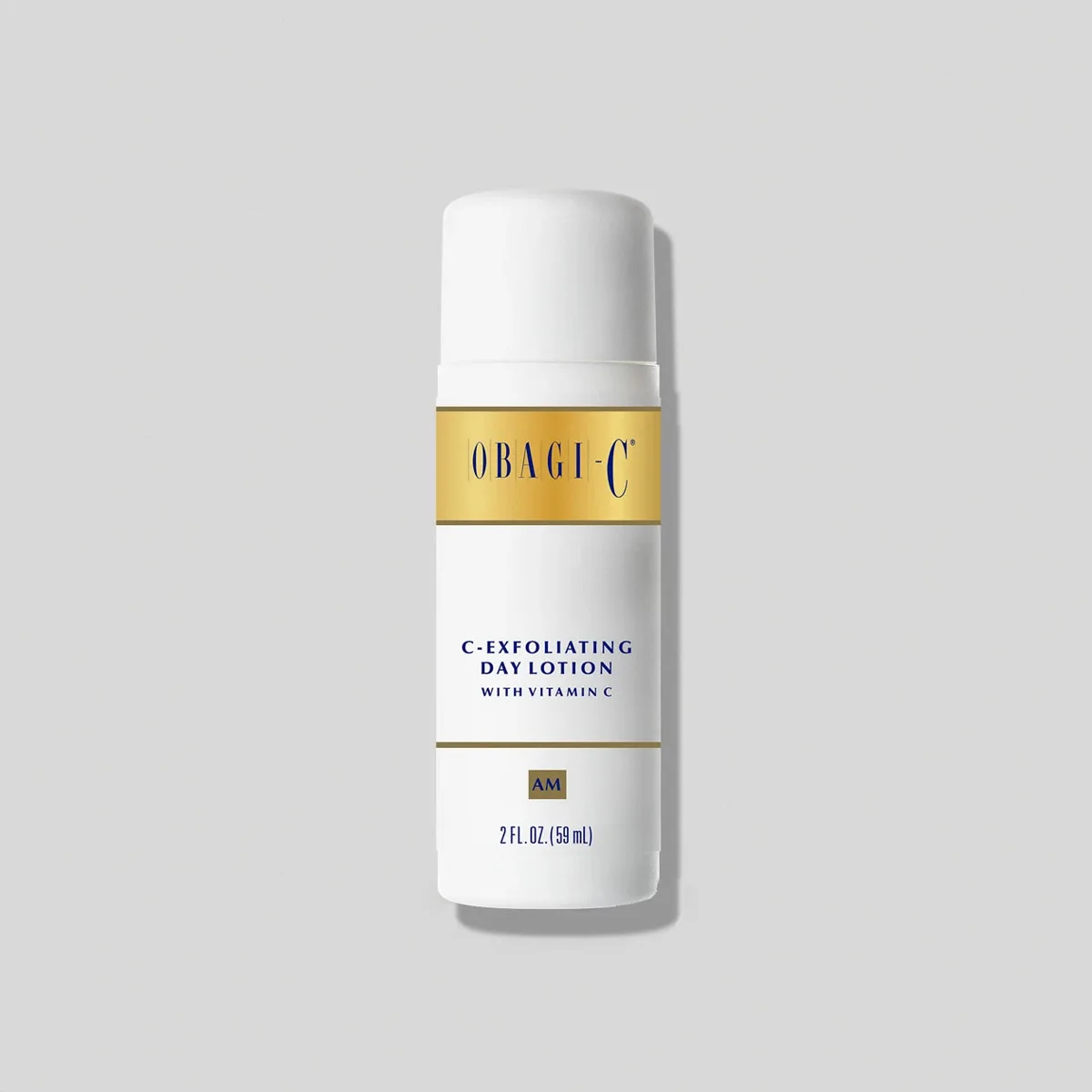
It folds a leave-on glycolic acid into the morning moisturiser of a vitamin C system, pairing it with a stable glucoside vitamin C that tolerates the acid's pH and with squalane and bisabolol to cushion daily use, so exfoliation happens under sunscreen rather than at night. Most AHA moisturisers are evening products; this one was built from the start as the day step of a dermatology-office routine.
A competent morning glycolic acid moisturiser, with the acid high enough on the list to work, a stable vitamin C that tolerates it, and squalane and bisabolol to cushion daily use; it smooths and brightens over weeks and wears well under sunscreen. The acid percentage is a secret, the palmitate esters and fragrance are wrong for oily and reactive faces, and ninety dollars for two ounces is a physician-shelf price for a good ordinary AHA lotion.
The case for it
Same rule for everyone. “Good choice” is the verdict on 9,564 of 45,024 concern verdicts across the catalog; rule R5 decided 9,072 of them. As of September 25, 2026, engine 5.1.1.
Brand or formulator? Disclose a concentration or correct a fact →
The studies behind the evidence row
The case for it
Same rule for everyone. “Good choice” is the verdict on 9,564 of 45,024 concern verdicts across the catalog; rule R5 decided 9,072 of them. As of September 25, 2026, engine 5.1.1.
Brand or formulator? Disclose a concentration or correct a fact →
The studies behind the evidence row
The case for it
Cautions: a photosensitising active — use sun protection.
What would change this: A declared concentration would move this to a firmer reading of the dose.
Same rule for everyone. “Promising” is the verdict on 7,858 of 45,024 concern verdicts across the catalog; rule R9p decided 7,858 of them. As of September 25, 2026, engine 5.1.1.
Brand or formulator? Disclose a concentration or correct a fact →
The studies behind the evidence row
The case for it
Cautions: a photosensitising active — use sun protection.
What would change this: A declared concentration would move this to a firmer reading of the dose.
Same rule for everyone. “Promising” is the verdict on 7,858 of 45,024 concern verdicts across the catalog; rule R9p decided 7,858 of them. As of September 25, 2026, engine 5.1.1.
Brand or formulator? Disclose a concentration or correct a fact →
The studies behind the evidence row
The case for it
Cautions: a photosensitising active — use sun protection.
What would change this: A declared concentration would move this to a firmer reading of the dose.
Same rule for everyone. “Supporting role” is the verdict on 8,197 of 45,024 concern verdicts across the catalog; rule R8a decided 1,489 of them. As of September 25, 2026, engine 5.1.1.
Brand or formulator? Disclose a concentration or correct a fact →
The studies behind the evidence row
The case for it
What would change this: A researched evidence row for the lead active would replace this with a verdict.
Same rule for everyone. “Supporting role” is the verdict on 8,197 of 45,024 concern verdicts across the catalog; rule R8 decided 4,250 of them. As of September 25, 2026, engine 5.1.1.
Brand or formulator? Disclose a concentration or correct a fact →
Does the jobDoes what a moisturizer is for: draws in water, softens and smooths.
A verdict is DermApproved’s assessment of how well a product’s ingredients fit a concern — never a claim about what the product treats. Evidence dots and collected reviews sit beside it and are never blended in. Rules 0.5.1 · evidence table ev-2026.09-r228 · how we decide
Open the Obagi-C kit and the exfoliant is not where you expect it. The night cream is the rich, nourishing one; the morning lotion is where the glycolic acid lives, fourth on its ingredient list, above the oils and the glycerin. That inversion was deliberate when the system launched in the mid-2000s, and the logic is visible in the routine: the L-ascorbic acid serum goes on first, the acid lotion smooths the surface over it, and the sunscreen goes over both, so the exfoliation happens under protection and the night is left for repair. The C-Exfoliating Day Lotion has held that morning slot for two decades without a reformulation, and it is one of the more defensible products in a system that has aged unevenly.
The formula reads as a light day lotion first and an acid product second. Water, then three light synthetic esters, ethylhexyl palmitate, ethylhexyl stearate and isopropyl palmitate, with a triglyceride and squalane behind them; glycolic acid sits among them at fourth. A polymer sets the texture, glycerin and the emulsifiers follow, sodium hydroxide partially neutralises the acid, and then the supporting cast: ascorbyl glucoside, the stable glucose-bound vitamin C, vitamin E acetate, a trace of sodium hyaluronate, arginine as a second buffer, cetearyl alcohol, dimethicone, the rest of the emulsifiers, bisabolol from chamomile for soothing, a chelator, preservatives and, last, fragrance. Obagi does not disclose the glycolic percentage or the pH, and the position of the acid and the buffers suggests a working dose in the mid-single digits at a pH the skin can tolerate every morning.
The case for a daily glycolic acid is old and well made. The ingredient's reputation was built on work like the 1996 pilot study in the Journal of the American Academy of Dermatology in which patients applied a twenty-five percent AHA lotion to one forearm and placebo to the other for six months, and biopsies showed a roughly twenty-five percent increase in skin thickness, a thicker epidermis, more dermal mucopolysaccharides, better-quality elastic fibres and denser collagen, all without inflammation. That was a high concentration on the forearm, and a facial lotion at a fraction of it delivers a fraction of the effect, but the direction is the same: smoother surface within weeks, more even tone within a couple of months, and slow gains in texture and fine lines over seasons, provided the sun is kept off the newly thinned stratum corneum. The ascorbyl glucoside is a supporting antioxidant, chosen because it survives the acid's pH where L-ascorbic acid would not, and squalane and bisabolol are there so the daily acid does not read as daily dryness.
In use it behaves like a well-mannered day cream with a mild opinion. A pea or two spreads thinly with a silky ester slip, tingles gently for a minute, and dries to a soft, faintly dewy finish that sunscreen and foundation glide over; the floral scent fades quickly. The first week brings a smoother feel, the fourth or fifth a brighter, more even look, and the reviews at clinical retailers are consistent about that, with long-term users describing glowing skin and faded spots inside the full Obagi-C routine. The same reviews carry three recurring complaints, and they are fair: dry skin finds the lotion too light to last a day and layers a plain moisturiser over it; the old soft squeeze bottle, still in circulation at some retailers, made the one-or-two-pea dose hard to control, a problem the current pump pack solves; and a few oily, breakout-prone users report clogged pores, which the palmitate esters at the top of the list make plausible.
Those esters and the fragrance are the formula's two wrong notes. Ethylhexyl palmitate and isopropyl palmitate are pleasant, cheap emollients that appear on most comedogenic watch-lists, and a lotion sold for a routine aimed partly at post-acne marks would be better built on squalane and triglycerides alone; the fragrance at the end is an avoidable irritant in a product that already asks the skin to accept a daily acid and sits over a vitamin C serum. Sensitive, rosacea-prone and barrier-damaged skin should not be using a morning AHA regardless, and anyone with melasma should weigh the sun-sensitivity carefully, since the sunscreen is doing more for their pigment than the acid is.
At ninety dollars for two ounces the lotion is priced for the dermatology-office shelf, and the bottle lasts about three months at the recommended dose, so the yearly cost is real. What the money buys is a sensibly constructed daily glycolic moisturiser from a legacy physician brand, with a stable vitamin C and proper soothers, and the coherence of the system it belongs to; what it does not buy is a disclosed acid percentage, a modern emollient base or anything unavailable in well-made AHA lotions at half the price.
For normal and combination skin already on the Obagi-C routine, or for anyone who wants a gentle morning glycolic step under sunscreen and does not mind a light floral scent, this is a reasonable product that does its job and has done it for twenty years. For dry skin it needs a moisturiser over it, for oily skin it needs a patch test, and for reactive skin it is the wrong idea in any bottle.
The hero actives that drive this product's performance.
| Ingredient | Function | Evidence |
|---|---|---|
| Glycolic Acid | Fourth on the list, above the emollient oils and the glycerin, which puts it at a working dose even though Obagi does not print the percentage; partially neutralised by the sodium hydroxide and arginine further down, it is the daily leave-on exfoliant that gives this morning moisturiser its point, loosening surface cells so the vitamin C serum beneath it and the sunscreen above it meet smoother, brighter skin. | Established mechanism for Rough Texture · established mechanism |
| Ascorbyl Glucoside | The stable, glucose-bound vitamin C that carries the C in the name, placed fourteenth behind the emulsifiers; it is a sensible choice for a lotion with a glycolic acid it would otherwise have to fight for pH, converting slowly to ascorbic acid in the skin, and its role is a low-level antioxidant supplement to the serum rather than a brightening dose of its own. | Limited for Hyperpigmentation |
| Ethylhexyl Palmitate | Second on the list with ethylhexyl stearate and isopropyl palmitate beside it, this trio of light synthetic esters makes up the bulk of the lotion's emollient phase, giving it the slip and quick-absorbing feel of a day moisturiser; they are also among the esters most often flagged as comedogenic, which is why oily, breakout-prone skin sometimes objects to a product sold as lightweight. | Not yet assessed |
| Squalane | Eighth, a skin-identical emollient that softens what a daily glycolic acid does to the surface, adding comfort without heaviness; with glycerin and a trace of sodium hyaluronate below it, it is the lotion's answer to the dryness that a leave-on acid every morning would otherwise cause. | Not yet assessed |
| Bisabolol | The chamomile-derived soother near the end of the list, chosen to blunt the sting of a glycolic lotion applied over a vitamin C serum; it is a small but deliberate anti-irritant note in a formula that also, less sensibly, ends with fragrance. | Not yet assessed |
Ingredient standings describe the active at treatment-level doses and vehicles; this product's own condition grades weigh its actual formula.
Aqua/Water/Eau, Ethylhexyl Palmitate, Ethylhexyl Stearate, Glycolic Acid, Caprylic/Capric Triglyceride, Isopropyl Palmitate, Hydroxyethyl Acrylate/Sodium Acryloyldimethyl Taurate Copolymer, Squalane, PEG-8 Dimethicone, Glycerin, Glyceryl Stearate, PEG-100 Stearate, Sodium Hydroxide, Ascorbyl Glucoside, Tocopheryl Acetate, Sodium Hyaluronate, PEG-8 Ricinoleate, Arginine, Cetearyl Alcohol, Dimethicone, Polysorbate 60, Steareth-2, Ceteareth-20, Bisabolol, Tetrasodium EDTA, Phenoxyethanol, Ethylhexylglycerin, Fragrance (Parfum)
moisturizer
AM
In the morning, one or two pea-sized amounts go over the face after the vitamin C serum has absorbed, let it settle for a couple of minutes, and follow with a broad-spectrum sunscreen without fail, because a daily leave-on glycolic acid raises sun sensitivity. Keep other acids and scrubs out of the routine while using it, and on retinoid nights the skin may want the following morning's application skipped.
A light tingle and a smoother surface within the first week are the glycolic acid at work; brighter, more even tone shows at four to six weeks, and the fine-line and texture gains that AHA studies document need three to six months of daily use with diligent sunscreen. Dryness or flaking in the first fortnight is the cue to drop to alternate mornings.
A morning glycolic acid moisturiser rests on the alpha-hydroxy acid literature, which is among the oldest and most consistent in cosmetic dermatology. Glycolic acid, the smallest AHA, reduces cohesion between corneocytes at the lower stratum corneum, thinning the compacted outer layer and accelerating turnover; at higher concentrations and with prolonged use it also produces dermal changes. The foundational study is Ditre and colleagues' 1996 pilot in the Journal of the American Academy of Dermatology, in which patients applied a lotion containing twenty-five percent glycolic, lactic or citric acid to one forearm and placebo to the other for an average of six months; treated skin was about twenty-five percent thicker, with a thicker epidermis, a thicker papillary dermis, increased acid mucopolysaccharides, improved elastic fibre quality and increased collagen density, and no inflammation on histology. That was a high concentration applied to forearm skin under study conditions, and a facial day lotion at an undisclosed but evidently lower percentage, partially neutralised with sodium hydroxide and arginine, delivers a proportionally smaller effect over a longer time; the clinical translation is smoother texture within weeks, more even tone within two months and modest improvements in fine lines over many months. The same literature documents increased ultraviolet sensitivity with AHA use, which is why a leave-on glycolic product worn in the morning requires daily broad-spectrum sunscreen and why this lotion is positioned beneath one in the Obagi-C routine.
The vitamin C is ascorbyl glucoside, an ascorbic acid molecule bound to glucose that is stable in water at the pH of an acid lotion and is hydrolysed by alpha-glucosidase in the skin to release ascorbic acid gradually; its antioxidant and tyrosinase-inhibiting activity is documented in vitro and in small clinical studies, at a potency well below that of L-ascorbic acid at serum concentrations, and at fourteenth position here it functions as a supplement to the system's serum rather than a brightener in its own right. Squalane, glycerin and sodium hyaluronate supply emollience and hydration to offset the acid's drying tendency, and bisabolol, the principal anti-inflammatory component of chamomile, provides mild soothing. The emollient base of ethylhexyl palmitate, ethylhexyl stearate and isopropyl palmitate gives the lotion its light, fast-absorbing feel; these esters score moderately on rabbit-ear comedogenicity assays and are associated with clogged pores in a minority of oily users, which is consistent with the product's reviews. Fragrance completes the list and adds sensitisation risk without benefit to a formula whose active already raises irritation potential.
Glycolic acid in a daily leave-on is a well-worn tool in dermatology for dull, rough and mildly photodamaged skin, and clinicians who dispense the Obagi-C system are generally comfortable with this lotion as its morning step for normal and combination patients, with the one instruction that cannot be skipped: sunscreen over it, every day, because an AHA-thinned stratum corneum burns more easily. The reservations are about fit. Practices treating rosacea, atopic dermatitis, active acne or recently treated skin tend to keep glycolic acid out of the routine altogether, and patients with melasma are usually reminded that the sun protection is doing more for their pigment than the exfoliant is. The palmitate ester base draws comment for oily, comedone-prone patients, who are sometimes steered to an AHA in a lighter vehicle, and the fragrance is a recurring objection in a product designed to sit over a vitamin C serum. The undisclosed acid percentage is a practical annoyance in clinic, since it makes titration a matter of watching for flaking rather than reading a label. For the tolerant, dull-skinned patient on the full system it remains a reasonable choice.
In the morning, after cleansing, toning and the vitamin C serum have absorbed, dispense one or two pea-sized amounts from the pump and massage gently over the face and neck until absorbed, keeping it away from the eyes and lips. Wait a couple of minutes, then apply a broad-spectrum sunscreen of SPF 30 or higher; this is not optional with a leave-on glycolic acid. Start with alternate mornings for the first two weeks if the skin is new to acids, and drop back to that cadence at any sign of flaking or persistent tingling. Avoid scrubs, other acids and morning retinoids while using it, and consider skipping it the morning after a night retinoid. Dry skin can layer a plain moisturiser over it once it has set.
Ninety dollars for two fluid ounces is a dermatology-office price for a glycolic acid day lotion, and there is no larger size; at one or two pea-sized amounts each morning the bottle lasts about three months, so the annual outlay is around three hundred and sixty dollars for a step whose active is undisclosed. The formula supports part of that price, since a leave-on AHA with a stable vitamin C, squalane and bisabolol is sensibly built and Obagi's physician-channel standing is genuine, and the coherence of the Obagi-C routine has value for patients on it. What the money does not buy is an emollient base fit for oily skin, a fragrance-free formula, a stated percentage or anything that well-made AHA moisturisers at half the price lack. Fair for a committed system user with normal or combination skin; poor value as a standalone AHA lotion.
Normal and combination skin with dullness, rough texture, post-sun unevenness or mild photoaging that wants a gentle daily glycolic acid step under sunscreen, and patients already on the Obagi-C system who want its intended morning moisturiser. It suits people who tolerate AHAs, wear SPF daily without fail, and prefer their exfoliation in the morning so the night can be left for richer repair.
Sensitive, rosacea-prone, eczema-prone, barrier-compromised or recently treated skin should not use a daily leave-on acid, and anyone with a fragrance allergy should note the parfum. Oily, breakout-prone skin should patch-test because of the palmitate esters, dry skin will need a moisturiser over it, melasma patients should weigh the sun-sensitivity, and anyone unwilling to wear sunscreen every morning should choose a different product entirely.
A smooth, light, white lotion with a silky ester slip that spreads thinly, gives a mild tingle on the first minute, and absorbs to a soft, faintly dewy finish with no residue under sunscreen.
A light, clean floral fragrance, noticeable on application and gone within a few minutes; not unscented.
A 2 fl oz white pump bottle with a tall white cap and the gold Obagi-C band, the current pack replacing the soft squeeze bottle that long-term reviewers complained about; the pump doses a pea-sized amount cleanly and keeps the lotion hygienic.
The first morning brings a light, silky lotion that tingles gently for a minute as the glycolic acid meets the skin, then settles into a soft, faintly dewy finish that sunscreen glides over. There is a mild floral scent and, on a face already using the system's vitamin C serum, a little more warmth than the lotion would produce alone. Over the first week the surface feels smoother; some dryness or fine flaking around the nose and mouth in the second week is common and eases with alternate-day use. Sunscreen is not optional from day one.
About three months at one or two pea-sized amounts each morning; four months at alternate-day use.
All Year
When the Obagi-C system launched in the mid-2000s as the brand's L-ascorbic acid alternative to Nu-Derm, its designers put the exfoliation in the morning lotion and the richer nourishment in the night cream, splitting the routine by time of day the way Nu-Derm already did; the C-Exfoliating Day Lotion has held that morning slot ever since, surviving the system's move from Rx to hydroquinone-free Fx and two rounds of new packaging without a change to the formula.
Obagi has been dispensed through dermatology offices since 1988, when dermatologist Zein Obagi founded it, and the Obagi-C system has been the brand's vitamin C routine for two decades. This day lotion is the system's morning moisturiser and has no product-specific published study; it rests on the long literature for glycolic acid and on the brand's physician-channel record.
Glycolic acid should only be used at night.
AHAs raise the skin's sensitivity to ultraviolet light for several days regardless of when they are applied, so the timing matters less than the sunscreen; this lotion works in the morning provided a broad-spectrum SPF goes over it every day, and Obagi's system pairs it with one for exactly that reason.
The vitamin C in this lotion makes it a brightening treatment in its own right.
Ascorbyl glucoside sits fourteenth on the list and converts slowly to ascorbic acid in the skin; it is a stable, low-level antioxidant supplement chosen because it tolerates the glycolic acid's pH, and the brightening in the routine comes from the L-ascorbic acid serum applied beneath it and from the exfoliation itself.
Obagi does not publish the percentage. Glycolic acid sits fourth on the ingredient list, above the emollient oils and glycerin, which is consistent with a working leave-on dose in the mid-single digits, and the sodium hydroxide and arginine further down indicate it is partially neutralised to a tolerable pH.
Yes, every day. A leave-on glycolic acid increases the skin's sensitivity to ultraviolet light for several days after each use, so a broad-spectrum SPF 30 or higher applied over the lotion each morning is part of using the product, not an optional extra.
Carefully. A morning glycolic lotion and a night retinoid together exfoliate on both ends of the day, which many skins tolerate but sensitive ones do not; if dryness or flaking appears, use the lotion on alternate mornings or skip it the morning after a retinoid application.
For normal and combination skin, usually; it carries squalane, glycerin and light esters and sits well under sunscreen. Dry skin often finds it too light for a full day and layers a plain moisturiser over it, which is the most common complaint in its reviews.
Mixed. The glycolic acid helps with texture and post-acne marks, but the lotion's emollient base is built on ethylhexyl palmitate, isopropyl palmitate and ethylhexyl stearate, esters that some oily, breakout-prone skin reacts to with clogged pores, and a few reviewers report exactly that.
Ascorbyl glucoside, a stable glucose-bound form that converts to ascorbic acid in the skin over time; it was chosen because it survives alongside a glycolic acid in one bottle, and it provides low-level antioxidant support rather than the brightening dose of the system's L-ascorbic acid serum.
Recurring themes our editors read across retailer reviews of this product — summaries in our words, not quotations, and not a substitute for your own patch test.
Skin looks glowy and smoother within weeks
Light enough to wear under sunscreen and makeup
Helps fade dark spots as part of the Obagi-C routine
A little goes a long way
Gentle tingle rather than a burn
Ninety dollars for two ounces
Not moisturising enough for dry skin through the day
Older squeeze bottle dispensed too much or too little
Fragrance in an acid product
Can break out oily skin