Hyaluronic Acid Can Actually Dehydrate Your Skin (Here's When)
The internet's favorite hydrator has a counterintuitive dark side — in dry air, a humectant with nothing to seal it can pull water out of your skin instead of into it.
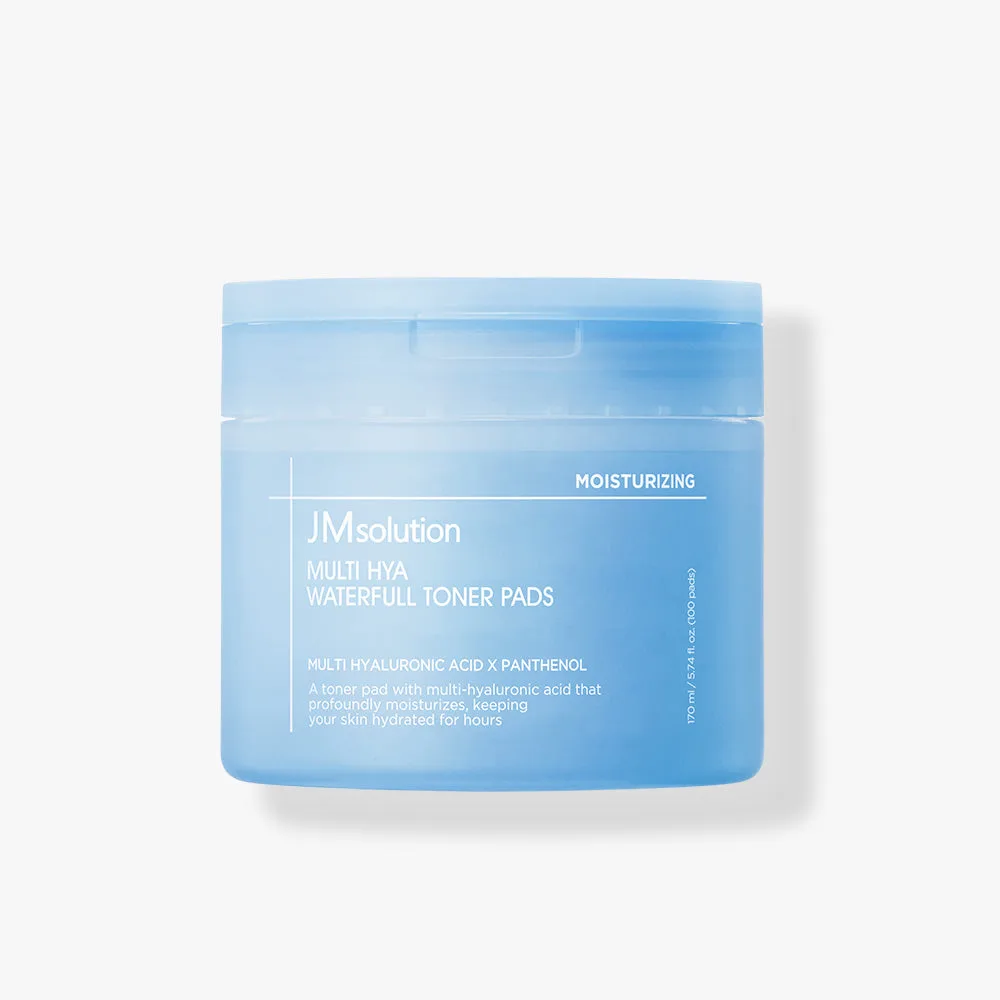
Its essence is oil-free and silicone-free, built on glycerin, two light glycols, panthenol and sixteen amino acids, with seven hyaluronic acid forms whose levels JMsolution declares from 4 ppm down to 0.2 ppb.
A clean, oil-free hydration pad that works because of glycerin, light glycols, panthenol and an amino-acid complex, not because of the seven hyaluronic acids on the lid, which JMsolution itself declares at ppm-to-ppb levels. Pleasant, affordable and suitable for almost every skin type, including oily and fungal-acne-prone skin, as long as a light fragrance is not a problem.
Independent reviews remain scarce since the pads reached JMsolution's US store in July 2025. This assessment rests on the brand's official Korean ingredient table, including its declared hyaluronic acid concentrations, and on established evidence for the formula's humectants.
The case for it
Same rule for everyone. “Good choice” is the verdict on 9,564 of 45,024 concern verdicts across the catalog; rule R5 decided 9,072 of them. As of September 25, 2026, engine 5.1.1.
Brand or formulator? Disclose a concentration or correct a fact →
The studies behind the evidence row
The case for it
Cautions: fragrance.
Same rule for everyone. “Good choice” is the verdict on 9,564 of 45,024 concern verdicts across the catalog; rule R5 decided 9,072 of them. As of September 25, 2026, engine 5.1.1.
Brand or formulator? Disclose a concentration or correct a fact →
The studies behind the evidence row
Does the jobDoes what a toner is for: not alcohol-driven, adds something real. Not measured from the label: restores skin pH, plays well with what follows.
A verdict is DermApproved’s assessment of how well a product’s ingredients fit a concern — never a claim about what the product treats. Evidence dots and collected reviews sit beside it and are never blended in. Rules 0.5.1 · evidence table ev-2026.09-r228 · how we decide
Halfway down the ingredient list of the Multi Hya Waterfull Toner Pads is a run of words that reads like a biochemistry flashcard: glycine, serine, glutamic acid, aspartic acid, leucine, alanine, lysine, tyrosine, phenylalanine, proline, threonine, valine, isoleucine, histidine, cysteine, methionine. Sixteen amino acids, none of them mentioned on the jar. They are there because free amino acids make up a large share of the skin's natural moisturising factor, the water-binding mix inside the outer skin cells. Their presence says something useful about this pad: it is designed as a straightforward hydration product, built from ingredients that resemble what skin already uses to hold water.
The label, of course, leads with hyaluronic acid. JMsolution lists seven forms and, unusually, declares their levels on its official Korean ingredient table. Sodium hyaluronate is present at about 4 parts per million. Hydrolysed hyaluronic acid and hydrolysed sodium hyaluronate are each at 100 parts per billion, sodium acetylated hyaluronate and hydroxypropyltrimonium hyaluronate at 10, dimethylsilanol hyaluronate at 6, the crosspolymer at 2.5, hyaluronic acid at 2 and potassium hyaluronate at 0.2. That last figure is two ten-billionths of the formula. The brand is honest to print it, and the numbers make clear that hyaluronic acid here is a theme rather than the main hydrator.
The main hydrator is glycerin, second on the list, followed by methylpropanediol, propanediol and butylene glycol. Together these humectants draw water into the upper skin layers and give the essence its light slip. Panthenol, the other ingredient named on the jar, sits in the upper half alongside allantoin and arginine, where it supports hydration and soothes. Glyceryl glucoside, a humectant inspired by a desert plant's water-retention chemistry, adds to the moisture mix. Hydrogenated lecithin and an olive-derived emulsifier system keep everything clear and fluid.
What the formula leaves out is just as relevant. There are no oils, no silicones, no fatty esters and no polysorbates. That makes the pads one of the more broadly compatible products in JMsolution's range: oily skin will not feel coated, and people managing fungal acne have fewer ingredients to worry about. There are also no exfoliating acids, so the pads are gentle enough to use twice a day, before retinoids or around other active treatments.
The one real caution is fragrance, which sits in the upper half of the list. The scent is light, but anyone with fragrance sensitivity or rosacea should patch test first. The brand's description calls the pads 'free from irritation', which is too broad a promise for a scented product.
In use, the pads are thin and very wet. One pad covers the face and neck easily, leaving enough essence to press in afterward. The finish is soft and faintly dewy, with no residue under makeup. As with any humectant-only product, the key is what comes next: without a moisturiser on top, the water these ingredients attract can evaporate, and very dry skin may feel tight again by afternoon. Followed by a cream, they leave skin comfortable and supple for hours.
The pads also work well as a quick fix. Split a pad into its thin layers and lay them across dry cheeks or the forehead for five minutes while you get ready. It is not a sheet mask, but it gives a noticeable hydration boost for very little effort.
It is worth spelling out who gets the most from a pad like this, because hydration needs differ. Oily skin that feels tight after cleansing is often dehydrated rather than dry: it produces plenty of oil but lacks water in the upper layers. A light, oil-free humectant step like this one addresses that directly without adding the richness oily skin dislikes. Dry skin lacks both, so it benefits from the pad and a proper cream. Normal skin can use it as a quick reset after a long day or a flight. In each case, the pad is the water layer; the moisturiser is the lid.
The pads also make sense for anyone whose routine includes strong actives. On retinoid nights, a gentle, acid-free hydration step before the treatment can make the routine more comfortable without diluting what follows, as long as the skin is allowed a minute to dry first.
On value, JMsolution's US store lists the jar of 100 pads at eighteen dollars, or eighteen cents a pad, with about seven weeks' supply at twice-daily use. That is fair for a pleasant, well-designed hydrating toner, though the store has often shown it as sold out, and resellers charge more.
The pads launched on the US store in July 2025 as part of an eight-jar range, and independent English-language reviews are still thin. The brand claims skin moisture improves immediately after one use, which is plausible for any glycerin-based product, but its testing details are not published.
None of this makes the Multi Hya pad exciting, and it does not need to be. It is a simple, oil-free, humectant-rich toner step that suits almost everyone, delivered in a format that makes it easy to use every day. Treat the hyaluronic acid as a nice story and the glycerin, glycols, panthenol and amino acids as the substance, and it delivers exactly what it should.
The hero actives that drive this product's performance.
| Ingredient | Function | Evidence |
|---|---|---|
| Glycerin | Second on the list and the pad's true hydrator, doing far more of the moisture work than the hyaluronic acids named on the lid. | Established mechanism for Dehydration · established mechanism |
| Methylpropanediol, Propanediol | A pair of light glycols in third and fourth place that add slip and humectancy, keeping the essence watery rather than sticky. | Not yet assessed |
| Panthenol | The second headline ingredient on the jar, sitting with allantoin in the upper half where it can genuinely soothe and hydrate. | Established mechanism for Dehydration · established mechanism |
| Sodium Hyaluronate (4.002 ppm) | The largest of seven declared hyaluronic acid forms at about 4 ppm; the other six fall from 100 ppb down to 0.2 ppb. | Established mechanism for Dehydration · established mechanism |
| Glycine (amino acid complex) | First of sixteen amino acids that mirror part of the skin's natural moisturising factor, supporting the essence's hydration story. | Not yet assessed |
Ingredient standings describe the active at treatment-level doses and vehicles; this product's own condition grades weigh its actual formula.
Water, Glycerin, Methylpropanediol, Propanediol, Butylene Glycol, Phenoxyethanol, PEG-60 Hydrogenated Castor Oil, Ethylhexylglycerin, Xanthan Gum, Disodium EDTA, Fragrance, Arginine, Allantoin, Panthenol, Dipropylene Glycol, 1,2-Hexanediol, Glyceryl Glucoside, Sodium Hyaluronate, Hydrogenated Lecithin, Cetearyl Olivate, Sorbitan Olivate, Hydrolyzed Hyaluronic Acid, Hydrolyzed Sodium Hyaluronate, Sodium Acetylated Hyaluronate, Hydroxypropyltrimonium Hyaluronate, Dimethylsilanol Hyaluronate, Glycine, Serine, Glutamic Acid, Aspartic Acid, Leucine, Alanine, Lysine, Tyrosine, Phenylalanine, Proline, Threonine, Valine, Isoleucine, Histidine, Cysteine, Methionine, Sodium Hyaluronate Crosspolymer, Hyaluronic Acid, Pentylene Glycol, Potassium Hyaluronate
toner
AM & PM
Sweep one pad over clean skin before serums; on dry patches, lay a split pad in place for a few minutes, then pat the leftover essence in.
Immediate: skin feels hydrated and supple. One to two weeks: dehydrated, tight skin feels more comfortable, especially when followed by a moisturiser.
The pad's hydration comes primarily from glycerin, methylpropanediol, propanediol and butylene glycol, all humectants that attract and bind water in the stratum corneum. Glycerin is among the best-evidenced moisturising ingredients, improving hydration and barrier recovery in controlled studies. Glyceryl glucoside is a humectant developed from the osmolyte chemistry of the resurrection plant, with manufacturer data suggesting it supports water retention.
The sixteen amino acids resemble components of natural moisturising factor (NMF), the mixture of amino acids, pyrrolidone carboxylic acid, lactate and urea within corneocytes that maintains skin hydration. Topical amino acids can supplement surface water-binding capacity, though their individual concentrations here are not disclosed.
JMsolution declares the hyaluronic acid forms on its official Korean ingredient table: sodium hyaluronate at 4.002 ppm; hydrolysed hyaluronic acid and hydrolysed sodium hyaluronate at 100 ppb; sodium acetylated hyaluronate and hydroxypropyltrimonium hyaluronate at 10 ppb; dimethylsilanol hyaluronate at 6 ppb; sodium hyaluronate crosspolymer at 2.5 ppb; hyaluronic acid at 2 ppb and potassium hyaluronate at 0.2 ppb. Hydrating effects of hyaluronic acid in clinical studies generally use concentrations around 0.1 percent or higher, so its contribution here is minimal.
Panthenol, a provitamin of B5, supports hydration and barrier repair and has anti-inflammatory activity. The absence of oils and fatty esters reduces the likelihood of feeding Malassezia yeast.
Humectant toners are generally considered a helpful but secondary step: they increase surface hydration, but dermatologists typically advise following them with an occlusive or emollient moisturiser so that the water they attract does not evaporate. Oil-free, acid-free products like this are often suggested for patients with oily, acne-prone or fungal-acne-prone skin who still need hydration, particularly alongside drying treatments such as retinoids or benzoyl peroxide. Clinicians also caution that the number of hyaluronic acid types on a label is not a measure of effectiveness. Fragrance remains a common trigger for contact dermatitis in sensitive patients.
On freshly cleansed skin, twice a day, take one pad with the tweezer and sweep it gently across the face and neck. For extra hydration, peel the pad into thinner layers and lay them over dry areas for three to five minutes, then press in the remaining essence. Follow with serum and a moisturiser to seal in the water, and finish with sunscreen during the day. Keep the lid closed tightly so the pads stay moist.
At $18 for 100 pads on JMsolution's US store, the pads cost around eighteen cents each and last about seven weeks at twice-daily use. That is fair value for a well-designed, oil-free hydrating toner, even though the hyaluronic acid claims are more label than substance. The store's frequent sold-out status and reseller markups can raise the effective price. JMsolution's established presence in Korean skincare supports reliable formulation quality.
Anyone with dehydrated, normal, combination or oily skin who wants a simple, oil-free hydrating toner pad for daily use, including people managing fungal acne or using drying treatments such as retinoids.
People with fragrance sensitivity or rosacea, those who want a toner that also exfoliates or treats pigmentation, and anyone buying for high-dose hyaluronic acid should look at a different product.
Ready to try JMsolution Multi Hya Waterfull Toner Pads?
Buy at Amazon ♥Thin, very wet pads carrying a clear, watery essence with only a faint slip.
A light, clean added fragrance.
A pale-blue 170 ml screw-top jar holding 100 pads, with a pad tweezer.
Feels cool and watery, sinks in within a minute and leaves skin soft with a faint dewiness and no residue. Without a moisturiser on top, very dry skin may feel tight again later in the day.
About seven weeks at one pad twice daily, or roughly three months once a day.
All Year
The Multi Hya jar is the plain hydration option in JMsolution's eight-jar 2025 toner-pad range, the pad counterpart to the brand's Multi-Hyaluronic Waterfull sheet mask.
JMsolution is a South Korean mass-market brand that rose to prominence around 2017 on best-selling sheet masks and has since widened into toners and toner pads. It publishes full ingredient lists with declared trace levels, but independent clinical validation of its products is limited.
Seven types of hyaluronic acid hydrate every layer of the skin.
Most forms here are declared at parts per billion. Glycerin and the glycols do the bulk of the hydrating.
A hydrating toner pad is enough moisture for dry skin.
Humectants attract water but need a moisturiser on top to stop it evaporating.
The official list declares sodium hyaluronate at about 4 ppm and six other forms between 100 ppb and 0.2 ppb, so hyaluronic acid is a small accent.
Yes. The essence is oil-free and silicone-free, so oily and combination skin can use it without heaviness.
No. There are no acids in the formula; it is a purely hydrating pad.
It contains no oils, fatty esters or polysorbates known to feed Malassezia, making it a reasonable choice, though individual reactions vary.
Yes, fragrance is listed mid-way through the formula, so sensitive skin should patch test.
Recurring themes our editors read across retailer reviews of this product — summaries in our words, not quotations, and not a substitute for your own patch test.
No review summary for this product yet.