Propanediol (1,3-Propanediol)
Products with Propanediol (1,3-Propanediol)
 Daily Eczema Defense
XeraCalm A.D Lipid-Replenishing Cream
The everyday counterpart to the XeraCalm Balm's emergency-mode richness — same postbiotic science and lipid-repair technology in a cleaner, lighter formula that's practical for daily facial use. With only 15 ingredients, no PEGs, and sterile packaging, this is arguably the more elegant formulation for anyone who doesn't need the Balm's occlusive intensity.
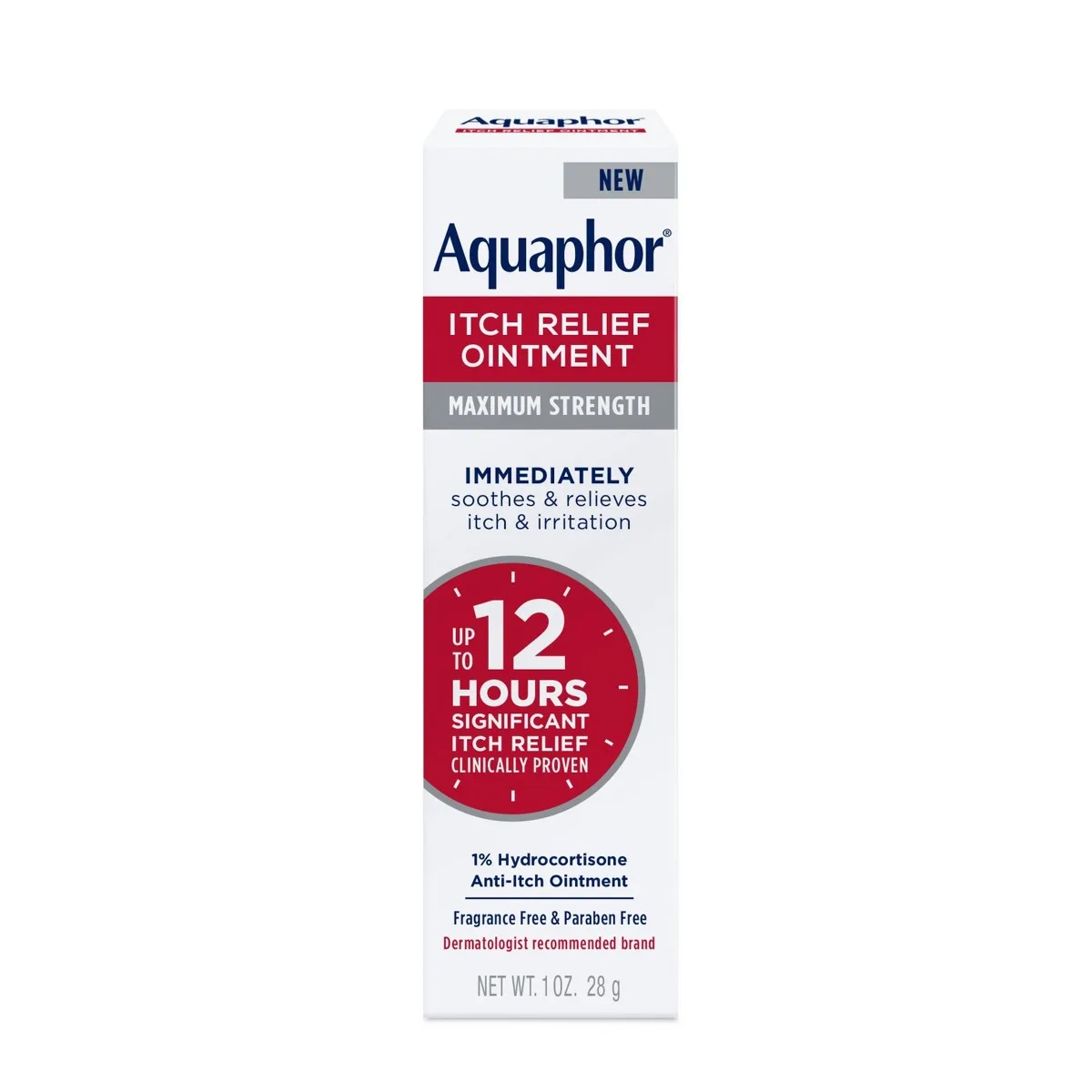 Eczema Flare First Responder
Itch Relief Ointment
The gold standard of OTC itch relief in an Aquaphor wrapper. Maximum-strength hydrocortisone delivered in a barrier-repairing petrolatum base with multi-pathway anti-inflammatory support — this treats both the symptom (itch) and the underlying cause (barrier compromise) simultaneously. The greasy texture and small tube are the price of admission.
 Overnight Hydration Hero
Ultra Facial Overnight Hydrating Mask
A beautifully minimalist sleeping mask that delivers on its singular promise — seal in hydration overnight with a substantial 10.5% squalane dose. The reformulated balm-to-oil texture and stripped-back ingredient list make it both focused and gentle, though the simplicity may underwhelm those expecting a multi-active treatment.
 Routine Multiplier
Multi-Active Delivery Essence
An honest, functional essence that positions itself as a delivery vehicle rather than a glass-skin aesthetic product. The penetration-enhancer pitch rests on Deciem's in-house data rather than independent work, but the formulation logic is sound and the 100 mL bottle at twelve dollars makes it one of the easier additions to an existing routine.
 Best-Value HA Serum
101 HA-5 Rich Hydrating Serum
An exceptionally well-formulated affordable hyaluronic acid serum that delivers what the multi-molecular-weight HA category usually only promises — three distinct HA forms plus tremella mushroom, betaine, glycerin, and panthenol in a clean 14-ingredient fragrance-free formula. The value-for-money math at this price point is among the best in the category, and the founders' background at INCIDecoder gives the brand unusual ingredient-analysis credibility.
 Percentages On The Label
Salicylic Acid Exfoliating Scalp Treatment
Fifteen ingredients, three published percentages, and a real two-percent keratolytic dose — this is what a scalp exfoliant looks like when nobody is trying to make it feel like something. No fragrance, no menthol, no tingle, and consequently no theatre. For oil-bound flaking and buildup it works, it costs seventeen dollars, and the bottle lasts months.
 Non-Sticky Aloe Multitasker
Aloe Revitalizing Soothing Gel
A fragrance-free, alcohol-free aloe gel that has fixed the one thing wrong with the category, the stickiness, and thrown in a little madecassoside for good measure. It is a hydrating, cooling comfort product, not a treatment, and dry skin will need a cream over it. For seventeen dollars and 300 mL, it is one of the more pleasant ways to buy aloe.
 Eczema Relief Specialist
XeraCalm A.D Lipid-Replenishing Balm
A therapeutically serious eczema balm that goes beyond basic emollience with postbiotic immune modulation and biomimetic lipid repair — all in a preservative-free sterile formula safe from newborns to pregnant adults. The richness that makes it effective for severe atopic skin limits its versatility, but for the condition it targets, this is among the most scientifically substantive options available without a prescription.
 Budget Anti-Aging Pick
Argireline Solution 10%
An honest, well-formulated peptide serum that delivers Argireline at clinical study concentrations for under $10. It won't replace Botox — nothing topical will — but for those looking to gently soften expression lines over time with near-zero irritation risk, this is one of the most affordable and cleanly formulated options available. Set expectations accordingly and give it at least 8 weeks.
 Antioxidant Sleeper Hit
EUK 134 0.1%
A two-ingredient antioxidant serum that does something no other product in your routine can: regenerate itself after neutralizing free radicals. It won't dazzle you with visible overnight results, but EUK 134 is quietly one of the most sophisticated — and absurdly affordable — protective serums available.
 Oily Skin's Best Friend
Ultra Facial Oil-Free Gel Cream
A genuinely thoughtful oil-free moisturizer that hydrates without enabling the very problem oily skin is trying to solve. The sarcosine-based sebum regulation and cooling menthoxypropanediol give it functional depth beyond the typical oil-free formula, though dry skin types should steer toward the original Ultra Facial Cream instead.
 Calming Mugwort Essence
Artemisia Calming Essence
A beautifully simple calming essence, five ingredients built around 100-day double-fermented mugwort, that soothes redness and settles sensitive, blemish-prone skin with almost no irritation risk. Fragrance-free, alcohol-free and fungal-acne-safe, it is a near-perfect gentle layer for reactive skin. The catch, as with its red-algae sibling, is paying a premium price for such a minimal formula.
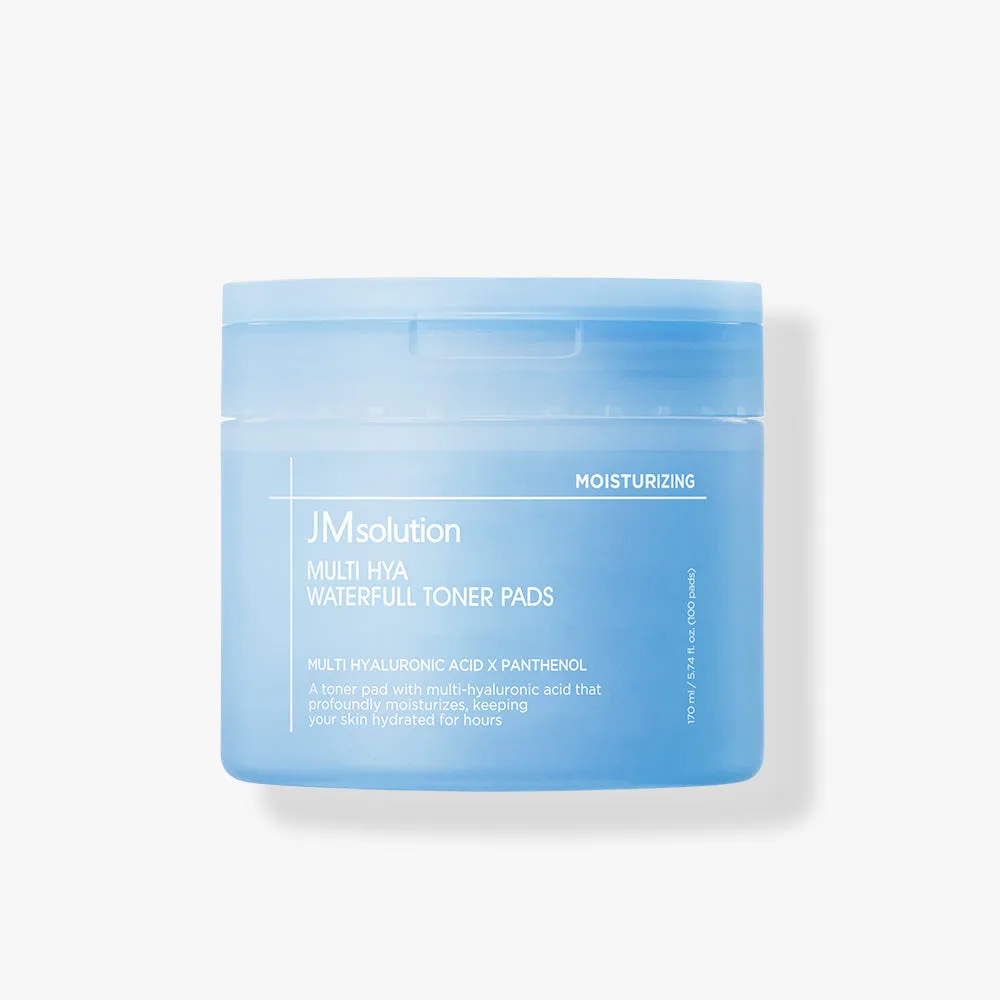 Plain-Water Hydration Pad
Multi Hya Waterfull Toner Pads
A clean, oil-free hydration pad that works because of glycerin, light glycols, panthenol and an amino-acid complex, not because of the seven hyaluronic acids on the lid, which JMsolution itself declares at ppm-to-ppb levels. Pleasant, affordable and suitable for almost every skin type, including oily and fungal-acne-prone skin, as long as a light fragrance is not a problem.
 Dual-Active Brightening Duo
Ascorbic Acid 8% + Alpha Arbutin 2%
A minimalist, scientifically elegant brightening serum that pairs two complementary tyrosinase inhibitors in a stability-optimized anhydrous format. The 8% vitamin C is gentle enough for daily use while the alpha-arbutin amplifies the brightening effect through a separate pathway. It won't deliver overnight results, but for patient users, this $12 three-ingredient formula is one of the most efficient approaches to addressing hyperpigmentation.
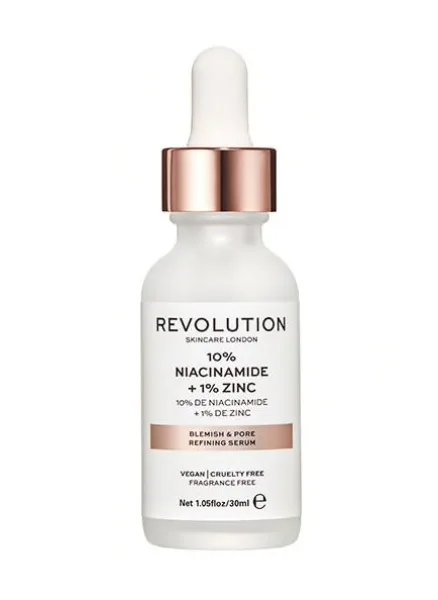 The Ordinary Alternative
Niacinamide 10% + Zinc 1% Blemish & Pore Refining Serum
Revolution Skincare's Niacinamide 10% + Zinc 1% is a deliberately minimal, highly affordable niacinamide serum that sits squarely in The Ordinary's lane and does essentially the same job. It's fragrance-free, oil-free, fungal-acne safe, and compatible with virtually every active you can pair with it — an easy budget addition to almost any routine.
 Budget Cooling Gel-Cream
Moisture Rescue Refreshing Gel-Cream
Garnier's long-running drugstore gel-cream — a budget lightweight moisturizer with glycerin and biosaccharide gum-1 hydration plus a cooling menthol-derivative finish. The alcohol denat content and menthol cooling may bother sensitive skin, but for tolerant normal-to-oily skin wanting lightweight summer-friendly hydration at sub-$10 pricing, it's a reasonable choice. Better-suited for combination/oily than for sensitive or very dry skin.
 Beginner-Friendly AHA Pick
Exfoliating Swipeys
Swipeys are the rare acid pad that's actually designed for people who don't already own three other acids. A short, low-irritation formula built around buffered lactic acid and a generous aloe slot, packaged in a way that quietly nudges you to use it. The price-per-pad is the main thing standing between it and a flat-out recommendation.
 Least-Reactive Conditioner
Conditioner
The conditioner with the shortest list of things to react to that you can buy: eleven ingredients, an esterquat instead of a conventional quat, a synthetic hydrocarbon instead of silicone or oil, no fragrance, no botanical, no formaldehyde releaser. It detangles fine and normal hair cleanly and leaves coarse or very dry hair wanting more, and that trade — tolerance over richness — is the whole design.
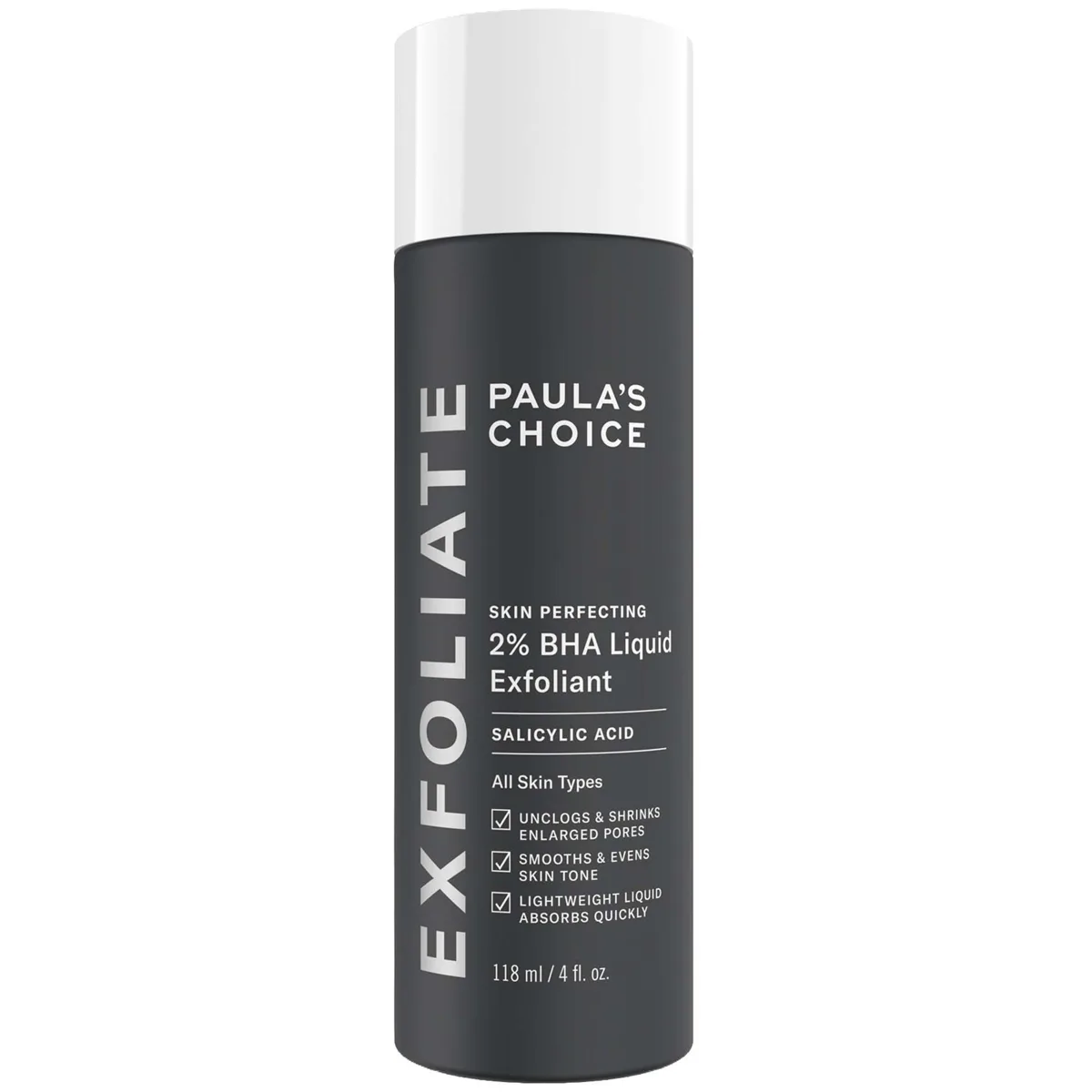 Holy Grail Exfoliant
Skin Perfecting 2% BHA Liquid Exfoliant
The product that launched a thousand skincare routines. Twenty-five years in, this eight-ingredient formula remains the gold standard for BHA exfoliation — not because it's fancy, but because it's ruthlessly effective. If blackheads, congestion, or dull texture are your primary concerns, this is where you start.
 Budget Brightening Essential
Alpha Arbutin 2% + HA
A precision-targeted brightening serum that delivers clinical-grade alpha-arbutin at maximum recommended concentration for $10. The pH-optimized formula ensures the active actually works in solution — a detail many competitors overlook. Patience is required, but for those willing to commit to 8-12 weeks, this is one of the most cost-effective approaches to fading hyperpigmentation available anywhere.
 Minimalist Antioxidant Powerhouse
Resveratrol 3% + Ferulic Acid 3%
A radically minimalist antioxidant serum that delivers resveratrol and ferulic acid at concentrations that luxury brands charge ten times more for. The oily texture won't suit everyone, but for the ingredient-conscious shopper who wants potent antioxidant protection without filler, this is hard to beat at $10.40.
 Gentle Micellar Water
Low pH Cleansing Water
A gentle, alcohol-free, fragrance-free micellar water for skin that flares at ordinary ones — one mild surfactant, a hanbang calming tail, buffered to a skin-friendly pH, and fairly priced for 290ml. It lifts sunscreen and light makeup well and a full face poorly, it can sting near the eyes, and the 'AHA' on the label is a pH adjuster. Buy it as a morning cleanser or first-cleanse, not as a makeup remover.
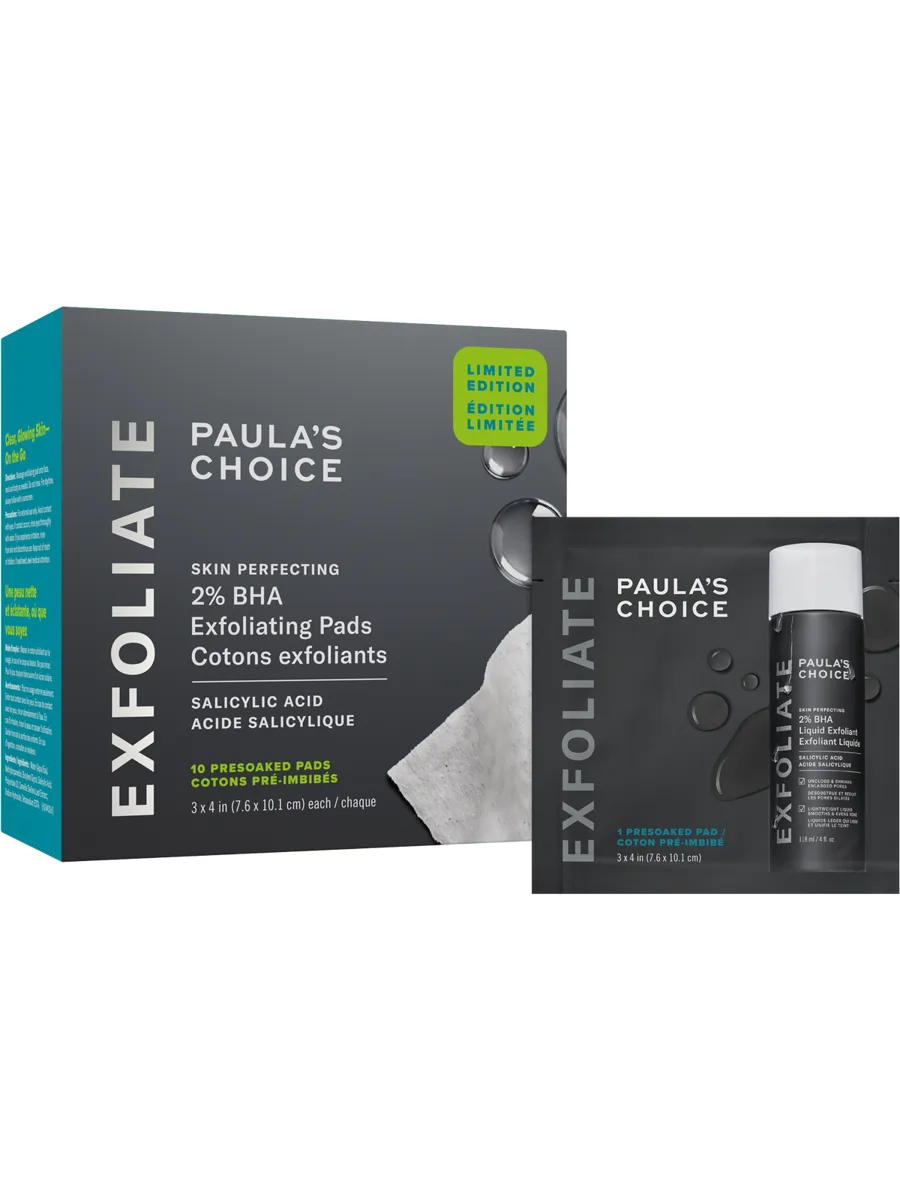 The Flagship BHA, To Go
2% BHA Exfoliating Toner Pads
The most famous 2 percent salicylic acid in skincare, unchanged, sealed into ten single-use pads — which makes it an excellent travel companion and a superb way to reach a back full of clogged pores, and an expensive way to do what a bottle does for a fraction of the price. The formula earns every bit of its reputation; the format earns its premium only in the situations the bottle handles badly.
 Green-Juice Calming Toner
Green-Tox S.O.S Toner
A gentle, watery hydrating toner with propanediol, betaine, trehalose and beta-glucan in a base friendly to oily and fungal-acne-prone skin. It calms and refreshes well, but the 'detox' vegetable complex is mostly theme, and at around thirty-two dollars it is expensive for such a simple formula.
 Gentle Vitamin C Entry Point
Ascorbyl Glucoside Solution 12%
The most approachable vitamin C serum in The Ordinary's lineup — stable, gentle, and pregnancy-safe, with a neutral pH that won't sting, oxidize, or interact badly with most of your routine. The trade-off for all that gentleness is patience: results come slower than pure L-ascorbic acid, but they come steadily, and the formula stays effective for its full 12-month shelf life.
 Antioxidant Deep Cut
Pycnogenol 5%
A deep-red, two-ingredient antioxidant serum built around one of the most extensively researched botanical extracts in existence. Pycnogenol's collagen-binding, HA-boosting, and free-radical-neutralizing properties are backed by genuine science, though most studies involve oral rather than topical delivery. At $11.50 for a bottle that lasts months, it is a low-risk addition to any antioxidant strategy.
 Gentle Hydrating Toner
Baby Cheeks All-in-One Hydrating Milk
A gentle, lightweight milky toner that does its one job cleanly — a soft post-cleanse hydration step carried mostly by glycerin with coconut water and botanical extracts for feel and marketing story. It will not transform your skin, but it also will not fight with your actives, and at twenty dollars it is a reasonable optional step.
 High-Strength Niacinamide
Niacinamide 12% + Zinc Serum
A high-strength 12% niacinamide serum in one of the cleanest, most minimalist bases available — water, propanediol, the active, and a chelator. Best for oily and combination skin dealing with pores, shine, and post-acne marks. Sensitive skin should start with a lower concentration first.
 Eczema Itch Relief Pick
Epitheliale A.H Ultra Soothing Repairing Cream
The Epitheliale A.H Ultra Repair formula with a stable cooling agent added for itch-dominant flare skin. For eczema, psoriasis patches, or post-procedure skin where itch is the main complaint, the cooling sensation from menthoxypropanediol makes a genuine difference without the irritation risk of traditional menthol.
 French Pharmacy Hydration Serum
Hydra-Serum
Embryolisse French pharmacy hydration-focused serum with dual-molecular-weight HA platform + Nymphaea alba white water lily extract + glycerin substantive humectant foundation + multi-component supporting humectant pool. Vegan + alcohol-free + oil-free formulation. Strong suitability breadth. Fragrance + limonene limit very sensitive routines.
 K-Beauty Pore Reset
Super Volcanic Pore Clay Mask 2X
K-beauty's most iconic clay mask earns its 2X upgrade with a thoughtful multi-mechanism approach — volcanic ash plus dual clays for absorption, AHA copolymer for exfoliation, and trehalose to prevent the punishing dryness of simpler masks. Excellent for oily skin at $18, but the temporary pore effects and narrow suitability mean this is a good weekly treatment, not a miracle worker.
 Minimalist Luxury Essence
Vintage Single Extract Essence
A zen-like exercise in minimalist luxury: six ingredients, zero irritants, and a 100-day fermented green tea extract that delivers subtle but consistent radiance. The $175 price asks you to believe that Amorepacific's proprietary aging process produces meaningfully superior green tea — a belief that the elegant formula can't quite prove but makes surprisingly easy to entertain.
 Everyday Detangling MVP
Leave-In Conditioner Spray
A lightweight, multi-texture-friendly leave-in that delivers genuine detangling and frizz control without the heaviness or crunchiness that plagues most products in this category. At $12, it is one of the best values in leave-in conditioning — smart enough for curly hair, light enough for fine hair.
 Overnight Acne Fighter
PM Overnight Spot Patches
A reliable, no-frills hydrocolloid patch from a brand that has earned its acne credentials over five decades. PanOxyl's slightly thicker construction gives it a genuine edge in absorption, and the dual-size format is a practical touch that most competitors skip. Not revolutionary, but consistently effective for surface-level breakouts.
 Cooling Matte Men's Moisturizer
Daily Face Lotion
A genuinely well-built men's daily moisturizer that hides a real active — niacinamide — and a long-lasting hydration pairing inside a lightweight, mattifying gel-lotion with a refreshing cooling finish. Affordable, vegan, and matte rather than greasy, it's an easy daily pick for normal-to-oily skin, with the eucalyptus cooling complex and fragrance as the main reasons sensitive skin should pause.
 Glow-in-Name Sheet Mask
I AM Brightening Sheet Masks
Six perfumed humectant sheet masks sold under a brightening banner that only the Plum sheet attempts to justify, and even there the niacinamide, vitamin C and glutathione sit near the bottom of a water-based essence. They hydrate and give an evening's glow at three dollars a sheet; they do not brighten, one of them contains a paraben the listing says is absent, and reactive skin should sit the whole set out.
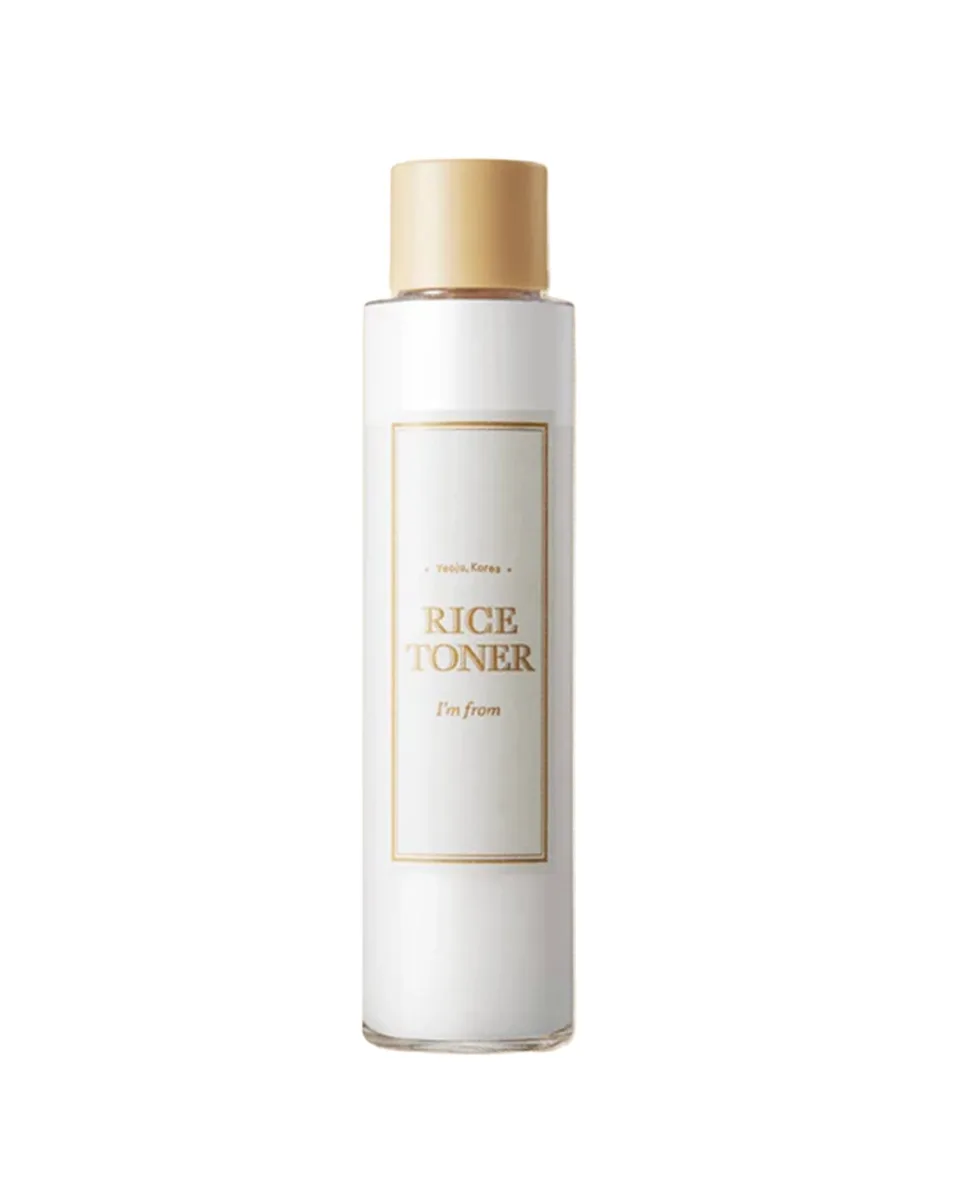 K-Beauty Hydrating Rice Toner
Rice Toner
A milky K-beauty toner that leads with a claimed 77% rice extract and pairs it with niacinamide for a hydrating-plus-brightening daily step. The texture feels more substantial than typical watery toners, sensitive skin tolerates it well, and it layers beautifully. The premium price and synthetic emollients are the main considerations; results are gentle and gradual.
 Cooling Hydrogel Mask
Vegan Collagen Fresh Aloe Mask
A genuinely cooling, oil-free vegan hydrogel that quenches hot summer skin for under five dollars a sheet and stays wet for the full half hour. Its soothing reputation rests on allantoin, licorice and water rather than the aloe, and a menthol derivative, a fragrance, anise, pine and BHT are odd company for a mask sold to sensitive, sun-stressed faces. Lovely on flushed skin; not for reactive skin.
 Blue Peel, Level One
Blue Resurface Dual-Acid Peel
The first at-home product to wear Obagi's Blue Peel name is a real peel done sensibly: 30% mandelic acid with 1% salicylic, applied with gauze, timed and rinsed, in single vials with the percentages on the box. Mandelic at this strength is the right acid for a self-applied peel, and the format keeps the dose honest. It launched yesterday with a two-week brand test and no user record, it costs $30 a treatment, and a 30% acid still demands respect.
 Sensitive-Skin MVP
The Simple Barrier Cream
A genuinely minimalist K-beauty barrier cream that does what it says. Seventeen ingredients, pH 5.5, madecassoside, and a macadamia-oil-rich emollient base — no fragrance, no alcohol, no noise. It is one of the few products that makes complete sense to reach for during a barrier meltdown, and one of the better under-$20 options for reactive skin.
 Oily-Skin Cleansing-Oil Pick
Skin Purifier POREfinist Sakura Refreshing Cleansing Oil
A genuinely targeted cleansing oil for oily and congested skin — the inclusion of capryloyl salicylic acid plus menthoxypropanediol cooling makes this the most pore-focused entry in Shu Uemura's prestige lineup, with a lighter ester base than the Classic or Ultime8 lines. The cinnamon-spice fragrance and cooling sensation rule it out for reactive skin.
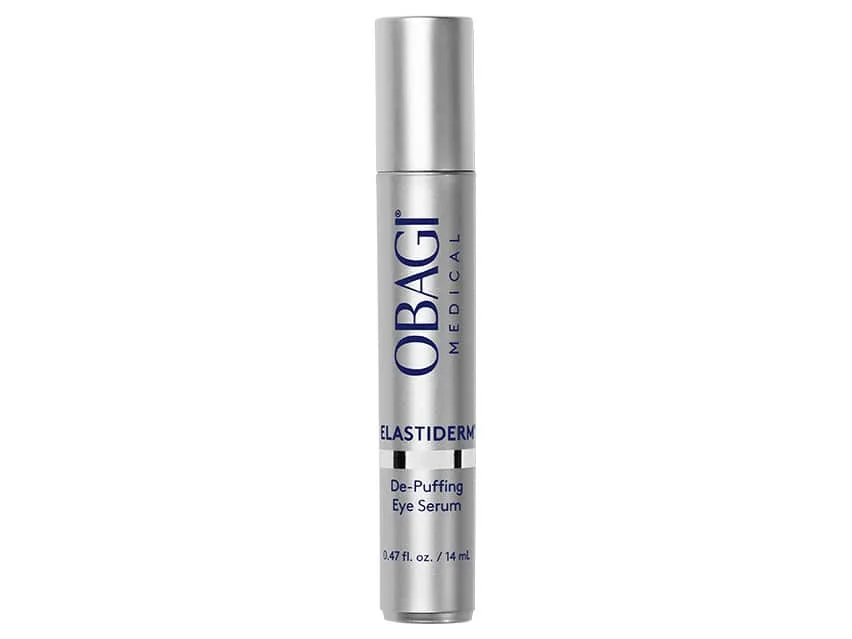 Cold-Roller Caffeine Serum
De-Puffing Eye Serum
A cold steel rollerball loaded with caffeine and Obagi's copper-zinc complex, and almost nothing else: it de-puffs on the spot, irritates no one and adds no hydration or brightening. For morning puffiness on tolerant or reactive eyes alike it is reliable; at $130 for 14 ml it is paying clinical-brand money for one fast trick and one slow, unproven-in-this-bottle promise.
 Fragrance-Free Root Lift
Styling Hair Powder
A straightforward silica texturizing powder that lifts fine and flat hair in seconds, leaves a proper matte finish and — unusually for Brickell — contains no fragrance at all. It does one job and does it well, but the plant oils are cosmetic trim, it dries out coarse hair like every powder of its kind, and $23 for 18 grams is premium pricing for a category built on a single commodity ingredient.
 Pore-Targeted Cleanser
Fresh Pore Clarifying Gentle Cleansing Oil
A pore-targeted cleansing oil built around an oil-soluble salicylic acid (LHA) that can actually travel into pores during the cleansing massage. Distinctive and well-engineered for the blackhead and enlarged-pore crowd, though fragrance, cooling agents, and comedogenic esters narrow the user profile.
 Luxury Plumping Gloss
The Lip Volumizer
A superbly finished plumping gloss, glassy and cushioned, with a gentle menthol tingle instead of a burn and a petrolatum balm working underneath. The volume is a half-hour flush, the peptide and hyaluronate are set dressing, and the flavour, eucalyptus and menthol derivatives make it a poor choice for lips that crack. Lovely to wear; at ninety-five dollars, a luxury and nothing more.
The full propanediol (1,3-propanediol) guide
Most skincare ingredients earn their billing by doing something dramatic; propanediol earns its keep by making everything around it work a little better.
It's a three-carbon diol, most often fermented from corn sugar, and it pulls triple duty in a formula as a humectant, a solvent, and a mild penetration enhancer. That versatility is why it turns up across serums, moisturizers, and exfoliants, typically somewhere between 1 and 15 percent. In a lot of modern formulas it has quietly taken over the slot once filled by propylene glycol — not because of ingredient-fear marketing, but because it tends to feel lighter on skin and irritate less.
How it's regulated in the US
FDA does not classify ingredients — it classifies products, by what they are sold to do. The same molecule can be a drug active in one product and a cosmetic ingredient in the next, and only the claim on the label decides which. What follows is a statement about that legal standing, not about whether it works — the evidence question is answered separately above.
Cosmetic Propanediol (1,3-Propanediol) is a cosmetic ingredient in the US: no OTC monograph covers it and it is not an active in any FDA-approved drug, so a product built around it is a cosmetic rather than a drug.
The evidence for propanediol's core functions is solid. A 2024 human study in the International Journal of Cosmetic Science (Pinto et al., DOI: 10.1111/ics.12911) tested 1,3-propanediol at 5%, 10%, and 15% — alone and combined with butylene glycol and/or glycerol — in 30 healthy female subjects. Every concentration significantly increased skin hydration and reduced transepidermal water loss (TEWL) at 15 minutes, 2 hours, and 8 hours after application, with the strongest results at 15% and in combination with glycerol. Its usefulness as a solvent for hard-to-dissolve actives is well documented in formulation practice. On safety, the Cosmetic Ingredient Review (CIR) Expert Panel concluded propanediol is safe in its present cosmetic uses, the panel noted lower skin-reactivity potential than propylene glycol, and the FDA had no questions about the GRAS (Generally Recognized As Safe) determination for 1,3-propanediol. Two independent human patch tests at concentrations as high as 75% produced no irritation or sensitization in the great majority of participants.
How it works
The molecule carries three hydroxyl groups along a short carbon chain, and that structure is the source of its range. As a humectant, those hydroxyls grab water and pull it toward the upper layers of skin — broadly the same trick glycerin performs, but with a lighter touch and far less of the tacky residue heavier humectants can leave behind. The same geometry makes it a capable solvent: it can hold both water-loving and some less-polar compounds in solution, which is exactly why formulators turn to it when wrangling finicky actives such as ferulic acid (prone to oxidizing) or salicylic acid (stubbornly water-insoluble). Keeping those actives evenly dissolved means more consistent dosing from one batch to the next, and steadier delivery onto skin. Its penetration-enhancing effect is the subtler piece, and it's formulation-dependent — propanediol loosens the lipid packing of the stratum corneum just enough to nudge permeability up, without the harsher disruption some chemical enhancers cause. Add a slight viscosity-thinning effect that lends finished products a fast-absorbing feel, and you get an ingredient that functions as a working base rather than dead weight. Its corn-fermented, bio-based sourcing is a bonus for brands moving away from petroleum-derived glycols, though that's a sustainability story, not a skin-performance one.
Key benefits
- Hydrates and reduces TEWL across an 8-hour window in human testing, scaling with concentration
- Dissolves stubborn actives like ferulic acid and salicylic acid for stable, even delivery
- Tends to feel lighter and less tacky on skin than heavier humectants such as glycerin
- Lower irritation and sensitization potential than propylene glycol in CIR-reviewed data
- Broadly tolerated — non-sensitizing in human patch tests at concentrations up to 75%
- Can support a formula's preservation system, sometimes reducing the preservative load needed
Concentration & usage
Typical use levels run roughly 1% to 15% in leave-on skincare, with higher amounts (up to ~40%) appearing in categories like deodorants where its other properties matter more. On an INCI list it shows up plainly as "Propanediol." Where it lands in that list is a decent tell: high up (top five or so) usually means it's pulling humectant-and-solvent base duty; further down, it's more likely there for light texture or to back up the preservative system. It isn't pH-fussy, which makes it easy to slot into formulas spanning low-pH exfoliants to neutral moisturizers. The 2024 Pinto et al. data found 5% already meaningfully effective for hydration, with benefits continuing to climb toward 15%.
Who it's for & who should be cautious
Who it's for
This is one of the gentler workhorses in modern skincare, and most people — including those with sensitive or easily provoked skin — get along with it fine. It's a natural fit if you want lightweight hydration without the stickiness of heavier glycols, or if your routine leans on active-rich products (vitamin C serums, BHA exfoliants, retinoids) where its solvent role helps keep those actives stable and well delivered. Fragrance-averse and allergy-prone skin types can generally use it without much worry.
Who should be cautious
Genuine reactions are uncommon, but if you've had a documented sensitivity to other glycols — propylene glycol especially — it's worth patch-testing before committing to a propanediol-heavy product, since cross-reactivity is rare but not impossible. If your barrier is severely compromised or you're mid-eczema-flare, keep in mind that propanediol's mild penetration-enhancing effect can slightly raise absorption of whatever else is in the formula, which could amplify stinging from co-applied acids or retinoids. None of this applies to undiluted use, which is never relevant to a finished skincare product anyway.
Pairs with & conflicts
Myths & facts
Myth: Propanediol is basically the same thing as propylene glycol — and propylene glycol is toxic
Reality: They're structural isomers (1,3-propanediol versus 1,2-propanediol), not the same molecule. Propylene glycol does carry more irritation potential for sensitive skin at cosmetic levels, and CIR-reviewed data found propanediol's skin-reactivity potential to be lower; it produced no irritation or sensitization in human patch tests up to 75%. Neither is 'toxic' at skincare concentrations — that framing borrows from industrial or ingestion scenarios that don't map onto a face cream.
Myth: It's just a filler that does nothing for skin
Reality: It isn't a passive carrier. The 2024 Pinto et al. trial measured significant gains in hydration and drops in TEWL from 15 minutes through 8 hours after application — performance comparable to glycerin as a functional humectant. Its role in keeping ferulic acid and salicylic acid in stable solution also directly shapes how well those actives work.
Myth: 'Natural' corn-derived propanediol is a different, gentler molecule than the standard ingredient
Reality: Bio-based propanediol (fermented from corn sugar, often sold as Zemea) is chemically identical to conventionally produced propanediol — same molecule, same CAS number (504-63-2), same safety profile. 'Natural' here describes the feedstock and production route, not the compound. Choosing it for sustainability reasons is reasonable; expecting it to be inherently kinder to skin than the synthetic version is not.
Frequently asked questions
Why does propanediol turn up in serums and exfoliants so often?
Those products lean on actives — ferulic acid, salicylic acid, ascorbic acid — that are notoriously hard to keep dissolved and stable. Propanediol's solvent ability holds them in even solution, which helps prevent settling or degradation. Its thin, low-drag texture also suits the lightweight consistency serums are built around.
Is the propanediol in my product corn-derived or synthetic?
Unless a brand specifically flags 'bio-based' or 'Zemea' propanediol, the INCI list won't tell you — both sources read simply as 'Propanediol.' Brands chasing sustainability or 'natural' positioning usually call the sourcing out in their marketing. For your skin it makes no difference: the two are chemically identical and behave the same way.
Can it make harsher actives like retinol or acids sink in more aggressively?
Its penetration boost is mild next to dedicated enhancers like oleic acid or certain alcohols, and formulators set overall active levels with that in mind. For most people in a well-built product, slightly better delivery is the point, not a problem. If your barrier is compromised and you also react to acids or retinoids, easing into a new propanediol-containing product is sensible — but that's true of any active-heavy formula.
Is there a sweet-spot percentage, or is more always better?
The 2024 Pinto et al. data shows hydration and barrier benefits climbing from 5% up to 15%. Most leave-on products land in the 1–10% range. Past roughly 15% there's no evidence of meaningful extra hydration payoff in normal skincare — the higher levels (up to 40%) show up in categories like deodorants where its other traits do the heavy lifting.
How does it differ from butylene glycol, which shows up in many of the same products?
Both are hydrating glycols, but they handle differently. Butylene glycol adds viscosity and slip, which suits thicker textures; propanediol tends to thin a formula slightly, helping it absorb fast. In the 2024 Pinto et al. trial, 1,3-propanediol at 5% raised hydration more than an equivalent humectant comparison, though butylene glycol often contributes more to a product's overall feel.
Is propanediol something to worry about during pregnancy?
Published literature flags no specific contraindication for topical propanediol in pregnancy, and its general safety profile is well established. The real question during pregnancy is almost always about the actives it's paired with, not propanediol itself. When in doubt about a full formula, it's worth running it past an OB or dermatologist.