Industry & Trends News
Skin Flooding and the Great Barrier Obsession of 2026
Half a genuine correction to the acid-everything era, half a new excuse to sell you five products where two would do.
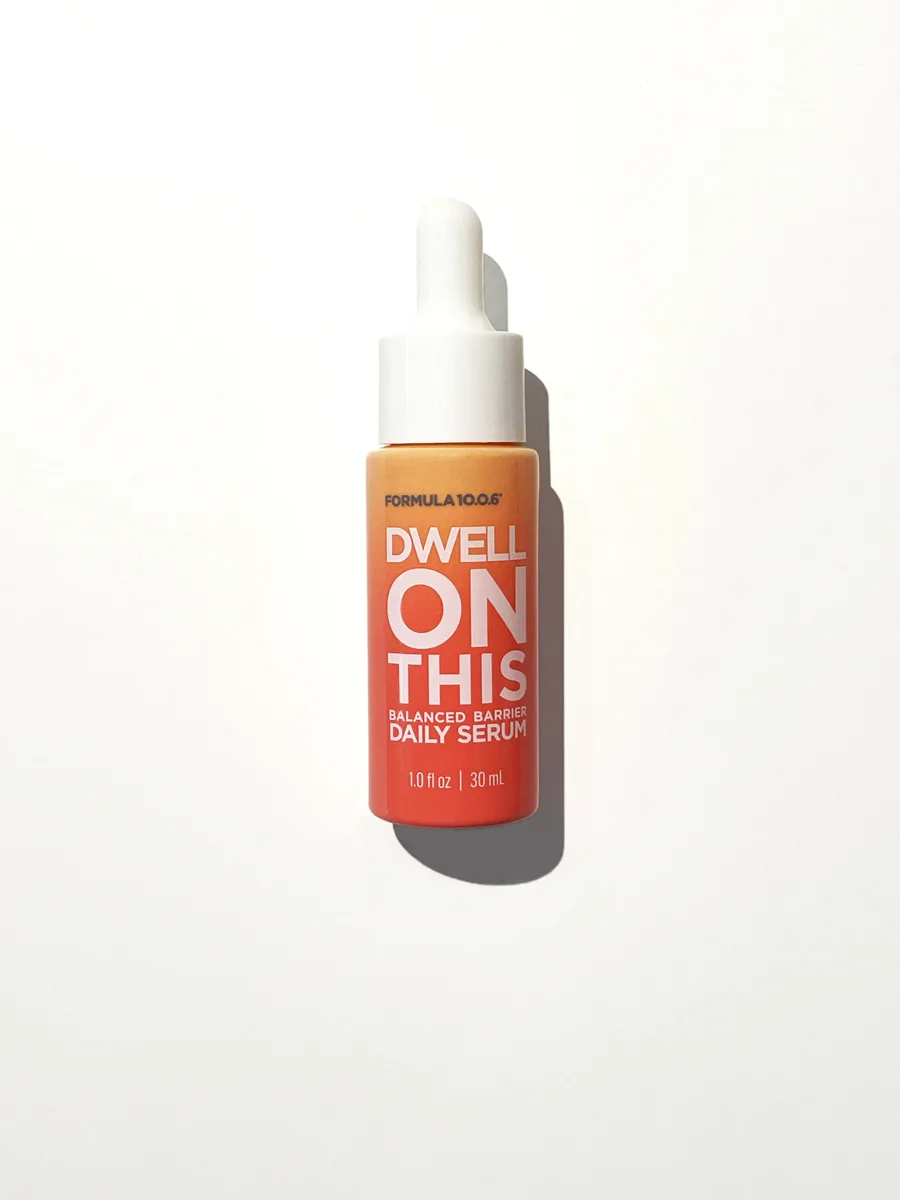
It is a microbiome-positioned barrier serum at a price point where that language usually means marketing alone — and yet the formula is unusually clean for the brand: no fragrance, no oil, no silicone, no alcohol, and a genuine prebiotic pair of inulin and alpha-glucan oligosaccharide alongside hyaluronic acid, saccharide isomerate and xylitol. Whether the prebiotics do much is an open question; that a ten-dollar drugstore serum answers it with a sensible list rather than a gimmick is the point.
A ten-dollar prebiotic serum that is, underneath the microbiome language, a clean and competent humectant gel: propanediol, glycerin, hyaluronic acid, saccharide isomerate and xylitol, with inulin and alpha-glucan oligosaccharide as the plausible-but-unproven headline. Fragrance-free, oil-free and gentle on any skin, it hydrates well and needs a moisturiser on top. Days old on the market, it is an honest budget basic, not a barrier treatment.
Dwell On This launched on 14 September 2026 and has no retailer reviews or independent testing at all, so this assessment is ingredient analysis only — the humectants are well documented, but the inulin and alpha-glucan oligosaccharide prebiotics rest on short supplier studies, and nothing has measured how this specific serum performs on skin over weeks. Its grade should be read as a well-founded prediction that early users will confirm or correct.
The case for it
Same rule for everyone. “Good choice” is the verdict on 9,564 of 45,024 concern verdicts across the catalog; rule R5 decided 9,072 of them. As of September 25, 2026, engine 5.1.1.
Brand or formulator? Disclose a concentration or correct a fact →
The studies behind the evidence row
The case for it
What would change this: A researched evidence row for the lead active would replace this with a verdict.
Same rule for everyone. “Good choice” is the verdict on 1,938 of 45,024 concern verdicts across the catalog; rule F2 decided 1,938 of them. As of September 25, 2026, engine 5.1.1.
Brand or formulator? Disclose a concentration or correct a fact →
The case for it
What would change this: A researched evidence row for the lead active would replace this with a verdict.
Same rule for everyone. “Supporting role” is the verdict on 8,197 of 45,024 concern verdicts across the catalog; rule R8 decided 4,250 of them. As of September 25, 2026, engine 5.1.1.
Brand or formulator? Disclose a concentration or correct a fact →
A verdict is DermApproved’s assessment of how well a product’s ingredients fit a concern — never a claim about what the product treats. Evidence dots and collected reviews sit beside it and are never blended in. Rules 0.5.1 · evidence table ev-2026.09-r228 · how we decide
Microbiome skincare has a credibility problem, and it is not the science's fault. The idea that the skin's resident bacteria matter to barrier health is real and increasingly well documented; the problem is that the word 'microbiome' on a label has become a licence to charge sixty dollars for a serum whose ingredient list does nothing a plain hydrating gel would not. So when a family-owned drugstore brand best known for pun-named sheet masks launches a 'Balanced Barrier Daily Serum' at ten dollars, the reasonable expectation is a slogan in a bottle. Dwell On This is not quite that. The list is twenty ingredients, water-based and fragrance-free, with a real prebiotic pair in the top ten and a humectant set that would pass muster at three times the price. It is not a treatment, and its headline claims are ahead of its evidence, but it is a more honest object than its category usually produces.
Read the list and the design is clear. Water, propanediol and glycerin are the base — two humectants in the top three, which is where a hydrating serum should keep them. Hydroxyethylcellulose gives it a whisper of gel body; dimethyl isosorbide, a penetration enhancer, is the one ingredient that very reactive skin might notice. Then the working middle: xylitol, hyaluronic acid, inulin, alpha-glucan oligosaccharide, kelp and chlorella extracts, saccharide isomerate and sea water. Inulin and the oligosaccharide are the prebiotics — sugars that, in supplier studies, the skin's beneficial bacteria consume preferentially, shifting the balance a little toward them over weeks. Saccharide isomerate is a plant-sugar complex that binds to keratin and holds hydration through washing, with a recent split-face trial behind it. Xylitol supports the skin's own moisture-binding molecules. The tail is a conventional preservative system: benzoate, sorbate, phenoxyethanol, a chelator and pH adjusters. No oil, no silicone, no alcohol, no fragrance, no acid.
On the skin it is a pleasant, undramatic gel. A few drops from the dropper spread instantly with a cool, faintly slippery slip and sink in within a minute, leaving a soft dewy finish with no tack and no smell beyond a briny hint at the bottle. Skin feels plumper and less tight almost at once — the humectants doing their immediate work — and the absence of anything irritating makes it one of the easiest serums to tolerate on reactive, sensitive or acne-prone faces. Oily and combination skin can use it as their only hydration under sunscreen in summer. Everyone else needs a moisturiser over it, and this is the product's one hard rule: with no oils or occlusives of any kind, the water it pulls in will evaporate within the hour if nothing seals it, and dry skin used to a richer serum can end up feeling drier, not better.
The claims deserve a calibrated reading. 'Hydrates' is fully earned. 'Strengthens the barrier' is not, in the sense most people mean: there are no ceramides, cholesterol or fatty acids here, and a compromised barrier still needs lipids from a moisturiser and, if it is genuinely damaged, proper treatment. 'Balances the microbiome' is the interesting one. Topical prebiotics have a plausible mechanism and a growing literature, but the evidence for inulin and alpha-glucan oligosaccharide is supplier-run, small and short — four-week studies measuring bacterial ratios, not skin outcomes — and no trial has tested this serum. Treat the prebiotic effect as a reasonable bonus on a good hydrating serum, not as the reason to buy it, and the product makes complete sense.
What it will not do is anything a treatment does. There is no niacinamide, no ceramide, no peptide, no active for redness, tone or texture; it is a hydrating base layer with a microbiome angle, and buyers who want more should keep their treatment serums and add this underneath. Its newness is also a genuine limitation: it launched in mid-September 2026, has no review trail at all, and everything written about it so far — including this — is ingredient analysis rather than experience.
On price there is nothing to argue with. Ten dollars for 30 mL from the brand's own site is cheap for a fragrance-free hyaluronic-and-saccharide-isomerate serum with a prebiotic pair, and a bottle lasts two months used twice a day. The drugstore drop-in it competes with is a plain hyaluronic acid gel at a similar price, and this offers a little more for the same money.
The verdict is warm and modest. For sensitive, oily, combination or normal skin that wants a gentle, fragrance-free hydrating serum under a moisturiser — and for anyone curious about prebiotic skincare who would rather spend ten dollars than sixty to find out — Dwell On This is a clean, sensible, well-priced basic and an easy addition to a routine. For dry skin expecting richness, for anyone expecting barrier repair from a bottle with no lipids, and for anyone who wants a proven treatment rather than a plausible bet, it is a base layer and nothing more.
The hero actives that drive this product's performance.
| Ingredient | Function | Evidence |
|---|---|---|
| Alpha-Glucan Oligosaccharide + Inulin | The 'prebiotic' pair the whole product is named for — a chicory fibre and a plant-derived oligosaccharide, placed eighth and ninth, that in supplier studies selectively feed beneficial skin bacteria over less desirable ones. In a watery serum at a budget price they are a modest, plausible nudge to the microbiome rather than a treatment, and the brand's 'balance' claims rest entirely on them. | Not yet assessed |
| Hyaluronic Acid + Saccharide Isomerate + Xylitol | The humectants that do the measurable work: hyaluronic acid seventh, saccharide isomerate — a plant sugar complex that binds to skin keratin and resists rinsing — and xylitol, which supports the skin's own moisture-holding molecules. Together with the propanediol and glycerin in positions two and three, they are why the serum leaves skin plumper within minutes. | Established mechanism for Dehydration · established mechanism |
| Propanediol + Glycerin | Second and third — the humectant backbone of a 20-ingredient gel-serum, drawing water into the surface and giving the formula its light, slippery slip. In a product with no oils or occlusives they are also its only hydration that survives beyond an hour, which is why the serum wants a moisturiser over it. | Established mechanism for Dehydration · established mechanism |
| Laminaria Digitata + Chlorella Vulgaris Extracts + Sea Water | A kelp extract, a freshwater algae extract and sea water — the marine trio that gives the serum its faint ocean smell and its mineral-and-polysaccharide story. Kelp polysaccharides are mild humectants and soothers; chlorella contributes amino acids and a little antioxidant activity; the sea water is mostly branding. All three are trace-level supporting ingredients. | Not yet assessed |
Ingredient standings describe the active at treatment-level doses and vehicles; this product's own condition grades weigh its actual formula.
Water, Propanediol, Glycerin, Hydroxyethylcellulose, Dimethyl Isosorbide, Xylitol, Hyaluronic Acid, Inulin, Alpha-Glucan Oligosaccharide, Laminaria Digitata Extract, Chlorella Vulgaris Extract, Saccharide Isomerate, Sea Water, Sodium Benzoate, Potassium Sorbate, Tetrasodium Glutamate Diacetate, Sodium Hydroxide, Lactic Acid, Phenoxyethanol, Ethylhexylglycerin
serum
AM & PM
Apply a few drops to damp skin after cleansing and before moisturiser, morning and night; it is water-thin and goes under everything. Because it has no oils or occlusives, always follow it with a moisturiser or the water it pulls in will evaporate. It is acid-free and fragrance-free, so it layers without conflict under retinol, vitamin C or sunscreen, and it is a sensible buffer step on nights when stronger actives have left skin reactive.
Skin feels plumper and less tight within minutes of application, and looks calmer within a few days when it is used to replace a harsher step. The microbiome and barrier claims are slow and hard to see — the supplier studies on the prebiotics ran for four weeks — so judge it as a hydrating serum first and a 'balancing' one only after a month of consistent use.
The idea behind this serum has a real literature, even if the serum itself does not. A 2026 review in Skin Research and Technology on cosmetic interventions for skin microbiome modulation surveyed the current strategies — prebiotics, postbiotics and, more rarely, live probiotics — and found that prebiotic sugars such as inulin and alpha-glucan oligosaccharide can selectively support beneficial commensals over pathobionts in laboratory and small human studies, while noting that most evidence comes from ingredient suppliers, that study durations are short, and that links from a shifted bacterial ratio to a visible skin benefit remain thin. That is an honest summary of where this product's headline sits: a plausible mechanism with modest, interested evidence, and no data on this formula.
The humectants are on firmer ground. Saccharide isomerate was tested in a 2025 randomized split-face study in the Journal of Dermatological Treatment, where a moisturiser containing it accelerated barrier restoration after intense pulsed light treatment compared with control — evidence that the ingredient binds to and hydrates the stratum corneum in a way that measurably helps a stressed barrier. Hyaluronic acid's hydrating effect is documented across molecular weights, including a 2024 double-blind randomized controlled trial in Archives of Dermatological Research in older adults with xerosis, in which topical hyaluronic acid of different molecular weights improved hydration and dryness scores. Together with glycerin and propanediol, these are the reasons the serum plumps the skin on contact.
What the formula lacks is as important as what it has. Barrier 'strengthening' in the dermatological sense means restoring the ceramide-cholesterol-fatty acid lipid matrix, and there are no lipids in this serum at all; its contribution to the barrier is hydration and, speculatively, a friendlier microbial balance. The kelp, chlorella and sea water are trace-level soothers and mineral sources with no expected clinical effect, and dimethyl isosorbide, a solvent and penetration enhancer, is the only ingredient with a meaningful irritation potential, and only on compromised skin.
A fragrance-free, oil-free humectant serum of this kind is a low-risk hydrating layer for almost any patient, including those with sensitive, acne-prone or rosacea-prone skin, and clinicians would generally see it as harmless and mildly useful under a moisturiser or as a buffer on retinoid nights. The microbiome framing warrants gentle expectation-setting: topical prebiotics are an area of genuine scientific interest, but the evidence that inulin or alpha-glucan oligosaccharide in a cosmetic changes skin outcomes is preliminary and largely supplier-generated, and no patient should substitute this serum for treatment of a diagnosed barrier disorder such as atopic dermatitis, rosacea or seborrhoeic dermatitis. The absence of lipids means it does not repair the barrier in the physiological sense; patients with xerosis or eczema-prone skin should be told to layer a ceramide- or petrolatum-based moisturiser over it, and those who apply it alone on dry skin may notice increased tightness as the water evaporates. Dimethyl isosorbide is a penetration enhancer that can sting on fissured or acutely inflamed skin, so application should be deferred during a flare. Otherwise, no ingredient here raises a sensitisation concern, and the product is compatible with any prescription topical regimen.
Use it morning and night as the first step after cleansing. On skin that is still slightly damp, dispense three or four drops from the dropper into your palm and press them over the face and neck, spreading with fingertips until the slip settles — about a minute. Follow immediately with a moisturiser, which is essential: the serum has no oils or occlusives, so the water it draws in evaporates unless sealed. In the morning finish with sunscreen; at night apply any retinol or treatment after the serum and before the moisturiser, or use the serum alone on nights when your skin needs a break. Oily skin in humid weather can go straight from serum to sunscreen. If you notice stinging on broken or freshly exfoliated skin, wait for it to calm before resuming. Keep the bottle capped and out of direct sun, and use it within a year of opening.
Ten dollars for 30 mL on the brand's site is inexpensive for a serum carrying hyaluronic acid, saccharide isomerate, xylitol and a prebiotic pair in a fragrance-free base; a comparable microbiome-positioned serum from a prestige brand costs several times as much, and a plain drugstore hyaluronic gel costs about the same for less. At three or four drops twice a day a bottle lasts around two months, so the running cost is about five dollars a month. The value is high for what it is — a clean, gentle hydrating base layer — and only disappoints someone who expected barrier repair or a visible 'balancing' effect from a formula with no lipids and no proven actives. Because it is days old with no review record, the purchase is a small, low-risk bet on a budget brand with a long drugstore history rather than on a proven product; at this price that is an easy bet to make.
Sensitive, oily, combination or normal skin that wants a gentle, fragrance-free hydrating serum under a moisturiser, and anyone curious about prebiotic skincare who would rather test the idea for ten dollars than sixty. It suits students, teenagers and budget routines, and works as a buffering layer for people starting retinol.
Dry skin expecting a rich or nourishing serum, since there are no lipids and it can feel drying used alone; anyone with a diagnosed barrier condition looking for repair rather than hydration; and anyone who wants proven actives for redness, tone or texture. People who prefer a product with a track record should wait — it launched in September 2026 and has none yet.
Ready to try Formula 10.0.6 Dwell On This?
Buy at Amazon ♥A clear, water-thin gel-serum with just enough hydroxyethylcellulose body to hold a drop on the fingertip; it spreads instantly, feels cool and faintly slippery from the propanediol, and sinks in within a minute to a soft, tack-free, dewy finish.
Fragrance-free — a faint, briny, sea-vegetable note from the kelp, chlorella and sea water that is only noticeable at the dropper.
A 30 mL frosted glass bottle with a white dropper cap in the brand's orange-to-red gradient — precise to dose, easy to see the level, and light-shielded enough for a formula with no oxidation-prone actives.
The first application is undramatic in the best way: a few cool drops, a minute of slip, and skin that feels plumper and less tight without any sting, tingle or scent. Nothing purges and nothing needs adjusting; the only lesson is that it wants a moisturiser over it, or the plumpness fades within an hour as the water evaporates.
Around two months used morning and night at three or four drops; three to four months once a day.
All Year
Formula 10.0.6 built its 2010s revival on cheerful, pun-named masks and cleansers aimed at teenagers, and Dwell On This — launched in September 2026 — marks its move into the 'barrier' and 'microbiome' territory that has dominated skincare marketing since the early 2020s. The Balanced Barrier collection it anchors uses prebiotic sugars rather than live cultures, a formulation choice that sidesteps the stability problems of probiotic skincare, and prices the idea for the drugstore shelf where the brand has always lived.
Formula 10.0.6 is a family-owned budget drugstore brand whose name dates to a 1933 acne cream, relaunched in the 2010s as a bright, pun-named line of masks and cleansers. Dwell On This is a September 2026 launch in its new Balanced Barrier collection; the brand publishes no clinical testing, and the prebiotic ingredients it leans on have supplier data rather than independent trials.
A prebiotic serum puts good bacteria on your skin.
Prebiotics are food, not bacteria. Inulin and alpha-glucan oligosaccharide are sugars that the skin's resident beneficial microbes can use preferentially, which in supplier studies shifts the balance a little toward them over weeks. There are no live cultures in this bottle — which is also why it is stable and preserved like any other serum.
'Strengthens the barrier' means the serum repairs damaged skin.
There are no barrier lipids — no ceramides, cholesterol or fatty acids — in this formula, and no oils at all. What it does is hydrate the outer skin with humectants and, in theory, support a healthier microbial balance; a damaged barrier still needs a lipid-rich moisturiser over the top, and any real barrier disorder needs proper treatment.
Twenty ingredients, all water-based: propanediol and glycerin, a cellulose thickener, xylitol, hyaluronic acid, the prebiotics inulin and alpha-glucan oligosaccharide, kelp and chlorella extracts, saccharide isomerate, sea water and a standard preservative system. There is no fragrance, oil, silicone, alcohol, acid or retinoid.
No — it is prebiotic. It contains sugars (inulin and alpha-glucan oligosaccharide) that feed the skin's own beneficial bacteria rather than live cultures, which is why it can be preserved and stored like any ordinary serum.
Yes. It has no acids, retinoids or fragrance and sits under any active without conflict; its humectants make it a useful hydrating buffer on retinol nights. Apply it first to damp skin, let it absorb for a minute, then your treatment and moisturiser.
Yes. The serum is entirely humectant — it pulls water into the skin but has no oils, silicones or occlusives to hold it there — so without a moisturiser on top the plump feeling fades as the water evaporates, and very dry skin can end up drier.
It is one of the safest bets in the brand's range for both: fragrance-free, oil-free, alcohol-free, with no known comedogenic ingredients and no fungal-acne triggers. The one ingredient a very reactive person might notice is dimethyl isosorbide, a penetration enhancer that occasionally stings on broken skin.
In mid-September 2026, as the first serum in the brand's new Balanced Barrier collection. It is too new to have any review record, so early buyers are effectively the first testers.
Recurring themes our editors read across retailer reviews of this product — summaries in our words, not quotations, and not a substitute for your own patch test.
Too new for review patterns; the formula points to light, non-sticky hydration and easy tolerance
Too new for review patterns; the likely complaints are that it needs a moisturiser on top and that the 'balance' effect is hard to see