Alpha-Glucan Oligosaccharide (BioEcolia)
Products with Alpha-Glucan Oligosaccharide (BioEcolia)
 Eczema Flare Soother
Stelatopia+ Lipid-Replenishing Cream
A genuinely gentle, fragrance-free lipid cream built for the itch-scratch cycle of baby eczema, not just dryness. The 99%-natural triple-oil complex and prebiotic earn the Stelatopia name, and while $24 for 150ml stings a little, the relief it brings to flaring skin justifies it for atopic-prone little ones.
 Two Exfoliants, Fourteen Dollars
Glycolic Acid Exfoliating Scalp Scrub
Four actives, four published percentages, and a seven-percent glycolic dose that would be respectable on a face — for fourteen dollars. The beads are soft biodegradable castor wax rather than anything scratchy, and a prebiotic-plus-humectant layer handles the aftermath. Just remember it exfoliates twice over in one step, which is why once a week is the honest cadence.
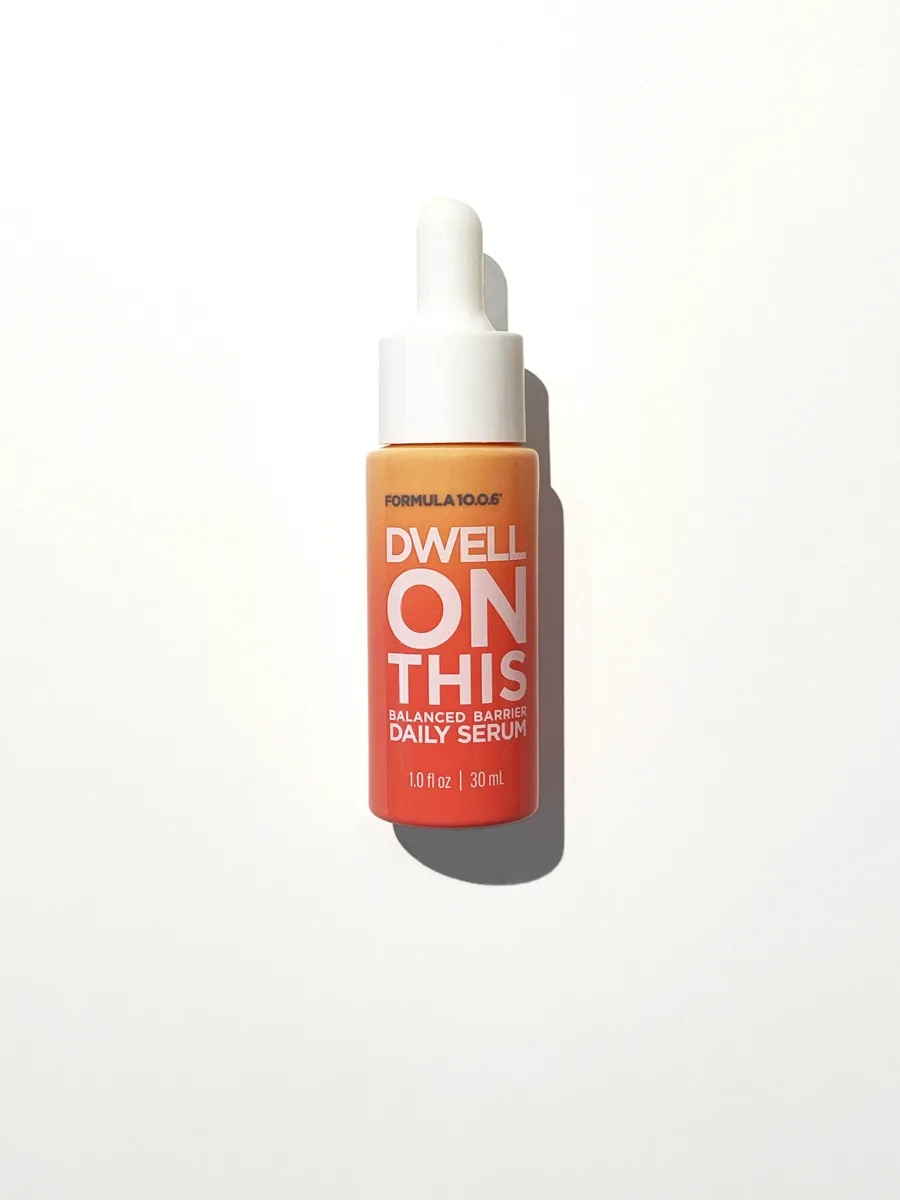 Ten-Dollar Prebiotic Serum
Dwell On This
A ten-dollar prebiotic serum that is, underneath the microbiome language, a clean and competent humectant gel: propanediol, glycerin, hyaluronic acid, saccharide isomerate and xylitol, with inulin and alpha-glucan oligosaccharide as the plausible-but-unproven headline. Fragrance-free, oil-free and gentle on any skin, it hydrates well and needs a moisturiser on top. Days old on the market, it is an honest budget basic, not a barrier treatment.
 Family-Safe Eczema Cream
Topialyse Cream
A French pharmacy face-and-body cream that earns its decade-long shelf-life at European pharmacies — shea butter at the second INCI slot, three more plant lipids stacking the barrier-repair spectrum, prebiotic and humectant support holding the balance. The 400ml at $23 is genuinely affordable for what's inside, and the family-safe positioning extends utility well beyond a typical adult-focused dry-skin cream.
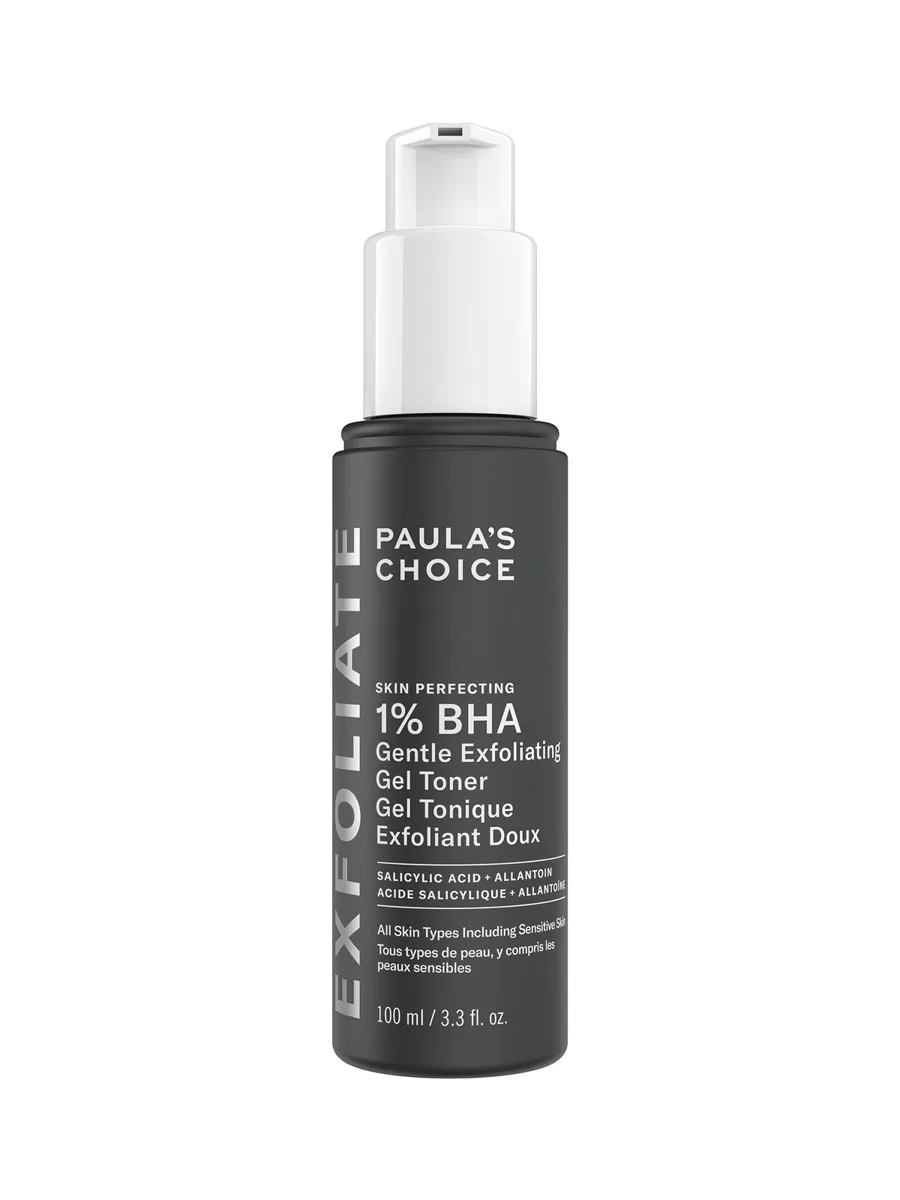 The BHA for Skin That Reacts
Skin Perfecting 1% BHA Gentle Exfoliating Gel Toner
The brand that made 2 percent salicylic acid famous has finally made the version for the faces that could not use it: a 1 percent leave-on BHA cushioned in emollient alkanes, prebiotic sugars and allantoin, fragrance-free and built for skin that flushes. It works more slowly than the flagship and costs the same, and the redness botanicals are ahead of their evidence, but as a daily exfoliant for sensitive and rosacea-prone skin it is a thoughtful, overdue product.
 Barrier-First Budget Milk
On The Surface
A fragrance-free, non-foaming milk that leads with grape seed and sunflower oils, uses a single mild surfactant to rinse them away, and adds oat and prebiotic sugars for comfort. For ten dollars it is a well-judged cleanser for dry, sensitive or barrier-stressed skin. The prebiotic pitch runs ahead of what a rinse-off can prove, and oily or fungal-acne-prone skin will find the oil base too much.
 Three-Way Acne Paste
Acne-Treating Cleansing Paste
A full 2 percent salicylic acid in a grey kaolin-and-charcoal paste that works as a wash, a three-minute mask and an overnight spot dab, built on one mild syndet surfactant with niacinamide, centella and a ceramide so it does not strip. It clears blackheads and small bumps well and treats oily, sensitive skin kindly; it is expensive for a cleanser, barely lathers, and cannot reach deep cystic breakouts.
 Shake-To-Mix Glow Pen
Professional Brighten Skin Essence Oil
Dr.Alva's water-oil formula as a daily shake-to-mix serum: jojoba and squalane with Q10 and astaxanthin in the oil layer, fruit acids, ergothioneine and prebiotics in the water layer, no fragrance, no alcohol. It gives a quick satin glow and a gently smoother texture over a month, and at about four dollars for the 7ml pen it is the cheapest way to test the brand — with the caveat that the pen empties in a fortnight and only the mini is sold abroad.
 Sensitive Skin's Acne Ally
Gentle Clear Mattifying Acne Moisturizer SPF 30
A refreshingly gentle approach to acne moisturizing that treats breakouts as a skin health issue rather than an emergency to blast with maximum-strength acids. The prebiotic-botanical combination is genuinely innovative for the drugstore, though the ultra-gentle 0.5% salicylic acid may not satisfy those with active, persistent breakouts.
 Luxury With a Confidence Problem
All Day All Year Essential Anti-Aging Protection SPF 30
A competent modern SPF 30 day cream trapped inside an extraordinary price tag. The filter system is genuinely good — Tinosorb S, avobenzone, and supporting filters for real broad-spectrum coverage — but at $495 you are paying primarily for the Sisley experience, not meaningfully better photoprotection than a $40 alternative delivers.
 Thirteen-Ingredient Cica Sheet
Centella Asiatica Repairing & Revitalizing Freeze-Dried Mask
Thirteen ingredients, no oil, no fragrance, no preservative, and centella as the only active: this is the freeze-dried mask to hand to oily, acne-prone or reactive skin that cannot wear the brand's richer gentian sheet. It hydrates and calms convincingly for an evening and its prebiotic angle is sensible if unproven; the pour-and-wait ritual and the per-sheet price are the trade.
 Mattifying Hydrator That Actually Hydrates
Isdinceutics Hyaluronic Moisture for Oily Skin
The oily-skin version is quietly the best cream in ISDIN's Hyaluronic Moisture trio: niacinamide in fourth place, silica for the shine, squalane so it never tightens, and a refill pod. It hydrates and mattifies at the same time, which is rarer than it sounds. Fragrance, dyes and a $65 price are the reasons it is very good rather than excellent.
 Greens for Your Face
Superfood Facial Wash
A genuinely thoughtful gel cleanser that goes beyond the superfood gimmick with a microbiome-supportive prebiotic, a gentle surfactant system, and a lively green aesthetic that makes your morning routine feel more energizing — though the $36 price for a wash-off product asks you to value botanical complexity over contact time.
The full alpha-glucan oligosaccharide (bioecolia) guide
Skin prebiotics ask you to accept an idea borrowed wholesale from gut health: rather than adding bacteria, feed the ones you want and starve the ones you do not.
Alpha-glucan oligosaccharide is the ingredient that idea most often arrives in — short sugar chains built enzymatically from sucrose and maltose, sold under the trade name BioEcolia and present in a great many products marketed as microbiome-friendly. The concept is coherent, some human data exists, and the gap between what has been measured and what gets claimed is still wide.
How it's regulated in the US
FDA does not classify ingredients — it classifies products, by what they are sold to do. The same molecule can be a drug active in one product and a cosmetic ingredient in the next, and only the claim on the label decides which. What follows is a statement about that legal standing, not about whether it works — the evidence question is answered separately above.
Cosmetic Alpha-Glucan Oligosaccharide (BioEcolia) is a cosmetic ingredient in the US: no OTC monograph covers it and it is not an active in any FDA-approved drug, so a product built around it is a cosmetic rather than a drug.
A 2025 review in Antioxidants surveying prebiotic oligosaccharides in skin health found genuine human data for this class: a four-week topical trial of alpha-gluco-oligosaccharides in sensitive skin significantly improved barrier measures including hydration, roughness, surface pH and transepidermal water loss. That is more than most botanical actives can show. The same review is candid about the ceiling — human trials in this field are small, typically twelve to eighty-four participants, focused on cosmetic rather than therapeutic endpoints, and inconsistent in method. Its authors state that the mechanisms of topically applied prebiotic oligosaccharides remain poorly understood because dedicated studies are scarce, and that current data cannot support broad therapeutic claims. Set that against supplier and reseller material asserting the ingredient stops inflammatory processes entirely, and the distance between evidence and marketing is easy to see.
How it works
The skin surface hosts a mixed population of organisms, and the balance between them matters. Staphylococcus epidermidis and other commensals contribute to an intact, acidic, well-defended surface; overgrowth of Staphylococcus aureus and Cutibacterium acnes is associated with eczema flares and acne respectively. A prebiotic aims to tip that balance nutritionally rather than by killing anything. Alpha-glucan oligosaccharide is produced by enzymatic biocatalysis from plant sugars, yielding short glucose chains with a specific pattern of alpha-(1→6) and alpha-(1→2) linkages. That linkage pattern is the claimed selectivity mechanism: commensal skin organisms are said to carry the enzymes needed to metabolise these particular bonds efficiently, while several pathogenic species do not, so the ingredient functions as a food source only the desirable residents can readily use. Better-fed commensals then outcompete the rest, and the improved microbial balance is proposed to strengthen barrier function and the skin's own antimicrobial defences. How much of that plays out on a living face is where honesty is required. The measured outcomes in human studies are barrier metrics — hydration up, water loss down, pH normalised, roughness reduced. Whether those improvements actually come from a shifted microbial population, or from the humectant behaviour any small sugar has, has not been separated out. The mechanism is plausible and the endpoints are real; the causal chain between them is assumed rather than demonstrated.
Key benefits
- Improved hydration and reduced water loss in a four-week sensitive-skin trial
- Helped normalise surface pH and skin roughness in the same study
- Selectively feeds commensal organisms without killing anything
- Non-irritating and compatible with almost any formulation
- Well tolerated by reactive skin that struggles with conventional actives
- Holds COSMOS and ECOCERT certification for natural-standard formulas
Concentration & usage
Supplier guidance generally puts usage in the region of 0.5% to 3%, and the ingredient is water-soluble and stable enough to sit in almost any base. Because it is a trade material with a defined INCI name, its presence tells you a formulator made a deliberate choice rather than dusting in a token extract — which is a genuine point in its favour. What the percentage cannot tell you is whether the microbiome effect is real at that level, since the human studies measured barrier outcomes rather than microbial composition. Treat it as a supporting ingredient in a well-built moisturiser or cleanser, not as the reason to choose one. Products where it appears alongside strong antibacterial actives are working against themselves conceptually, though nobody has quantified whether that matters.
Who it's for & who should be cautious
Who it's for
It makes most sense for sensitive, reactive or eczema-prone skin — the group the strongest available trial actually studied, and the group least able to tolerate more aggressive ingredients. Anyone whose barrier is unsettled after over-exfoliating, or who wants a gentle daily moisturiser with something more considered than glycerin alone, is a reasonable candidate. It is also a sensible choice for people drawn to microbiome-conscious skincare who want the version of that idea with the most data attached.
Who should be cautious
Nobody needs to avoid it on safety grounds; irritation is rare and it is about as inert as a cosmetic active gets. The caution is about expectation and price. Microbiome marketing has run considerably ahead of microbiome science, and a product commanding a premium on this ingredient is charging for a concept rather than a demonstrated outcome. If you have active eczema, acne or rosacea, this is not a treatment and should not displace one — the conditions have effective therapies with far stronger evidence. And a product built around a prebiotic while its base does nothing for your barrier is still a product that does nothing for your barrier.
Pairs with & conflicts
Pairs well with: Probiotics & Prebiotics, Glycerin, Niacinamide (Vitamin B3), Ceramides, Panthenol (Pro-Vitamin B5), Colloidal Oatmeal
Myths & facts
Myth: It rebalances your skin microbiome.
Reality: That is the hypothesis the ingredient was designed around, and it is a reasonable one. What human studies have actually measured is barrier function — hydration, water loss, pH, roughness — not microbial composition before and after. The 2025 review of this field states outright that the mechanisms of topically applied prebiotic oligosaccharides remain poorly understood for want of dedicated studies. Improved skin and a rebalanced microbiome are two claims, and only one has been measured.
Myth: Being a prebiotic makes it better than a probiotic skincare product.
Reality: The comparison flatters both. Live probiotic organisms in a preserved cosmetic rarely survive to application, which is a real problem for that category — and a prebiotic sidesteps it neatly. But sidestepping a rival's weakness is not the same as demonstrating your own strength. Both approaches rest on small trials with cosmetic endpoints, and neither has shown that changing the skin microbiome is what produces the benefit.
Myth: It stops inflammation.
Reality: Supplier and reseller material has claimed it reduces and eventually halts inflammatory processes entirely. Nothing in the independent literature supports a claim of that magnitude for a topical sugar, and the review covering this class explicitly concludes that current data cannot support broad therapeutic claims. When marketing language outruns the peer-reviewed summary by that distance, the marketing is the thing to discount.
Frequently asked questions
What does a prebiotic actually do for skin?
The premise is that it supplies a food source your beneficial surface bacteria can use efficiently and problem organisms cannot, letting the good ones outcompete the rest without anything being killed. The measured results in human studies are improvements in hydration, surface pH and water loss. Whether those come from the microbial shift or from the ingredient's own humectant behaviour has not been separated out.
Is BioEcolia the same as alpha-glucan oligosaccharide?
BioEcolia is the trade name for the specific material made by Solabia; alpha-glucan oligosaccharide is its INCI name and what you will see on an ingredient list. Since it is a defined manufactured material rather than a variable plant extract, you at least know what you are getting — a rarer situation in this corner of the market than you might expect.
Will it help my eczema or acne?
The strongest trial for this class studied sensitive skin and found barrier improvements over four weeks, which is relevant if your skin is reactive. It is not a treatment for either condition, and both have therapies with substantially better evidence. Think of it as a reasonable ingredient in a supporting moisturiser rather than as part of the treatment plan.
Can I use it alongside acids, retinoids or benzoyl peroxide?
There is no chemical incompatibility, and its gentleness makes it a sensible partner for a routine containing harsher actives. Conceptually there is tension — an antibacterial like benzoyl peroxide works against the population a prebiotic is feeding — but nobody has measured whether that interaction matters in practice. Separating them by time of day costs nothing if it bothers you.
Is it worth paying more for a microbiome-friendly product?
Not for this ingredient alone. It is inexpensive, well tolerated and appears in plenty of modestly priced formulas. The premium attached to microbiome positioning generally reflects the strength of the marketing category rather than the strength of the evidence, which the field's own reviewers describe as insufficient for broad claims.