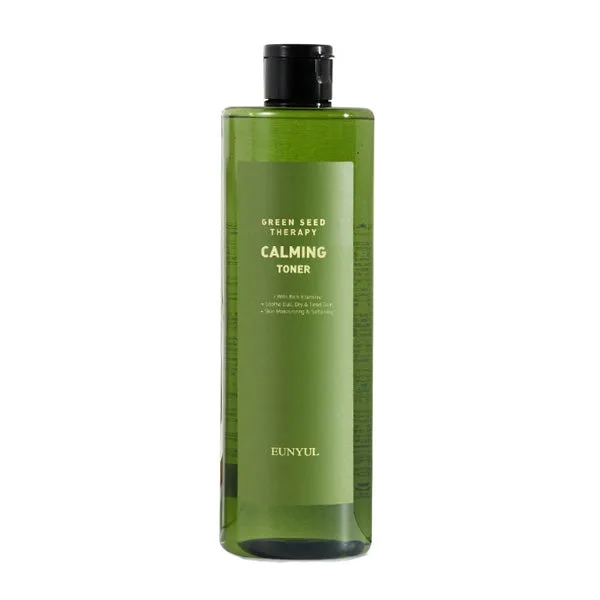
A half-litre bottle for the price of a sandwich, built on a glycerin-glycol base with a long list of green vegetable extracts (broccoli, kale, spinach, celery, cabbage, pea) plus chamomile, centella and licorice for calming.
A half-litre of pleasant, watery hydration for under nine dollars, with chamomile, centella and licorice adding genuine calming support. The broccoli-kale-spinach lineup behind the green seed name is more salad bowl than skincare, the formula has been revised over time, and there is fragrance, so it suits budget-minded normal, oily and combination skin rather than truly reactive skin.
Published ingredient lists for this toner disagree, which suggests a reformulation, and English-language reviews are scarce. The current DodoSkin list was used, with its common names converted to standard INCI names, so the scores may shift if a newer label differs.
Verdicts
How well it fits each concern
Verdict by concern tap a concern for the case
Good choicefor DehydrationIn your profileYou chose · Glycerin is a reference standard by mechanism for dehydration; this liquid carries it high in the ingredient list.Moderate evidenceStandard tolerabilityNo reviews collected yet
The case for it
Glycerin has trial-supported standing for this concern.
It is present at an effective concentration, declared or high in the ingredient list.
The formula carries no trigger this concern is sensitive to, with the cautions noted.
Same rule for everyone. “Good choice” is the verdict on 9,564 of 45,024 concern verdicts across the catalog; rule R5 decided 9,072 of them.
As of September 25, 2026, engine 5.1.1.
R5 — Trial-supported or guideline-supported active, adequately or plausibly dosed. · the full register
Carrying active
Glycerin
Standing
supported — its mechanism is established
Form
adequate — studied range 20%, from the trials on the row; needs leave-on contact; judge it after ~1 weeks
Tolerability
standard
Row checked
against its sources on July 17, 2026 (evidence table ev-2026.09-r228)
The studies behind the evidence row
USP glycerin monograph / Fluhr et al., glycerol and the skin (review) — glycerin is the reference humectant, drawing and holding water in the stratum corneum — reference work
Promisingfor DullnessIn your profileYou chose · Glycerin has trial-level evidence for dullness but no guideline or regulatory standing yet — promising, short of a recommendation; the other actives here are not yet assessed for it.Moderate evidenceStandard tolerabilityNo reviews collected yet
The case for it
Glycerin has trial-level evidence for this concern but no guideline or regulatory standing yet.
It is present at an effective concentration, declared or high in the ingredient list.
The formula carries no trigger this concern is sensitive to, with the cautions noted.
What would change this: Guideline or regulatory standing for the active on this concern would move this from a promising bet to a recommendation.
Same rule for everyone. “Promising” is the verdict on 7,858 of 45,024 concern verdicts across the catalog; rule R9p decided 7,858 of them.
As of September 25, 2026, engine 5.1.1.
R9p — 0.5.0: 'Unproven' beside three filled dots read as one question answered twice with opposite words (7,018 rows). The chip measures standing, the dots measure trial volume; where the row carries at least one RCT or a tier-2 source (moderate dots) and the active is present at a working level, the honest word is Promising. Unproven is reserved for plausible-standing rows with limited or weak evidence, or an under-dosed form. Same rank as Unproven — a bet either way; the dots order them. · the full register
Carrying active
Glycerin
Standing
plausible — trials support it
Form
adequate — studied range 2–20%, from the trials on the row; needs leave-on contact; judge it after ~1 weeks
Tolerability
standard
Row checked
against its sources on July 17, 2026 (evidence table ev-2026.09-r228)
The studies behind the evidence row
Harry's Cosmeticology / Baran & Maibach Textbook of Cosmetic Dermatology — humectant, emollient and occlusive classification — standard reference text
Does the jobDoes what a toner is for: not alcohol-driven, adds something real. Not measured from the label: restores skin pH, plays well with what follows.
A verdict is DermApproved’s assessment of how well a product’s ingredients fit a concern — never a claim about what the product treats. Evidence dots and collected reviews sit beside it and are never blended in.
Rules 0.5.1 · evidence table ev-2026.09-r228 · how we decide
Assessment
Pros & Cons
Pros
✓ Very low price for a 500 ml bottle
✓ Glycerin-based formula hydrates without stickiness
✓ Chamomile, centella and licorice add genuine soothing support
✓ Thin texture layers under any serum without pilling
✓ Large size makes cotton-pad masks affordable
✓ No drying alcohol
Cons
✗ Contains fragrance despite the calming positioning
✗ Vegetable extracts are marketing more than function
✗ Formula has changed between retailer listings
✗ Flip-cap bottle makes it easy to overpour
✗ Too basic to address redness or dark spots
Review
Full Review
Read the middle of the Eunyul Green Seed Therapy Calming Toner's ingredient list aloud and it sounds like a shopping list for a green smoothie: broccoli, celery, spinach, cabbage, pea, kale, kiwi and grape. The bottle's small print promises rich vitamins, and the deep green plastic completes the picture. It is a charming concept, and the product is pleasant to use. But the part of the formula that does most of the work sits before any vegetable is mentioned, and it is far less photogenic: water, butylene glycol, glycerin and dipropylene glycol.
Those four ingredients make this a hydrating toner in the most traditional sense. Glycerin in particular is one of the most reliable moisturisers in skincare, drawing water into the outer layers of the skin and softening the tight feeling that follows cleansing. Butylene glycol and dipropylene glycol add a light slip and help the extracts dissolve. The result is a thin, clear liquid that absorbs almost instantly and leaves skin soft, never sticky. For a first step after cleansing, it does exactly what most people need.
The vegetable extracts are where expectations should be managed. Plant extracts in toners are typically present at low concentrations, and the vitamins in broccoli or spinach do not survive extraction, dilution and a long shelf life in any quantity that would matter to skin. They contribute some antioxidant compounds and a story. That is not a criticism unique to Eunyul; it is simply how most extract-heavy toners work. The benefit comes from the base and from a few specific soothing agents, not from eating your greens through your face.
Those soothing agents are the pleasant surprise in the current version. The most recent ingredient list, published by the US retailer DodoSkin, places chamomile first among the botanicals, followed by Japanese plum, peony and centella, with dipotassium glycyrrhizate, a licorice derivative known for reducing redness, after the preservative. Trehalose, a sugar that helps skin hold water, and panthenol appear near the end. Earlier listings for the same product showed a different lineup, with mugwort and polyglutamic acid instead. Eunyul appears to have revised the formula while keeping the same bottle, and one Korean retailer describes the older version as discontinued. This review follows the current label, but anyone buying from a reseller with older stock may receive the earlier formula. Both versions share the glycerin base, the vegetables and the fragrance.
That fragrance is the main drawback. It is light, green and fresh, and it fades quickly, but it sits in a product marketed for calming, which is a contradiction for genuinely sensitive or rosacea-prone skin. Chamomile, too, is a daisy-family plant that can occasionally trigger reactions in people allergic to ragweed or related plants. For most normal, oily and combination skin types, none of this will matter. For reactive skin, a fragrance-free toner with a similar humectant base is a safer bet.
In daily use, the toner is easy to love for its practicality. The 500 millilitre bottle lasts four to five months when applied with the hands, and the price, under nine dollars at DodoSkin, makes it one of the cheapest toners per millilitre you can find. That size and price also make it ideal for cotton-pad masking: soak two pads, lay them on the cheeks for five or ten minutes, and you have an inexpensive calming ritual after sun exposure or a long day. It layers under every kind of serum without pilling, and it does not interfere with actives like retinoids or vitamin C that follow it.
It is worth being clear about what it will not do. It will not exfoliate, fade dark spots or treat acne. It will not calm a rosacea flare or repair a badly damaged barrier. It is a comfortable, hydrating preparation step, and at this price that is a perfectly respectable job.
There is also a practical point about the bottle. A flip cap on a half-litre bottle makes it easy to pour too much, so many people decant a smaller amount into a travel bottle or pump dispenser for daily use. Keeping the main bottle closed and out of the bathroom's heat and light helps the extracts and the preservative system last the full shelf life.
Eunyul is a long-running budget Korean brand, known mainly for sheet masks and horse-oil products, and its Seed Therapy line applies the same philosophy to basics: simple formulas in big bottles at low prices. Independent testing does not exist, and English-language reviews are sparse, but nothing in the formula raises concerns beyond the fragrance.
The bottom line is simple. If you want an affordable, generously sized hydrating toner and enjoy a light green scent, this is excellent value, especially for oily or combination skin and for cotton-pad masks. If your skin is truly sensitive, or you are buying it for the vitamins in the vegetables, look elsewhere.
Formula
Key Ingredients
The hero actives that drive this product's performance.
With butylene glycol and dipropylene glycol it forms almost the whole working base, giving this large bottle its soft, hydrating splash before the extracts even begin.
Established mechanismfor Dehydration · established mechanism
The first botanical in the current formula and the one most aligned with the calming claim, ahead of the vegetable extracts the green seed name refers to.
A licorice-derived anti-redness ingredient placed right after the preservative, which gives the calming promise more substance than the vegetable blend does.
Pat on with palms or a cotton pad straight after cleansing; the thin, watery texture layers under any serum without pilling.
Results Timeline
Immediate: skin feels refreshed and slightly softer after the tightness of cleansing. Short-term (1-2 weeks): comfortable, well-prepped skin for serums. It is not expected to change redness or tone over the long term.
Pairs Well With
A niacinamide or hyaluronic acid serumA light gel or cream moisturiserCotton pads for a quick toner mask
The functional core of this toner is its humectant base. Glycerin is among the most studied moisturising ingredients in dermatology; controlled studies show it increases stratum corneum hydration and improves barrier function, and it is effective even at modest concentrations. Butylene glycol and dipropylene glycol are lighter humectants and solvents that improve spreadability. Trehalose, a disaccharide, stabilises water within the skin surface and is valued for its protective, water-retaining properties.
Several ingredients support the calming claim. Dipotassium glycyrrhizate, derived from licorice root, has documented anti-inflammatory activity, including inhibition of inflammatory mediators in laboratory models, and is widely used to reduce visible redness. Centella asiatica extract contains triterpenoids such as madecassoside and asiaticoside, which have been associated with wound healing and anti-inflammatory effects. Chamomile flower extract contains bisabolol and apigenin, compounds with anti-inflammatory properties, although chamomile can occasionally cause allergic contact dermatitis, particularly in people sensitised to other Asteraceae plants. Panthenol, the provitamin form of B5, supports barrier repair and hydration.
The vegetable extracts, including broccoli, kale, cabbage, spinach, celery and pea, contain polyphenols, glucosinolate derivatives and carotenoids with antioxidant activity in vitro. Broccoli-derived sulforaphane has been investigated for UV protection in laboratory studies, but those effects depend on specific, standardised preparations and concentrations far higher than those typical of a toner. Vitamins such as C and folate degrade during extraction and storage, so the rich-vitamins claim should be interpreted loosely. Overall, the toner's measurable benefits are hydration and mild soothing.
Dermatologist Perspective
Toners are generally regarded in dermatology as optional, with hydrating toners offering comfort after cleansing and a vehicle for humectants. Clinicians often recommend fragrance-free products for patients with sensitive skin, rosacea or eczema, since fragrance is a leading cause of cosmetic contact allergy. Ingredients such as dipotassium glycyrrhizate, centella and panthenol are commonly included in formulations aimed at irritated skin, and they are considered well tolerated by most people. Chamomile is a known, if uncommon, allergen for those sensitive to the daisy family. For persistent redness, clinical guidance focuses on gentle cleansing, barrier-supporting moisturisers, daily sunscreen and, where appropriate, prescription treatments.
Guidance
Usage & Recommendations
How to Use
After cleansing, pour a small amount into your palms or onto a cotton pad and pat or sweep it over the face and neck. Let it absorb for a few seconds, then continue with serum and moisturiser, and sunscreen in the morning. For a quick soothing mask, soak two or three cotton pads, place them on the cheeks or forehead for five to ten minutes, and pat in any remaining liquid. Use morning and evening. Decanting into a smaller pump bottle helps avoid overpouring from the large flip-cap bottle.
Value Assessment
At $8.97 for 500 ml from DodoSkin, this toner costs under two cents per millilitre, making it one of the best-value hydrating toners available. The glycerin base and soothing agents deliver real, if basic, benefits, and the size allows generous use and cotton-pad masking. The vegetable extracts and vitamin claims do not add much, and the formula has changed over time, but for everyday hydration the value is excellent. Eunyul's long history as a Korean budget brand supports consistent quality at this price point.
Who Should Buy
People with normal, oily or combination skin who want an inexpensive, generously sized hydrating toner, and anyone who likes cotton-pad masking as a regular ritual. It suits budget-conscious shoppers who prefer a light, fresh scent.
Who Should Skip
Anyone with very sensitive, rosacea-prone or eczema-prone skin, or a known fragrance or daisy-family allergy, should choose a fragrance-free toner. Those seeking exfoliation, brightening or real vitamin delivery will not find it here.
Ready to try Eunyul Green Seed Therapy Calming Toner?
A thin, clear, water-like liquid with a faint slip.
Scent
A light green, herbal-fresh perfume.
Packaging
A 500 ml translucent green bottle with a black flip cap.
Finish
naturallightweight
What to Expect on First Use
Feels cool and refreshing, absorbs almost immediately and leaves skin soft rather than sticky. There is no tingle or adjustment period. Fragrance-sensitive users may notice mild itching.
How Long It Lasts
Four to five months of twice-daily use with the hands, less if used generously on cotton pads.
Eunyul's Seed Therapy range colour-codes its toners and cleansers by theme: green for calming, black for moisturising, yellow for vitality. The green toner has been reworked over time, with the current label adding chamomile, centella and trehalose to the vegetable blend.
About Eunyul Established Brand (5–20 years)
Eunyul is a budget Korean brand sold widely through mass and online retailers, best known for inexpensive sheet masks and a horse-oil (mayu) range. Its products are affordable and accessibly formulated rather than clinically advanced, with limited brand-specific research.
Brand founded: 2010
Myth vs. Reality
Common Myths
Myth
The vegetable extracts deliver a dose of vitamins to the skin.
Reality
Plant extracts at these levels contribute trace amounts of vitamins and antioxidants. Skin benefits come mostly from the glycerin base and the soothing agents.
Myth
A calming toner will fix redness.
Reality
Chamomile, centella and licorice can make skin feel more comfortable, but persistent redness or rosacea needs targeted treatment, and fragrance can work against calming.
FAQ
Frequently Asked Questions
Is Eunyul Green Seed Therapy Calming Toner good for sensitive skin?
It contains soothing agents such as chamomile, centella and dipotassium glycyrrhizate, but it is also fragranced, so very sensitive skin should patch test or choose a fragrance-free toner.
Has the Eunyul Green Seed toner been reformulated?
Yes, the ingredient lists differ between retailers. The current DodoSkin list adds chamomile, centella and trehalose, while an older version featured mugwort and polyglutamic acid.
Can I use the Eunyul green toner as a cotton pad mask?
Yes. Soak two cotton pads, lay them on the cheeks for five to ten minutes, then pat in the rest. The large bottle makes this affordable.
Does Eunyul's Green Seed toner contain alcohol?
No drying alcohol is listed. The base is water, butylene glycol, glycerin and dipropylene glycol.
Is the Green Seed Therapy toner suitable for oily skin?
Yes. It is watery, oil-free and leaves no residue, which suits oily and combination skin well.
How long does a 500 ml bottle of Eunyul toner last?
Used twice daily with the hands, roughly four to five months; with cotton pads, closer to two or three.
Reviews
What Reviewers Tend to Say
Recurring themes our editors read across retailer reviews of this product — summaries in our words, not quotations, and not a substitute for your own patch test.
Chamomile's active fraction inhibits the same inflammatory pathways a steroid does, at a fraction of the strength — and the version that works best is grubbed out of Brazilian cerrado, while the synthetic substitute is half inactive by construction.
Licorice root is skincare's rare two-in-one: a pigment inhibitor and an anti-inflammatory in the same molecule — which is exactly why reactive skin should know it.
Every cica, calming, and barrier product leans on the same three ingredients, and the real mechanisms are far more specific — and more limited — than 'soothing' lets on.
The K-beauty buzzword slaps a green leaf on half the shelf — but centella is one of the rare botanicals with genuine wound-healing data. The trick is knowing which molecule is doing the job.
Products, answers, therapy guides, tools and articles in one search. Brand names,
slang and abbreviations all work — accutane finds isotretinoin, bacne finds truncal acne.