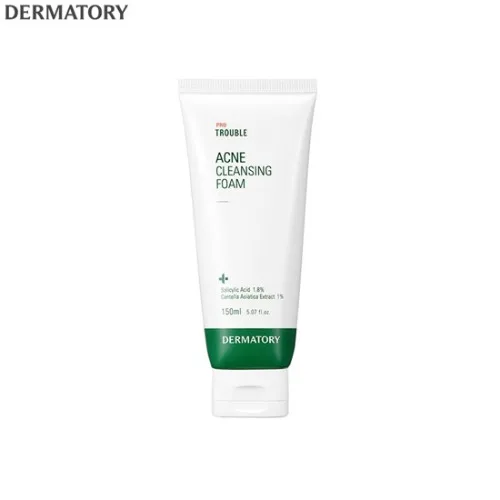
It combines a declared 1.8 percent salicylic acid with a classic potassium-soap foam and centella, giving oily, breakout-prone skin a thick, satisfying lather that also delivers a meaningful dose of BHA.
A thick, satisfying acne foam that combines a declared 1.8 percent salicylic acid with a potassium-soap lather and centella, leaving oily, breakout-prone skin thoroughly clean. The soap base, exfoliating acid and fragrance make it too drying for sensitive or dry skin, and like any rinse-off BHA, it works best as a supporting step rather than the main acne treatment.
Product-level reviews for this foam are limited, so the assessment relies on its declared 1.8 percent salicylic acid and on research into BHA and soap-based cleansers. The finished formula's pH is not published, which matters for both salicylic acid efficacy and barrier impact.
Verdicts
How well it fits each concern
Verdict by concern tap a concern for the case
Good choicefor AcneIn your profileYou chose · Salicylic Acid is an approved or monograph active for acne; this rinse-off foam carries it at 1.8% — short contact still counts for this active, but a leave-on does more.Moderate evidenceStandard tolerabilityNo reviews collected yet
The case for it
Salicylic Acid is a first-line active — approved, monograph-listed or named in current guidelines — for this concern.
It is present at an effective concentration, declared or high in the ingredient list.
The formula carries no trigger this concern is sensitive to, with the cautions noted.
Cautions: fragrance; fungal-acne triggers.
Same rule for everyone. “Good choice” is the verdict on 9,564 of 45,024 concern verdicts across the catalog; rule R2r decided 408 of them.
As of September 25, 2026, engine 5.1.1.
R2r — Rinse-off exceptions (BPO wash, salicylic acid cleanser) deliver a real but smaller effect than the leave-on form; they cap at 'good choice'. Medicated shampoos for scalp concerns are exempt — the shampoo is the treatment form. Editorial decision 2 Sep 2026, pending advisory review. · the full register
Carrying active
Salicylic Acid
Standing
first line — a regulator recognises it for this use; trials support it · per § 333.310 Acne active ingredients. (U.S. Food and Drug Administration — 21 CFR Part 333 Subpart D (Topical Acne Drug Products), Code of Federal Regulations via GovInfo), opened July 27, 2026
Form
adequate (declared 1.8%) — studied range 0.5–2%, from the OTC monograph or label; judge it after ~6 weeks
Tolerability
standard — fragrance load, fungal triggers
Row checked
against its sources on July 27, 2026 (evidence table ev-2026.09-r228)
Good choicefor BlackheadsIn your profileYou chose · Salicylic Acid is an approved or monograph active for blackheads; this rinse-off foam carries it at 1.8% — short contact still counts for this active, but a leave-on does more.Moderate evidenceStandard tolerabilityNo reviews collected yet
The case for it
Salicylic Acid is a first-line active — approved, monograph-listed or named in current guidelines — for this concern.
It is present at an effective concentration, declared or high in the ingredient list.
The formula carries no trigger this concern is sensitive to, with the cautions noted.
Cautions: fungal-acne triggers.
Same rule for everyone. “Good choice” is the verdict on 9,564 of 45,024 concern verdicts across the catalog; rule R2r decided 408 of them.
As of September 25, 2026, engine 5.1.1.
R2r — Rinse-off exceptions (BPO wash, salicylic acid cleanser) deliver a real but smaller effect than the leave-on form; they cap at 'good choice'. Medicated shampoos for scalp concerns are exempt — the shampoo is the treatment form. Editorial decision 2 Sep 2026, pending advisory review. · the full register
Carrying active
Salicylic Acid
Standing
first line — a regulator recognises it for this use; trials support it · per 21 CFR § 333.350 - Labeling of acne drug products. (US Code of Federal Regulations (Legal Information Institute, Cornell Law School)), opened July 27, 2026
Form
adequate (declared 1.8%) — studied range 0.5–2%, from the OTC monograph or label; judge it after ~6 weeks
Tolerability
standard — fungal triggers
Row checked
against its sources on July 27, 2026 (evidence table ev-2026.09-r228)
The studies behind the evidence row
OTC monograph, Topical Acne Drug Products — salicylic acid 0.5–2% recognized as an acne treatment active — US Food and Drug Administration
Supporting rolefor Excess OilinessIn your profileYou chose · Rinse-off foam: Salicylic Acid gets seconds of contact, so this supports a routine for excess oiliness rather than treating it.Moderate evidenceStandard tolerabilityNo reviews collected yet
The case for it
Salicylic Acid has early or mechanistic evidence for this concern, not trial-backed standing.
It is in a rinse-off product, so it gets seconds of contact rather than the leave-on exposure the evidence assumes.
The formula carries no trigger this concern is sensitive to, with the cautions noted.
Cautions: fungal-acne triggers.
What would change this: The same active in a leave-on form would be judged on its evidence rather than its contact time.
Same rule for everyone. “Supporting role” is the verdict on 8,197 of 45,024 concern verdicts across the catalog; rule R6 decided 2,017 of them.
As of September 25, 2026, engine 5.1.1.
R6 — Contact time cannot deliver a leave-on claim; the product is judged on its job (cleansing without aggravating). Explicit exceptions (BPO wash, SA cleanser, medicated shampoos) never reach this rule because their rows set rinse_off_ok. · the full register
Carrying active
Salicylic Acid
Standing
plausible — trials support it
Form
contact limited — studied range 30%, from the trials on the row; needs leave-on contact; judge it after ~6 weeks
Tolerability
standard — fungal triggers
Row checked
against its sources on July 17, 2026 (evidence table ev-2026.09-r228)
Does the jobDoes what a cleanser is for: puts something back, surfactant mildness. Not measured from the label: pH match to skin.
A verdict is DermApproved’s assessment of how well a product’s ingredients fit a concern — never a claim about what the product treats. Evidence dots and collected reviews sit beside it and are never blended in.
Rules 0.5.1 · evidence table ev-2026.09-r228 · how we decide
Assessment
Pros & Cons
Pros
✓ Declared 1.8 percent salicylic acid for pore care
✓ Thick, cushiony foam that cleans oil thoroughly
✓ Centella and plant extracts add soothing support
✓ Glycerin helps reduce post-wash tightness
✓ Good value for a BHA cleanser
✓ Helps reduce small breakouts and congestion over weeks
Cons
✗ Alkaline potassium-soap base can dry and irritate
✗ Combination of soap and BHA may sting sensitive skin
✗ Contains added fragrance
✗ Short rinse-off contact limits salicylic acid benefit
✗ Myristic and lauric acids may concern very clog-prone users
✗ Increasingly hard to find at some international retailers
Review
Full Review
On the label, the Dermatory Pro Trouble Acne Cleansing Foam emphasises soothing: centella asiatica, plant-derived surfactants, 25 percent moisturizing ingredients and skin irritation testing. Look at the ingredient list, though, and the first ingredients after water are myristic acid, glycerin, methylpropanediol and potassium hydroxide. That combination, together with lauric, palmitic and stearic acids further down, means the foam is built on potassium soap. Add 1.8 percent salicylic acid and fragrance, and you have a cleanser that is effective for oily, acne-prone skin but decidedly not gentle, whatever the packaging suggests.
Start with the good news. The declared 18,000ppm salicylic acid, or 1.8 percent, is a meaningful dose. Salicylic acid is oil-soluble, allowing it to penetrate sebum-filled pores, where it helps loosen the dead cells and oil that form blackheads and small breakouts. In a rinse-off cleanser, contact time is brief, so the benefit is smaller than with a leave-on BHA, but leaving the lather on for thirty to sixty seconds before rinsing gives the acid a better chance to work. Over several weeks of daily use, many people with oily, congested skin notice fewer clogged pores and small breakouts.
The soap base provides the rest of the experience. Potassium soaps produce a thick, bouncy, cushiony foam that lifts oil and sunscreen efficiently and leaves the skin feeling very clean. Coco-glucoside, a mild plant-derived surfactant, softens the lather, and glycerin, third in the list, cushions the soap and reduces the tight feeling afterward. For oily skin, the result is a satisfying, deep-clean sensation that lasts.
The complication is pH. Soap-based cleansers are alkaline, and salicylic acid itself is most effective at a lower pH. The formula's final pH is not published, but combining an acid with a soap base inevitably involves compromise, and alkaline cleansing is associated with more barrier disruption and tightness than low-pH syndet cleansers. For resilient, oily skin, that may not matter much. For dry, sensitive or eczema-prone skin, it can mean tightness, redness or stinging, particularly around the nose and mouth.
The soothing ingredients are a welcome effort. Centella asiatica extract appears right after the salicylic acid, and fig, toothache plant, elm root and amaranth extracts, hydrogenated lecithin and a touch of ceramide NP are included to calm and support the skin. In a rinse-off product, however, their effect is limited; they make the cleanse feel nicer but cannot fully offset the drying potential of soap and BHA combined.
Fragrance is added at the end of the list. It is noticeable during use and fades after rinsing, but it is another consideration for sensitive skin. The fatty acids myristic and lauric acid are sometimes flagged on comedogenicity lists; in a rinse-off soap they are far less concerning than in a leave-on product.
How the cleanser fits into an acne routine matters. Because it already contains BHA, stacking it with other strong exfoliants or retinoids can lead to over-drying. A sensible approach is to use it once daily, perhaps in the morning, with a leave-on treatment such as adapalene, benzoyl peroxide or azelaic acid at night, and to follow every wash with a hydrating, fragrance-free moisturizer. If the skin feels tight or stings, reducing frequency or switching to a gentler cleanser on some days is wise.
There is also an argument for keeping expectations modest. Cleansers, even those with good actives, are supporting players in acne care. Moderate or inflammatory acne generally needs leave-on treatments and sometimes prescription therapy, and cysts or scarring warrant a dermatologist. This foam can help keep oily, congested skin clearer, but it is not a cure.
Technique makes a surprising difference with a cleanser like this. Using lukewarm rather than hot water reduces how much the soap strips from the skin. Applying the foam only to the oily, congested zones, typically the forehead, nose and chin, and letting it merely pass over the drier cheeks during rinsing, can make the cleanser workable for combination skin that would otherwise find it too harsh. Patting the face dry rather than rubbing, and applying moisturizer within a minute or two, helps the barrier recover.
Season matters too. In humid summer months, when oil production peaks, a twice-daily BHA foam may feel perfectly comfortable. In winter, when indoor heating dries the air, the same routine can tip skin into flaking and sensitivity. Dropping to once a day in colder months, or alternating with a gentle, non-foaming cleanser, is an easy adjustment that keeps the benefits without the drawbacks.
Pregnant users should note that guidance on salicylic acid in pregnancy varies; low concentrations in rinse-off cleansers are often considered acceptable, but checking with a clinician is sensible.
The cleanser has been sold since around 2020 and remains available through Korean retailers, although some international stores have delisted it. Product-level review data is limited, but the feedback available praises the rich foam and the reduction in small breakouts, while noting dryness and the fragrance.
Value is good. At about fourteen dollars for 150ml regular price, and only a pea-sized amount needed, a tube lasts two to three months.
For oily, combination, breakout-prone skin that enjoys a rich lather and tolerates soap-based cleansers, this is an effective, affordable option. For dry, sensitive, eczema-prone or rosacea-prone skin, a low-pH, fragrance-free BHA cleanser or a simple gentle cleanser paired with a leave-on BHA would be kinder.
Formula
Key Ingredients
The hero actives that drive this product's performance.
The declared 18,000ppm salicylic acid is the cleanser's acne active, an oil-soluble BHA that helps loosen sebum and dead cells in pores during the lather's short contact time.
These fatty acids react with potassium hydroxide to form the potassium soaps that create the dense, cushiony foam and give the cleanser its strong oil-removing power.
Use as the main cleanse on oily, breakout-prone skin, leaving the lather on for 30 to 60 seconds before rinsing so the salicylic acid has time to work. Follow with a hydrating, fragrance-free moisturizer, and avoid pairing with other strong exfoliants in the same routine.
Results Timeline
Skin feels thoroughly clean and less oily immediately. With daily use, fewer clogged pores and small breakouts may be noticed over four to six weeks.
Salicylic acid is a beta hydroxy acid with lipophilic properties that allow it to penetrate sebum within follicles, where it disrupts the cohesion of corneocytes and reduces comedone formation. It also has mild anti-inflammatory effects. In the United States, salicylic acid at 0.5 to 2 percent is recognised in the acne monograph, and cleansers are a common delivery format. Rinse-off products provide shorter contact than leave-on formulations, which generally limits their efficacy, though studies of salicylic acid cleansers have shown reductions in acne lesions compared with vehicle.
Soap-based cleansers formed from fatty acids and potassium hydroxide are alkaline. Research on skin surface pH has linked alkaline cleansing to temporary increases in pH, reduced barrier lipids and increased transepidermal water loss, with greater effects in sensitive or eczema-prone skin. Syndet cleansers with a pH closer to the skin's natural acidity tend to be less disruptive. Salicylic acid's activity also depends on pH, with the free acid form being more available at lower pH.
Centella asiatica contains triterpenes with anti-inflammatory and wound-healing activity, though evidence for benefits from rinse-off exposure is limited. Glycerin reduces the drying effect of surfactants by maintaining stratum corneum hydration. Fragrance is a leading cause of cosmetic contact allergy.
Clinical acne management typically combines cleansing with leave-on treatments such as retinoids, benzoyl peroxide or azelaic acid, and supportive moisturizers to maintain barrier function.
Dermatologist Perspective
Salicylic acid cleansers are commonly recommended by dermatologists for oily, comedonal acne, often alongside leave-on treatments. Clinicians would appreciate the declared 1.8 percent dose but would caution that a soap-based, fragranced formula may be too drying for patients with sensitive skin or those using retinoids or benzoyl peroxide. Standard advice includes using a gentle, fragrance-free moisturizer after cleansing, avoiding over-washing, and adjusting frequency if irritation develops. For moderate to severe acne, clinicians rely on leave-on therapies and prescription treatments, with cleansers playing a supportive role.
Guidance
Usage & Recommendations
How to Use
Wet the face, then squeeze a pea-sized amount into the palm and work it into a thick foam with a little water. Massage over the face, focusing on oily and congested areas, and leave the lather on for 30 to 60 seconds before rinsing with lukewarm water. Use once daily to start, increasing to twice if skin tolerates it. Follow with a fragrance-free moisturizer. Reduce frequency if skin feels tight or irritated, and avoid layering other strong exfoliants in the same routine.
Value Assessment
At about fourteen dollars for 150ml regular price, the foam offers good value for a cleanser with a declared 1.8 percent salicylic acid. A tube lasts two to three months with a pea-sized amount per wash. The soothing botanicals are a pleasant bonus, though the soap base limits the audience. Availability is patchier outside Korea than it once was. It is sold in a single 150ml size.
Who Should Buy
Oily and combination skin prone to blackheads and small breakouts that enjoys a rich, deep-cleaning lather and tolerates soap-based cleansers well, particularly those looking for an affordable daily BHA cleanse.
Who Should Skip
Dry, sensitive, eczema-prone or rosacea-prone skin should choose a low-pH, fragrance-free cleanser instead. People already using strong retinoids or multiple exfoliants may find it over-drying.
Ready to try Dermatory Pro Trouble Acne Cleansing Foam?
A thick, cream-type paste that whips into a dense, cushiony, bouncy foam with a little water.
Scent
A fresh added fragrance noticeable during use.
Packaging
A 150ml squeeze tube with a flip cap.
Finish
matte
What to Expect on First Use
The foam feels luxurious and cleans oil thoroughly. Oily skin usually enjoys the fresh after-feel; drier or sensitive skin may feel tight or slightly stingy, especially around the nose and mouth.
How Long It Lasts
About two to three months with a pea-sized amount once or twice daily.
Dermatory built its Pro Trouble line for acne-prone skin, and this foam became its anchor cleanser, pairing salicylic acid with centella and plant extracts for a treatment-style daily wash.
About Dermatory Established Brand (5–20 years)
Dermatory is a Korean dermo-cosmetic brand from the CLIO group. Its Pro Trouble line targets acne-prone skin; this foam, sold since around 2020, declares 1.8 percent salicylic acid, though no product-specific clinical testing is published.
Brand founded: 2018 · Product launched: 2020
Myth vs. Reality
Common Myths
Myth
A salicylic acid cleanser works as well as a leave-on BHA.
Reality
Rinse-off contact is short, so much of the acid washes away. Leaving the lather on for up to a minute helps, but leave-on products deliver more consistent results.
Myth
Tight skin after washing means pores are clean.
Reality
Tightness usually signals that the cleanser has removed some of the skin's own lipids. Pore cleaning is about sebum and cell buildup, not squeaky feelings.
FAQ
Frequently Asked Questions
How much salicylic acid is in the Dermatory Pro Trouble Acne Foam?
The label declares 18,000ppm, which is 1.8 percent salicylic acid, alongside centella extract and plant-derived surfactants.
Is the Dermatory acne foam good for sensitive skin?
It can be drying for sensitive or dry skin because of the soap base, salicylic acid and fragrance. It suits oily, resilient skin best.
How should I use a salicylic acid cleanser for best results?
Lather it on damp skin and leave it for 30 to 60 seconds before rinsing, giving the salicylic acid time to reach pores. Follow with a hydrating moisturizer.
Can I use this cleanser with retinoids?
Combining a BHA cleanser with retinoids can increase dryness. Many people use the cleanser in the morning and the retinoid at night, or reduce cleanser frequency.
Is the Pro Trouble Acne Cleansing Foam safe during pregnancy?
Low-concentration salicylic acid in rinse-off cleansers is often considered acceptable, but guidance varies. Consult a clinician before using BHA products while pregnant.
Does the Dermatory acne foam contain fragrance?
Yes, fragrance is listed at the end of the formula. Fragrance-sensitive skin may prefer an unscented BHA cleanser.
Reviews
What Reviewers Tend to Say
Recurring themes our editors read across retailer reviews of this product — summaries in our words, not quotations, and not a substitute for your own patch test.
Western sensitive skincare works by subtraction — remove the fragrance, remove the alcohol, shorten the list. Japan's answer adds a designed molecule back in, and one of the two bets has a trial literature.
Topically, the molecule the argument tells you to avoid is one the stratum corneum is structurally built from — and in acne-prone skin the documented finding is a shortage of it.
A wrecked barrier is the most common self-inflicted skin condition and the one with the clearest fix — the difficulty is that the routine which caused it feels productive and the one that repairs it feels like giving up.
Eczema care has quietly split into two worlds: the ceramide-and-occlusion basics that manage most cases, and a new class of drugs rewriting what's possible for severe disease. Knowing which world you're in changes the whole plan.
Jun 5, 2026· 6 min
Questions people ask about Acne
Verified answers from our questions library — the nuance a product page cannot carry.
Products, answers, therapy guides, tools and articles in one search. Brand names,
slang and abbreviations all work — accutane finds isotretinoin, bacne finds truncal acne.