Niacinamide vs Vitamin C: You're Asking the Wrong Question
They brighten through completely different machinery — which is exactly why the 'pick one' framing is a trap.
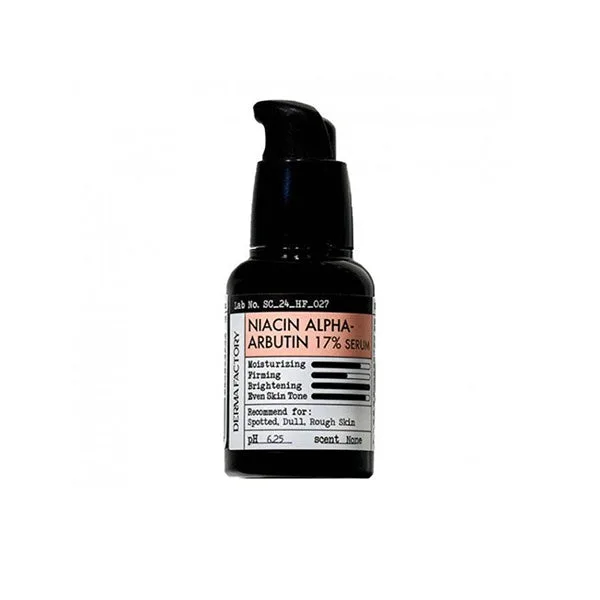
It combines three brightening mechanisms in one inexpensive serum: niacinamide blocks pigment transfer, alpha-arbutin inhibits tyrosinase, and ethyl ascorbyl ether adds a stable vitamin C derivative. The percentages are declared on the label, which few budget brightening serums do.
An inexpensive, fragrance-free brightening serum that attacks pigment from three directions with 15 percent niacinamide, 2 percent alpha-arbutin and a stable vitamin C derivative. It is one of the best-value dark-spot serums around for oily and combination skin, but the high niacinamide dose can flush sensitive skin, and results still take months with sunscreen.
Verified reviews for this specific serum are scarce, so the rating relies on its declared concentrations and the published evidence for niacinamide and alpha-arbutin. Topical glutathione and sea buckthorn water have limited research, and their contribution is treated conservatively.
The case for it
Same rule for everyone. “Good choice” is the verdict on 9,564 of 45,024 concern verdicts across the catalog; rule R5 decided 9,072 of them. As of September 25, 2026, engine 5.1.1.
Brand or formulator? Disclose a concentration or correct a fact →
The studies behind the evidence row
The case for it
What would change this: Guideline or regulatory standing for the active on this concern would move this from a promising bet to a recommendation.
Same rule for everyone. “Promising” is the verdict on 7,858 of 45,024 concern verdicts across the catalog; rule R9p decided 7,858 of them. As of September 25, 2026, engine 5.1.1.
Brand or formulator? Disclose a concentration or correct a fact →
The studies behind the evidence row
The case for it
Cautions: fungal-acne triggers.
What would change this: Guideline or regulatory standing for the active on this concern would move this from a promising bet to a recommendation.
Same rule for everyone. “Promising” is the verdict on 7,858 of 45,024 concern verdicts across the catalog; rule R9p decided 7,858 of them. As of September 25, 2026, engine 5.1.1.
Brand or formulator? Disclose a concentration or correct a fact →
The studies behind the evidence row
Also listed for Dullness — the actives here (Sea Buckthorn, Niacinamide, Alpha Arbutin, Vitamin C) are in our research queue for that concern; there is no verdict until their evidence rows are written. That is a gap in our table, not a mark against the product.
Where our review and the verdict differ. The review below was written on the formulation and the published trials; the verdicts above apply the stricter standing test in our methodology — an active earns a recommendation only with guideline or regulatory standing for the concern. Where the two disagree, the verdict is DermApproved’s position.
A verdict is DermApproved’s assessment of how well a product’s ingredients fit a concern — never a claim about what the product treats. Evidence dots and collected reviews sit beside it and are never blended in. Rules 0.5.1 · evidence table ev-2026.09-r228 · how we decide
The number on the bottle is 17 percent, and it is easy to assume it refers to a single ingredient. It does not. Derma Factory arrives at 17 by adding 15 percent niacinamide to 2 percent alpha-arbutin, and it is a clever way to signal something that matters more than any single percentage: this serum attacks uneven pigment through more than one mechanism.
Pigmentation is not a single process. Melanocytes produce melanin with the help of the enzyme tyrosinase; the melanin is packaged into melanosomes; and those packages are transferred to the surrounding skin cells that we actually see. Different ingredients interrupt different steps. Alpha-arbutin, at the widely used 2 percent level, inhibits tyrosinase, reducing how much melanin is made. Niacinamide works further downstream, reducing the transfer of melanosomes to surface cells. Ethyl ascorbyl ether, a stable vitamin C derivative present at 1 percent, adds antioxidant protection and its own mild tyrosinase-inhibiting effect. Stacking these mechanisms is a sensible strategy, and it is one reason combination products often outperform single-ingredient ones for dark spots.
The niacinamide dose deserves some discussion. Fifteen percent is high. Most clinical studies showing brightening and barrier benefits used 2 to 5 percent, and there is little evidence that tripling the dose triples the benefit. Higher concentrations may help with oil control and the look of pores, which is why they have become popular, but they also increase the likelihood of temporary redness, flushing or a tingling sensation, particularly in sensitive skin. Many people tolerate it without issue, but the sensible approach is to start once daily and see how your skin responds.
The remaining ingredients support the actives. Sea buckthorn water, marketed as vitamin tree water, forms 67 percent of the formula in place of plain water and adds a mild antioxidant background. Glycerin and butylene glycol hydrate. Liposomal glutathione, at 1 percent, is included for its antioxidant and brightening reputation, though topical glutathione has limited clinical evidence and should be seen as a supporting player. Caramel appears near the end as a colourant, which gives the serum its tint. There is no fragrance, no essential oils, no alcohol and no oils, which makes the serum suitable for fragrance-sensitive skin and compatible with fungal-acne routines.
In use, the serum is easy. The pump dispenses a controlled amount, the light gel texture spreads quickly and absorbs without stickiness, and it layers well under moisturizer and sunscreen. It plays nicely with other actives: tranexamic acid in a separate product, azelaic acid, a retinoid at night or a gentle exfoliant a few times a week. Because the serum already contains three brightening agents, there is little need to add more unless you are working with a dermatologist on stubborn pigmentation.
Expectations should be realistic. Brightening ingredients work slowly, and the most important factor in any pigment routine is daily broad-spectrum sunscreen. Without it, UV exposure continuously stimulates melanin production and can outweigh the benefits of even well-formulated serums. With consistent use and sun protection, most people can expect gradual improvement in dark spots, post-acne marks and overall evenness over eight to twelve weeks. Melasma is more stubborn and often needs a broader plan.
A practical routine built around this serum can be very short. In the morning: a gentle cleanser, a hydrating toner, two pumps of this serum, a light moisturizer and a generous layer of sunscreen. At night: cleanser, the serum again, and either a retinoid or azelaic acid a few nights a week, followed by moisturizer. That routine addresses pigment from several angles without piling on products, and it keeps the number of potential irritants low. People with oily skin often notice a secondary benefit, since high niacinamide can reduce the look of shine and enlarged pores over a few weeks.
It is also worth mentioning the colour. Caramel near the end of the list gives the serum a faint amber tint, which is purely cosmetic and not a sign of oxidation. Unlike L-ascorbic acid serums, which darken as they degrade, this formula relies on stable actives, so a slight tint at purchase does not signal a problem. Keeping the pump capped and the bottle away from heat is still good practice.
The label's transparency is a real strength. Many brightening serums bury their actives without percentages, leaving shoppers to guess. Here, every key active is declared, which makes it easy to compare with other products and to avoid doubling up on niacinamide if other products in the routine already contain it.
One caution: alpha-arbutin is related to hydroquinone, and guidance on its use during pregnancy is not settled, so it is sensible to discuss it with a clinician before using it while pregnant.
Verified review counts for this particular serum are scarce, and the feedback available mainly praises the gradual fading of spots and the price, with some reports of redness from the high niacinamide level. That aligns with the formula.
The value is outstanding. At around eleven dollars for 30ml, and roughly two months of use per bottle, it is one of the most affordable ways to combine niacinamide, alpha-arbutin and a vitamin C derivative in a single step.
For oily, combination and normal skin with dark spots, post-acne marks or dullness, this serum is an easy recommendation. Sensitive or rosacea-prone skin should approach the 15 percent niacinamide cautiously, and anyone expecting overnight results should remember that pigment fades on its own timetable.
The hero actives that drive this product's performance.
| Ingredient | Function | Evidence |
|---|---|---|
| Niacinamide (15%) (15%) | The bulk of the '17%': a high 15 percent niacinamide that reduces pigment transfer to surface cells and strengthens the barrier, though at this strength some skin may flush at first. | Emerging for Hyperpigmentation |
| Alpha-Arbutin (2%) (2%) | At the widely used 2 percent level, alpha-arbutin inhibits tyrosinase, tackling pigment at a different step from niacinamide so the two work in tandem on dark spots. | Limited for Hyperpigmentation |
| Ethyl Ascorbyl Ether (1%) (1%) | A stable, Korean-registered brightening vitamin C derivative that adds a third anti-pigment angle without the stinging of pure ascorbic acid. | Limited for Hyperpigmentation |
| Glutathione (liposomal, 1%) (1%) | An antioxidant delivered in liposomes with hydrogenated lecithin, marketed for brightening; topical evidence is still limited, so it plays a supporting role. | Not yet assessed |
| Hippophae Rhamnoides (Vitamin Tree) Water (67%) (67%) | Sea buckthorn water forms the base in place of plain water, contributing a mild antioxidant, hydrating background. | Not yet assessed |
Ingredient standings describe the active at treatment-level doses and vehicles; this product's own condition grades weigh its actual formula.
Hippophae Rhamnoides (Vitamin Tree) Water (67%), Niacinamide (15%), Butylene Glycol, Glycerin, Alpha-Arbutin (2%), 1,2-Hexanediol, Ethyl Ascorbyl Ether (1%), Water, Acrylates/C10-30 Alkyl Acrylate Crosspolymer, Disodium EDTA, Polyglyceryl-10 Laurate, Ethylhexylglycerin, Tromethamine, Xanthan Gum, Glutathione, Hydrogenated Lecithin, Caramel, Dextrin
serum
AM & PM
Press a pump or two into skin after toner and before moisturizer. It is fragrance-free and near-neutral, so it layers easily with tranexamic acid, azelaic acid or a retinoid. Always finish mornings with sunscreen.
Skin may look slightly more even and less oily within a couple of weeks. Visible fading of dark spots typically takes eight to twelve weeks with daily sunscreen.
Niacinamide reduces hyperpigmentation primarily by inhibiting the transfer of melanosomes from melanocytes to keratinocytes. Clinical studies at 2 to 5 percent have shown significant improvements in hyperpigmentation and skin tone over eight to twelve weeks, along with improvements in barrier function and redness. Evidence for additional benefit at concentrations above 5 percent is limited, although higher levels are commonly used for oil control and pore appearance, and may increase the risk of transient flushing.
Alpha-arbutin is a glycoside of hydroquinone that competitively inhibits tyrosinase, the enzyme that catalyses the first steps of melanin synthesis. It is more potent and stable than beta-arbutin and is typically used at up to 2 percent in leave-on products, the limit recommended by European safety assessments for face products. Clinical data support modest improvements in pigmentation, particularly in combination with other actives.
Ethyl ascorbyl ether (3-O-ethyl ascorbic acid) is a stable vitamin C derivative recognised in Korea as a whitening functional ingredient. It has shown tyrosinase inhibition and antioxidant activity in laboratory studies and is less irritating than L-ascorbic acid.
Glutathione is an endogenous antioxidant. Oral and topical glutathione have been studied for skin lightening, with mixed and limited evidence for topical use. Liposomal delivery may improve stability.
Combining ingredients that act at different points in the pigmentation pathway is a well-established strategy in dermatology, and daily broad-spectrum sunscreen remains essential, as UV and visible light continuously stimulate melanogenesis.
Dermatologists commonly recommend combinations of niacinamide and tyrosinase inhibitors such as alpha-arbutin for hyperpigmentation and post-inflammatory marks, and this serum's multi-mechanism approach is consistent with that practice. Clinicians would note that niacinamide at 15 percent is higher than the doses best supported by studies and may cause flushing in some patients, so gradual introduction is sensible. Daily broad-spectrum sunscreen is essential for any brightening regimen. For melasma, a dermatologist may combine such a serum with tranexamic acid, azelaic acid or prescription options. Pregnant patients are generally advised to consult before using arbutin-containing products. Patch testing on the jaw for several days is a reasonable first step.
After cleansing and toning, pump one or two doses into the palm and press over the face, focusing on dark spots and uneven areas. Allow a minute to absorb, then apply moisturizer and, in the morning, broad-spectrum sunscreen. Sensitive skin should start once daily, ideally at night over a hydrating toner, and increase to twice daily if comfortable. It can be combined with tranexamic acid, azelaic acid or a retinoid. Avoid layering additional high-strength niacinamide products to limit the risk of flushing.
At about eleven dollars for 30ml, this serum offers exceptional value, combining 15 percent niacinamide, 2 percent alpha-arbutin and 1 percent ethyl ascorbyl ether in a fragrance-free formula. A bottle lasts around two months with daily use. Comparable multi-active brightening serums often cost several times more. There is no clinical testing of this specific formula, but the actives are well characterised and the concentrations declared. It is sold in a single 30ml size. For anyone building a brightening routine on a budget, it is hard to beat.
Oily, combination and normal skin with dark spots, post-acne marks or dullness that want an affordable, fragrance-free serum with declared, meaningful doses of several brightening actives. It also suits anyone who prefers transparent labelling and short, stackable daily routines built around sunscreen.
Sensitive or rosacea-prone skin that reacts to high-strength niacinamide may find 15 percent too much. Pregnant users should consult a clinician about alpha-arbutin first, and anyone already using several niacinamide products should avoid doubling up on this same active ingredient.
Ready to try Derma Factory Niacin Alpha-Arbutin 17% Serum?
Buy at Amazon ♥A light, slightly gelled clear serum that spreads easily and absorbs quickly, leaving a faint smoothness.
No added fragrance; essentially neutral.
A 30ml black bottle with a pump, which keeps dosing tidy and limits air exposure.
Most skin absorbs it comfortably. At 15 percent niacinamide, some people notice temporary warmth, redness or tingling in the first week; applying it over a hydrating toner or reducing to once daily usually helps.
Around two months with two pumps once or twice daily.
All Year
Derma Factory designed this serum as a concentrated, fragrance-free brightening step, naming it by adding the niacinamide and alpha-arbutin percentages together, a labelling style the brand uses across its line.
Derma Factory is a Korean brand that prints the concentration of its hero actives on lab-style labels and sells them at budget prices. It does not publish clinical trials; this brightening serum declares 15 percent niacinamide and 2 percent alpha-arbutin, the '17%' on its name.
The '17%' means 17 percent of a single active.
The number combines 15 percent niacinamide and 2 percent alpha-arbutin. Both are meaningful doses, but they are different ingredients working in different ways.
More niacinamide is always better.
Studies show benefits at 2 to 5 percent. Higher levels such as 15 percent may add oil control but can also increase flushing or irritation in sensitive skin.
It is the combined total of 15 percent niacinamide and 2 percent alpha-arbutin. The serum also contains 1 percent ethyl ascorbyl ether and 1 percent liposomal glutathione according to the brand.
Many people tolerate it well, but high niacinamide levels can cause temporary redness or flushing in sensitive skin. Start once a day over a hydrating toner and increase if comfortable.
Yes. The old concern about niacinamide and vitamin C cancelling out does not apply to modern formulas. This serum already includes a vitamin C derivative, ethyl ascorbyl ether.
Yes, the ingredient list contains no fragrance or essential oils, and the label states 'scent: none'. Caramel is included only as a colourant.
Niacinamide is generally considered safe, but guidance on alpha-arbutin in pregnancy is not settled because it is related to hydroquinone. Consulting a clinician before use is sensible.
Expect gradual improvement in dark spots and uneven tone over eight to twelve weeks of daily use, provided sunscreen is worn every day.
Recurring themes our editors read across retailer reviews of this product — summaries in our words, not quotations, and not a substitute for your own patch test.
Fades dark spots gradually
Light, non-sticky texture
Very low price
Can cause redness or flushing on sensitive skin
Results are slow