




Peptides: Signal, Carrier, Copper — Which Ones Actually Do Anything?
'Peptides' is one word standing in for a dozen unrelated molecules with wildly different evidence — most serums are hope in a bottle, but a few classes earn their place.
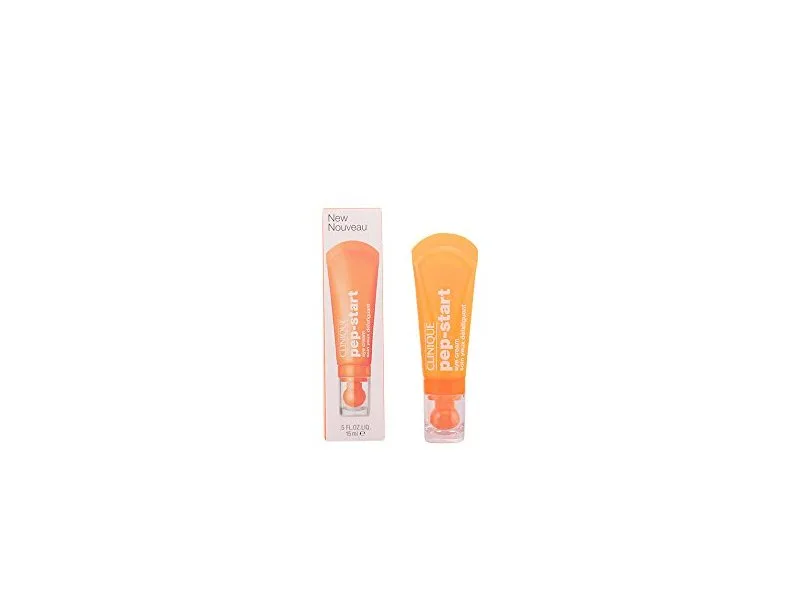
The sheer number of peptides in this formula — six distinct signal and matrikine peptides including Argireline, Palmitoyl Tripeptide-1, and Trifluoroacetyl Tripeptide-2 — is unusual at this price point. Most eye creams at $26 offer one or maybe two peptides. This formula throws the entire peptide toolkit at the under-eye area, creating a multi-pathway approach to aging that's more commonly seen in eye creams costing two to three times as much.
A genuinely impressive multi-peptide eye cream that punched well above its price point with six signal peptides, effective caffeine de-puffing, and Clinique's signature gentle formulation. Discontinued but not forgotten — if you can still find it, it remains one of the best peptide-to-dollar ratios in the eye cream category.
The case for it
What would change this: A declared concentration would move this to a firmer reading of the dose.
Same rule for everyone. “Supporting role” is the verdict on 8,197 of 45,024 concern verdicts across the catalog; rule R8a decided 1,489 of them. Unchanged since September 5, 2026, engine 5.1.1.
Brand or formulator? Disclose a concentration or correct a fact →
The studies behind the evidence row
The case for it
Same rule for everyone. “Good choice” is the verdict on 9,564 of 45,024 concern verdicts across the catalog; rule R5 decided 9,072 of them. Unchanged since September 5, 2026, engine 5.1.1.
Brand or formulator? Disclose a concentration or correct a fact →
The studies behind the evidence row
The case for it
What would change this: A declared concentration would move this to a firmer reading of the dose.
Same rule for everyone. “Promising” is the verdict on 7,858 of 45,024 concern verdicts across the catalog; rule R9p decided 7,858 of them. Unchanged since September 5, 2026, engine 5.1.1.
Brand or formulator? Disclose a concentration or correct a fact →
The studies behind the evidence row
Also listed for Aging — the actives here (Squalane, Matrixyl Peptides, Caffeine, Argireline (Acetyl Hexapeptide-8) are in our research queue for that concern; there is no verdict until their evidence rows are written. That is a gap in our table, not a mark against the product.
Does the jobDoes what a eye cream is for: safe for eye skin, targets a real eye concern. Not measured from the label: hydrates without heaviness, stays where it's put.
Where our review and the verdict differ. The review below was written on the formulation and the published trials; the verdicts above apply the stricter standing test in our methodology — an active earns a recommendation only with guideline or regulatory standing for the concern. Where the two disagree, the verdict is DermApproved’s position.
A verdict is DermApproved’s assessment of how well a product’s ingredients fit a concern — never a claim about what the product treats. Evidence dots and collected reviews sit beside it and are never blended in. Rules 0.5.1 · evidence table ev-2026.09-r228 · how we decide
Some products announce their departure with a clearance sale and a shrug. Others leave a gap that the replacement never quite fills. The Clinique Pep-Start Eye Cream falls firmly in the second category — a product whose discontinuation prompted genuine frustration in skincare forums and a scramble to stockpile remaining inventory.
The Pep-Start line was Clinique's play for younger consumers, launched in 2016 with approachable pricing and playful packaging designed to lower the barrier to prestige skincare. The eye cream was positioned as a gateway product — affordable enough for a first-time eye cream buyer, gentle enough for the skincare-curious. What was not immediately obvious from the marketing was that someone in Clinique's lab had loaded this twenty-six-dollar product with a peptide complex that rivaled formulas three times its price.
Six peptides. Not two, not three — six distinct signal and matrikine peptides, each targeting a different mechanism of periorbital aging. Acetyl Hexapeptide-8, better known as Argireline, works by modulating neurotransmitter release to relax the micro-muscle contractions that deepen expression lines. Palmitoyl Tripeptide-1 stimulates collagen synthesis in thinning under-eye skin. Palmitoyl Tetrapeptide-7 reduces the chronic low-grade inflammation that contributes to dark circles and puffiness. Trifluoroacetyl Tripeptide-2 targets the proteasome pathway involved in skin aging. Palmitoyl Hexapeptide-12 supports extracellular matrix proteins. And a whey protein complex rounds out the cocktail with additional growth factor support. One footnote on that last inclusion: the whey makes this a dairy-derived formula — not vegan, and worth knowing for anyone with a milk protein allergy, since it is the single declared allergen on an otherwise remarkably clean label.
This peptide density at this price point was, to put it plainly, not supposed to happen. Most brands save their multi-peptide formulations for their prestige tier — the seventy-five-dollar-and-up territory where six peptides can justify six-figure marketing budgets. The Pep-Start Eye Cream offered this complexity at entry-level pricing, which may explain why the business model ultimately didn't sustain the line.
The mid-list is quietly busy too. Magnolia bark extract, St. Paul's wort, algae extract, molasses extract, and soapberry fruit extract form an eclectic botanical bench, backed by yeast extract, soy protein, and phytosphingosine — the sort of supporting depth that suggests the formula was assembled with more ambition than its cheerful packaging let on. None of these are headline acts, but they are one more reason the ingredient list reads like it wandered in from a much more expensive jar.
Beyond the peptide story, the formula is sensibly constructed for the periorbital area. Caffeine is positioned as the immediate-results ingredient, constricting dilated blood vessels that contribute to puffiness and shadowy under-eye hollows. The effect is temporary — lasting two to three hours before requiring reapplication — but it's genuinely visible. Morning puffiness deflates within fifteen to twenty minutes of application, which for many users is the most practically valuable thing this cream does. Two technique notes amplify it: apply with the ring finger in gentle taps along the orbital bone rather than dragging, and keep the jar in the refrigerator — the chill adds a small cold-compress boost to the caffeine's vasoconstriction.
Squalane and shea butter provide lipid-based moisture support for the thin, oil-gland-sparse skin around the eyes, while sodium hyaluronate delivers humectant hydration that creates an immediate plumping effect on fine lines. The inclusion of mica and titanium dioxide adds an optical brightening effect — the under-eye area looks subtly lit from within, even before any of the actives have had time to work. It is a smart cosmetic trick that bridges the gap between application and actual results.
The texture is lighter than expected for an eye cream with shea butter and squalane. It reads more as a lightweight lotion than a rich cream, which works in its favor for morning use under concealer. There is no detectable fragrance, no stinging, and no irritation — the ophthalmologist-tested credential is well-earned. A tiny amount covers both under-eye areas with room to spare, making the small jar last significantly longer than its half-ounce suggests — three to four months of twice-daily use is typical. The few hundred reviews the cream gathered during its run reflect all of this: consistent praise for the instant absorption, the real morning depuffing, and its behavior under concealer, with the recurring caveats being the temporary nature of the caffeine effect and its modest impact on inherited dark circles.
Honest limitations: this eye cream will not solve genetic dark circles. If your under-eye darkness is structural — caused by thin skin revealing the underlying muscle and blood vessels — no topical product will eliminate it. The caffeine temporarily improves the vascular component, and the optical brighteners provide camouflage, but the underlying anatomy remains unchanged. For pigmentation-based dark circles, a dedicated vitamin C or retinoid eye treatment would be more targeted. And despite the Argireline mechanism inviting the comparison, no peptide cream is a substitute for injectables — expect fine-line softening over six to eight weeks, not erasure.
The temporary nature of the de-puffing is also worth noting. Caffeine's vasoconstrictive effect fades within hours, meaning morning application addresses morning puffiness but doesn't prevent afternoon return. It's not a flaw unique to this product — it is a limitation of topical caffeine in general — but it tempers expectations.
Clinique has replaced the Pep-Start Eye Cream with the All About Eyes Eye Cream with Vitamin C, which shifts the formula focus from peptides to antioxidant brightening. It is a fine product, but a different product — and for those who specifically valued the multi-peptide approach at an accessible price, the replacement does not fill the same role. Remaining stock circulates through third-party retailers at varying prices, and the formula may differ in freshness. If you find it at or near the original retail price and the expiration date is reasonable, it remains one of the best peptide eye cream values that the prestige market produced.
The hero actives that drive this product's performance.
| Ingredient | Function | Evidence |
|---|---|---|
| Acetyl Hexapeptide-8 (Argireline) | The marquee anti-aging peptide in this formula, often called 'topical Botox' for its mechanism of reducing neurotransmitter release at the neuromuscular junction. In this eye cream, it works alongside five other peptides to address expression lines around the delicate periorbital area through a multi-peptide strategy rather than relying on a single signal peptide. | Not yet assessed |
| Caffeine | The de-puffing workhorse of this formula, constricting blood vessels and stimulating microcirculation to reduce the fluid retention that causes morning eye puffiness. In this context, it provides the immediate visible results while the peptides work on longer-term structural improvement. | Limited for Dark Circles |
| Palmitoyl Tripeptide-1 & Palmitoyl Tetrapeptide-7 | A well-studied matrikine peptide duo that stimulates collagen production (tripeptide-1) while reducing inflammatory signals (tetrapeptide-7). Together they address the thinning skin and inflammation-driven dark circles that characterize the aging under-eye area. | Not yet assessed |
| Squalane | A lightweight, biomimetic emollient that mirrors skin's own lipids, providing the moisture barrier support that the thin, oil-gland-sparse periorbital skin desperately needs. Works alongside the shea butter to create a protective layer without the heaviness that causes milia around the eyes. | Established mechanism for Dryness · established mechanism |
| Sodium Hyaluronate | Provides immediate plumping hydration to the under-eye area, temporarily minimizing the appearance of fine lines by drawing water into the depleted stratum corneum. The effect is cosmetically visible within minutes of application, bridging the gap until the peptides deliver longer-term benefits. | Plausible mechanism for Dullness |
Ingredient standings describe the active at treatment-level doses and vehicles; this product's own condition grades weigh its actual formula.
Water/Aqua/Eau, Glycerin, Butylene Glycol, Butyrospermum Parkii (Shea Butter), Squalane, Cetyl Esters, Dimethicone, Methyl Gluceth-20, Polyethylene, Glycereth-26, Polybutene, Sucrose, Magnolia Officinalis Bark Extract, Sigesbeckia Orientalis (St. Paul's Wort) Extract, Algae Extract, Molasses Extract/Saccharum Officinarum/Extrait De Melasse, Sapindus Mukurossi Fruit Extract, Palmitoyl Tetrapeptide-7, Whey Protein/Lactis Protein/Proteine Du Petit-Lait, Palmitoyl Hexapeptide-12, Trifluoroacetyl Tripeptide-2, Caffeine, Phytosphingosine, Acetyl Hexapeptide-8, Palmitoyl Tripeptide-1, Yeast Extract/Faex/Extrait De Levure, Glycine Soja (Soybean) Protein, Caesalpinia Spinosa Gum, Acrylates/C10-30 Alkyl Acrylate Crosspolymer, Glyceryl Polymethacrylate, Sucrose Stearate, Caprylyl Glycol, PEG-8, Sodium Hyaluronate, Simethicone, Polysorbate 20, Carbomer, Sodium Hydroxide, Dextran, Hexylene Glycol, Sodium Citrate, Phenoxyethanol, Mica, Titanium Dioxide (CI 77891)
moisturizer
AM & PM
Apply with ring finger using gentle tapping motions around the orbital bone — never drag or pull the delicate eye area skin. Use before moisturizer and sunscreen. Can be used both morning and evening. In the AM, apply before makeup for a smoother, brighter under-eye base.
Immediate de-puffing and brightening from caffeine and light-reflecting particles. Hydration improvement within the first few days. Fine line softening becomes noticeable after 2-4 weeks of consistent twice-daily use. Long-term peptide benefits may take 6-8 weeks to fully manifest.
The six-peptide complex in this formula represents a multi-target approach to periorbital aging. Acetyl Hexapeptide-8 (Argireline) is the most researched of the group — a synthetic peptide that mimics the N-terminal end of SNAP-25, a protein essential for neurotransmitter release. By competing with native SNAP-25, it modulates the neuromuscular signaling that drives expression lines. A 2002 study published in the International Journal of Cosmetic Science demonstrated that 10% Argireline reduced wrinkle depth by up to 30% after 30 days of application.
Palmitoyl Tripeptide-1 (also known as Pal-GHK) is a matrikine peptide that stimulates collagen synthesis and glycosaminoglycan production in dermal fibroblasts. When combined with Palmitoyl Tetrapeptide-7, which reduces IL-6 secretion and thereby chronic inflammation, the duo has demonstrated synergistic anti-aging effects. Work appearing in the International Journal of Cosmetic Science found that this combination significantly improved skin smoothness, firmness, and wrinkle depth compared to placebo over eight weeks.
Caffeine's de-puffing mechanism is well-documented — it promotes vasoconstriction and inhibits phosphodiesterase, reducing the edema that causes periorbital puffiness. Its antioxidant properties provide additional protection against oxidative stress in the UV-exposed under-eye area. Work appearing in the Annals of Dermatology has confirmed caffeine's efficacy in reducing under-eye puffiness and dark circles through these vascular mechanisms.
Clinicians recognize peptides as a promising but still-evolving category in anti-aging skincare, and this formula's multi-peptide approach reflects the current trend toward combination targeting. Dermatologists note that while individual peptides have demonstrated efficacy in clinical studies, the concentrations used in commercial formulations are often lower than those used in research settings. The ophthalmologist-tested credential is particularly valued in dermatological practice, as the periorbital area is uniquely sensitive and prone to contact dermatitis from eye care products. Dermatologists frequently recommended this as an entry-level eye cream for patients not yet ready for prescription retinoids around the eye area.
Using your ring finger, scoop a small amount — about half the size of a grain of rice for both eyes. Dot the cream along the orbital bone beneath each eye and at the outer corners. Gently tap (never drag) with your ring finger until fully absorbed. Apply morning and evening, before moisturizer. In the morning, allow 60 seconds for absorption before applying concealer or under-eye makeup. For maximum de-puffing, store in the refrigerator — the cool temperature enhances the caffeine's vasoconstrictive effect.
At its original retail price of $26.50 for 0.5 ounces, this was one of the best value propositions in the prestige eye cream category. Six peptides in a fragrance-free, ophthalmologist-tested formula from a legacy derm-developed brand — this combination of ingredient quality and price was genuinely unusual. The jar lasted three to four months with twice-daily use, making the per-month cost approximately $7-9 for a sophisticated peptide eye treatment. Now that the product is discontinued, prices through third-party sellers may vary and product freshness cannot be guaranteed. The value equation shifts significantly if paying above original retail.
Anyone looking for an affordable, gentle entry into peptide-based eye care — ideal for those in their late twenties to thirties noticing the first signs of fine lines and morning puffiness who want prevention without the commitment of a prescription retinoid. Also well-suited for sensitive eyes and contact lens wearers who react to many eye products.
Those with deep, genetic dark circles who need targeted pigment treatment rather than de-puffing. Anyone seeking a rich, deeply moisturizing eye cream for very dry periorbital skin. Given the discontinuation, those who value product availability and consistency should look to current alternatives.
Lightweight, thin white cream with an almost lotion-like consistency. Absorbs quickly without leaving residue or greasiness. Slightly cooling sensation upon application that enhances the de-puffing effect.
Fragrance-free. No detectable scent.
Small white jar with screw-top lid. Contains light-reflecting mica and titanium dioxide particles for an immediate optical brightening effect. Compact and travel-friendly.
First application delivers an immediately refreshed, slightly cooled feeling around the eye area. The light-reflecting particles provide an instant subtle brightening that is cosmetically visible right away. Absorbs within 30 seconds. No stinging, burning, or irritation even on sensitive eyes. De-puffing from the caffeine becomes noticeable within 15-20 minutes of first use.
3-4 months applied morning and evening to both eyes
All Year
The Pep-Start line was Clinique's millennial-targeted sub-brand, designed to be the gateway into prestige skincare for younger consumers with entry-level pricing. This eye cream was the standout — it delivered genuine ingredient quality at a price that didn't require justification. Though Clinique has since discontinued the Pep-Start range, replacing this with the All About Eyes Eye Cream with Vitamin C, the formula's multi-peptide approach left a mark on the category.
Clinique was founded in 1968 as the first dermatologist-developed prestige skincare brand. Every product is allergy tested and fragrance free, with over five decades of ophthalmologist-tested eye care formulations.
Eye cream is just overpriced face moisturizer in a smaller jar
This formula is specifically engineered for the periorbital area — the six peptides target expression lines and collagen loss specific to the eye region, caffeine addresses the vascular puffiness unique to under-eye skin, and the light-reflecting particles are calibrated for the shadowed orbital area. A face moisturizer cannot replicate this targeted approach.
Peptides can replace Botox for crow's feet
While Acetyl Hexapeptide-8 (Argireline) works through a similar mechanism to botulinum toxin — reducing neurotransmitter release — its topical effects are significantly more modest. Expect softening of fine lines over weeks of use, not the dramatic wrinkle erasure of injectable treatments.
Yes, Clinique has discontinued the Pep-Start Eye Cream. The recommended replacement is the Clinique All About Eyes Eye Cream with Vitamin C. Some stock may still be available through third-party retailers, but availability is limited and prices may vary from the original retail.
The caffeine provides temporary de-puffing that can make dark circles appear less prominent, and the light-reflecting mica and titanium dioxide particles create an optical brightening effect. However, this formula is more effective for puffiness and fine lines than for the pigmentation-based dark circles caused by genetics or sun damage.
Yes — this formula is ophthalmologist tested, allergy tested, and fragrance-free, making it one of the gentler peptide eye creams available. It's safe for contact lens wearers and those with reactive periorbital skin. The peptides and caffeine are well-tolerated at the concentrations used in this formula.
This formula contains six distinct peptides: Acetyl Hexapeptide-8 (Argireline), Palmitoyl Tripeptide-1, Palmitoyl Tetrapeptide-7, Palmitoyl Hexapeptide-12, Trifluoroacetyl Tripeptide-2, and the Whey Protein complex. Each targets different aspects of periorbital aging — from expression line relaxation to collagen stimulation to inflammation reduction.
Clinique's recommended replacement is the All About Eyes Eye Cream with Vitamin C, which shifts the formula focus from a multi-peptide approach to vitamin C-based brightening and antioxidant protection. The replacement takes a different formulation approach, so users who specifically valued the multi-peptide complex may want to explore alternatives.
Recurring themes our editors read across retailer reviews of this product — summaries in our words, not quotations, and not a substitute for your own patch test.
Lightweight texture absorbs instantly without heaviness
Effective de-puffing — noticeable difference in morning eye puffiness
Gentle enough for sensitive periorbital skin
Small amount goes a long way — economical despite small jar
Smooth, non-greasy base for under-eye concealer
Does not dramatically reduce genetic dark circles
De-puffing effect is temporary — lasts 2-3 hours before requiring reapplication
Has been discontinued by Clinique
Not rich enough for very dry under-eye skin in winter