Best Dermatologist-Recommended Eye Creams
Updated September 2026 · independently researched, no sponsored placements
Our top 28 picks — ordered by how well each product does its category’s job.








How to Choose
The most dermatologist-honest take on eye cream is that many people don't strictly need one — an eye cream is often a regular moisturizer in a smaller jar at a bigger price. That's worth saying upfront, because it reframes the whole category: the eye creams actually worth recommending are the ones that do something a face moisturizer can't, with actives chosen and dosed for the thinnest, most delicate skin on your body.
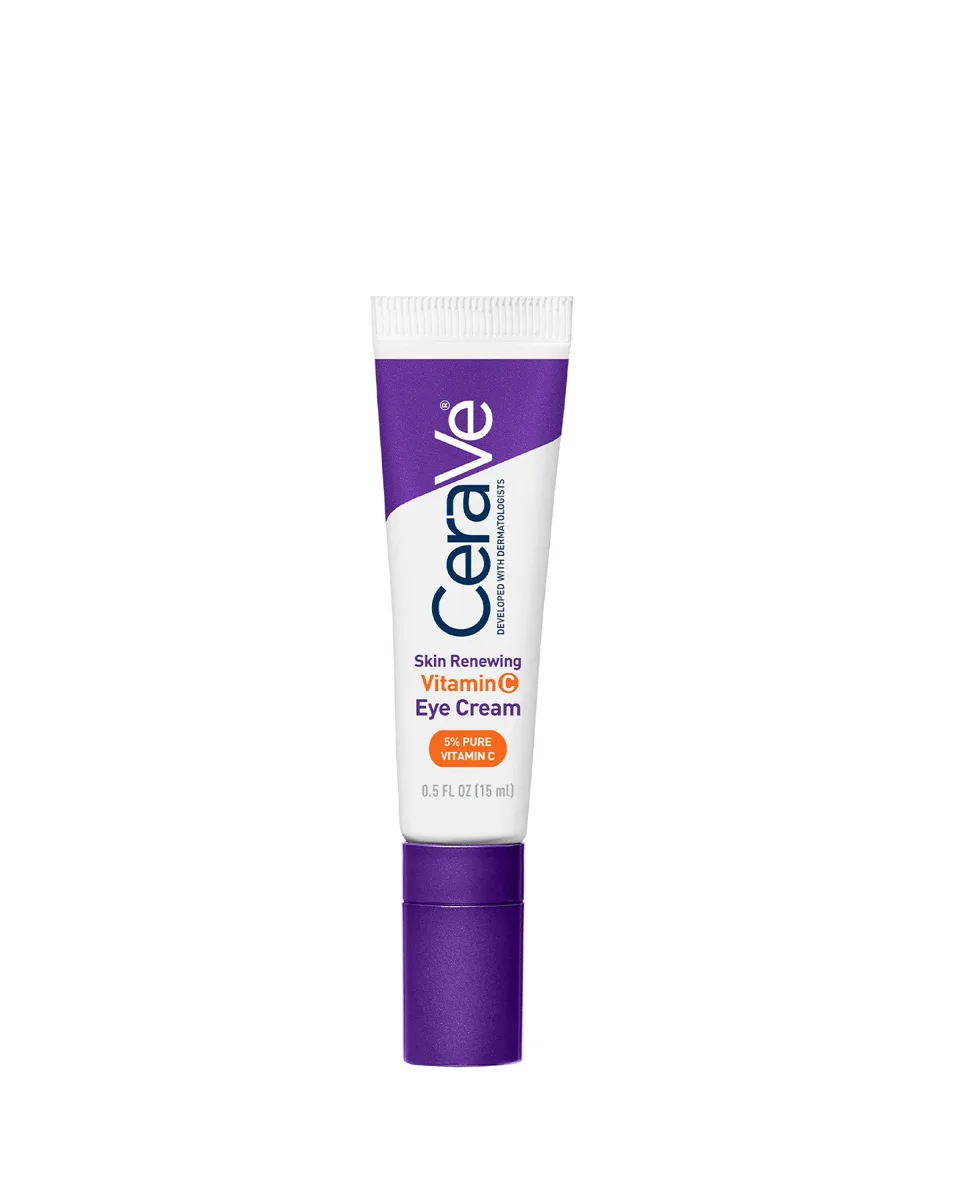
So what do derms genuinely value here? Gentleness first — fragrance-free, ophthalmologist-tested formulas that won't sting or trigger milia near the eye. Then targeted actives matched to a specific concern: caffeine to temporarily reduce puffiness by constricting vessels, peptides and low-dose retinol or bakuchiol for fine lines, and vitamin C or niacinamide to brighten and support a thin, shadow-prone under-eye. CeraVe's Vitamin C Eye Cream at $25 pairs caffeine and ceramides sensibly, while the maximalist Dr. Dennis Gross Fill + Repair stacks peptides and hyaluronic acid for those who want more. The crucial, hype-deflating caveat: an eye cream cannot fix what it isn't built to fix. Genetic dark circles from pigment or visible vasculature, and true under-eye hollowing from fat-pad loss, are structural — no cream erases them, and anything promising to is overselling. What a good one realistically delivers is hydration, a smoother surface, temporary de-puffing, and gradual softening of fine lines. Set that expectation, pick a fragrance-free formula with one or two proven actives, pat it gently with your ring finger, and you'll get real-but-modest results — and you needn't spend $140 to get them.
Buying Guide
First decide whether you need a dedicated eye cream at all — if your concern is simple dryness, your regular moisturizer may suffice; an eye cream earns its place when you want targeted actives in a gentle, eye-safe base. Prioritize fragrance-free, ophthalmologist-tested formulas, since the thin eye-area skin is prone to stinging and irritation. Match the active to the concern: caffeine for temporary puffiness, peptides and low-dose retinol or bakuchiol for fine lines, vitamin C and niacinamide for brightening shadowed under-eyes. Be realistic about limits — no cream corrects genetic pigment, visible vasculature, or structural hollows, so treat those claims skeptically. Texture matters for layering under concealer: lightweight gels and creams sit better than heavy balms. On price, $25–$40 buys genuinely effective, derm-sensible options; the $64–$140 tier adds more actives and elegance but rarely a proportional payoff. Apply gently with the ring finger to avoid tugging the delicate skin.
Frequently Asked Questions
Do I actually need a separate eye cream?
Not always — for basic dryness, a gentle facial moisturizer often works just as well around the eyes, and many eye creams are essentially moisturizers in smaller, pricier packaging. An eye cream becomes worthwhile when you want targeted actives like caffeine or peptides delivered in a formula gentle enough for the delicate eye area. If you have a specific concern, a well-chosen eye cream helps; if not, you can likely skip it.
Can an eye cream get rid of dark circles?
It depends on the cause. Eye creams with vitamin C, niacinamide, and caffeine can brighten and temporarily reduce puffiness, which helps some dark circles, but they can't fix circles caused by genetic pigmentation, visible blood vessels, or under-eye hollowing — those are structural and need in-office treatments. Be wary of any eye cream promising to erase dark circles entirely, since the realistic result is a modest improvement at best.
What makes an eye cream safe for the delicate eye area?
Look for fragrance-free, ophthalmologist-tested formulas, since the thin skin around the eyes is easily irritated and prone to stinging or milia. Actives should be dosed gently — low-strength retinol or bakuchiol rather than a harsh face retinoid. Applying with your ring finger in light, patting motions avoids tugging and stretching the fragile skin.
Are expensive dermatologist-recommended eye creams worth it?
Usually only modestly — the category runs from about $20 to $140, but the proven actives (caffeine, peptides, vitamin C, niacinamide) appear in affordable options like CeraVe's $25 eye cream just as they do in the premium tiers. The higher price typically buys more actives, nicer textures, and packaging rather than dramatically better results. Choose based on the specific active you want and a gentle, fragrance-free base, not the price.