Hyaluronic Acid Can Actually Dehydrate Your Skin (Here's When)
The internet's favorite hydrator has a counterintuitive dark side — in dry air, a humectant with nothing to seal it can pull water out of your skin instead of into it.
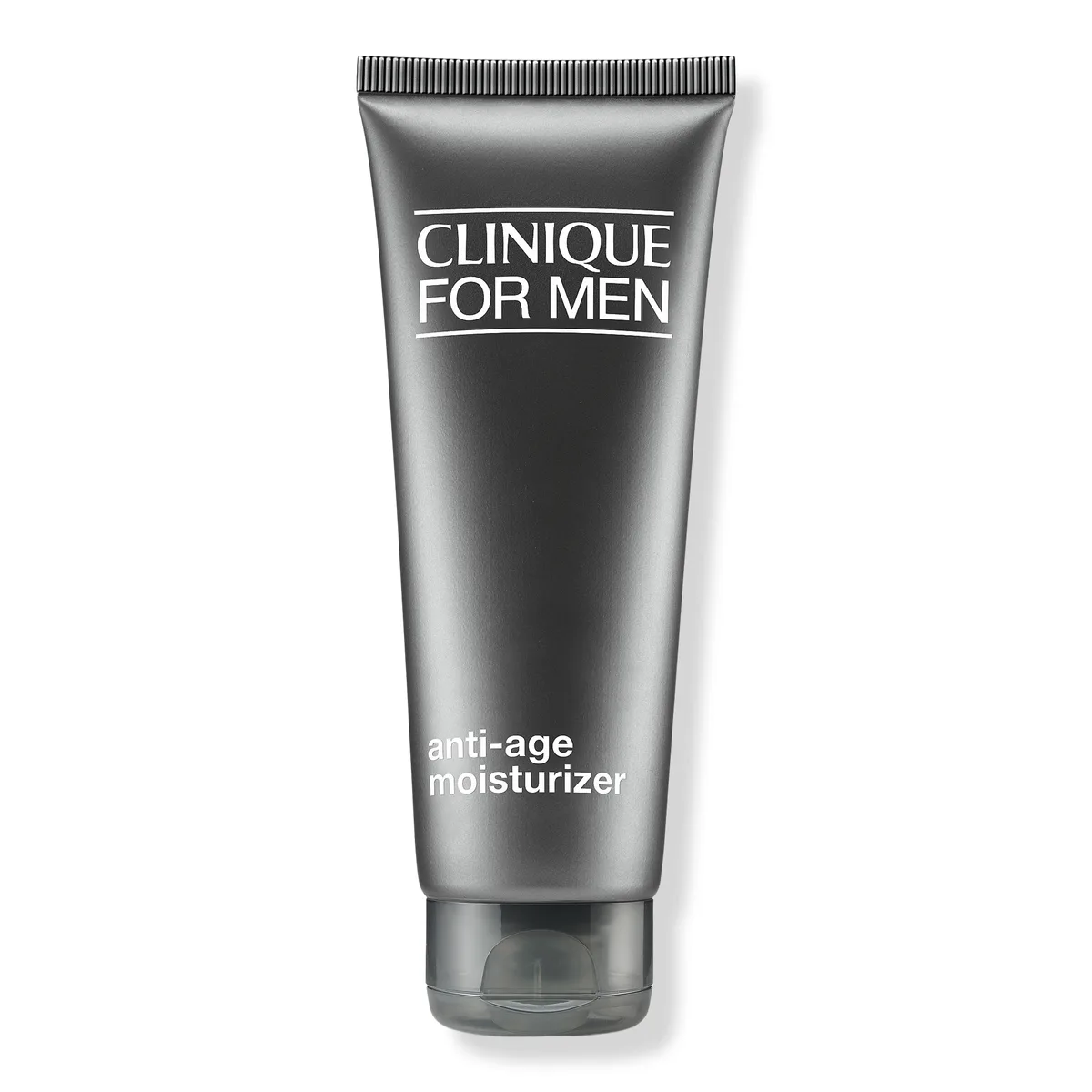
Squalane sits second on the list, ahead of glycerin — a generous placement most prestige creams reserve for cheaper esters — and that, together with shea oil and dimethicone, is why the cream cushions dry, shave-scraped skin so convincingly. The anti-aging story is a lighter touch than the label implies: two signalling peptides, caffeine and acetyl glucosamine at trace level, and the hyaluronic acid in the name at twenty-eighth position.
A rich, fragrance-free squalane-and-shea cream that cushions dry, shave-worn skin beautifully and softens fine lines for as long as it is on — and a peptide-and-hyaluronic-acid story that the ingredient order does not back up. Dry-skinned men who can afford $54 will enjoy it; oily and combination skin will find it heavy, and nobody should expect the wrinkle claims to outlast the moisturising.
Seventy-six reviews at Ulta give a fair read on how this cream feels and on whose skin it suits, and the emollient chemistry is thoroughly understood, so that part of the assessment is well founded. The anti-aging actives are another matter: Clinique discloses no concentrations for the peptides, caffeine or hyaluronate, no independent trial of the formula exists, and the judgement that they add little at their positions is drawn from the ingredient literature rather than from any test of this product.
The case for it
What would change this: A researched evidence row for the lead active would replace this with a verdict.
Same rule for everyone. “Supporting role” is the verdict on 8,197 of 45,024 concern verdicts across the catalog; rule R8 decided 4,250 of them. As of September 25, 2026, engine 5.1.1.
Brand or formulator? Disclose a concentration or correct a fact →
The case for it
What would change this: A declared concentration would move this to a firmer reading of the dose.
Same rule for everyone. “Strong choice” is the verdict on 1,459 of 45,024 concern verdicts across the catalog; rule R3 decided 567 of them. As of September 25, 2026, engine 5.1.1.
Brand or formulator? Disclose a concentration or correct a fact →
The studies behind the evidence row
The case for it
What would change this: A declared concentration would move this to a firmer reading of the dose.
Same rule for everyone. “Good choice” is the verdict on 9,564 of 45,024 concern verdicts across the catalog; rule R5 decided 9,072 of them. As of September 25, 2026, engine 5.1.1.
Brand or formulator? Disclose a concentration or correct a fact →
The studies behind the evidence row
The case for it
What would change this: A declared concentration would move this to a firmer reading of the dose.
Same rule for everyone. “Promising” is the verdict on 7,858 of 45,024 concern verdicts across the catalog; rule R9p decided 7,858 of them. As of September 25, 2026, engine 5.1.1.
Brand or formulator? Disclose a concentration or correct a fact →
The studies behind the evidence row
The case for it
What would change this: A researched evidence row for the lead active would replace this with a verdict.
Same rule for everyone. “Supporting role” is the verdict on 8,197 of 45,024 concern verdicts across the catalog; rule R8 decided 4,250 of them. As of September 25, 2026, engine 5.1.1.
Brand or formulator? Disclose a concentration or correct a fact →
Does the jobDoes what a moisturizer is for: seals moisture in, draws in water.
A verdict is DermApproved’s assessment of how well a product’s ingredients fit a concern — never a claim about what the product treats. Evidence dots and collected reviews sit beside it and are never blended in. Rules 0.5.1 · evidence table ev-2026.09-r228 · how we decide
Two products share this grey tube. The one on the front is an anti-aging moisturizer with hyaluronic acid, peptides, caffeine and an eye-brightening complex, ophthalmologist tested, built to combat lines and dullness. The one on the back is a squalane cream: water, squalane, glycerin, an ester, shea oil — a lipid-rich, fragrance-free cushion of the kind that makes dry skin feel expensive. The hyaluronic acid that the name now leads with appears twenty-eighth of thirty-five ingredients, behind the vitamin E and just ahead of the gums and preservatives. The peptides sit in the low twenties, after the caffeine, after the whey protein. So the buyer's real question is which of the two products he is paying $54 for, and the honest answer is the second one, with the first one printed on it.
That is not a dismissal, because the second product is good. Putting squalane in second position, ahead of glycerin, is a generous formulation choice — most prestige creams reserve that slot for cheaper esters and let squalane trail somewhere in the teens — and it shows in the hand. The cream is dense and cushioned without being waxy, spreads over a freshly shaved jaw with no drag and no sting, and settles in a few minutes to a satin that on dry skin looks simply healthy. Shea oil, dimethicone and a little petrolatum hold that lipid layer in place, glycerin at third position keeps the surface plumped beneath it, and the whole thing lasts the working day. Fine lines around the eyes and mouth do look softer while it is on, because a well-padded stratum corneum reflects light more evenly; this is the immediate effect the box calls anti-aging, and it is real, and it is the base doing it.
The actives are a lighter touch. Acetyl hexapeptide-8 — the peptide marketed for years as a topical alternative to muscle-relaxing injections — and palmitoyl hexapeptide-12, a collagen-signalling fragment, both appear at the trace levels that prestige moisturizers habitually use, low enough that their contribution is impossible to separate from the plumping of the emollients around them. Caffeine, whey protein and acetyl glucosamine make up the brightening and de-puffing story aimed at the eye area, which is odd, because the instructions on the same tube say to avoid the eye area; ophthalmologist testing means the cream did not irritate eyes in a panel, not that it belongs on a lid. Sigesbeckia extract, barley, cucumber and sunflower are Clinique's usual botanical chorus. None of this is dishonest — the ingredients are there — but a man buying the front of the tube should understand that the difference between this and the plain moisturizing lotion in the same line is mostly the squalane and the shea, not the peptides.
The review record says the same thing in its own way. Seventy-six reviews at Ulta average 3.8 stars, the lowest of the three core products in the men's range, and the split is not about whether it works but about whose face it is on. Dry-skinned men describe it as the best thing they have used after shaving, note that a pea-sized amount covers the face, and praise the absence of fragrance. Combination and oily men describe a film by midday, shine across the forehead, and a feeling of having paid a lot for a cream that sits on them. Both groups are reporting the same formula accurately. Isostearyl neopentanoate, fourth on the list, and shea oil are both mildly comedogenic, which is worth a mention for anyone who breaks out along the beard line; the whey protein is dairy-derived, which is worth a mention for the rare man with a true milk allergy, though topical reactions are uncommon.
What the cream conspicuously lacks is the one ingredient that would justify the words on the front. There is no sunscreen in it. Most of what men perceive as ageing on the face — the lines, the dullness, the uneven tone — is sun-driven, and an anti-aging moisturizer without SPF hands the entire job to a separate product the buyer may or may not own. Clinique knows this and sells sunscreens; the omission is a category convention rather than a Clinique failing, but on a $54 cream that promises to combat lines it deserves saying plainly. Used under a daily SPF and over a retinoid at night, this is a very comfortable, very tolerable partner. Used alone, it is a very comfortable moisturizer.
The price is where the two products in the tube come apart. Fifty-four dollars for 100 ml is defensible for a squalane-forward, fragrance-free, allergy-tested cream from a brand with Clinique's record — squalane at this weighting is not cheap and the emulsion is beautifully made. It is a harder sell for the peptides and the hyaluronic acid, which are the reasons the price sits above the plain lotion's and the ingredients least likely to do anything at their positions. The tube does last: a pea-sized amount twice a day runs three to four months, and the dense cream is the reason so many men squeeze out twice what they need.
So: for a man with dry or normal skin who shaves, hates fragrance, and wants a rich cream that makes the morning routine feel like a small reward and softens lines for the day, this earns a place, especially in winter and especially layered under sunscreen. For oily or combination skin it is the wrong cream in a range that makes a lighter one. And for anyone buying the front of the tube — the peptides, the hyaluronic acid, the promise of fewer wrinkles — the same money would go further on a retinoid and a good sunscreen, with a simpler moisturizer between them.
The hero actives that drive this product's performance.
| Ingredient | Function | Evidence |
|---|---|---|
| Squalane | Second on the list, ahead of glycerin — an unusually generous placement that makes squalane, not the hyaluronic acid on the label, the real backbone of this cream. It mimics the skin's own sebum lipid, sinks in without greasiness, and with shea oil beside it gives the cream its cushioned slip and the softening effect men read as 'lines look less sharp'. | Established mechanism for Dryness · established mechanism |
| Sodium Hyaluronate | The ingredient the product is now named for sits twenty-eighth of thirty-five, behind the vitamin E acetate and just ahead of the gums and preservatives. It contributes a little surface plumping in this emulsion, but glycerin at third position is doing the humectant work the box credits to hyaluronic acid. | Established mechanism for Dehydration · established mechanism |
| Acetyl Hexapeptide-8 and Palmitoyl Hexapeptide-12 | Two signalling peptides — the first marketed as a topical muscle-relaxer, the second as a collagen-support fragment — that give the cream its anti-aging credentials on paper. Both sit low in the list, behind the caffeine and whey protein, at the trace levels typical of prestige moisturizers, where their contribution is hard to separate from the plumping of a well-made emollient base. | Not yet assessed |
| Caffeine with Whey Protein and Acetyl Glucosamine | The brightening and de-puffing trio behind the eye-area claims: caffeine constricts surface vessels briefly, whey protein forms a light tightening film, and acetyl glucosamine has some evidence for evening tone. In this face cream they are seasoning around a lipid base rather than a treatment dose, and the instructions tell you to avoid the eye area anyway. | Not yet assessed |
| Shea Oil, Petrolatum and Dimethicone | The occlusive layer that makes this the richest cream in the men's line — shea oil fifth, dimethicone ninth, petrolatum further down. They seal the squalane and glycerin in for an all-day effect on dry skin, and they are also the reason a fair share of reviewers with combination skin describe the finish as heavy. | Regulator-approved for Dryness · established mechanism |
Ingredient standings describe the active at treatment-level doses and vehicles; this product's own condition grades weigh its actual formula.
Water\Aqua\Eau, Squalane, Glycerin, Isostearyl Neopentanoate, Butyrospermum Parkii (Shea) Oil, Butylene Glycol, PEG-100 Stearate, Cetyl Alcohol, Dimethicone, Polyethylene, Glyceryl Stearate, Cucumis Sativus (Cucumber) Fruit Extract, Hordeum Vulgare (Barley) Extract\Extrait D'Orge, Sigesbeckia Orientalis (St. Paul's Wort) Extract, Whey Protein\Lactis Protein\Proteine Du Petit-Lait, Caffeine, Acetyl Hexapeptide-8, Sucrose, Petrolatum, Sodium Polyacrylate, Acetyl Glucosamine, Caprylyl Glycol, Propylene Glycol Dicaprate, Helianthus Annuus (Sunflower) Seed Extract, Glyceryl Polymethacrylate, Palmitoyl Hexapeptide-12, Tocopheryl Acetate, Sodium Hyaluronate, Dimethicone Crosspolymer-3, Hexylene Glycol, PEG-8, Xanthan Gum, Disodium EDTA, Potassium Sorbate, Phenoxyethanol
moisturizer
AM & PM
It is the final skincare step, applied over any serum or retinoid once that has absorbed, with sunscreen on top in the morning — which is essential, since the cream itself carries no SPF and no anti-aging claim survives unprotected sun. After shaving, let the skin settle a minute before applying. Combination skin should use it on the cheeks and neck only and let the T-zone go lighter.
Immediate: skin feels cushioned and looks smoother and slightly plumper, with fine lines softened by the squalane-and-glycerin base for as long as the cream is on. Any longer-term change in dullness or texture from the peptides, caffeine and acetyl glucosamine, if it comes, takes eight to twelve weeks and is modest; deeper wrinkles will not move without a retinoid alongside.
Mechanistically this cream is an emollient-forward oil-in-water emulsion, and its measurable effects come from that structure. Squalane, a saturated hydrocarbon that mirrors the squalene fraction of human sebum, spreads readily, resists oxidation and reduces transepidermal water loss without the heaviness of petrolatum; at second position it is the dominant lipid. Glycerin at third supplies the humectant load, and the occlusive contribution of shea oil, dimethicone and petrolatum keeps that water in the stratum corneum for hours — the classic humectant-plus-occlusive pairing that improves skin hydration and, through better corneocyte hydration, reduces the visibility of fine lines in the short term. Sodium hyaluronate at twenty-eighth position contributes a small additional surface-humectant effect; the ingredient's well-known plumping in the literature relies on higher concentrations and multi-weight blends than this placement implies.
The anti-aging actives have a weaker footing. Acetyl hexapeptide-8 has small, mostly manufacturer-sponsored studies showing modest reductions in wrinkle depth at 5–10% over weeks; its placement here, behind caffeine and whey protein, suggests a far lower level. Palmitoyl hexapeptide-12 and the matrikine class in general have laboratory evidence for stimulating collagen-related gene expression and limited, mostly industry-run clinical work. Caffeine has reasonable evidence as a short-acting vasoconstrictor for periorbital puffiness, and acetyl glucosamine has clinical support for improving tone unevenness at 2% with niacinamide — neither concentration is disclosed here, and the product is not directed for use around the eyes. Whey protein forms a temporary tightening film. Isostearyl neopentanoate, fourth on the list, and shea oil are both mildly comedogenic in standard assays, consistent with reports of congestion on oilier skin. Polyethylene is present as a film-former. No independent clinical study of this formulation has been published; Clinique's dermatologist and ophthalmologist testing refers to in-house irritation and allergy panels.
When men ask about anti-aging in clinic, the usual guidance is that photoprotection and a topical retinoid do nearly all of the work, and that the moisturizer's job is to keep the barrier comfortable enough to tolerate them — which is a job this cream does well for dry skin. Its fragrance-free, alcohol-free construction and Clinique's allergy testing make it a reasonable choice for men whose skin is irritated by shaving or by retinoid initiation, and the squalane-and-glycerin base is regarded as gentle and well tolerated. Peptide, caffeine and hyaluronate claims at trace levels are generally not considered to change the clinical picture, and the absence of SPF is the point most likely to be raised: an anti-aging cream that must be paired with a separate sunscreen offers no advantage over a plain moisturizer used the same way. For patients with oily or acne-prone skin, or follicular breakouts along the beard, the emollient load and the comedogenic esters would typically prompt a recommendation for a lighter, oil-free alternative.
Twice a day, after cleansing and, in the morning, after shaving, once any razor redness has had a minute to settle. Squeeze out a pea-sized amount — the cream is dense and more than that is wasted — warm it between the fingertips, and press it over the cheeks, forehead, jaw and neck, keeping it clear of the eyelids as Clinique's own directions specify. In the morning give it a few minutes to settle before applying a broad-spectrum sunscreen, which is the part of the routine that actually does the anti-aging work. In the evening apply it after any retinoid or serum has absorbed; it makes a good buffer for retinoid dryness. Combination skin should confine it to the drier cheeks and neck and use something lighter across the T-zone.
At $54 for 100 ml the cream is priced as an anti-aging treatment and delivers as a premium moisturizer, and the gap between those two is the value question. The emollient base — squalane at second position, shea, a well-built emulsion, no fragrance, Clinique's testing — is genuinely better specified than most men's creams and justifies a price somewhere above the line's plain lotion. The peptides and the hyaluronic acid that push the price further are at positions where they add little, and the cream includes no SPF, so the buyer still needs a sunscreen to make any anti-aging claim stick. It does last well at a pea-sized amount twice daily, roughly three to four months, which brings the monthly cost to something ordinary for prestige skincare. For dry skin that is fair; for oily skin it is money spent on a finish that will be wiped off by noon.
Men with dry or normal skin, particularly those who shave daily and find most creams sting or smell, who want a rich, fragrance-free moisturizer that makes skin feel padded and softens fine lines for the day. It suits anyone already using a sunscreen and a retinoid who needs a comfortable, low-reaction cream to layer with them.
Oily and combination skin should look to the oil-free moisturizer in the same line — this one will shine by midday. Men who break out along the beard line should be wary of the shea oil and the isostearyl ester, and anyone expecting the peptides or the hyaluronic acid on the label to reduce wrinkles on their own would do better spending the money on a retinoid and a good sunscreen.
Ready to try Clinique For Men Anti-Aging Moisturizer with Hyaluronic Acid?
Buy at Amazon ♥A dense, ivory cream that feels cushioned on the fingertips and spreads to a slightly waxy, well-padded layer — richer than the lotion in the same line by a clear margin, settling to a soft satin after a few minutes.
Fragrance-free; a faint waxy-shea note on application that disappears almost at once.
Clinique For Men's matte grey 100 ml squeeze tube with a flip-top cap — travel-safe and shower-proof, and because the cream is dense it is easy to squeeze out more than a face needs.
On dry skin the first application is a small luxury — cushioned, smoothing, a visible softening of fine lines around the eyes and mouth that lasts through the day. On combination skin the same richness reads as a film by noon, particularly across the forehead. There is nothing to acclimatise to; the peptides do not tingle and the caffeine is imperceptible.
Roughly three to four months at a pea-sized amount twice daily, since a little covers the face; men who squeeze out a fingertip's worth each time will empty it in two.
fall winter
Clinique added an anti-age moisturizer to its men's range with the 2012 relaunch, extending the women's line's peptide-and-caffeine approach into a heavier, shave-friendly cream. It was later relabelled 'with Hyaluronic Acid' as that ingredient became the men's-grooming buzzword of the moment, without the formula's hyaluronate moving up the list to justify the billing.
Clinique, founded in 1968 with dermatologist Norman Orentreich, remains one of the few prestige brands that keeps every formula fragrance-free and allergy-tested, and its men's range dates back to 1976. This anti-aging cream has been the line's premium moisturizer since the 2012 Clinique For Men relaunch, later relabelled to lead with hyaluronic acid; it carries the brand's in-house dermatologist and ophthalmologist testing but no published independent clinical trial.
'With Hyaluronic Acid' means this cream is a hyaluronic acid moisturizer.
Sodium hyaluronate is twenty-eighth of thirty-five ingredients, behind the vitamin E and ahead only of thickeners and preservatives. The hydration comes from glycerin at third position sealed under squalane, shea oil and petrolatum; the name reflects the marketing moment, not the formula's weighting.
A peptide moisturizer will soften wrinkles the way a retinoid does.
Acetyl hexapeptide-8 and palmitoyl hexapeptide-12 have limited evidence at cosmetic concentrations and sit low in this list. The immediate line-softening comes from the emollient base plumping the surface; structural change in wrinkles needs a retinoid, and daily sunscreen, which this cream does not contain.
Because it is ophthalmologist tested, it doubles as an eye cream.
Ophthalmologist testing means it did not irritate eyes in a panel; the product's own instructions say to avoid the eye area. The caffeine and whey protein behind the eye-brightening claims are present at trace levels in a face cream not designed for the eyelid.
Clinique does not disclose a percentage, and sodium hyaluronate appears twenty-eighth of thirty-five ingredients — below the vitamin E acetate. It contributes some surface plumping, but the moisturising in this cream is done by glycerin at third position under a squalane, shea and petrolatum seal.
For most oily and many combination faces, yes — squalane, shea oil, dimethicone and petrolatum make it the richest cream in the men's line, and 'greasy by midday' is the most common complaint in its reviews. Clinique's oil-free men's moisturizer is the better match for that skin type.
It softens the look of fine lines immediately by cushioning and plumping the surface, and that effect lasts while the cream is on. The peptides, caffeine and acetyl glucosamine are at trace levels and have limited evidence; real change in wrinkles requires a retinoid and daily sunscreen, which this cream can be layered with but does not replace.
Clinique's instructions say to avoid the eye area, despite the eye-brightening language and ophthalmologist testing on the box. The testing means it did not irritate eyes in a panel; the cream is still formulated for the face, and a dedicated eye product is a better choice for the lid.
Yes on both counts. There is no fragrance and no drying alcohol, so it does not sting on a freshly shaved face; let any razor redness settle for a minute, then apply a small amount. Men with a dairy allergy should note it contains whey protein, though topical reactions are rare.
No. It offers no sun protection, which matters more for an anti-aging product than for any other kind — most visible ageing in men is sun-driven. Apply a separate broad-spectrum sunscreen over it every morning.
Recurring themes our editors read across retailer reviews of this product — summaries in our words, not quotations, and not a substitute for your own patch test.
Rich, cushioned feel that leaves dry skin comfortable all day
A small amount covers the face — the tube lasts
No fragrance and no sting after shaving
Many reviewers find it heavy or greasy on combination and oily skin
Some feel the price is high for results no better than a basic moisturizer
Dense cream is easy to over-squeeze from the tube