


Cutting the Leaf Yourself Gets You a Latex Problem the Bottle Already Solved
Aloe has the best clinical case of any kitchen remedy — and the fresh-leaf version puts a manual processing step between you and the part that works.
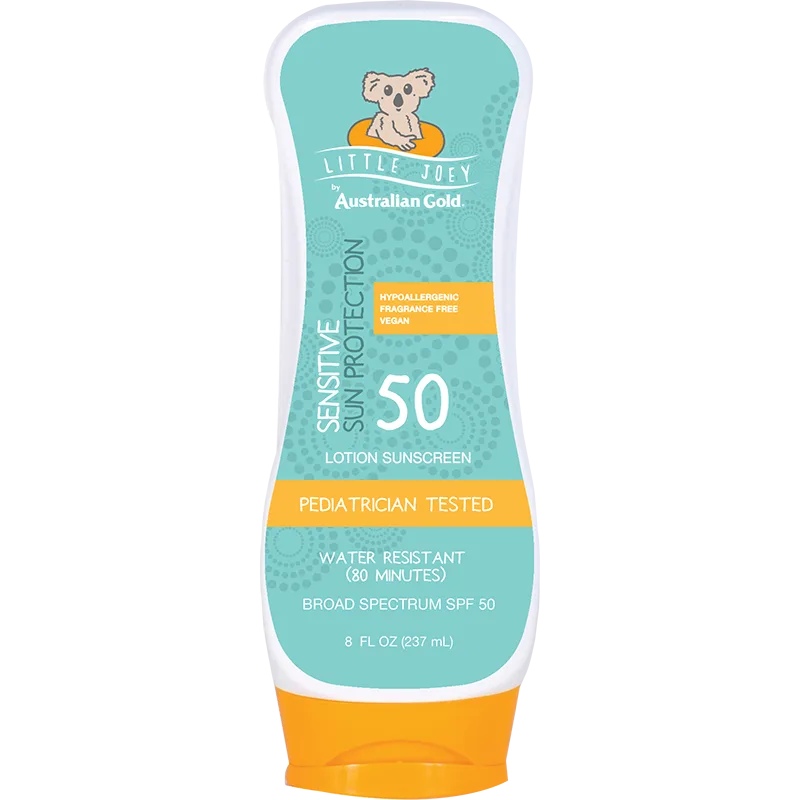
The aloe vera juice as the second ingredient — not a token amount added at the end — creates a genuinely soothing base that sets this apart from most kids' sunscreens. Combined with olive oil, cocoa butter, sunflower oil, and green tea extract, this is more of a nourishing lotion that also provides SPF rather than a sunscreen that begrudgingly includes some moisturizing agents.
A practical, affordable, and genuinely gentle kids' sunscreen built on an aloe vera-rich base with botanical nourishing oils. Parents should be aware it uses chemical rather than mineral UV filters, but the pediatrician-tested formula, fragrance-free profile, and generous 8 fl oz size make it a solid family suncare choice.
The case for it
Same rule for everyone. “Full protection” is the verdict on 2,288 of 45,024 concern verdicts across the catalog; rule P1 decided 2,232 of them. Unchanged since September 5, 2026, engine 5.1.1.
Brand or formulator? Disclose a concentration or correct a fact →
The studies behind the evidence row
The case for it
What would change this: Removing the trigger named above would let the actives be judged on their own.
Same rule for everyone. “Avoid” is the verdict on 1,909 of 45,024 concern verdicts across the catalog; rule F1 decided 605 of them. Unchanged since September 5, 2026, engine 5.1.1.
Brand or formulator? Disclose a concentration or correct a fact →
Does the jobDoes what a sunscreen is for: UVA coverage, holds up in sunlight. Not measured from the label: pleasant enough to actually use.
A verdict is DermApproved’s assessment of how well a product’s ingredients fit a concern — never a claim about what the product treats. Evidence dots and collected reviews sit beside it and are never blended in. Rules 0.5.1 · evidence table ev-2026.09-r228 · how we decide
Every parent knows the sunscreen negotiation. The child does not want it. It stings their eyes. It smells weird. It feels gross. They would rather get sunburned than hold still for thirty seconds while you try to apply something to their face. Australian Gold's Little Joey was designed with this reality in mind — and the choices they made in the formula reflect a deep understanding of what actually matters when your primary user is a five-year-old who views skincare as a hostile act.
The first smart choice is the aloe vera. Not tucked away at the bottom of the ingredient list as a marketing check-box, but as the second ingredient after water — making this functionally an aloe vera gel with sunscreen actives rather than a sunscreen with a touch of aloe. The result is a base that feels cool, soothing, and lightweight on application. For children with sensitive or eczema-prone skin, this is meaningful: the aloe provides immediate calming rather than the burning sensation that some sunscreens provoke on reactive skin. It also answers a fair skeptic's question — whether 'kids' sunscreen' is just adult sunscreen in a cuter bottle. Here it genuinely isn't: the aloe-forward base, the fragrance-free formula, and the deliberately thin texture are real formulation decisions aimed at gentleness and easy application, not repackaging.
The nourishing agents — olive oil, sunflower seed oil, cocoa butter — add gentle emollience without heaviness. This is a sunscreen that actually moisturizes, which matters for kids unlikely to have a separate moisturizer step. Green tea extract and Kakadu plum (one of the richest natural vitamin C sources) provide antioxidant backup against the free radicals a long day in the sun generates, and the tea tree oil offers mild antimicrobial support at a gentle enough concentration to help without irritating young skin. The emulsion holding this water-and-oil system together — polysorbate 20, a carbomer, C12-15 alkyl benzoate, and hydroxypropyl methylcellulose — is what gives the lotion its easy, slightly gel-like glide.
Now the point every parent needs to read twice, because the product name buries it. Despite 'mineral' appearing in some retail listings, this is entirely a chemical sunscreen. The UV protection comes from four chemical filters: avobenzone at 3% for UVA, homosalate at 10%, octisalate at 5%, and octocrylene at 5% for UVB and to photostabilize the avobenzone. There are no mineral filters — no zinc oxide, no titanium dioxide — anywhere in the formula. Parents who specifically want mineral sunscreen for their children, whether over absorption concerns or otherwise, should look elsewhere; Australian Gold's own Botanical Mineral line offers that, just not in the Little Joey format. The mislabeling in some listings is genuinely misleading, and it's the single most important thing to get straight before buying.
On the safety of those chemical filters for children: the FDA considers them safe for use, and the formula is pediatrician-tested and hypoallergenic, so the blanket claim that 'chemical sunscreens are unsafe for kids' overstates the evidence. That's a reassurance, not a dismissal of preference — a parent who prefers mineral filters is making a reasonable choice, and should simply buy a mineral product rather than this one. What the chemical system does deliver is robust broad-spectrum protection with 80-minute water resistance, genuinely well-supported for a day at the pool or beach.
The texture is almost foolproof to apply. It is thin enough to spread quickly over a child's skin without the heavy rubbing mineral sunscreens require — a significant advantage when your application window is measured in the child's patience, typically about ten seconds. It absorbs without heavy residue, and the absence of fragrance means no complaints about smell from picky little noses. On adult skin it can read slightly greasy, and the aloe-heavy base can leave a faint green tint on very fair skin, but on children it behaves exactly as intended.
At $11.49 for 8 fluid ounces, this is among the most affordable SPF 50 options per ounce on the market. The generous size acknowledges the reality of kids' sunscreen use: you need a lot of it, you need to reapply constantly, and you need to not feel guilty about using generous amounts. At this price, parents can apply liberally and reapply frequently without mentally calculating the per-application cost — which matters, because under-application is the most common reason a labeled SPF underperforms in real life.
Two further caveats round out the honest picture. The formula contains polyethylene, a microplastic, which eco-conscious families may want to avoid, and the chemical filters make it not reef-friendly. It also contains propylene glycol, generally well-tolerated but an occasional trigger for contact-dermatitis-prone skin, and it isn't fungal-acne safe. Its roughly 5,000 reviews averaging 4.5 confirm the practical strengths — no tears, no sting, generous size — while echoing the same two complaints: the chemical-not-mineral reality and a touch of grease on grown-ups.
Where it lands is clear. This is a good, practical, affordable kids' sunscreen that does exactly what a family sunscreen needs to do: it applies easily, does not sting or smell, protects reliably, and costs little enough to use generously. The chemical UV filter system is the real decision point, and the occasional 'mineral' mislabeling is the one thing to see through before buying. But for families comfortable with chemical filters and seeking maximum ease of use at minimum cost, Little Joey earns its place in the beach bag.
The hero actives that drive this product's performance.
| Ingredient | Function | Evidence |
|---|---|---|
| Avobenzone 3% (3%) | The primary UVA filter in this four-chemical system, avobenzone provides critical UVA protection that the other three filters in this formula do not adequately cover. Stabilized by octocrylene in this formula to prevent photodegradation — a common challenge with avobenzone-only systems. | Regulator-approved for Sun Damage · emerging certainty |
| Aloe Vera Juice | Listed as the second ingredient after water, the high concentration of aloe vera juice provides immediate soothing and hydration that makes this formula particularly gentle for children's sensitive skin. Aloe vera's anti-inflammatory properties help calm skin even in the presence of chemical UV filters. | Not yet assessed |
| Green Tea Extract | Provides potent antioxidant protection through EGCG polyphenols that neutralize UV-generated free radicals. In a kids' sunscreen, the antioxidant backup is especially important as children tend to spend extended periods in direct sun. | Not yet assessed |
| Kakadu Plum Extract | One of nature's richest sources of vitamin C, adding antioxidant protection that supports the UV filter system. This Australian native botanical continues Australian Gold's signature use of this ingredient across their sunscreen range. | Not yet assessed |
| Tea Tree Oil | Provides mild antimicrobial properties that help keep the sunscreen formula fresh on skin during extended outdoor wear. In this gentle kids' formula, tea tree oil is present at a low concentration for its preservative-boosting and soothing properties rather than as a treatment active. | Not yet assessed |
Ingredient standings describe the active at treatment-level doses and vehicles; this product's own condition grades weigh its actual formula.
Active Ingredients: Avobenzone 3%, Homosalate 10%, Octisalate 5%, Octocrylene 5%. Inactive Ingredients: Water, Aloe Barbadensis Leaf Juice, Glycerin, Polyethylene, C12-15 Alkyl Benzoate, Phenoxyethanol, Polysorbate 20, Acrylates/C10-30 Alkyl Acrylate Crosspolymer, Carbomer, Sodium Hydroxide, Helianthus Annuus (Sunflower) Seed Oil, Olea Europaea (Olive) Fruit Oil, Sorbitan Oleate, Theobroma Cacao (Cocoa) Seed Butter, Tocopheryl Acetate, Hydroxypropyl Methylcellulose, Ethylhexylglycerin, Tetrasodium Glutamate Diacetate, Propylene Glycol, Camellia Sinensis (Green Tea) Leaf Extract, Melaleuca Alternifolia (Tea Tree) Leaf Oil, Terminalia Ferdinandiana (Kakadu Plum) Fruit Extract, Sodium Chloride
sunscreen
AM
Apply generously 15 minutes before sun exposure. For children, an adult should apply. Use enough to cover all exposed areas thoroughly — don't skimp on application. Reapply every 2 hours and immediately after swimming, sweating, or towel drying.
Immediate broad-spectrum UV protection from first application. Consistent daily use prevents sunburn, sun damage, and long-term UV-related skin concerns for children and adults with sensitive skin.
The four-chemical UV filter system in this sunscreen provides broad-spectrum protection through complementary mechanisms. Avobenzone at 3% is the sole UVA absorber, covering the 310-400nm range critical for preventing photoaging and melanoma risk. Avobenzone's known photoinstabitlity is addressed by octocrylene at 5%, which acts as a photostabilizer — a well-documented synergy in sunscreen chemistry.
Homosalate at 10% (the FDA-permitted maximum) and octisalate at 5% provide UVB absorption in the 280-320nm range. Together, the four filters create overlapping coverage across the entire UV spectrum. The SPF 50 rating indicates the formulation blocks approximately 98% of UVB radiation when applied at the tested thickness of 2mg/cm².
The aloe vera base provides more than just texture. Acemannan, the primary bioactive polysaccharide in Aloe barbadensis, has demonstrated anti-inflammatory and wound-healing properties in dermatological research. A meta-analysis in the Burns journal found that aloe vera-treated skin showed significantly faster healing of superficial burns, suggesting it provides active soothing benefits when applied before and during sun exposure.
Green tea extract (Camellia sinensis) contains epigallocatechin gallate (EGCG), one of the most potent topical antioxidants. Work appearing in the Journal of the American Academy of Dermatology has demonstrated that topical green tea polyphenols reduce UV-induced oxidative stress and inflammation when applied before sun exposure. In a children's sunscreen, this antioxidant layer provides an additional defense mechanism beyond UV filtering alone.
Pediatric dermatologists generally recommend sunscreen for all children over six months of age, with mineral sunscreens preferred for very young children due to lower absorption risk. Clinicians frequently agree that this product uses chemical rather than mineral UV filters, which is an important distinction for parents who specifically seek mineral protection. For children over two years of age, the FDA considers the chemical filters in this formula safe for use. The pediatrician testing and hypoallergenic designation provide clinical validation of the formula's gentleness. Dermatologists would appreciate the fragrance-free formulation and the high aloe vera content for soothing sensitive skin, while noting that parents of children with eczema or extreme sensitivity may prefer a zinc oxide-based alternative.
Shake well before use. Apply liberally to all exposed skin at least 15 minutes before sun exposure. For children, an adult should apply the product. Use generous amounts — underapplication is the most common reason sunscreen fails to protect. Cover often-missed areas: ears, back of neck, tops of feet, and under clothing edges. Reapply every 2 hours, and immediately after swimming, sweating, or towel drying, even though the product is water-resistant for 80 minutes. Avoid direct application around the eye area — apply to your fingers first, then carefully around the eyes. For children under 6 months, consult a pediatrician before use.
At $11.49 for 8 fl oz, this is exceptional value for a family sunscreen. That is approximately $1.44 per ounce — significantly less than most premium mineral sunscreens. The generous size acknowledges the practical reality that children's sunscreen gets used fast: proper full-body application on a child uses about 0.5 oz, and with reapplication every two hours during outdoor activity, a family can easily use 2-3 oz in a single beach day. At this price, parents can afford to apply generously and reapply frequently, which is the single most important factor in sunscreen efficacy. A continuous spray version is also available for even faster application on active children.
Families looking for an affordable, gentle sunscreen for children and adults with sensitive skin. Parents who need a large-volume sunscreen for frequent outdoor activities with kids. Anyone who wants a fragrance-free, easy-applying lotion format that children tolerate well. Budget-conscious families who need to reapply sunscreen frequently throughout summer activities.
Parents who specifically want mineral-only UV protection for their children — this uses chemical filters. Families seeking reef-safe sunscreen for ocean swimming. Those who have known sensitivities to avobenzone or homosalate. Parents who prefer to avoid polyethylene microbeads in their children's products.
Ready to try Australian Gold Little Joey SPF 50 Mineral Sunscreen Lotion?
Buy at Amazon ♥Lightweight, water-based lotion with a thin, easy-spread consistency; the high aloe vera content gives it a slightly gel-like quality
Fragrance-free — very faint natural botanical scent from the tea tree and plant oils
Large 8 fl oz squeeze bottle with flip cap; the generous size is designed for family use with frequent reapplication during outdoor activities
Applies like a lightweight, slightly watery lotion that spreads very easily — a deliberate choice for parents applying to squirming children. Absorbs quickly without heavy residue. No stinging, no strong scent. The aloe-forward base gives it a cooling sensation on application that kids tend to tolerate well.
2-4 weeks with regular family use during summer; the 8 fl oz provides roughly 8 full-body applications for a child or 4 for an adult
spring summer
Australian Gold named this product after the colloquial Australian term for a young child — a 'little joey,' like a baby kangaroo. The brand applied their decades of sun care expertise to create a formula specifically for the most sensitive users: children. The generous 8 fl oz bottle reflects the practical reality that kids need frequent, liberal sunscreen reapplication.
Australian Gold was founded in 1985 in Cocoa Beach, Florida, with nearly four decades in the sun care industry. The Little Joey line is their pediatrician-tested kids formula, designed for sensitive skin. Note: Despite the name used in some listings, this product uses chemical UV filters, not mineral ones.
Kids' sunscreens are just regular sunscreens in different packaging.
This formula is specifically designed differently — with aloe vera as the primary base, pediatrician testing for sensitive skin, no fragrance, and a thin texture that makes application easier on resistant children. The ingredient choices prioritize gentleness over cosmetic elegance.
Chemical sunscreens are unsafe for children.
The FDA considers the chemical UV filters in this product safe for use, and this formula has been pediatrician-tested. However, parents who prefer mineral-only UV filters for their children should note that this product uses chemical filters (avobenzone, homosalate, octisalate, octocrylene) and choose a zinc oxide/titanium dioxide alternative if that is their preference.
No — despite some retail listings including 'mineral' in the name, Little Joey uses chemical UV filters: avobenzone, homosalate, octisalate, and octocrylene. It does not contain zinc oxide or titanium dioxide. For a mineral option from Australian Gold, look at their Botanical Mineral line.
The FDA recommends consulting a pediatrician before using any sunscreen on children under 6 months old. For children over 6 months, this pediatrician-tested formula is designed for sensitive young skin. Many pediatric dermatologists prefer mineral sunscreens for very young children due to lower systemic absorption potential.
The fragrance-free, hypoallergenic formula is designed to minimize stinging and irritation. However, as with all sunscreens, avoid direct application around the eyes. Apply with your fingertips around the eye area for more controlled placement.
Reapply every 2 hours during outdoor activity, and immediately after swimming, sweating, or towel drying — regardless of the 80-minute water resistance claim. Water resistance is tested under controlled conditions; real-world exposure with active children typically requires more frequent reapplication.
No — the chemical UV filters in this formula (particularly oxybenzone-free but containing octocrylene and homosalate) are not considered reef-safe by the strictest environmental standards. For ocean swimming, consider Australian Gold's mineral-based Botanical line instead.
Yes — while formulated for children, the gentle, fragrance-free formula works well for adults with sensitive skin too. The 8 fl oz size at $11.49 makes it an affordable option for the whole family. Some adults may find the texture slightly dewy compared to matte-finish adult sunscreens.
Recurring themes our editors read across retailer reviews of this product — summaries in our words, not quotations, and not a substitute for your own patch test.
Gentle on kids' sensitive skin
No tears or stinging
Generous 8 fl oz size for family use
Affordable for frequent reapplication
Fragrance-free with no chemical smell
Uses chemical UV filters despite some listings implying mineral
Can feel slightly greasy on adult skin
Aloe-heavy formula may leave slight green tint on very fair skin
Contains polyethylene microbeads
Verified answers from our questions library — the nuance a product page cannot carry.