

K-Beauty Is Sold on Hydration. Its Best Work Is Arguably on Oily Skin.
The dewy-layering marketing reads as a warning if you are congested — and it is hiding the strongest mass-market lineup anywhere for exactly that skin.
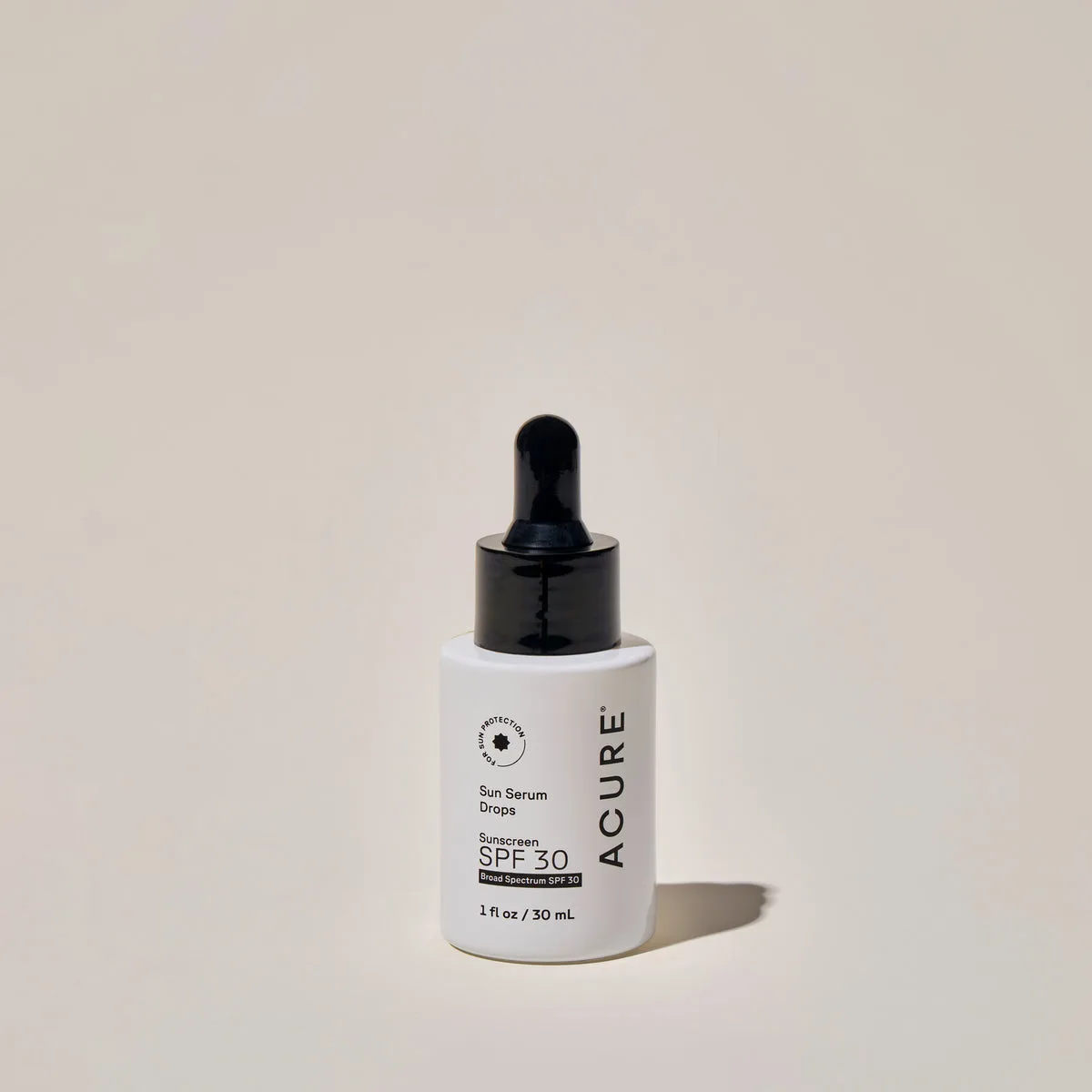
It delivers gentle mineral SPF 30 in a glow-giving, oil-serum format rather than a traditional lotion, leaning on shea butter and plant oils for a dewy, nourishing finish that most mineral sunscreens cannot match. The fragrance-free formula with high zinc plus calendula and vitamin E targets dry, sensitive skin that wants luminous sun protection that doubles as a moisturizing step.
A gentle, fragrance-free mineral SPF 30 delivered in a glowy oil-serum format that nourishes dry skin while it protects. The shea-and-calendula base gives a genuinely dewy finish rare for a high-zinc sunscreen, with the honest trade-offs being a slight white cast, a richness that suits dry over oily skin, and a cap at SPF 30.
Because these drops launched in 2024 and have only a few hundred reviews so far, this assessment leans on the declared zinc oxide active and emollient base plus Acure's broader track record rather than extensive long-term wear data. The finish-and-tolerance verdict should sharpen as more user feedback accumulates.
The case for it
Same rule for everyone. “Full protection” is the verdict on 2,288 of 45,024 concern verdicts across the catalog; rule P1 decided 2,232 of them. Unchanged since September 5, 2026, engine 5.1.1.
Brand or formulator? Disclose a concentration or correct a fact →
The studies behind the evidence row
The case for it
What would change this: A declared concentration would move this to a firmer reading of the dose.
Same rule for everyone. “Good choice” is the verdict on 9,564 of 45,024 concern verdicts across the catalog; rule R5 decided 9,072 of them. Unchanged since September 5, 2026, engine 5.1.1.
Brand or formulator? Disclose a concentration or correct a fact →
The studies behind the evidence row
The case for it
What would change this: A declared concentration would move this to a firmer reading of the dose.
Same rule for everyone. “Full protection” is the verdict on 2,288 of 45,024 concern verdicts across the catalog; rule P1 decided 2,232 of them. Unchanged since September 5, 2026, engine 5.1.1.
Brand or formulator? Disclose a concentration or correct a fact →
The studies behind the evidence row
The case for it
What would change this: A researched evidence row for the lead active would replace this with a verdict.
Same rule for everyone. “Good choice” is the verdict on 1,938 of 45,024 concern verdicts across the catalog; rule F2 decided 1,938 of them. Unchanged since September 5, 2026, engine 5.1.1.
Brand or formulator? Disclose a concentration or correct a fact →
Does the jobDoes what a sunscreen is for: UVA coverage, kind to the skin wearing it. Not measured from the label: pleasant enough to actually use.
A verdict is DermApproved’s assessment of how well a product’s ingredients fit a concern — never a claim about what the product treats. Evidence dots and collected reviews sit beside it and are never blended in. Rules 0.5.1 · evidence table ev-2026.09-r228 · how we decide
The sunscreen serum is one of the more interesting categories to emerge in recent years, born from a simple insight: people skip sunscreen because of how it feels and looks far more than because of what it does. So the industry started reformulating SPF to behave like the glowy, skincare-forward serums people actually enjoy applying, betting that a sunscreen you find pleasant is a sunscreen you will actually wear. Acure's Sun Serum Drops are a mineral entry into that space, and they raise a fair question: is merging a glow serum with sun protection a real advance, or just a clever finish trick dressed up as innovation? The answer, pleasingly, is a bit of both, and which one matters more depends entirely on your skin. Let us be clear about the protection first, because that is the part that cannot be a gimmick. The active here is zinc oxide at a hefty 21.75 percent, a single mineral filter earning a broad-spectrum SPF 30 rating. That is a serious, respectable dose of the gentlest, most sensitive-skin-friendly filter available, one that reflects and absorbs both UVA and UVB while sitting on the skin's surface rather than being absorbed. For reactive, rosacea-prone, or simply mineral-preferring skin, that is exactly the right active, and there is nothing watered-down about the serum format: this delivers the same tested SPF 30 as any lotion, provided you apply it as generously. The serum part is purely about texture and finish, not about reduced protection, a point worth stressing because the word serum can mislead people into thinking it is somehow lighter on coverage. It is not. Now the finish, which is where these earn their name and their appeal. Where most high-zinc sunscreens have a chalky, matte, slightly draggy character that fights the very glow people want, these drops do something genuinely clever with their base. Shea butter, caprylic/capric triglyceride, coco-caprylate, and a touch of olive oil turn the formula into a dewy, cushioned, oil-serum fluid that leaves skin looking luminous rather than flat. For dry, dull, parched skin, it is lovely, the kind of sunscreen that doubles as a moisturizing, radiance-giving step rather than a chore you tolerate. Calendula adds the brand's soothing botanical note and vitamin E brings antioxidant support, a smart inclusion in any sunscreen given that UV exposure spawns free radicals. The whole thing is fragrance-free, which keeps it friendly to sensitive skin. The honest trade-offs are the predictable ones for a mineral formula, and the format does not fully escape them. First, the white cast: 21.75 percent zinc is a lot, and while the oils help disperse it, there will be some whitening, more noticeable on deeper skin tones, and it takes a moment of blending to settle into that glow. Mineral filters simply cannot go as invisible as chemical ones, and that is physics, not a formulation failure. Second, the very richness that makes it glorious on dry skin makes it a poor fit for oily or acne-prone skin, which will likely find it too dewy, too greasy, potentially too clogging given the olive oil; this is unapologetically a dry-and-normal-skin product. Third, it needs a good shake before each use, since mineral particles settle in a fluid base, an easy step to forget that matters for even protection. And as with every sunscreen, the rated SPF assumes a generous layer, easy to under-apply when something feels this much like a luxurious serum. There is also the cap at SPF 30, ample for everyday wear but not the SPF 50 some prefer for intense sun. On value, it lands reasonably. Twenty dollars for a fragrance-free mineral SPF that genuinely doubles as a glow-giving moisturizing step is fair, especially against buying a separate sunscreen and a hydrating serum. For dry, sensitive, or mature skin that wants luminous, gentle sun protection and is tired of chalky mineral textures, these drops are a real pleasure to use, which, in the end, is the entire point of the sunscreen-serum category. Shake them well, apply generously, accept the slight cast as the cost of mineral gentleness, and save them for skin that loves a dewy finish, and they make daily mineral sun protection something you might actually look forward to. It is worth dwelling on that last idea, because it is the strongest case for the whole sunscreen-serum trend and for these drops in particular. The most protective sunscreen in the world is useless in the bottle, and the single biggest determinant of whether someone actually wears SPF every day is not the filter list but how the product feels and looks on their face. A chalky, draggy, ghostly mineral lotion is something many people quietly abandon by midsummer; a dewy, nourishing serum that makes dry skin glow is something they reach for happily. By making gentle mineral protection genuinely pleasant for dry and sensitive skin, these drops solve a behavioral problem as much as a formulation one. That does not make them right for everyone, oily skin and deeper tones have legitimate reasons to look elsewhere, but for their intended audience, the fact that the sunscreen is a pleasure to apply may be the most valuable thing about it.
The hero actives that drive this product's performance.
| Ingredient | Function | Evidence |
|---|---|---|
| Zinc Oxide 21.75% (21.75%) | The single mineral filter at a high 21.75 percent, delivering broad-spectrum SPF 30 protection while its inherent gentleness suits the lightweight, everyday serum format and sensitive skin this product targets. | Regulator-approved for Sun Damage · limited certainty |
| Shea Butter (Butyrospermum Parkii) | Adds emollient, barrier-supporting richness to the oil-based serum, helping the high mineral load feel nourishing and glowy rather than dry, and softening the typical chalkiness of a heavy zinc formula. | Established mechanism for Dryness · established mechanism |
| Calendula Flower Extract (Calendula Officinalis) | The brand's soothing botanical signature, included to calm the look of the skin under daily sun exposure and reinforce the gentle, sensitive-skin positioning of these drops. | Not yet assessed |
| Vitamin E (Tocopheryl Acetate) | Provides antioxidant protection against the free radicals UV exposure generates, a sensible complement to the zinc filter, and helps protect the serum's own plant oils from oxidation. | Limited for Sun Damage |
Ingredient standings describe the active at treatment-level doses and vehicles; this product's own condition grades weigh its actual formula.
Active Ingredient: Zinc Oxide 21.75%. Inactive Ingredients: Dicaprylyl Carbonate, Caprylic/Capric Triglyceride, Butyloctyl Salicylate, Tridecyl Salicylate, Coco-Caprylate/Caprate, Coconut Alkanes, Sorbitan Sesquioleate, Polyglyceryl-2 Dipolyhydroxystearate, Butyrospermum Parkii (Shea) Butter, Cetyl Alcohol, Stearyl Alcohol, Tocopheryl Acetate (Vitamin E), Calendula Officinalis (Pot Marigold) Flower, Olea Europaea (Olive) Fruit Oil, Lecithin, Ethylhexylglycerin
sunscreen
AM
Shake well, then apply a generous, even layer as the final step of your morning routine over serums and moisturizer. The glowy oil-serum finish means it can double as a moisturizing step for drier skin; layer makeup over it once it has settled.
Immediate broad-spectrum protection and a dewy glow once applied generously. Daily use provides cumulative protection against photoaging; the antioxidant and soothing extras offer modest supporting benefit over time.
The protective foundation here is zinc oxide at 21.75 percent, a broad-spectrum mineral filter with an extensively documented efficacy and safety record; zinc covers both UVA and UVB, remains largely on the skin surface rather than being meaningfully absorbed, and is the filter most consistently favored for sensitive and reactive skin. A concentration this high is what enables a single mineral filter to reach SPF 30, and is also the source of the characteristic body and slight whitening of mineral formulas. The serum's oil-and-emollient base, shea butter, caprylic/capric triglyceride, and coco-caprylate, serves two evidence-aligned purposes: it disperses the zinc particles to improve aesthetics and contributes barrier-supporting lipids, with shea butter having reasonable support for emolliency and skin softening. Tocopheryl acetate (vitamin E) is a well-established antioxidant, and research supports the rationale of pairing antioxidants with sunscreen to help counter UV-induced oxidative stress that filters alone do not fully address. Calendula contributes a mild, traditionally soothing note with limited controlled clinical evidence at cosmetic levels. The salicylate esters present (butyloctyl and tridecyl salicylate) function here as emollient solvents and film formers, not as active UV filters. As with all sunscreens, the labeled SPF assumes application at 2 mg per square centimeter, so delivered protection depends on a generous layer. The honest scientific read is that these drops provide sound, gentle mineral protection in a well-formulated emollient base, with antioxidants a genuine plus and a white cast the main aesthetic cost.
Zinc-oxide-based mineral sunscreens are frequently recommended for sensitive, rosacea-prone, and reactive skin, and a high-zinc SPF 30 like this fits that profile well. The serum or oil-drop format is generally viewed as a matter of texture and finish rather than protection level, with the same caveat that applies to all sunscreens: adequate quantity and even coverage are essential to reach the labeled SPF. Clinical perspective typically notes that high-zinc formulas can leave a cast, particularly on deeper skin tones, and that richer, oil-based bases suit dry skin but may not be ideal for oily or acne-prone skin, which is usually steered toward lighter options. Antioxidant additions such as vitamin E are seen as a sensible complement to UV filters. SPF 30 is considered adequate for everyday protection, with higher SPF and physical measures recommended for prolonged sun, and consistent daily use remains the key to preventing photoaging.
Shake the bottle well before each use to redistribute the mineral filter. Apply a generous, even layer, about a quarter teaspoon for the face, as the final step of your morning routine, over any serums and moisturizer. Give it a minute to blend past the initial cast into its dewy finish before applying makeup. For dry skin, it can serve as both your moisturizing and sun-protection step. Reapply every two hours during prolonged sun exposure, and after sweating or swimming. Because it caps at SPF 30, combine it with shade and protective clothing for intense conditions, and apply it consistently every day for cumulative benefit.
At around twenty dollars for 30 mL, these drops offer fair value, particularly because the nourishing, glowy base lets them double as a moisturizing step for dry skin, effectively combining a hydrating serum and a sunscreen. That compares well against buying both separately, and you get FDA-regulated mineral protection plus antioxidant and soothing extras from a brand with a solid track record. The value is strongest for dry, sensitive, or mature skin that will use it as both glow-serum and SPF; oily skin and anyone wanting an invisible finish or SPF 50 will get less from it. Applied generously enough to actually work, a bottle lasts a couple of months.
These drops are ideal for dry, normal, or mature skin that wants a gentle, fragrance-free mineral sunscreen with a luminous, dewy finish that doubles as a hydrating step. They suit people who prefer zinc over chemical filters, who dislike the chalkiness of typical mineral sunscreens, and who enjoy a glowy rather than matte look.
Skip these if you have oily or acne-prone skin, since the rich, dewy oil base may feel greasy or clog pores. Anyone needing an invisible finish or SPF 50 should look elsewhere, as the high zinc leaves a slight cast and the rating tops out at 30, and those who dislike shaking a product before every use may prefer a lotion.
A fluid, oil-based serum that drops out thin and spreads to a cushioned, dewy layer, settling into a luminous rather than matte finish.
Fragrance-free, with only a faint natural smell from the shea and plant oils and no added perfume.
A 30 mL bottle with a dropper, requiring a shake before each use to redistribute the mineral filter.
Drops on as a dewy, nourishing fluid that may show a slight white cast before blending into a glowy finish. There is no sting; the shea and oils make it comfortable on dry skin. Shake well first, and apply generously to reach the SPF 30 protection.
About two to three months as a daily face sunscreen applied in an adequate layer each morning.
All Year
These drops complete Acure's clean sunscreen trio alongside the mineral lotion and the invisible stick, added to give the range a glowy serum option. The format reflects the wider trend toward sunscreen serums that blur the line between skincare and sun protection, built on the brand's preference for mineral filters and soothing botanicals.
Acure, founded in 2009, is a broadly distributed natural-skincare brand sold at Whole Foods, Target, and online. This is an FDA-regulated OTC mineral sunscreen, so its protection rests on a tested zinc oxide concentration; the serum-drop format is a newer addition to the brand's clean sunscreen range.
Sunscreen serum drops give less protection than a regular sunscreen.
These provide the same broad-spectrum SPF 30 as any tested sunscreen, thanks to 21.75 percent zinc oxide. The serum format is about texture and finish, not reduced protection, as long as you apply a generous, even layer like any sunscreen.
Mineral sunscreens cannot have a nice glowy finish.
While high-zinc formulas often look chalky, the shea butter and plant oils here create a genuinely dewy, luminous finish. The trade-off is that this richness suits dry skin far better than oily skin, which may find it too glowy.
They are mineral. The only active filter is zinc oxide at 21.75 percent, which provides broad-spectrum SPF 30. Zinc is well tolerated by sensitive skin, and these contain no chemical UV filters.
There is a slight cast, which is typical of the high 21.75 percent zinc level, and it is more noticeable on deeper skin tones. The shea butter and oils help disperse it, and a minute of blending settles it into a dewy, glowy finish.
For dry and normal skin, often yes. The shea-and-oil base is nourishing and dewy enough to double as a moisturizing step, letting you combine hydration and sun protection in one product. Oily skin may find it too rich for that role.
Mineral filter particles settle in a fluid serum base over time. Shaking well before each use redistributes the zinc oxide evenly, which ensures you get consistent, full broad-spectrum protection across your skin.
They use zinc oxide, a mineral filter often preferred during pregnancy, with no retinoids or restricted actives, only soothing and antioxidant extras. They are generally considered pregnancy-friendly; confirm with your provider if you have concerns.
SPF 30 applied generously and reapplied is generally adequate for everyday incidental sun. For prolonged or intense exposure, a higher SPF combined with shade and protective clothing offers more reliable protection.
Recurring themes our editors read across retailer reviews of this product — summaries in our words, not quotations, and not a substitute for your own patch test.
Glowy, dewy finish
Gentle fragrance-free mineral SPF
Feels nourishing on dry skin
No synthetic fragrance or chemical filters
Slight white cast from high zinc
Too dewy or greasy for oily skin
Needs shaking before use
Only SPF 30
Verified answers from our questions library — the nuance a product page cannot carry.