Succinic Acid
Products with Succinic Acid
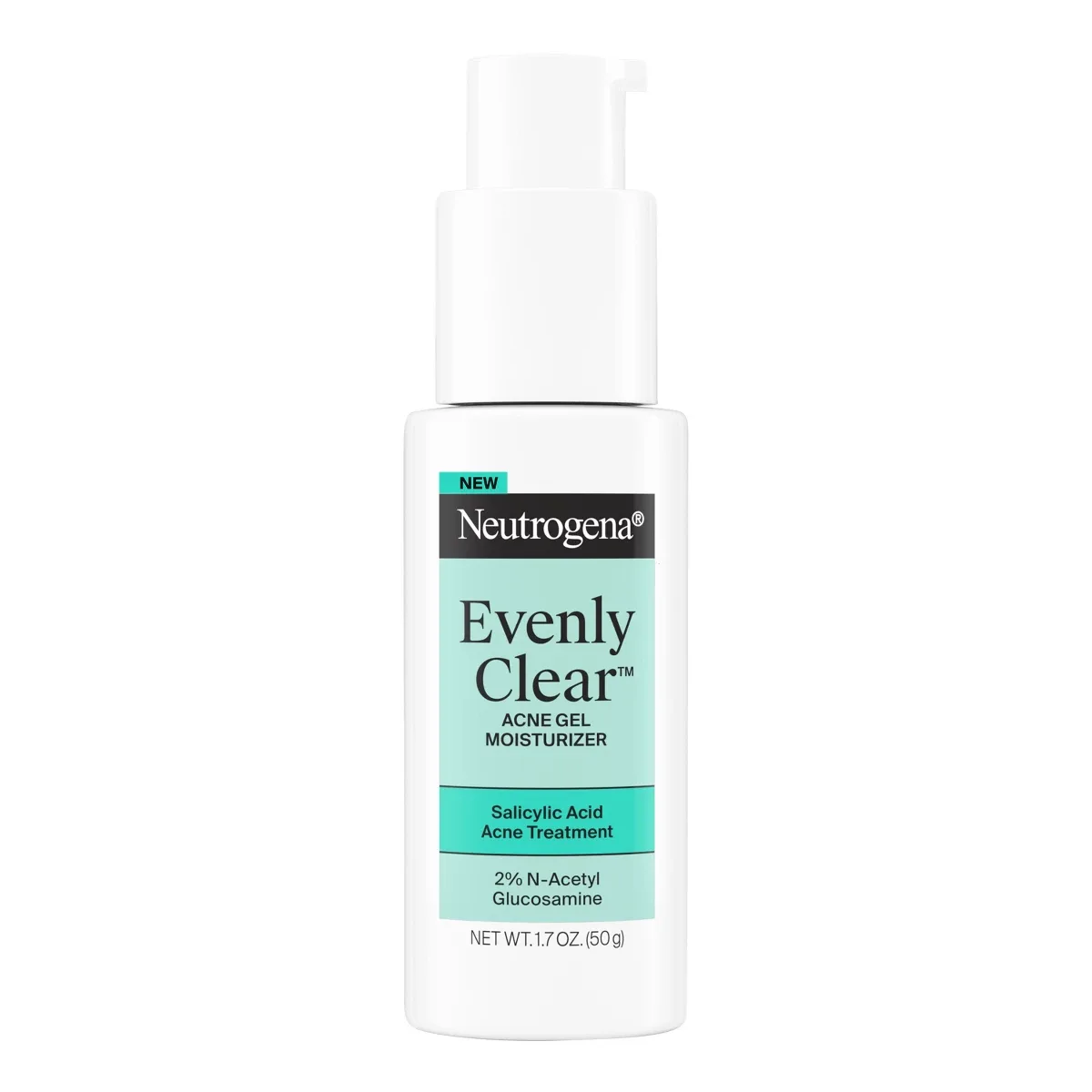 Monograph Acne Moisturiser
 Evenly Clear Acne Gel Face Moisturizer with Salicylic Acid
An oil-free, fragrance-free acne moisturiser registered as an OTC drug at the monograph-minimum half a percent of salicylic acid, with a declared two percent N-acetyl glucosamine for post-acne marks on a glycerin-sugar-panthenol base. It hydrates oily, treated skin without clogging, helps keep new clogs down and evens tone slowly; it is not a treatment, the glucosamine works without its usual niacinamide partner, and dry or sensitive skin should not wear an acne active all day.
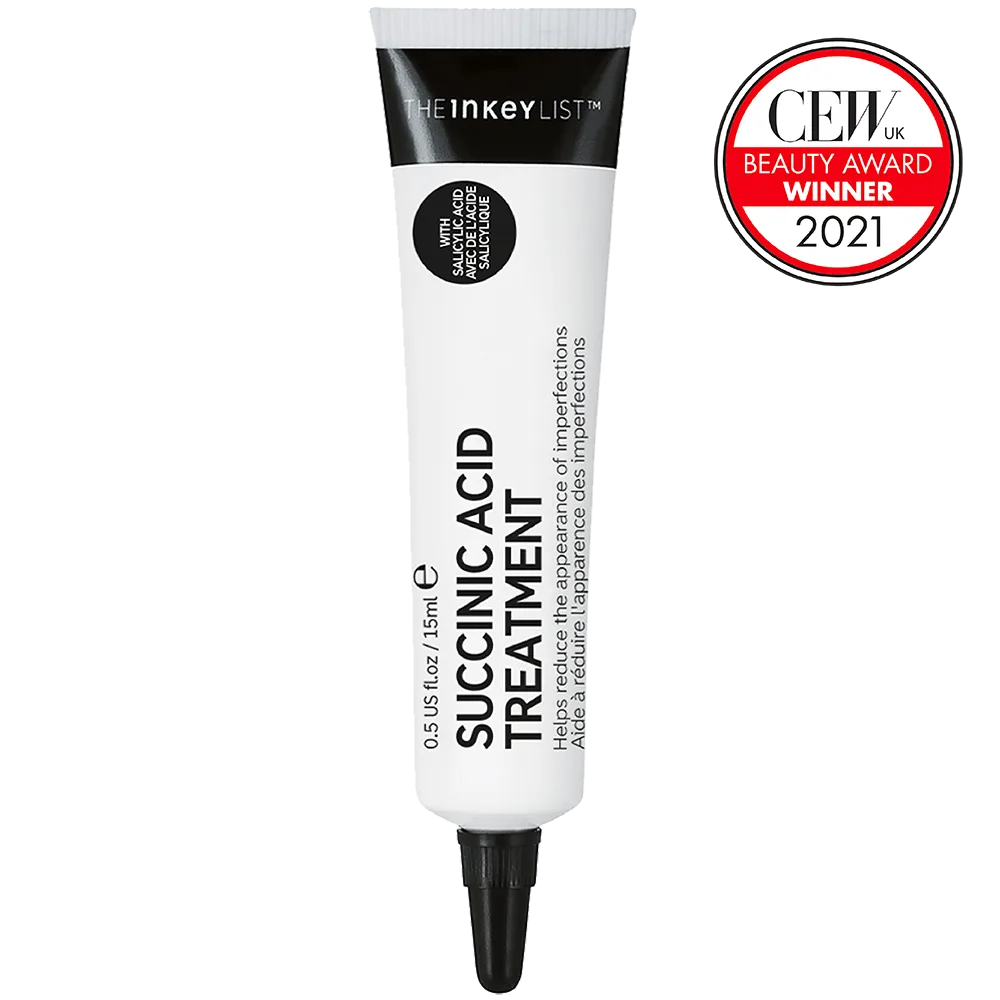 Budget Blemish Fighter
 Succinic Acid Treatment
A triple-threat acne spot treatment that punches above its weight — succinic acid, sulfur, and salicylic acid working in concert for under $9. The green tint and small tube are trade-offs, but the multi-active approach delivers faster blemish resolution than most single-ingredient alternatives.
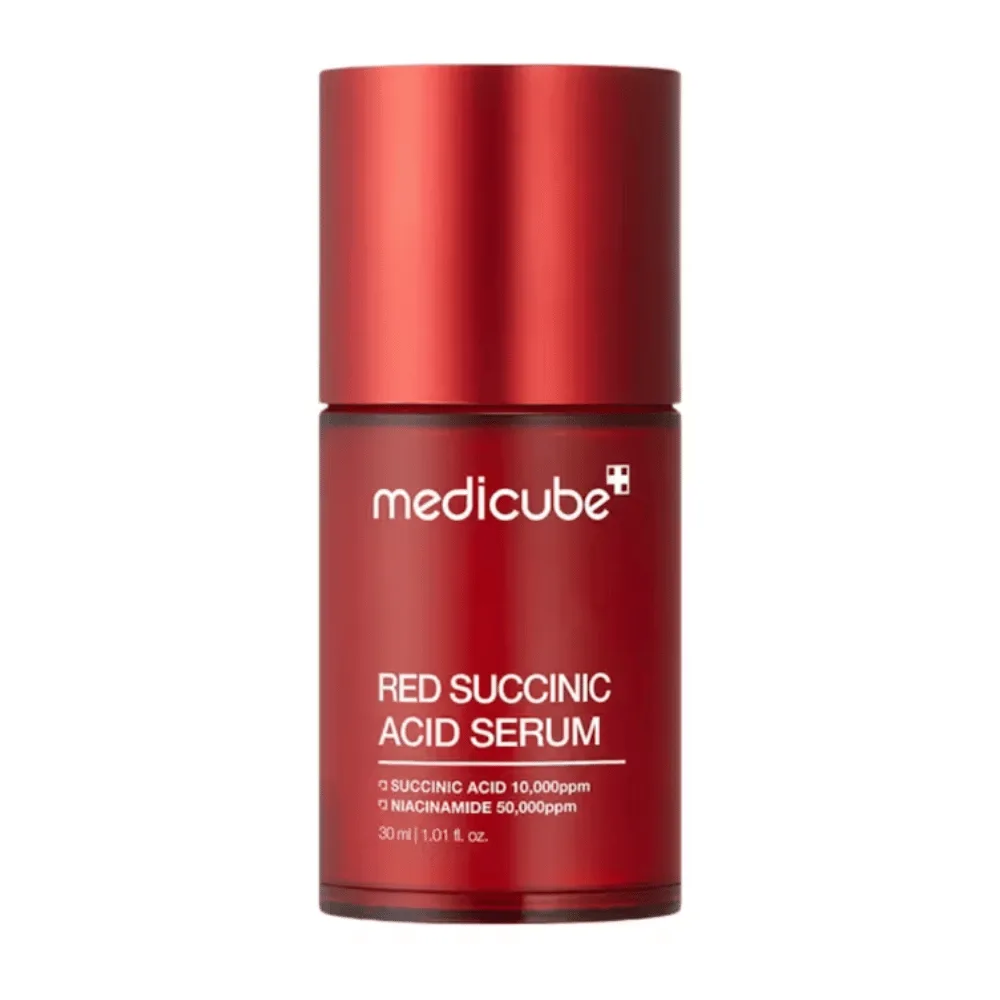 Gentle Acne Game-Changer
 Red Succinic Acid Serum
A refreshingly gentle acne serum that pairs succinic acid's emerging antimicrobial properties with niacinamide and substantial panthenol for barrier support, delivering consistent breakout reduction without the irritation tax most acne treatments demand — though the small bottle and modest BHA concentration may leave aggressive-treatment seekers wanting more.
 Microneedle Patch for Blind Bumps
 Early Stage Acne Dots
Peace Out Early Stage Acne Dots are a genuinely different, smarter kind of patch: 430 self-dissolving microneedles that penetrate just below the skin to deliver 2% salicylic acid, niacinamide, and succinic acid where an early or blind pimple is forming — something surface hydrocolloid patches can't do. That makes them a real tool for the under-the-skin bumps regular patches ignore, best applied the moment you feel one coming. The honest caveats: the microneedles are short, so the 'cystic' claim overreaches (deep cysts are beyond their reach), the evidence is still emerging, and at around $20 for just 8 patches they're expensive. But as a targeted early-intervention patch for forming blind bumps, they genuinely deliver.
 Succinic Acid Sleeper Hit
 Miracle Clear Barrier Cream
Rael's Miracle Clear Barrier Cream is one of the more thoughtful additions to the acne-moisturizer category, pairing succinic acid with ceramide NP and panthenol in a barrier-first base that genuinely hydrates oily skin without setting off compensatory shine. It's not a replacement for prescription acne care, but as a daily maintenance layer it's quietly excellent.
 Oil-Control Toner
 Powder Lotion
A cheap, genuinely effective oil-control toner built on an old Asian 'powder lotion' format — shake to mix a watery layer with a sebum-absorbing mineral powder that really does mattify oily skin. Vitamin C and centella add brightening and soothing. The catch is the alcohol and menthol, which make it a targeted product for oily, resilient skin and a poor fit for anything dry or sensitive.
 Salon-Style Carbonic Peel-Off
 CO2 Jelly G
A satisfying, salon-style carbonic mask: stir the granules into the blue gel, feel it fizz and set, and peel it away to reveal soft, smooth, hydrated skin. It is fragrance-free, oil-free and gentle. The carbonic 'circulation' story has little evidence behind it, and the price makes it a weekly treat rather than a staple.
 Gentle Clarifier
 Clear Code Superfruit Serum
A gentle, fragrance-free clarifying serum that takes the low-aggression route to clearer skin — succinic acid for sebum control, noni and a botanic complex to soothe and rebalance, no sting or peel. A genuinely likable option for sensitive, mildly blemish-prone skin, as long as you accept it's slower and milder than proven acne actives, and not strictly fungal-acne safe.
 Gentle Gommage Polish
 Pore Melting Peeling Gel
A well-priced, pleasant gommage gel that backs the rolling-polymer theatre with a real polyhydroxy acid, rice powder and centella, leaving skin smooth and bright the moment it rinses. It is a surface polish and nothing more: the rolls are mostly formula, the advertised LHA is not on the label, established blackheads do not move, and the fragrance keeps reactive skin away.
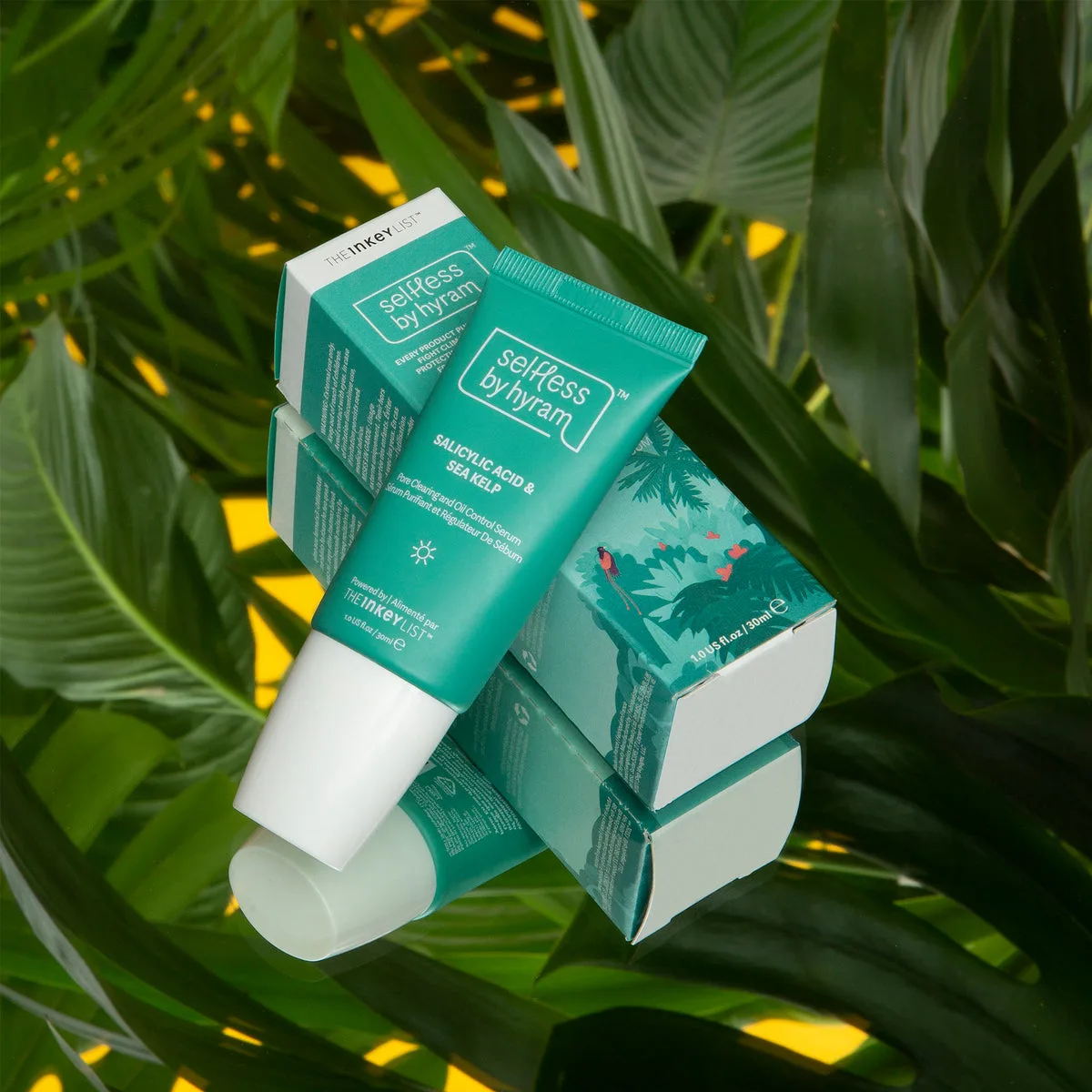 Encapsulated BHA Treatment
 Salicylic Acid & Sea Kelp Pore Refining Toner
A genuinely gentle, genuinely effective BHA treatment that uses encapsulated salicylic acid at 0.5 percent and stacks it with 5 percent niacinamide, 2 percent succinic acid, and sea kelp. It is layered in a way that most budget-adjacent acne products aren't, and the encapsulation delivers the BHA benefit without the classic sting. The small 30ml size is the main practical drawback.
 Triple-Acid Blemish Serum
 Clear Spot Serum 7.325 Pump
A genuinely well-built blemish serum that pairs three complementary acne actives — azelaic acid, LHA, and succinic acid — with a soothing sea-moss-and-panthenol complex, fragrance-free and fungal-acne-safe. Azelaic acid makes it a rare serum that treats breakouts, redness, and post-acne dark marks at once. The acids demand careful introduction and sunscreen, and it's a premium price for a small 30ml bottle.
 Effective but Perfumed
 Heartleaf Hyaluron Soothing Pore Cleansing Oil
As a cleansing oil it does its job well — thin, quick to emulsify, clean rinse, sunscreen gone in one pass, fair price for 200 mL. As a 'soothing' product for sensitive skin it is mis-sold: nine essential oils including clove and geranium sit in the list, and the ten hyaluronic acids and five ceramides on the box are trace flourishes in a rinse-off. Good for normal and oily skin that likes an herbal cleanse; not for reactive faces.
 Two-Sided Morning Prep Pad
 Probioderm Collagen Remodeling Serum Pads
A well-designed, two-sided morning pad that gently smooths and preps skin for makeup with betaine salicylate, succinic acid and a comfortable ferment-and-panthenol essence. It is pleasant enough for daily use and fairly priced at under 50 cents a pad; the added fragrance and a declared two parts per million of collagen mean it is a nice prep step rather than a firming treatment.
 K-Beauty Spot Fighter
 Triple Acid Spot Care Microdart Patch
A genuinely innovative microdart acne patch that goes beyond standard hydrocolloid technology by delivering triple acids, centella, zinc, and succinic acid directly beneath the skin surface. At $1.25 per patch it is a premium spot treatment, but the targeted delivery system and overnight results justify the cost for inflammatory blemishes.
 K-Beauty Pore Purge
 Red Succinic Acid Peel
A potent 1-minute wash-off peel that combines traditional AHA/BHA exfoliation with the newer succinic acid for targeted acne-fighting action, delivering impressive pore-clearing results for oily and combination skin — though the alcohol and fragrance keep it from being a clean recommendation.
 Gentle Luxury Acid Toner
 Lotus Youth Preserve Exfoliating Face Toner
A competent, gentle daily exfoliating toner — glycolic and succinic acids in a soothing, botanically-styled formula. It works, mildly and gradually. But a steep luxury price for fairly ordinary acid chemistry, and the questionable choice to add fragrance and lemon peel oil to an exfoliating product, hold it back.
 Gentlest AHA Workhorse
 Cleanance AHA Exfoliating Serum
An unusually well-tuned AHA serum for sensitive acne-prone skin — the succinic-and-lactic combination delivers measurable exfoliation with substantially lower irritation than glycolic alternatives, in a 10-ingredient fragrance-free formula that respects the biology it targets. Held back from a top score by drugstore AHA options at half the price and by a relatively low active concentration ceiling.
 Back-Acne Maintenance Mist
 AHA BHA PHA Miracle Body Toner Mist
The most useful thing about this mist is the bottle: a continuous spray that fires upside down, so a leave-on acid-and-niacinamide treatment finally reaches the middle of your back. The formula inside is honest maintenance — low-dose PHA, BHA and citric acid over a niacinamide base — that keeps mild body breakouts and shoulder bumps in check without stripping. Just know the menthol tingle is theatre, and inflamed body acne needs more than this.
 Luxury Sleeping Mask, Famous Name
 Advanced Night Repair Moisturizing Overnight Treatment with Hyaluronic Acid
An elegantly made overnight lipid mask, shea and cocoa butter over multi-weight hyaluronic acid and polyglutamic acid, that presses on as a thin cocoon and returns plumper, smoother, rested skin by morning, exactly as a good occlusive sleeping mask should. The Tripeptide-32 and ATPower vocabulary is the franchise's story rather than the balm's mechanism, and a hundred dollars is the price of the name; for dry and normal skin in winter it is a pleasure, and oily skin should stay with the serum.
 Succinic Acid Blackhead Toner
 Blackhead Melting Softner Toner
Jumiso's Blackhead Melting Softner Toner combines succinic acid (newer K-beauty blackhead active) with PHA, witch hazel, and multi-botanical chemistry in a treatment toner kit with 40 cotton pads and 10 cotton swabs. At $25 the K-beauty value is reasonable. Multiple essential oil components limit sensitive use.
 K-Beauty AHA Pick
 Rosemary AHA Exfoliating Toner (Rosemary AHA Night Serum)
A thoughtfully built K-beauty lactic acid treatment that packs a real 9% dose into a watery, cushioned base full of triple hyaluronic acid, rosemary extract, and panthenol. It does meaningful work on texture and small closed comedones, stays fair on price, and is one of the more comfortable ways to use a strong AHA on combination Asian skin.
 Bumpy-Skin Smoother
 Smoothing Body Serum
A lightweight leave-on body serum that tackles bumpy, breakout-prone skin with a smart succinic-acid, zinc, and willow-bark blend, balanced by barrier lipids and calming blue tansy so it smooths without the usual dryness. The fragrance load and exfoliating actives keep it off the sensitive list, and succinic acid is newer science, but for under fourteen dollars it is a genuinely useful body treatment.
 Daily Acid Starter
 Lactic Acid Exfoliating Serum Smooth & Bright Skin
A thoughtfully padded leave-on lactic serum — polyhydroxy acids, succinic acid, a trace of salicylic and mandelic, three French botanical complexes — that smooths oily, congested skin for fourteen dollars. Then it adds fragrance, two synthetic dyes and a grapefruit extract to a product for acne-prone faces, and declines to say how much lactic acid is inside. Good bones, careless finishing.
The full succinic acid guide
Distilled from amber for centuries before anyone thought to put it in a serum, succinic acid is the rare blemish active your own cells already make — it's a short-chain dicarboxylic acid that runs through the Krebs energy cycle in every mitochondrion you've got.
That endogenous pedigree is part of why it tends to be gentle: it sits at the crossroads of mild antibacterial, light surface exfoliant, and anti-inflammatory, which makes it unusually flexible for oily and breakout-prone skin without the dryness and flaking that come with stronger acids. The research is still catching up to the marketing, but the early data is genuinely worth paying attention to.
How it's regulated in the US
FDA does not classify ingredients — it classifies products, by what they are sold to do. The same molecule can be a drug active in one product and a cosmetic ingredient in the next, and only the claim on the label decides which. What follows is a statement about that legal standing, not about whether it works — the evidence question is answered separately above.
Cosmetic Succinic Acid is a cosmetic ingredient in the US: no OTC monograph covers it and it is not an active in any FDA-approved drug, so a product built around it is a cosmetic rather than a drug.
The evidence for succinic acid is promising but nowhere near the clinical depth of established acne actives like salicylic acid or benzoyl peroxide. In vitro work shows it can suppress Cutibacterium acnes growth at concentrations as low as 0.1%. The most useful human data comes from two 2024 open-label studies (published in the Journal of Cosmetic Dermatology and Skin Research and Technology) of a facial and a truncal formula combining succinic acid with niacinamide and a biotechnological phytocomplex. Over eight weeks, the facial study in 44 subjects reported roughly a 47% drop in inflammatory lesion counts, a 27% reduction in IGA acne severity, and a measurable fall in C. acnes relative abundance — though, crucially, succinic acid was one of several actives, so its individual contribution can't be isolated. A 2026 Cosmetics study compared bio-based succinic acid head-to-head with salicylic acid on reconstructed human epidermis and skin explants, finding it supports controlled stratum corneum desquamation while preserving skin-surface acidity and triggering less inflammatory activation. A 2026 review in MDPI Applied Sciences surveys the wider literature and is candid that clinical and in vivo support is still limited even as the mechanistic picture fills in. The FDA does not recognize succinic acid as an OTC acne active.
How it works
Three overlapping mechanisms make succinic acid interesting for blemish-prone skin. As a weak diacid carrying two carboxyl groups, it nudges the skin-surface pH down toward the 4–5.5 range where C. acnes and other troublemakers grow less readily — an antimicrobial effect that in vitro testing links to meaningful bacterial knockdown at concentrations under 1%. Second, it appears to loosen the corneodesmosome bonds holding dead corneocytes together in the outermost layers, encouraging controlled shedding rather than the aggressive stripping that can compromise the barrier. This is a key distinction from salicylic acid, which dives into the pore and dissolves sebum plugs; succinic acid's action stays comparatively shallow and slow, closer to smoothing than deep unclogging. Third, lab studies on immune cells have observed succinic acid dampening prostaglandin E2 output, part of the inflammatory signaling that turns a clogged pore into an angry, raised lesion — though this is early mechanistic work, not proven on-skin efficacy. Because the molecule is endogenous, it tends to be tolerated even by skin that flares with glycolic or high-strength salicylic acid. Its mild acidity also pulls double duty in a bottle, helping buffer the formula's pH and stabilize co-ingredients without dragging the overall product into irritating territory. The catch worth remembering: most of the human evidence comes from formulas where succinic acid shares the label with other proven actives.
Key benefits
- Helps suppress Cutibacterium acnes without stripping the skin barrier
- Light surface exfoliation with less sting than comparable AHAs or BHAs
- Lab evidence of anti-inflammatory action that may calm redness around blemishes
- Helps buffer formulation pH into the skin-friendly 4–5.5 range
- Plays nicely with daily use and most other actives, especially niacinamide
- Often produced by fermentation of plant sugars, a more sustainable sourcing route
Concentration & usage
Finished products usually land between 0.5% and 2% succinic acid, with The INKEY List's 2% Succinic Acid Treatment being the single-active formula people reference most. In vitro antimicrobial effects have shown up at concentrations as low as 0.1%, but formulas with reported clinical outcomes tend to sit at the 1–2% end. Pure succinic acid is sharply acidic (roughly pH 1), so it has to be buffered in a finished product — aim for a final formula pH in the 4–5.5 window for the best balance of activity and tolerability. On an ingredient label it shows up as "Succinic Acid," occasionally as "Butanedioic Acid."
Who it's for & who should be cautious
Who it's for
This suits oily, acne-prone, or combination skin looking for a breakout-focused active that won't trigger the redness and dryness stronger acids often bring. It's especially worth a look if salicylic acid, benzoyl peroxide, or glycolic acid have proven too harsh — the gentler antibacterial-plus-exfoliant profile can move the needle with less collateral irritation. Sensitive types dealing with the occasional spot rather than entrenched acne are good candidates too.
Who should be cautious
If you have severe or persistently inflammatory acne, don't expect succinic acid on its own to stand in for established treatments — it has no FDA-recognized acne-active status, and moderate-to-severe breakouts usually call for something heavier-hitting like a prescription retinoid or benzoyl peroxide. Anyone already stacking several acid exfoliants (glycolic, lactic, mandelic) should think twice before piling on another acidic active without dialing back elsewhere; cumulative over-exfoliation is a real risk even with the milder ones.
Pairs with & conflicts
Myths & facts
Myth: Succinic acid is just another AHA and works like glycolic acid
Reality: It's a dicarboxylic acid, structurally and functionally distinct from alpha-hydroxy acids. In blemish care its main contributions are antibacterial and anti-inflammatory; the exfoliation is mild and surface-level, not the deep corneocyte turnover glycolic acid drives. Treating them as interchangeable misrepresents both.
Myth: Because it comes from amber, wearing amber jewelry delivers succinic acid to your skin
Reality: This claim circulates constantly, especially around amber teething necklaces, but the research that tested it found no evidence that succinic acid leaches from amber beads in any physiologically meaningful amount, nor that skin absorbs it that way. The skincare benefits require a properly formulated topical product.
Myth: Succinic acid is a clinically proven acne treatment on par with salicylic acid
Reality: The FDA hasn't recognized it as an OTC acne active, and the human data is still thin — most trials test it inside multi-ingredient formulas, so results can't be pinned on succinic acid alone. It's a genuinely promising supporting player, but it hasn't cleared the same evidence bar as salicylic acid or benzoyl peroxide.
Frequently asked questions
How quickly might succinic acid improve breakouts?
The two clinical formulas containing it logged significant improvement at the 8-week mark, in line with most topical acne actives. You may notice slightly smoother texture and a bit less surface redness sooner — somewhere around 2–4 weeks — but a real dent in breakout frequency generally takes consistent daily use across a full skin-cell-turnover cycle.
Is it okay to apply succinic acid daily?
For most skin types, yes — its low irritation profile makes daily use practical, and plenty of products are built for both morning and evening application. If you're also running other acids (glycolic, lactic, mandelic) or a retinoid, start once a day and watch how your skin reacts before bumping up frequency.
Can I use succinic acid while pregnant?
Succinic acid is endogenous — your body makes it during normal metabolism — and it isn't among the topical actives flagged in pregnancy, like retinoids, high-dose salicylates, or hydroquinone. That said, dedicated pregnancy-safety data on topical succinic acid is limited, so running any new active past your OB or dermatologist first is the sensible move.
Will succinic acid clear up fungal acne (Malassezia folliculitis)?
There's no published research evaluating succinic acid against Malassezia, the yeast behind fungal acne. Its antibacterial activity is aimed at bacterial species like C. acnes, not yeast. If fungal acne is the real issue, ingredients with documented antifungal action — zinc pyrithione, sulfur, or selenium sulfide — have far stronger evidence for that specific problem.
Is bio-succinic acid any different from regular succinic acid?
Chemically, no — it's the same molecule with the same INCI name. The "bio" tag just refers to how it's made: fermenting renewable plant sugars instead of synthesizing it from petrochemicals. On the skin the functional properties are identical; the difference is essentially a sustainability and sourcing claim.
Does succinic acid layer well with niacinamide?
Niacinamide is one of its most natural partners — the two appear together in the best-studied succinic acid trials to date, and their mechanisms complement each other (succinic acid leans on bacteria and gentle exfoliation; niacinamide tackles sebum and calms inflammation). There's no known interaction to avoid, and the pair shows up regularly in anti-blemish toners and serums.
Sources
- https://www.mdpi.com/2076-3417/16/7/3538
- https://doi.org/10.3390/cosmetics13030119
- https://pubmed.ncbi.nlm.nih.gov/39205505/
- https://www.roquette.com/media-center/resources/cosmetics-bio-succinic-acid-antibacterial-anti-acne-properties
- https://curology.com/blog/does-succinic-acid-really-help-treat-acne/