Fragrance (Parfum)
Products with Fragrance (Parfum)
 Gloss With a Number
 PLAY Lip Balm SPF 30
A glossy, clinging, properly tested SPF 30 lip balm in a squeeze tube for $12 — better value and longer-wearing than the brand's pricier stick, and honest enough to print its flavour molecule by molecule. It is a quarter chemical filter by weight on the one site that swallows sunscreen, it is sweetened and flavoured to be licked, and its gloss-like tack divides people; Supergoop's own customers rate it 4.3. A sensible lip SPF for the pool bag, with the usual chemical-lip-balm caveats stated plainly.
 Bedtime Lotion, Aromatherapy Optional
 Stress Relief Moisturizing Body Lotion
Underneath the lavender this is Aveeno's dependable glycerin, petrolatum and oat lotion, and it moisturizes exactly as well as that base always has. The stress relief is a scent, not a mechanism, and the fragrance load that makes the scent work is the same thing that rules the lotion out for eczema-prone and reactive skin. Buy it for bedtime if you love lavender; buy the unscented sibling if you do not.
 Monograph-Strength Workhorse
 Clinical Strength Advanced Oil Control Shampoo
One percent selenium sulfide, a strength set by federal monograph rather than a marketing team, in a twelve-ingredient base for twelve dollars. It is one of the most effective things you can buy for oily dandruff without a prescription — and it smells faintly of sulfur afterward no matter how much citrus is thrown at it. That trade is the entire product.
 No-Rub Japanese Makeup Remover
 The Cleanse Frictionless Cleansing Oil
A sixteen-ingredient cleansing oil built around one idea, that makeup should come off without rubbing: three light esters dissolve foundation and sunscreen on contact, five emulsifiers turn the oil to milk on a wet face and rinse it clean without a second cleanse, and a humectant trio, rare in the category, leaves the skin comfortable instead of tight. Kao's reformulation dropped the mineral oil, the price is under thirteen dollars through importers, and the only reservations are a light fragrance, a spilling wide-mouth bottle and the absence of any US brand supply; for dry and sensitive faces that remove makeup nightly, it is one of the best value cleansing oils available.
 Bedtime Scent, Proven Base
 Baby Calming Comfort Moisturizing Body Lotion
Aveeno's excellent fragrance-free baby lotion with a lavender-vanilla scent added and the allantoin taken out, sold as a bedtime ritual. As a moisturizer it is as good as its sibling; as a sleep aid it is a smell, and the smell is the one ingredient a baby with eczema should not have on all night. Buy it for the scent if your baby's skin is robust, and buy the unscented one if it is not.
 The Aloe Gel's Lotion Step
 Soothing & Moisture Aloe Vera 80% Emulsion
A thin, milky, inexpensive aloe lotion that hydrates combination skin comfortably through a warm day and asks nothing of the user — light esters and glycerin doing the work over an 80 percent aloe-juice base, with just enough beeswax to hold it in. It is generic once the aloe number is discounted, it is fragranced despite the soothing label, and it is too light for dry skin in winter and too ester-heavy for some acne-prone faces. As the middle step of a cheap aloe routine it makes sense; as a moisturiser on its own merits it is fine and forgettable.
 Lipid-Depositing Baby Wash
 Nourishing Cleansing Gel with Cold Cream
Mustela's reliable tear-free wash with a cold-cream fraction folded in — beeswax and sweet almond oil that leave a trace of lipid on dry baby skin after rinsing. The idea is sound and the execution is competent, and it feels noticeably less stripping than a plain gel. But it keeps the brand's fragrance and adds a tree-nut oil, which rules it out for the eczema-prone and allergy-prone babies whose skin is driest, and its ceramide is a label promise a wash can't keep.
 Winter Tub Workhorse
 Cocoa Butter Body Cream
A dense, old-fashioned tub cream that moisturizes dry body skin as well as anything at eight dollars a pound, because mineral oil and glycerin sit second and third and the cocoa, shea and coconut butters are along for the scent. Nearly thirty thousand reviewers are right that it fixes winter skin; the honest caveats are fragrance, methylparaben, denatured alcohol and two pore-clogging oils that keep it off faces, chests and sensitive skin.
 Dessert-Flavoured Gloss Balm
 Acai and Vanilla Lip Balm
A glossy, melt-on-contact squeeze-tube balm built on a hydrogenated olefin base with avocado, almond, cocoa and shea for comfort, at a price that makes it an easy impulse buy. The dessert scent and sucralose sweetener are the point and the problem: lovely to wear, hard to stop licking, and wrong for cracked or reactive lips. A treat, not a treatment.
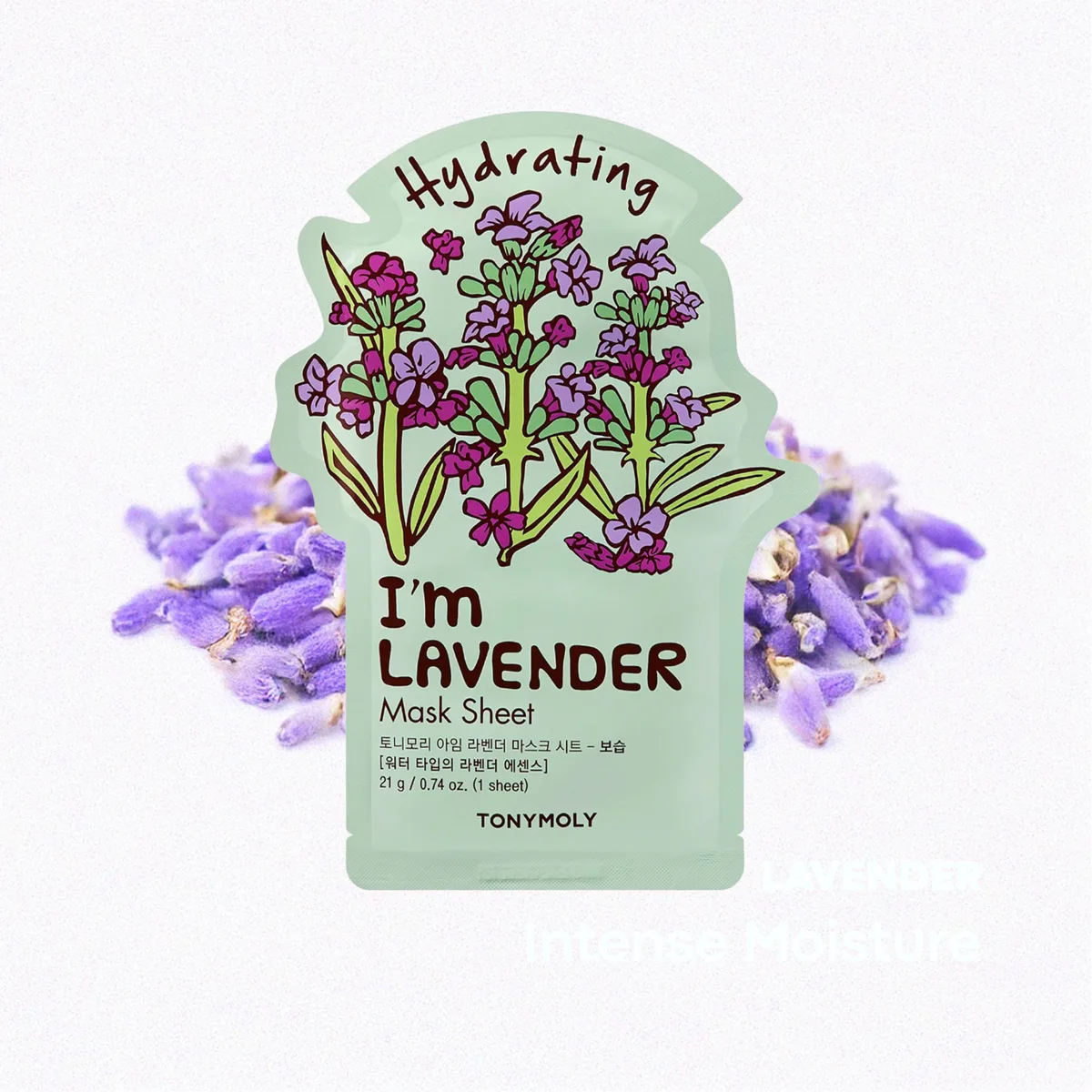 Soothing by Scent, Not by Formula
 I AM Soothing Sheet Masks
The calming in these six perfumed humectant sheets comes from the allantoin, panthenol and water that every TONYMOLY sheet contains, sold as soothing on the strength of lavender, hemp and honey cartoons. The flagship Lavender sheet stacks three aromatic irritants, the Hemp sheet lists a fragrance molecule the EU has banned, and only the Aloe and Cactus sheets belong anywhere near sensitive skin; pleasant on a calm face, a gamble on a reactive one.
 PLAY, Minus the Octocrylene
 PLAY Everyday Lotion SPF 30
The best-selling PLAY lotion with one filter removed: no octocrylene, avobenzone stabilised by a dedicated photostabiliser instead, and a rating of 30 rather than 50 at exactly the same price. For anyone avoiding octocrylene it is the version to buy, and it keeps everything that made PLAY the family sunscreen — hydrating, no cast, 80-minute water resistance, a clean citrus scent. For everyone else the SPF 50 in the matching tube is the better number, and the six essential oils keep both off reactive skin.
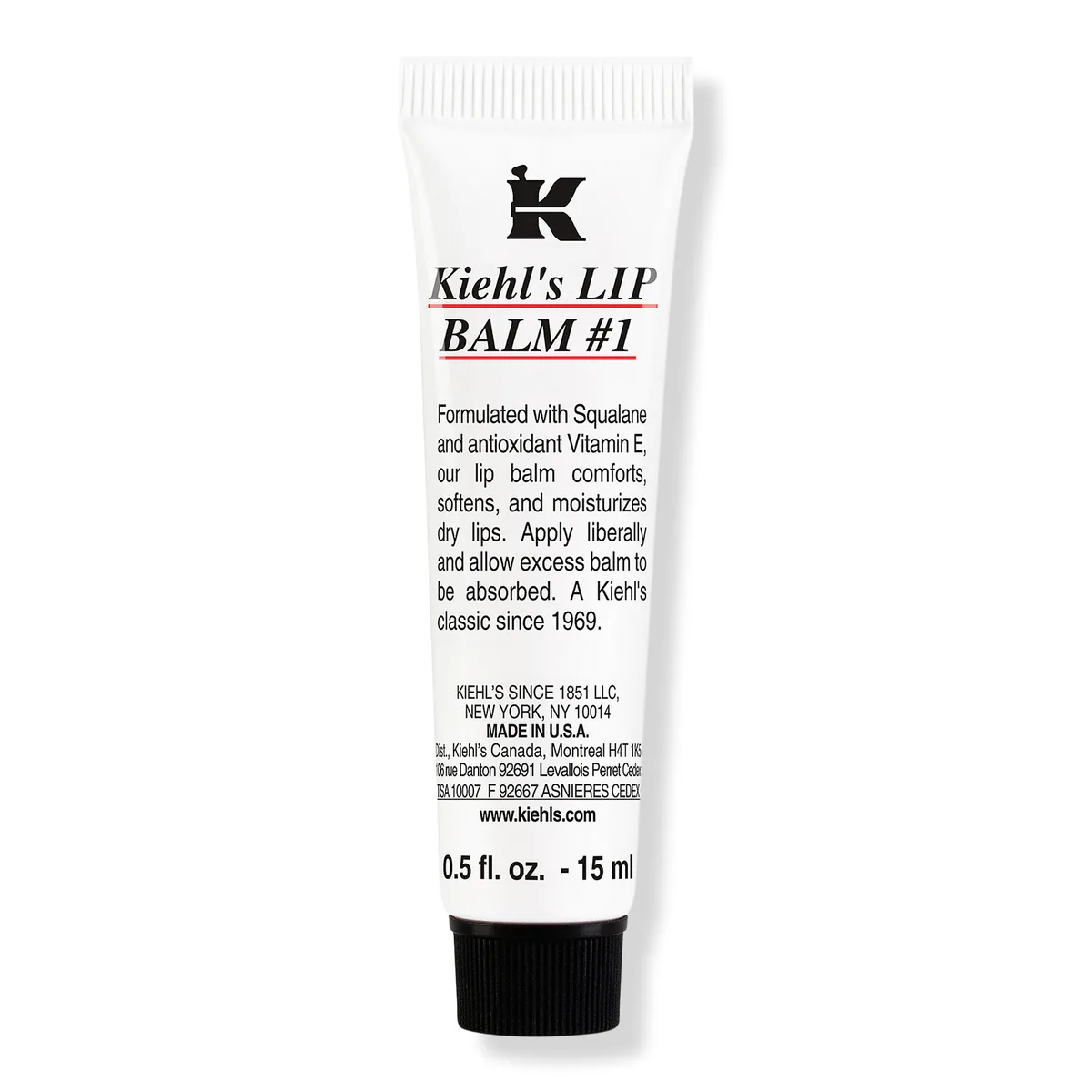 Half-Century Apothecary Balm
 Lip Balm #1 Moisturizing Lip Treatment with Squalane
A fifty-year-old petrolatum-squalane-lanolin balm that seals cracked lips as well as anything on the counter and feels more nourished than plain petroleum jelly, at a price that reflects the apothecary name more than the tube. Its reputation as the simple, unscented choice is not quite earned: the current list carries a fragrance with six declared allergens and lanolin third. Excellent for tough lips, a gamble for reactive ones.
 Drugstore Sheet-Mask Standby
 I AM Hydrating Sheet Masks
A $3 drugstore sheet mask with one real idea, matching a water-type or a light mineral-oil essence to each of five fruit variants, and a lot of cartoon packaging around it. It hydrates for an evening, longer in the emulsion variants, and is perfumed in all of them; a cheerful standby for normal and dry skin rather than anything reactive skin should wear for half an hour.
 Tar You'll Actually Keep Using
 Tar Gel Shampoo
The same 0.5 percent coal tar and the same psoriasis indication, thickened into a gel and given a lemon note — a formula engineered around the reason people quit tar, which is never efficacy. Worth it if smell is what has defeated you before. Not worth it if your scalp reacts to fragrance, since an identical unscented version exists.
 Low-Foam Citrus Wash
 Botanical Facial Gel
A glycerin gel that washes with a coconut foam booster and an emulsifier instead of a real surfactant, so it cleans lightly and strips almost nothing, in a big cheap bottle. The gentleness is real and the tail is not: a loud grapefruit fragrance, two parabens, a formaldehyde releaser, mica and three dyes make it the wrong wash for the sensitive skin its mildness would otherwise suit.
 Post-Flight Rescue Mask
 Ginkgo Mask
A rich shea, glycerin and macadamia cream mask, preserved without parabens or formaldehyde releasers, that puts water and lipids back into dry, tight or post-flight skin over twenty minutes or overnight and leaves it plumped for a day. The ginkgo and kiwi are trace label botanicals and the fragrance sits ninth; otherwise an honest comfort mask for dry skin, too rich for oily faces, and one of the better-built products in the brand's mask range.
 The Least Harmful Scrub
 Extra Gentle Daily Scrub
The most cautious physical scrub in the drugstore: fine, rounded bamboo particles at a low load in a sulfate-free base, from a brand that tests on sensitive skin. It polishes dull, rough skin without scratching, costs under nine dollars, and lasts months. It also carries a fragrance the rest of the range does not, invites daily use that most skin should decline, and belongs to a category dermatology has largely moved past.
 Drugstore Sulfate Wash, Well Behaved
 Ultra Gentle Body Wash
A conventional sulfate body wash that Cetaphil has tempered better than most, with glycerin and betaine high on the list, a refatting ester and no perfume, at a low price. It lathers richly and leaves skin comfortable. It is also an SLES wash with a masking aroma compound, sold as 'ultra gentle' and 'fragrance-free', and both labels are comparative rather than literal. Fine for normal bodies; not the Cetaphil for eczema.
 Galen's Recipe, Nursery Edition
 ABCDerm Cold-Cream Face and Body
Galen's oil-and-beeswax recipe rebuilt for infants — mineral oil, glycerin, beeswax and almond oil in a mild sugar-ester emulsion — that protects wind-chapped cheeks and rough winter hands for under ten cents a millilitre. It is a classic done properly; its two caveats are equally classic, a fragrance on a leave-on baby cream and a nut-derived oil, and they are enough to send eczema-prone and nut-allergy families elsewhere.
 Light Everyday Lotion
 Ceramide Calming Ato Body Lotion
A light, well-made everyday body lotion with an honest label that undercuts its own headline: the five ceramides are declared at about fifteen thousandths of a percent in total, and the 'ato' name sits over a formula with added fragrance. Good for dry, intact skin that wants something fast-absorbing and pleasantly scented; wrong for the eczema-prone skin the name implies, and the brand's own facial range shows it knows the difference.
 Creamy Scented Wash
 Ceramide Calming Ato Cream Body Wash
A thick, creamy, sulfate-free body wash at a skin-friendly pH that leaves ordinary skin soft and smells pleasant, sold under a name and a label that promise far more: ceramides declared down to a tenth of a part per billion, nine peptides in a rinse-off, and an 'ato' badge over a formula with fragrance sixth in the list. Good everyday wash, poor eczema wash, and the small print says so.
 The Aloe Gel's Toner Sibling
 Soothing & Moisture Aloe Vera 90% Toner
A cheap, cooling, honestly hydrating aloe toner — glycerin, glycol, a hyaluronate and a water-holding polymer doing the work behind a 90 percent aloe juice base — that suits oily and combination skin in warm weather and layers well for pennies. The soothing on the label is undercut by denatured alcohol and undisclosed fragrance near the end of the list, so it refreshes healthy skin far better than it rescues irritated skin, and buyers should read it as the gel's watery sibling rather than a treatment.
 Aloe Spritz in a Cute Bottle
 Besties Toner
A cooling aloe-and-glycerin mist in a bottle a twelve-year-old will love, sold with copy that promises witch hazel it does not contain and blemish prevention it cannot deliver. Harmless and pleasant, with fragrance placed high enough to give a dermatologist pause; a fun extra for oily teen skin, not a step anyone needs.
 Salon Soothing Mask
 Azulene Calming Mask
A soft, creamy zinc-and-kaolin mask in a mineral oil base that soothes and mattifies mildly without ever drying, which is genuinely rare, and which contains no azulene despite the name. Lanolin alcohol, fragrance, a formaldehyde releaser, parabens, BHT and three dyes are the wrong list for a mask sold to sensitive skin, and they turn a gentle idea into a gamble for the people it is aimed at.
 The Cooling Cult Mist
 Facial Spray With Aloe, Cucumber And Green Tea
The peppermint spin-off of the mist that invented the category: aloe, peppermint and cucumber waters with a glycol, a fragrance, trace green tea and two dyes, at around two dollars an ounce. It cools, tingles and briefly hydrates as well as any mist and better than most for the money; the mint and the declared fragrance allergens make it the wrong bottle for reactive or flushed skin, and the green tea is a name.
 The Citrus-Sage Cult Mist
 Facial Spray With Aloe, Sage And Orange Blossom
The blemish-prone edition of the mist that invented the category: aloe, sage and orange blossom waters with a glycol, a fragrance placed seventh, trace sage and thyme and two dyes, at two dollars an ounce. It refreshes and smells lovely, and it is the most fragranced spray in the range aimed at the skin least able to take fragrance; the clarifying claim is herbs at trace doses, and the honest use is a citrus pick-me-up over makeup, not a step against breakouts.
 Tone-Up Sunscreen That Clicks
 UV Aqua Rich Aqua Highlight Lotion
Kao's Aqua Rich two-layer lotion, four modern filters at SPF 50+ PA++++ with eighty-minute water resistance, given a new job: titanium dioxide, mica and tin oxide turn it into a luminous tone-up base that brightens the high points of the face and blurs nose pores, for under thirteen dollars through importers. Alcohol second and a fragrance keep it off reactive and very dry skin, the pigment suits lighter tones and casts on deeper ones, and three of its filters keep it off US shelves; for oily, combination and normal skin that wants glow and real protection in one weightless step, it is a very good import.
 Glossy Overnight Lip Mask
 5 Peptide Ceramide Barrier Comfort Lip Mask
An overnight lip mask that works the way a heavy tinted gloss works, an ester-and-butter film that stays slick all night and hands back softer lips by morning, with a vanilla scent, a sheer pink tint and a ceramide and five peptides that sit at trace levels behind the dyes. Good at its one job, less suited to reactive lips than its fragrance-free sibling, and tagged vegan by a brand whose own label says otherwise.
 Scented Sulfate Wash, Cetaphil Name
 Baby Wash & Shampoo with Calendula
A conventional sulfate baby shampoo with a sweet fragrance and a calendula label, tear-free, cheap and much loved for its smell. It is also the one Cetaphil product that abandons the brand's subtraction: SLES second, fragrance twelfth, on a wash for infants. Fine for a robust baby whose parents want the scent; the wrong bottle for a newborn or an atopic baby, whatever the name promises.
 Hydration Sold as Anti-Aging
 I AM Anti-Aging Sheet Masks
TONYMOLY regrouped six of its fragranced humectant sheets under an anti-aging banner that one of them, the Coffee sheet with its trace retinyl palmitate, vitamin C derivative and colloidal oatmeal, faintly earns. They plump fine dehydration lines for an evening, they do nothing to the aging process, and mature skin should note that every sachet is perfumed; three dollars a sheet for hydration wearing a bigger word.
 Ten-Dollar Glycolic Wash
 Glycolic Cleanser
A ten-dollar glycolic wash built on an all-glucoside surfactant base, with the acid placed high and buffered by arginine — gentle for what it is, and a sensible nightly step for oily and combination skin that wants a little surface smoothing. The declared fragrance undercuts the brand's clean positioning, and the pore-shrinking and discoloration claims are things no rinse-off can do. Worth the money; not worth the promises.
 Barrier-Tech Mineral SPF
 Zinc Mild Up Sun Cream
A genuinely good 100% zinc oxide mineral sunscreen: broad-spectrum SPF50+ PA++++ with Atopalm's MLE pseudo-ceramide barrier tech and skin-identical amino acids, making it a barrier-supportive UV defense well-aimed at dry, reactive and eczema-prone skin. The honest catch is a blend of fragrant essential oils (sage, patchouli, mint, juniper, cardamom), an oddly un-gentle inclusion in a 'mild' sensitive-skin sunscreen, plus the usual all-mineral cast.
 Alcohol-Free Post-Shave Soother
 Original Aftershave Balm
A soothing, alcohol-free post-shave balm that does the genuinely useful thing for freshly-shaved skin — calms and rehydrates it with aloe, allantoin, and panthenol, without the sting and dryness of old-school alcohol splashes — at a low price, and vegan. It's a real improvement on traditional stinging aftershaves. The honest notes: it's essentially a soothing light moisturizer marketed for post-shave (so you don't need a separate face lotion), and it's fragranced, which can sting nicked skin and rules it out for very sensitive users. For most men wanting a comfortable, affordable post-shave soother, it's an easy pick.
 Featherlight Scented Body Lotion
 Body Badalada Skin Refresh Water Lotion
Sol de Janeiro's Body Badalada Skin Refresh Water Lotion is exactly what it sets out to be: a fun, gorgeously-scented, ultra-lightweight body lotion. As a water-gel, it delivers genuine but light hydration through multi-glycerin, hyaluronic acid, and antioxidant guava and star fruit, absorbing fast with zero greasiness — lovely for warm weather or anyone who hates heavy lotions. But make no mistake, the real draw is the signature Cheirosa 48 scent, which is why most people buy it. So it's a delightful, featherlight, beautifully-fragranced body lotion with decent basic hydration. The caveats: it's heavily fragranced (a poor choice for sensitive or reactive skin), and the hydration is light and simple, not a rich treatment for very dry skin. Judged as scented body care, it's a nice, fairly-priced treat.
 Salon Classic, Awkward Brush
 Apricot Cuticle Oil
Twelve ingredients, three of them oils, and jojoba in second place doing the real work — a restrained formula in a category addicted to inert filler. It softens cuticles reliably and absorbs beautifully. Eleven dollars is steep for commodity oils, and the brush applicator is the reason this scores lower than its own identical twin.
 Scent First, Oil Second
 Oil Infused Lotion Peach Blossom & Avocado Oil
A pleasant, fast-absorbing drugstore lotion whose hydration comes from glycerin rather than from the avocado oil sitting eighth in its list, wrapped in a sweet peach scent that is the real reason to buy it. It suits normal and moderately dry skin that wants to smell like summer and not feel greasy; it is too light and too alcohol-forward for very dry or eczema-prone skin, and it has become hard to find at a normal price in the United States.
 Classic Scent, Fast Finish
 Essentially Enriched Hand Cream
A well-engineered drugstore hand cream that dries in under a minute, survives a hand wash or two and softens chapped knuckles within days, thanks to glycerin, a silicone film and a starch rather than to the shea and almond oil on the front. It wears the full Nivea perfume with six allergens declared, which makes it a joy for people who love the scent and a poor choice for anyone whose hands react to fragrance, at around seven dollars for a tube newly arrived in the US.
 Salon-Era Carnation Oil
 Carnation Eye Make-Up Remover Oil
Sesame and mineral oil with vitamin E dissolve waterproof mascara in seconds and condition the lashes, and seven dollars for two ounces is as cheap as a good oil remover gets. Then there is the fourth ingredient: a carnation perfume with six declared allergens, one of them banned from EU cosmetics since 2022, massaged nightly onto the eyelids. The oil is excellent and the scent is the wrong decision for the skin it touches.
 Balmy Herbal Eye Cream
 Ceramide Herbal Eye Cream
A balmy mineral oil, rosehip, safflower and petrolatum eye cream with silicones for slip that softens dry, crepey under-eyes overnight and costs twenty dollars, sold on ceramides that are a trace of glycolipids and a herbal name that is a trace of eyebright. The rosehip is a thoughtful touch and the comfort is real; a fragrance and a formaldehyde releaser in an eyelid product are the wrong decisions, and they cost it the sensitive skin it would otherwise suit.
 Salon Post-Shave Lotion
 After Shave Moisturizer
A light mineral oil and glycerin lotion with allantoin at a working position that takes the sting out of a fresh shave within a minute or two and moisturises the jaw without grease, which the small review record confirms. It then applies a lavender-citrus fragrance with five declared allergens, two dyes and a formaldehyde-releasing preservative to skin a blade has just opened, adds comedogenic esters for a product used on the beard line, and charges eighteen dollars for two ounces; a competent post-shave moisturiser for resilient, non-oily skin, and an easy one to beat.
 Daily Hydration Sheets, Collagen Label
 Cica Collagen Mask
A thin, well-fitting, inexpensive daily hydration sheet with niacinamide fourth on the list, which is the useful part; the collagen on the lid sits twenty-eighth behind the fragrance and does nothing, and the parfum is a poor fit for the Cica-seeking sensitive skin it is sold to. Good value as a daily hydrator, empty as a collagen mask.
 Hydrating Masks Filed Under Pores
 I AM Pore Care Sheet Masks
Five fragranced humectant sheet masks that TONYMOLY filed under pore care in 2026 without adding anything that works on a pore: no salicylic acid, no clay, no niacinamide. The Green Tea and Cactus sheets are pleasant fresh hydration for oily skin, the Charcoal sheet tightens with alcohol, the Rice sheet is a mineral-oil emulsion in the wrong set, and none of them changes what a pore looks like tomorrow.
 Pumpable Cold Cream, Scented
 Nourishing Lotion with Cold Cream
Cold cream you can pump one-handed: beeswax and hydrogenated coconut oil for a light overnight film, sunflower oil and glycerin for barrier support and hydration, and a ceramide-plus-precursor pair at the tail that at least gets the chance to work in a leave-on. It softens everyday dry baby skin quickly and pleasantly. The whole-body, all-night fragrance is what stops it being the dry-skin lotion for atopic or sensitive babies, and the ceramides are a smaller dose than the label implies.
 Gentle Scented Gel Cleanser
 Baptism Gentle Gel Cleanser (Woodsy Bergamot)
A genuinely gentle, non-stripping gel cleanser that cleanses with mild amino-acid surfactants and an unusually high 10% glycerin, so skin feels soft and comfortable rather than tight after washing. This version adds a pleasant, fully disclosed woodsy-bergamot fragrance — in-character for a brand built on transparency. It's a lovely everyday cleanser for most skin types that enjoy a lightly scented wash. The premium price and the fragrance itself (reactive skin should choose the fragrance-free version) are the main caveats.
 The Applicator Is The Upgrade
 On A Roll Apricot Nail & Cuticle Oil
The same twelve ingredients as Essie's bottled apricot oil, in a rollerball, for four dollars more. That sounds like a swindle until you notice it rates half a star higher — because with cuticle oil, the applicator that gets used is the one that works. Good product, real premium, and the fragrance problem travels with it.
 Cold Shower in a Bottle
 MEN Cool Body Wash
A cheap, fun sensation wash that does exactly what fifteen thousand reviewers bought it for: a sharp menthol chill under a yuzu scent, a dense lather and a clean rinse for about a dollar a week. Its formula is the harsher end of the NIVEA MEN range, with laureth sulfate, two citrus allergens and two dyes, so it belongs on oily, resilient skin in summer and nowhere near a face, a fresh shave or anyone with eczema.
 Salon-Era Lactic Lotion
 Buttermilk Moisturizer
A light, silky salon-era lotion of isopropyl myristate and mineral oil with an undeclared, neutralised lactic acid for its resurfacing story, finished with a sweet fragrance, two parabens, a quaternary preservative and two dyes. It feels lovely on dry, resilient skin and smooths mildly over weeks; the myristate makes it a bad bet for congestion-prone faces and the tail rules out sensitive ones. Pleasant, dated, and easy to outdo.
 Perfumed Salon Clay Mask
 Flower & Tonic Mask
A soft kaolin-and-zinc clay mask in an oil-and-wax phase that mattifies without cracking and suits drier skin, which is genuinely unusual, wrapped in the heaviest fragrance roll-call in the brand's mask range: ten declared allergens including EU-banned lilial, plus a formaldehyde releaser, parabens, beeswax and wheat starch. A pleasant weekly clay for resilient skin, and one of the worst choices in the line for the sensitive skin its floral name attracts.
 Budget Sheet Mask, Rescue Variant
 Soothing Aloe Sheet Mask
The plainest pouch in Face Republic's budget line and, for that reason, the most useful: aloe, purslane, allantoin and licorice salt over a humectant stack in a watery gel, with no lipid, no fruit extract, no alcohol and no colourant, so it cools, calms and plumps almost any face for twenty minutes and is the natural rescue mask after sun, a flare or a retinoid night. The faint fragrance left on the face is the one flaw on a sheet aimed at reactive skin, and the brand publishes nothing; at a few dollars a sheet it is the variant to buy in bulk.
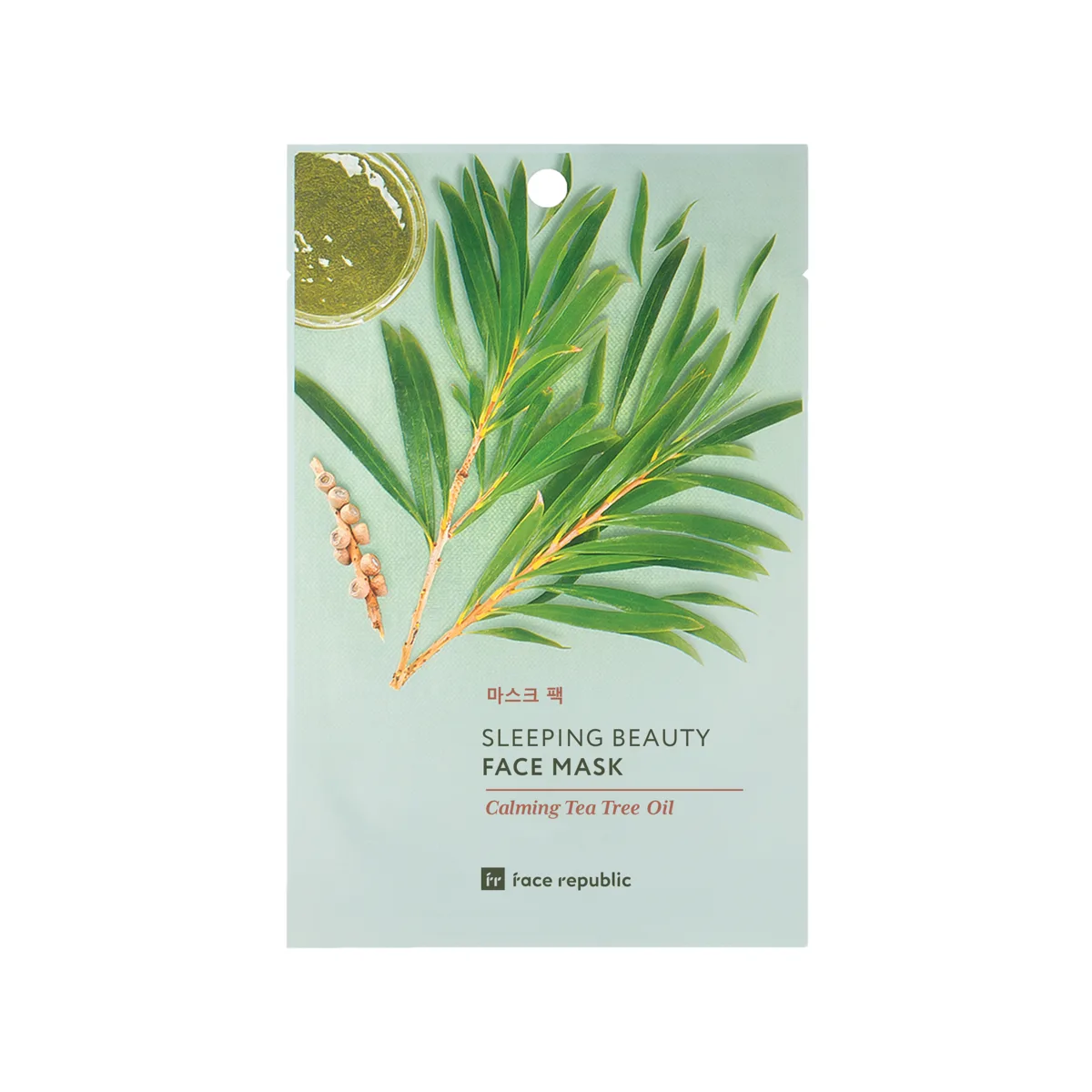 Budget Sheet Mask, Blemish Variant
 Calming Tea Tree Sheet Mask
The oily, breakout-prone pouch of Face Republic's budget line: the shared aloe, purslane, allantoin and licorice base over humectants in an oil-free watery gel, with a tea tree leaf extract fifth for a green medicinal note and a matte-fresh finish, so an angry, over-treated face comes out of twenty minutes cooler, calmer and hydrated without shine, at a few dollars a sheet. The tea tree is a water-based extract rather than the antimicrobial oil and treats nothing, the fragrance is left on inflamed skin, and the brand publishes nothing; a good calming sheet for the nights off actives, bought for the base and not the sprig on the pouch.
 Low-Molecular Collagen Eye Cream
 Cica Collagen Eye Cream
A pleasant, well-priced hydrating eye cream that puts 300-dalton fish collagen third on the list, where it works as a genuine plumping humectant, with niacinamide behind it for a slow lift in tone. It carries a fragrance an eye cream should not, a collagen story that is easy to over-read, and no reviews yet; for dry, dull under-eyes that are not reactive, it does its modest job nicely.
 Drugstore Debut Shampoo
 Never Thirsty Moisturizing Shampoo
A competent nine-dollar drugstore shampoo that lathers like a salon product, cleans thoroughly and leaves hair slick and detangled, thanks to amodimethicone rather than the argan oil on the label. Its sulfate-free claim rides on an olefin sulfonate, its moisture claim rides on the conditioner, and its sixteen declared fragrance allergens make it a poor pick for sensitive scalps; for everyone else it is a pleasant, ordinary wash with a very good price.
 Ceramides for the Cot
 ABCDerm Moisturizing Milk
A better infant lotion than its gentle blue tube lets on — three ceramides, cholesterol and phytosphingosine in a lamellar base, light enough to absorb before the sleepsuit goes on, at six cents a millilitre in the pump size. The fragrance at ninth position, above every one of those ceramides, is the single reason it is not the automatic recommendation for eczema-prone babies.
 Honest ppm, Optimistic Name
 Green Tangerine Vita C Toner
A generous, alcohol-free glycerin toner that hydrates and preps skin well for $22 a 300 ml bottle — and a lesson in reading labels, since Goodal declares its vitamin C at 100 ppm and its tangerine extract at 1,000 ppm, doses that name the product rather than treat anything. The five essential oils sit unusually high on the list, which makes a fine everyday toner for resilient skin a poor one for reactive skin. Buy it for the hydration and the volume; ignore the brightening.
 Mild Drugstore Wash
 Ultra Hydrating Shampoo
A mild, well-lathering, sulfate-free shampoo for dry and colour-treated hair whose real merit is an efficient surfactant blend and a cationic guar, not the argan oil and eight fruit extracts on the label. At ten dollars for eight ounces it is a sensible everyday wash; the benzaldehyde scent means it is not fragrance-free, and very oily scalps will find it too gentle.
 Century-Brand Beeswax Stick
 Everon Lip Balm
A five-ingredient beeswax-and-jojoba stick that has been Weleda's lip balm for decades, does the job well, and costs under nine dollars. The rose-vanilla scent is the point for its loyalists and the problem for reactive lips — eight declared allergens on the most sensitive skin on the face. Not vegan, no SPF, nothing clever, and nothing wrong for ordinary chapped lips that like it.
 Scented Cleanser (Not a Brightener)
 Kojic Acid Turmeric Brightening Body Wash
Medicube's Kojic Acid Turmeric Brightening Body Wash is a pleasant-smelling body wash that cleanses fine — but its 'brightening' claim is largely marketing. The disclosed amounts give it away: kojic acid at 0.02%, vitamin C at 0.001%, turmeric at 0.001% — trace, pixie-dusted levels — and even the higher 2% niacinamide does little in a product you rinse off within seconds. So the brightening is essentially cosmetic. Its salicylic acid does offer a modest, genuine on-contact benefit for body acne and congestion, and it cleanses effectively. But it's heavily fragranced, with a long list of fragrance allergens (limonene, geraniol, citral, linalool, and more), a real irritation consideration. At $24 for 400 ml, it's a fine scented cleanser oversold as a brightening treatment.
 Mild Foam, Blue Capsules, Big Claims
 Zero Pore Capsule Cleansing Foam
A properly mild amino-acid foam, sulfate-free and creamy, with salicylic acid placed high enough to give oily pores a small edge and starch capsules that dissolve into a gentle polish; a good twice-daily cleanser for oily and combination skin that does not strip. The exosome, five-hundred-times-smaller and triple-acid claims are the Zero Pore franchise dressing a rinse-off in leave-on language, and the fragrance is an odd choice for a sensitive-skin pitch, but the cleanser underneath is worth twenty dollars.
 Light Ginseng Day Cream
 Ginseng Moist Cream
A light, comfortable glycerin, dimethicone and rice bran oil day cream with beeswax for body and a ginseng extract at a modest position for the name, that hydrates normal and dry skin well and sets satin under makeup for eighteen dollars. It has no SPF in a product sold for the day, and a fragrance, a formaldehyde releaser and two parabens date it; the base is one of the nicer light creams in the brand's old range, and the name is the least of what it does.
 The Range's Strong Acid
 Glycolic Gel
The strongest leave-on glycolic in the brand's range: acid in third place, no neutraliser, a thin oil-free sclerotium gum gel that is paraben-free and fungal-acne-safe, and that visibly resurfaces congested, dull, oily skin when used two or three nights a week. It stings, the dose and pH are undisclosed, fragrance and three dyes ride along on an unbuffered acid, and the audience is narrow; for resilient, oily, congested skin it is an effective twenty-five dollars, and for anyone else it is the one to leave alone.
The full fragrance (parfum) guide
One word on an ingredient list can stand for a hundred molecules.
Fragrance is the only entry on a cosmetic label that is legally allowed to be a mixture rather than an ingredient, and that single fact is the source of nearly every argument about it — the ones that are overblown and the ones that are entirely justified. If you have switched this off in your profile, you are almost certainly not being irrational, and this page is not going to try to talk you out of it.
How it's regulated in the US
FDA does not classify ingredients — it classifies products, by what they are sold to do. The same molecule can be a drug active in one product and a cosmetic ingredient in the next, and only the claim on the label decides which. What follows is a statement about that legal standing, not about whether it works — the evidence question is answered separately above.
Cosmetic Fragrance (Parfum) is a cosmetic ingredient in the US: no OTC monograph covers it and it is not an active in any FDA-approved drug, so a product built around it is a cosmetic rather than a drug.
Fragrance is the most common cause of allergic contact dermatitis from cosmetics, and the numbers are not small. A 2024 systematic review of European dermatitis patients found sensitization to fragrance mix I in 6.81% and fragrance mix II in 3.64% of those patch tested — a selected population, since these are people who already have dermatitis, but a large one. General-population estimates from a five-country European study land lower, in the low single digits. The regulatory record backs the concern rather than dismissing it: the EU already required 26 individual fragrance allergens to be named on labels, and Commission Regulation (EU) 2023/1545 added 56 more, bringing the total to 82 substances that must be disclosed above 0.001% in leave-on and 0.01% in rinse-off products. Regulators do not expand a mandatory allergen list by a factor of three over a theoretical worry. What the evidence does not support is the broader claim that fragrance in cosmetics is systemically toxic — that case rests on extrapolations the data have not made.
How it works
Fragrance materials are small, often volatile molecules — that volatility is what lets you smell them, and it is also what lets them penetrate the upper layers of skin. Two quite different things can happen once they do, and conflating them is where most of the confusion on this subject starts. The first is irritation. A fragrance compound at sufficient concentration can disturb the stratum corneum directly, provoking stinging, redness and a tight, reactive feeling without any involvement of the immune system. It is dose-dependent, it happens on first exposure, and it is far more common than true allergy. A compromised barrier — eczema, rosacea, over-exfoliated skin, a retinoid adjustment period — lowers the threshold considerably, which is why the same lotion can be fine for years and then suddenly is not. The second is allergic contact dermatitis, and it works differently. Certain fragrance molecules, or the oxidation products they form when a bottle sits open and air gets to them, act as haptens: they bind skin proteins and the immune system learns to recognise the complex. Nothing visible happens the first time. On later exposures, T cells mount a delayed reaction — itch, eczema, sometimes days after contact and sometimes nowhere near where the product was applied. That sensitization is generally permanent. You do not grow out of it, and the only management is avoidance.
Key benefits
- Masks the genuinely unpleasant base odour of many raw cosmetic ingredients
- Improves adherence — people use a product they enjoy applying
- Some materials do double duty as preservatives or antioxidants
- EU rules now require 82 individual allergens to be named on labels
Concentration & usage
On an INCI list the words to look for are Fragrance, Parfum, Perfume and Aroma, which appear near the end because they are used at low percentages — typically well under 1% in skincare. Individual allergens may also be named separately: Linalool, Limonene, Citronellol, Geraniol, Eugenol, Coumarin, Benzyl Alcohol, Benzyl Salicylate, Hydroxycitronellal and Citral are among the most commonly declared. Those names are not additives sneaked in beside the fragrance — they are components of it, broken out because the law requires it. A product listing several of them is not more fragranced than one listing none; it may simply be sold into a market with disclosure rules. Be aware of what this site's own filter does: ticking fragrance in your profile screens for the words fragrance and parfum, and essential oils are a separate family with a separate tick, because lavender oil and rose oil are fragrance in every meaningful sense but rarely say so.
Who it's for & who should be cautious
Who it's for
Nobody needs fragrance, and no formula is more effective for containing it. If you enjoy how a product smells and your skin has never objected, there is no evidence-based reason to strip it out — the population-level allergy figures mean most people tolerate it indefinitely. Where it earns genuine credit is compliance: sunscreen worn daily because it is pleasant beats better sunscreen left in a drawer, and that tradeoff is real rather than a marketing excuse.
Who should be cautious
If you are here because a fragranced product burned, itched or flared your skin, that is sufficient evidence and you do not need a patch test to justify acting on it. Avoid it outright if you have eczema, atopic dermatitis, rosacea, seborrheic dermatitis or a barrier that is currently compromised — these are the conditions where sensitization risk and irritation threshold both move the wrong way, and the standard clinical advice is to keep fragrance out of the routine entirely. Anyone with a known positive patch test to fragrance mix I or II, or to balsam of Peru, should treat avoidance as medical rather than preferential, and that extends to essential oils and botanical extracts that are not labelled as fragrance. Take particular care with leave-on products on thin skin — eye area, lips, neck — and with anything applied to broken or freshly treated skin, where penetration is higher. And know the limits of the label: 'unscented' is not a regulated term and frequently means a masking fragrance was added to cover a base odour, while in the US the Fair Packaging and Labeling Act lets the specific composition stay a trade secret, so 'fragrance' can legitimately conceal dozens of undisclosed materials. Fragrance-free is the phrase that means what you want; unscented is not.
Myths & facts
Myth: Fragrance-sensitive skin is a made-up marketing category — there is no real evidence fragrance harms skin.
Reality: There is a great deal of evidence, and it is not controversial in dermatology. Fragrance is the leading cosmetic cause of allergic contact dermatitis; a 2024 systematic review put sensitization to fragrance mix I at 6.81% among European dermatitis patients, and the EU tripled its mandatory allergen disclosure list in 2023 precisely because the sensitization data justified it. The genuine open question is about systemic toxicity claims, not about whether fragrance causes contact dermatitis. On that, the skeptics were right and were treated as cranks for years.
Myth: Natural and essential-oil fragrance is safer than synthetic fragrance.
Reality: It is often the reverse. Many of the most-implicated allergens on the EU disclosure list — linalool, limonene, geraniol, eugenol, citral — occur naturally in essential oils, frequently at higher concentrations than a perfumer would use them, and they become more sensitizing as they oxidize in an opened bottle. Synthetic fragrance houses can also select against known sensitizers in a way a whole plant extract cannot. 'Natural' describes the origin of a molecule, not how your immune system responds to it.
Myth: The parabens-style scare showed fragrance is an endocrine disruptor, so any amount is dangerous.
Reality: Concern about specific fragrance materials — certain synthetic musks and phthalate solvents in particular — has driven real regulatory review, and treating that as paranoia would be unfair. But the well-documented harm from cosmetic fragrance at use concentrations is contact allergy and irritation, not systemic endocrine effects, and the studies most often cited for the latter involve doses and routes far removed from a lotion on skin. Avoiding fragrance because it inflames your skin is well supported; avoiding it because you believe a leave-on cream is dosing you hormonally is a different claim with much weaker footing.
Frequently asked questions
Does ticking 'fragrance' in my profile also remove essential oils?
No — they are two separate filters, deliberately. The fragrance filter screens for the words fragrance and parfum on the INCI list; essential oils have their own tick because they are usually declared under their botanical names, such as Lavandula Angustifolia Oil. If your reaction is to scent in general rather than to synthetic fragrance specifically, switch on both.
What is the difference between 'fragrance-free' and 'unscented'?
Fragrance-free means no fragrance materials were added. Unscented means the product does not smell of anything, which is frequently achieved by adding a masking fragrance to cover the odour of the raw ingredients. Neither term is defined in US regulation, so the ingredient list is the only reliable check — look for fragrance, parfum, aroma or a run of named allergens.
Can I develop a fragrance allergy after years of using something with no problem?
Yes, and that is the normal pattern rather than an odd one. Sensitization requires prior exposure — the immune system has to learn the molecule before it can react to it — so an allergy typically appears after a long uneventful history with a product. Repeated exposure on a compromised barrier accelerates it. Once established, it does not fade with time.
Why do I react to some fragranced products but not others?
Because fragrance is not one substance. Two products both listing parfum may share almost no molecules, so an allergy to a particular material will fire on one and not the other. Concentration, whether the product is left on or rinsed off, where you apply it, and the state of your barrier all shift the threshold as well. This is exactly why patch testing identifies specific allergens rather than a blanket verdict.
Is it worth getting patch tested rather than just avoiding everything scented?
If your dermatitis is persistent, widespread, or you keep reacting to products you thought were safe, yes — patch testing to fragrance mix I, fragrance mix II and balsam of Peru identifies which materials are actually responsible and lets you avoid a specific list rather than an entire category. If avoiding fragrance already keeps your skin settled, testing is optional rather than necessary.
Are the named allergens like linalool and limonene worse than plain 'fragrance'?
Not worse — just visible. Those names appear because EU rules require 82 specific fragrance allergens to be declared above 0.001% in leave-on products, so a label listing them is being more transparent, not more heavily fragranced. A product that simply says parfum may contain the same materials below the threshold or be sold where the rules do not apply.
- Clean Beauty & MarketingThe Organic Seal on Your Serum Certifies a Farm, Not a FormulaAsked directly whether organic cosmetics are safer than conventional ones, the FDA's published answer is one word. It is not the word the aisle implies.
- Men's SkincareWe Read the Men's Version and the Regular Version. Sometimes the Only Difference Is the Dye.A men's-aisle formula audit, done the only way it can honestly be done: two ingredient lists, side by side, line by line.
- Clean Beauty & MarketingThe Most Common Contact Allergens in Skincare Are Overwhelmingly Plant-DerivedThe fourth most frequent positive patch test in North America is an oxidation product of a molecule that occurs naturally in lavender. Nobody synthesised it into your face cream.
- Clean Beauty & MarketingThe App Scoring Your Moisturiser a 7 Has Never Seen the FormulaYuka's published rule is that the single worst ingredient sets the score. Not how much of it there is, not what it does in that base — its presence. Here is why that is a defensible design choice and a bad safety verdict.