Can One Brand Do Your Whole Routine? An Honest Audit of Single-Brand Regimens
We scored eight of the most commonly recommended brands across every core step. Almost all of them have exactly one category they are quietly weak at — and it turns out to be the same one, in the step with the best evidence behind it.
Read the preview
From the DermApproved blog, in Routine Building: we audited eight of the most recommended brands across every core step, expecting each to have its own idiosyncratic weak spot. That is not what came back. Almost all are weakest in the same category — and it happens to be the step with the strongest evidence behind it. For the full breakdown, visit dermapproved.com/blog.
Why anyone buys a whole routine from one label
The single-brand routine is not irrational, and the people who mock it usually haven't articulated what it actually buys.
It buys texture compatibility: products built in the same lab tend to layer without pilling, because they share emulsifier systems and film formers. It buys a rough guarantee against accidental duplication — you are less likely to end up with three products all carrying the same acid because you didn't read the middle of a label. It buys one return policy, one point of contact when something reacts, and one place to look when a formula changes. And it removes decision fatigue, which is a genuine cost that skincare content routinely pretends isn't real.
What it also buys, unavoidably, is that brand's weaknesses. A range is not uniformly good. It is a portfolio built over years by a company with particular strengths, particular supply relationships, and particular market access — and those things do not distribute evenly across eight product categories.
So we ran the obvious test: take the brands whose full routines get recommended most often, and look at how their best product in each core category actually scores. The pattern is consistent enough to be useful.
The missing steps nobody mentions
Start with the simplest finding, which is that two of the most-recommended brands in dermatology do not sell some of the steps people assume they do.
CeraVe has no exfoliant and no toner in our catalog. Neither does La Roche-Posay. These are the two brands most likely to be handed to someone as a complete starter routine, and a full regimen from either has a gap in it by construction — you are either skipping chemical exfoliation entirely, which is a defensible choice, or you are already buying outside the family and the single-brand routine was never single-brand.
This is not a criticism of either range. Both are strongest exactly where their reputations say they are. CeraVe's Moisturizing Cream is close to a reference product for barrier repair, and the full CeraVe routine is well served on cleansers and moisturisers, where the brand fields more products than in all its other categories combined. La Roche-Posay matches it on moisturisers and fields an unusually deep sunscreen range — Anthelios UV Clear among them.
But the honest framing of both brands is that they are excellent partial routines with strong opinions about what a routine should contain, and those opinions arrived in the box before you did.
The weak link, and why it keeps landing in the same place
Once you look at every core category rather than the famous one, a shape emerges — and it is a more useful shape than we expected going in.
Sunscreen is the recurring soft spot. It is the single weakest core category for several of these ranges and close to it for several more. That is not a coincidence: sun protection is constrained by which UV filters a brand's market permits and by the difficulty of making a high-protection formula people enjoy wearing enough to reapply. Neither problem yields to formulation skill alone, and both bite hardest in the step with the best evidence behind it.
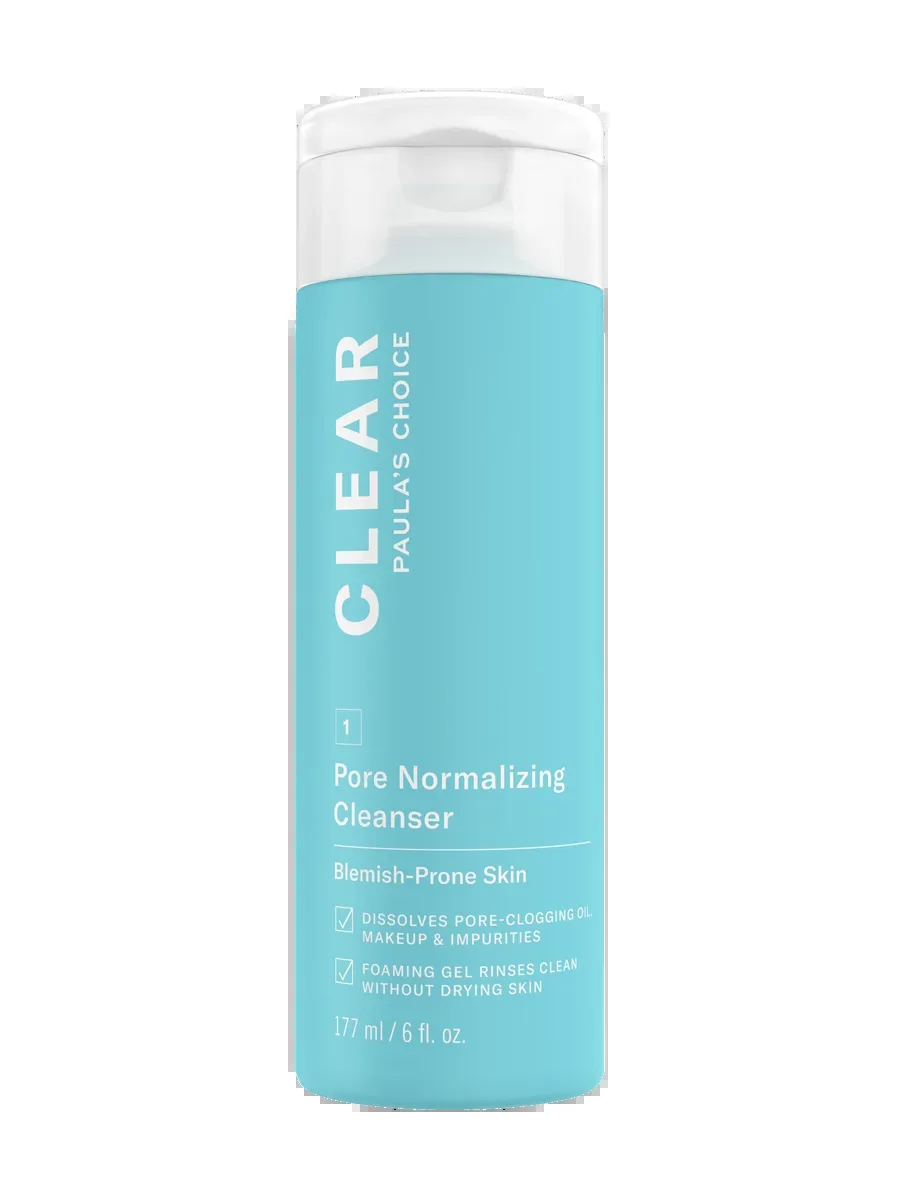
Paula's Choice is the weakest range in the set overall, which is the finding most at odds with its reputation. The brand is known for exfoliants, and its mandelic-and-lactic liquid is a decent product — but it does not stand out against the wider field the way the brand's positioning implies, and the categories around it are weaker still. Its best cleanser is unremarkable for a range priced well above drugstore.
La Roche-Posay runs the opposite way to the pattern. Its sunscreens are among the strongest here, and its serums are its clear soft spot — one of the few places in this exercise where a brand is weaker in a step it does sell than in the ones it doesn't.
The Ordinary is broad but rarely excellent: deep in serums, thinner everywhere else, with toners and eye creams trailing. Its single sunscreen is better than its reputation suggests and better than several brands here manage.
e.l.f. Skin turns out more even than its price implies. Thirst Burst Drops sit near the top of the range while its exfoliant trails, but the gap between its best and worst is narrower than at several pricier brands.
The flattest range, and why nobody is uniformly good
There is no brand in this set without a weak link, and that is itself the finding. We went looking for the exception and did not find one.
The closest is CeraVe, whose core categories cluster tightly with the drop confined almost entirely to sun protection. That is a remarkably consistent range across nearly fifty products, and the consistency comes from a narrow formulation philosophy applied everywhere rather than from breadth of ambition.
COSRX is next on evenness across a much larger catalog, with the Advanced Snail 92 cream and the One Step Moisture Pad both holding up — and, again, sunscreen at the bottom.
Beauty of Joseon is strong on toners and serums and thin on exfoliants, of which it sells one; Relief Sun remains the price-performance high point of the exercise, doing more for less than anything else here.
What none of these ranges achieves is uniform strength, and the reason is structural rather than a failure of effort. A brand's portfolio reflects where its formulation expertise, supply relationships and market access happen to be good. Those do not distribute evenly across eight categories for anyone, and a company claiming otherwise is describing an ambition rather than a result.
Where to break the set
The practical rule that falls out of this is narrower than "don't buy single-brand," and the data points at one substitution above all others.
Buy sunscreen outside the family. It is the weakest or near-weakest category in most of the ranges here, and it is simultaneously the step with the strongest evidence. Filter availability varies enormously by market — a brand can be excellent at everything else and still be limited by the regulatory regime it sells into. No other single change improves a single-brand routine as reliably.
Check whether the step exists before assuming it. If your brand doesn't make an exfoliant, you have either opted out of exfoliation or you are already shopping elsewhere. Both are fine; not noticing is not.
Look at within-category spread, not just the brand's best product. Several ranges here contain one strong product and two weak ones under the same category name, which means "a CeraVe serum" or "a Paula's Choice exfoliant" is not one decision but three. Check the specific product, not the brand's reputation in that aisle.
Don't buy a category to complete a set. Eye cream is the clearest example — mid-table almost everywhere, and rarely offering anything that extending your moisturiser doesn't.
What holds a mixed routine together is compatibility rather than branding, and that is checkable: the conflict checker flags actives that clash or need spacing across products from different lines, and the routine order tool sorts a mixed shelf into an application sequence. Those two are what a single-brand routine was implicitly giving you for free — and they're the reason you can give it up without losing anything.
Products mentioned
Independently reviewed and scored — the real products behind this piece.

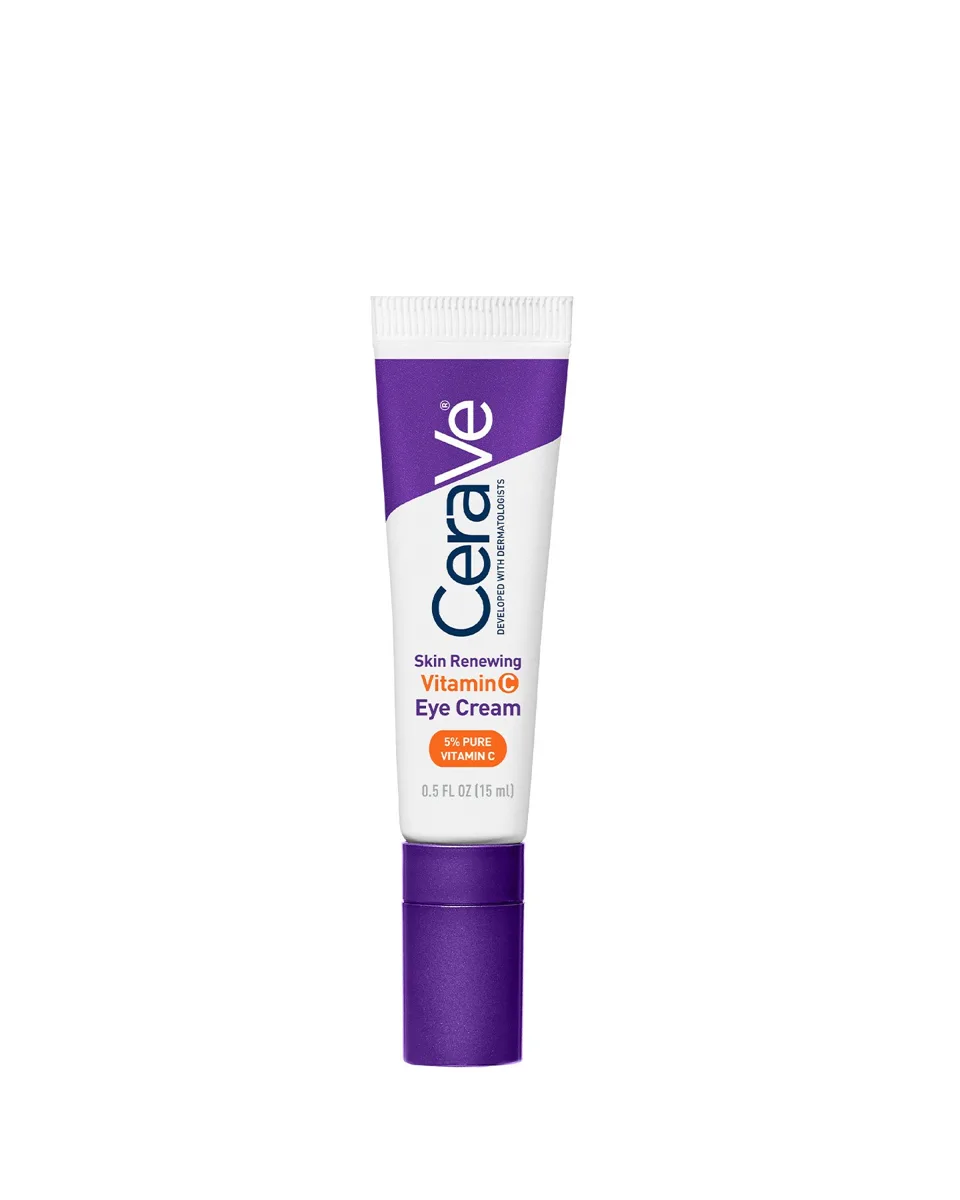


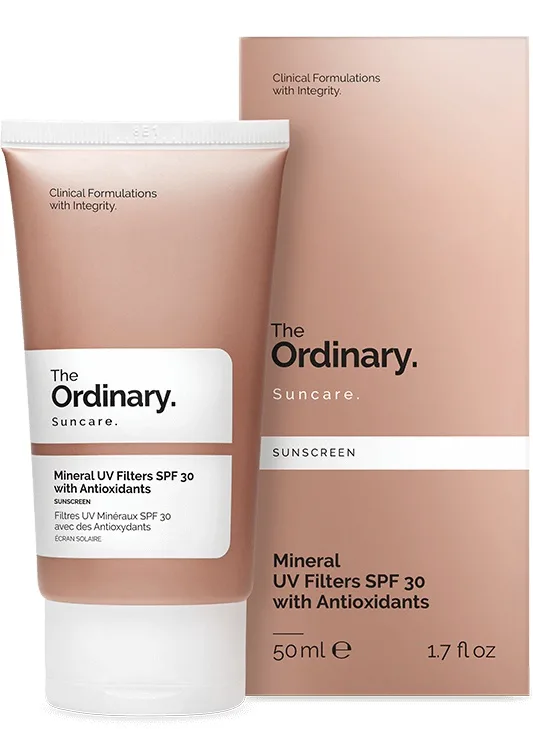
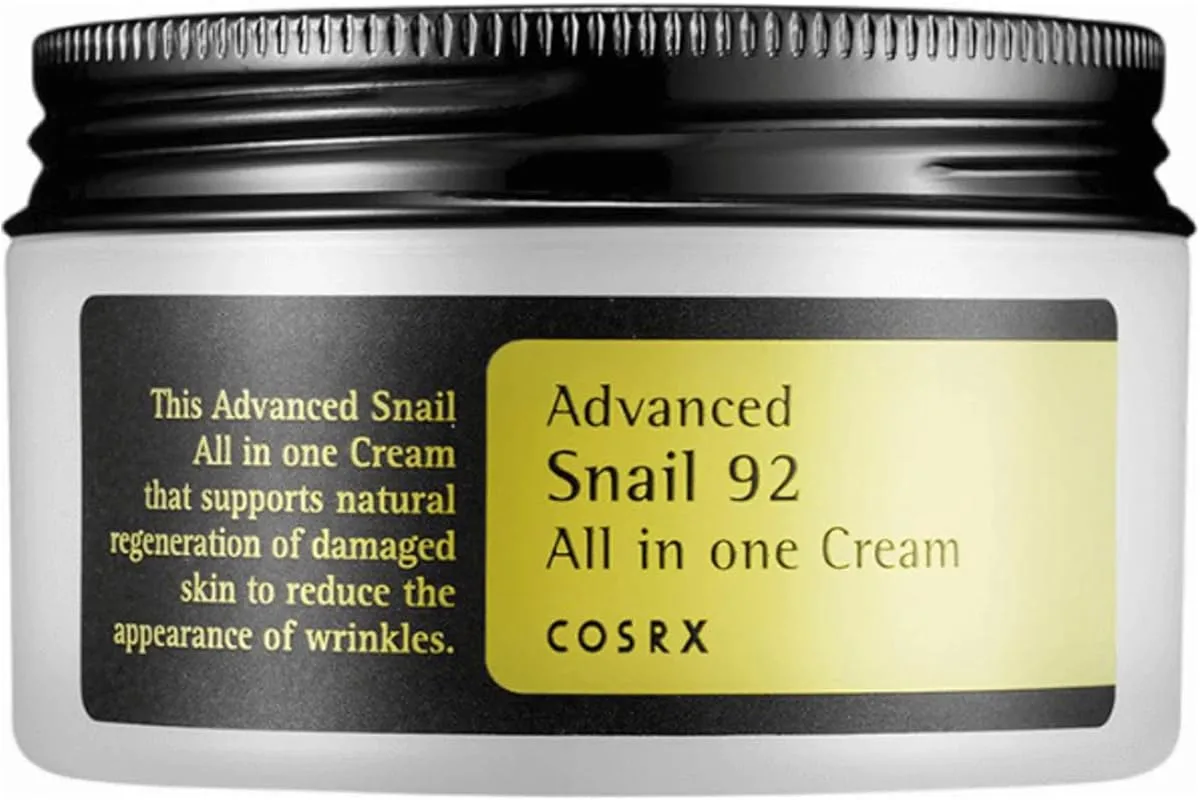

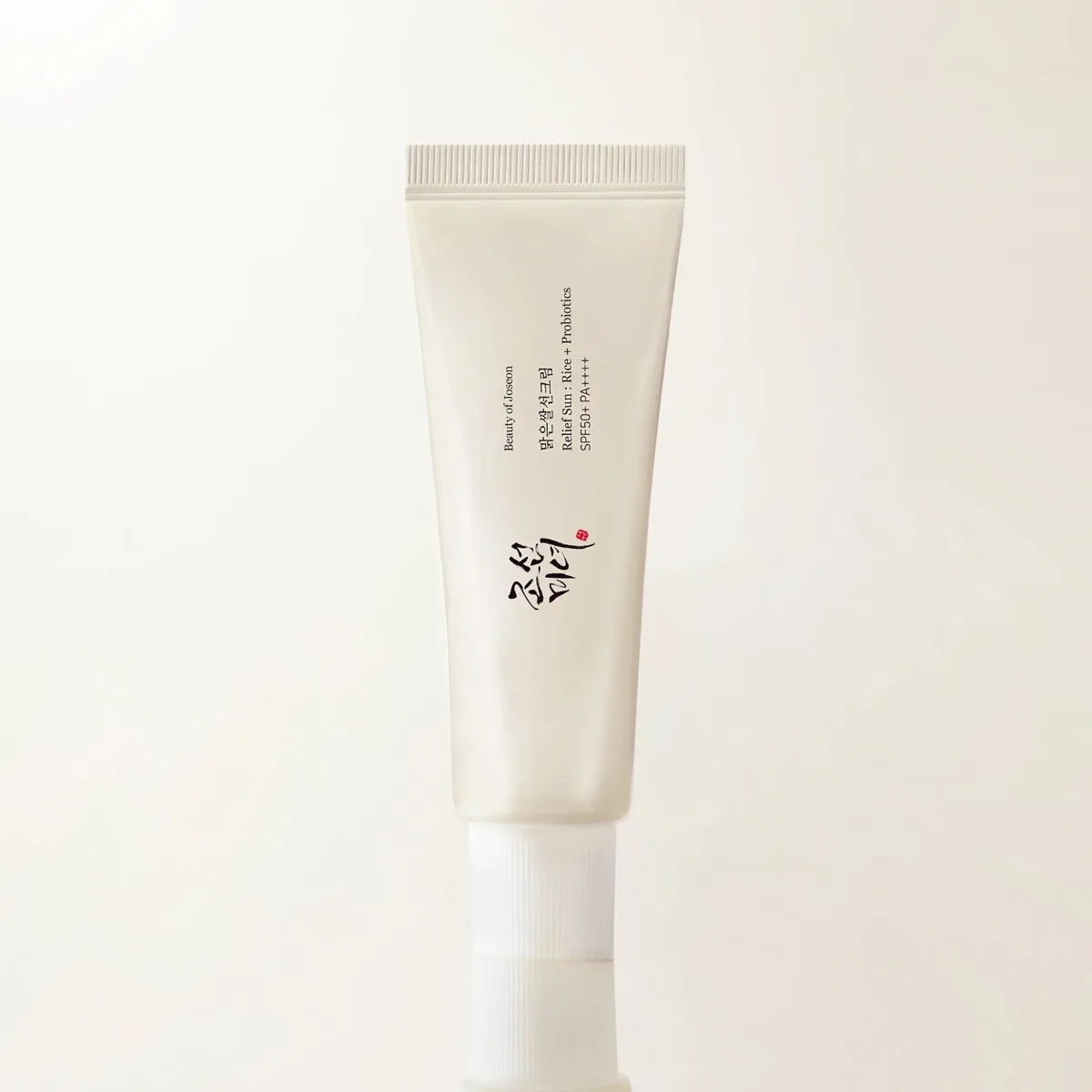
- Routine The Complete CeraVe Routine, Step by Step The built CeraVe routine — strong on cleanser and moisturiser, with two core steps the brand doesn't make.
- Routine The Ordinary Routine, Decoded: From Single Actives to a Full Regimen Deep in serums, thin in sun protection.
- Routine The Complete COSRX Routine, Step by Step The one lineup in this audit that holds up across every core step.
Frequently asked
Is it a mistake to buy your whole routine from one brand?
Not inherently — it buys texture compatibility, fewer duplicated actives and simpler returns. The cost is that you inherit whichever category that brand does badly, and across the eight ranges we scored, almost every one had a clear weak link. The fix is usually a single substitution rather than abandoning the approach.
Which step should I buy from a different brand?
Sunscreen, in most cases. It is the step with the strongest evidence and the one where a brand's options are constrained by which UV filters are approved in its market — a limitation no amount of formulation skill overcomes. It is the substitution most likely to measurably improve a routine.
Why is eye cream so often a brand's weakest product?
It appeared as the low point in five of the eight ranges we looked at. The category asks for a low-irritation formula delivering actives to thin, sensitive skin, which is genuinely difficult, and the commercial pressure to field one regardless means many ranges ship a product that exists mainly to complete the set.
Do products from different brands layer badly together?
Less often than single-brand marketing implies, but pilling is real and usually comes from incompatible film formers or silicone systems rather than from brand mismatch. Application order and spacing matter more, and both are checkable rather than guesswork.
Does a bigger range mean a better range?
No. e.l.f. Skin fields 32 products with a 24-point spread between its best and worst core item, while COSRX fields 100 with nothing below 82. Range depth tells you about commercial ambition; consistency across categories is the thing that actually determines whether one brand can carry a whole routine.