Best Moisturizers for Mature Skin
Updated September 2026 · independently researched, no sponsored placements
Our top 16 picks, ranked from 665 reviewed products — ordered by each product's aging verdict, then evidence strength.




How to Choose
The best moisturizer for mature skin isn't the one with the longest anti-aging ingredient list — it's the one that pairs a proven active with enough lipids to keep that active from drying you out. Here's the thing the luxury counter won't tell you: a cream alone can't reverse wrinkles.
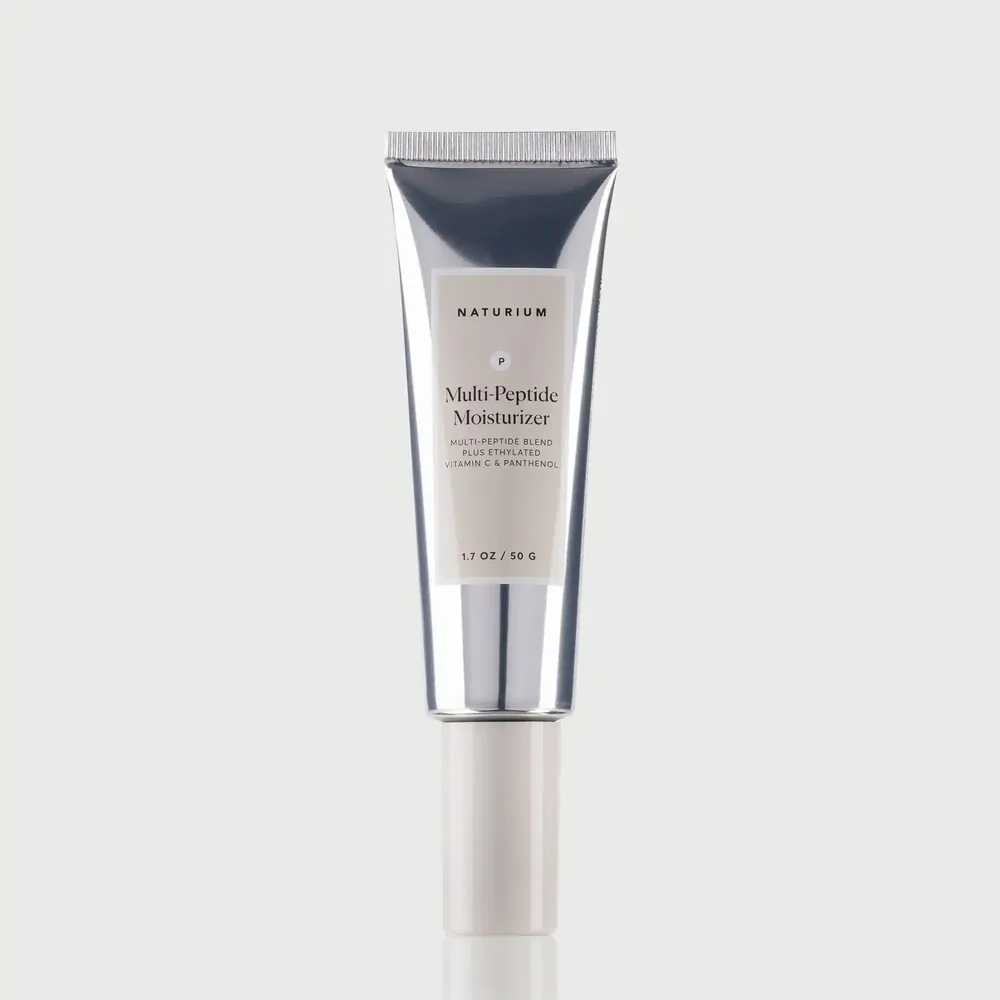
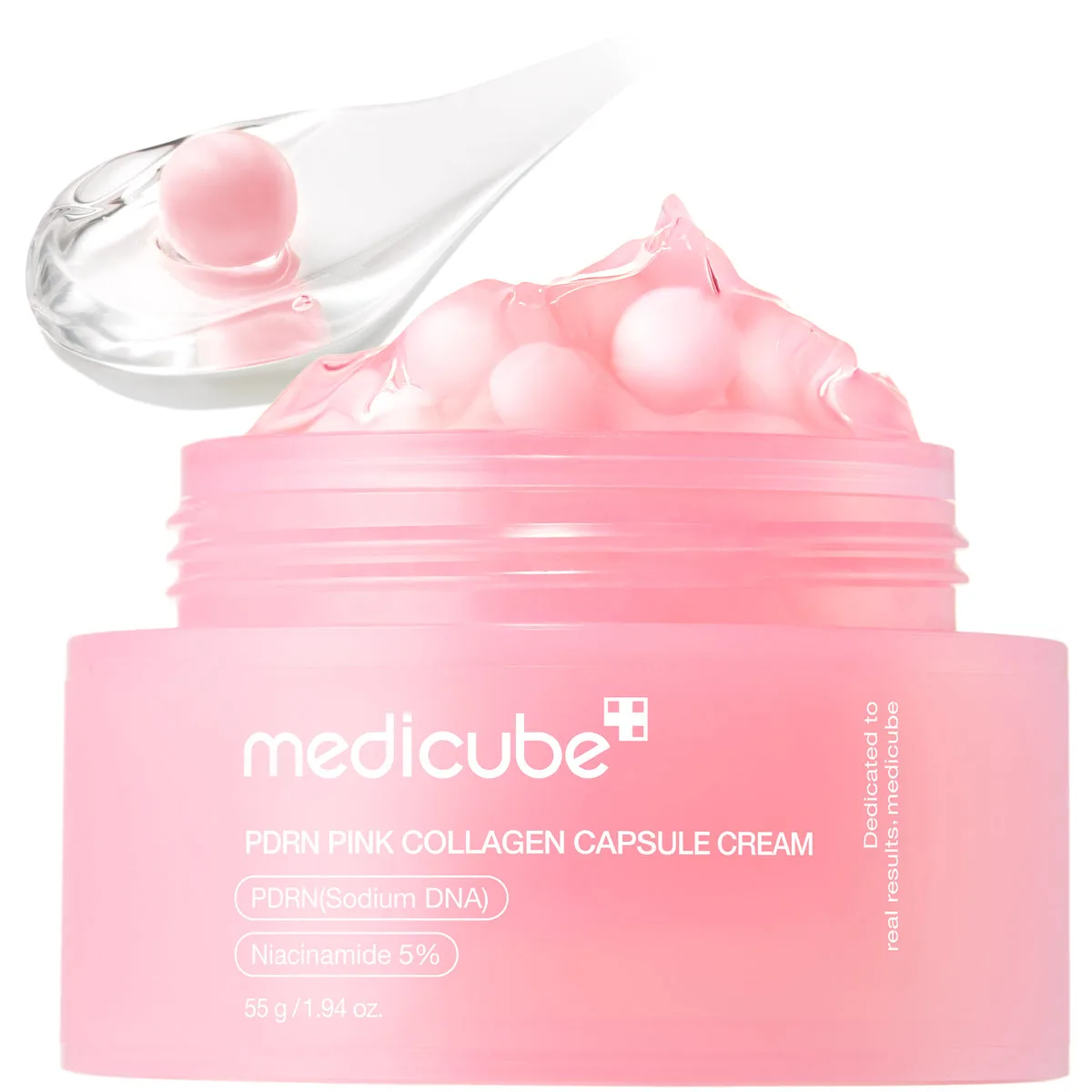
The trio that actually changes skin over time is a retinoid, vitamin C, and daily sunscreen, with peptides playing a supporting role. A moisturizer's job is to deliver one of those engines while rebuilding the barrier that thins and slows its oil production with age. That's why a $25 cream can outperform a $170 one. Naturium's Multi-Peptide Rich Cream stacks matrixyl and copper peptides with plant oils for a fraction of the price of Revision's DEJ Face Cream, which leans on its derm-office reputation more than a meaningfully better formula. When you read a label, look for a real active doing the work — retinal, bakuchiol, matrixyl, or vitamin C — backed by ceramides and squalane to repair the lipid barrier. Skip products that sell "firming" on a vague botanical blend with no measurable concentration, and be wary of anything marketing collagen as an ingredient (the molecule is too large to absorb). The honest caveat: give it 8 to 12 weeks. Mature skin remodels slowly, and anyone promising lifted, plumped results in a week is selling temporary water retention, not change. Choose one engine, commit to it nightly, and wear sunscreen every morning — that combination is what genuinely ages skin more gracefully.
Buying Guide
Start with the active engine, because that's what does the structural work: a retinoid (retinal, or bakuchiol if you're sensitive) and vitamin C are the most evidence-backed, with peptides like matrixyl as reliable support. A cream that bundles peptides with ceramides — RoC's Barrier Renew PM or Naturium's Rich Cream — gives you both repair and remodeling in one step. Texture matters more with age: skin produces less oil, so reach for a richer, occlusive cream at night rather than a thin gel, especially if you feel tight by morning. Watch the barrier-support cast — ceramides, squalane, niacinamide, and hyaluronic acid — which keep a retinoid from leaving you flaky. On price, the sweet spot sits around $20–$36; the jump to $78–$170 (Obagi, Revision) buys you elegant packaging and physician distribution far more than superior chemistry. Avoid heavily fragranced "anti-aging" creams that irritate the very barrier you're trying to strengthen.
Frequently Asked Questions
Do I need a separate retinol if my moisturizer already has peptides?
Peptides and retinoids work on different mechanisms — peptides signal support while a retinoid actually accelerates cell turnover and collagen synthesis, so they complement rather than replace each other. If your moisturizer only contains peptides, adding a dedicated retinoid (or choosing a hybrid like By Wishtrend's bakuchiol-retinal night cream) gives you the more proven engine. Just introduce the retinoid slowly to avoid irritating mature skin's thinner barrier.
Why does my skin feel drier now than it did in my 30s?
Sebum production and natural ceramide levels decline with age, so the barrier holds less water and feels tight or papery. That's why moisturizers for mature skin lean richer and lipid-heavy — ingredients like ceramides, squalane, and hyaluronic acid replace what the skin no longer makes enough of. A night cream with these will usually help more than simply applying your old lotion more often.
Is an expensive anti-aging cream worth it over a drugstore one?
Rarely, if you're judging by formula alone. A $25 cream like Naturium's Multi-Peptide Rich Cream or RoC's Barrier Renew delivers the same evidence-backed actives — matrixyl, peptides, ceramides — as creams several times the price. You're often paying for packaging, fragrance, and brand prestige past the $70 mark, not better results.
How long before an anti-aging moisturizer shows results?
Surface hydration and a plumper look appear within days, but genuine changes in fine lines and firmness take 8 to 12 weeks of consistent nightly use, since collagen remodeling is slow. Anyone promising visible wrinkle reversal in a week is describing temporary water retention. Pair the moisturizer with daily sunscreen, which prevents the UV damage that drives most visible aging in the first place.