Hyaluronic Acid Can Actually Dehydrate Your Skin (Here's When)
The internet's favorite hydrator has a counterintuitive dark side — in dry air, a humectant with nothing to seal it can pull water out of your skin instead of into it.
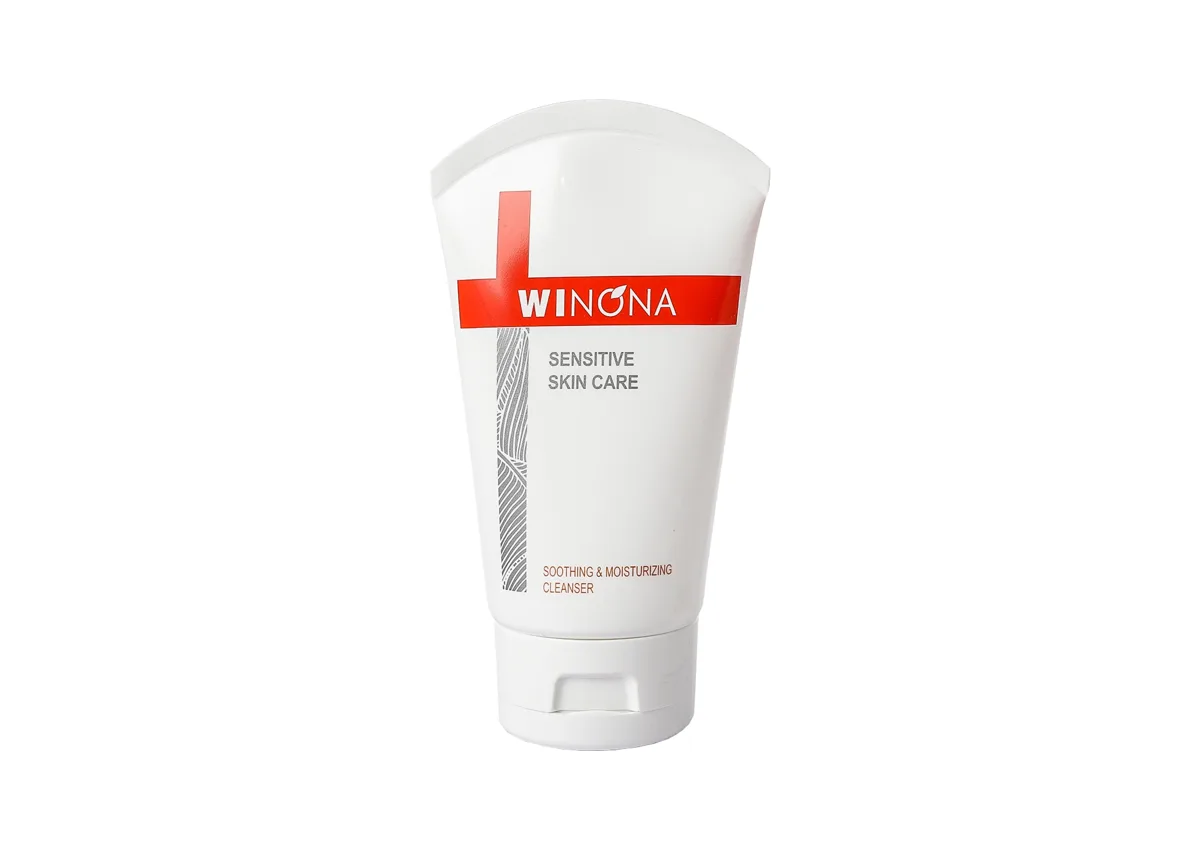
What distinguishes this cleanser is a tension in the formula: it is a sensitive-skin brand's gentle cream wash that leads with sodium laureth sulfate, then spends most of the rest of the list softening that choice with glucosides, an amino-acid glutamate, glyceryl oleate, a methyl glucose dioleate, allantoin and bisabolol. The result is milder than a typical SLES wash and richer-lathering than a sulfate-free one, which is either a sensible compromise or a missed opportunity depending on how reactive your skin is.
A creamy, fragrance-free wash that lathers richly, rinses soft and is kinder than its surfactant list suggests, thanks to glucosides, an amino-acid co-surfactant, re-fatting agents and two calmatives. But the second ingredient is sodium laureth sulfate, which a sensitive-skin brand's gentle cleanser should not need, and at twenty-three dollars for 80g the compromise is priced like a premium.
Confidence is low because no overseas review count could be confirmed and, although the cleansing science behind the formula is well established, the product's mildness claims rest on Winona's own testing and this assessment is built directly on the box's printed ingredient list. The tube has a long Chinese sales history that cannot be independently checked, and the brand's English storefront, live since 2025, showed no customer reviews for it in September 2026.
The case for it
What would change this: A researched evidence row for the lead active would replace this with a verdict.
Same rule for everyone. “Good choice” is the verdict on 1,938 of 45,024 concern verdicts across the catalog; rule F2 decided 1,938 of them. As of September 25, 2026, engine 5.1.1.
Brand or formulator? Disclose a concentration or correct a fact →
The case for it
Cautions: a stronger surfactant system.
What would change this: The same active in a leave-on form would be judged on its evidence rather than its contact time.
Same rule for everyone. “Supporting role” is the verdict on 8,197 of 45,024 concern verdicts across the catalog; rule R6 decided 2,017 of them. As of September 25, 2026, engine 5.1.1.
Brand or formulator? Disclose a concentration or correct a fact →
The studies behind the evidence row
Also listed for Dryness — the actives here (Hyaluronic Acid, Cleansing Surfactants, glyceryl oleate, Allantoin) are in our research queue for that concern; there is no verdict until their evidence rows are written. That is a gap in our table, not a mark against the product.
Does the jobDoes what a cleanser is for: puts something back, surfactant mildness. Not measured from the label: pH match to skin.
A verdict is DermApproved’s assessment of how well a product’s ingredients fit a concern — never a claim about what the product treats. Evidence dots and collected reviews sit beside it and are never blended in. Rules 0.5.1 · evidence table ev-2026.09-r228 · how we decide
The tube says Soothing & Moisturizing and the brand says mild and non-irritating, and then the box, turned on its side, says aqua, sodium laureth sulfate, cocamidopropyl betaine. That is a sulfate cleanser. It is a carefully buffered one, and by the end of the ingredient list a fair-minded reader will have softened, but the second ingredient sets the terms of this review, because it is exactly the kind of gap between positioning and formula that people who buy sensitive-skin products have learned to look for. Winona deserves the same scrutiny in that direction as any Western brand gets, and the formula deserves the credit it earns after the sulfate too.
The brand's background makes the choice more surprising, not less. Yunnan Botanee launched Winona in 2008 as a dermatologist-developed line for sensitive skin, grew it through Chinese hospital dermatology departments and pharmacies, and built one of the largest skincare followings in the country on redness and barrier repair. The Soothing & Moisturizing series is the heart of that reputation, and this cream cleanser is its wash step. It arrived on the English storefront in 2025 as an 80g flip-cap tube at twenty-three dollars, with the full English ingredient list printed on the box, which is how a reader outside China can see what is in it at all.
Here is what the list does after the sulfate. Cocamidopropyl betaine comes next, then sodium lauryl glucose carboxylate, lauryl glucoside, disodium cocoyl glutamate and coco-glucoside: three sugar-derived surfactants and an amino-acid one, all mild, all there to dilute the sulfate's share of the surfactant system and to lower its irritation potential, which is a well-established formulation trick. Then glyceryl oleate, a re-fatting agent that puts a little lipid back as the wash rinses; glycol distearate for the pearlescent look; phenoxyethanol; PEG-120 methyl glucose dioleate, a thickener that is also documented to reduce surfactant harshness; butylene glycol; allantoin and bisabolol as calmatives; citric acid; purslane and ginger root extracts as brand signatures near the tail; sodium hyaluronate; ethylhexylglycerin; salt; and a gelling polymer. No fragrance, no alcohol, no essential oils, no colourant apart from the pearl.
In the hand and on the face it is, frankly, pleasant. The cream is soft and pearly, it lathers into a dense, creamy foam with a little water, and it removes sunscreen and light makeup in one pass, which a sulfate-free cream wash often cannot. The rinse is clean, and the afterfeel is the surprise: soft rather than squeaky, because the glyceryl oleate and the dioleate have done their job. Normal and combination skin will have no complaint and will probably enjoy it more than a low-lather gentle wash. The calmatives do take the edge off; skin that pinks up after most cleansers pinks up less after this one.
But buffering is not the same as absence. Sodium laureth sulfate removes more stratum corneum lipid than an amino-acid-only system, and on very dry, eczema-prone or barrier-compromised skin the re-fatting agents cannot fully make up the difference. Over a week of twice-daily use that shows as a faint tightness by evening, and for the reader who chose this cleanser precisely because the brand promised soothing, that is a letdown. Cocamidopropyl betaine sits third and is a recognised contact allergen for a minority, which adds a second reason to patch-test if cleansers have caused trouble before. Neither of these is unusual in a drugstore cream wash; both are unusual in a product a dermatology-led sensitive-skin brand puts its gentlest name on, and Winona's own Soothing & Moisturizing Foaming Cleanser, sold beside this one, manages without the sulfate entirely.
Why build it this way? The most charitable reading is that the cream format wants a rich lather and thorough sunscreen removal, and a buffered SLES delivers both cheaply and reliably, with the mildness engineered in around it rather than by leaving it out. That is a legitimate strategy with decades of formulation science behind it, and the product is not harsh in any ordinary sense. It is simply less gentle than the tube implies and less gentle than the brand's own foam. A reader with normal skin who wants a creamy, fragrance-free wash that clears sunscreen will be well served; a reader with reactive or dry skin who came for the soothing promise should look at the foam or use this only in the evening.
Price compounds the reservation. Twenty-three dollars for 80g is a mid-to-premium tag for a buffered sulfate cream that is, functionally, a well-made drugstore cleanser with better calmatives and a dermatology pedigree. The formula does not carry expensive materials, and the pedigree, real as it is in China, cannot yet be checked against English-language feedback: the brand's US storefront had no reviews for this tube in September 2026. Buy it with open eyes for what it is, a pleasant, effective, moderately mild cream wash, and not for what the front of the tube suggests.
The hero actives that drive this product's performance.
| Ingredient | Function | Evidence |
|---|---|---|
| Sodium Laureth Sulfate (buffered with glucosides and glutamate) | The primary surfactant, and a surprising one for a sensitive-skin cleanser: SLES is listed second, ahead of the betaine, glucosides and amino-acid glutamate that follow. Those co-surfactants, plus glyceryl oleate and a PEG-120 methyl glucose dioleate thickener, are there to blunt its harshness, which is a legitimate formulation strategy but not the sulfate-free one the brand's gentle positioning implies. | Not yet assessed |
| Glyceryl Oleate & PEG-120 Methyl Glucose Dioleate | The re-fatting and mildness system: glyceryl oleate deposits a little lipid as the wash rinses, and the methyl glucose dioleate both thickens the cream and lowers the irritation potential of the surfactant mix. In this formula they are what turns an SLES-led wash into something dry, reactive skin can rinse off without tightness. | Not yet assessed |
| Allantoin & Bisabolol | Placed mid-list ahead of the botanicals, the two calmatives that justify the soothing in the name. Rinse-off contact is short, but both act at low concentration and they take the edge off the sulfate and betaine for skin that flushes after washing. | Not yet assessed |
| Portulaca Oleracea Extract | Winona's signature anti-inflammatory, included at a low level near the end of the list. In a cream cleanser it is a brand marker more than a working active, though its inclusion signals that the formula was tuned for the redness-prone customer the brand serves. | Not yet assessed |
| Sodium Hyaluronate | A humectant that survives rinsing only as a trace, giving the skin a slightly softer, less squeaky afterfeel; it is the moisturizing claim's supporting evidence rather than a meaningful hydration source, which the moisturizer that follows should provide. | Established mechanism for Dehydration · established mechanism |
Ingredient standings describe the active at treatment-level doses and vehicles; this product's own condition grades weigh its actual formula.
Aqua, Sodium Laureth Sulfate, Cocamidopropyl Betaine, Sodium Lauryl Glucose Carboxylate, Lauryl Glucoside, Disodium Cocoyl Glutamate, Coco-Glucoside, Glyceryl Oleate, Glycol Distearate, Phenoxyethanol, PEG-120 Methyl Glucose Dioleate, Butylene Glycol, Allantoin, Bisabolol, Citric Acid, Portulaca Oleracea Extract, Zingiber Officinale (Ginger) Root Extract, Sodium Hyaluronate, Ethylhexylglycerin, Sodium Chloride, Acrylates/C10-30 Alkyl Acrylate Crosspolymer
cleanser
AM & PM
Use it as a once-or-twice-daily cleanser on damp skin, rinsing well, and follow straight away with a hydrating toner and a moisturizer so the humectant and re-fatting agents are not the only thing standing between the sulfate and dry skin. On very dry or eczema-prone skin it is better used only in the evening with a water rinse in the morning.
It cleans thoroughly from the first use and leaves skin feeling soft rather than tight for most people, which is the re-fatting system working. There is no cumulative benefit to expect from a cleanser; the measure of success is that skin does not feel drier over the first two weeks, and anyone who does notice tightness should drop to once daily.
The relevant science here is surfactant mildness, and it cuts both ways for this formula. Sodium laureth sulfate is an anionic surfactant that binds stratum corneum proteins and extracts intercellular lipids more aggressively than amphoteric or non-ionic alternatives, which is the mechanism behind post-wash tightness and, with repeated use on vulnerable skin, barrier disruption. Ananthapadmanabhan and colleagues set out that mechanism and its mitigation in a 2004 review in Dermatologic Therapy: combining an anionic surfactant with amphoteric and non-ionic co-surfactants reduces the free monomer concentration and protein binding of the anionic, and adding re-fatting agents and mildness-enhancing polymers further lowers irritation potential. This cleanser is a textbook application of that mitigation: betaine, three glucosides and an amino-acid glutamate around the SLES, glyceryl oleate to re-fat, and PEG-120 methyl glucose dioleate, which is specifically used to reduce surfactant harshness as well as to thicken. The predicted result, a sulfate wash that behaves closer to a mild one, matches how the product feels in use, but the same literature is clear that mitigation narrows rather than closes the gap with sulfate-free systems on compromised skin.
The calmatives are supporting evidence for the soothing claim. Allantoin and bisabolol are long-established low-dose anti-irritants used across dermatological products, and their inclusion ahead of the botanicals is sensible. Purslane, Winona's signature, has a 2024 randomized, double-blind, placebo-controlled trial in Explore supporting its benefit in mild to moderate chronic hand eczema, but that was a leave-on application; in a cleanser listed after fifteen other ingredients and rinsed within seconds, the extract is a brand marker rather than a working active. Cocamidopropyl betaine's status as a contact allergen, driven largely by manufacturing impurities, is well documented in the patch-test literature and is the reason it is flagged here despite its role as a mildness-improving co-surfactant.
Cleanser advice for sensitive and dry skin in dermatology practice is conservative: syndet or sulfate-free systems, fragrance-free, lukewarm water, once daily where possible, and moisturize immediately afterwards. A buffered sodium laureth sulfate cream sits just outside that recommendation. It is not a harsh product by the standards of ordinary washes, and the co-surfactant and re-fatting design is exactly the mitigation the cleansing literature describes, so for normal and combination skin it raises no clinical concern. For patients with atopic dermatitis, rosacea or a barrier compromised by retinoid or acne therapy, the usual counsel would be to prefer a sulfate-free alternative, which in this case the same brand sells, or to restrict this one to evening use. Cocamidopropyl betaine's presence on the standard patch-test series is the other point clinicians would raise for anyone with a history of cleanser reactions.
Start with a damp face and lukewarm water, then squeeze a small amount, roughly a hazelnut, into damp palms and work it into a creamy lather before applying, then massage gently over the face for twenty to thirty seconds and rinse thoroughly, paying attention to the hairline and jaw where cream cleansers linger. Pat dry and apply a hydrating toner and moisturizer within a minute, which matters more with a sulfate-led wash than with a sulfate-free one. Normal and combination skin can use it morning and evening; dry, eczema-prone or reactive skin should use it in the evening only and rinse with water in the morning. It removes sunscreen and light makeup on its own; use an oil or balm first for heavier makeup.
Twenty-three dollars for an 80g tube is more than most drugstore cream cleansers and close to what mid-range dermatology brands charge for sulfate-free formulas. The formula here is competent and comfortable, with real mildness engineering and good calmatives, but its primary surfactant is the same inexpensive sulfate found in far cheaper washes, and a reader can get a sulfate-free system for the same money or less. Winona's dermatology heritage in China is genuine and carries some weight, though its efficacy claims are in-house and English-language feedback is nearly absent. Only one size is sold, lasting about two months at twice-daily use. Fair value for normal skin that likes a rich creamy lather and wants fragrance-free; poor value for the reactive-skinned reader the name was written for, who would do better with the brand's own foam.
People with normal or combination skin who want a fragrance-free cream cleanser with a rich lather that clears sunscreen in one step. Readers who prefer a creamy wash to a foam and whose skin has never objected to buffered sulfate cleansers. Anyone who wants Winona's soothing line but tolerates conventional surfactants well.
Anyone with eczema, rosacea, a compromised barrier or a history of tightness after washing, who should choose a sulfate-free cleanser, including the brand's own foam. People who react to cocamidopropyl betaine. Shoppers who assumed the soothing label meant sulfate-free and would feel misled to find otherwise.
Ready to try Winona Soothing & Moisturizing Cleanser?
Buy at Amazon ♥A soft, pearlescent white cream that lathers into a dense, creamy foam with water and rinses away without film; the pearl comes from glycol distearate.
Nothing added; a faintly soapy raw-material note on the palm that disappears in the rinse.
An 80g white flip-cap tube with the red cross-band, boxed in FSC-certified card with the full English ingredient list on the side panel and a 12-month period-after-opening symbol.
It behaves like a good drugstore cream wash: generous creamy lather, thorough rinse, soft skin afterwards rather than squeak. Most normal and combination skin will notice nothing to adjust to. Anyone with truly reactive or eczema-prone skin may find a hint of tightness by the end of the first week, which is the sulfate showing through the buffers and the signal to cut back to evening use.
About two months at a small squeeze twice a day, or three to four months used once daily.
All Year
The Soothing & Moisturizing line is Winona's core range for sensitive and moderately dry skin, the series the brand built its reputation on through Chinese dermatology clinics, and this cream cleanser is its wash step. It reached the English-language storefront in 2025 in the 80g tube, where the printed ingredient list makes plain what the brand's marketing copy does not mention: this is a buffered sulfate cleanser rather than a sulfate-free one.
Winona, launched by Yunnan Botanee in 2008, is a dermatologist-developed sensitive-skin brand with deep roots in Chinese hospital and pharmacy channels and one of the largest domestic skincare followings. Its botanical actives are supported by clinical work published mostly in Chinese journals, and individual product claims are the brand's own, not independently verified.
A cleanser made for sensitive skin is sulfate-free by definition.
This one is not: sodium laureth sulfate is its second ingredient. What makes it tolerable is the buffering that follows it, glucosides, an amino-acid surfactant and re-fatting agents, which lower irritation potential considerably. Read the list rather than the label position.
Purslane and hyaluronic acid in a cleanser moisturize the skin.
Both are listed near the end and are rinsed away within seconds. The softer afterfeel this wash leaves comes from glyceryl oleate and the methyl glucose dioleate, which deposit a trace of lipid and reduce surfactant harshness; the actual moisturizing is the job of the products applied afterwards.
Yes. Sodium laureth sulfate is the second ingredient on the packaging list, followed by cocamidopropyl betaine and a run of milder glucoside and glutamate surfactants that buffer it. It is a well-tempered sulfate cleanser, not a sulfate-free one, which is worth knowing if you have chosen it for its gentle positioning.
It can be, with care. The re-fatting agents, allantoin and bisabolol make it milder than most creamy sulfate washes, and it is fragrance-free. But a sulfate lead is not what a compromised barrier ideally wants, so eczema or rosacea-prone readers should use it once daily in the evening, rinse well, and switch if any tightness appears.
It removes sunscreen and light makeup well, which is the practical advantage of its rich creamy lather. Heavy or water-resistant makeup still benefits from an oil or balm first.
The sodium laureth sulfate that leads the surfactant system removes more lipid than an amino-acid-only wash, and on very dry skin the glyceryl oleate re-fatting agent cannot fully compensate. Using less product, rinsing with lukewarm water and moisturizing within a minute of drying usually solves it; if not, this is the wrong cleanser for that skin.
This is a cream that lathers with a sulfate-led surfactant system and re-fatting agents, aimed at normal to moderately dry sensitive skin. The brand's Soothing & Moisturizing Foaming Cleanser is a pump foam without sodium laureth sulfate, built on betaine and glucosides, and is the lighter and, on paper, milder of the two.
Normal and combination skin can. Dry or sensitive skin is better served by using it once in the evening and rinsing with water in the morning, which halves the sulfate exposure while keeping the thorough evening cleanse.
Recurring themes our editors read across retailer reviews of this product — summaries in our words, not quotations, and not a substitute for your own patch test.
Creamy lather that rinses without tightness
No fragrance or scent
Removes sunscreen and light makeup well
Softer afterfeel than most foaming washes
Contains sodium laureth sulfate despite the gentle positioning
Can leave very dry skin feeling stripped by evening
Pricey for an 80g tube
Lather is richer than a truly gentle cleanser needs to be