

Shea Butter Is Doing a Different Job Than You Think
It is sold as deeply nourishing. What it measurably does is seal — and the difference decides whether you should apply it to damp skin or not at all.
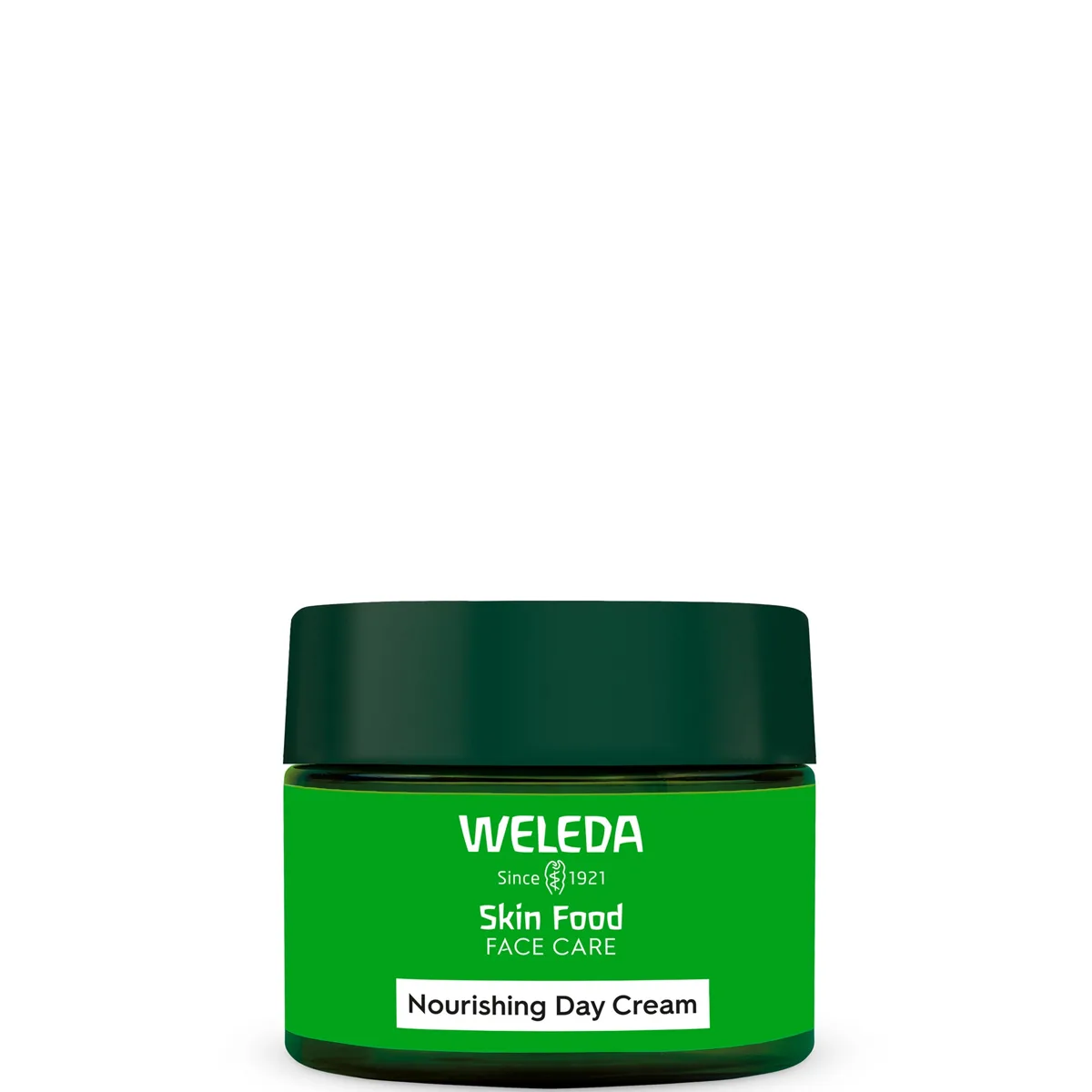
The Skin Food Face Care Day Cream is Weleda's modern facial reformulation of the iconic 1926 Skin Food — addressing the original formula's limitations for daily full-face use. Lighter texture (no lanolin or beeswax), vegan-friendly (shea butter replaces lanolin), multi-humectant base (glycerin, betaine, pentylene glycol provide substantial hydration), and added olive leaf extract for additional antioxidant cover. The brand heritage carries over through the four-botanical anthroposophic complex (viola, rosemary, chamomile, calendula) and the sunflower oil base.
Weleda's modern facial reformulation of the iconic 1926 Skin Food — replacing lanolin with shea butter (vegan-friendly), adding multi-humectant chassis for daily hydration, and maintaining the brand heritage through the anthroposophic botanical complex. Lighter texture appropriate for daily full-face use under sunscreen and makeup. The fragrance load and alcohol content limit suitability for fragrance-reactive sensitive skin; otherwise broadly recommendable for the daily-natural-moisturizer audience.
The case for it
Cautions: fragrance.
Same rule for everyone. “Good choice” is the verdict on 9,564 of 45,024 concern verdicts across the catalog; rule R5 decided 9,072 of them. Unchanged since September 5, 2026, engine 5.1.1.
Brand or formulator? Disclose a concentration or correct a fact →
The studies behind the evidence row
The case for it
Same rule for everyone. “Good choice” is the verdict on 9,564 of 45,024 concern verdicts across the catalog; rule R5 decided 9,072 of them. Unchanged since September 5, 2026, engine 5.1.1.
Brand or formulator? Disclose a concentration or correct a fact →
The studies behind the evidence row
The case for it
Cautions: a declarable fragrance allergen.
What would change this: Removing the trigger named above would let the actives be judged on their own.
Same rule for everyone. “Avoid” is the verdict on 1,909 of 45,024 concern verdicts across the catalog; rule F1 decided 605 of them. Unchanged since September 5, 2026, engine 5.1.1.
Brand or formulator? Disclose a concentration or correct a fact →
The case for it
What would change this: Removing the trigger named above would let the actives be judged on their own.
Same rule for everyone. “Avoid” is the verdict on 1,909 of 45,024 concern verdicts across the catalog; rule R1 decided 1,304 of them. Unchanged since September 5, 2026, engine 5.1.1.
Brand or formulator? Disclose a concentration or correct a fact →
Does the jobDoes what a moisturizer is for: draws in water, softens and smooths.
A verdict is DermApproved’s assessment of how well a product’s ingredients fit a concern — never a claim about what the product treats. Evidence dots and collected reviews sit beside it and are never blended in. Rules 0.5.1 · evidence table ev-2026.09-r228 · how we decide
Weleda's iconic 1926 Skin Food is a remarkable product but a problematic daily face moisturizer for most users. The thick lanolin-and-beeswax balm texture, the substantial fragrance load, and the heavy occlusive base make the original Skin Food appropriate for spot treatment on severely dry skin patches rather than daily full-face use. Recognizing this limitation, Weleda launched the Skin Food Face Care line in 2020 — a modern facial-specific reformulation that addresses the original's inappropriateness for daily face use while preserving the brand heritage identity.
The Skin Food Face Care Nourishing Day Cream is the morning counterpart in this line. And it's worth pausing on a common assumption here — that this is just the original Skin Food squeezed into a smaller tube. It genuinely isn't. The two formulations are meaningfully different, and the Day Cream reads as a careful translation of the heritage recipe into daily-tolerable facial chemistry. Water leads. Sunflower oil sits in slot two — the brand's signature plant oil base carries over from the original. Glycerin moves up to slot three (the original Skin Food has glycerin much lower) for substantively more hydration. Isoamyl laurate and shea butter in slots four and five replace the lanolin-and-beeswax occlusive base of the original — shea butter providing skin-mimicking emolliency without the wool allergen concern, making the formula vegan-friendly. Pentylene glycol and betaine add humectant work, making the cream meaningfully more hydrating than the original 1926 chemistry. Behenyl alcohol provides fatty alcohol cushioning. Plant squalane (derived from olive leaf rather than animal sources) sits in slot eleven for additional skin-mimicking emolliency.
That shea-for-lanolin swap also quietly complicates a feel-good assumption — that a vegan reformulation always matches the animal-derived original. Here it mostly does, for daily facial use, but not entirely. Lanolin's molecular structure closely mirrors human sebum in a way no plant oil precisely replicates, so for genuinely severe, cracked, dry-skin recovery the original Skin Food's occlusive protection can still outperform this lighter vegan version. The vegan advantage is real; it just isn't a free upgrade on every metric.
The anthroposophic botanical complex carries over with one addition. Viola tricolor (pansy) for gentle astringency, rosemary for antioxidant work, chamomile for anti-inflammatory soothing, calendula for wound-healing support — all four heritage botanicals from the original Skin Food are present. Olive leaf extract is added to the newer formulation for additional antioxidant cover. The medicinal botanical layer maintains the Weleda anthroposophic identity that gives the brand its distinctive position in natural skincare.
The formulation choices that limit recommendability are familiar from the original Skin Food. Alcohol in slot eight adds a meaningful drying concern for very dry or sensitive skin. The fragrance load — parfum plus four named EU fragrance allergens (limonene, linalool, benzyl benzoate, citral) — limits suitability for fragrance-reactive, rosacea-prone or eczema-prone sensitive skin. For absolute fragrance avoidance, fragrance-free pharmacy alternatives remain more appropriate.
In use the cream behaves like a well-engineered modern facial moisturizer with anthroposophic identity. Soft pale-yellow cream scoops with light cushion, spreads with good slip, sinks within sixty seconds leaving a soft satin finish that takes makeup and sunscreen well. Applied as the morning moisturizer step, the lighter texture makes it genuinely suitable for daily full-face use, and it pairs naturally with the line's Skin Food Night Cream for the matched evening counterpart. The herbaceous-floral natural scent is softer than the original Skin Food but unmistakable — many users actively love it as part of the Weleda brand identity; fragrance-reactive users find it limiting. Skin afterward feels conditioned and comfortable, plumped by the shea-and-sunflower chassis immediately, with the cumulative effect from the botanical complex building noticeable barrier comfort and reduced reactivity over two to four weeks. It's a maintenance cream, not a transformative one.
The right use case is daily morning face moisturizer for non-fragrance-reactive normal-to-dry skin who values brand heritage and natural-skincare positioning. Particularly suited to users who love the original Skin Food's identity but need a daily-face-appropriate version. Skip if you have severe fragrance reactivity, rosacea, eczema, or fungal acne — fragrance-free pharmacy alternatives serve those audiences better, and this isn't fungal-acne-safe. Skip too if you specifically want the heavy occlusive protection of the original Skin Food for severely dry skin spot treatment, where the original chemistry remains more effective despite the daily-face-inappropriateness.
The value calculation is fair. Twenty-two dollars for 40 mL at daily morning use lasts about 2 months — competitive with comparable natural-brand vegan day creams. The original Skin Food at $20 for 75 mL offers better per-volume value but for different use cases. Comparable natural-brand vegan day creams tend to sit higher, in the $40-to-$54 range for similar sizes, so within its niche the pricing is reasonable rather than steep. That's roughly how the review base reads, too — with a confident volume of reviews averaging solidly, users consistently praise the lighter daily-appropriate texture, the vegan shea base, and the heritage botanical identity, while the recurring gripes are the fragrance-allergen load, the alcohol, and the firm per-volume value at the 40 mL size.
Buy this cream if you want a daily-face-appropriate vegan extension of the iconic Skin Food heritage with the anthroposophic botanical complex carried over, and you can tolerate or enjoy the natural fragrance. Skip if you need fragrance-free, if you have severely sensitive skin requiring absolute clinical positioning, or if you specifically want the heavy occlusive heritage of the original Skin Food for spot-treatment use. As Weleda's modern facial reformulation, the Day Cream earns its position for the broad daily-natural-moisturizer audience while preserving the brand's century-long heritage identity.
The hero actives that drive this product's performance.
| Ingredient | Function | Evidence |
|---|---|---|
| Sunflower (Helianthus Annuus) Seed Oil | Slot two — high-linoleic-acid sunflower oil providing barrier-supportive emolliency. Carried over from the original Skin Food formula as the brand's signature plant oil base. Documented evidence for skin barrier function support without comedogenic concerns. | Not yet assessed |
| Shea (Butyrospermum Parkii) Butter | Sits in slot five as the substantive emollient base. Replaces the lanolin of the original Skin Food formula with a plant-derived alternative — vegan-friendly and avoiding the wool-allergen concern. Shea butter provides rich, sebum-mimicking conditioning particularly valuable for dry sensitive skin. | Established mechanism for Dryness · established mechanism |
| Plant Squalane | Sits in slot eleven — derived from olive leaf rather than animal sources. Squalane is the hydrogenated stable version of squalene (a natural skin lipid component), with documented evidence for barrier-supportive emolliency and skin-mimicking compatibility. The plant-sourced version maintains vegan-friendly positioning. | Established mechanism for Dryness · established mechanism |
| Anthroposophic Botanical Complex (Viola, Olive Leaf, Rosemary, Chamomile, Calendula) | Five medicinal botanicals carried over from the original Skin Food formula — viola tricolor (pansy) for gentle astringency, olive leaf extract added in this newer formulation for additional antioxidant cover, rosemary for antioxidant work, chamomile for anti-inflammatory soothing, calendula for wound-healing support. The combination reflects Weleda's anthroposophic medical heritage. | Not yet assessed |
| Glycerin + Betaine + Pentylene Glycol | A multi-humectant complex anchored by glycerin in slot three — substantially higher than in the original Skin Food. Betaine and pentylene glycol add additional humectant work, making the Face Care Day Cream meaningfully more hydrating than the original 1926 formula it derives from. | Established mechanism for Dryness · established mechanism |
Ingredient standings describe the active at treatment-level doses and vehicles; this product's own condition grades weigh its actual formula.
Water (Aqua), Helianthus Annuus (Sunflower) Seed Oil, Glycerin, Isoamyl Laurate, Butyrospermum Parkii (Shea) Butter, Pentylene Glycol, Betaine, Alcohol, Glyceryl Stearate Citrate, Behenyl Alcohol, Squalane, Rhus Verniciflua Peel Wax, Viola Tricolor Extract, Olea Europaea (Olive) Leaf Extract, Rosmarinus Officinalis (Rosemary) Leaf Extract, Chamomilla Recutita (Matricaria) Flower Extract, Calendula Officinalis Flower Extract, Hectorite, Acacia Senegal Gum, Xanthan Gum, Tocopherol, Lactic Acid, Glyceryl Caprylate, Fragrance (Parfum), Limonene, Linalool, Benzyl Benzoate, Citral
moisturizer
AM
Apply morning as the daily face moisturizer step. The lighter texture (vs the original Skin Food) makes the cream appropriate for daily full-face use under sunscreen and makeup. The fragrance content limits suitability for fragrance-reactive sensitive skin. Pair with the brand's Skin Food Night Cream for the matched evening counterpart.
Immediate: a soft, plump, conditioned finish from the shea butter and sunflower oil chassis. Over 2-4 weeks of consistent daily use, the cumulative effect of the anthroposophic botanical complex builds noticeable barrier comfort and reduced reactivity. Maintenance-focused rather than transformative.
The moisturizing chemistry combines a substantial plant-oil-and-shea-butter emollient base with a multi-humectant complex and the anthroposophic medicinal botanical layer. Shea butter (Butyrospermum Parkii) has documented evidence for emollient and barrier-supportive properties through its stearic acid and oleic acid content. The replacement of lanolin (in the original Skin Food) with shea butter delivers vegan-friendly skin-mimicking emolliency, though without precisely matching lanolin's wool-wax composition that closely mirrors human sebum.
Sunflower seed oil (high-linoleic-acid variety) provides barrier-supportive fatty acid delivery — carried over from the original Skin Food formula.
Plant squalane (derived from olive leaf in this formulation) is the hydrogenated stable version of squalene, a natural skin lipid component. Documented evidence for emollient delivery and skin compatibility.
Glycerin at slot three provides substantial humectant work — significantly elevated position vs the original Skin Food. Betaine and pentylene glycol add complementary humectancy.
The anthroposophic medicinal botanical complex carries over the original Skin Food's heritage actives: viola tricolor (pansy) for gentle astringency, rosemary for antioxidant work (rosmarinic acid, carnosic acid), chamomile for anti-inflammatory activity (bisabolol, chamazulene), calendula for wound-healing support (triterpenoid saponins). Olive leaf extract (added to this newer formulation) provides additional antioxidant cover through oleuropein content.
Lactic acid at the formula end provides a small AHA contribution at meaningfully lower concentration than dedicated lactic acid products — contributing to surface smoothing without the keratolytic effect of higher-strength formulations.
The fragrance complex contains four EU-named fragrance allergens (limonene, linalool, benzyl benzoate, citral) from natural essential oils. Documented potential triggers for fragrance contact dermatitis regardless of natural or synthetic origin.
The alcohol component (slot eight) contributes to potential drying effects on sensitive or compromised skin.
Weleda's Skin Food Face Care Day Cream occupies a sensible position in dermatology — a daily-tolerable facial moisturizer with anthroposophic botanical identity and vegan-friendly formulation. Skin-care professionals would view the modern reformulation favorably as a daily-face-appropriate alternative to the original Skin Food, with the substantial shea butter chassis, plant squalane, and multi-humectant complex providing genuine moisturizer support. The anthroposophic botanical complex adds modest anti-inflammatory and antioxidant benefit. The clinical caveats are familiar: the fragrance load and the alcohol content limit suitability for severely sensitive, fragrance-reactive, rosacea-prone or eczema-prone skin — where dermatologists would typically recommend fragrance-free pharmacy alternatives (La Roche-Posay Toleriane Sensitive, CeraVe Daily Moisturizing Lotion, Avène Tolerance Extreme). For non-reactive normal-to-dry skin wanting a natural-brand vegan day moisturizer with brand heritage credibility, this is a clinically defensible choice.
Apply morning as the daily face moisturizer step, after toner and any serums. Use a chickpea-sized amount, pat across the face and neck rather than rubbing, and allow 60-90 seconds to absorb. Always layer broad-spectrum SPF 30+ above for sun protection. Pair with the brand's Skin Food Face Care Night Cream as the evening counterpart for the matched routine.
At about $22 for 40 mL, the per-application cost works out to roughly $0.37 over 2 months of daily morning use — fair for the natural-brand vegan formulation with brand heritage. Comparable natural-brand vegan day creams span a wide pricing range: Pai Geranium & Thistle at $54 for 50 mL sits at premium pricing; John Masters Bearberry Skin Moisturizer at $40 for 60 mL also sits at premium pricing; mainstream pharmacy alternatives (La Roche-Posay Toleriane Double Repair at $22 for 75 mL) offer better per-volume value at fragrance-free positioning. The Weleda pricing is firmly in the affordable natural-skincare tier — fair for the brand heritage and anthroposophic positioning, with fragrance-free alternatives providing better value for users prioritizing that specific feature.
Anyone with normal, combination or dry skin (without severe fragrance reactivity) wanting a daily-face-appropriate vegan extension of the iconic Skin Food heritage. Particularly suited to fans of the Weleda brand identity, to users who love the natural anthroposophic scent profile, and to vegans wanting natural-skincare day cream without lanolin or beeswax concerns.
Severe fragrance-reactive, rosacea-prone or eczema-prone skin should use fragrance-free pharmacy alternatives. Skip too if you specifically want the heavy occlusive heritage of the original Skin Food for spot treatment (use the original instead), or if you have very oily skin that would find the shea butter chassis too heavy.
Ready to try Weleda Skin Food Face Care Nourishing Day Cream?
Buy at Amazon ♥A soft, slightly fluid pale-yellow cream that scoops with light cushion and spreads with good slip. Sinks within sixty seconds leaving a soft satin finish that takes makeup and sunscreen well.
A herbaceous-floral scent from natural essential oils — softer than the original Skin Food but unmistakable and characteristic of the Weleda brand identity.
A 40 mL aluminum tube in Weleda's signature green-and-white design.
First use centers on the lighter texture (vs the iconic original Skin Food) and the characteristic herbaceous-floral natural scent. The cream sinks within sixty seconds leaving a soft satin finish. The anthroposophic botanical work develops over weeks of consistent use.
About 2 months at daily morning use
All Year
Launched in 2020 as Weleda's modern facial-specific extension of the iconic 1926 Skin Food formula. The Face Care line addresses the limitations of the original Skin Food for daily face use — too heavy, lanolin-containing, vegan-incompatible — while preserving the brand heritage through the carried-over anthroposophic botanical complex and the sunflower oil base.
The Skin Food Face Care line was launched in 2020 as Weleda's modern facial-specific extension of the iconic 1926 Skin Food formula. The Day Cream version reformulates the heritage anthroposophic botanical complex into a lighter, daily-tolerable facial moisturizer with shea butter base and a removed lanolin component — addressing the original Skin Food's full-face inappropriateness.
Skin Food Face Care is just the original Skin Food in a different tube.
The two formulations are meaningfully different. Original Skin Food: substantial lanolin, beeswax, lower humectant content, thick balm texture, not vegan. Skin Food Face Care Day Cream: shea butter replaces lanolin, higher glycerin content, multi-humectant chassis, vegan, lighter cream texture, lactic acid added. The brand identity transfers through the botanical complex and sunflower oil, but the facial formulation is genuinely a different product designed for a different use case.
Vegan formulations always work as well as their animal-derived predecessors.
The shea butter replacement for lanolin in this Face Care formula works well for daily facial use, but doesn't deliver the same skin-mimicking occlusive protection that lanolin provides in the original Skin Food. Lanolin's molecular structure closely matches human sebum in ways that no plant oil precisely replicates. For severely dry skin recovery, the original Skin Food may genuinely perform better than the vegan facial version despite the vegan advantage of the latter.
The Face Care Day Cream is a modern reformulation specifically for daily facial use. Key differences: shea butter replaces the original Skin Food's lanolin (making this version vegan), higher glycerin content for more hydration, multi-humectant chassis (betaine, pentylene glycol), added olive leaf extract for antioxidants, lighter cream texture suitable for daily face use under sunscreen and makeup. The original Skin Food remains better for severely dry skin spot treatment; the Face Care Day Cream is appropriate for daily full-face moisturizer use.
Yes — unlike the original Skin Food which contains lanolin and beeswax, this Face Care Day Cream is vegan. Shea butter replaces the lanolin role; the formulation contains no animal-derived ingredients. Weleda confirms vegan formulation for the Face Care line.
Generally yes for non-fragrance-reactive sensitive skin. The anthroposophic botanical complex (viola, chamomile, calendula, rosemary) provides anti-inflammatory soothing support, and the shea butter chassis is gentler than the original Skin Food's lanolin. The caveat is the fragrance load (4 named EU fragrance allergens plus parfum) and the alcohol content — both limit suitability for severely fragrance-reactive, rosacea-prone or eczema-prone skin. For absolute fragrance avoidance, fragrance-free pharmacy alternatives are more appropriate.
Yes — unlike the original Skin Food, the Face Care Day Cream's lighter texture sinks within 60 seconds and takes sunscreen and makeup well. This is one of the key advantages of the Face Care reformulation vs the original — the texture is genuinely appropriate for daily morning routine layering.
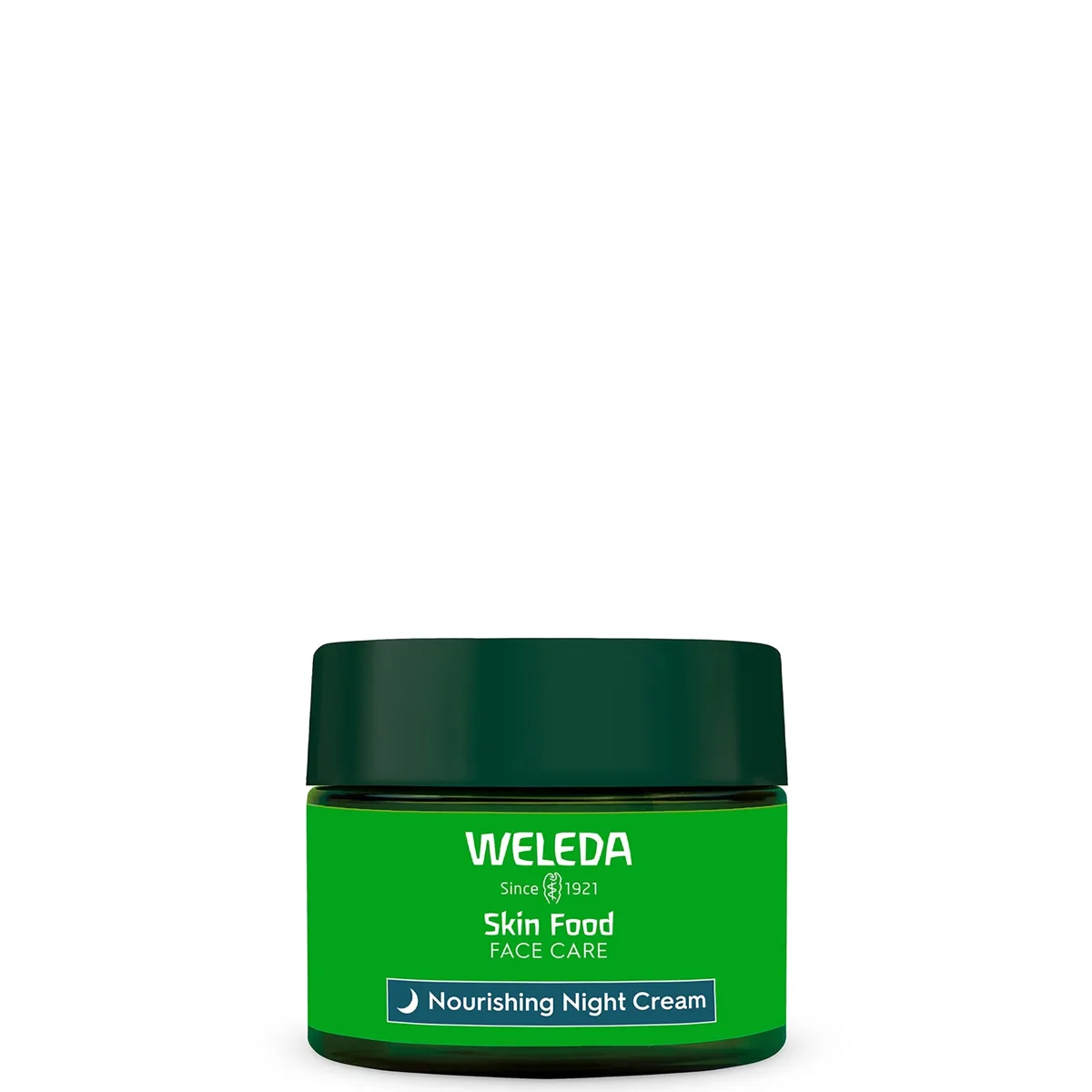
Yes — Weleda offers a separate Skin Food Face Care Nourishing Night Cream as the evening counterpart. The night version is slightly richer and includes ingredients better suited to overnight recovery. The day and night creams are designed to layer with each other as a morning-and-evening Skin Food Face Care routine.
Recurring themes our editors read across retailer reviews of this product — summaries in our words, not quotations, and not a substitute for your own patch test.
Lighter texture appropriate for daily full-face use
Vegan-friendly shea butter base replaces original Skin Food lanolin
Anthroposophic botanical complex maintains brand heritage identity
Plant-derived squalane adds skin-mimicking emolliency
Fragrance load with 4 named EU fragrance allergens limits sensitive-skin use
Alcohol content adds drying concern for very dry skin
Smaller 40 mL size at $22 makes per-volume value firm
Less iconic identity than the original Skin Food it derives from
Verified answers from our questions library — the nuance a product page cannot carry.